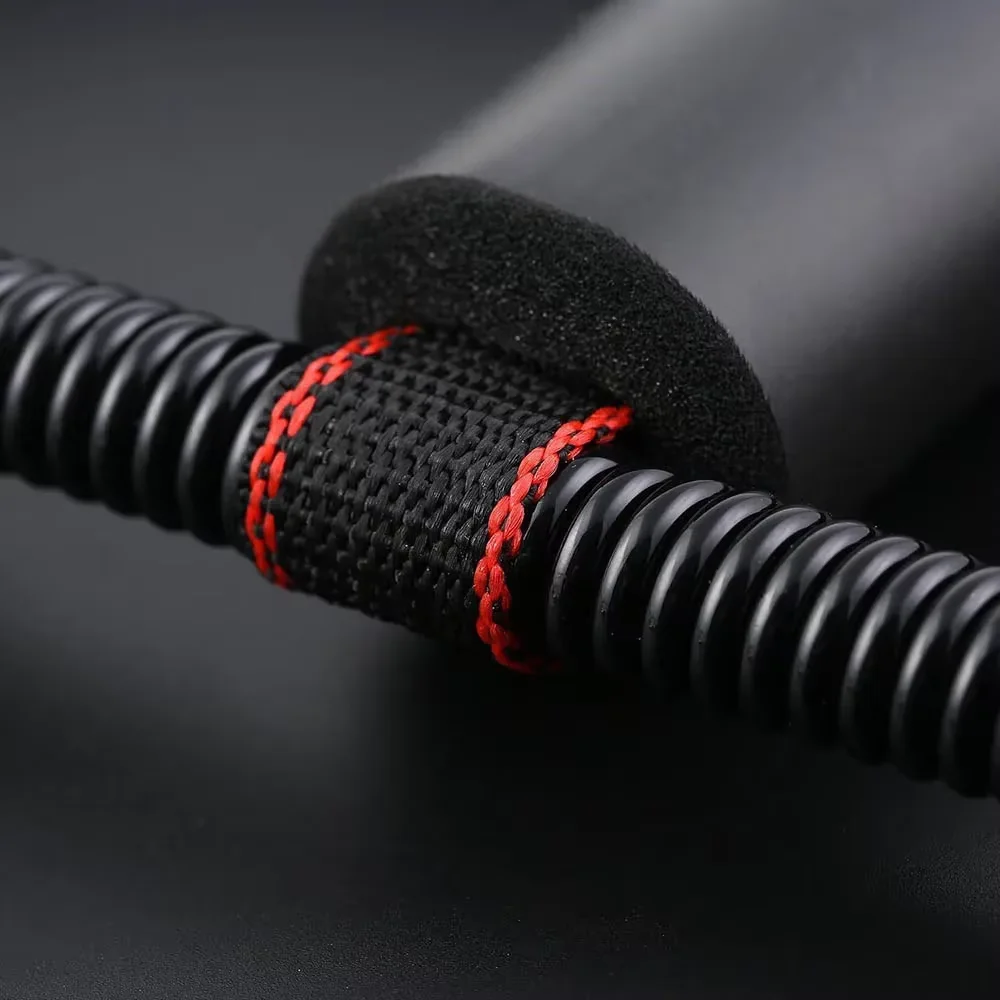

The Grip Is the Bottleneck: Training the Forearm as a Force Transmitter
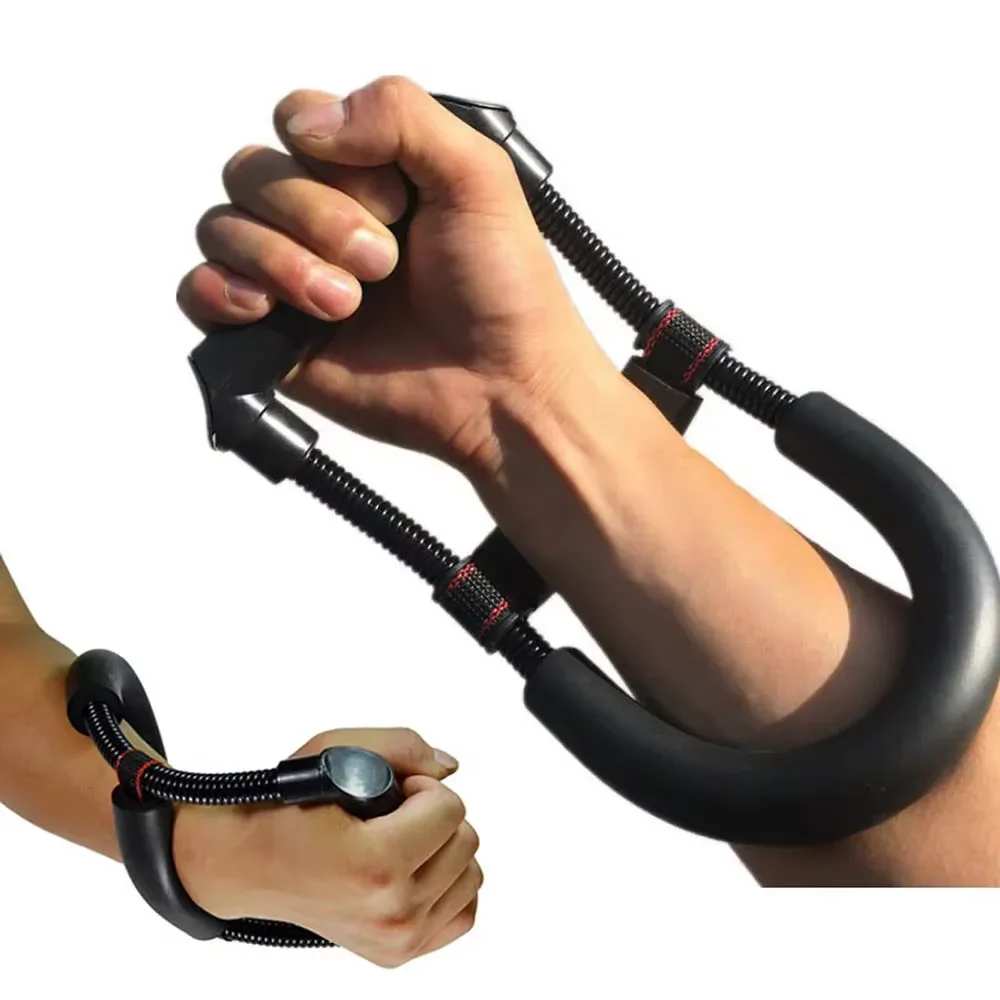
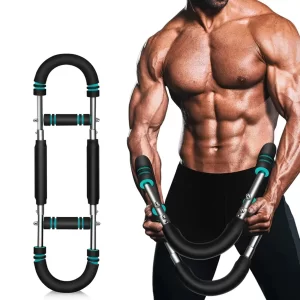
Every heavy pull ends at your hands. The lats, traps and biceps can generate more force than most people’s fingers can hold, so the grip quietly caps performance on deadlifts, rows, pull-ups and carries long before the big muscles are done. The forearm flexors are also densely packed with endurance-biased fibres — they respond to sustained tension and high time-under-load rather than to heavy, brief efforts. A dedicated wrist and forearm trainer supplies exactly that: continuous, adjustable resistance through wrist flexion, extension and rotation, in ranges a barbell never reaches.
Key Benefits
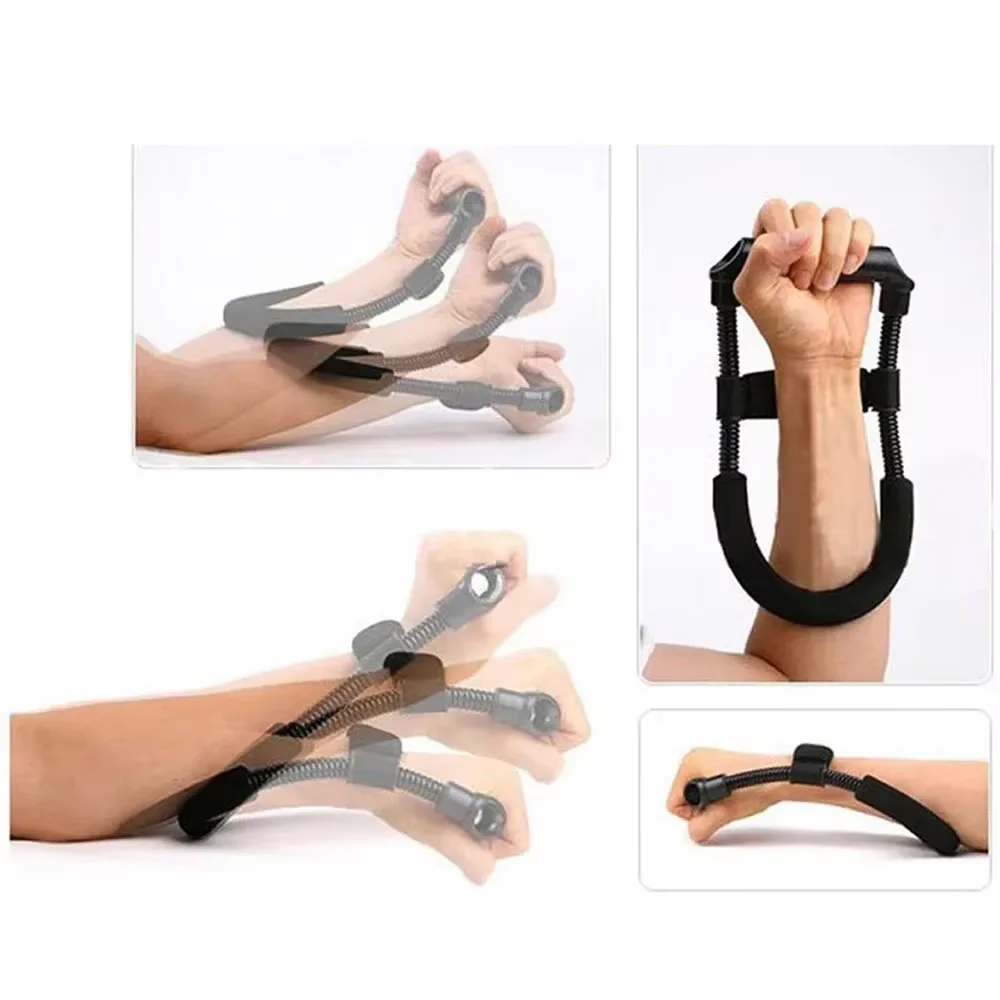
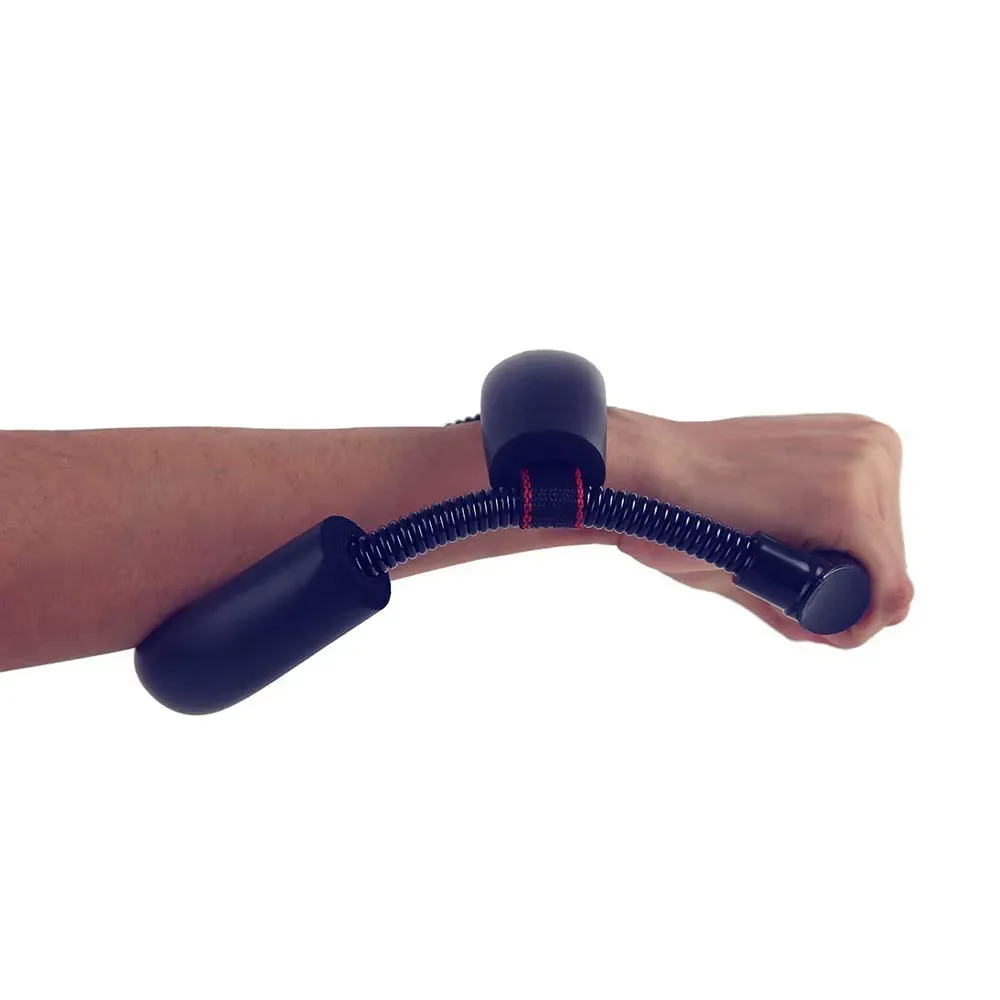
- Trains all three forearm actions — flexion, extension and pronation/supination, rather than only the crushing grip that a spring hand gripper works.
- Adjustable resistance — scale the load as your grip strength climbs instead of outgrowing a fixed-tension gripper in a month.
- Directly raises your pulling ceiling — a grip that outlasts your back is a grip that stops ending your deadlift sets early.
- Balances the extensors — most training hammers the flexors and neglects the extensors, and that imbalance is a well-known contributor to lateral elbow pain.
- Carryover to racket and climbing sports — tennis, badminton, golf, climbing and combat sports all live and die on wrist and forearm endurance.
- Small, quiet, desk-friendly — a device you can use while reading, which is how forearm volume actually accumulates.
How to Use
Work slowly. Forearm tissue responds to time under tension, so a controlled three-second lowering phase beats fast reps every time. Keep the elbow supported on a bench or your thigh so the shoulder can’t take over. Train flexion and extension in roughly equal volume — this is the point most people miss, and it is why so many lifters end up with elbow tendinopathy. Start with a light setting for two sets of high reps, and add resistance only when the last few reps stop burning. Stop if you feel sharp pain at the elbow or a pins-and-needles sensation in the hand; wrist and elbow tendon problems are far easier to prevent than to rehabilitate, and existing tendinopathy or carpal tunnel symptoms should be assessed by a clinician before you add loaded grip work.
Specifications
| Product type | Wrist and forearm strengthener / grip trainer |
|---|---|
| Resistance | Adjustable |
| Trains | Wrist flexion, wrist extension, forearm rotation, crush grip |
| Target area | Wrists, fingers, forearms |
| Best for | Lifters, climbers, racket sports, combat sports, rehab-adjacent grip work |
| Use setting | Home, gym, desk |
| Impact | Low |
| Handle | Adjustable hand grip |
| Resistance range | Variant dependent |
Care & Maintenance
Keep the mechanism clean and free of grit, and wipe sweat off the handles after use — corrosion is what kills adjustable grip devices. A drop of light machine oil on any moving pivot occasionally keeps the action smooth. Store dry. Inspect any springs, cords or threads before each session and stop using the device if a component is deformed or a thread strips.
What’s in the Box
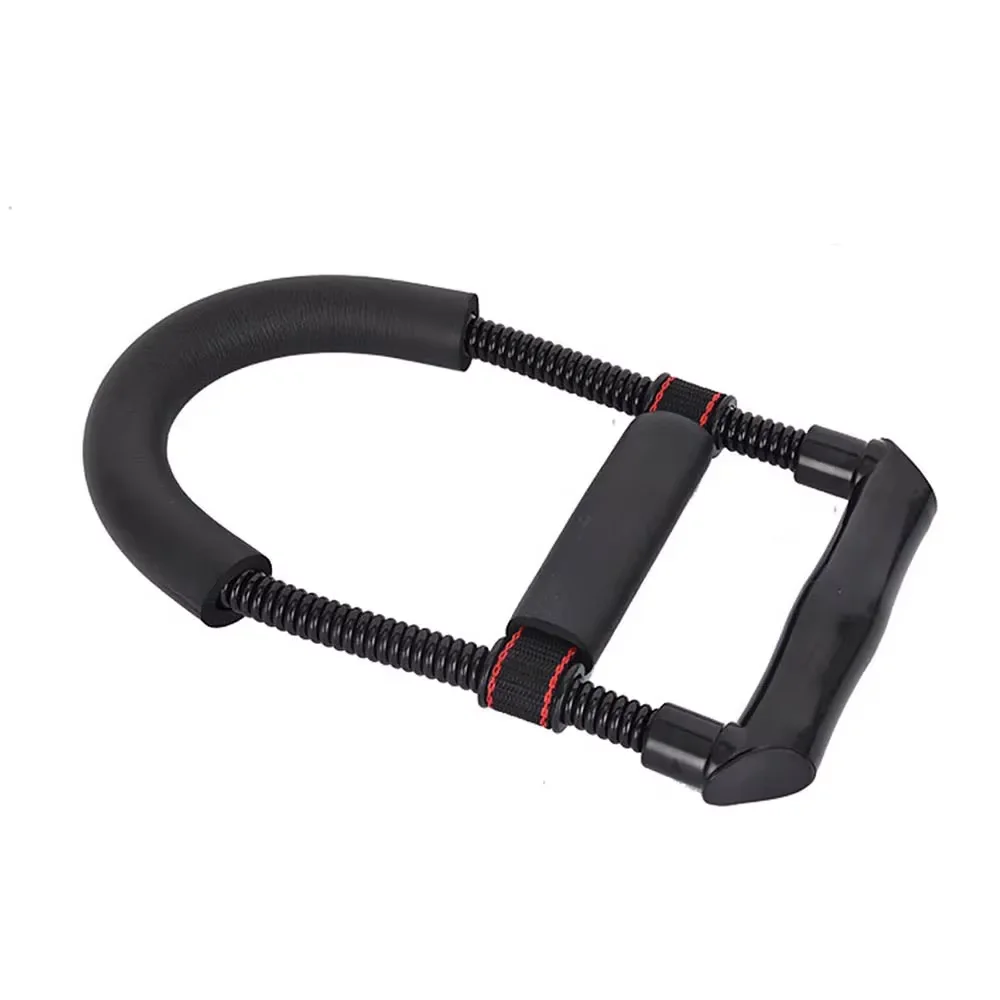
1 × adjustable wrist and forearm strengthener.

Reviews
There are no reviews yet.