Grip Is the Bottleneck You Feel Before You Feel Anything Else
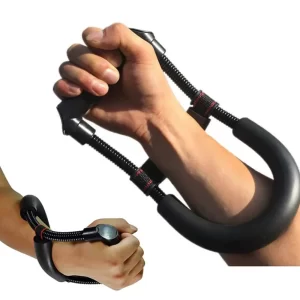
Grip strength is generated by the deep flexors of the forearm pulling on tendons that run through the carpal tunnel to the fingers — a small cross-section of muscle doing an enormous amount of work. In almost every pulling exercise, grip fails before the lats and biceps do, which means your back is being trained to your forearms’ capacity, not its own. Progressively loading the forearm flexors and the adductors of the thumb removes that ceiling. It’s also worth knowing that handgrip strength is one of the more robust population-level correlates of overall physical function — it’s a proxy for something real.
Key Benefits
- Removes grip as the limiting factor in every pull. Deadlifts, rows, pull-ups and carries all end when your hands do. Train the hands and the back finally gets trained too.
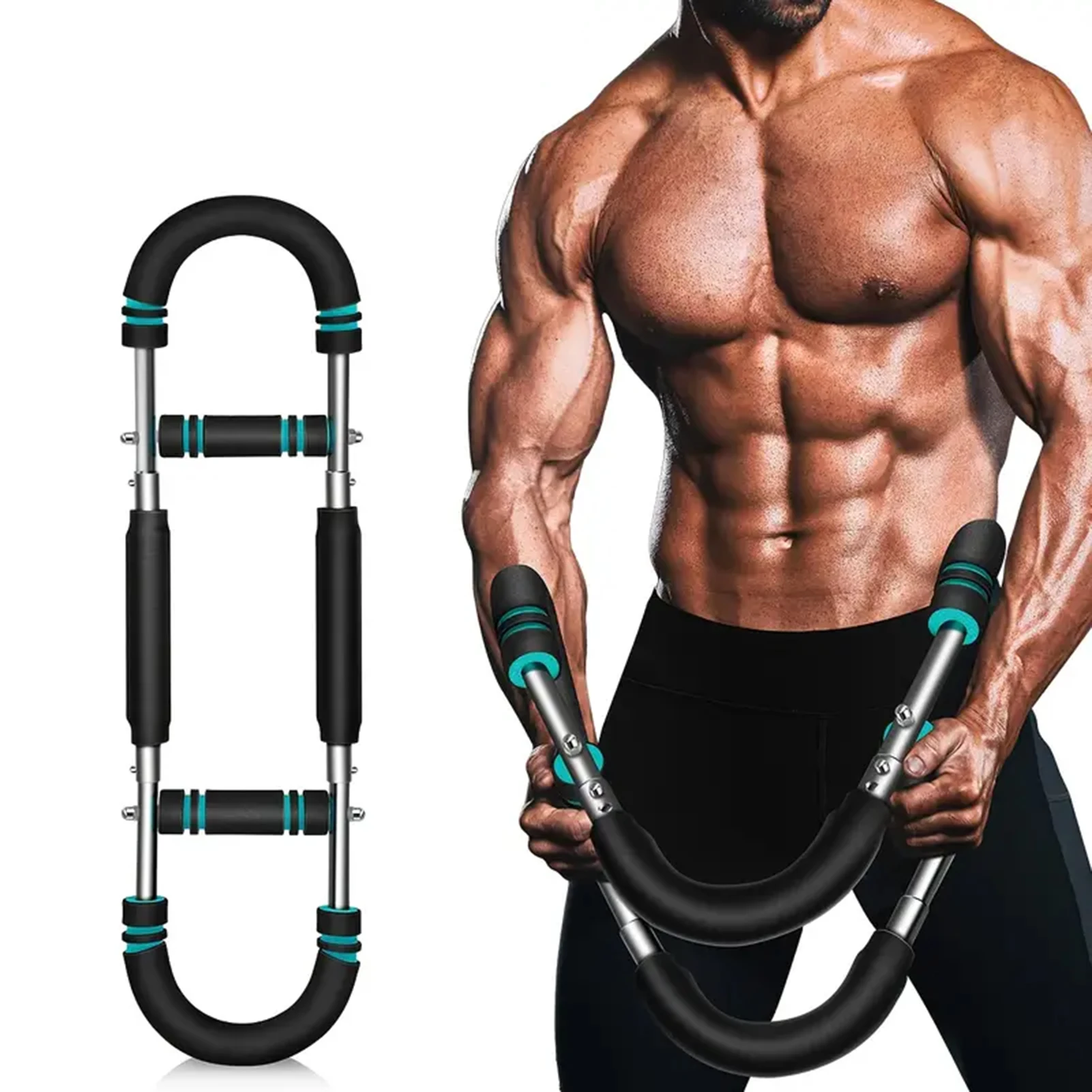
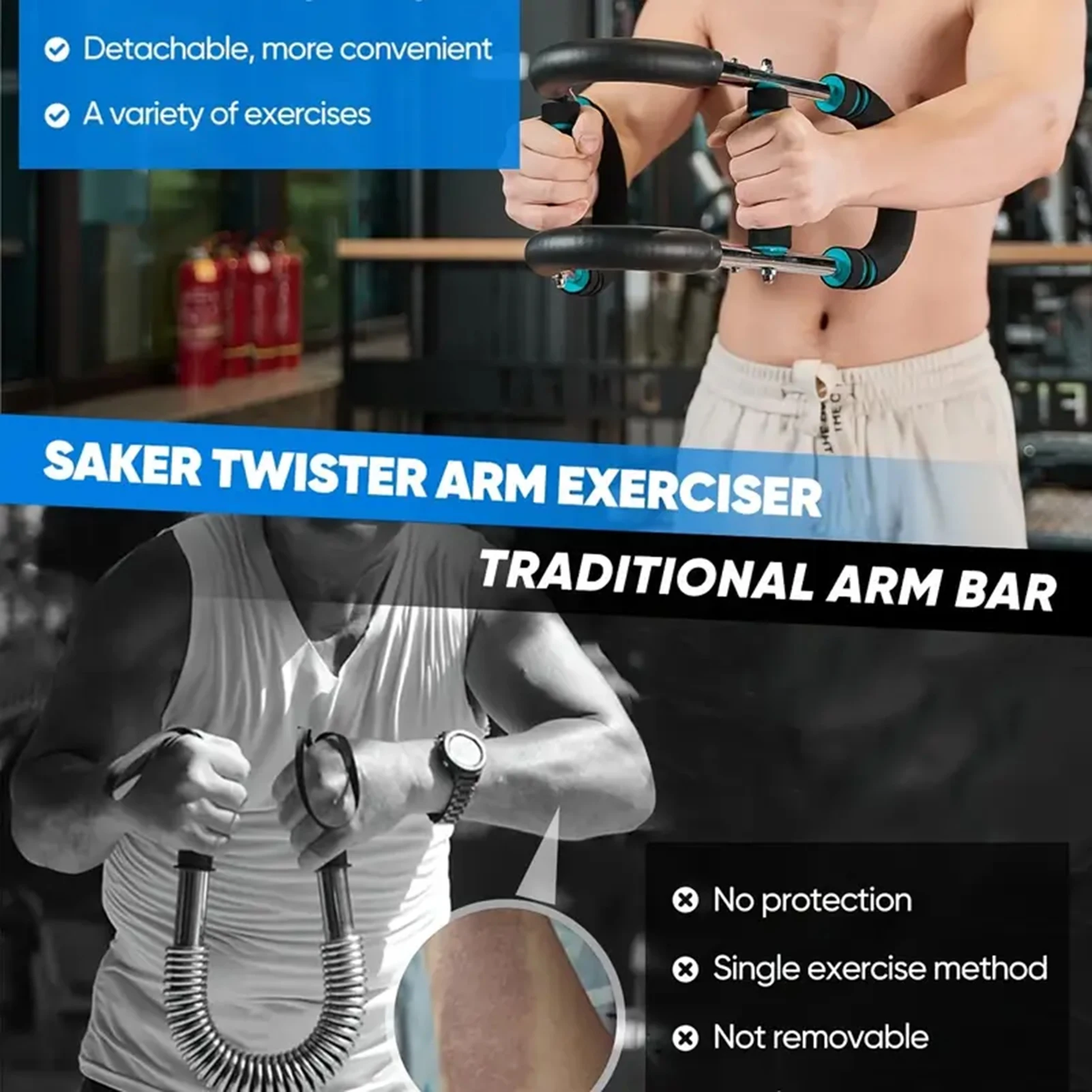
- The twister bar loads the chest, shoulders and arms isometrically and dynamically. Bending a spring-loaded bar recruits the pectorals, anterior deltoids, biceps and forearms in a way that’s difficult to reproduce without a gym.
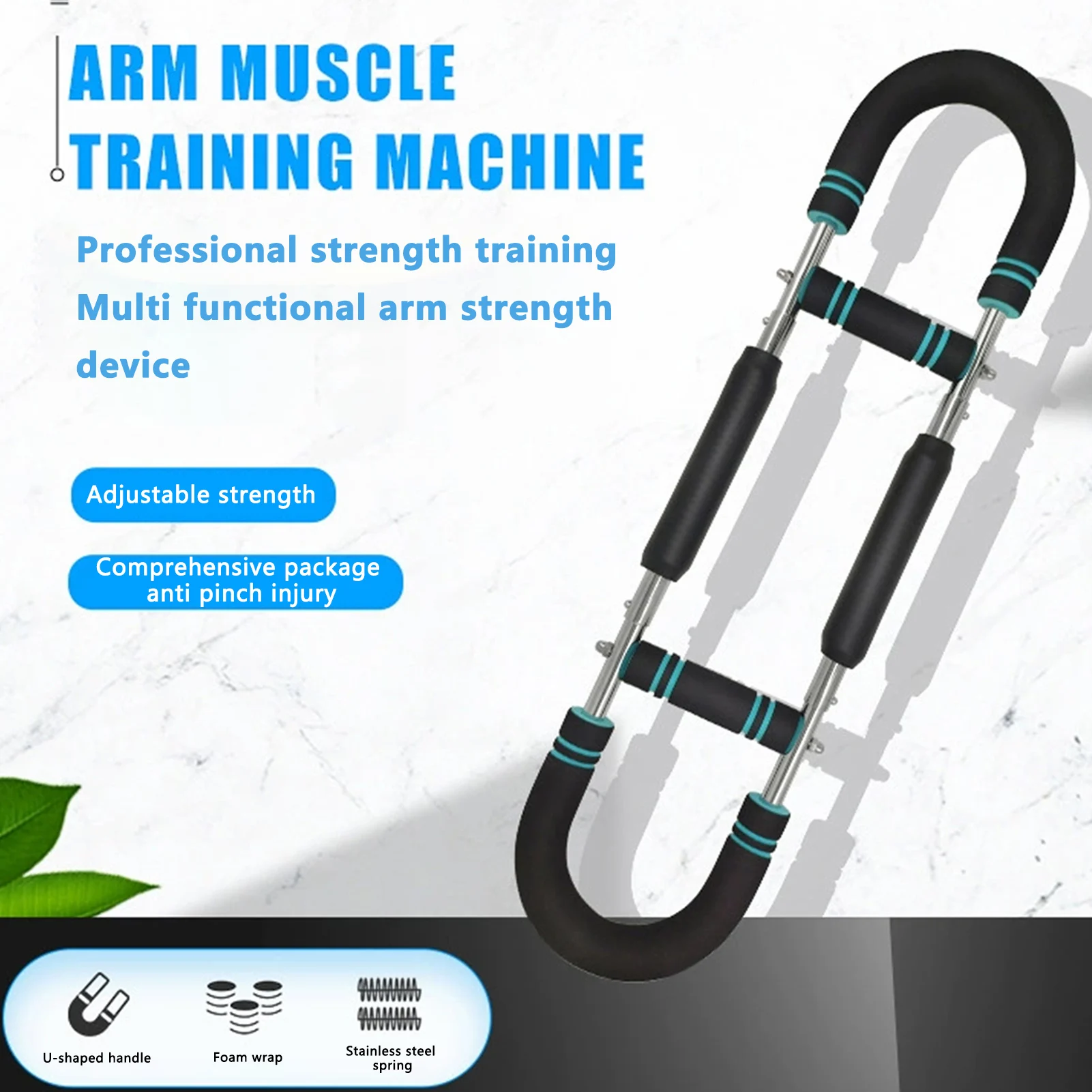
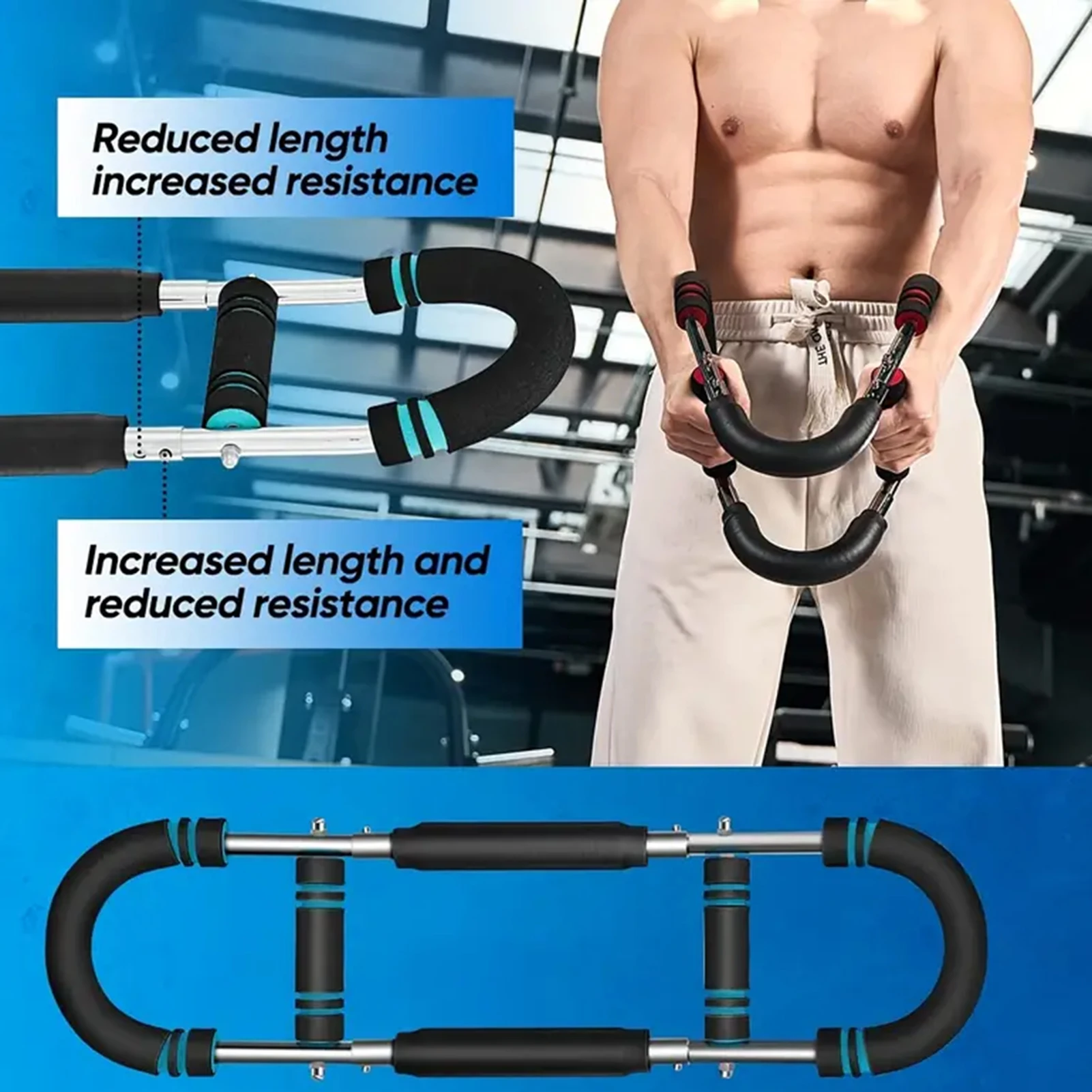
- Adjustable resistance means real progression. A fixed-tension gripper is a test; an adjustable one is a training tool, because you can add load as you get stronger.
- Trains the forearms for endurance and for max force. High-rep sets build the capillary density and fatigue resistance that carries a heavy bag; low-rep, high-tension sets build maximal crush strength.
- Costs nothing in space or time. It sits in a drawer and gets used while you’re on a call. Very few training tools have that property.
- Safety note, said plainly: a power twister is a loaded steel spring. If it slips or you lose control at full bend, it releases fast and hard. Grip both ends firmly, keep it away from your face and from other people, and check for any bend, crack or corrosion in the steel before every use.
How to Use
For the gripper: set a resistance you can close for 8–12 controlled reps, squeeze to full closure, hold for a beat, and release slowly — the eccentric is where much of the adaptation happens. Don’t grind out reps with a half-closed hand; partial reps train partial ranges. For the power twister: grip both handles firmly with hands fully wrapped, arms out in front at chest height, and bend it in a slow, controlled arc — never let it snap back. Keep it well clear of your face at all times. Forearms and hands recover fast; 3–4 sessions a week is fine, but ease in, because forearm tendons and the medial elbow do not enjoy sudden jumps in volume. If you feel pain on the inside of the elbow (a common overuse site for grip work), back off immediately rather than pushing through — that’s how golfer’s elbow starts. Not recommended if you have carpal tunnel syndrome, an existing tendinopathy or a wrist injury without clinical advice.
Specifications
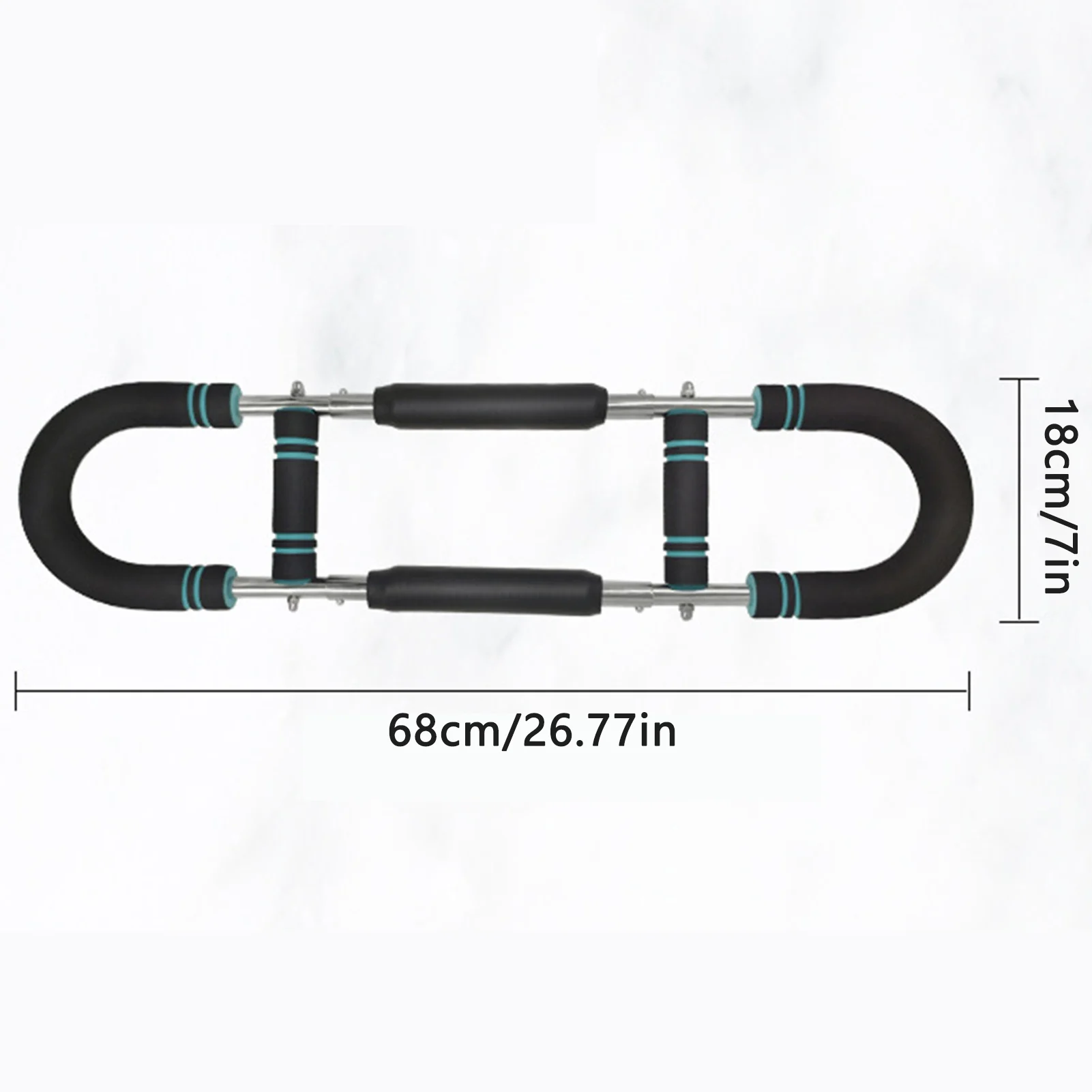
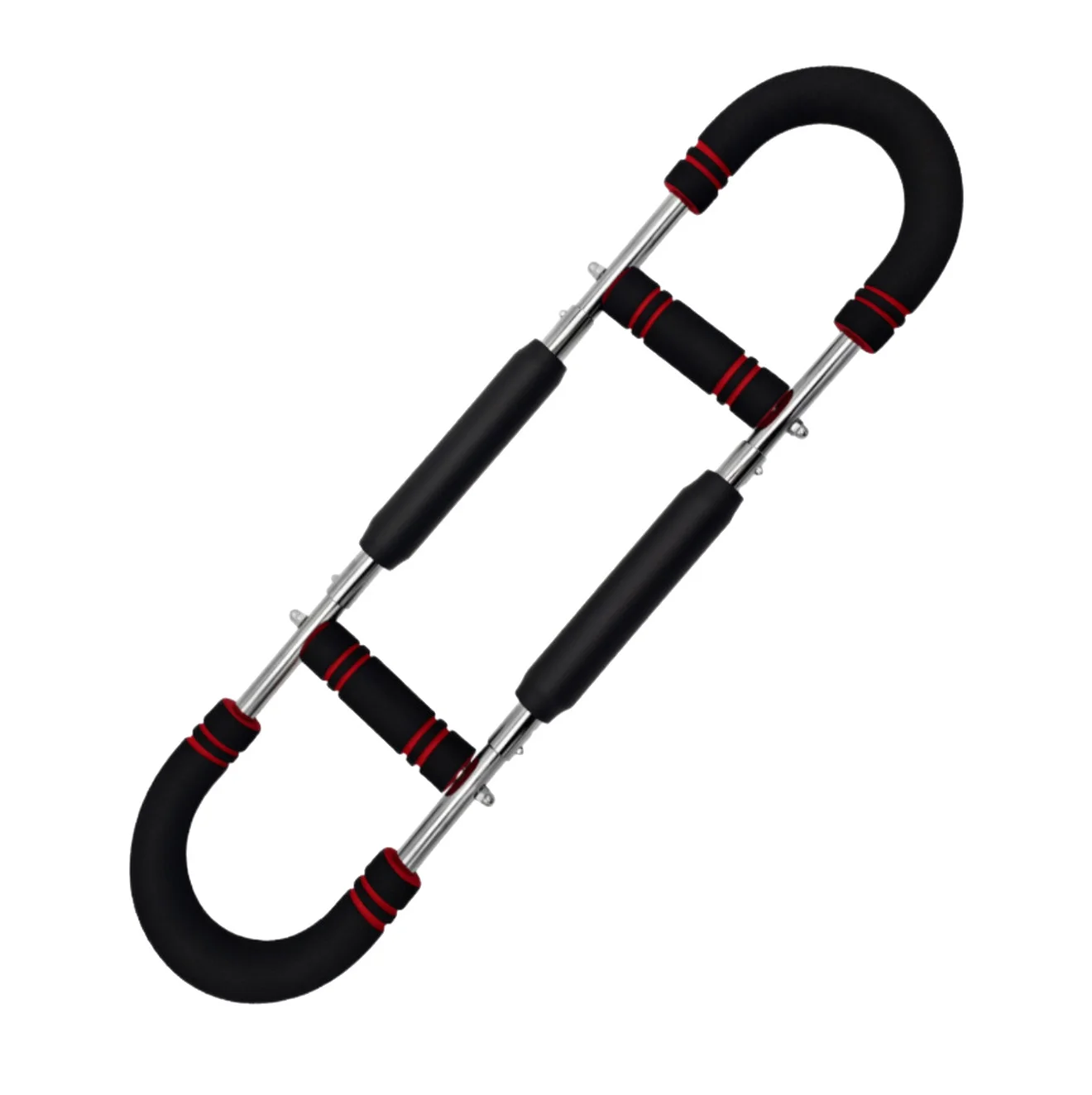
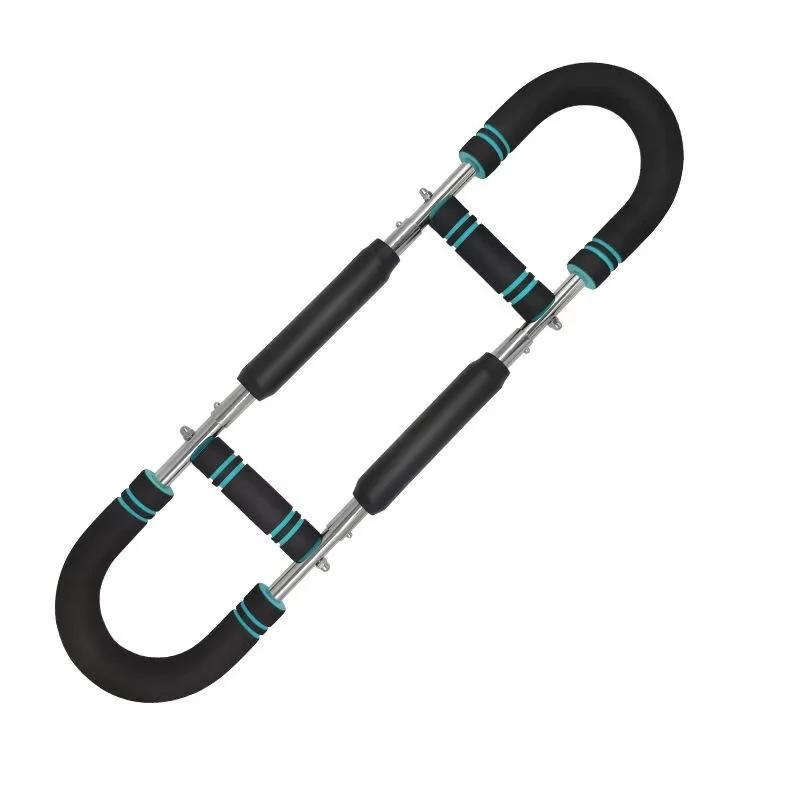
| Set | Power twister bar + U-shape adjustable hand gripper |
|---|---|
| Gripper resistance | Adjustable, up to approximately 40 kg |
| Gripper material | Stainless steel |
| Twister bar | Spring-loaded steel bar with grip handles |
| Targets | Forearm flexors, grip, biceps, chest, anterior deltoids |
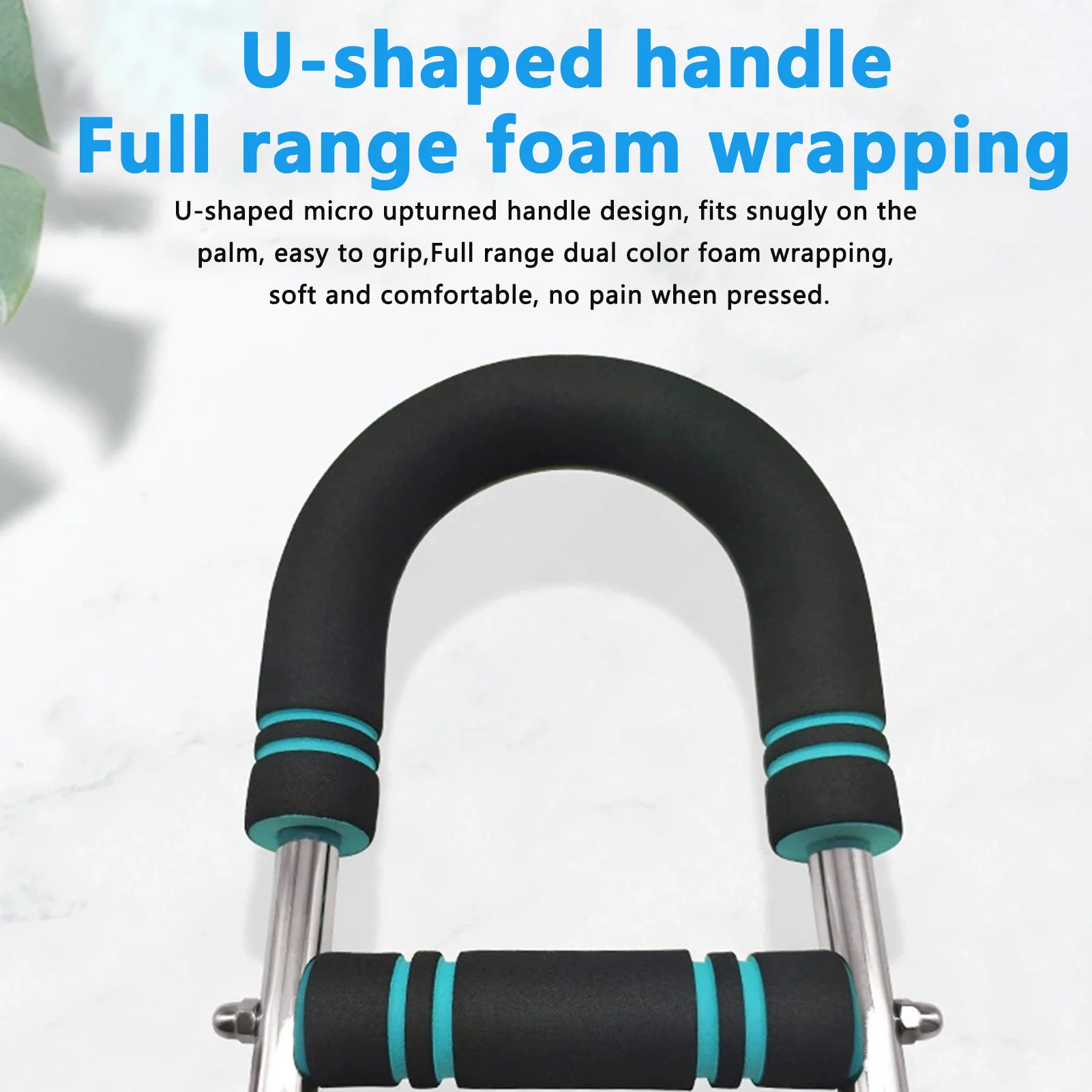
| Grip surface | Non-slip handles |
| Storage | Compact — drawer or gym bag |
| Shipping | US warehouse quick ship |
Care & Maintenance
Keep the steel dry — sweat is salty and will pit stainless over time, particularly at the spring coils. Wipe down after use and store somewhere dry. Apply a light machine oil to the adjustment thread and spring occasionally so it turns smoothly. Inspect the spring and bar before every session for cracks, permanent bend or corrosion, and retire the unit immediately if you find any. A fatigued spring under load fails without warning.
What’s in the Box
1 x power twister bar, 1 x adjustable U-shape hand gripper. Contents per selected variant.
Reviews
There are no reviews yet.