Bruising Is a Pressure Problem, Not a Weight Problem
A loaded barbell across the upper back concentrates its entire mass along a narrow contact strip. Pressure is force divided by area, so the thinner that strip, the higher the pressure on the tissue underneath — which is why lifters with less trap mass, and anyone doing hip thrusts where the bar sits on the pelvis and soft abdomen, feel it first. A foam pad doesn’t reduce the force. It increases the contact area, which lowers peak pressure and stops the discomfort that makes you cut a set short before your legs did.
Key Benefits
- Spreads load, lowers peak pressure. The same weight distributed over a wider strip means dramatically less pressure on any single point of bone or nerve.
- Makes barbell hip thrusts actually tolerable. This is where a pad matters most — the bar sits directly on the pelvis and soft tissue, and without padding most people simply cannot load the movement enough to train the glutes properly.
- Useful for lifters still building back mass. Beginners and lighter lifters have less natural muscular padding across the traps; the pad bridges that gap while it’s being built.
- Helps with walking lunges and Bulgarian split squats. Long-duration bar contact under an unstable load is where shoulder discomfort compounds.
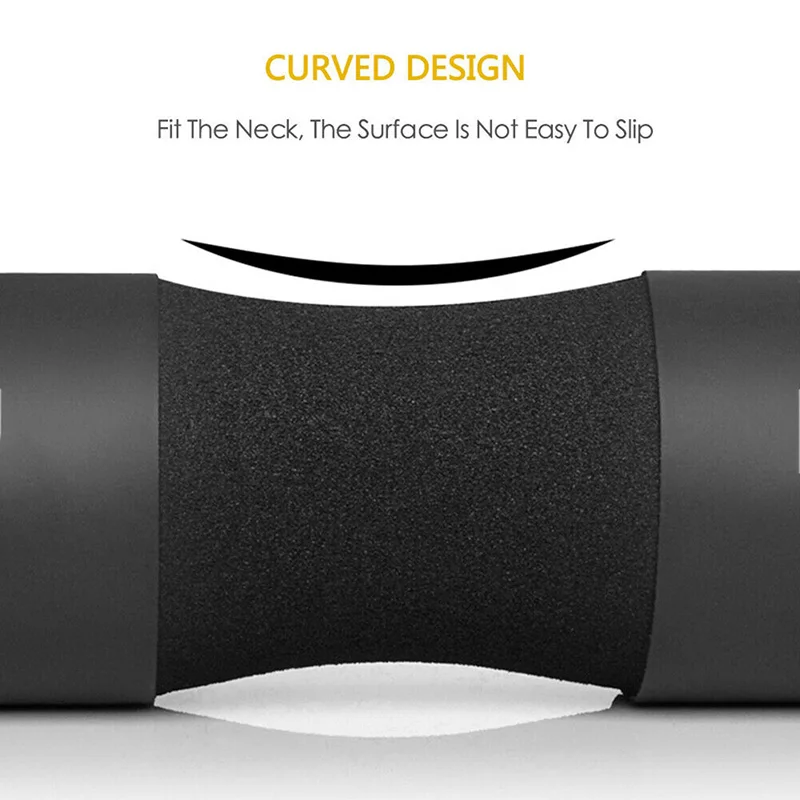
- Adds a little grip against bar roll. The textured foam gives the bar somewhere to settle rather than creeping down your back mid-set.
- An honest word on back squats: many experienced coaches discourage pads on the back squat, because the pad raises the bar’s height on your back and can subtly shift the bar path and your centre of mass. If you’re squatting heavy and competitively, learn the bar position first. For hip thrusts, lunges and general training, the pad is simply the right tool.
How to Use
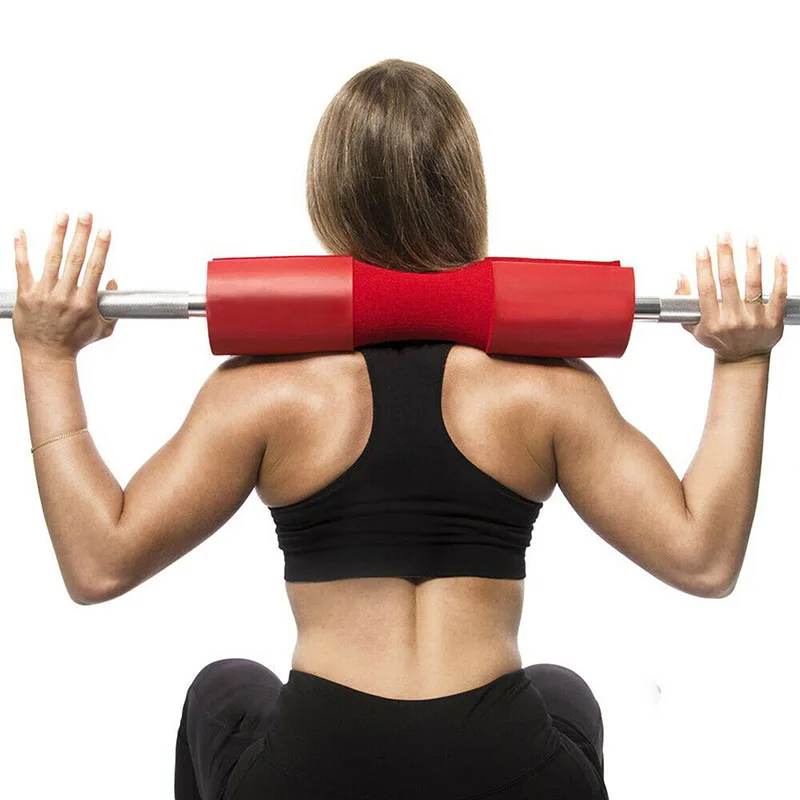
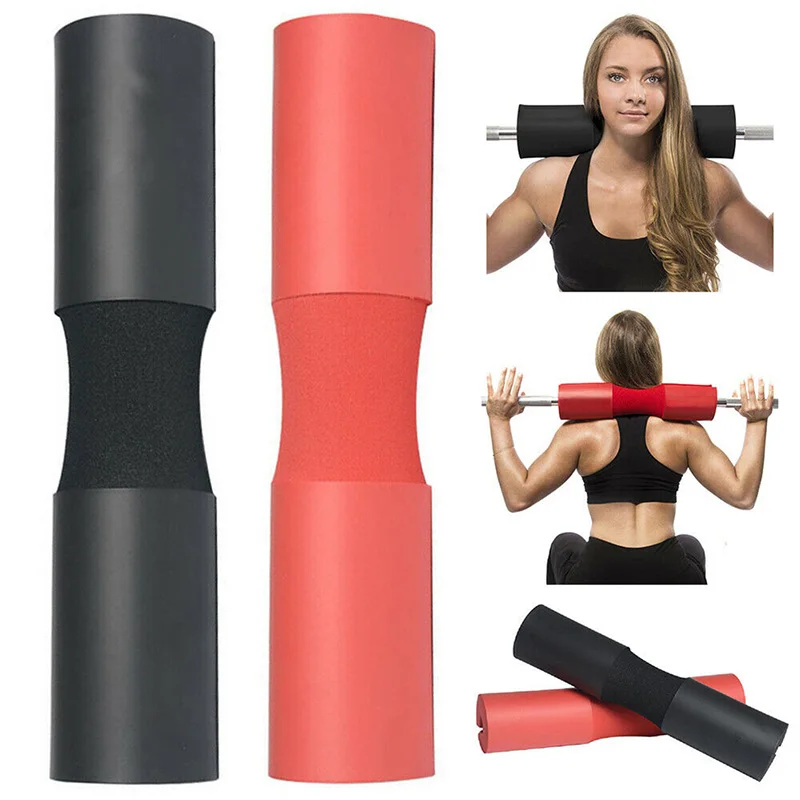
Wrap the pad around the centre of the bar and secure the fastening so it cannot rotate. For squats, set it so the bar still sits in the shelf of muscle across your mid-traps or rear delts — not up on the neck. The pad is there to cushion, not to let you rack the bar somewhere anatomically wrong; a bar resting on your cervical spine is dangerous with or without foam. For hip thrusts, position it centrally over your hips before you lift the bar into place. Check the pad hasn’t slipped before each set. If a pad ever prevents you from feeling where the bar is on your back, that’s a sign it’s too thick for the movement — use it for thrusts and go bare for heavy squats.
Specifications
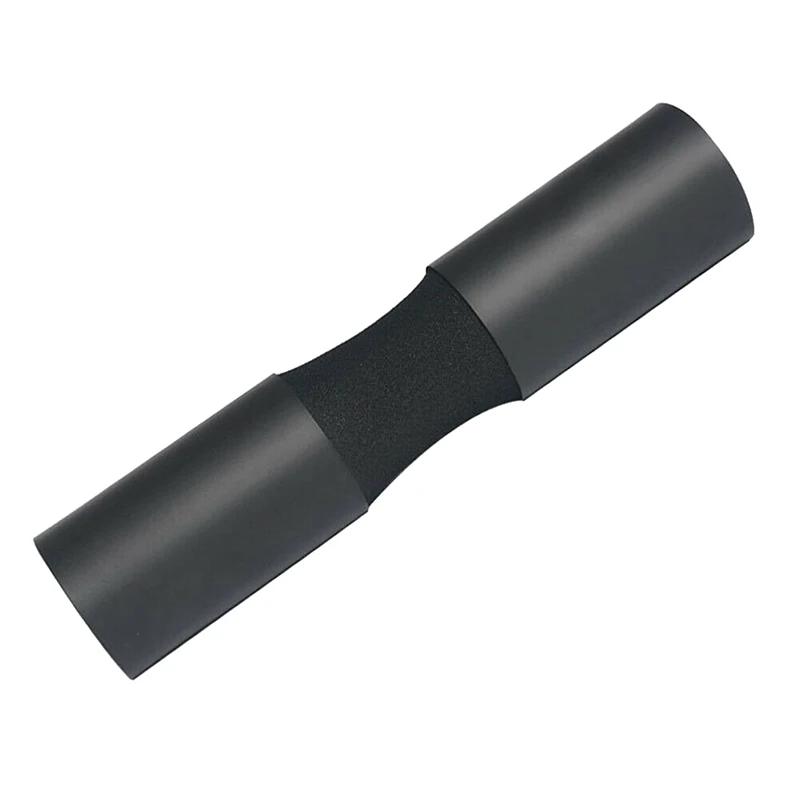
| Type | Barbell squat / hip thrust foam pad |
|---|---|
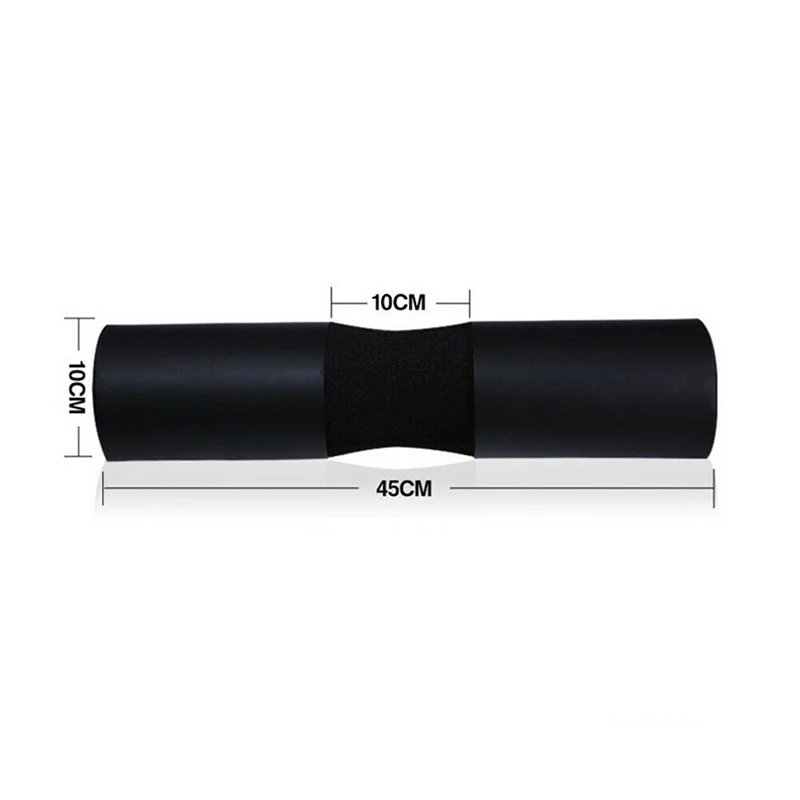
| Dimensions | Approximately 45 cm long x 10 cm across |
| Bar hole diameter | Approximately 2.7 cm — fits standard bars |
| Bar compatibility | Standard bars. Check fit before use with Olympic (28–32 mm) bars |
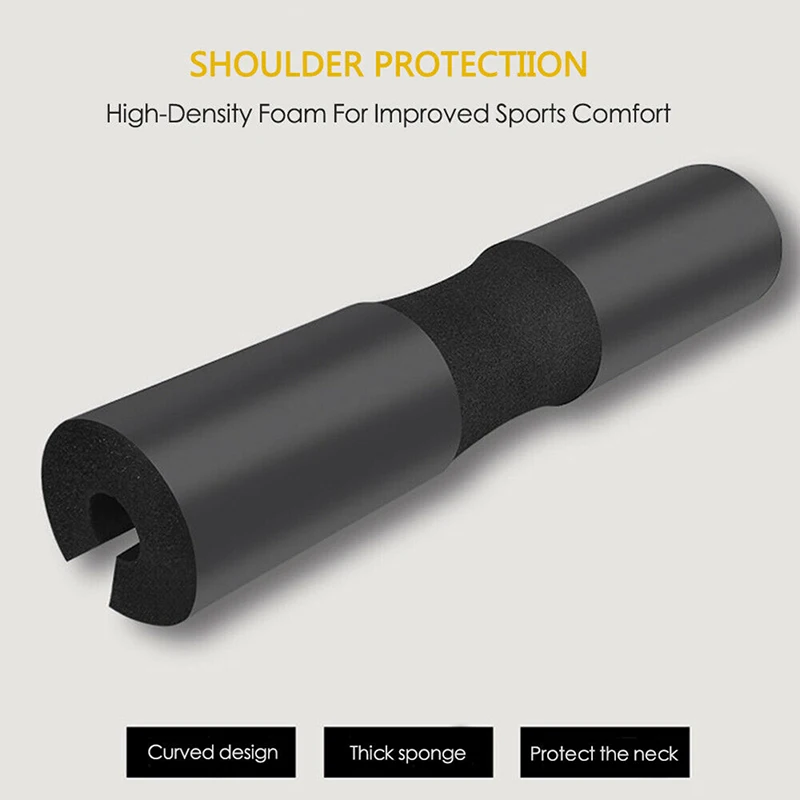
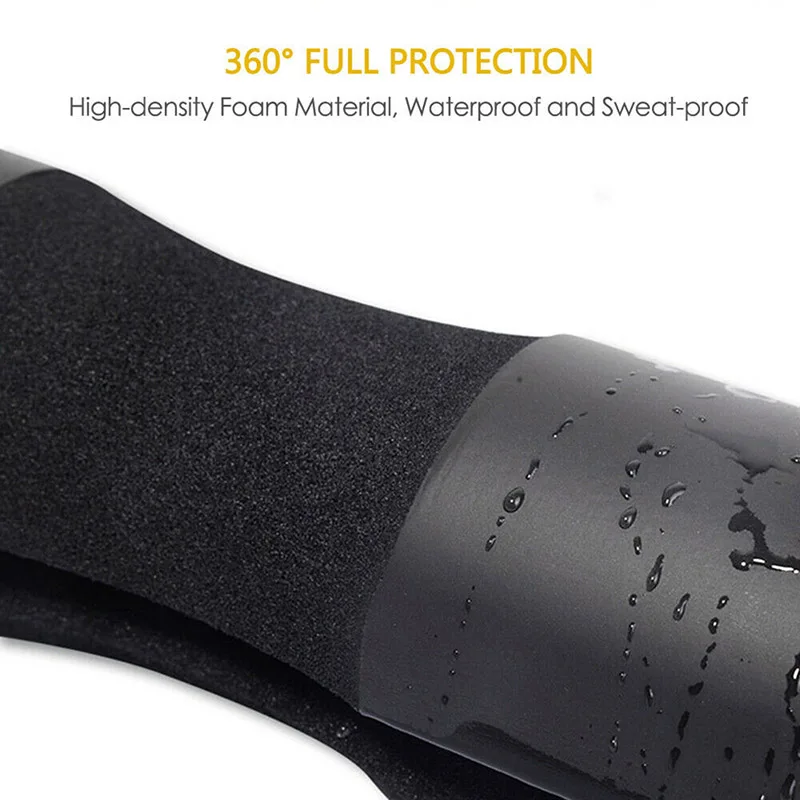
| Material | Soft high-density foam |
| Fastening | Wrap-around closure |
| Best for | Barbell hip thrusts, lunges, split squats, general squatting |
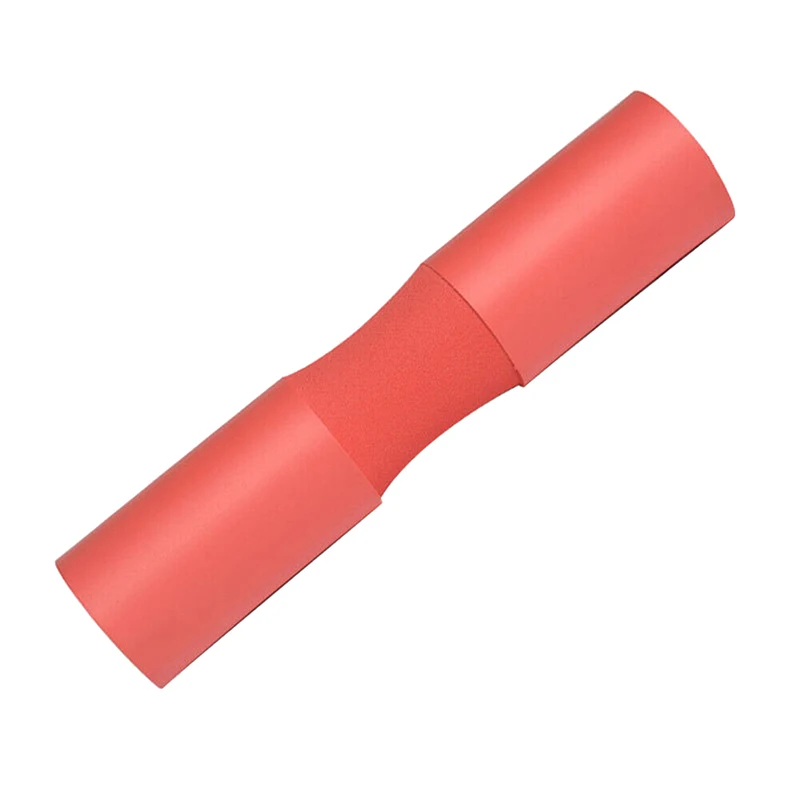
| Colour | Variant dependent |
Care & Maintenance
Wipe down with a damp cloth and mild soap after use — this pad sits against sweat every session and foam holds odour. Air dry fully before storing; do not machine wash, tumble dry or leave on a radiator, as heat degrades foam. Replace when the foam no longer springs back after compression, since flattened foam has lost the thickness that was doing the job.
What’s in the Box
1 x barbell squat pad.
Reviews
There are no reviews yet.