Adduction, Not Spot Reduction
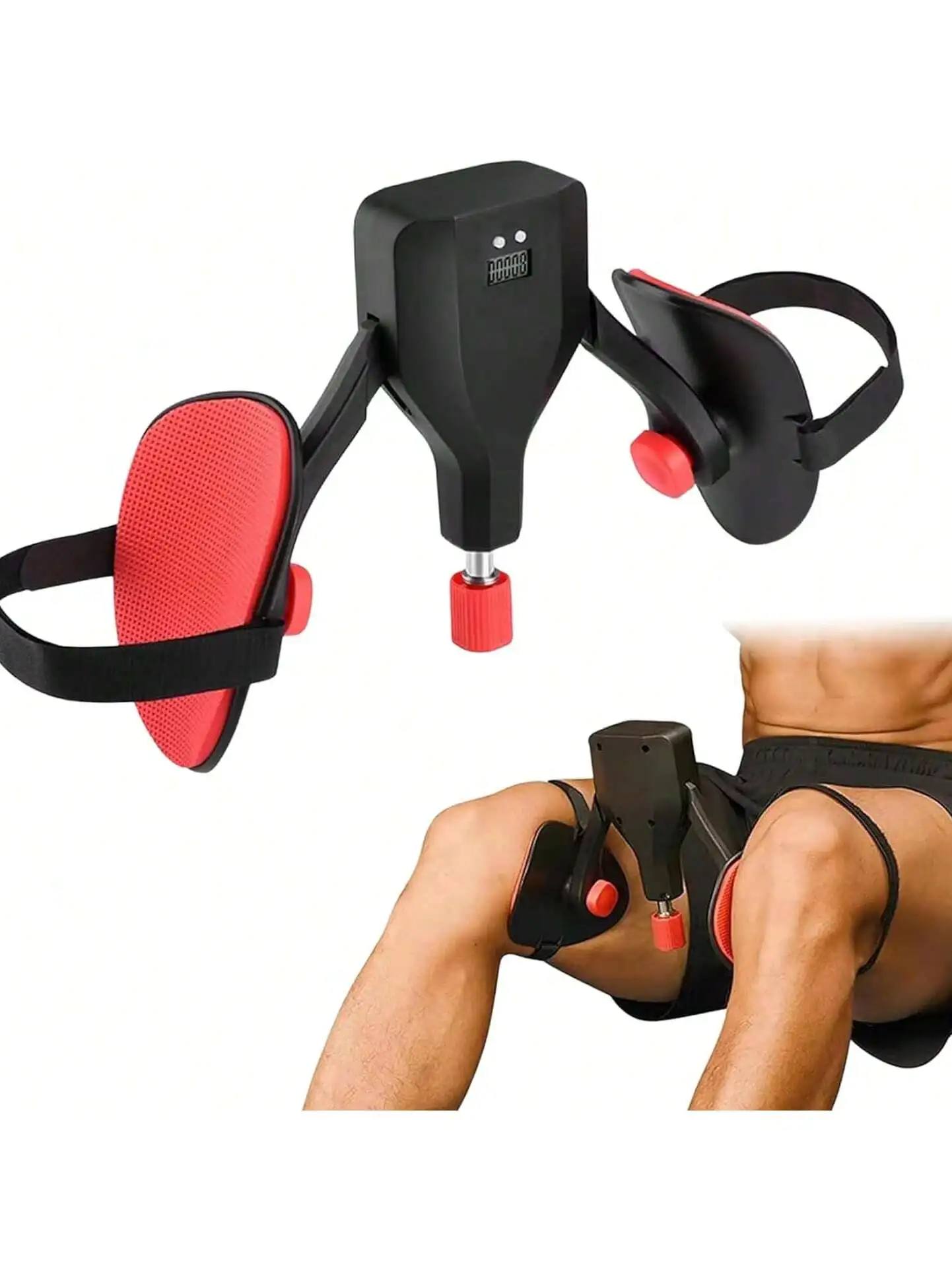
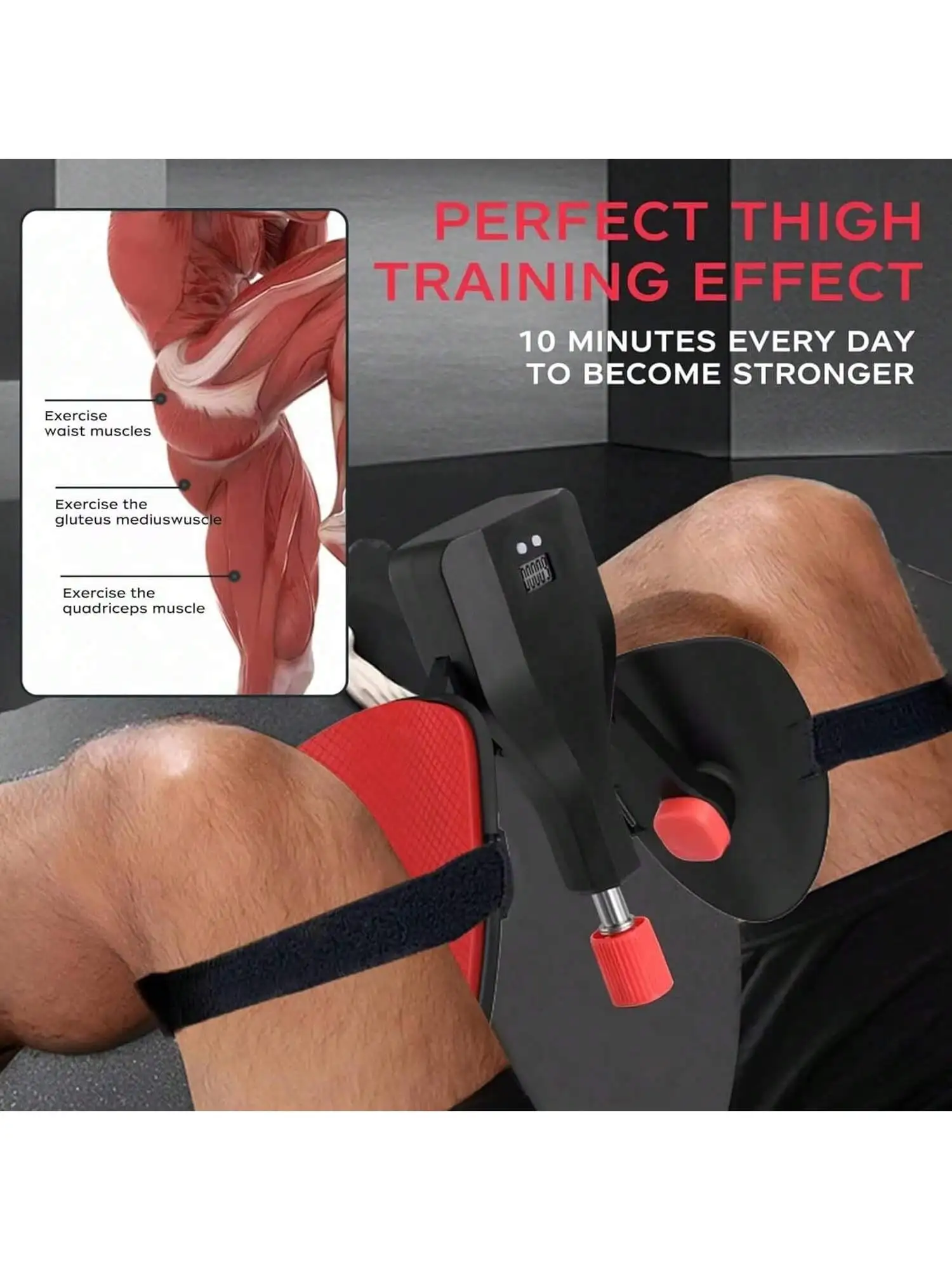
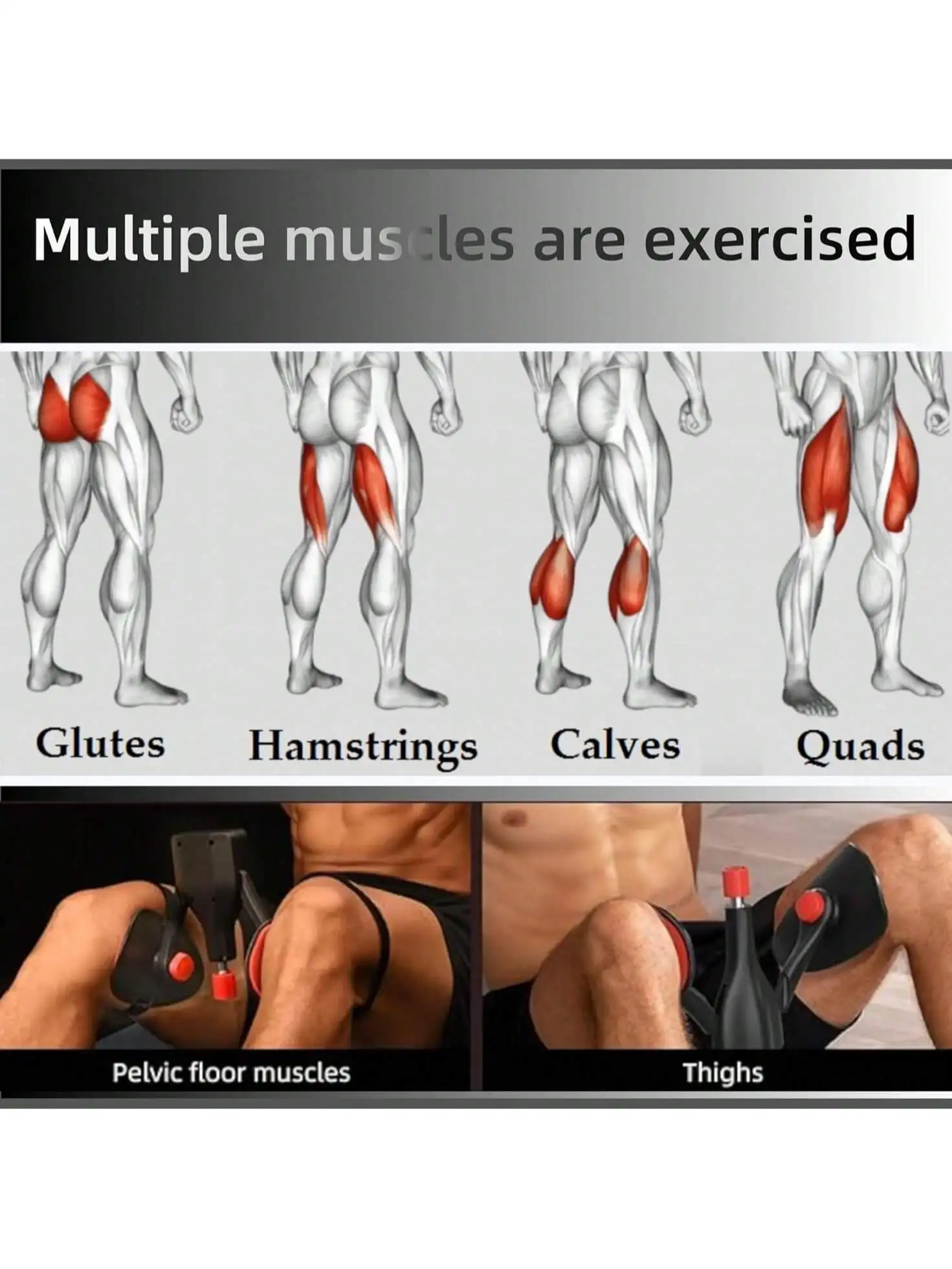
Squeezing your thighs together does not remove fat from your thighs. Spot reduction is one of the most thoroughly tested and thoroughly disproven ideas in exercise science: you mobilise fat systemically, from wherever your body decides, not from the tissue under the working muscle. What a squeeze trainer genuinely does is load hip adduction — the adductor longus, adductor magnus and gracilis — through a resisted range with immediate tactile biofeedback. Strong, well-conditioned adductors matter: they are among the most commonly strained muscles in field sport, and they stabilise the pelvis in single-leg stance.
Key Benefits
- Resisted hip adduction — trains the adductor group directly, a muscle group most people never load and one of the most frequently strained in sport.
- Immediate biofeedback — you can feel exactly where the tension is, which makes it far easier to learn a proper contraction than doing unloaded squeezes in the air.
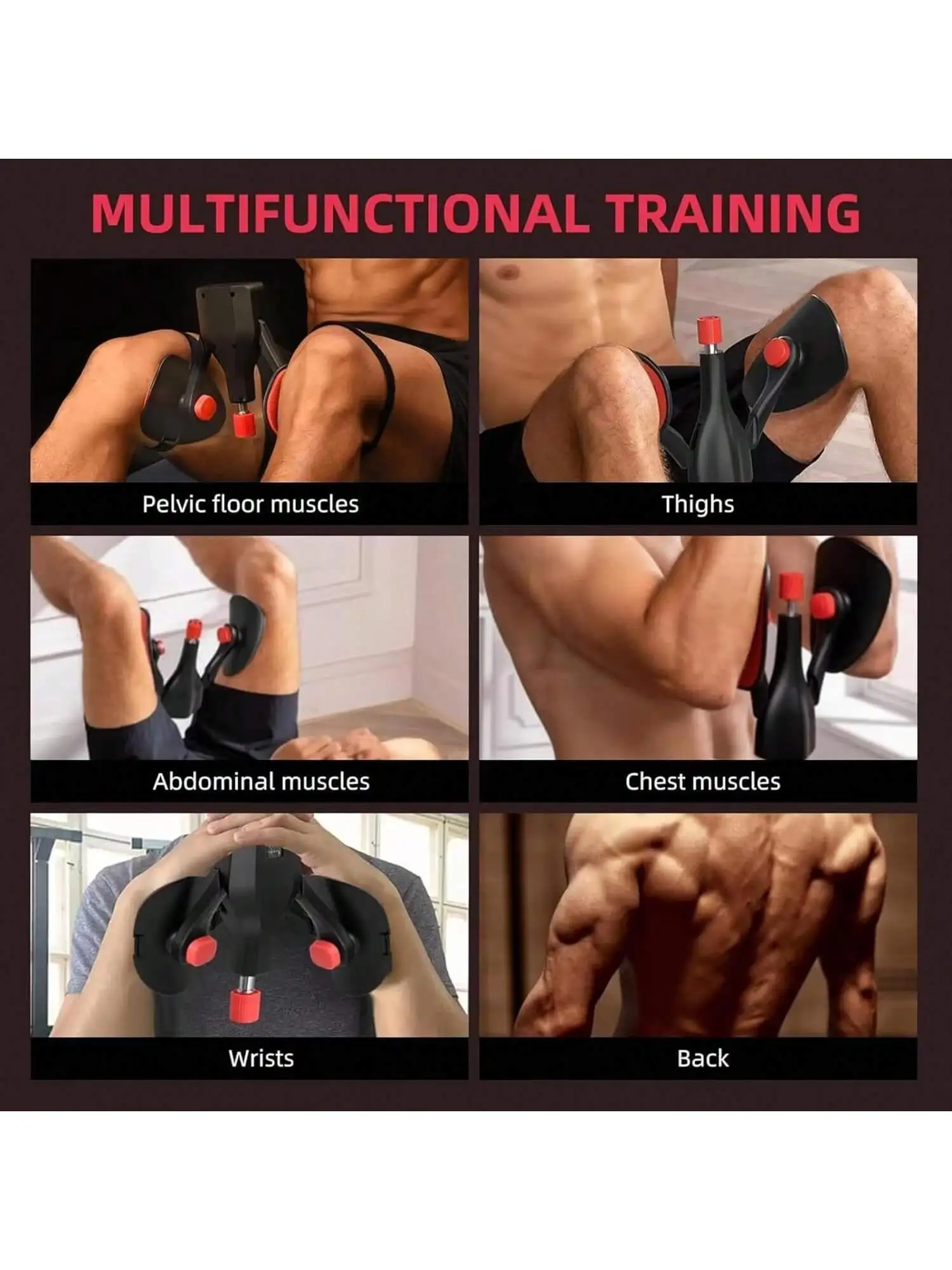
- Doubles as a chest and arm squeeze — held horizontally between the palms it loads the pecs and anterior delts isometrically, so one tool covers two patterns.
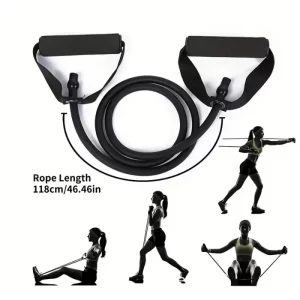
- Included resistance bands extend it to pull-aparts, glute abduction work and light rows, which is what actually makes it a usable home kit rather than a single-exercise gadget.
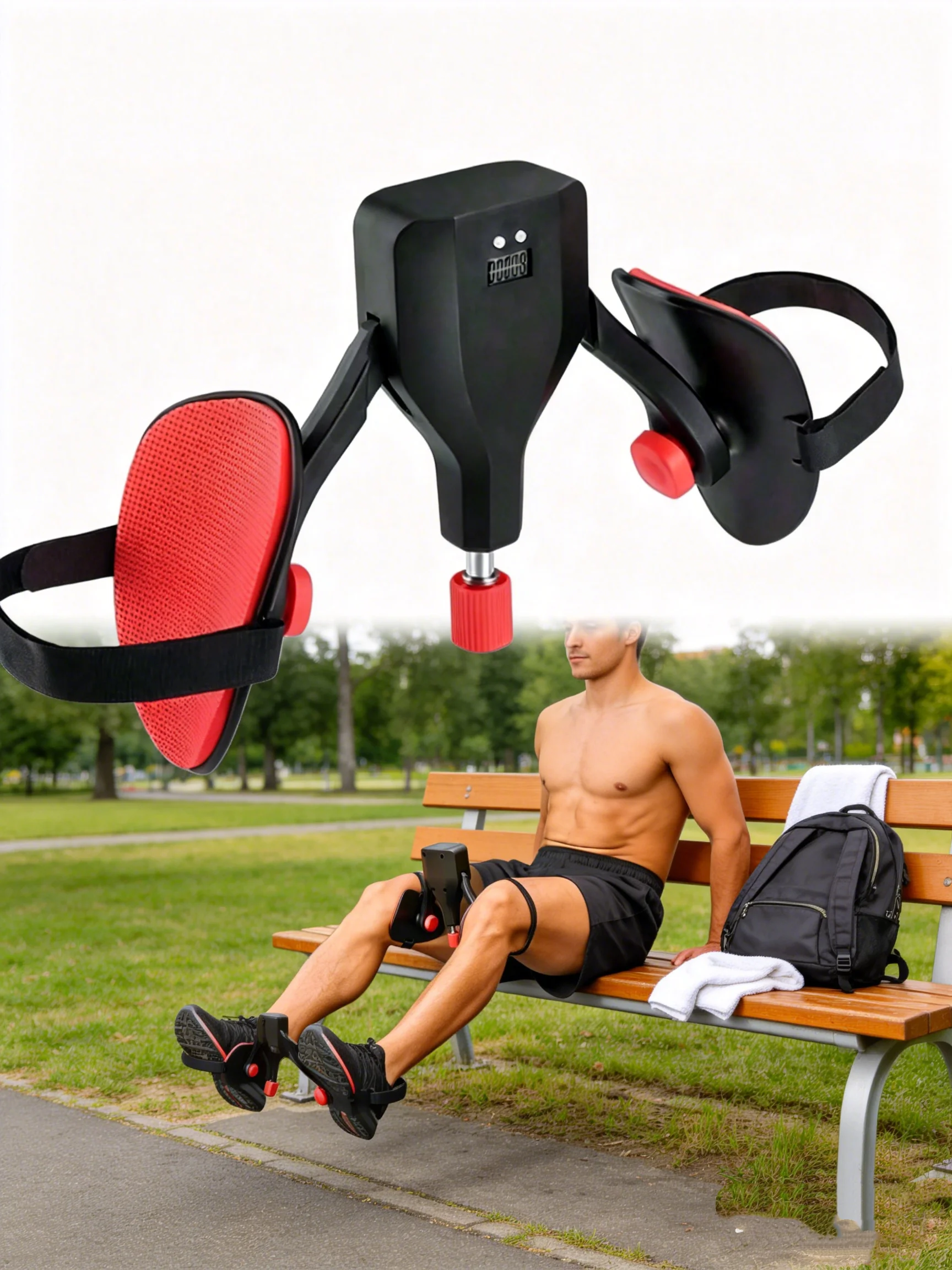
- Genuinely portable and quiet — usable at a desk, on the sofa or in a hotel room, and the barrier to doing three sets is close to zero.
- Honest claim check: this will not slim your thighs, and it is not a Kegel — a real pelvic floor contraction is an inward lift, not a thigh squeeze. Thigh squeezing produces some incidental co-contraction, but it is not a substitute for training the pelvic floor properly.
How to Use
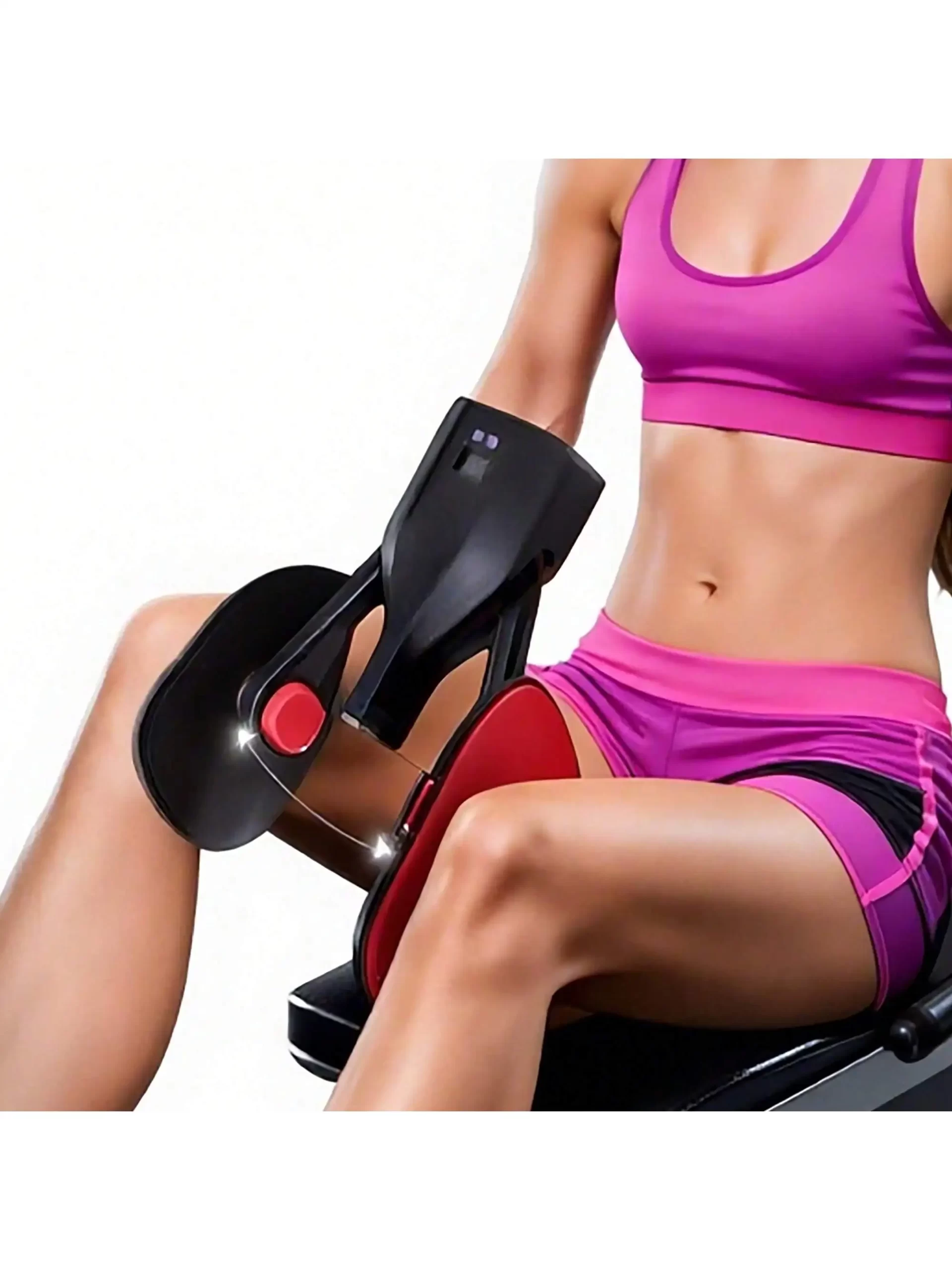
Sit tall on a firm chair with your feet flat and knees at about ninety degrees, place the trainer between your knees or lower thighs, and squeeze smoothly to full range. The half that matters is the return: release slowly over three seconds rather than letting the spring fling your legs back open. Ten to fifteen controlled reps, two or three sets, is plenty. For the upper body, hold it between your palms at chest height and press. Use the bands for pull-aparts and standing abduction to balance the adduction work — training one side of a joint and not the other is how you create imbalances. Safety: inspect the bands for nicks, cuts and cracking before every use and never stretch a band toward your face; a failed band snaps back at eye level. If you are postpartum, have pelvic organ prolapse, or have pelvic or groin pain, see a pelvic health physiotherapist before using this — self-prescribed squeezing is the wrong answer for a pelvic floor that is already overactive, and it can make symptoms worse.
Specifications
| Type | Spring-loaded adduction / squeeze trainer with resistance bands |
|---|---|
| Resistance | Adjustable (variant dependent) |
| Primary muscles | Hip adductors — adductor longus, magnus, gracilis |
| Secondary use | Chest and anterior deltoid isometric press; band work |
| Included bands | Yes — resistance level variant dependent |
| Padding | Foam-padded contact pads |
| Portability | Lightweight, no anchor or door mount required |
| Not intended for | Fat loss from the thighs, or as a replacement for pelvic floor training |
Care & Maintenance
Wipe the pads down after use and keep the spring mechanism dry — corrosion is what eventually kills these. Store the resistance bands away from sunlight, heat and sharp edges, since UV and ozone degrade latex even when it is sitting in a drawer unused. Replace any band at the first sign of a nick, tear, tackiness or discolouration rather than getting one more session out of it. Check the spring for permanent deformation and retire the unit if it no longer returns to its resting shape.
What’s in the Box
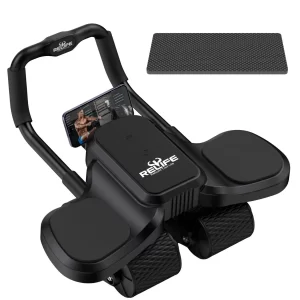
1 × adjustable thigh / squeeze trainer with padded contact pads, plus the supplied resistance bands.
Reviews
There are no reviews yet.