The Ab Wheel Is an Anti-Extension Exercise, Not a Fat-Burning One
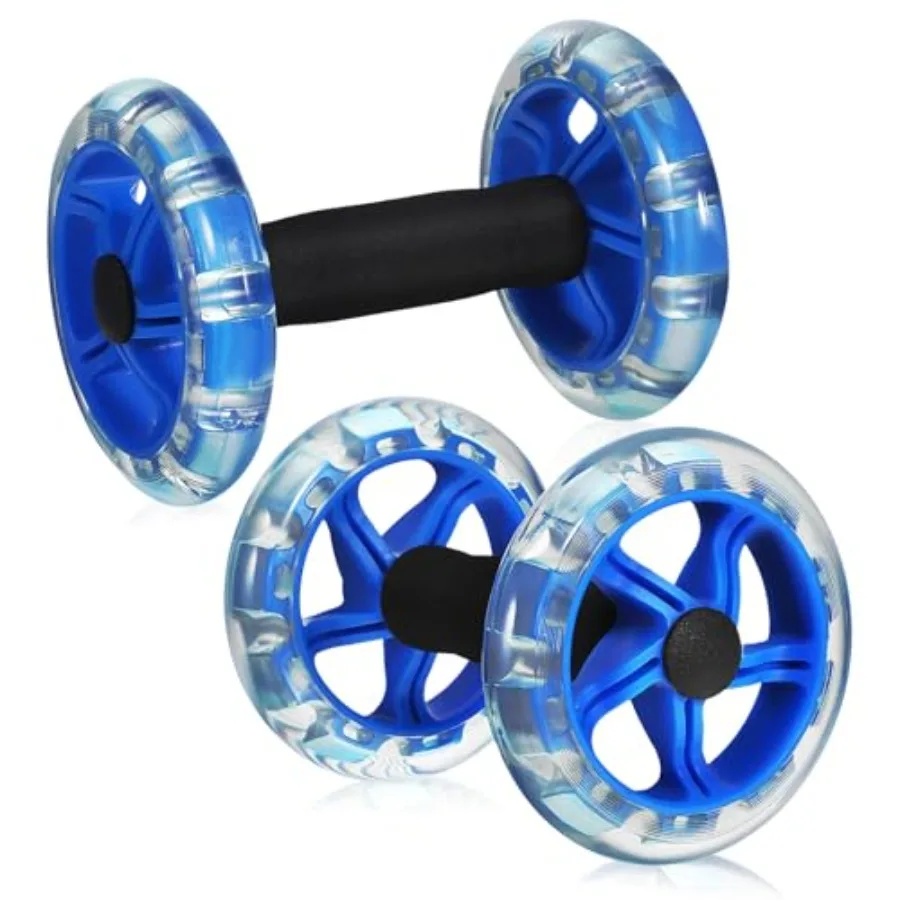
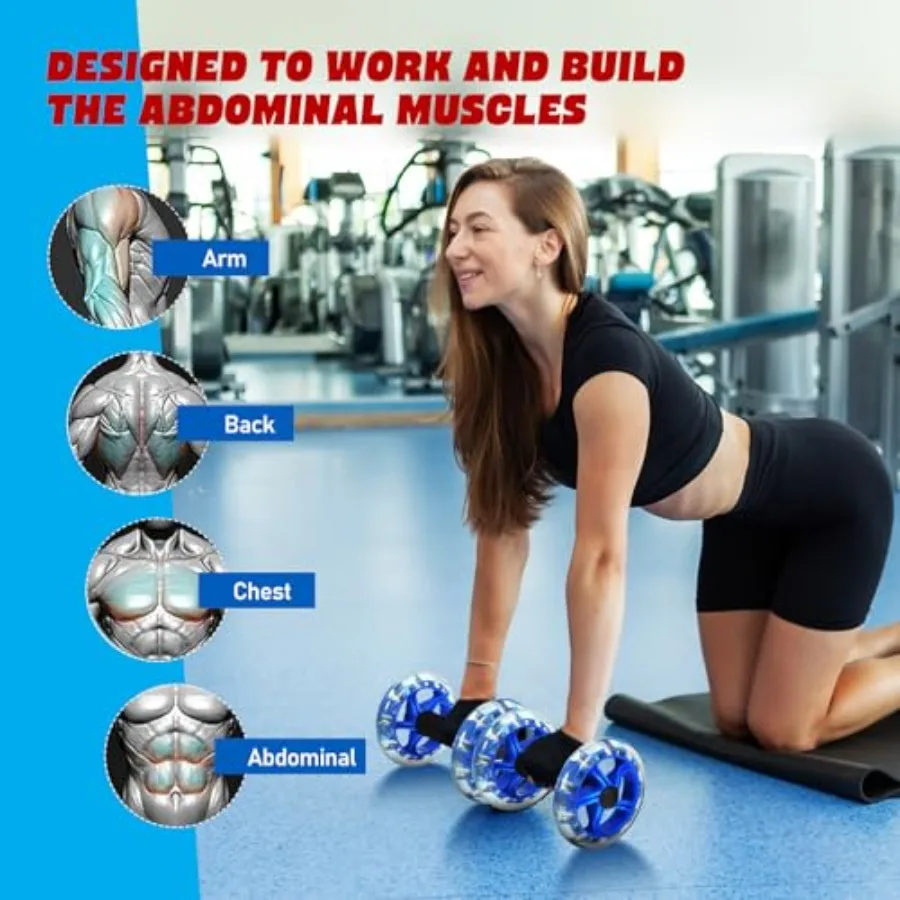
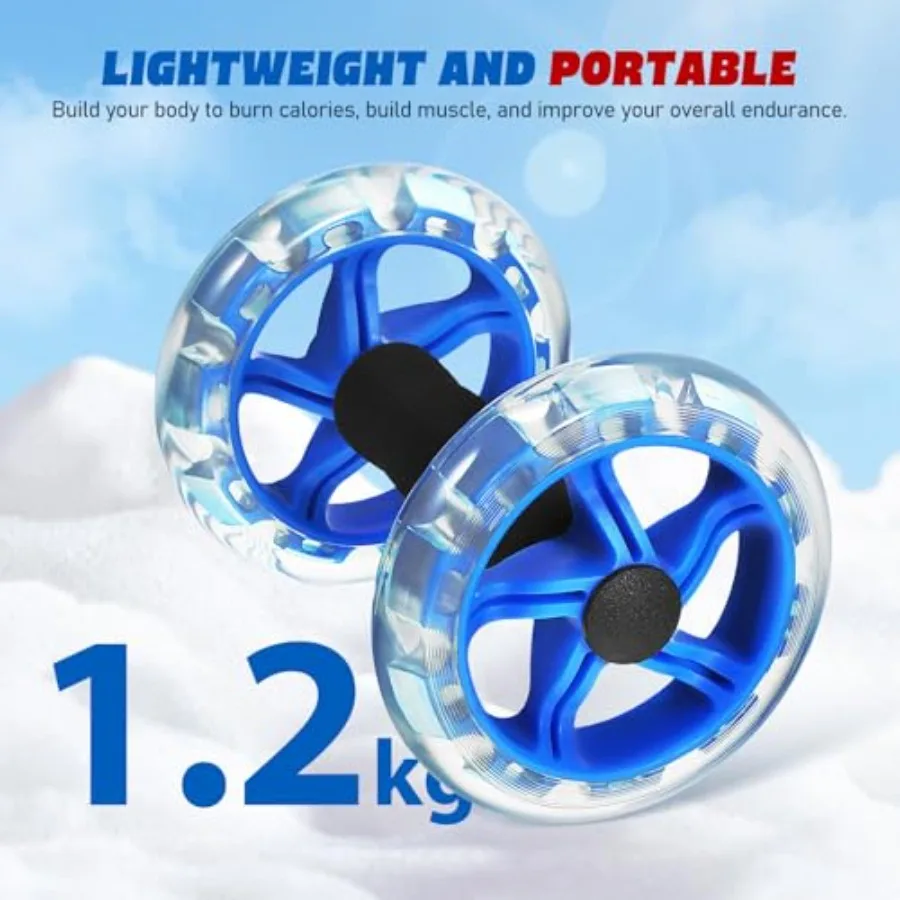
When you roll out, gravity tries to pull your hips down and arch your lower back. Your job is to stop that happening. That resistance to being pulled into extension is precisely what the deep core — the rectus abdominis, the obliques, and crucially the transverse abdominis and lats — is built to do, and it’s why EMG studies repeatedly rank the ab wheel above the crunch and the sit-up for core activation. You aren’t crunching. You’re bracing against a lever that gets longer and harder the further you roll. The dual-wheel design widens the base so the roller resists tipping sideways, letting you focus on the brace rather than on balance.
Key Benefits
- Anti-extension is what the core is actually for. Resisting spinal extension under load trains the core in its real stabilising role — far more transferable to lifting, sport, and back health than endless crunches.
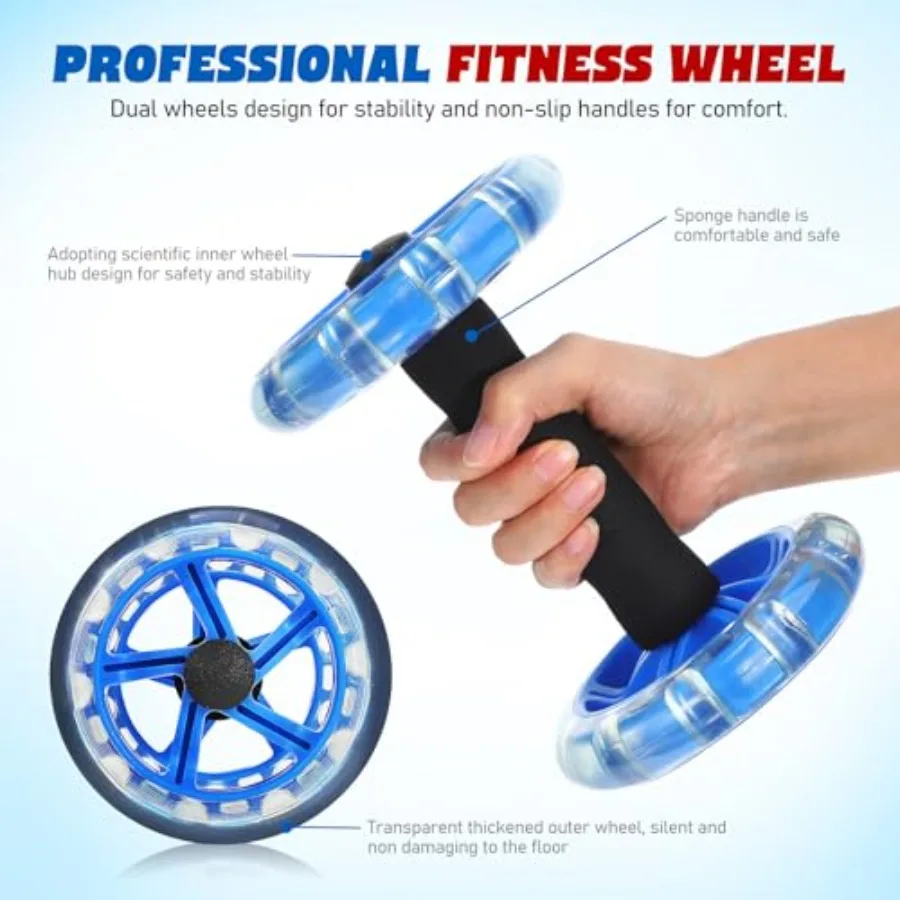
- Dual wheels resist tipping. A wider contact base means less lateral wobble, so beginners can load the movement without fighting the tool.
- Trains the lats and shoulders too. Pulling yourself back in is a serious lat contraction. This is not an isolation exercise.
- Non-slip handles. Grip failure mid-rollout is how people faceplant. Textured handles keep sweaty hands where they belong.
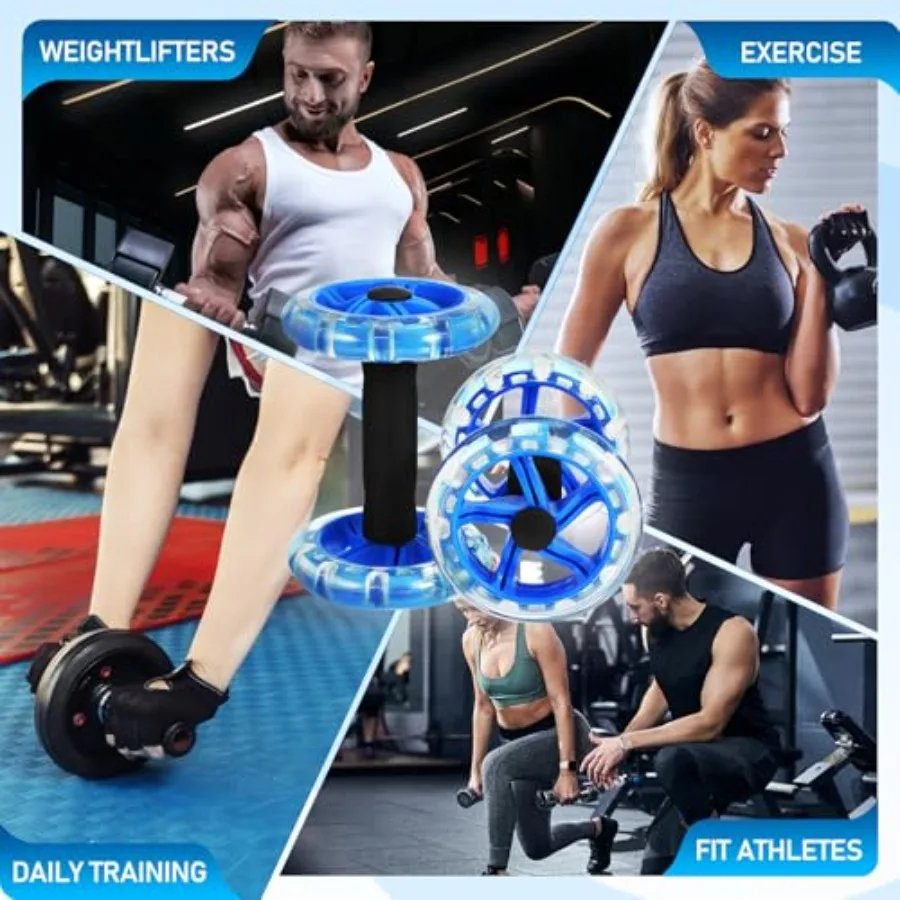
- Two rollers included. Train with a partner, or keep one at home and one in your gym bag.
- It will NOT burn belly fat, and spot reduction is not real. No amount of ab work reduces fat over the abdomen specifically — the body does not draw fat from the muscle being trained. Visible abs come from lowering overall body fat through an energy deficit, and a strong core underneath. This tool builds the second thing. It cannot do the first.
How to Use
Start on your knees on a mat, roller under your shoulders, hands on the handles. Before you move an inch, brace: squeeze your glutes hard and tuck your pelvis slightly under so your lower back is flat, not arched. Hold that position and roll forward slowly, only as far as you can go while keeping the back flat — for most beginners that’s a very short distance, and that is completely fine. The moment your lower back arches, you have gone too far. Pull back by driving your hips and pulling with your lats. Three sets of 5-8 controlled reps is a real workout; this is a strength exercise, not a hundred-rep burn. Progress by adding distance, not speed or reps. Safety, and this matters: the ab roller places significant shear stress on the lumbar spine when performed with an arched back, and a full standing rollout is an advanced movement that has hurt a lot of people who tried it on day one. Do not attempt standing rollouts until kneeling ones are effortless. Do not use it at all if you have a history of disc injury, lower-back pain, or a hernia without clearance from a physiotherapist, and stop immediately if you feel any pinching or pain in the lower back. Use a mat — kneeling on hard floor will wreck your knees long before your abs give out.
Specifications
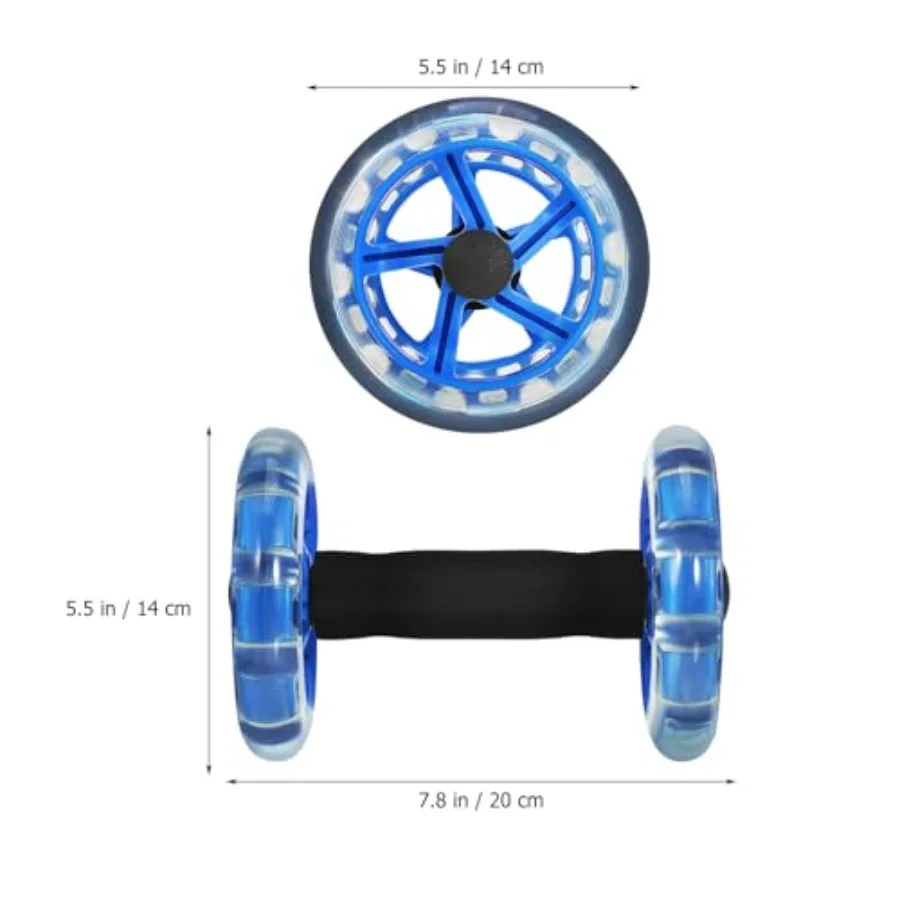
| Product type | Dual-wheel ab roller (2-pack) |
|---|---|
| Wheels | Dual wheel per roller — wide stance for lateral stability |
| Handles | Non-slip textured grips |
| Quantity | 2 rollers |
| Trains | Anti-extension core strength, lats, shoulders |
| Level | Beginner (kneeling) to advanced (standing) |
| Colour | Blue (variant dependent) |
| Surface | Use on a mat or carpeted floor |
| Fat-loss claim | None — this product does not burn abdominal fat |
Care & Maintenance
Wipe the handles and wheels down after use; sweat on the grips is the fastest route to a slip. Check the axle for play and the wheels for cracks or flat spots periodically — a wheel that seizes or breaks mid-rollout drops you onto your face. Keep grit and hair out of the axle, as it will bind the bearing. Store somewhere dry, and don’t leave it on a damp garage floor where the bearing can corrode.
What’s in the Box
2 × dual-wheel ab rollers with non-slip handles. Knee mat not included — use your own mat.
Reviews
There are no reviews yet.