
Stackable Tension: How One Small Bag Replaces a Rack of Dumbbells
A band resists by being stretched, so its force rises as it lengthens. That gives you an ascending resistance curve — lightest at the start of the movement, heaviest at the end. A dumbbell does the opposite: gravity’s moment arm is longest in the middle of the arc, so the hardest point is usually where the joint is at its most compromised. Neither curve is universally better, but the band’s shape is genuinely well suited to pressing and pulling lockouts, to rehab, and to warm-ups, because the load is lightest exactly where the joint is most vulnerable and heaviest where you are strongest. Four bands that clip together means the tension is stackable — and stackable tension is what makes progressive overload possible.
Key Benefits
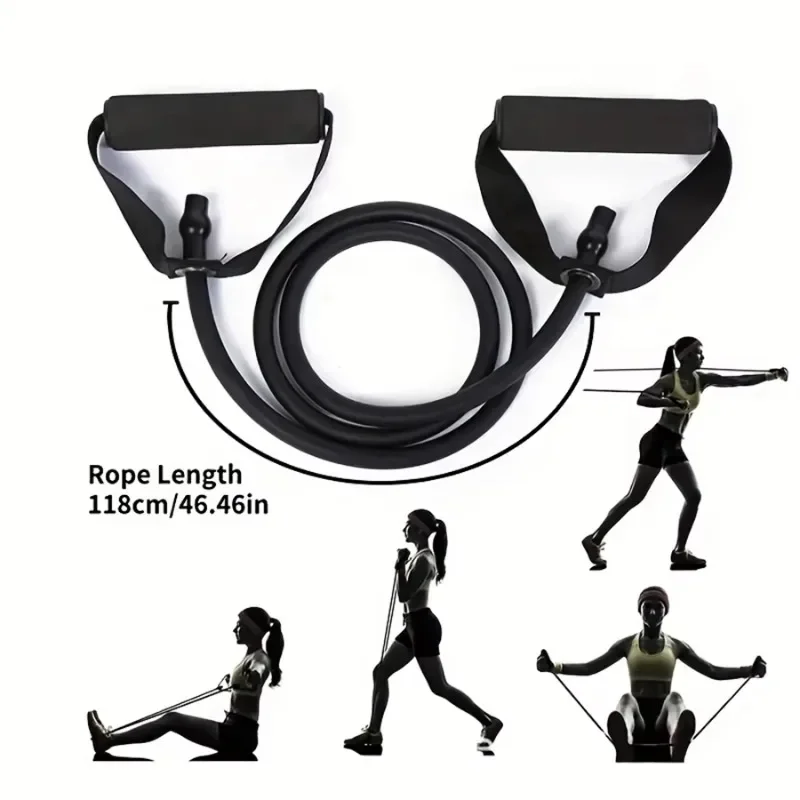
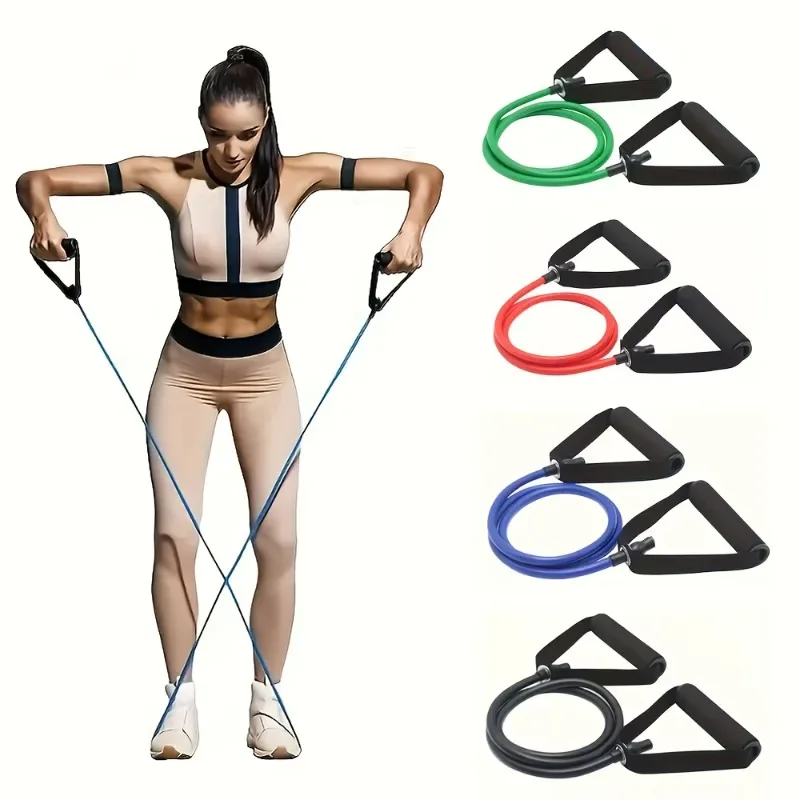
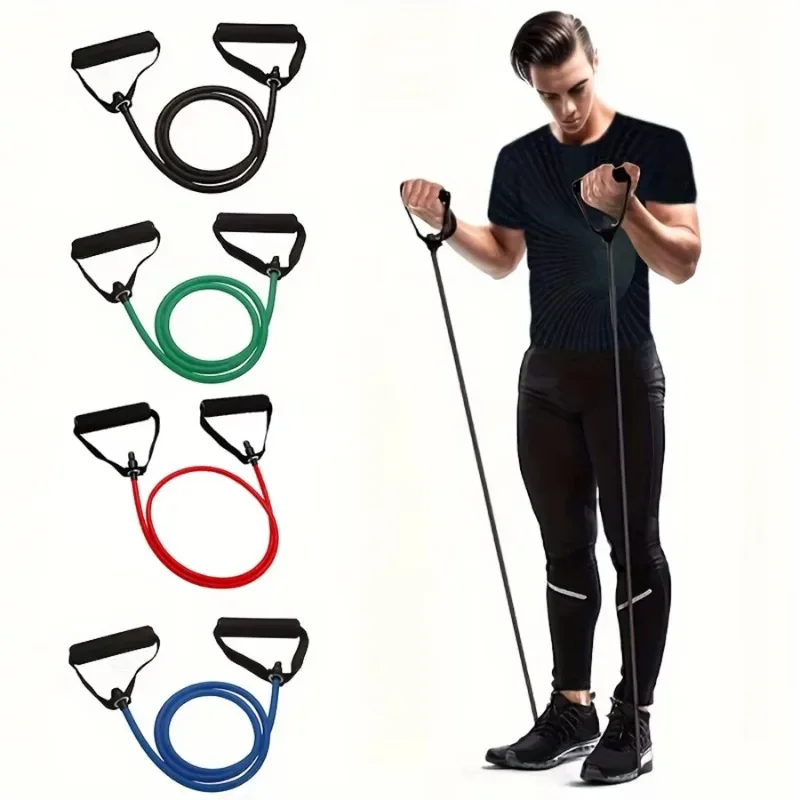
- Four stackable resistance levels. Clip bands together to build up load, so you have a genuine path to progress rather than a single fixed tension you outgrow.
- Ascending resistance curve. Easiest where the joint is most vulnerable, hardest where you are strongest — the opposite of a dumbbell, and better for lockouts and warm-ups.
- Door anchor included. Turns any doorway into an anchor point for rows, pull-aparts, face pulls, presses and pallof presses, which is most of what a cable stack does.
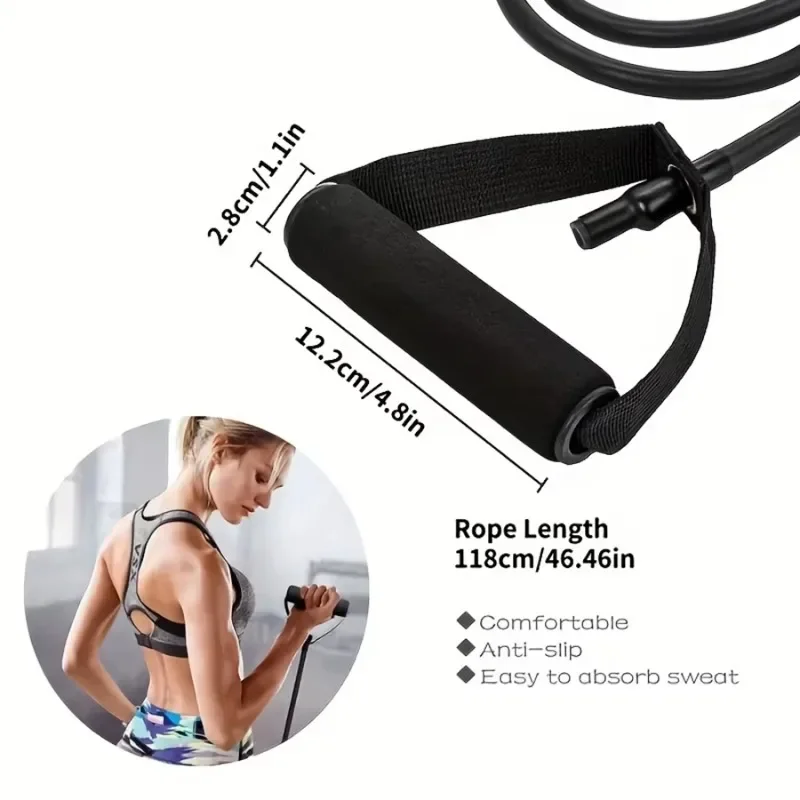
- Handles, not raw band. Far more comfortable for high-rep pulling work, and much easier to keep a secure grip when your hands are sweaty.
- Packs into a bag the size of a lunch box. This is the entire argument for bands: a full-body resistance system that fits in hand luggage.
- Joint-friendly for rehab and warm-ups. Low tension at the vulnerable end of the range means you can move a shoulder or a knee through its arc without loading it heavily at the wrong moment.
How to Use
To anchor safely, feed the door anchor through the gap on the hinge side of a closed door, or use a door that opens away from the direction you will pull — so if you pull hard, the door is pushed shut, not pulled open into your face. Always check the door is fully latched before applying tension. Clip the bands to the handles, take up the slack so there is already tension at the start position, and move slowly on the way back; the temptation with a band is to let it snap you back to the start, and that is where both injuries and torn bands come from. Honesty: the pound or kilogram ratings printed on band sets are notoriously optimistic and inconsistent between manufacturers, and they only apply at one particular degree of stretch anyway. Treat the four levels as relative to each other — light, medium, heavy, heaviest — not as absolute numbers you can compare with a dumbbell. Bands also lose tension over their lifespan; a two-year-old band is not the band you bought. Safety, and please read this one: latex fails suddenly and without warning, not gradually. Inspect every band for nicks, cracks, tears or cloudy patches before every session, and retire any band with the slightest damage — the cost of a new band is trivial next to the cost of one snapping back at your face. Never stretch a band toward your face or eyes. Never stand on a band in lugged shoes that can nick it. Store away from sunlight and heat, both of which degrade latex. If you have a latex allergy, do not use latex bands.
Specifications
| Product type | Resistance band set with handles |
|---|---|
| Bands | 4, stackable, colour-coded by resistance |
| Resistance levels | 4 (approximate ratings – treat as relative, not absolute) |
| Handles | 2, included |
| Door anchor | 1, included |
| Carry bag | Included |
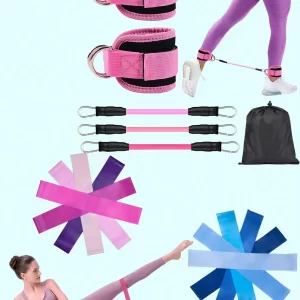
| Ankle straps | Variant dependent |
| Material | Latex / TPE tubing (variant dependent) – not suitable for latex allergy sufferers |
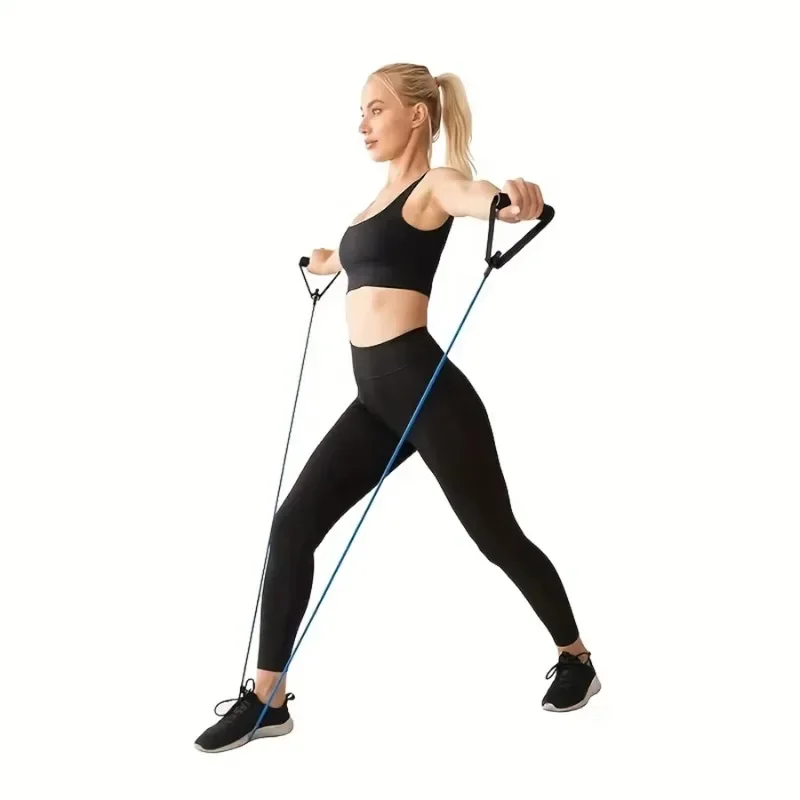
| Trains | Full body – chest, back, shoulders, arms, legs, core |
| Best for | Home training, travel, rehab, warm-ups, progressive resistance work |
Care & Maintenance
Wipe the bands clean and dry after use, and never store them damp. If the surface becomes tacky, dust it lightly with cornstarch or talc. Keep them out of direct sunlight and away from heat sources — UV and heat are what break down latex and turn a healthy band into one that snaps. Store them loosely coiled rather than knotted or stretched over a hook. Inspect before every use and replace at the first sign of a nick, tear or discolouration; bands are consumables, and treating them as permanent is how people get hurt.
What’s in the Box
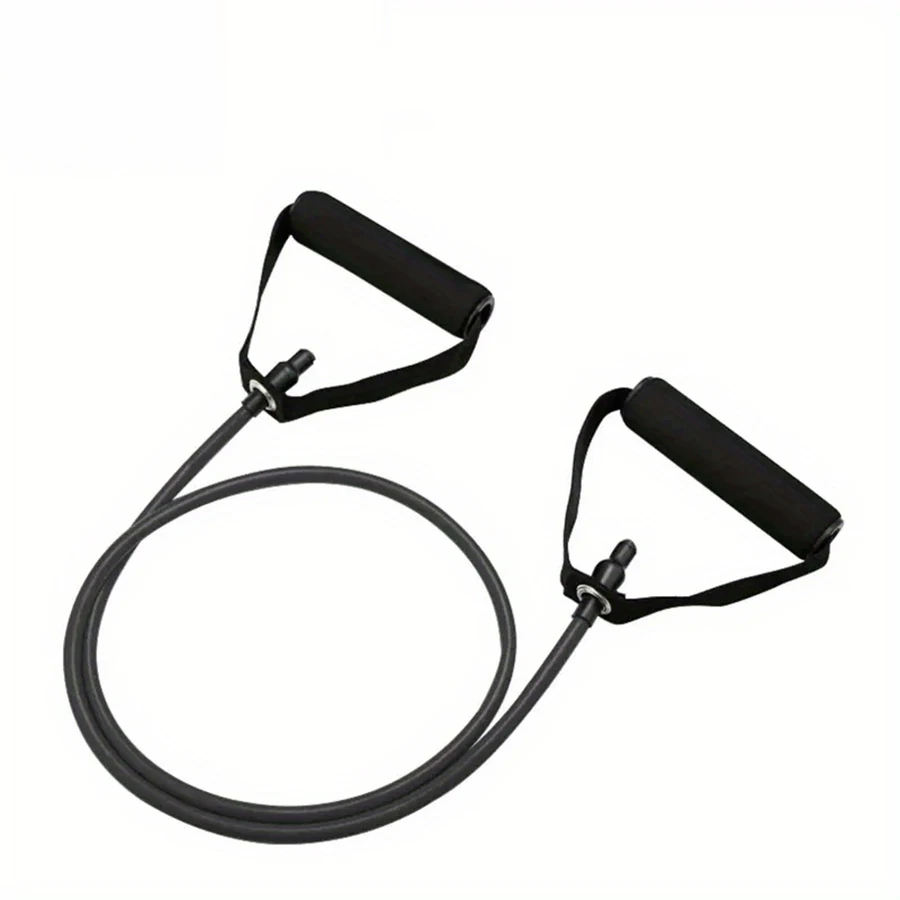
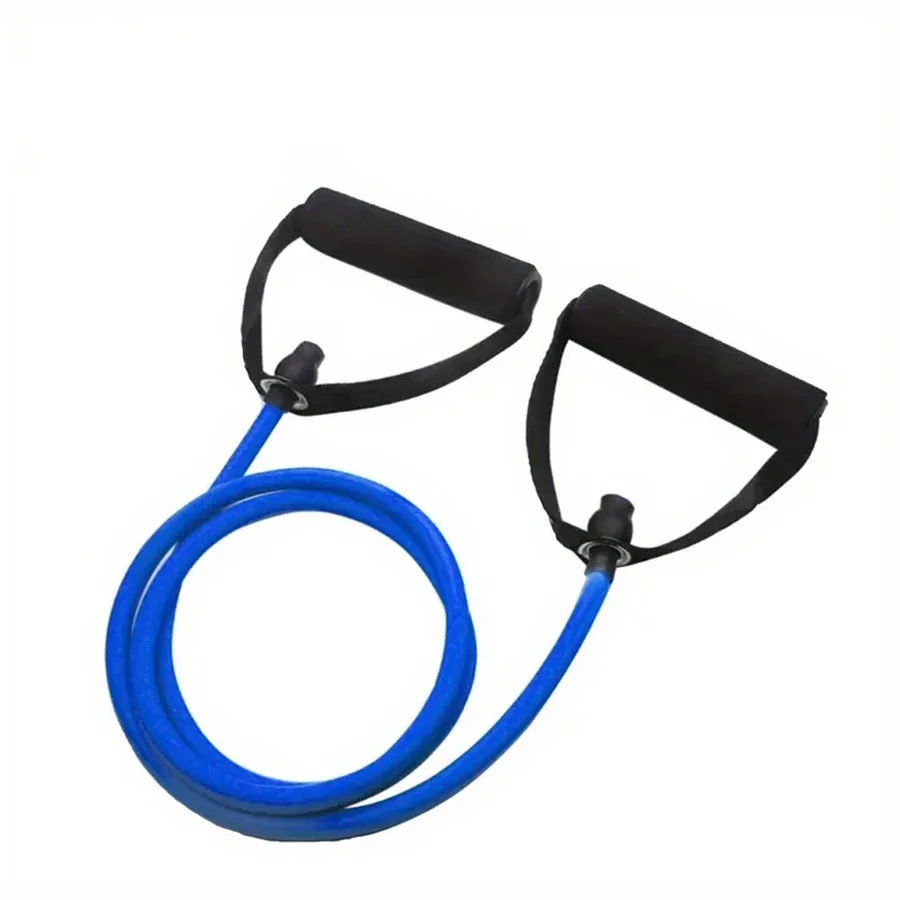
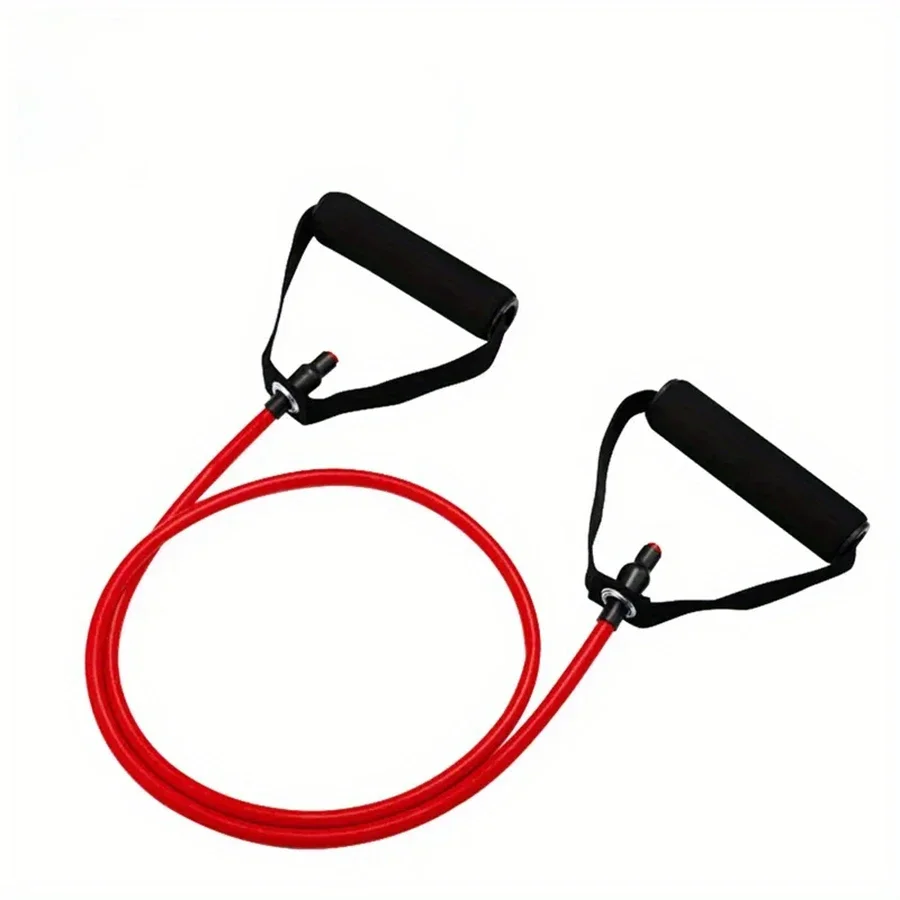
4 x resistance bands, 2 x handles, 1 x door anchor, 1 x carry bag. Ankle straps may be included depending on the variation selected.
Reviews
There are no reviews yet.