The Load That Fights Back
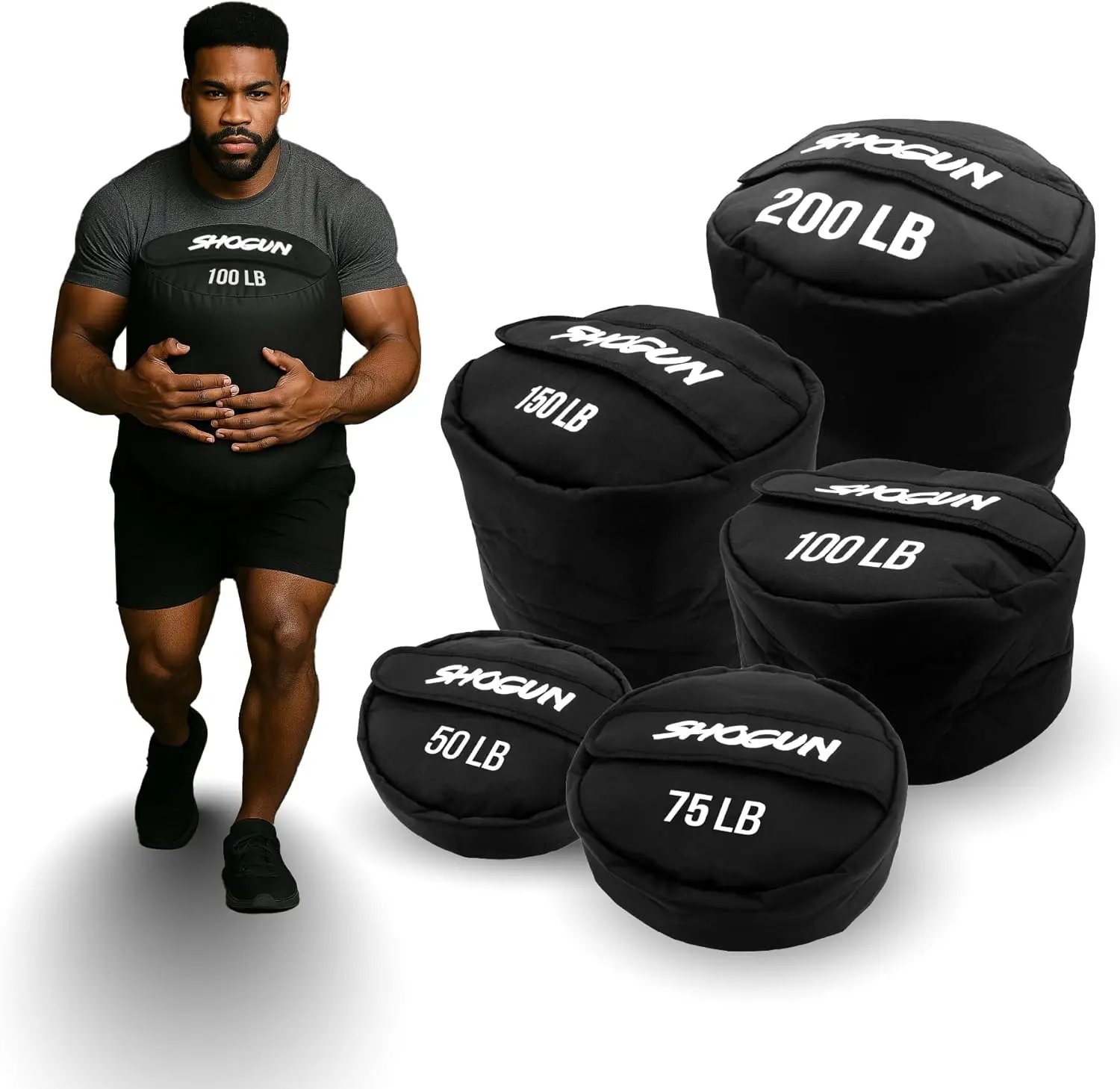
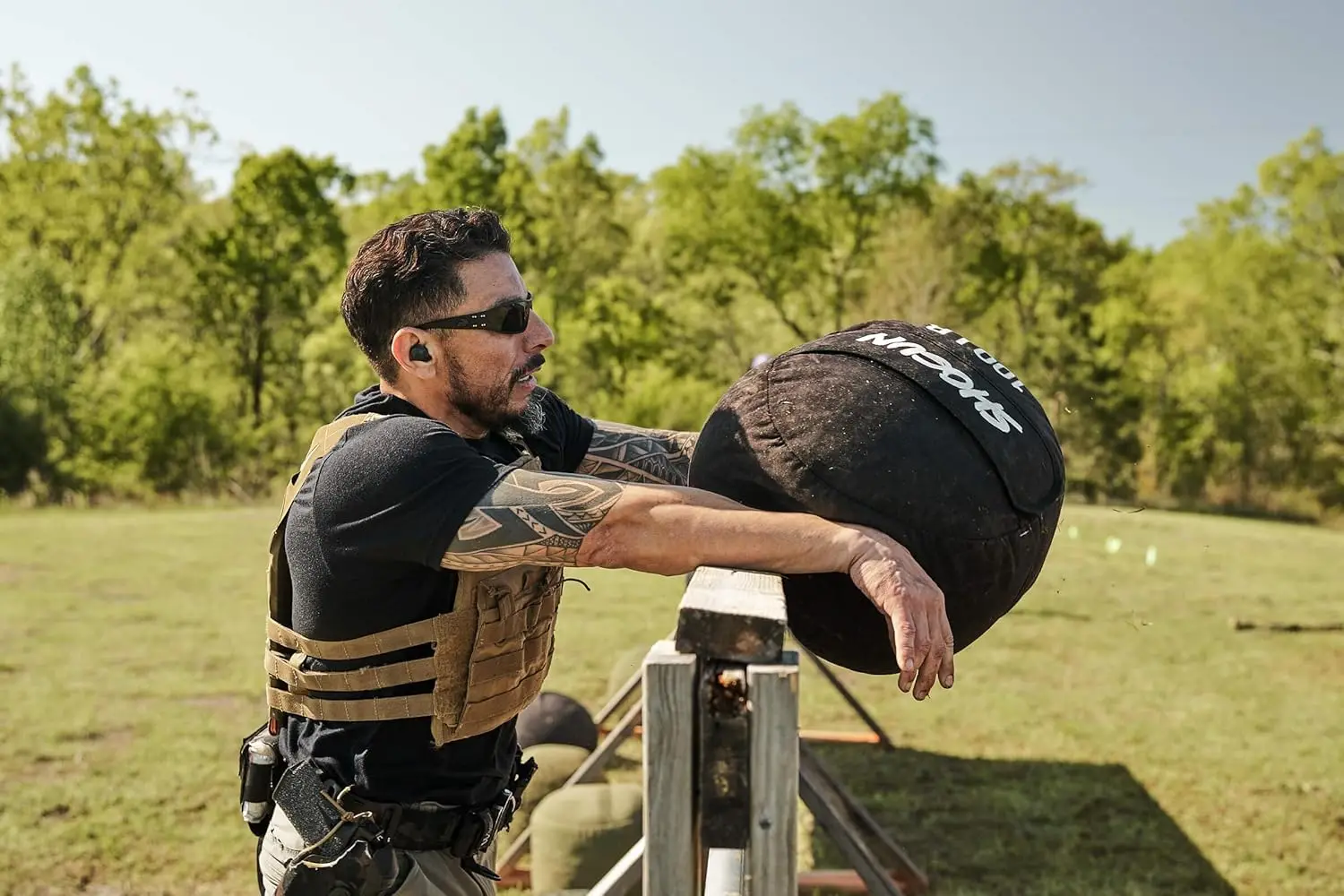
A barbell is a rigid, balanced object with a fixed centre of mass — which is precisely why it lets you move enormous weight. A sandbag is the opposite. The fill shifts continuously during the rep, so the centre of mass migrates while you are carrying it, and your trunk, grip and shoulder stabilisers have to make constant corrective contractions rather than one planned brace. The result is a much higher stabiliser and grip demand at a much lower absolute load, and a movement pattern far closer to lifting awkward objects in the real world — a person, a bag, a child.
Key Benefits
- Shifting fill recruits stabilisers continuously — the load moves inside the bag mid-rep, so the trunk and shoulder girdle work isometrically throughout, not just at the sticking point.
- Brutal grip and forearm demand — a thick, soft, formless bag cannot be gripped like a bar, which is why sandbag carries build grip endurance that transfers to deadlifts and pull-ups.
- High metabolic cost at modest load — bear hugs, shouldering and loaded carries drive heart rate hard without the spinal loading of a heavy back squat.
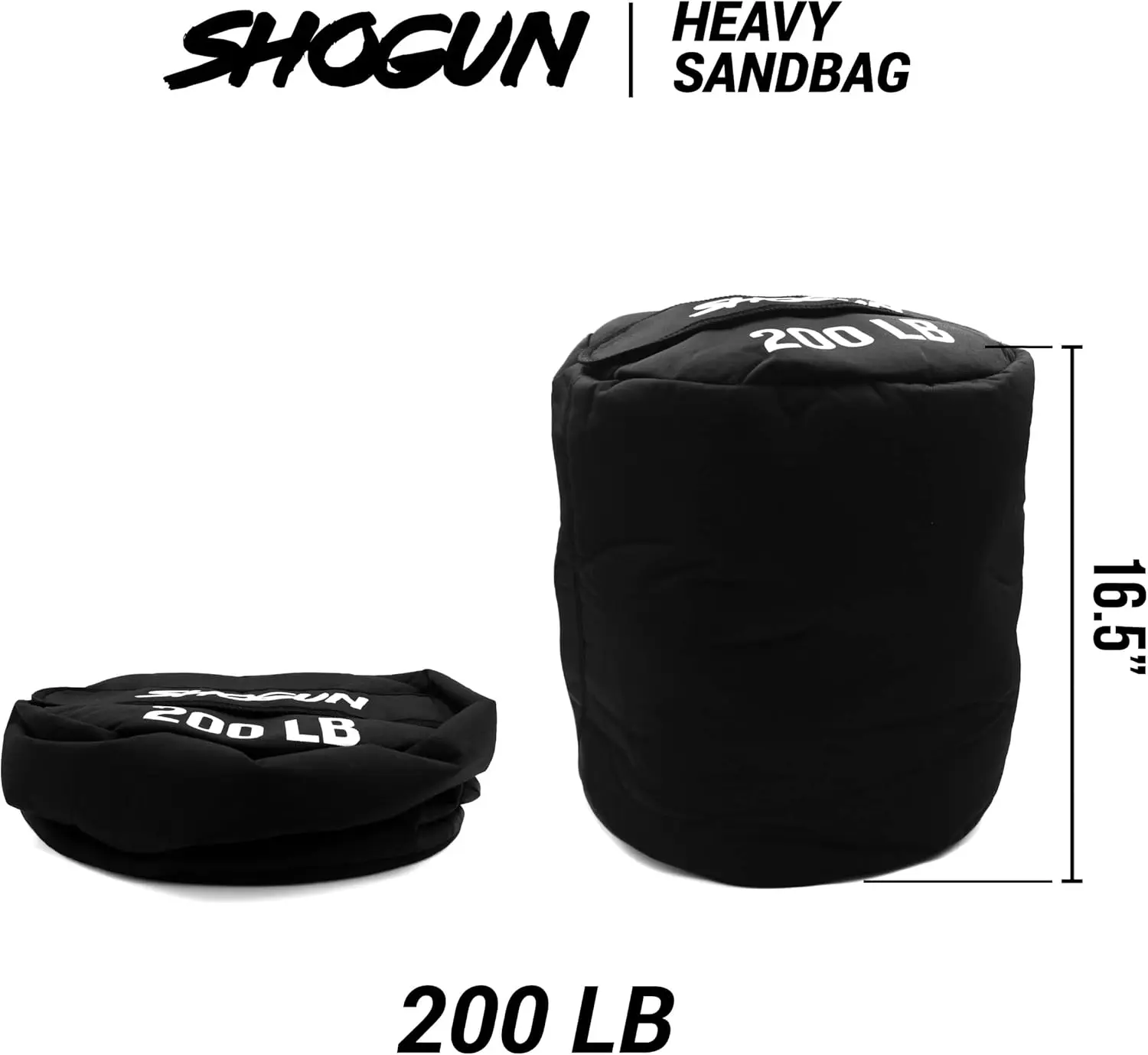
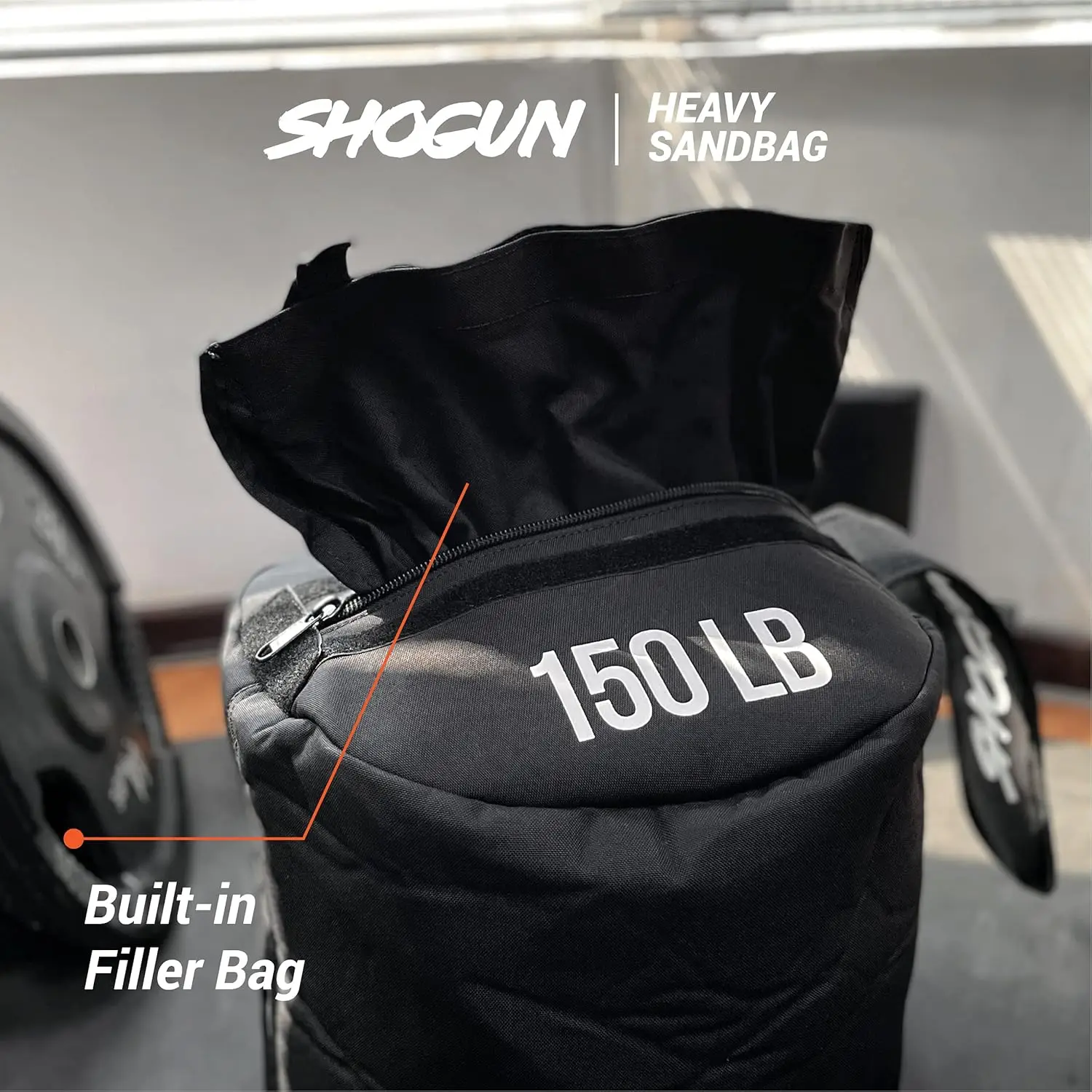
- Adjustable weight via filler bags — one implement scales from beginner to strongman, and you can micro-load in a way fixed dumbbells never allow.
- Multiple handle positions — neutral, side and end grips let you train cleans, shoulder-to-shoulder, drags and carries from a single tool.
- Safe to drop and cheap to store — it will not crack your floor, ricochet, or need a rack, which is what makes it viable for a garage or a small home gym.
How to Use
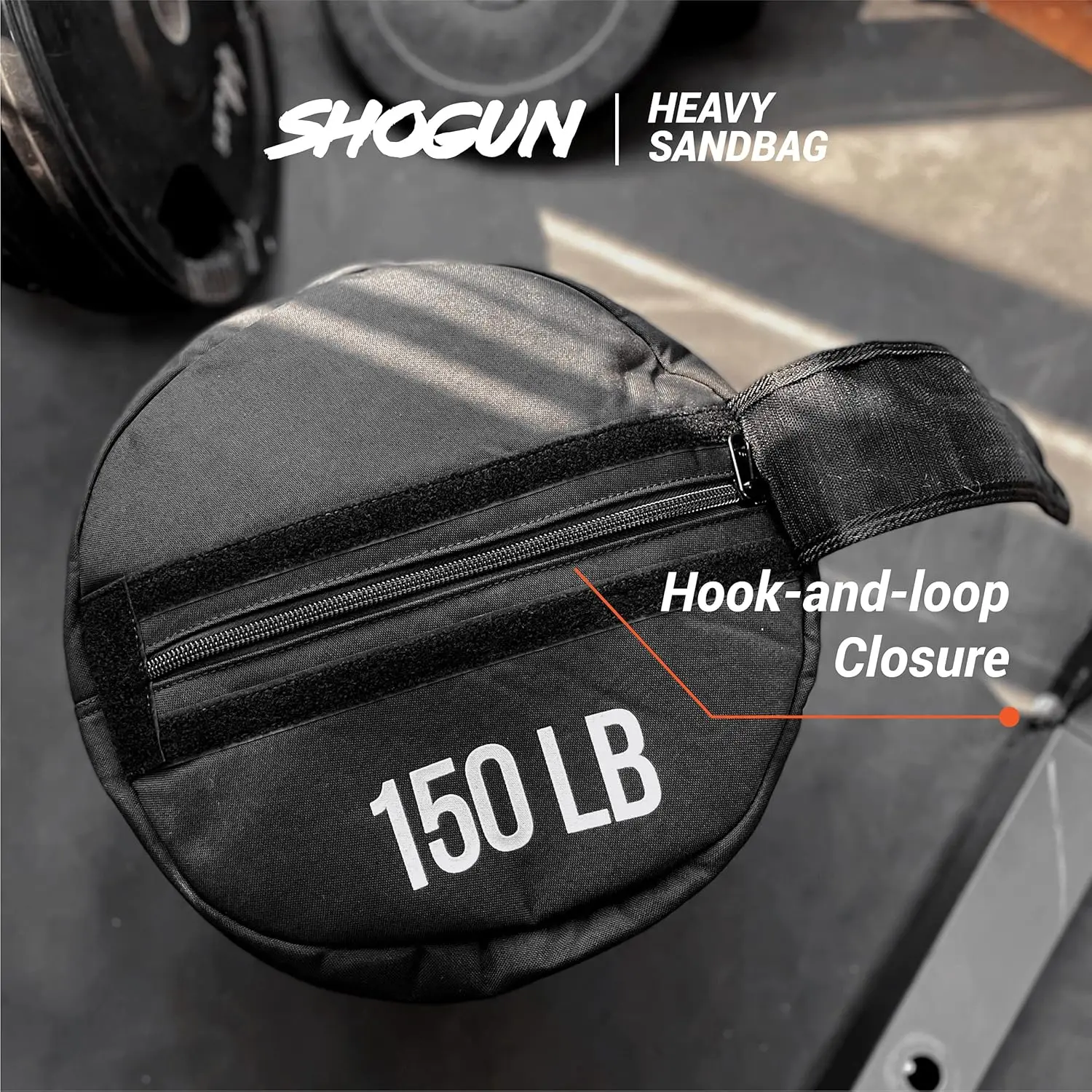
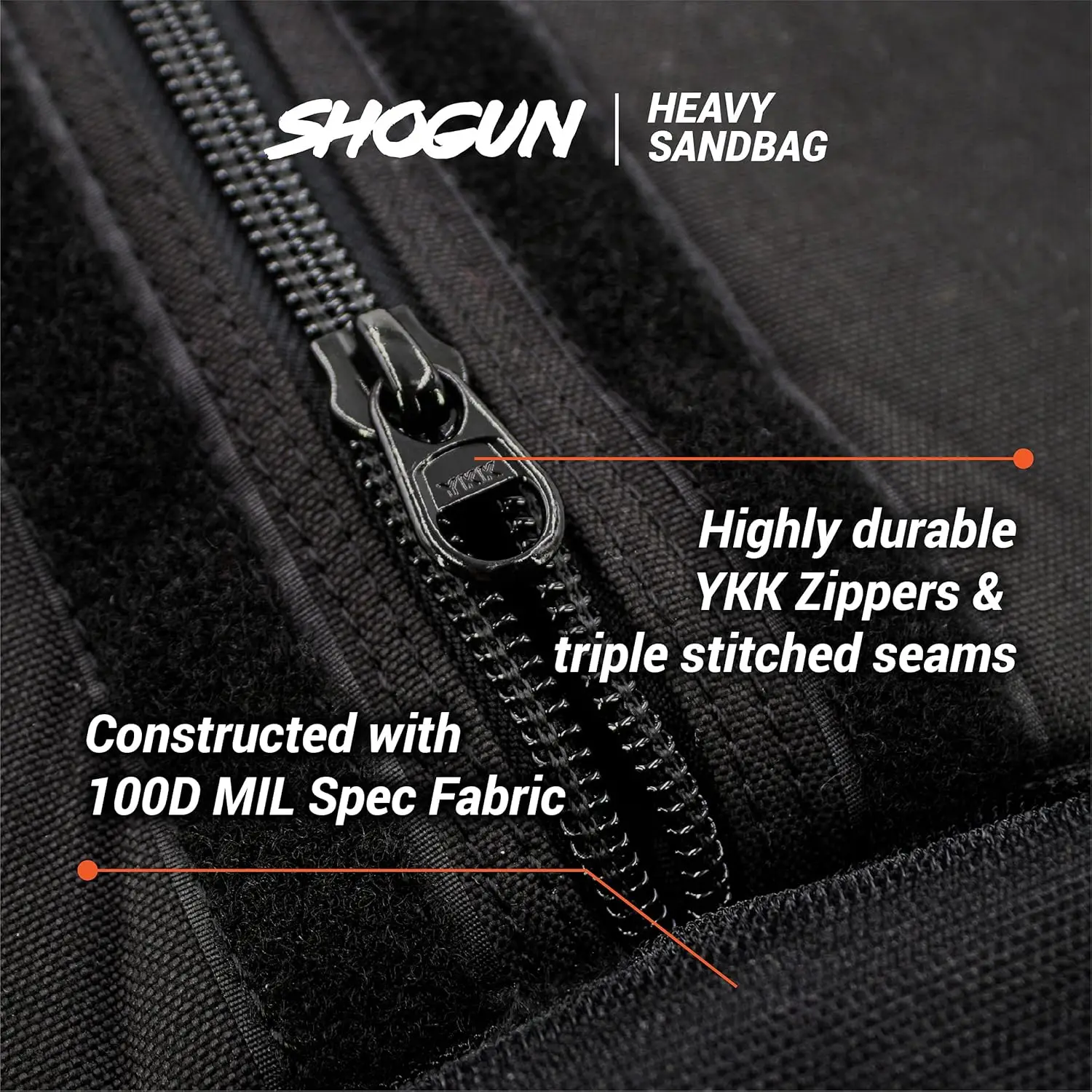
Fill the inner bags to a weight you can control with a genuinely neutral spine — sandbag work punishes rounded-back lifting far more than a barbell does, because the load is trying to pull you forward. Learn three movements first: the deadlift, the bear-hug carry, and the shoulder (lift to one shoulder, alternate sides). Hinge at the hips, keep the bag as close to your body as possible, and drive with the legs. Expect it to feel heavier than the number suggests; start well below your barbell equivalents. Safety: check the zips, seams, velcro and the inner filler bags before every session — a bag that bursts mid-clean drops sand and load in an unpredictable direction. Keep your feet clear of the landing zone, drop the bag rather than fighting a failed rep, and do not attempt shouldering or over-the-shoulder throws until your hinge is solid. Train it fresh, not at the tail end of a session when your bracing is already fatigued.
Specifications
| Type | Adjustable weight training / strongman sandbag |
|---|---|
| Outer shell | Heavy-duty reinforced fabric with stitched handles |
| Loading | Inner filler bags — weight adjustable |
| Maximum load | Variant dependent |
| Filler | Sand not included unless stated on the variant |
| Handles | Multiple grip positions |
| Best for | Loaded carries, cleans, shouldering, bear hugs, conditioning |
| Floor impact | Drop-safe on most surfaces |
Care & Maintenance
Empty and inspect the outer shell periodically, paying attention to handle stitching and zip stress points — those are where a sandbag fails, and it fails suddenly. Keep the filler bags double-sealed so grit does not work into the outer shell and abrade it from the inside. Store it dry and indoors; damp sand is heavier than you think and will rot stitching and grow mould. Brush off, spot clean with a damp cloth, and never machine wash. Retire the shell when any handle seam starts to pull.
What’s in the Box
1 × heavy duty outer sandbag shell with handles, plus inner filler bags. Sand is not included unless the variant states otherwise.
Reviews
There are no reviews yet.