Train the Link That Fails First: Wrist, Grip and Forearm Strength
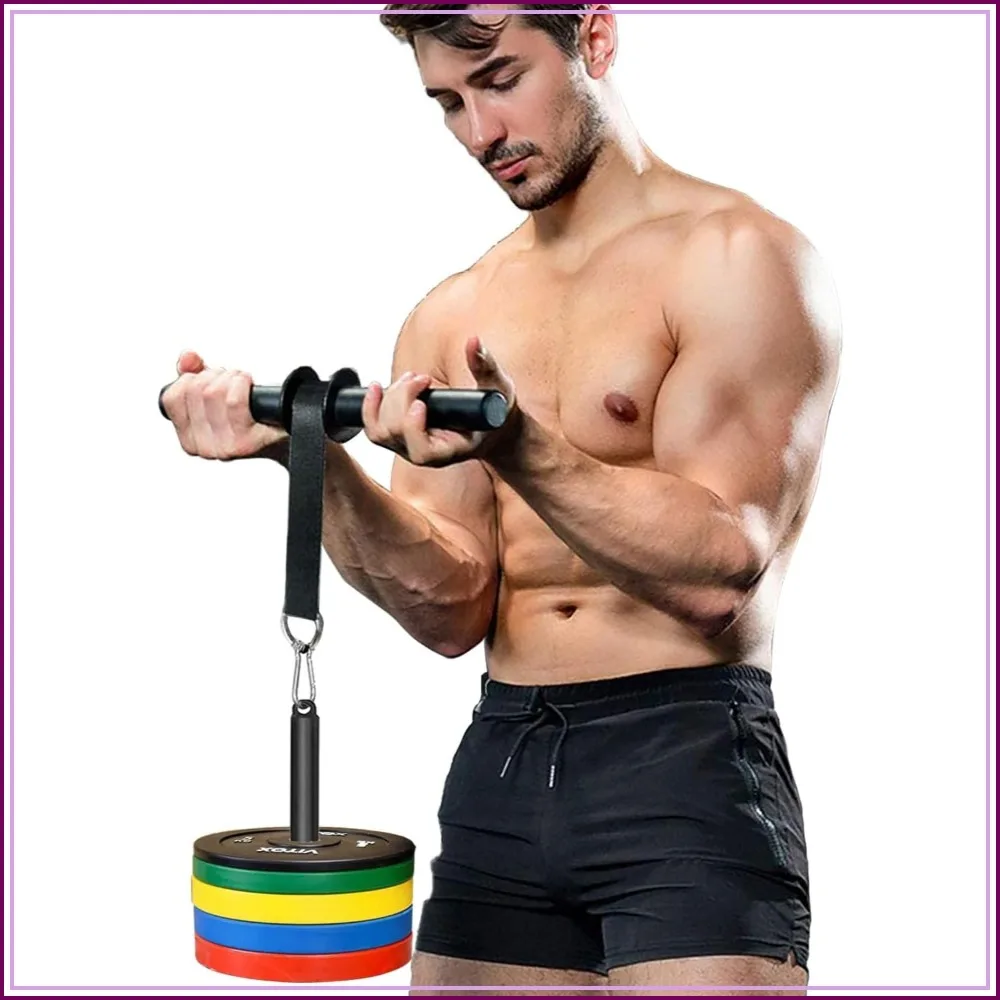
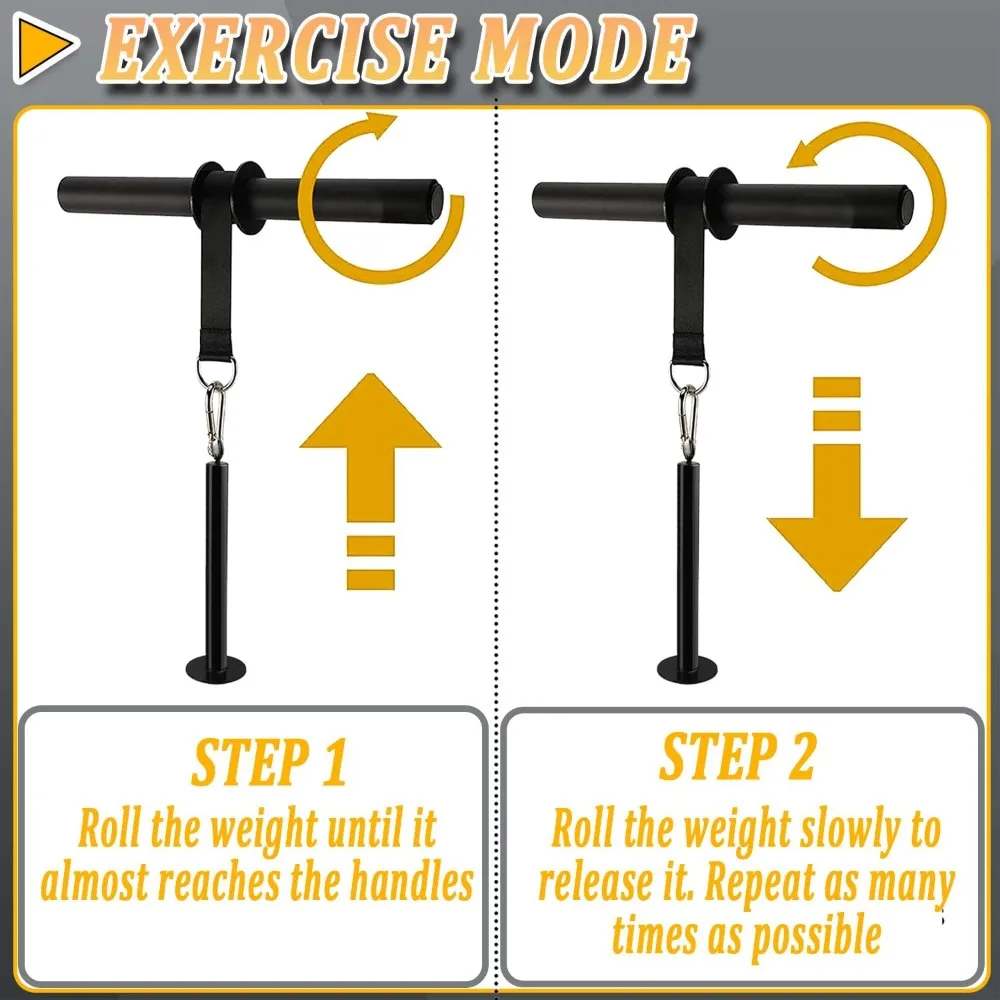
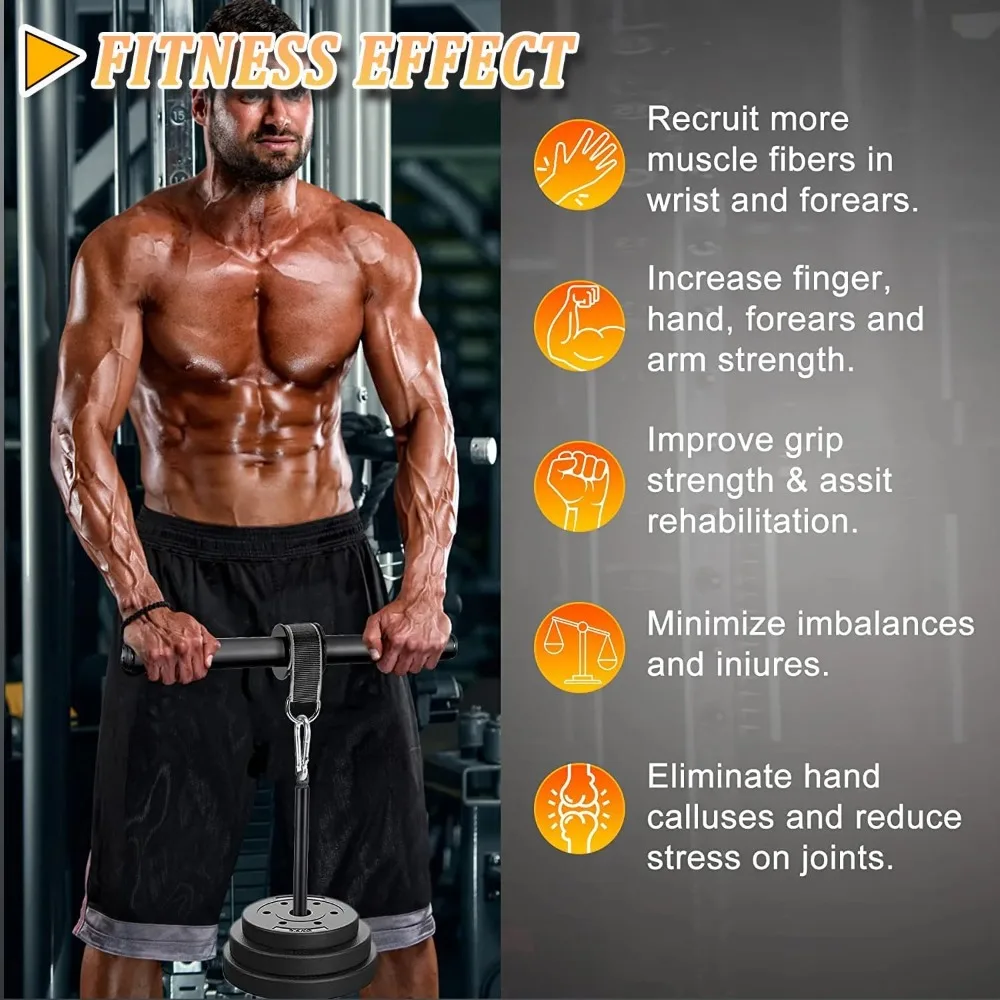
Rolling a weighted cord up and down a bar is one of the few movements that loads the wrist flexors and extensors through their full range under continuous tension. Winding up trains the flexors concentrically; controlling the descent trains the extensors eccentrically — the side almost everyone under-trains, and the side implicated in lateral epicondylitis (tennis elbow). Because the load never leaves the cord, the forearm gets no rest between reps, driving high time-under-tension and the metabolic stress that grows the deep flexor compartment.
Key Benefits
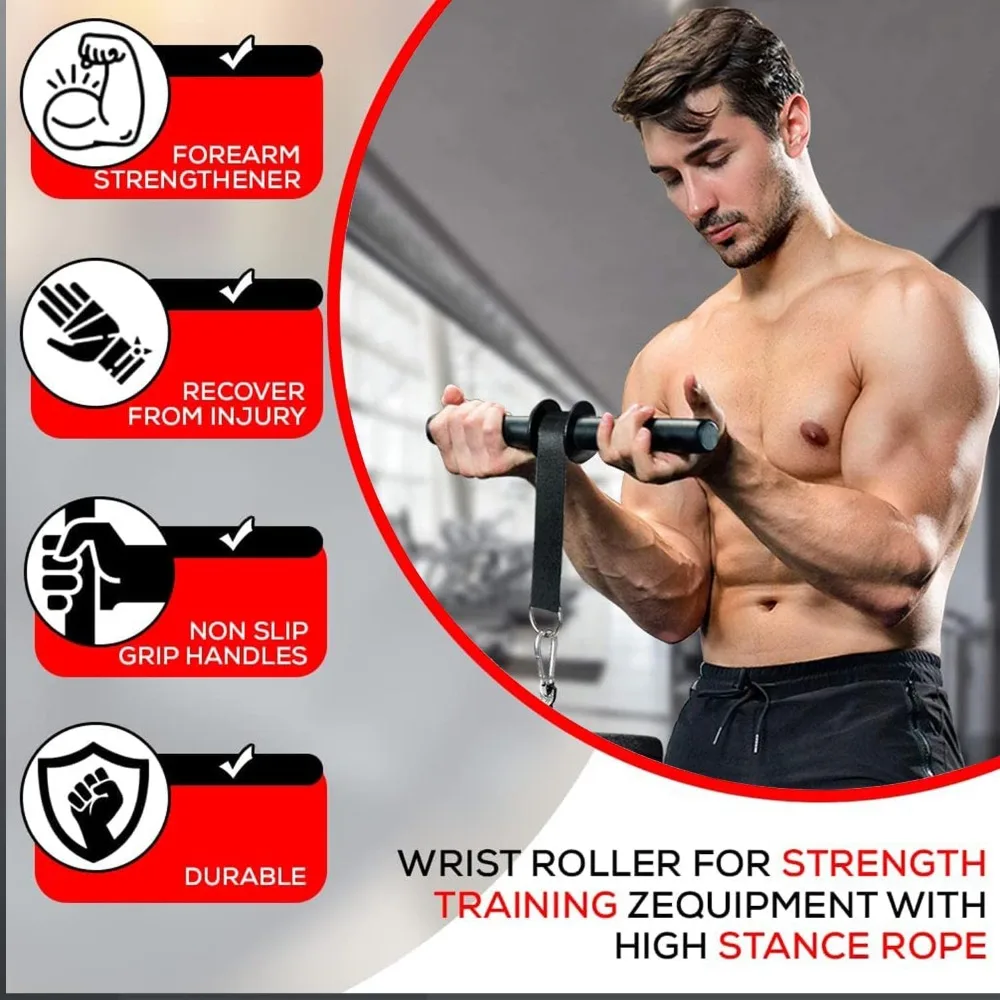
- Trains both directions, not just one. Rolling in one direction loads the flexors, the other loads the extensors. Balanced forearm development is what protects the elbow, and most grip work only ever hits the flexors.
- Fixes grip as a limiter. If your deadlift, row or pull-up ends because your hands opened rather than your back gave out, your posterior chain is being under-trained by your forearms. This addresses that directly.
- Continuous tension, no lockout rest. Unlike a dumbbell curl, the weight is suspended for the entire set. There is no bottom position to rest in, which is why sets feel far longer than they look.
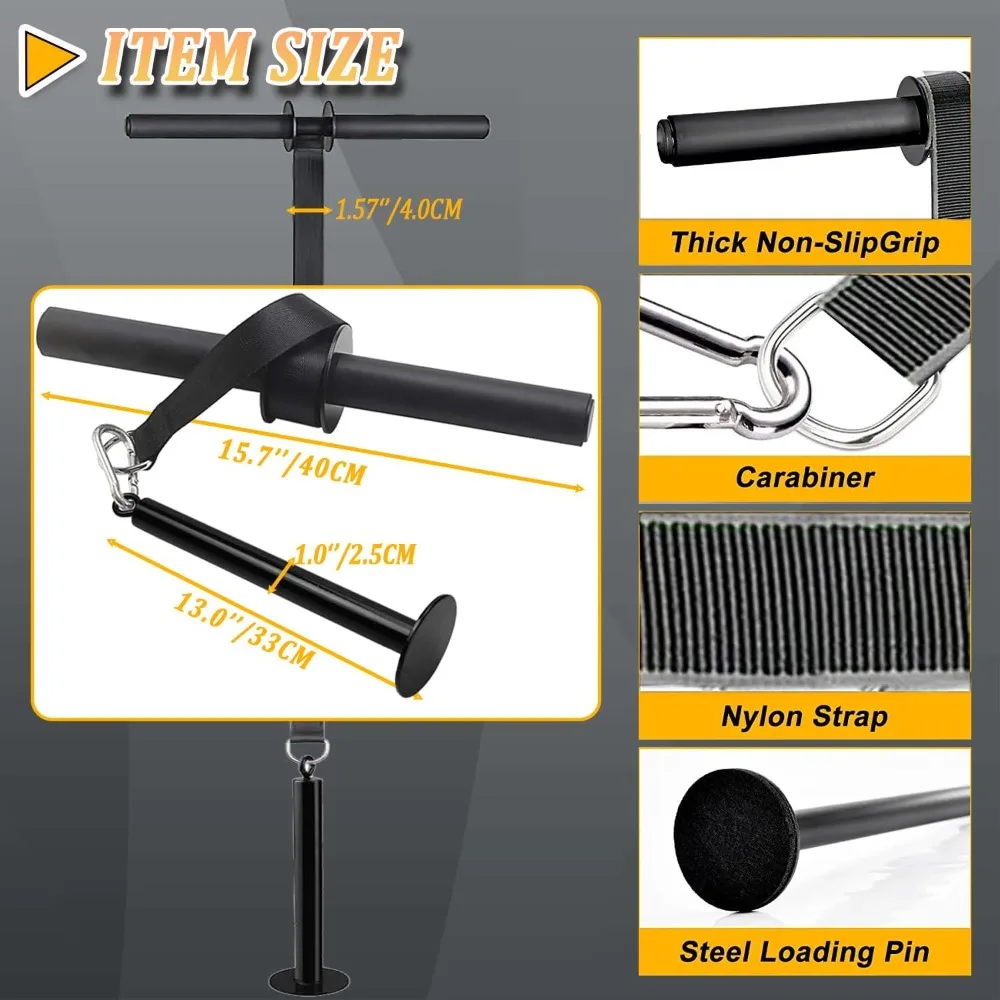
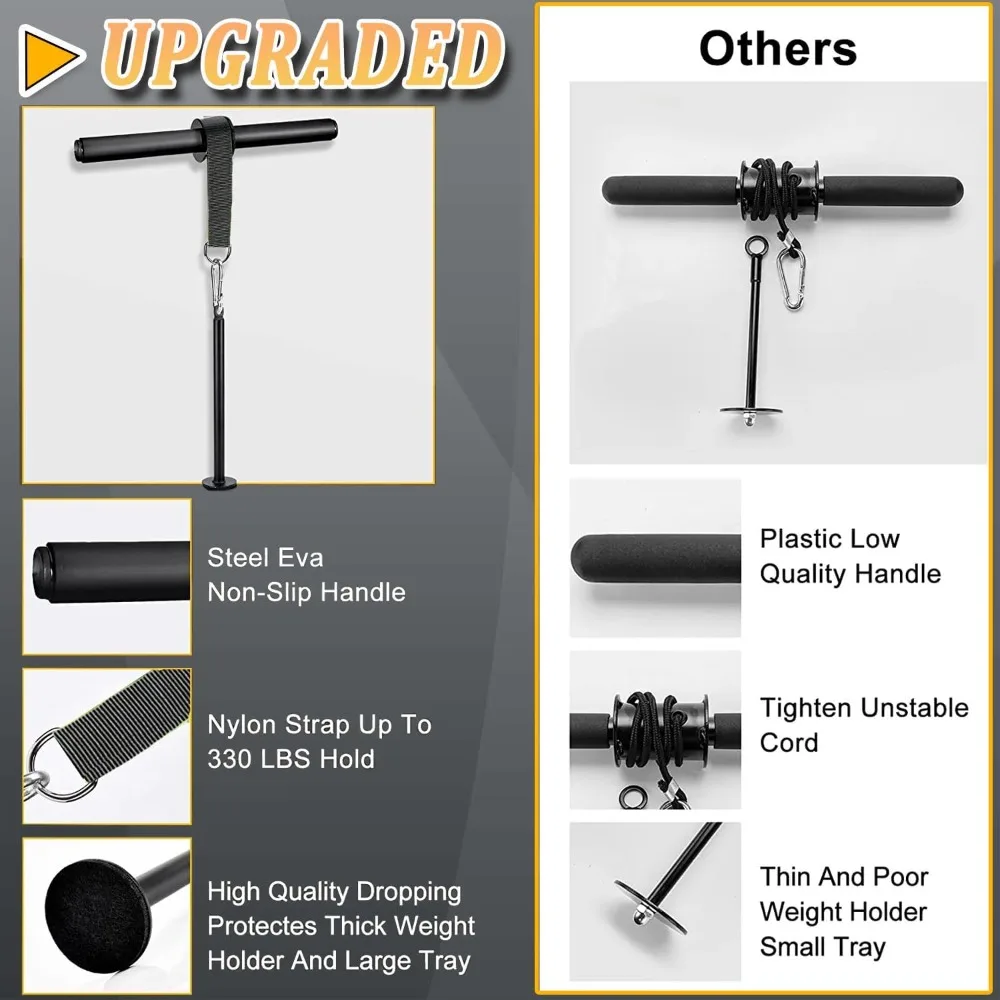
- Anti-slip knurled handle. The handle grip is textured so sweat doesn’t turn the movement into a hand-slipping exercise instead of a forearm one.
- Loads standard plates, so it scales forever. You are not stuck with a fixed dumbbell weight — add plates as your forearms adapt.
- Useful in rehab and prehab contexts. Slow, controlled eccentric wrist work is a mainstay of tendinopathy protocols. This is not a medical device, but the movement pattern is the same one physios prescribe.
How to Use
Load a light plate first — genuinely light, this is more demanding than it appears. Hold the bar at chest height with arms extended straight in front of you, elbows locked, palms down. Roll the cord up by alternately flexing each wrist, keeping your arms parallel to the floor. When the weight reaches the bar, reverse and lower it under control — do not let it drop. That controlled descent is the most valuable part of the set. Two to three sets of a full up-and-down cycle at the end of a pulling session is plenty. Safety: keep the elbows locked and shoulders down so your delts don’t take over; stop immediately if you feel a sharp pain in the elbow rather than a burn in the forearm; and stand clear of your feet — a plate coming loose at the bottom of the cord will land on them. Check the cord for fraying before every use.
Specifications
| Type | Weighted wrist / forearm roller |
|---|---|
| Primary muscles | Wrist flexors, wrist extensors, brachioradialis, finger flexors |
| Handle | Anti-slip textured grip |
| Loading | Standard weight plates (not included) |
| Suspension | Nylon cord with plate attachment |
| Best for | Grip strength, forearm hypertrophy, elbow prehab |
| Skill level | Beginner to advanced (scales by load) |
| Assembly | Minimal — attach cord and load plate |
Care & Maintenance
Wipe the handle down after use; sweat sitting on knurling is what dulls it. Inspect the cord along its full length before each session and retire it at the first sign of fraying or glazing — cords fail suddenly, not gradually. Store hanging or flat, out of direct sunlight, which degrades nylon over time.
What’s in the Box
1 x forearm blaster roller bar with anti-slip handle and suspension cord. Weight plates are not included.
Reviews
There are no reviews yet.