When Your Grip Fails Before Your Back Does
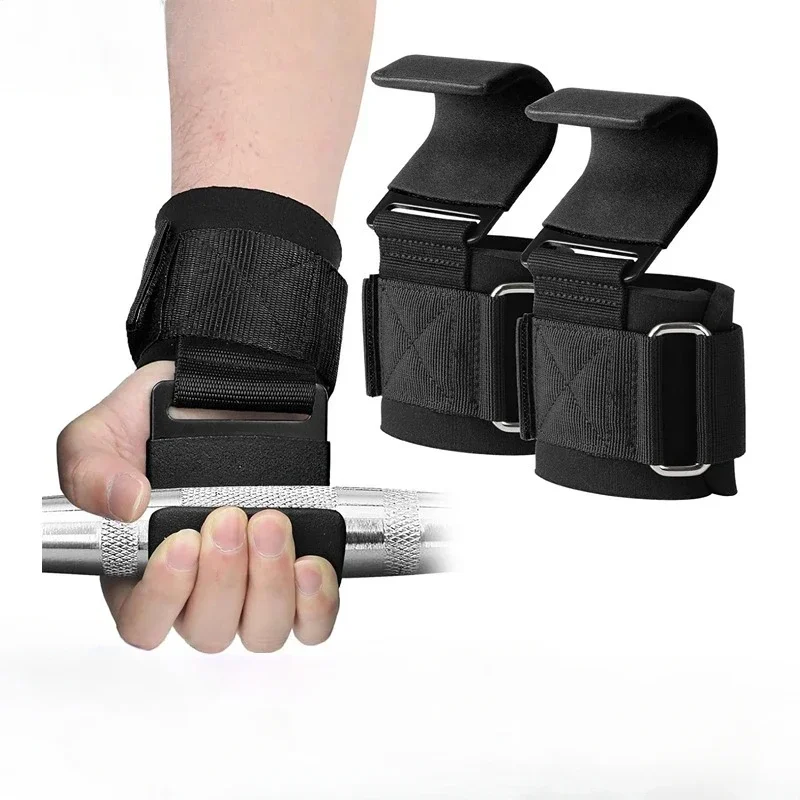
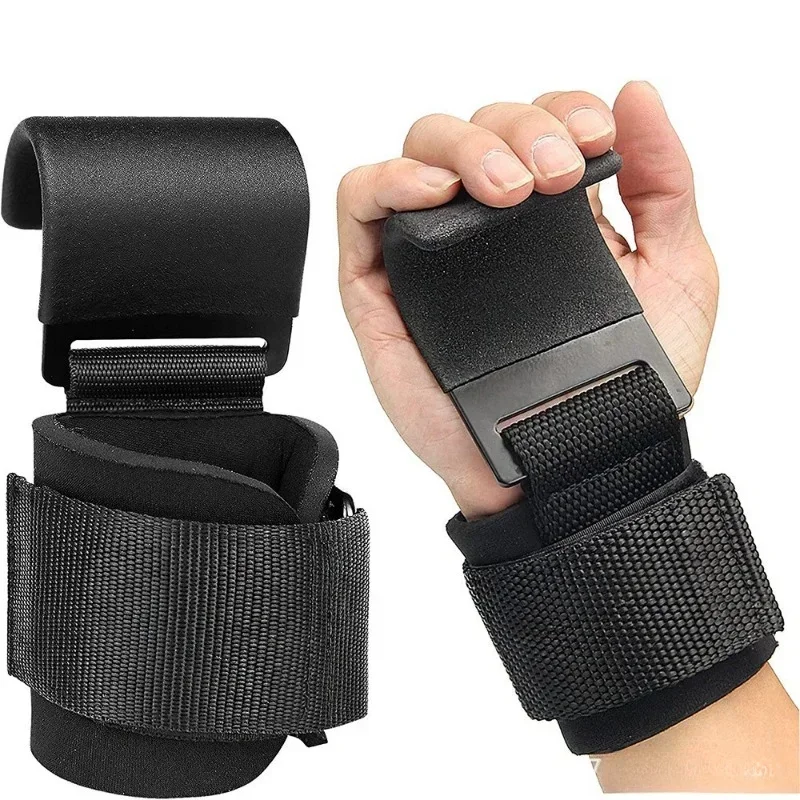
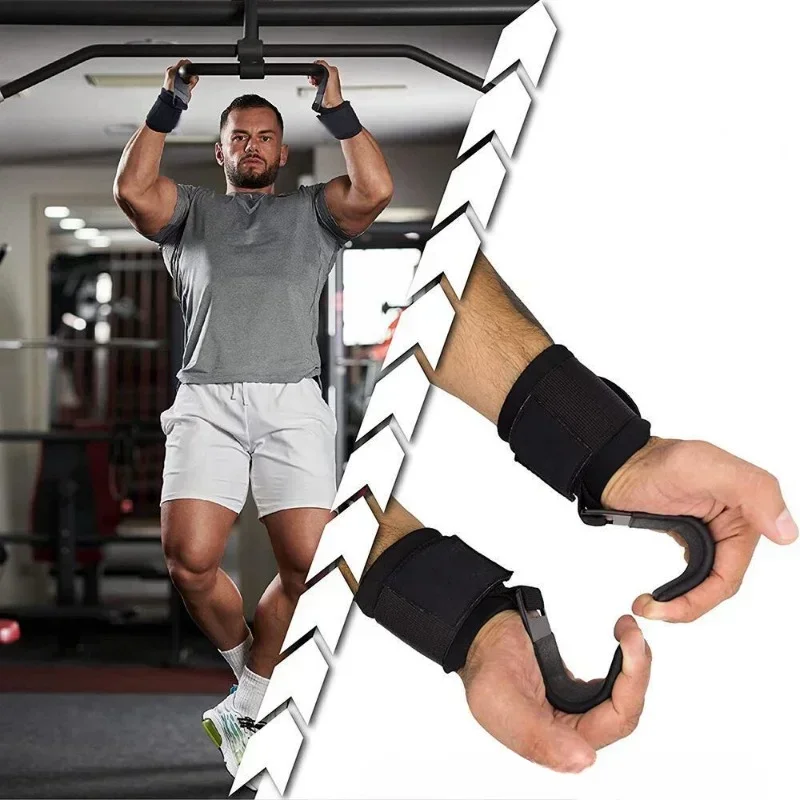
On heavy pulling work, the small finger flexors fatigue long before the prime movers — the lats, erectors, traps and glutes — are anywhere near done. The bar simply rolls your fingers open. A lifting hook removes the grip from the chain entirely: a steel hook rests over the bar and the load hangs from it through a padded wrist cuff, so the weight is carried by your skeleton rather than your fingertips. The muscle you were actually trying to train can then be taken to genuine failure instead of stopping at grip failure.
Key Benefits
- Trains the target muscle to real failure. The set now ends when your back is done, not when your hands are — which for high-rep rows, shrugs and rack pulls is a completely different stimulus.
- More secure than straps for most people. A hook is a fixed steel form; a strap has to be wound correctly under tension every single set, and a badly wound strap slips.
- Fast on and off. No wrapping, no re-tightening between sets. On a drop set, that time difference matters.
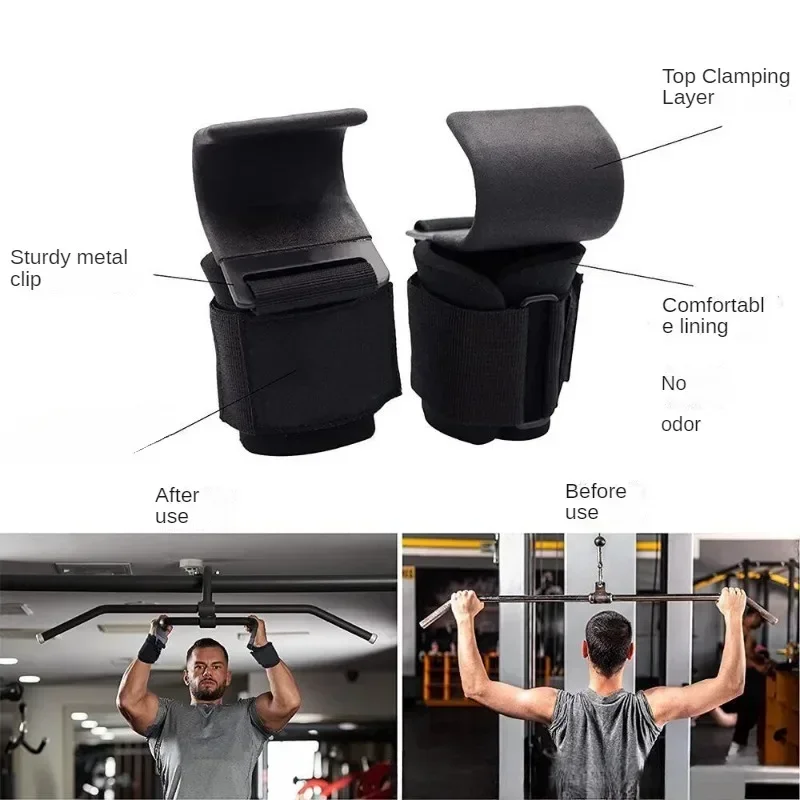
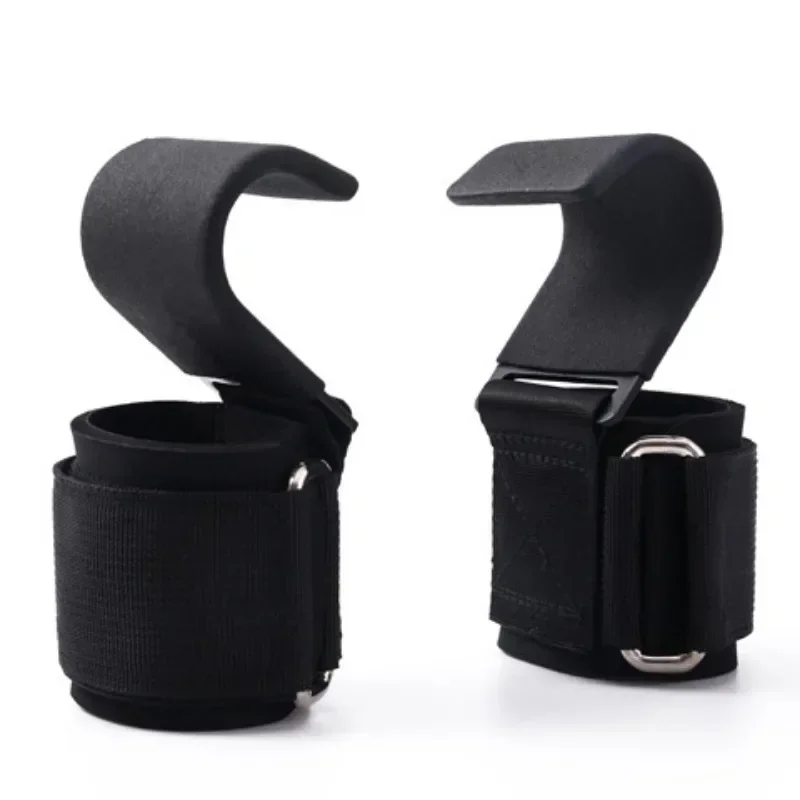
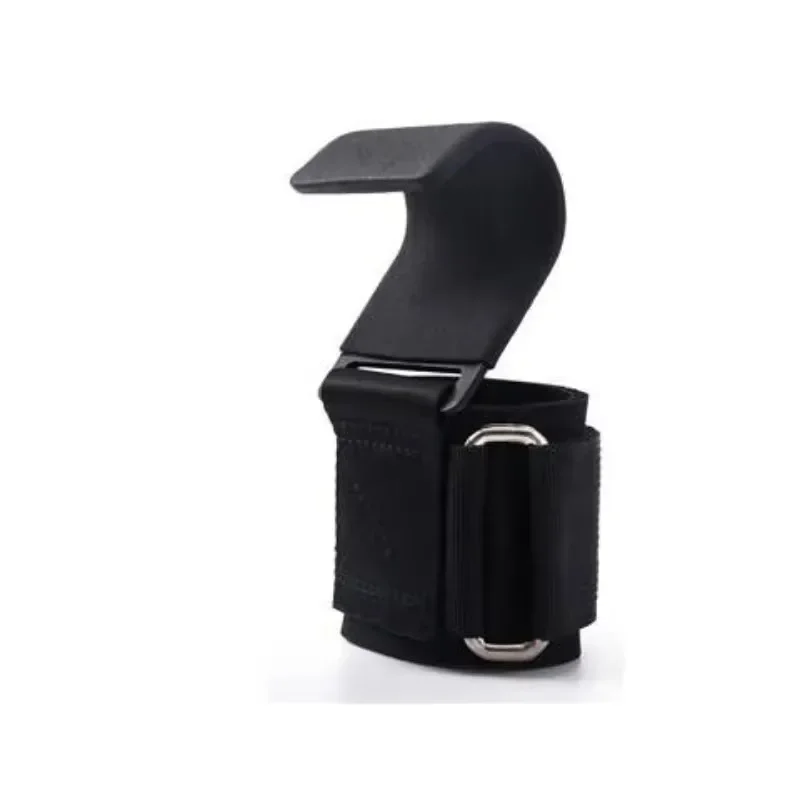
- Padded wrist cuffs. The whole load transfers through your wrist, so padding here is not a comfort feature — it is what stops the cuff from cutting in on a heavy pull.
- Honest warning: hooks do not build grip strength — they remove grip from the exercise. If you wear them for every pulling set, your grip will steadily fall behind everything else. Train grip deliberately and separately.
- Use them selectively. Reserve them for your heaviest or highest-rep back work, where grip is genuinely the limiting factor. Pull raw the rest of the time.
How to Use
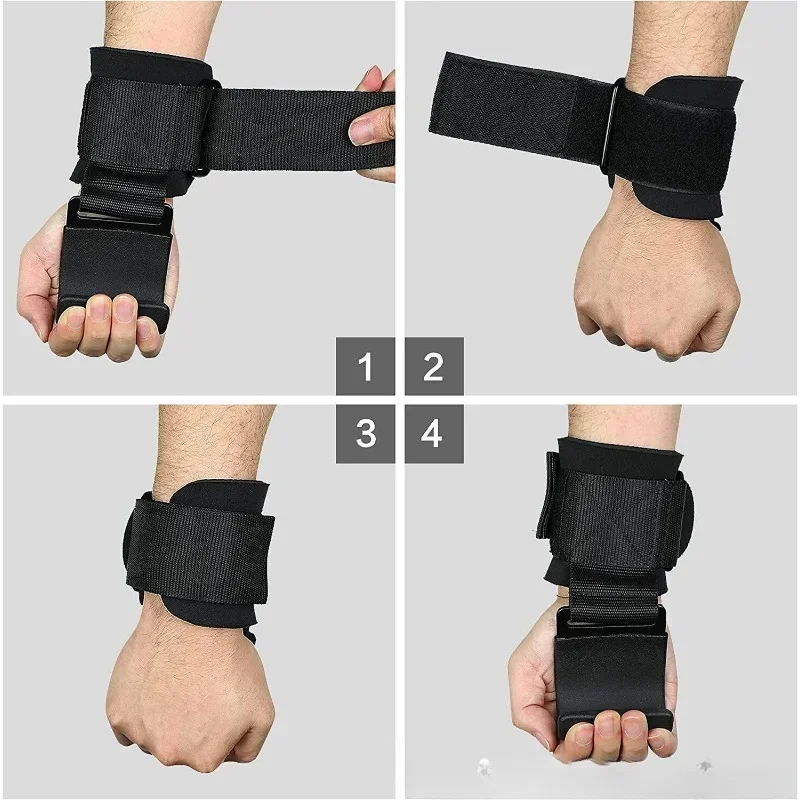
Slide the cuff over your wrist and tighten so the hook sits flush against your palm with the hook curving under the bar. Roll the bar into the hooks, close your hands over the top, and lift — keep the fingers wrapped rather than open, so the bar stays seated. Set the cuff tension so it is snug but not cutting off circulation. Best applied to deadlifts, rack pulls, shrugs, barbell and dumbbell rows, lat pulldowns and weighted pull-ups. Safety: hooks make the bar difficult to release quickly, which is the trade-off for their security. Never use them on any lift where you might need to bail fast or dump the weight, and never on overhead work. If you get numbness or tingling in the hand, the cuff is too tight — loosen it. Inspect the stitching where the hook meets the cuff before each session; that seam is the point that fails.
Specifications
| Type | Weight lifting hooks with wrist support |
|---|---|
| Hook material | Steel |
| Cuff | Padded, non-slip, adjustable |
| Sold as | 1pc or 2pc pair — variant dependent |
| Best for | Deadlifts, rack pulls, shrugs, rows, pulldowns, pull-ups |
| Not for | Overhead lifts, or any lift requiring a rapid bail |
| Load rating | Variant dependent — check before maximal attempts |
| Fit | Adjustable strap, one size |
Care & Maintenance
Air-dry the cuffs after training rather than leaving them sealed in a gym bag — sweat-saturated padding degrades the stitching and smells. Hand wash the cuffs when needed and dry flat, away from direct heat. Check the hook for any bending or deformation and the seam for fraying before every heavy session, and retire them at the first sign of either. Do not machine wash or tumble dry; the metal will damage the drum and the padding.
What’s in the Box
Lifting hooks with padded wrist cuffs. Supplied as a single piece or a pair depending on the variant selected.
Reviews
There are no reviews yet.