Ascending Resistance: Why a Band-and-Bar Setup Loads Differently to Iron
A loaded barbell is hardest at the bottom of a press or squat — exactly where your leverage is worst — and easiest at lockout, where you are strongest. Elastic resistance inverts that. Tension rises as the band stretches, so the load peaks at the top of the range where your joints have the most mechanical advantage. The practical result is a comparatively joint-friendly bottom position and a much harder lockout, which is why bands are a staple in rehabilitation settings and in accessory work for lifters. Clip the bands to a rigid bar and you get the bilateral, two-handed pressing and rowing patterns that tubing alone can’t reproduce.
Key Benefits
- Ascending strength curve — tension increases through the rep, loading the strong end of your range and easing off where the joint is most vulnerable.
- Genuinely adjustable load — clip bands on or off to change resistance in seconds, instead of re-racking plates.
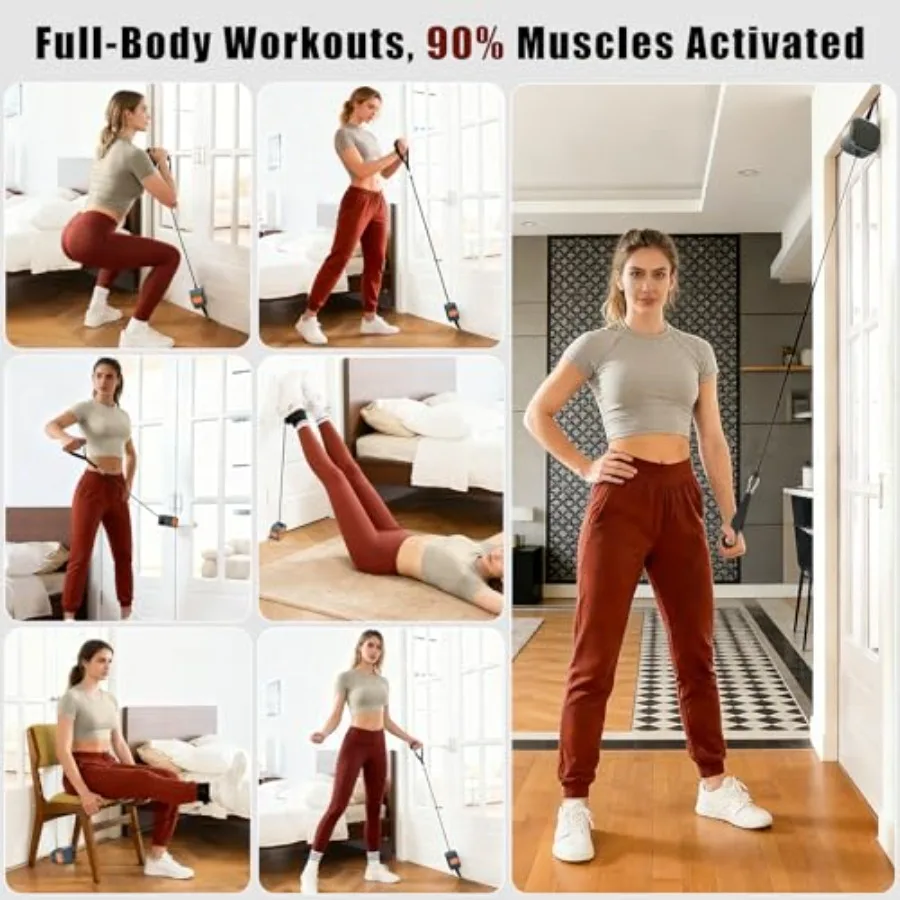
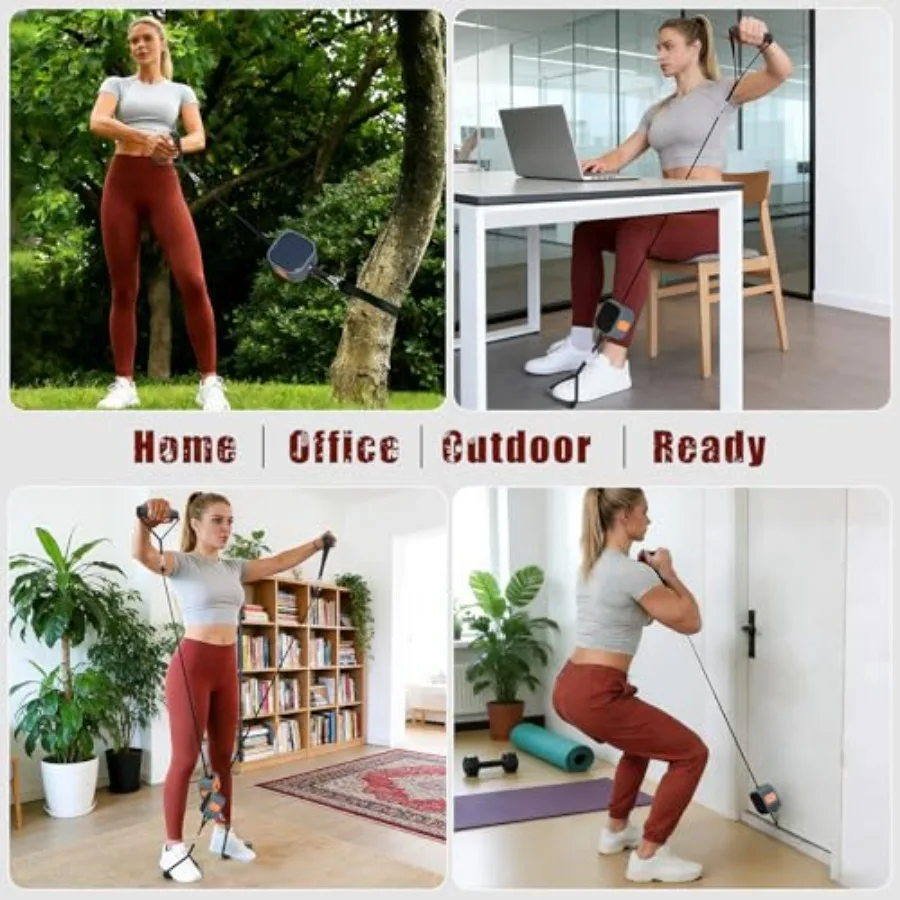
- Barbell movement patterns, no rack — presses, rows, squats, deadlifts and curls with a real bar path and a symmetrical grip.
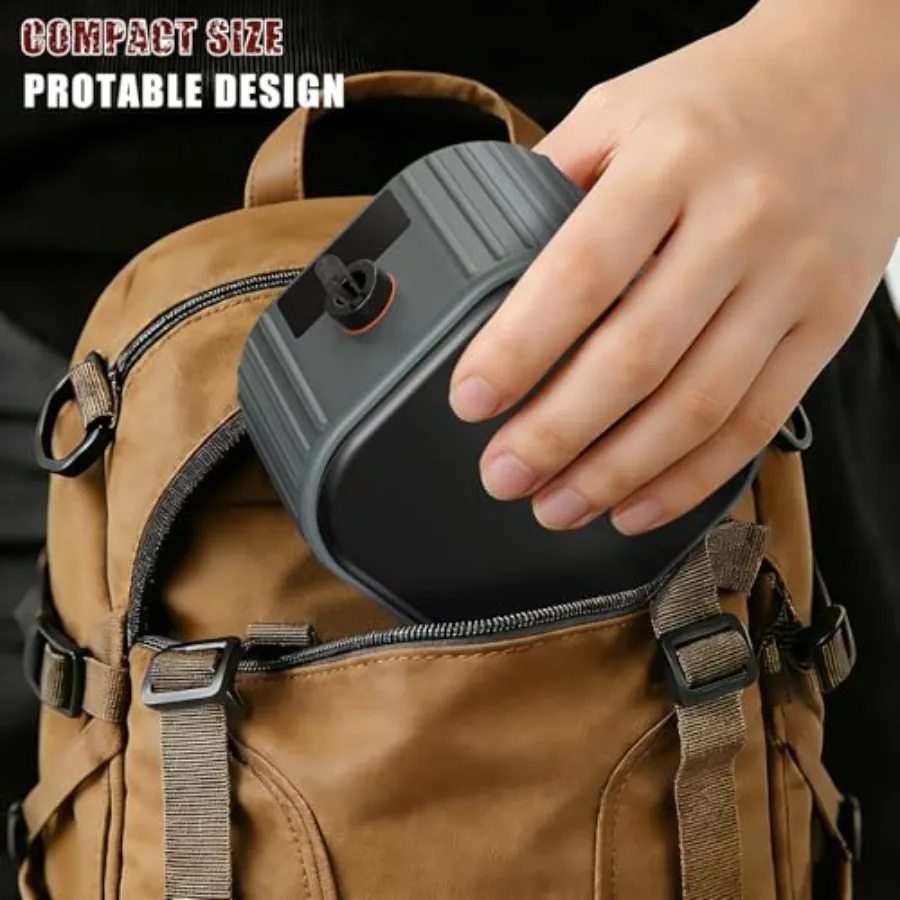
- Fits in a drawer — the entire system packs down small enough to travel, which is the difference between training on the road and not training.
- Low eccentric impact — bands decelerate you into the bottom position rather than dropping load on you, which is easier on the shoulders and lower back.
- No noise, no floor damage — nothing to drop, nothing to crack tiles, nothing to annoy the neighbours.
How to Use
Anchor the bands under the centre of both feet — not one foot, and not the toes, or the bar will track crookedly. Check the clips and band ends are fully seated before every set, then take up the slack slowly and feel the tension come on before you commit to a rep. Because the resistance is highest at lockout, control the return: let the band pull the bar back down under tension rather than letting it snap. Inspect every band along its full length for nicks, cuts, chalky patches or thinning before use, and discard any band that shows them. Never stretch a band toward your face, never look directly down the line of a loaded band, and never anchor to furniture, a door handle or anything that isn’t rated to hold you.
Specifications
| System type | Resistance band bar / portable barbell system |
|---|---|
| Resistance | Adjustable — add or remove bands to change load |
| Bar | Rigid training bar with band attachment points |
| Bands | Interchangeable resistance tubes |
| Colour | Black |
| Primary uses | Press, row, squat, deadlift, curl, overhead press |
| Portability | Packs down for travel |
| Anchor method | Under-foot platform / foot anchoring |
| Band resistance levels | Variant dependent |
Care & Maintenance
Store the bands out of direct sunlight and away from heat — UV and heat are what degrade elastomer, not use. Keep them clean and dry, and never store them stretched or under load. Wipe the bar down after sessions. Replace bands on any sign of surface cracking, and treat every band as a consumable with a finite life rather than a permanent piece of equipment.
What’s in the Box
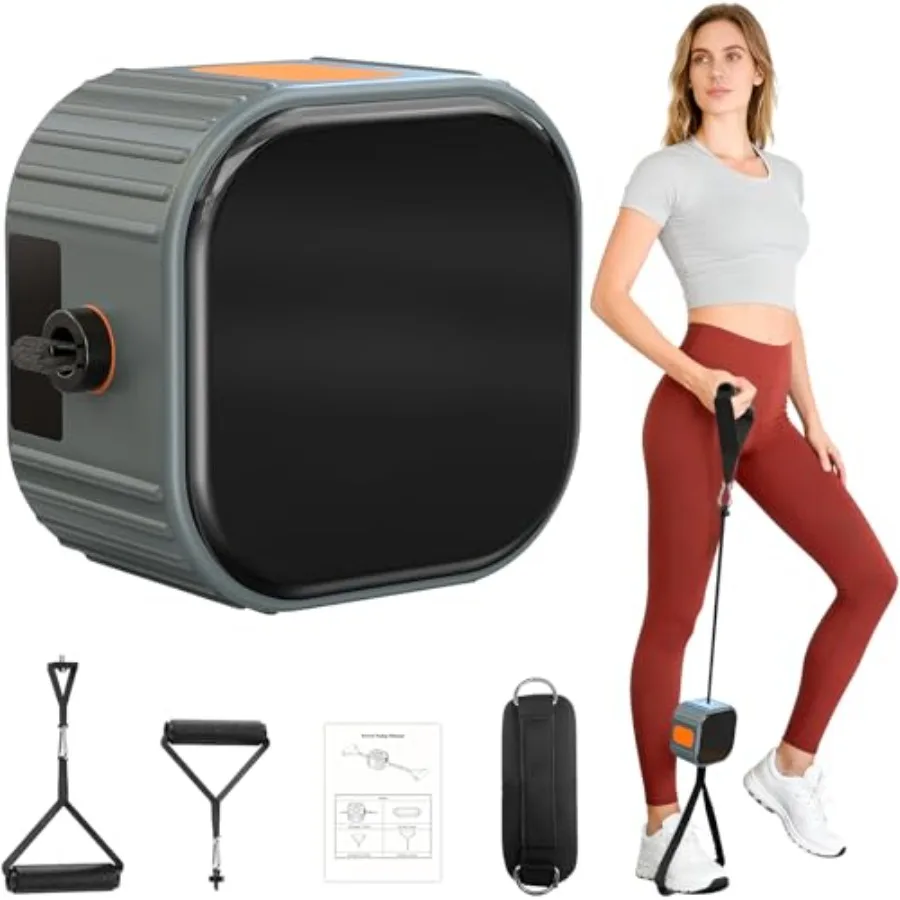
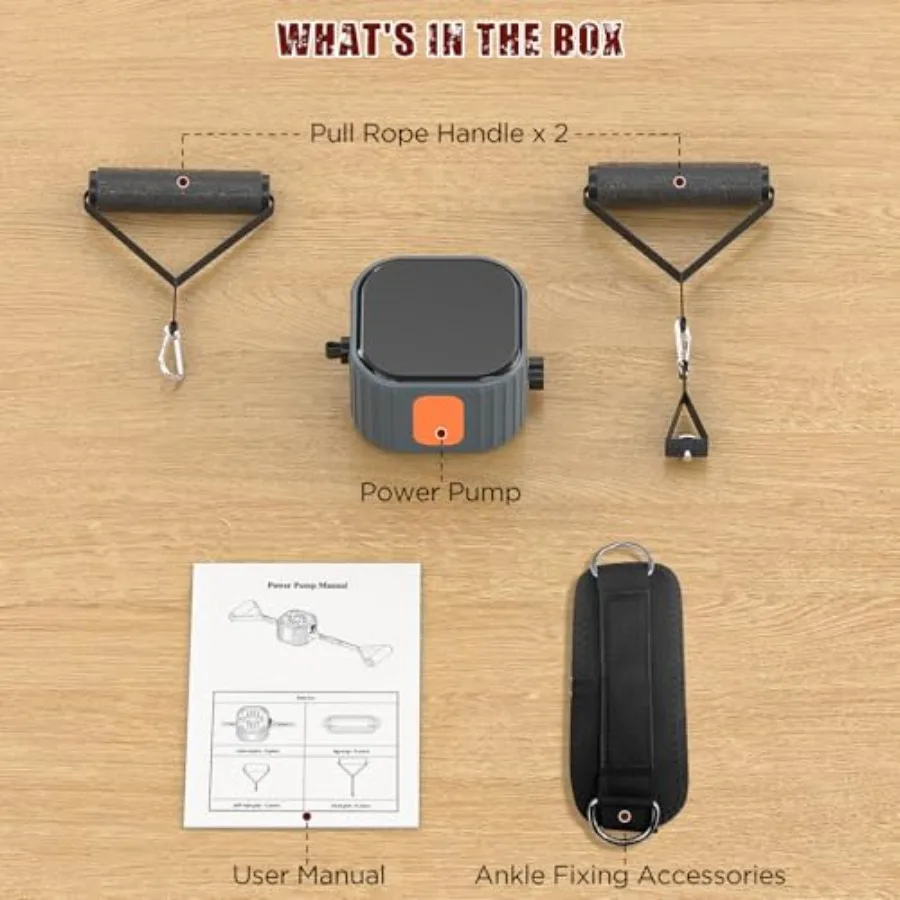
1 × fitness bar, resistance bands, band clips/carabiners and foot anchor components (exact band count is variant dependent).

Reviews
There are no reviews yet.