

Palm Protection Without Losing the Bar
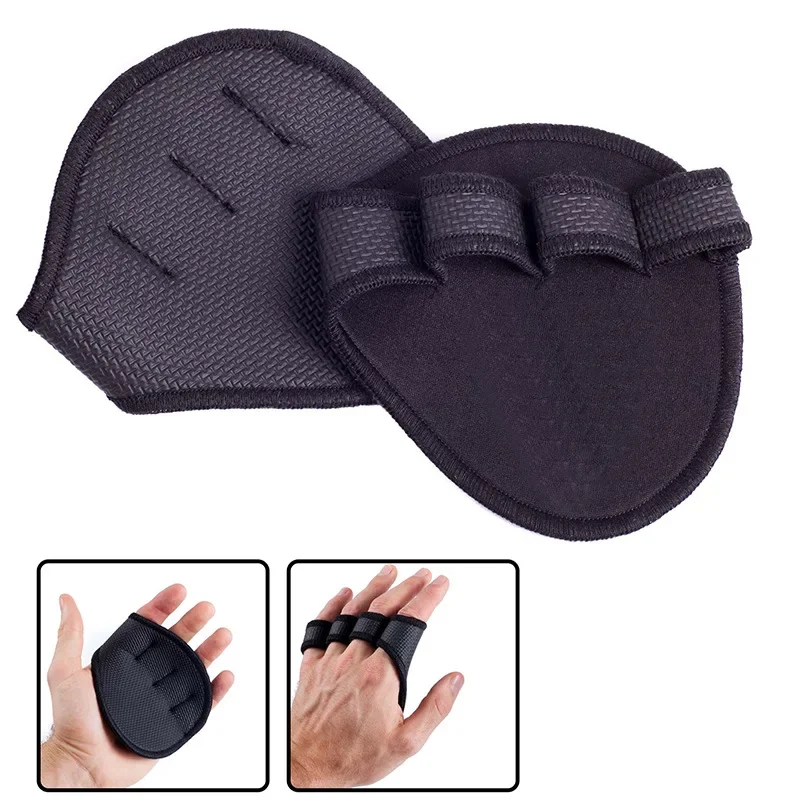
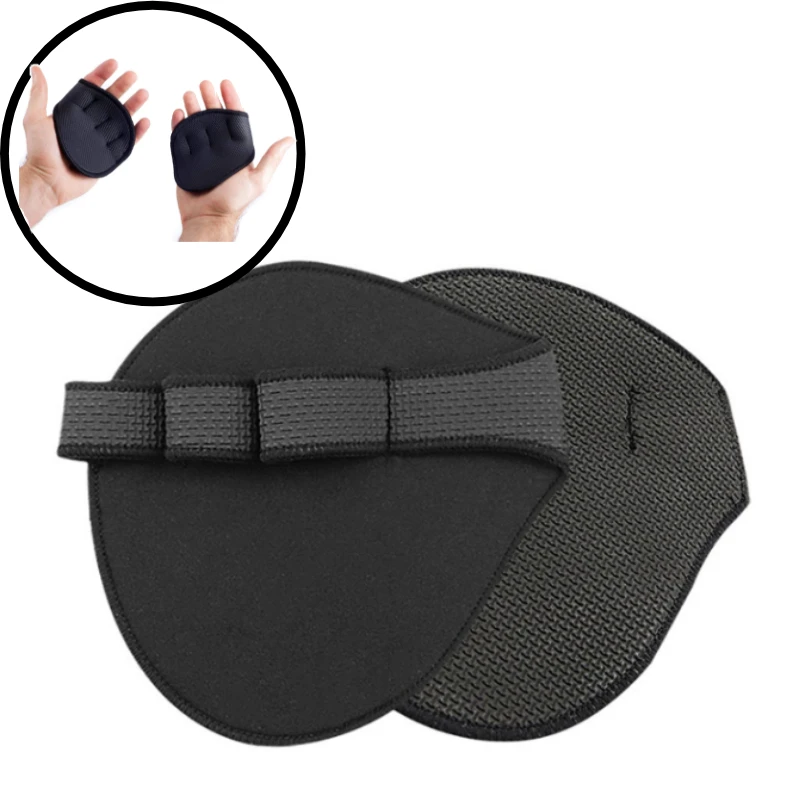
Calluses form because friction and shear repeatedly stress the skin of the palm against a knurled bar. A little callus is protective; a thick, raised one catches, tears, and takes a fortnight of training with you. Grip pads work by putting a compressible neoprene layer between the knurling and the skin, which spreads the pressure across a wider area of palm and reduces the shear that lifts the skin. Unlike a full glove, they cover only the palm — leaving the fingers, back of the hand and thumb bare, which preserves the tactile feedback you need to know where the bar is sitting.
Key Benefits
- They stop the tear, not the callus. Neoprene absorbs the shear that lifts a callus off the palm mid-set — which is the injury that actually costs you training days.
- More bar feel than gloves. Only the palm is covered. Your fingers wrap the bar directly, so you keep the proprioceptive feedback that a full glove muffles.
- No sweaty fabric on the back of your hand. Gloves trap heat and stink within a month. Pads dry fast and stay out of the way.
- They add a little diameter. The cushion slightly thickens the bar in your hand, which some lifters find improves grip security — and which does mildly increase the demand on your forearms.
- Works across the gym. Barbells, dumbbells, pull-up bars, kettlebells, rings, rowing handles — anywhere knurling meets skin.
- Nothing to fasten. Loop them over your fingers, fold, grip. On and off in two seconds between sets.
How to Use
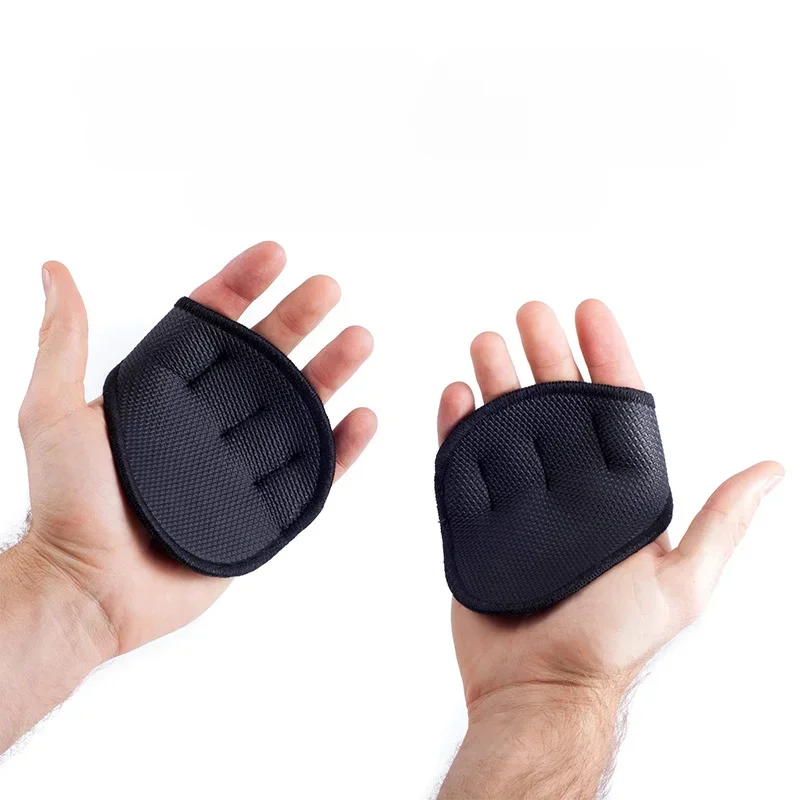
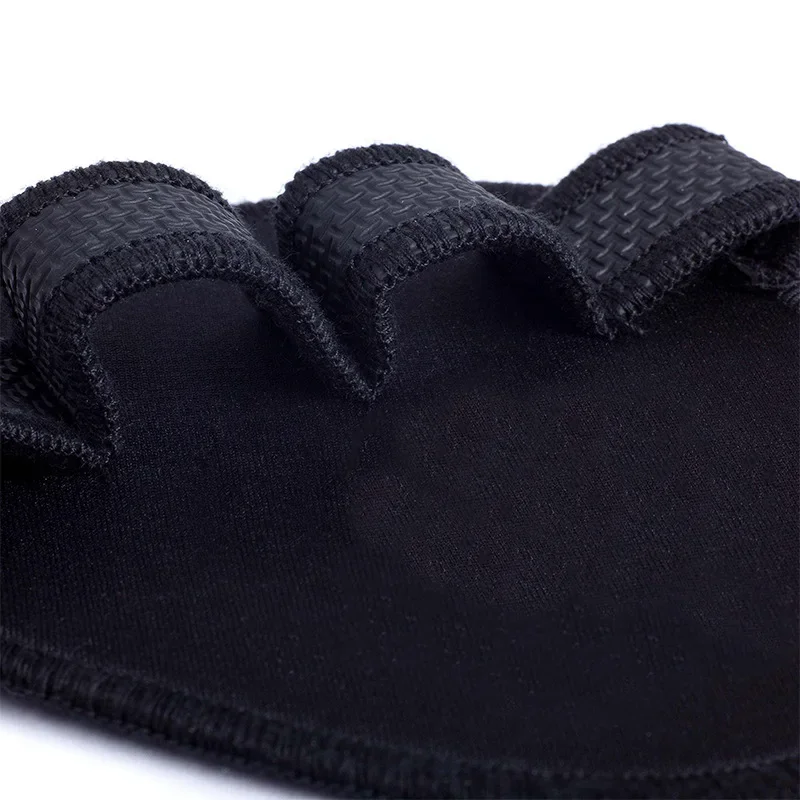
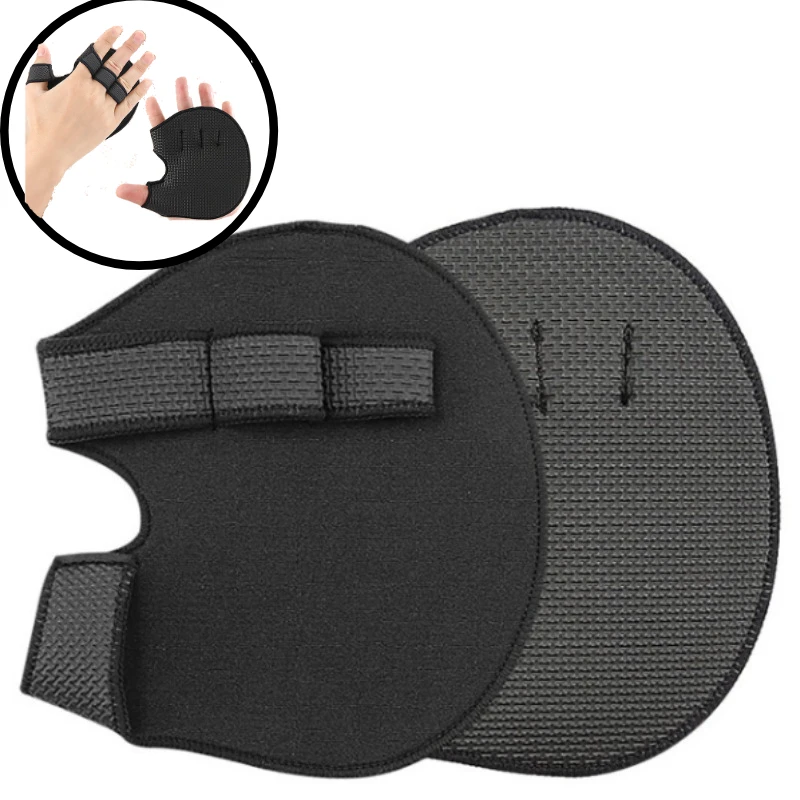
Slip the finger loops over your fingers so the pad sits across the top of the palm, right where the bar rests at the base of the fingers — not down in the middle of the palm, which is a common mistake and puts the cushion where the bar never touches. Fold the pad over the bar as you close your hand, then grip normally. Pads improve comfort and reduce tearing; they do not replace grip strength, and for very heavy pulling work a hook or a strap does a different job entirely. Do not use pads as a substitute for building your grip — if you always remove the demand on your forearms, they will not get stronger. Check the loops for stretching or splitting before heavy sets; a pad that slips mid-pull is worse than no pad.
Specifications
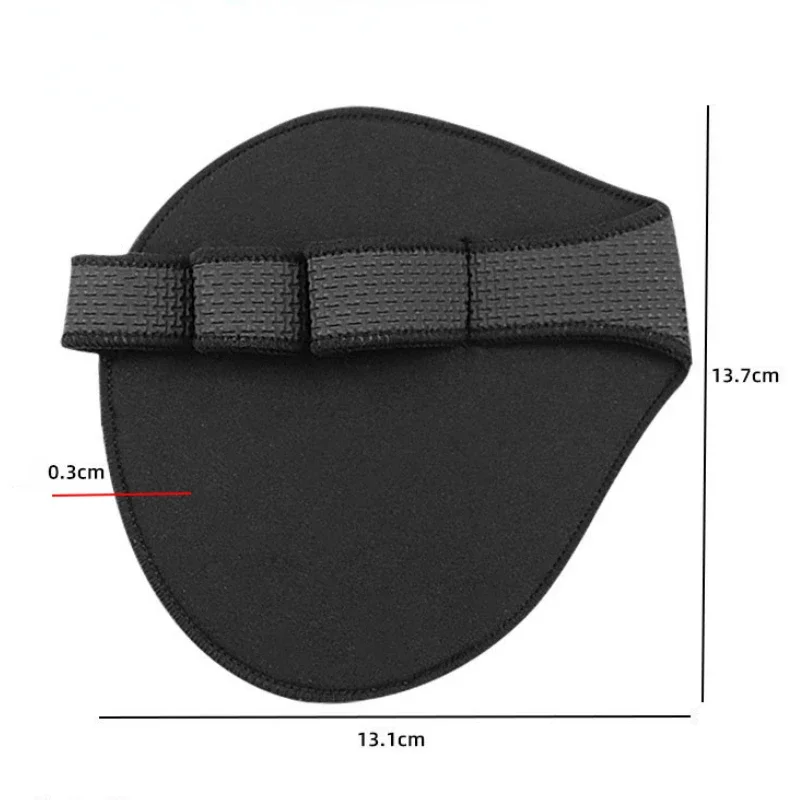
| Quantity | 2 pads (one pair) |
|---|---|
| Material | Neoprene |
| Coverage | Palm only — fingers and back of hand exposed |
| Fastening | Finger loops, no straps or velcro |
| Use | Weightlifting, powerlifting, calisthenics, pull-ups, kettlebells |
| Fit | One size, unisex |
| Alternative to | Full lifting gloves |
| Grip support | Cushioning and callus protection — not a lifting strap |
Care & Maintenance
Rinse them in cool water with a little mild soap after sweaty sessions and air dry them fully — neoprene holds moisture and, left in a gym bag, will smell within a week. Do not tumble dry, iron, or leave them on a radiator; heat permanently hardens neoprene and it stops cushioning. Inspect the finger loops for stretching and the pad face for wear-through; replace them once the neoprene has compressed flat, because at that point it is not doing anything.
What’s in the Box
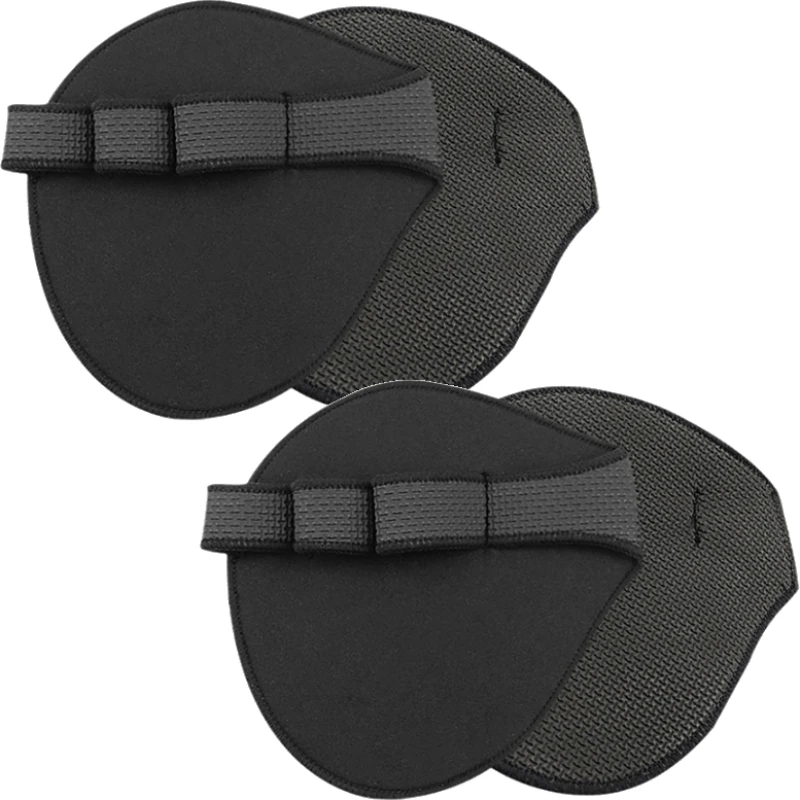
2 × neoprene grip pads (one pair). Colour is variant dependent.
Reviews
There are no reviews yet.