The Groove Down the Middle Is the Whole Point
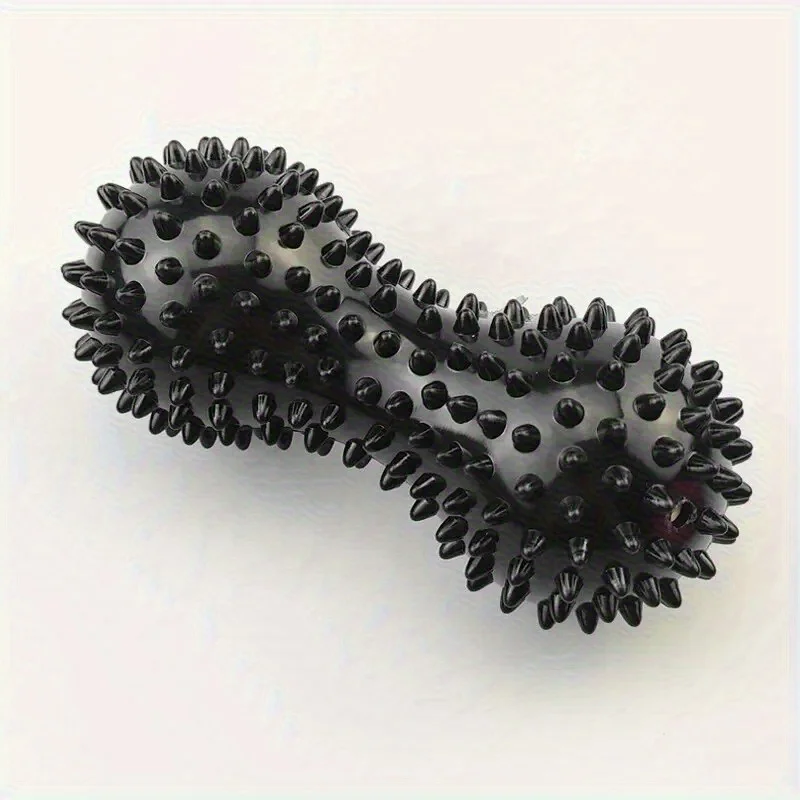
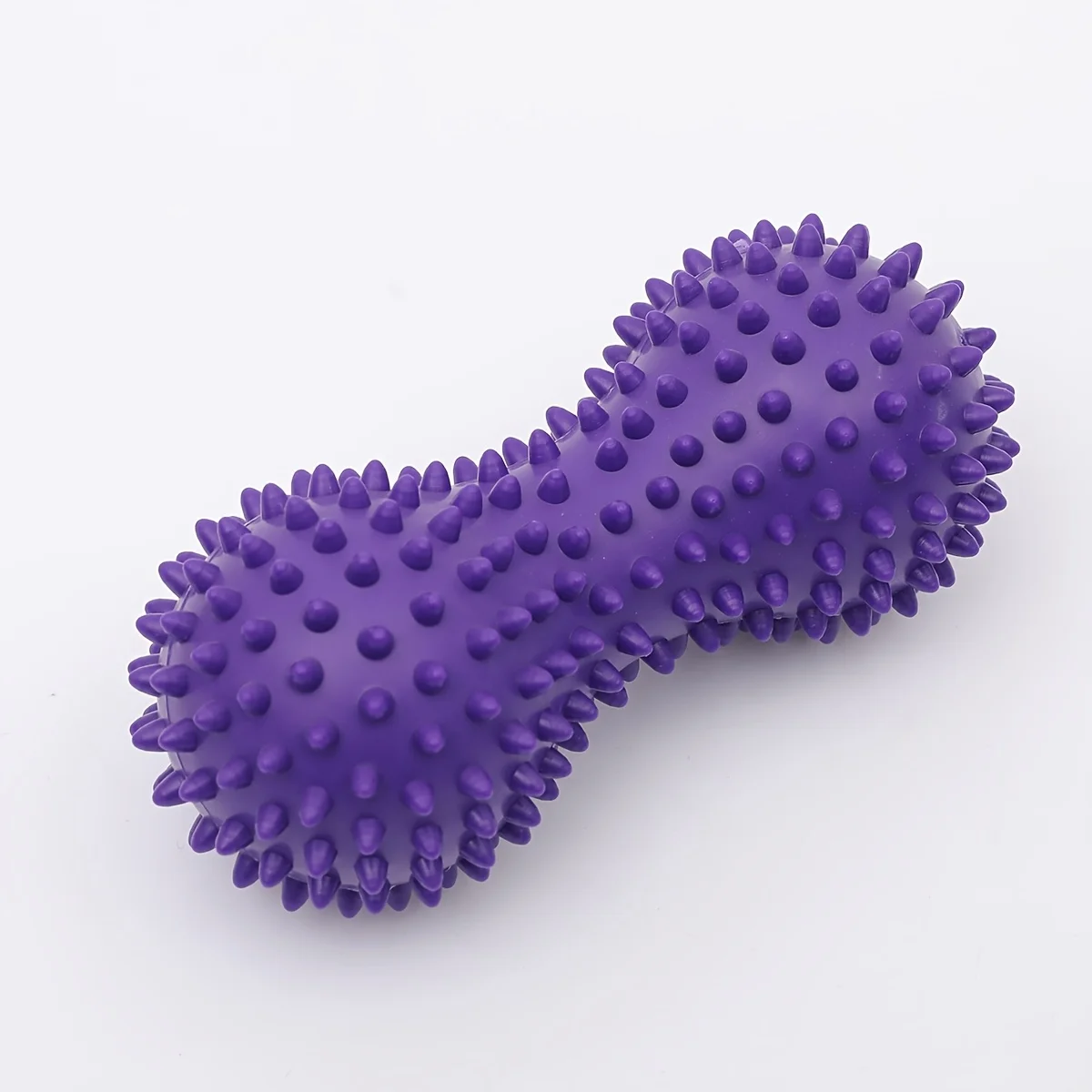
Lie on a single ball to work your upper back and it inevitably rolls onto a spinous process — the bony ridge you can feel down your spine — which is sharp, useless and mildly alarming. A peanut ball solves this geometrically. The two lobes sit either side of the vertebrae while the central channel clears the spine entirely, so the load falls where you actually want it: on the erector spinae and the paraspinal muscles that stiffen from sitting, and on the levator scapulae and upper trapezius that carry a day of screen work.
Key Benefits
- Twin-lobe design clears the spine — sustained pressure on the paraspinal muscles, with the bony spinous processes safely in the central groove.
- Genuinely reaches the upper back and neck — the two areas hardest to treat with a foam roller or your own hands.
- An honest account of what it does — sustained pressure reduces your nervous system’s sensitivity to that pressure and increases stretch tolerance, which is why the area feels looser afterwards. It does not “break down scar tissue”, “release fascia” or flush out toxins — those explanations are marketing, and the relief is real regardless.
- Pin-and-stretch works beautifully — hold the ball on a tender spot and move the joint (turn your head, raise an arm), which is far more effective than rolling back and forth.
- Body weight gives you infinite control — the wall for a light touch, the floor for deep pressure, and everything in between.
- Fits in a handbag — a desk-drawer, gym-bag, hotel-room tool that costs less than a single massage.
How to Use
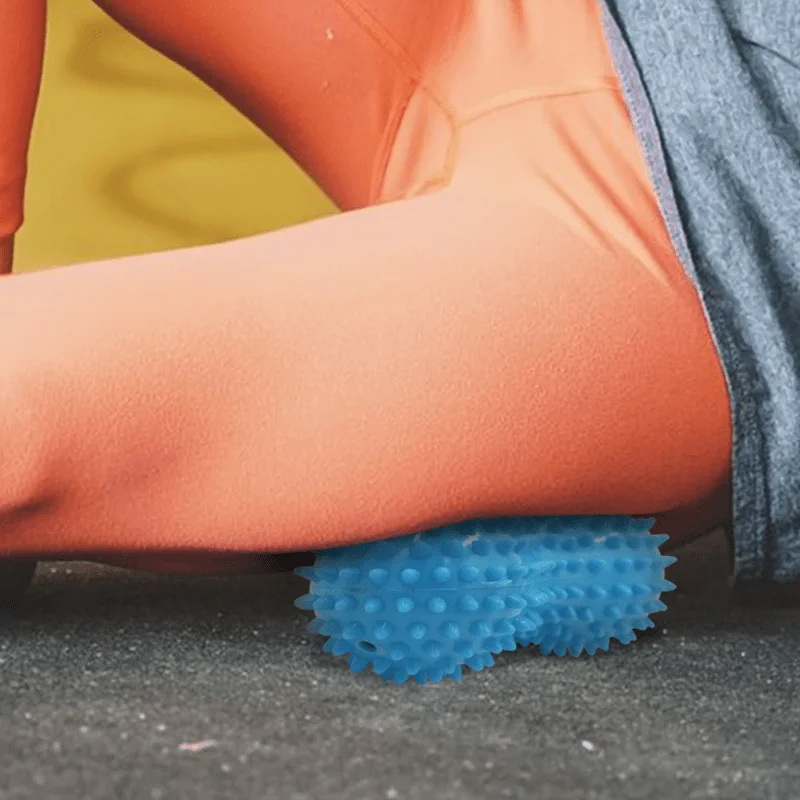
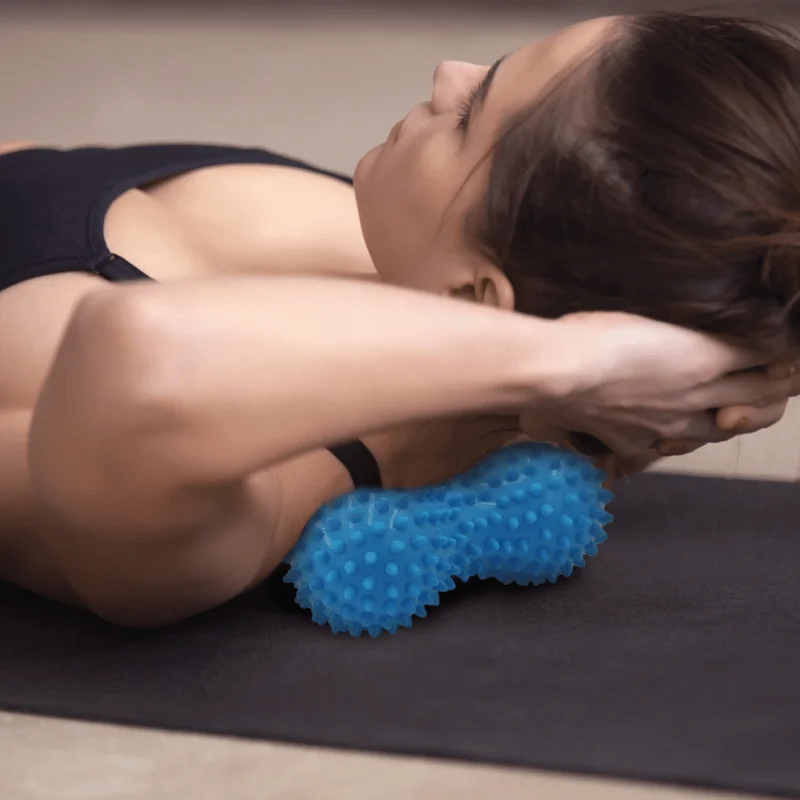
Place the ball on the floor and lie back so it straddles your spine at the level you want — the spine itself sits in the groove, never on a lobe. Support your head, bend your knees, and either rock slowly a few centimetres at a time or, better, find a tender point, settle onto it and simply breathe for 30 to 90 seconds until the sensation eases. For the neck and upper traps, lean against a wall instead of the floor, which gives you far finer control over pressure. Discomfort should read as a firm, tolerable ache — never sharp, never numbing, and you should be able to breathe normally throughout. Safety: never roll directly on the spine itself, the front or sides of the neck, the lower back over the kidneys, or the back of the knee. Stay off fresh bruises, acute injuries, inflamed joints and any area with numbness or tingling. If you have osteoporosis, are pregnant, take blood thinners, or have a disc problem, check with a clinician first — deep pressure is not appropriate for everyone.
Specifications
| Product type | Peanut-shaped twin-lobe massage ball |
|---|---|
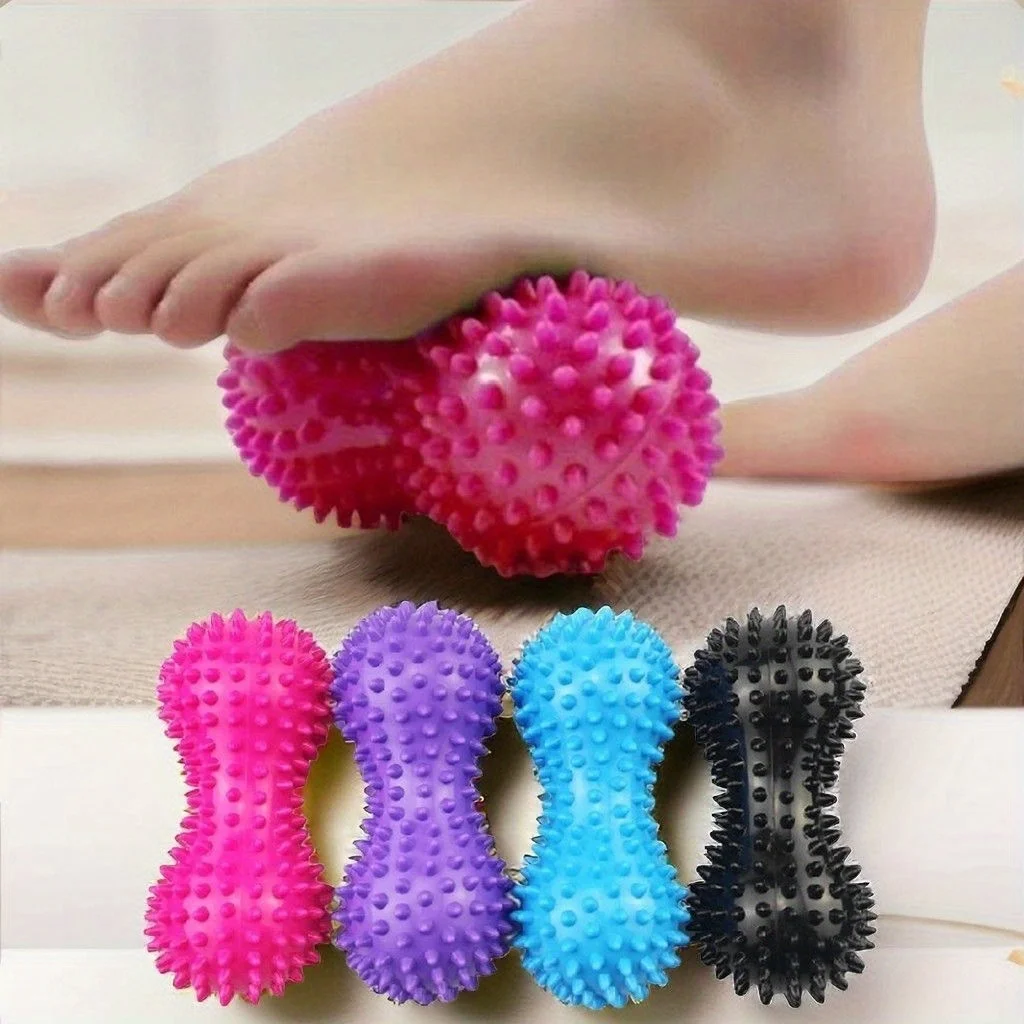
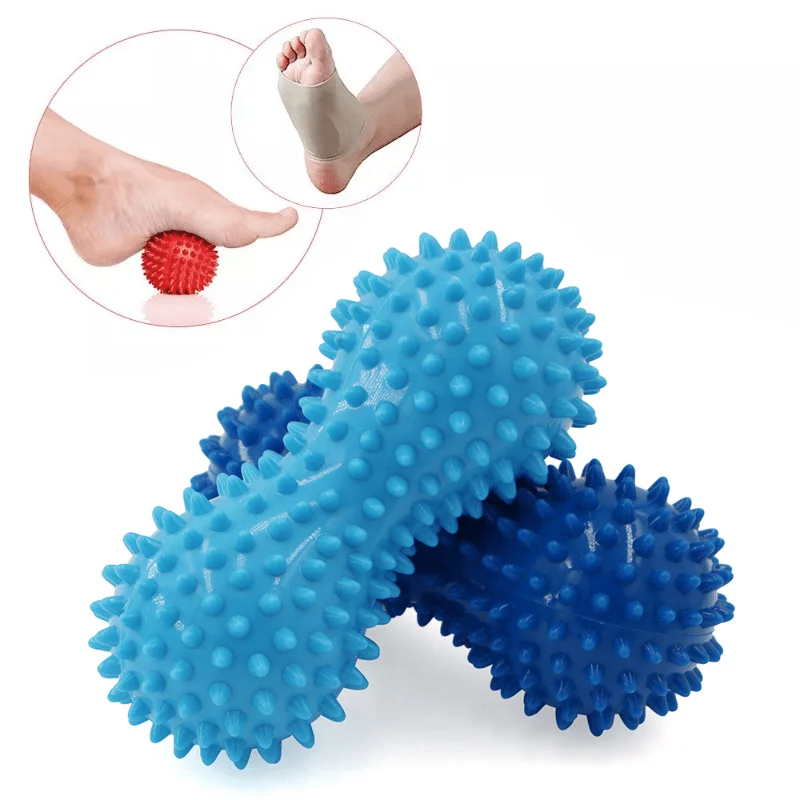
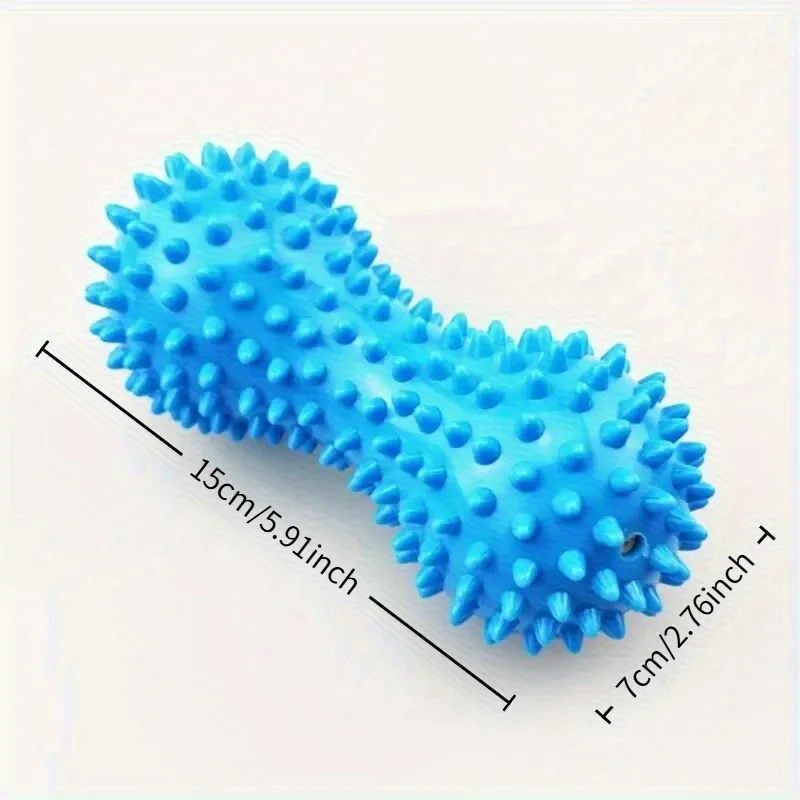
| Shape | Double lobe with central spinal groove |
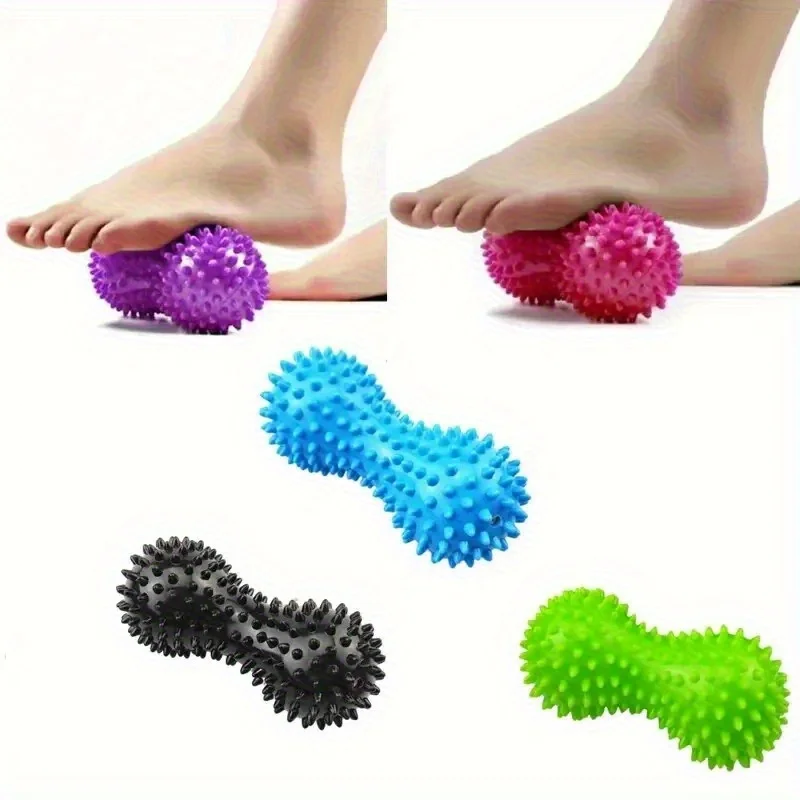
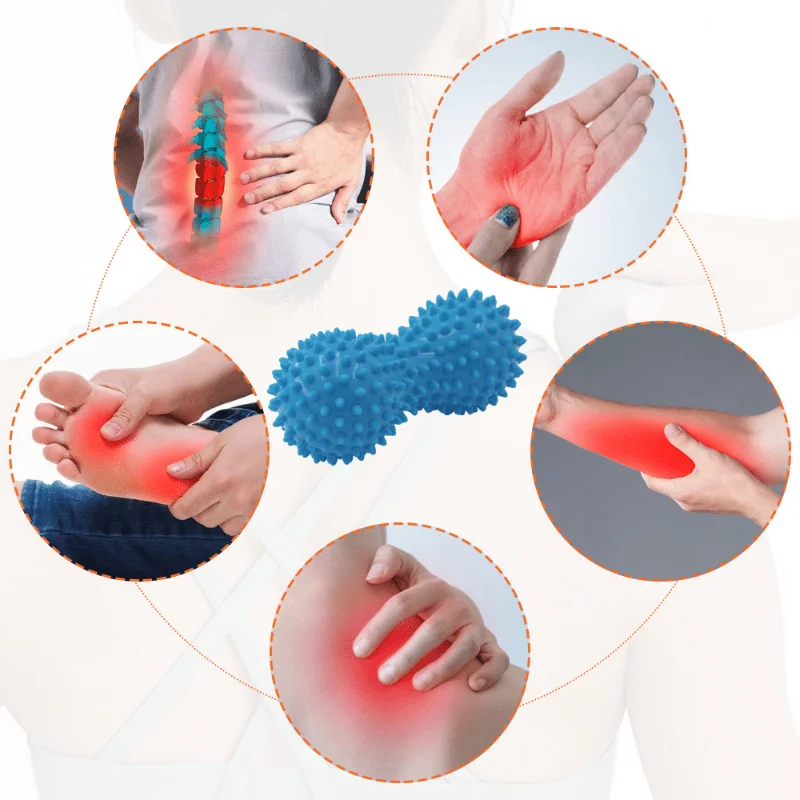
| Target areas | Upper back, mid back, neck, shoulders, glutes, calves, plantar fascia |
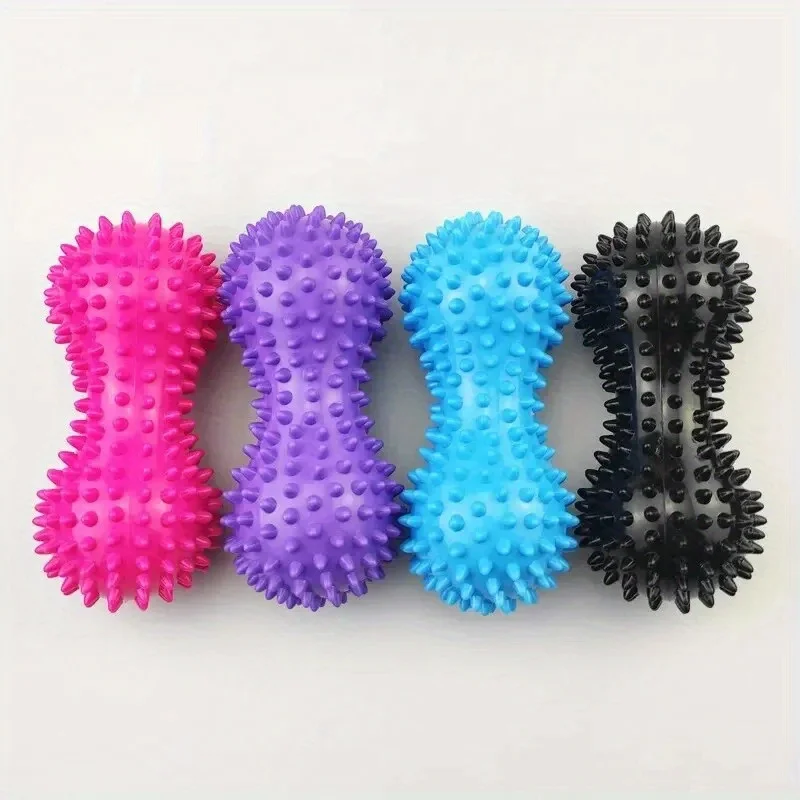
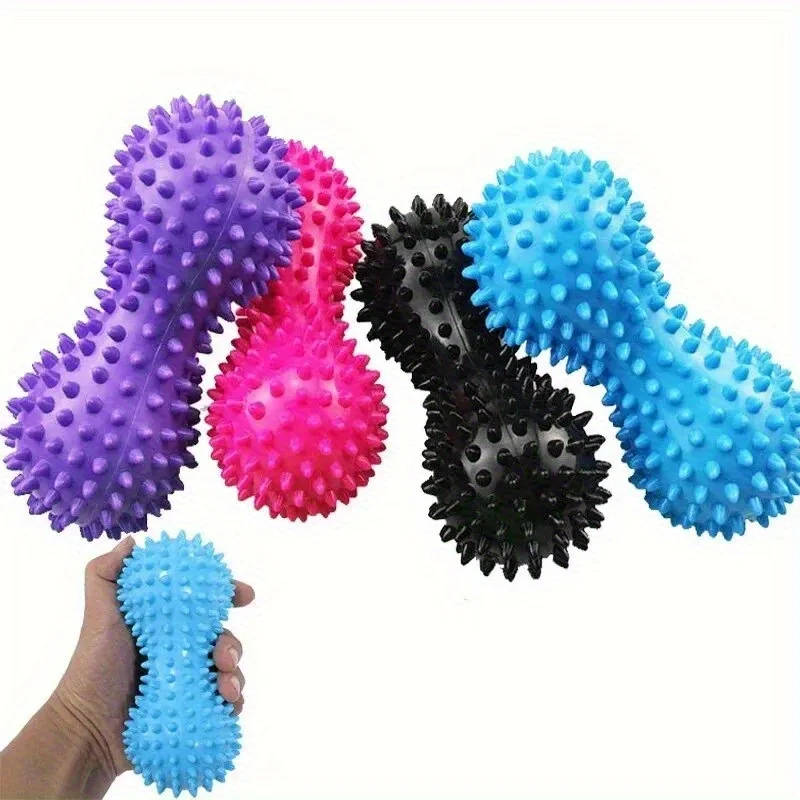
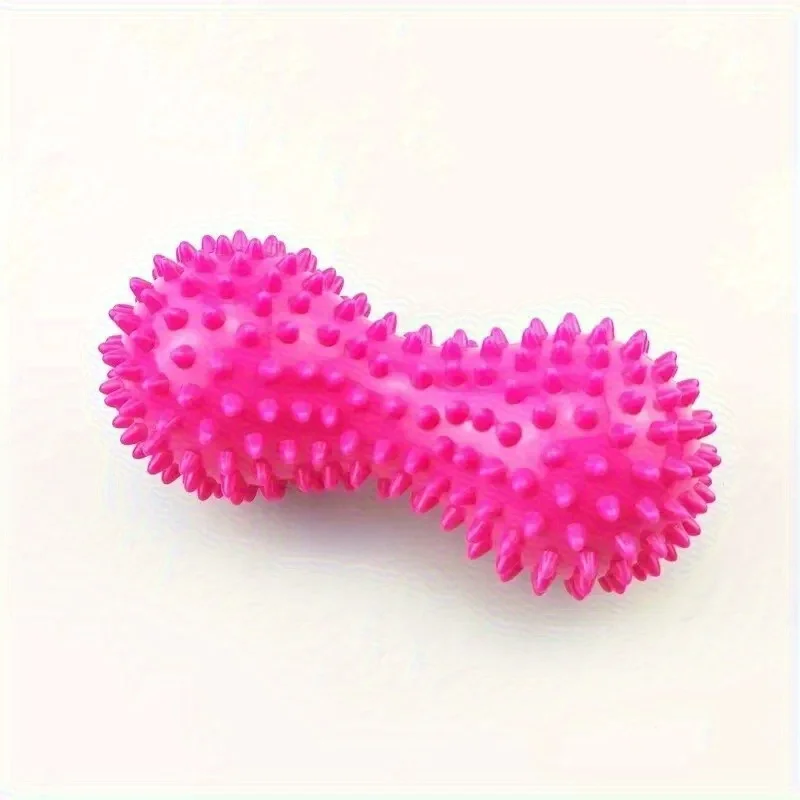
| Colours | Black, Blue, Pink, Purple |
| Surface | Firm textured massage surface |
| Use against | Floor for deep pressure, wall for controlled light pressure |
| Size and firmness | Variant dependent — see options |
| Portability | Small enough for a gym bag or desk drawer |
Care & Maintenance
Wipe with a damp cloth and mild soap after use, then air dry fully before storing — a ball put away damp will hold odour. Keep it out of prolonged direct sunlight and away from heat sources, which can soften or deform the material. Inspect occasionally for splits or a soft, collapsing lobe, and store somewhere it will not roll under a foot.
What’s in the Box
One peanut-shaped massage ball in the selected colour.

Reviews
There are no reviews yet.