What Foam Rolling Actually Does to a Sore Muscle
Sustained pressure on a muscle stimulates mechanoreceptors — Golgi tendon organs and Ruffini endings — that feed into the spinal cord and reduce the resting tone of the muscle beneath. That is why a tight calf feels looser after ninety seconds of rolling even though nothing structural has changed. Controlled trials consistently show foam rolling improves short-term range of motion and reduces delayed-onset muscle soreness without hurting force output. It is a nervous-system effect, not a mechanical remodelling of your fascia, and it is a real one.
Key Benefits
- Measurably less next-day soreness. Rolling for around 60–90 seconds per muscle group after training is one of the better-supported interventions for DOMS.
- Range of motion without a strength cost. Unlike long static stretching before lifting, rolling opens up joint range without measurably blunting power output.
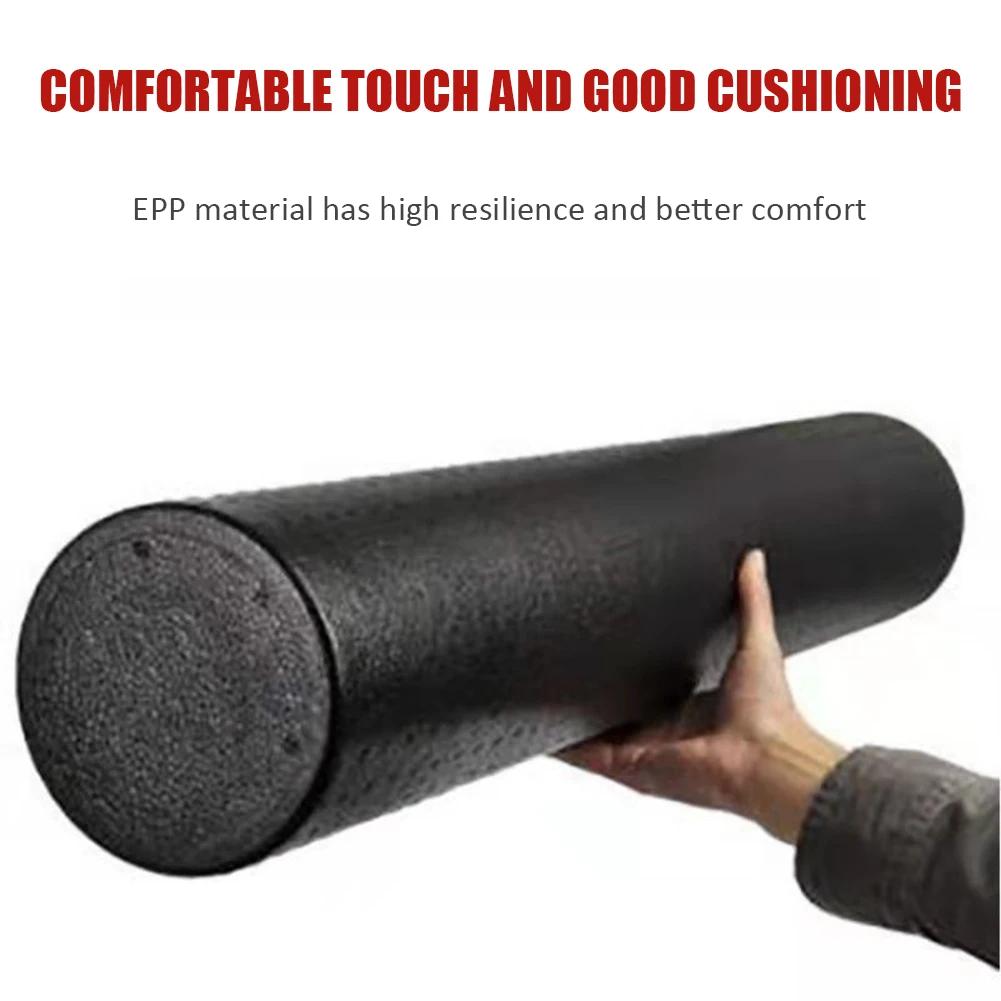
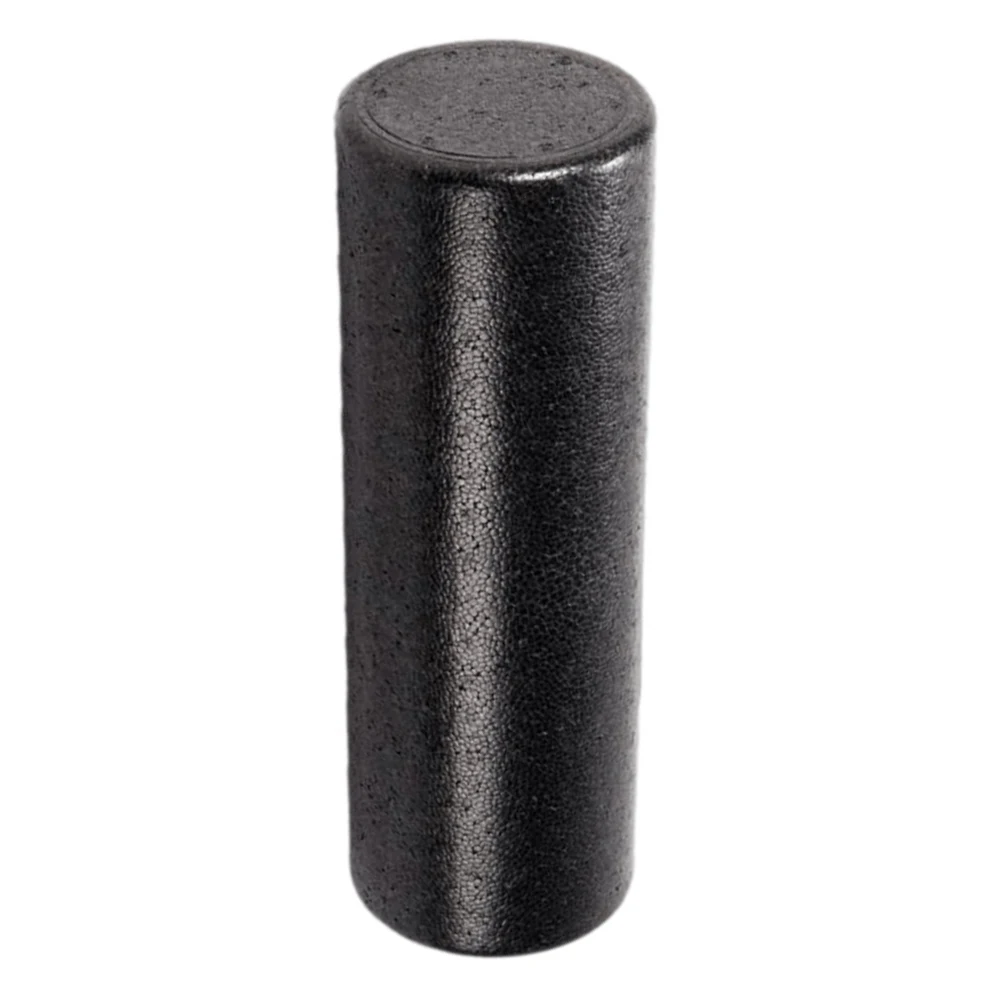
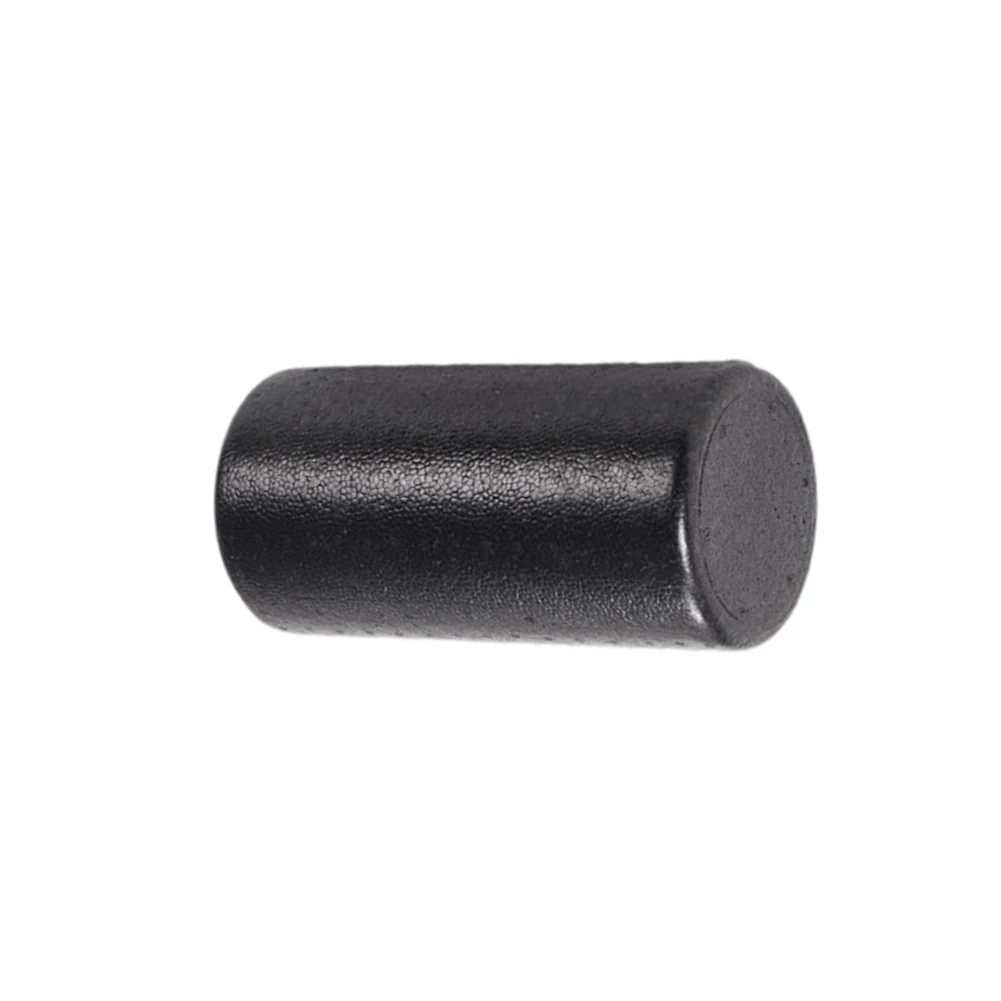
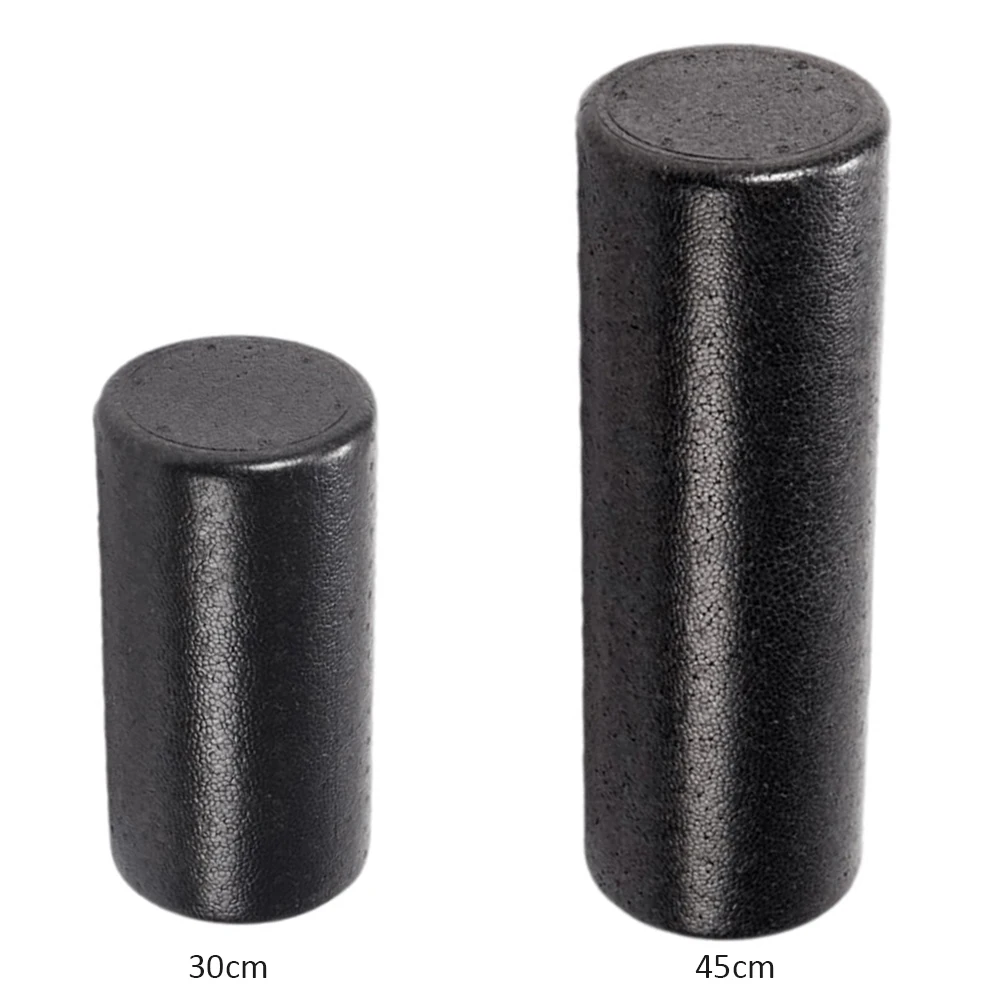
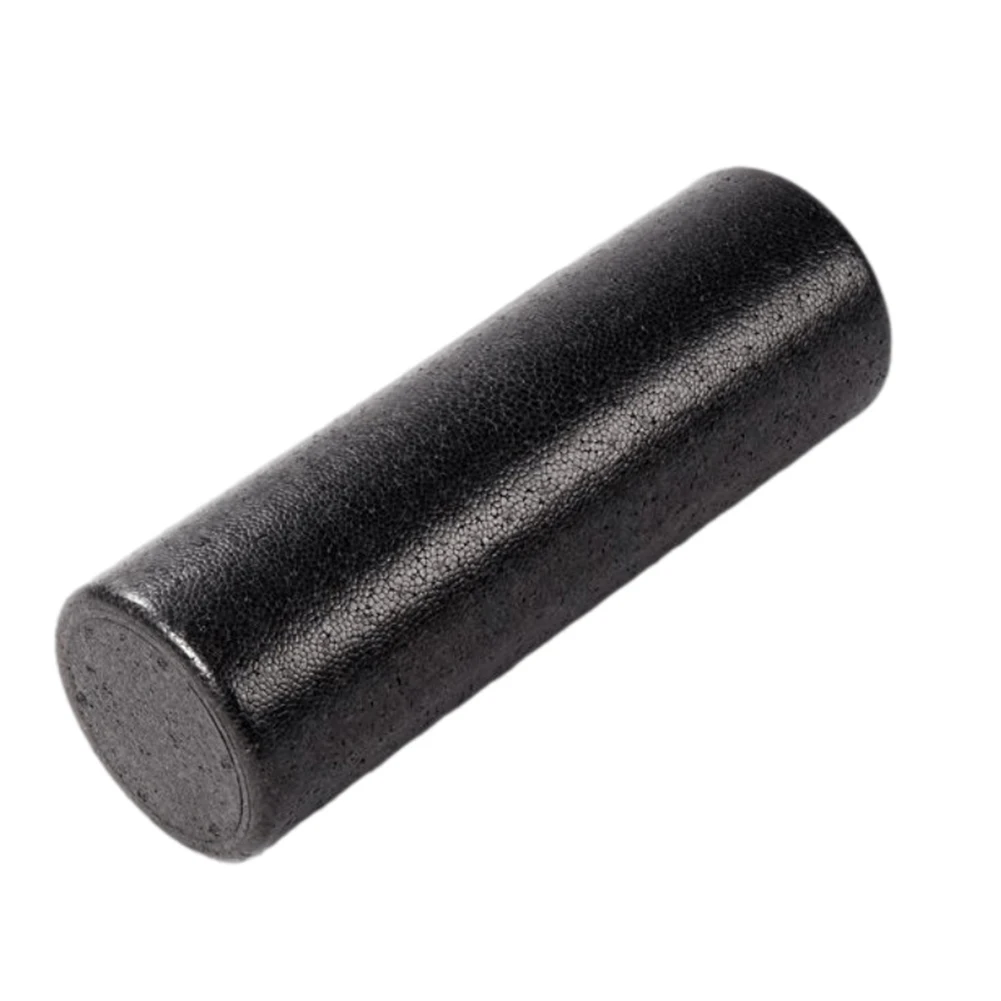
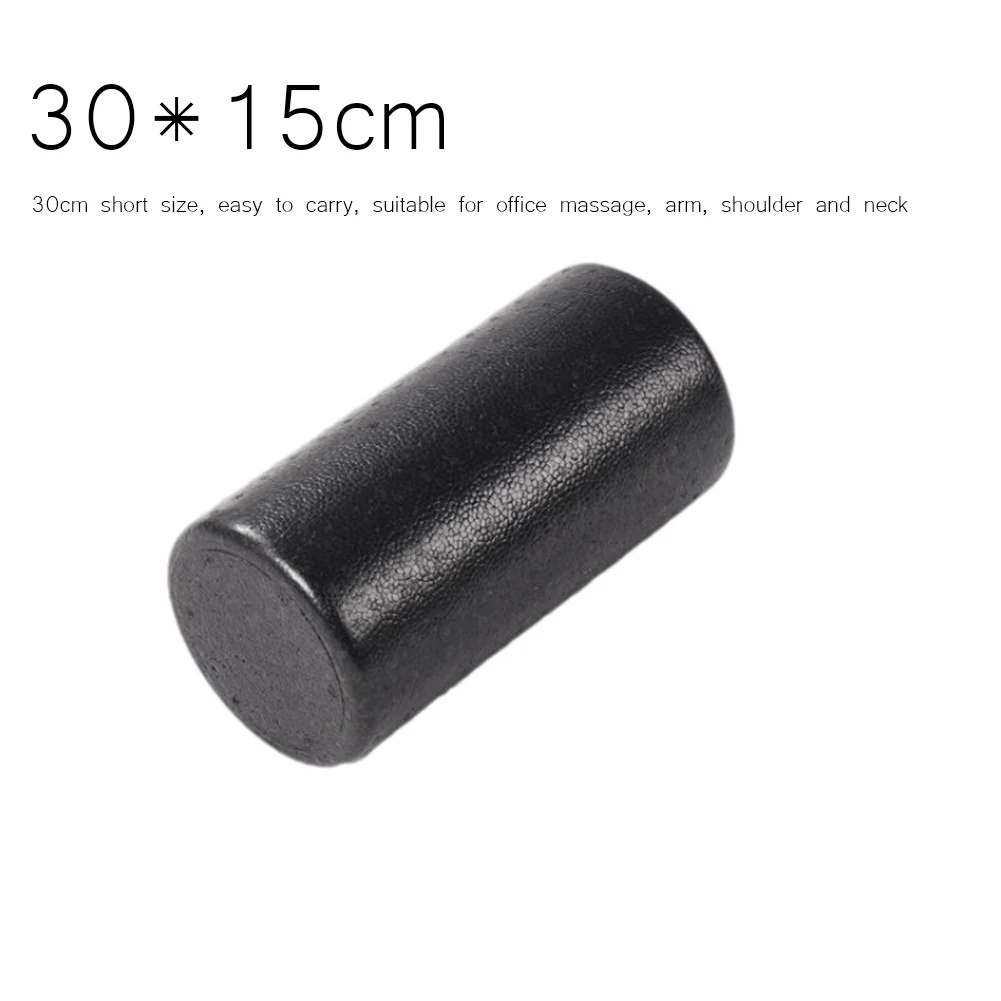
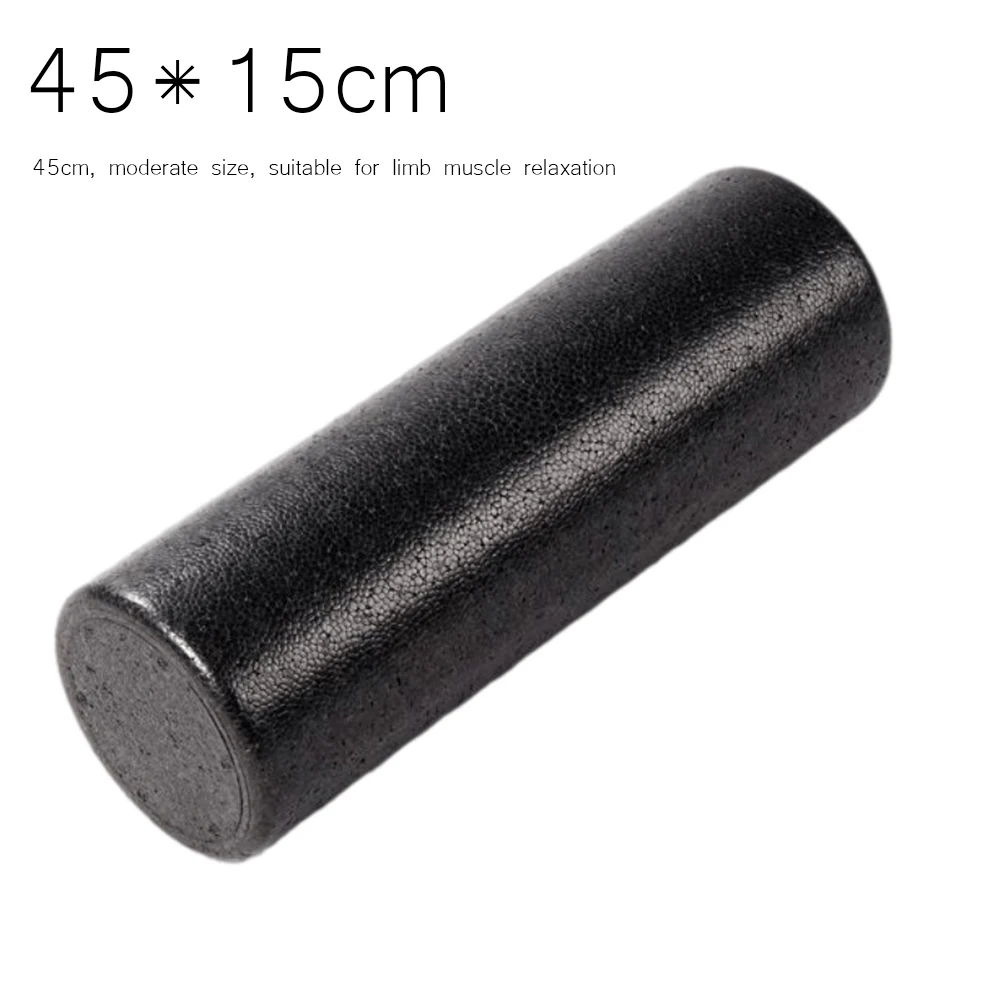
- Two lengths, two jobs. The 45cm handles the full length of quads, hamstrings and the thoracic spine; the 30cm is easier to steer into calves and glutes and actually fits in a bag.
- Textured surface, varied pressure. The raised ridges concentrate load on small areas the way a thumb would, while the flat channels pass over the belly of the muscle more gently.
- Hollow EVA core. Rigid enough to hold shape under bodyweight and not slowly flatten into an oval over a season of use.
- Doubles as a Pilates prop. Lying lengthwise along the spine on the 45cm is a genuinely useful, unstable surface for core and shoulder work.
How to Use
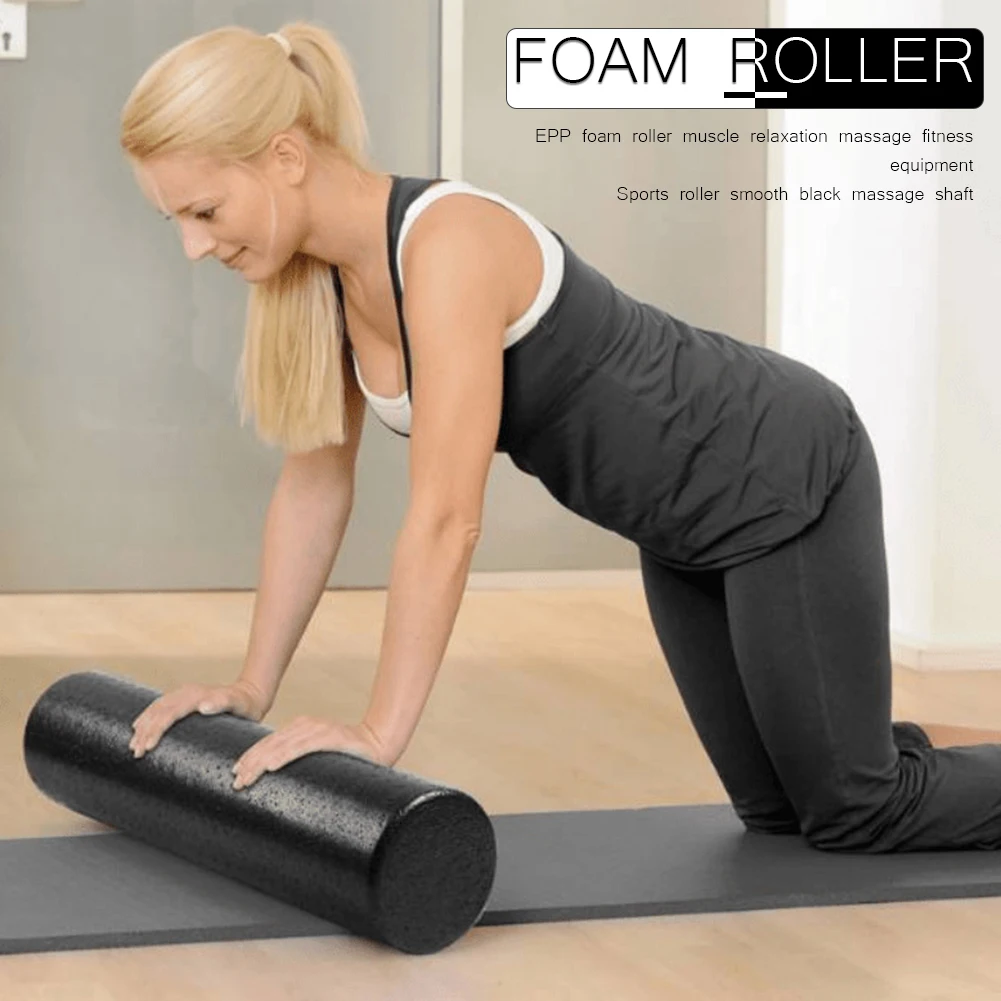
Work slowly — roughly one inch per second, not the fast sawing motion you see in gyms. When you find a tender spot, stop on it and hold for 20–30 seconds while breathing out; the release comes from the pause, not the passes. Give each muscle group 60–90 seconds and keep the surrounding muscles relaxed, since a braced limb defeats the point. Safety: keep the roller off the lower back (there is no bony protection for the kidneys there — roll the glutes and lats instead), off the front of the neck, and off the back of the knee and other joint spaces. Avoid rolling directly over an acute injury, a fresh bruise, varicose veins or numb skin. Discomfort should stay in the “good ache” range — sharp, electrical or radiating pain means get off it.
Specifications
| Material | EVA foam over a hollow core |
|---|---|
| Lengths | 30 cm or 45 cm (variant dependent) |
| Surface | Textured / ridged massage profile |
| Firmness | Medium-firm — holds shape under bodyweight |
| Best for | Calves, quads, hamstrings, glutes, lats, thoracic spine |
| Also suits | Pilates balance work, thoracic extension |
| Suitable for | Beginners through experienced users |
| Care | Wipeable, non-absorbent surface |
Care & Maintenance
Wipe down with a damp cloth and mild soap after sweaty sessions; the closed-cell surface does not absorb moisture, so it dries in minutes. Avoid leaving it in a hot car or direct sun, which softens EVA over time. Store on its side rather than under anything heavy. Retire it if the core develops a permanent flat spot or the foam starts to crumble.
What’s in the Box
1 x textured foam roller in your chosen length (30cm or 45cm).
Reviews
There are no reviews yet.