What Red and Near-Infrared Light Actually Does to Sore Tissue
Red light (roughly 630–660 nm) is absorbed near the skin surface; near-infrared (around 850 nm) penetrates deeper into muscle and joint tissue. Both are absorbed by cytochrome c oxidase, an enzyme in the mitochondrial respiratory chain. The working hypothesis — photobiomodulation — is that this displaces inhibitory nitric oxide, briefly increasing ATP output and modulating local inflammatory signalling. In practice, controlled trials show modest but consistent reductions in musculoskeletal pain and stiffness. It is not a cure, it does not burn fat, and it will not fix a structural problem. It is a low-risk adjunct that helps some people meaningfully.
Key Benefits
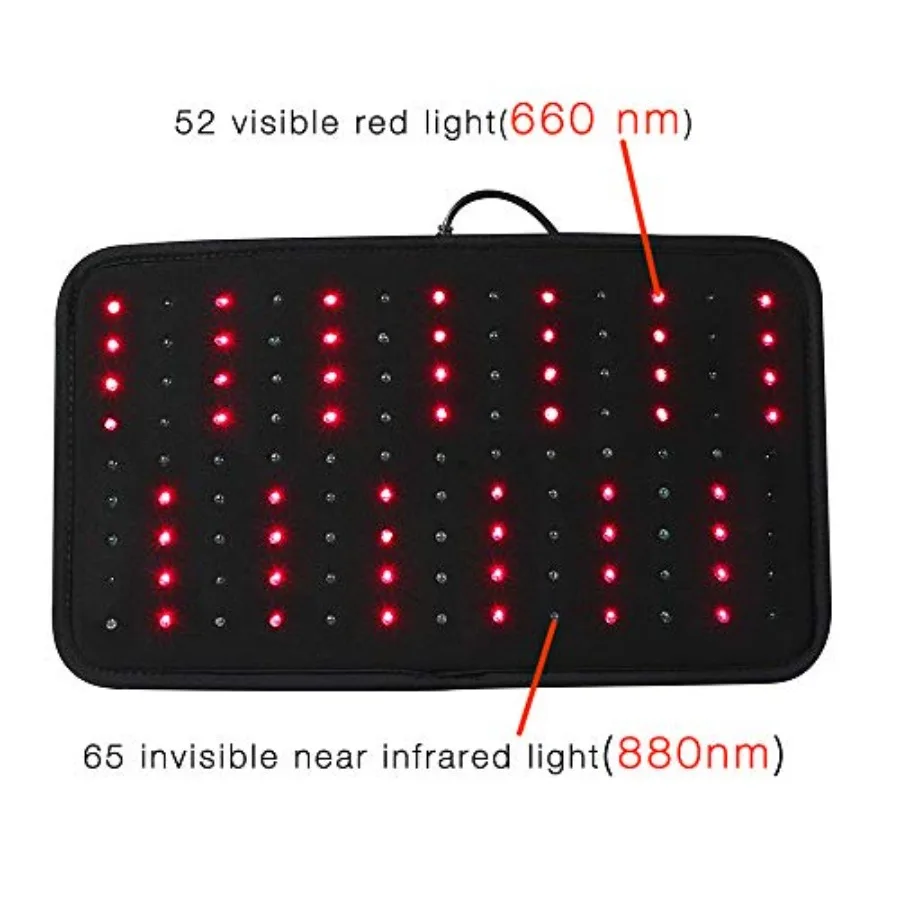
- Dual-wavelength coverage. Red for superficial tissue and near-infrared for deeper muscle and joint structures, so one pad covers both layers.
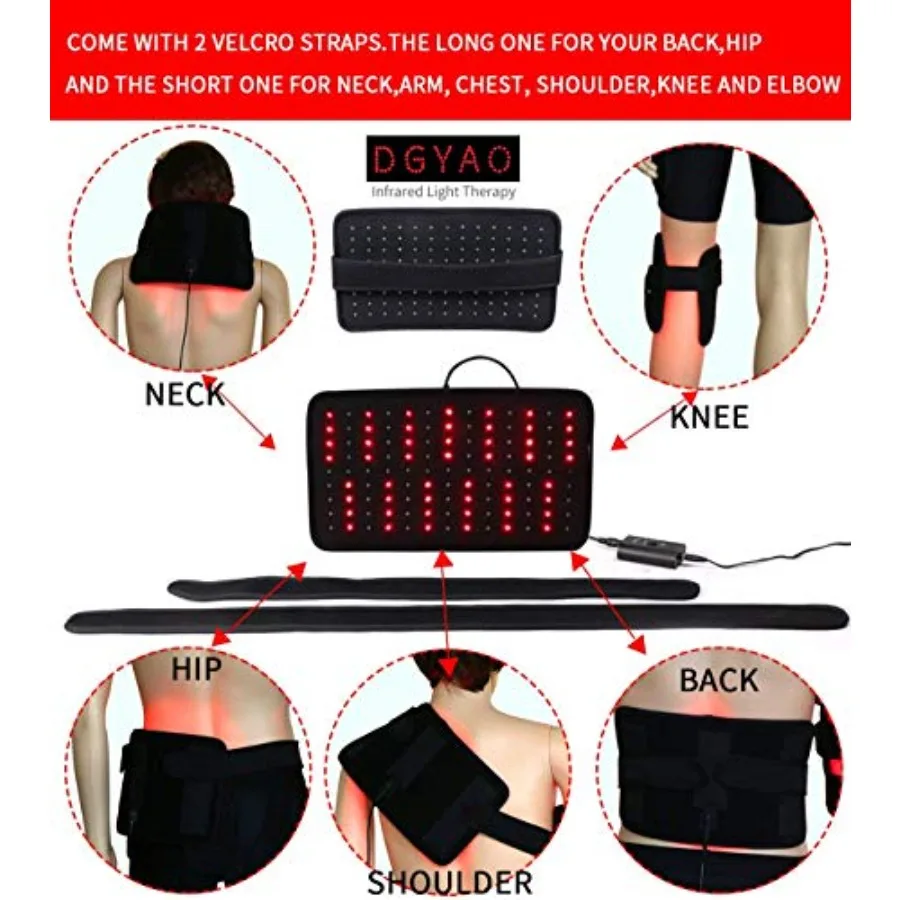
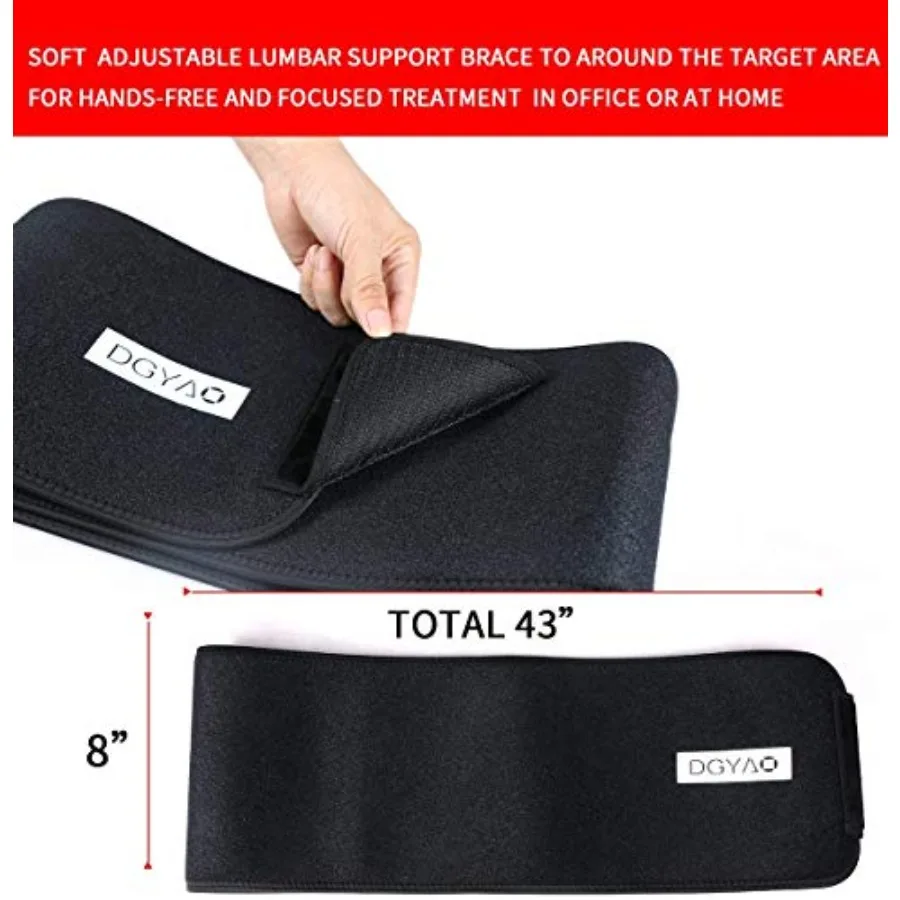
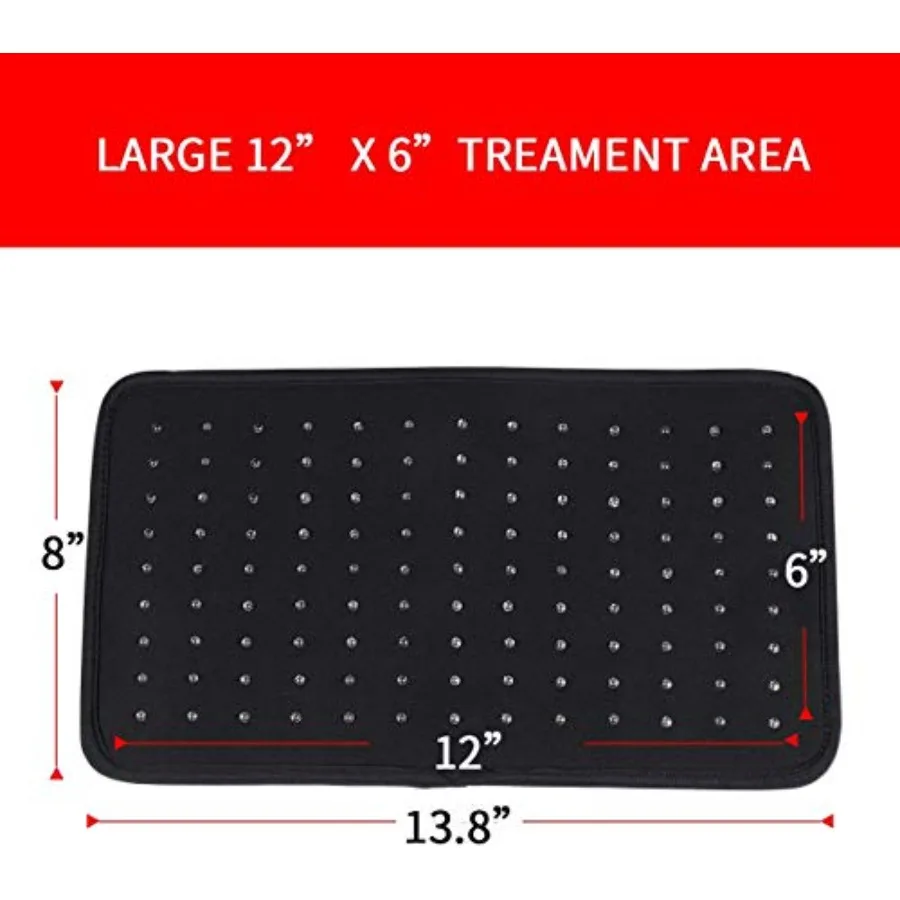
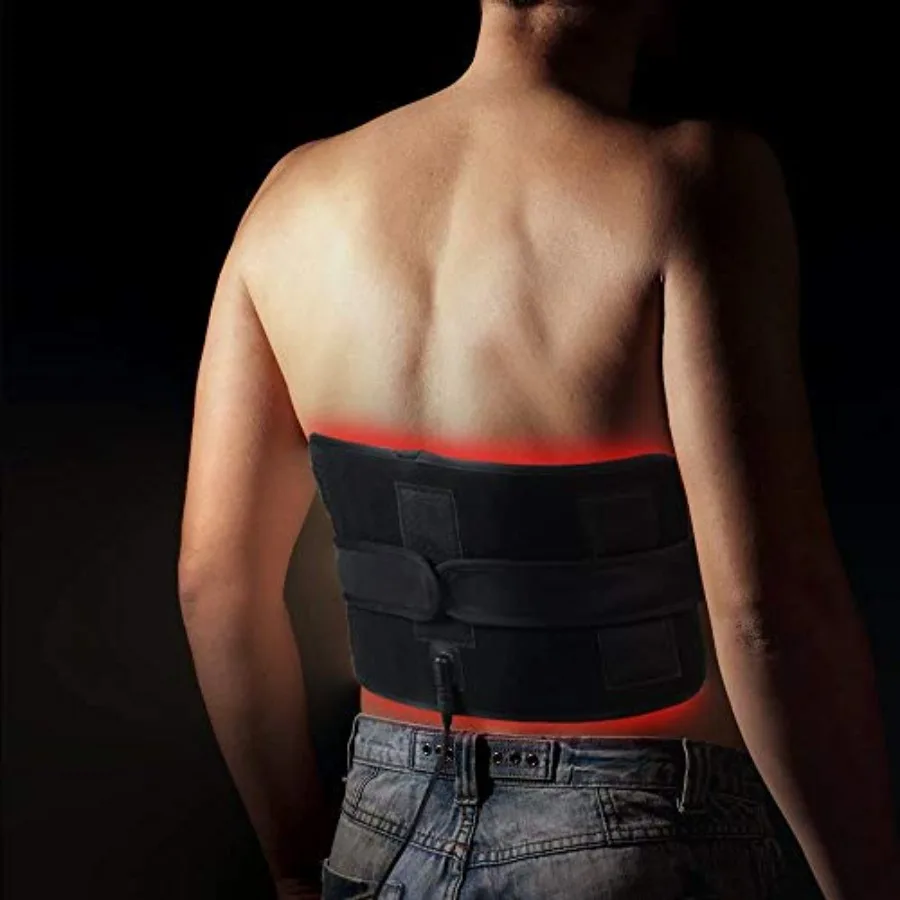
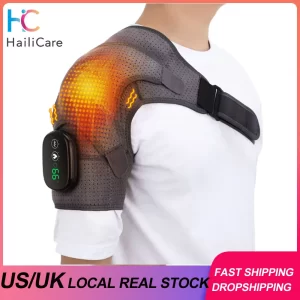
- Flexible wrap-around design. Conforms to lower back, shoulder, knee, elbow or thigh — the areas that stay sore longest — and stays put while you move around.
- Built-in timer. Sessions are self-limiting. More is not better with photobiomodulation; there is a dose window, and going past it offers no extra benefit.
- Hands-free treatment. Unlike a handheld panel, you can strap this on and work, read or cook, which is the difference between a device you use daily and one you use twice.
- No heat damage risk. LED photobiomodulation is not a heat lamp — it works through light absorption, not thermal load, so it will not burn skin at normal use levels.
- Honest expectation setting. Best evidence is for chronic musculoskeletal pain, stiffness and post-exercise soreness. Claims about fat loss, cellulite or “detox” are not supported; ignore them.
How to Use
Place the pad in direct contact with clean, bare skin — clothing blocks the light and wastes the session. Wrap and fasten so it is snug but not tight enough to restrict circulation. Run a session of roughly 10–20 minutes (use the built-in timer) once daily on the target area; benefits accumulate over weeks, not in a single use. Do not stare into the LEDs — near-infrared is invisible but still reaches the retina, so close your eyes or use eye protection if the pad is near your face. Avoid use over the abdomen during pregnancy, over active or suspected cancerous lesions, over the thyroid, or if you are taking photosensitising medication (some antibiotics, retinoids and diuretics). If you have a skin condition or an implanted device, check with a clinician first.
Specifications
| Wavelengths | Red (~660 nm) and near-infrared (~850 nm) LEDs |
|---|---|
| Format | Flexible wearable belt / wrap pad |
| Timer | Built-in session timer |
| Target areas | Lower back, shoulder, knee, elbow, thigh, calf |
| Power | Mains adapter (controller unit) |
| Session length | ~10–20 minutes, once daily |
| Contact | Requires direct skin contact |
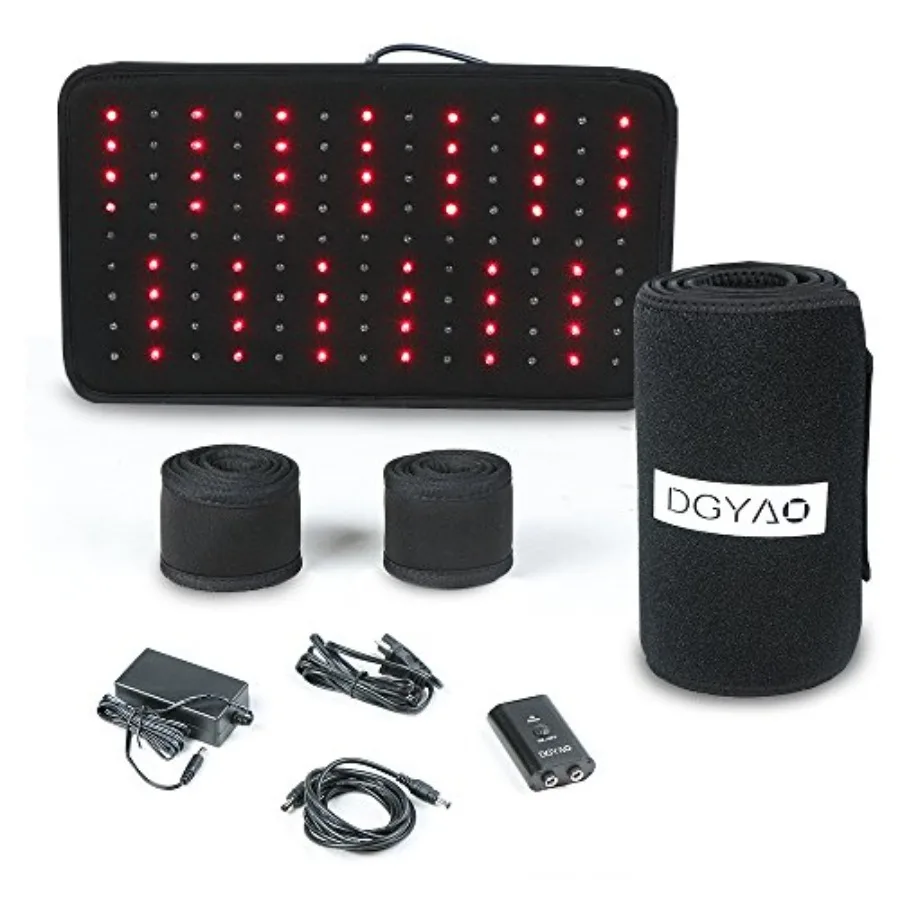
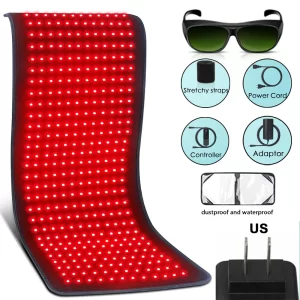
| Set option | Multi-piece set (variant dependent) |
Care & Maintenance
Wipe the inner LED surface with a dry or barely damp cloth — never soak the pad and never machine wash it, as the LED array and wiring are sealed inside. Unplug before cleaning. Coil rather than fold the belt for storage to avoid stressing the internal circuit, and keep the controller away from moisture.
What’s in the Box
1 × flexible red/near-infrared therapy belt with LED array, power controller and mains adapter, and a fastening strap. Set contents and piece count are variant dependent.

Reviews
There are no reviews yet.