Reach the Knot Between Your Shoulder Blades Without Asking for Help
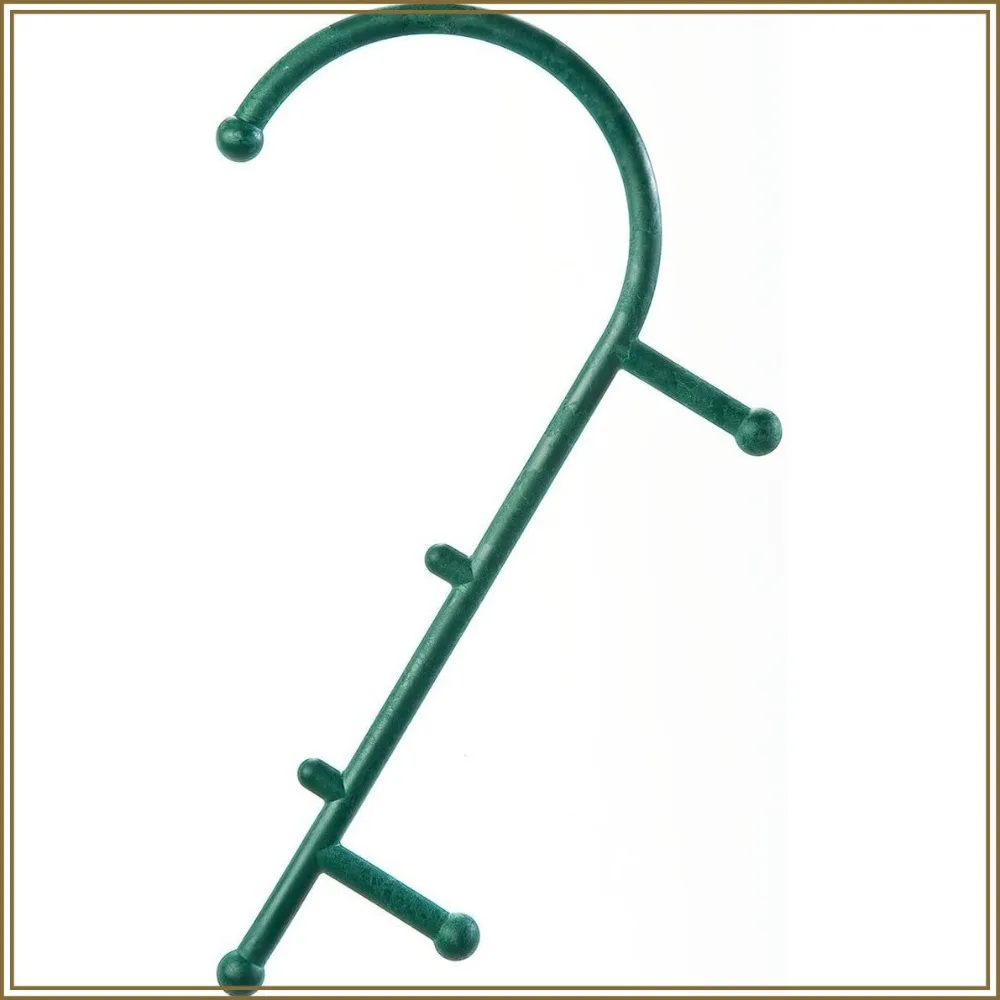
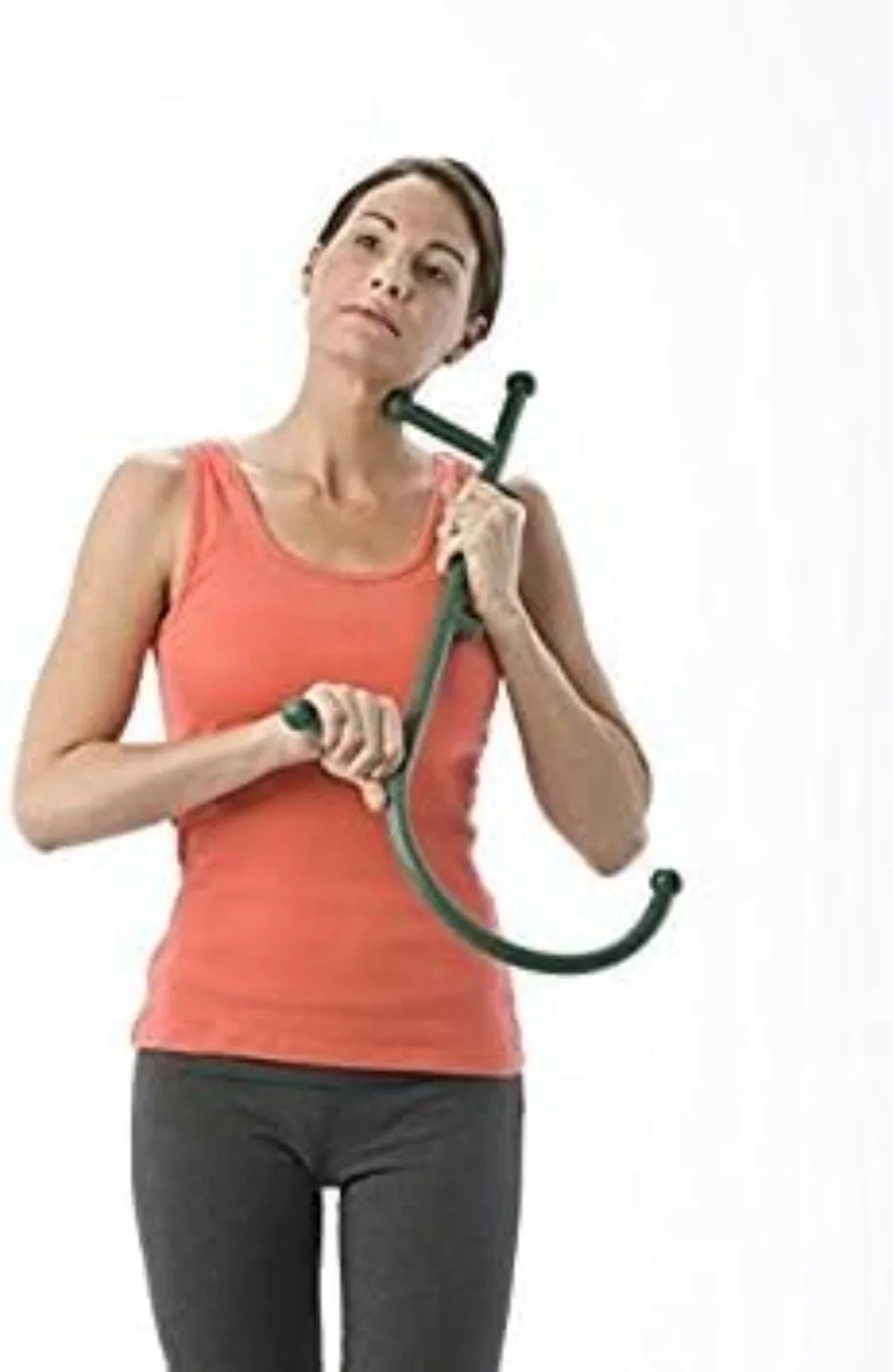
The cane is a lever, and that’s the whole point. Hook it over your shoulder, place a knob on the trigger point, and pull down on the long arm — your arm strength becomes precisely controlled pressure at a spot your hands physically cannot reach. Sustained ischaemic compression on a taut band, held for thirty to ninety seconds, reduces local muscle tone and reproduces then progressively extinguishes the referred pain the point sends elsewhere. It’s the same mechanism a therapist uses with a thumb. The difference is that you control the pressure, so you can stop at the exact moment it becomes too much.
Key Benefits
- It reaches what nothing else does. Rhomboids, mid-traps, the medial border of the scapula, deep glutes — the spots where a ball against a wall slides off and your own hands can’t apply force.
- Pressure you can meter precisely. Because you’re pulling the lever, you control the force to the pound. A massage gun and a foam roller give you far less say in the matter.
- Sustained hold, not vibration. Trigger point release depends on time under pressure. A cane holds it; a percussion device fundamentally can’t.
- Nothing to charge, nothing to break. No battery, no motor, no firmware. It works in ten years exactly as it works today.
- Works standing or sitting. A real advantage for anyone who struggles to get down onto the floor and back up again for ball or roller work.
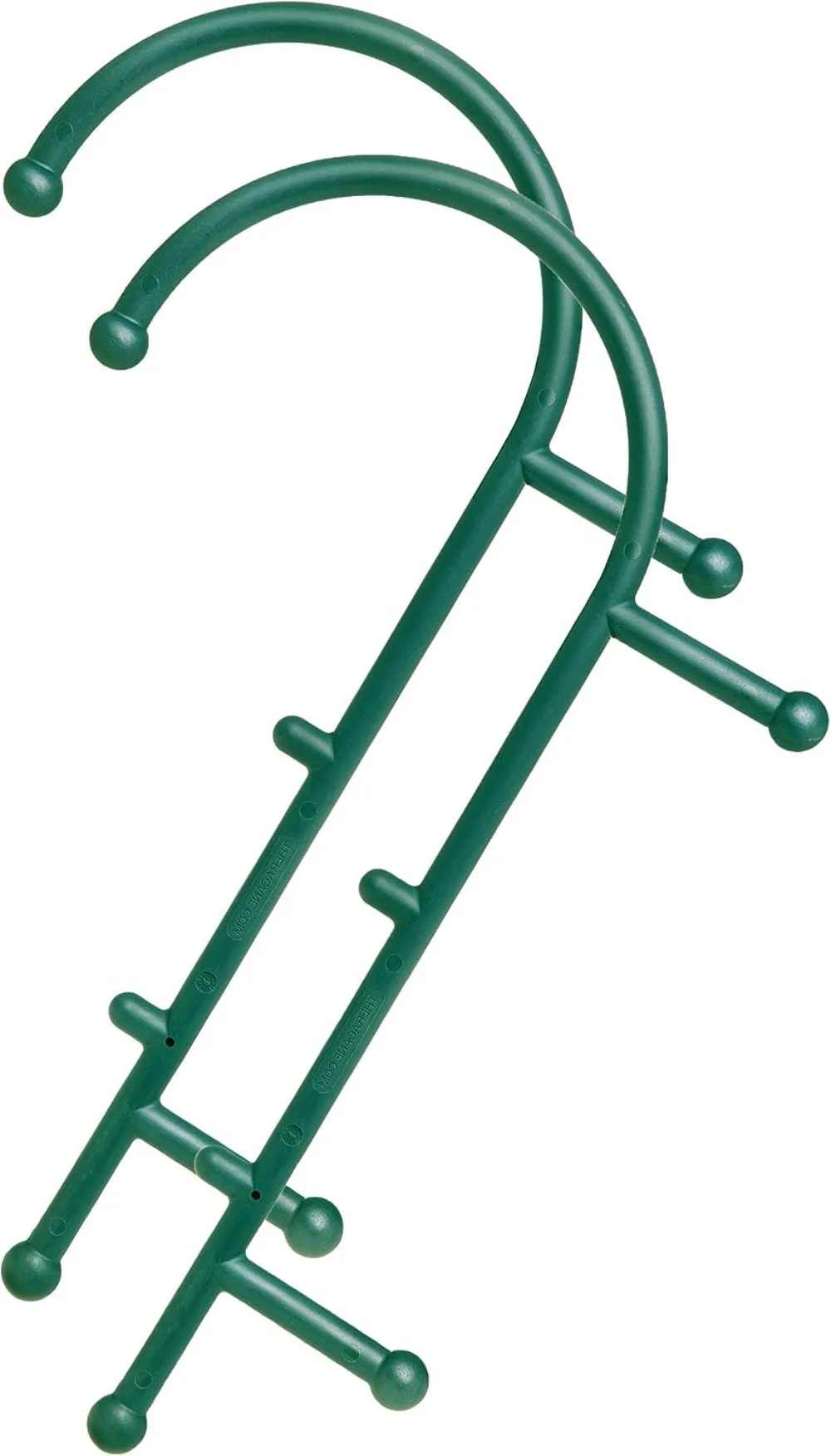
- Multiple knobs and angles. Different knobs suit different regions, so you can go from a broad trap to a specific point beside the spine without changing tools.
How to Use
Hook the cane over your shoulder or under your arm, seat a knob on the tender spot, and use the opposite end as a lever to dial pressure in gradually. Aim for about a five to seven out of ten — strong enough that you’re clearly on the point, mild enough that you can breathe normally and let the muscle relax. If you’re bracing, it’s too hard, and a braced muscle won’t release. Hold thirty to ninety seconds until the ache noticeably fades, then move on; two or three points per session is plenty, and grinding away for twenty minutes leaves you bruised rather than loose. Breathe out into the pressure. Safety matters here because you can generate real force with a lever. Never press on the front or side of your neck, where the carotid artery sits, and never directly on the spine itself, on bony prominences, on a bruise, on broken skin, or over an area that is numb or tingling. Feeling a dull ache the next day is normal; sharp, electric, or radiating pain is not, and it means stop and get it looked at.
Specifications
| Product type | Hooked self-massage cane / trigger point tool |
|---|---|
| Quantity | 1 (single) |
| Design | Long hooked shaft with multiple pressure knobs |
| Target areas | Neck, upper back, rhomboids, mid-traps, shoulders, lower back, glutes |
| Power | None — fully manual, no batteries or charging |
| Technique | Sustained ischaemic compression, 30–90 seconds per point |
| Number of knobs | Multiple (variant dependent) |
| Avoid using on | Front and side of the neck, the spine itself, bruises, broken or numb skin |
Care & Maintenance
Wipe the shaft and knobs with a damp cloth and mild soap after use to keep skin oils and sweat off the surface. Do not soak it, put it in a dishwasher, or leave it anywhere it will get hot — a hot car or a radiator can soften and permanently distort a moulded cane. Store it hanging or lying flat rather than propped where it can take a heavy fall onto a hard floor. Inspect it periodically for hairline cracks, especially around the curve of the hook, which is where all the leverage load concentrates; a cane that cracks under load can fail suddenly, so replace it rather than keep using it.
What’s in the Box
1 × Thera Cane style massager (single unit).
Reviews
There are no reviews yet.