An Honest Look at Handheld Sleep Devices
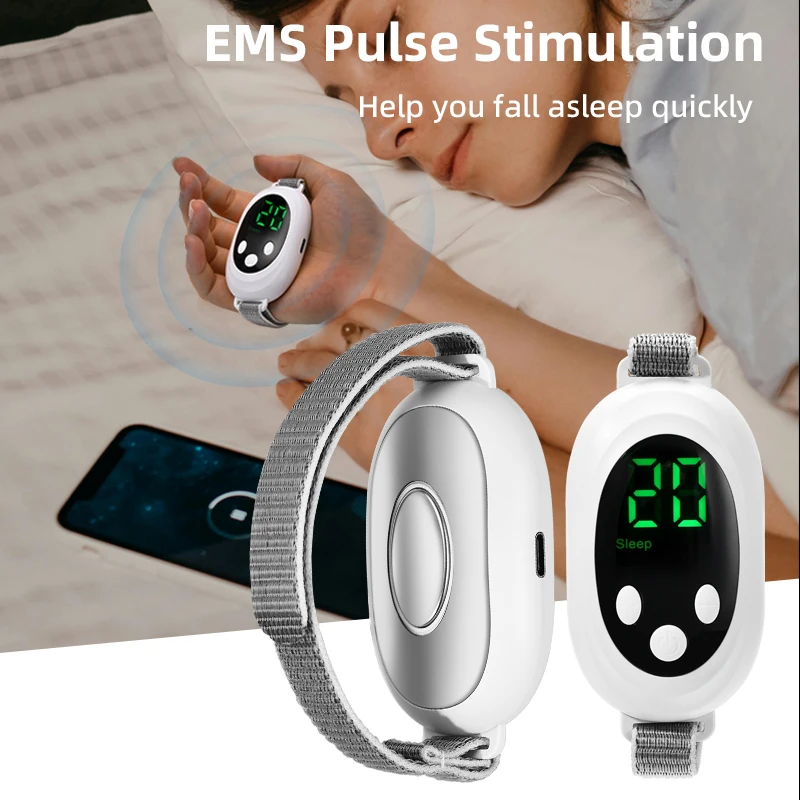
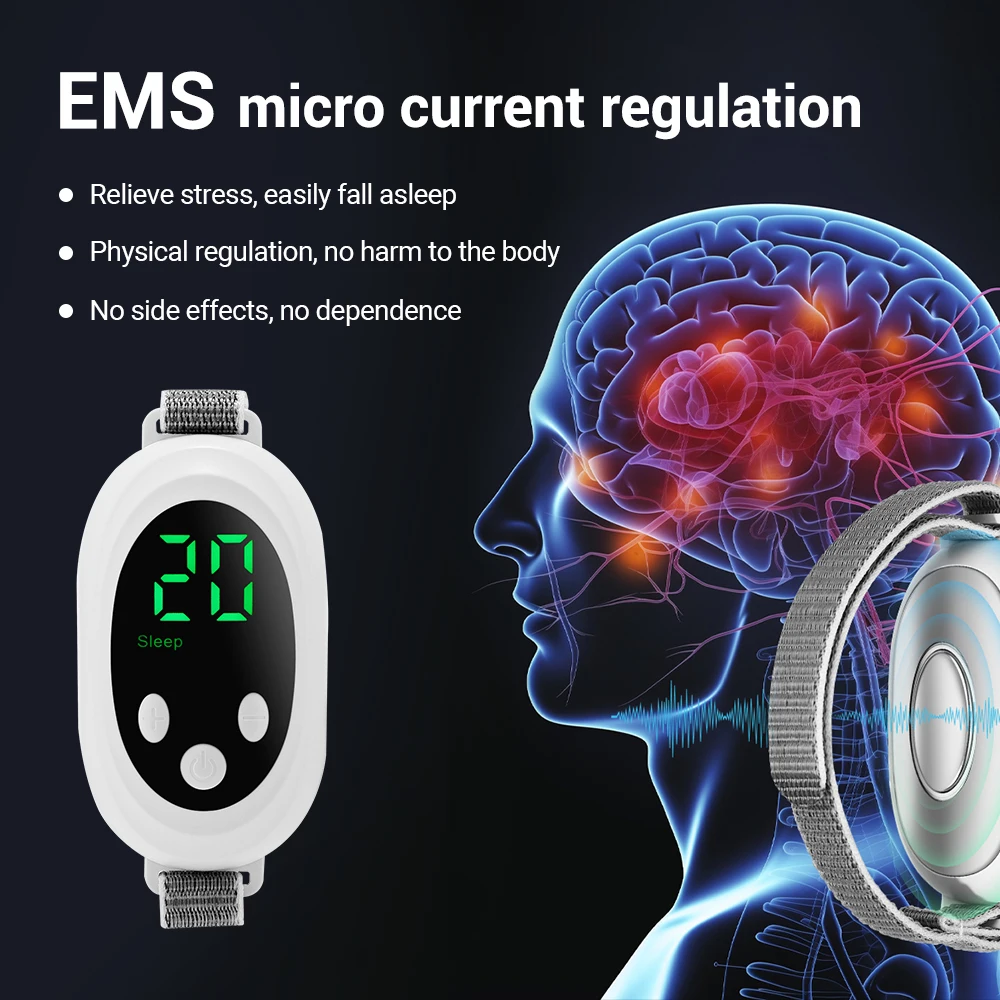
Handheld sleep aids of this kind deliver a very low-level electrical current through the fingertips, an approach related to cranial electrotherapy stimulation. The proposed mechanism is that gentle microcurrent input nudges the nervous system away from the sympathetic, alert state toward a parasympathetic one. Being straight with you: the clinical evidence for this is weak, mixed, and largely drawn from small studies. What is far better established is that a consistent, low-stimulation wind-down routine improves sleep onset. A quiet device you hold in the dark, away from a phone screen, is a credible anchor for exactly that routine — and that is how we would ask you to judge it.
Key Benefits
- A screen-free wind-down anchor. The strongest, best-evidenced benefit here is behavioural: it gives you a reason to put the phone down and lie still in the dark for twenty minutes.
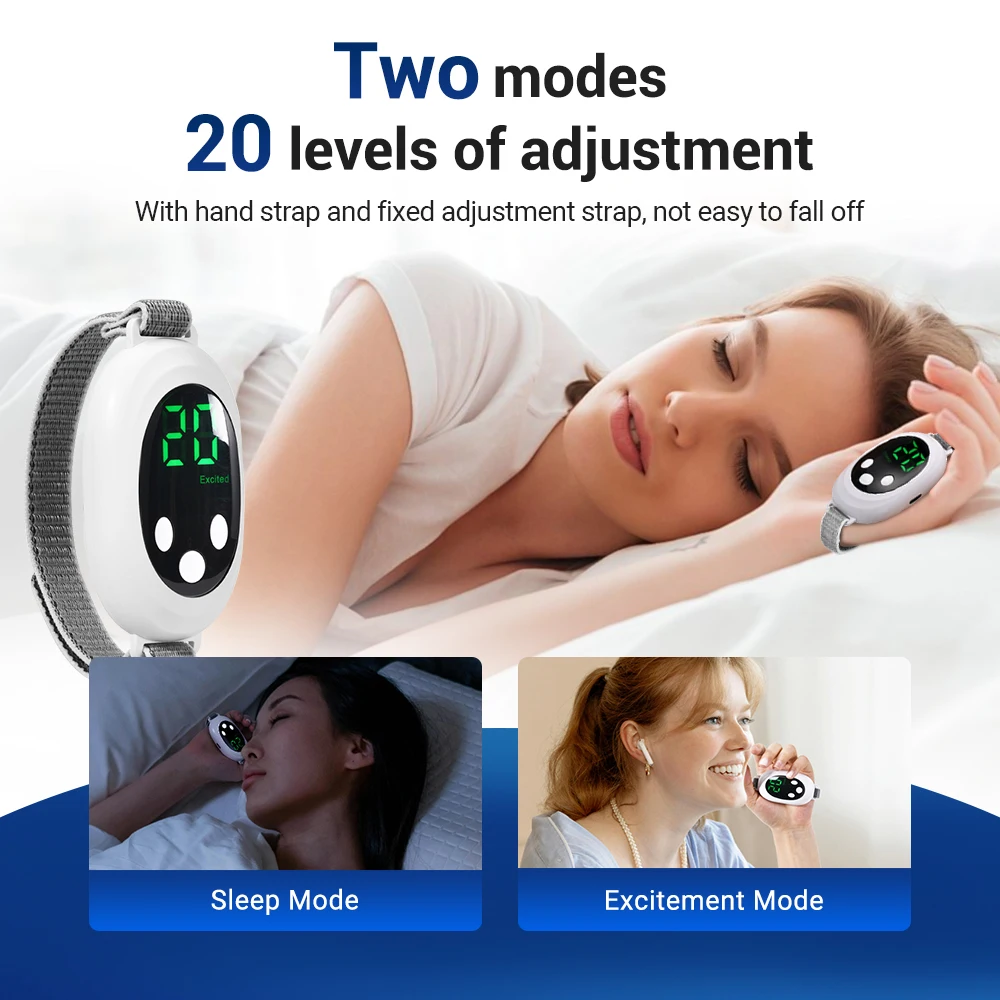
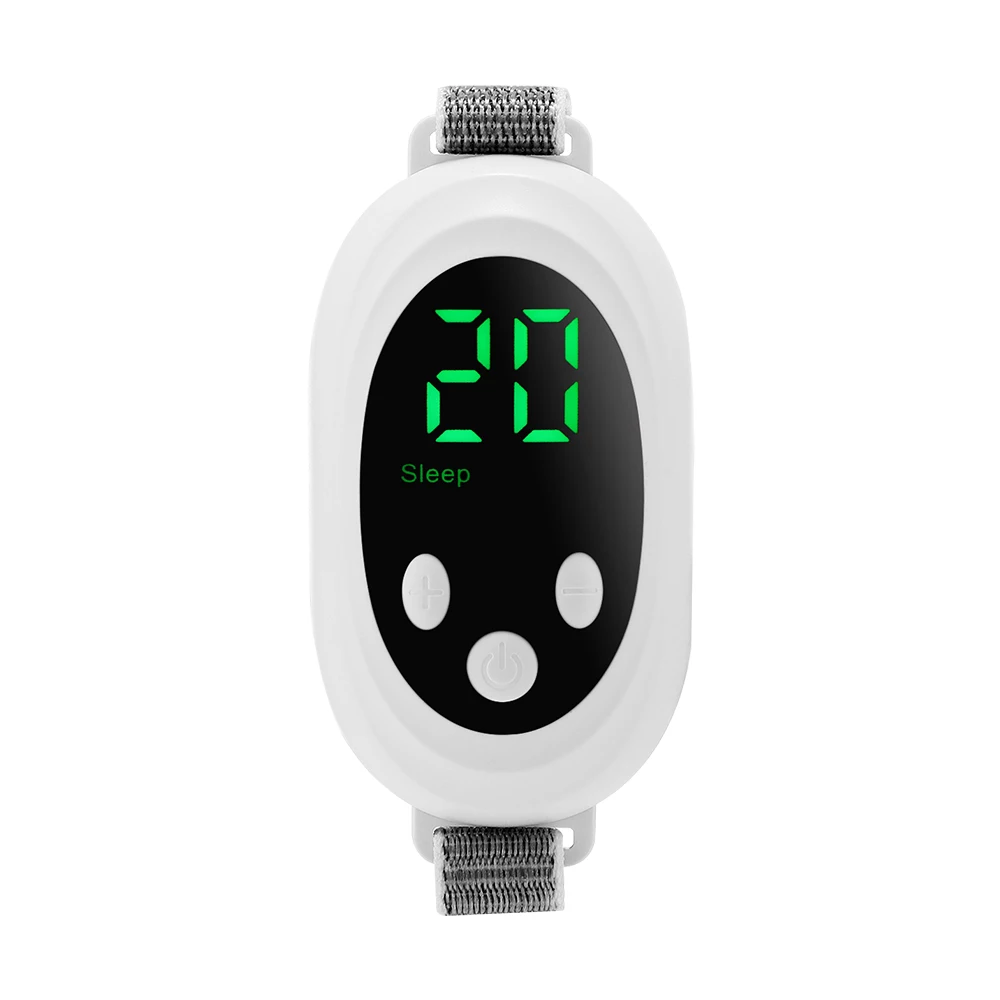
- Twenty intensity levels. Fine-grained adjustment matters, because the sensation should be barely perceptible — if you can clearly feel it, it is turned up too high.
- Two modes for different routines. One for the wind-down before sleep, one for daytime use when you simply want to sit quietly and downshift.
- Silent and non-pharmacological. No grogginess, no dependence, and no interaction with medication — unlike most over-the-counter sleep aids.
- Something to hold. A mildly repetitive, boring tactile focus is a long-standing technique for interrupting the rumination loop that keeps people awake.
- Sold honestly. The research behind microcurrent sleep devices is thin. If you want a device that supports a routine, this is a reasonable one. If you want a proven insomnia treatment, CBT-I is what the evidence actually points to.
How to Use
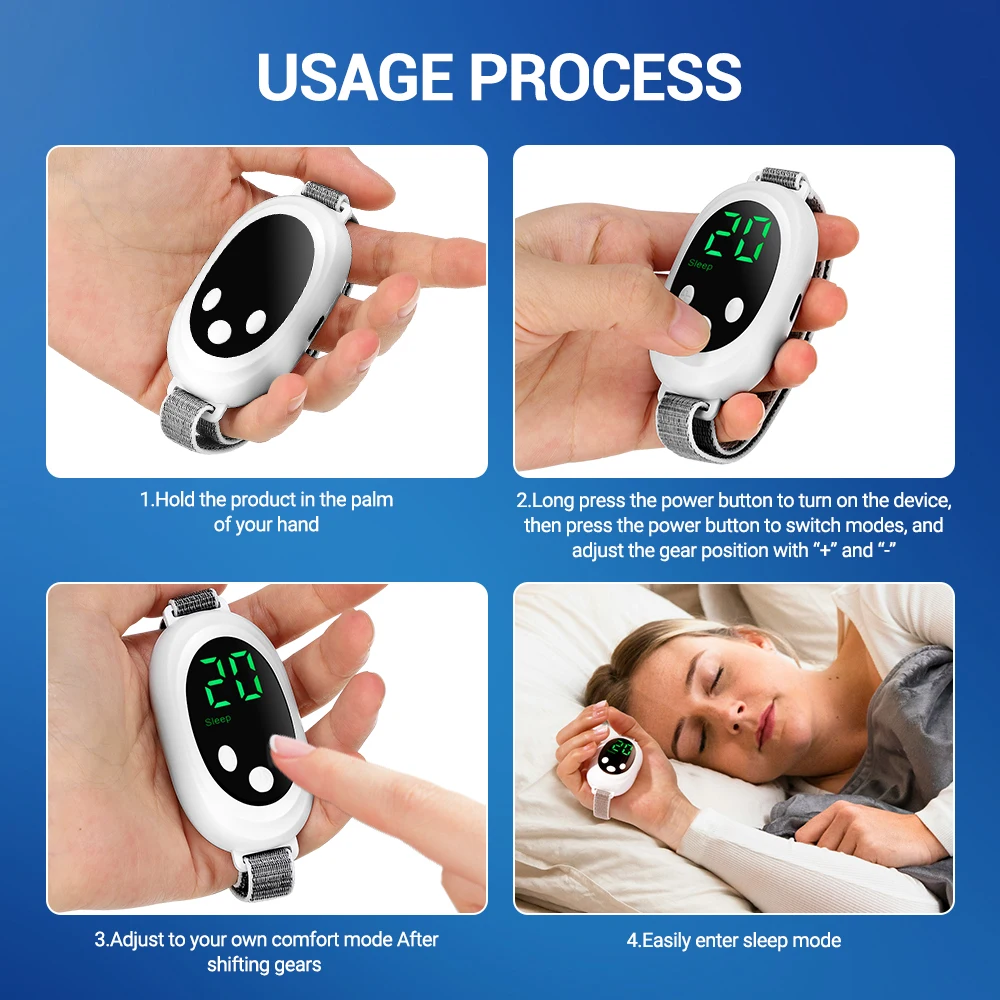
Use it as the last step of a consistent routine: lights low, screens away, same time each night. Hold the contact points as directed and start at the lowest intensity, increasing only until the sensation is faint — this is not a device where more is better, and a level you can distinctly feel will keep you alert rather than settle you. Sessions are typically around 20 minutes. Safety — this matters: any device that passes current through the body is not for everyone. Do not use it if you have a pacemaker, defibrillator, or any implanted electronic device; if you are pregnant; if you have epilepsy or a seizure disorder; or if you have a heart condition. Never place electrodes on the front of the neck. Do not use it while driving or operating machinery, or on broken or numb skin. If your insomnia is persistent, worsening, or accompanied by low mood, please talk to a doctor rather than a gadget — chronic insomnia is highly treatable, and this device is not the treatment.
Specifications
| Type | Handheld microcurrent sleep aid device |
|---|---|
| Modes | 2 |
| Intensity levels | 20 |
| Typical session | Approx. 20 minutes |
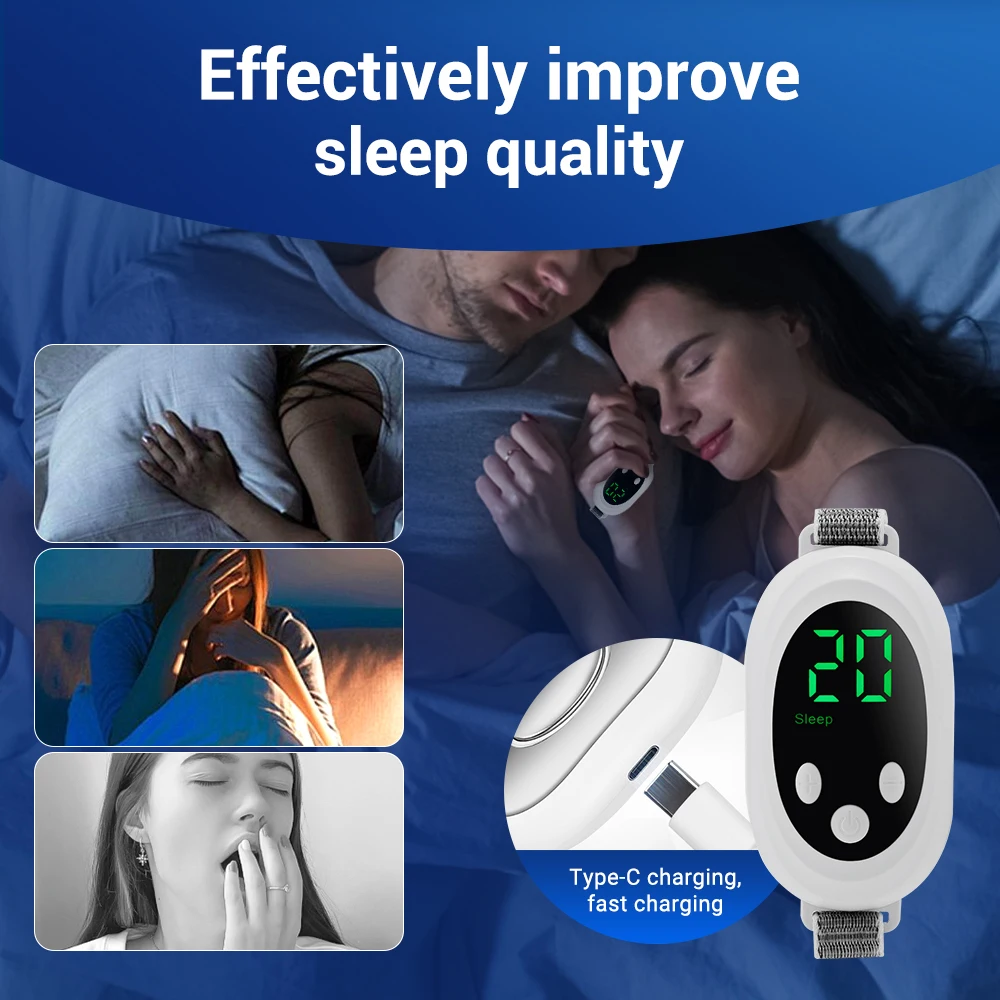
| Power | Rechargeable |
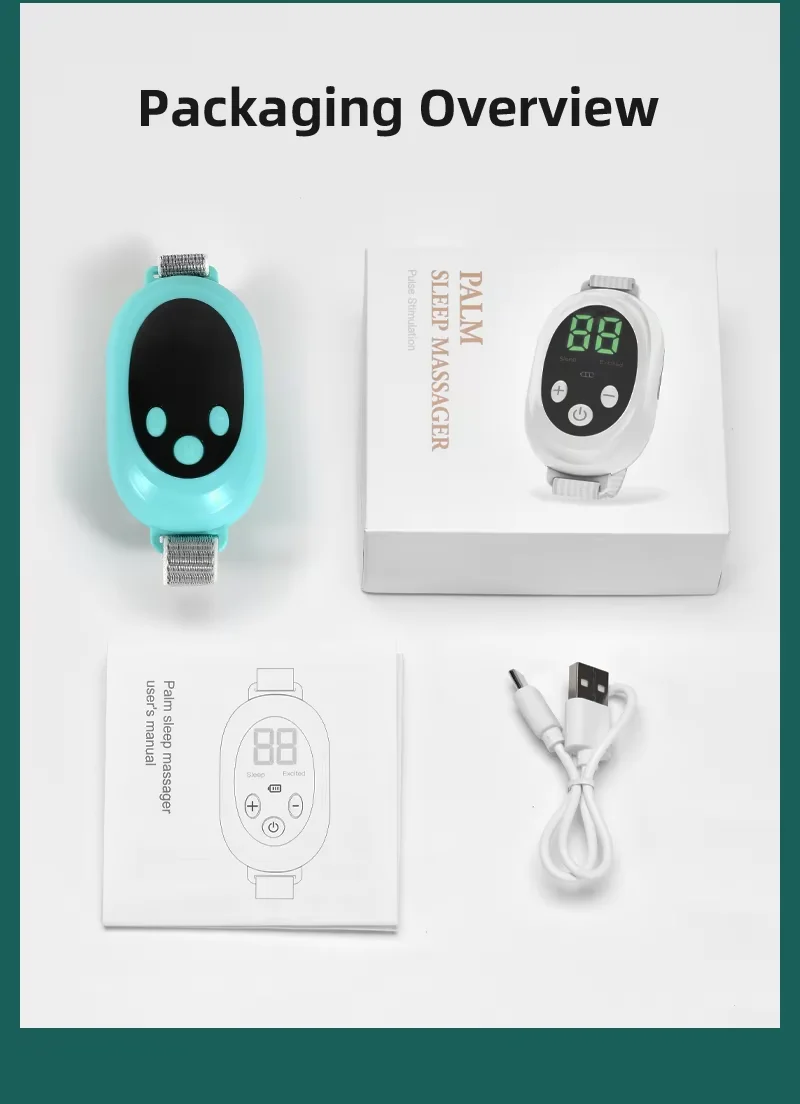
| Colour options | White or green (variant dependent) |
| Evidence status | Weak / mixed — supports routine, not a clinical treatment |
| Contraindications | Pacemakers, implanted devices, pregnancy, epilepsy, heart conditions |
Care & Maintenance
Wipe the contact surfaces with a dry or barely damp cloth after use and keep them free of skin oils, since a dirty contact makes the output inconsistent. Never submerge the unit. Recharge before the battery fully depletes and store it somewhere dry and cool. Stop using it immediately if the casing cracks, the charging port is damaged, or the output feels sharp, uneven, or unpleasant.
What’s in the Box
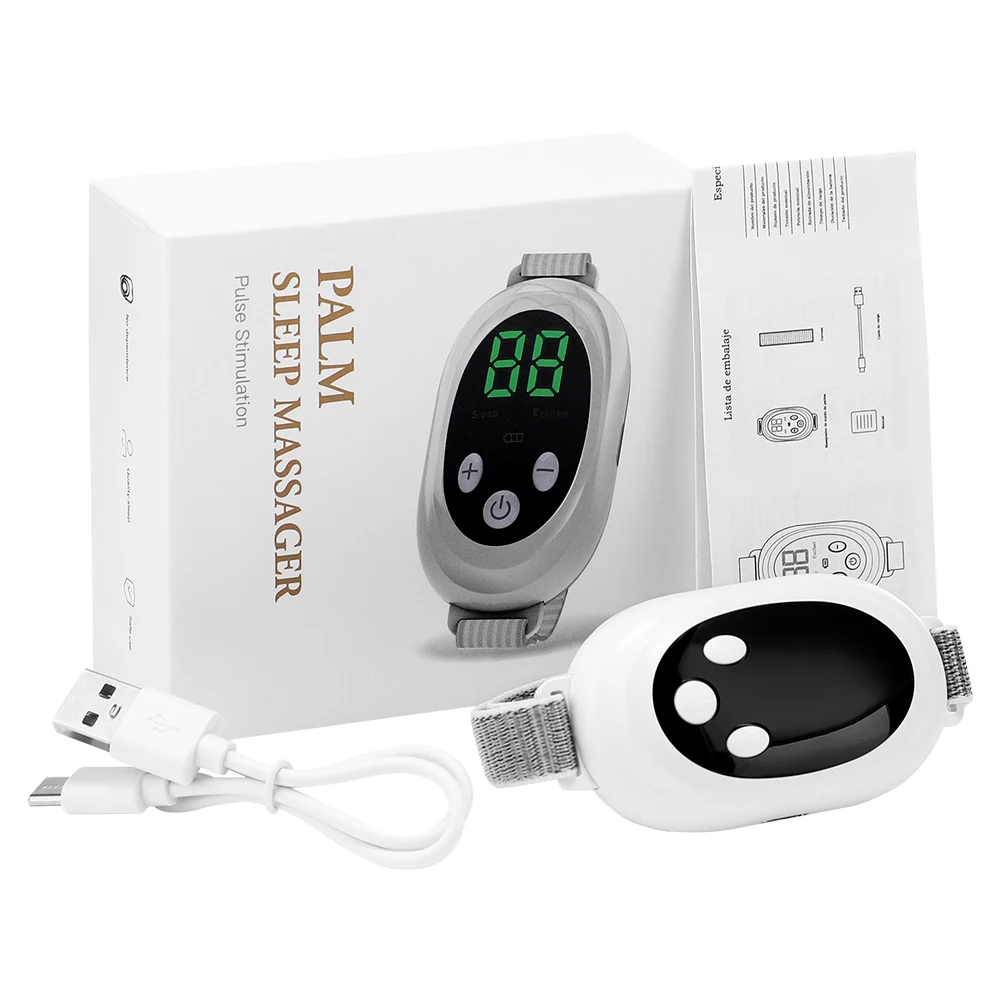
Handheld sleep aid device, charging cable, and user manual.

Reviews
There are no reviews yet.