What a Lifting Belt Actually Does (And What It Doesn’t)
Let’s be precise, because the category is full of nonsense: a belt does not support your spine like a splint, and wearing one will not injury-proof you. What it does is give your abdominal muscles a rigid surface to push out against. That raises intra-abdominal pressure, which stiffens the trunk from the inside and helps the spine resist bending under load. The measurable effects are a more stable torso and, for many lifters, a modest increase in load on squats and deadlifts. It is a bracing tool for heavy sets, not a back brace and not a substitute for learning to hinge properly.
Key Benefits
- Increases intra-abdominal pressure — you brace against the belt, the trunk stiffens, and the spine has less bending moment to absorb under a heavy bar.
- Teaches you what bracing feels like — the tactile feedback of pushing the abs into the belt is the fastest way to learn a proper 360° brace.
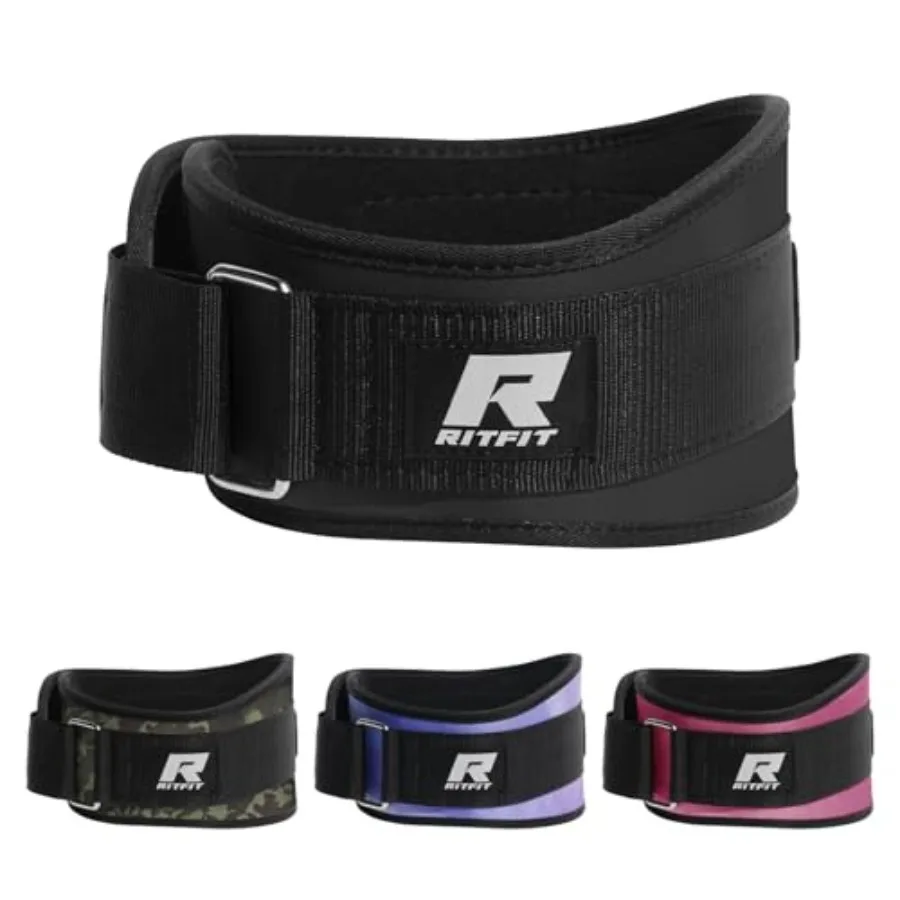
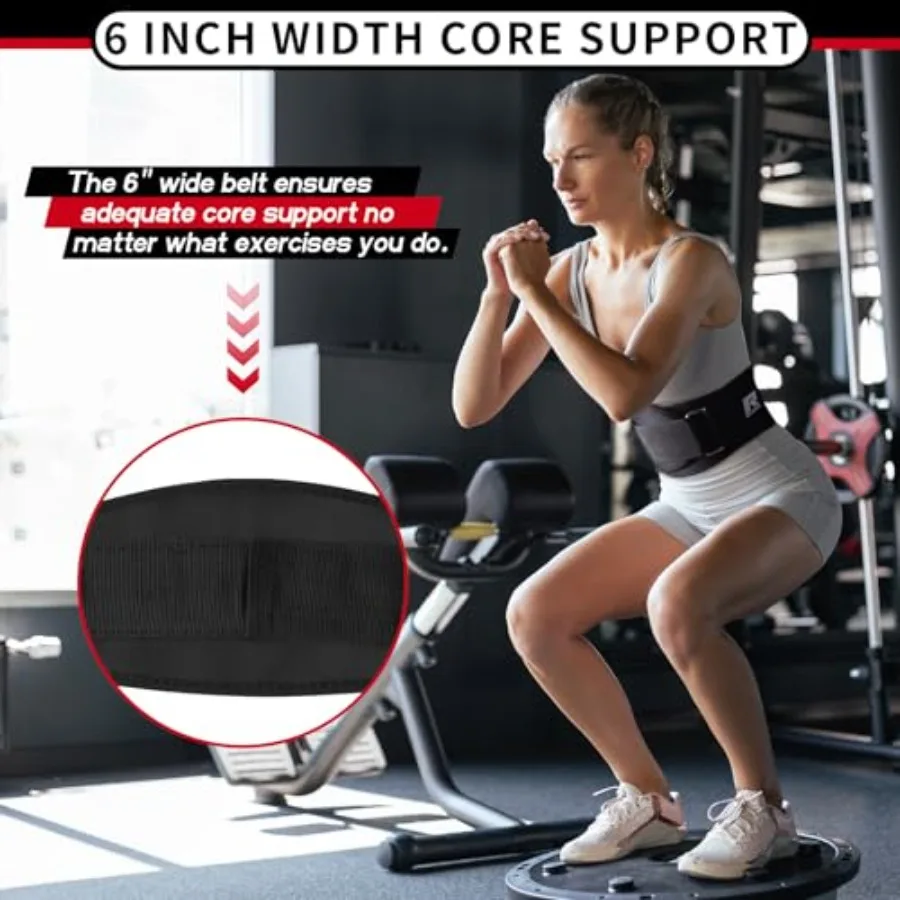
- 6-inch width for full lumbar and abdominal contact — wide enough to give the whole trunk something to press against, front and back.
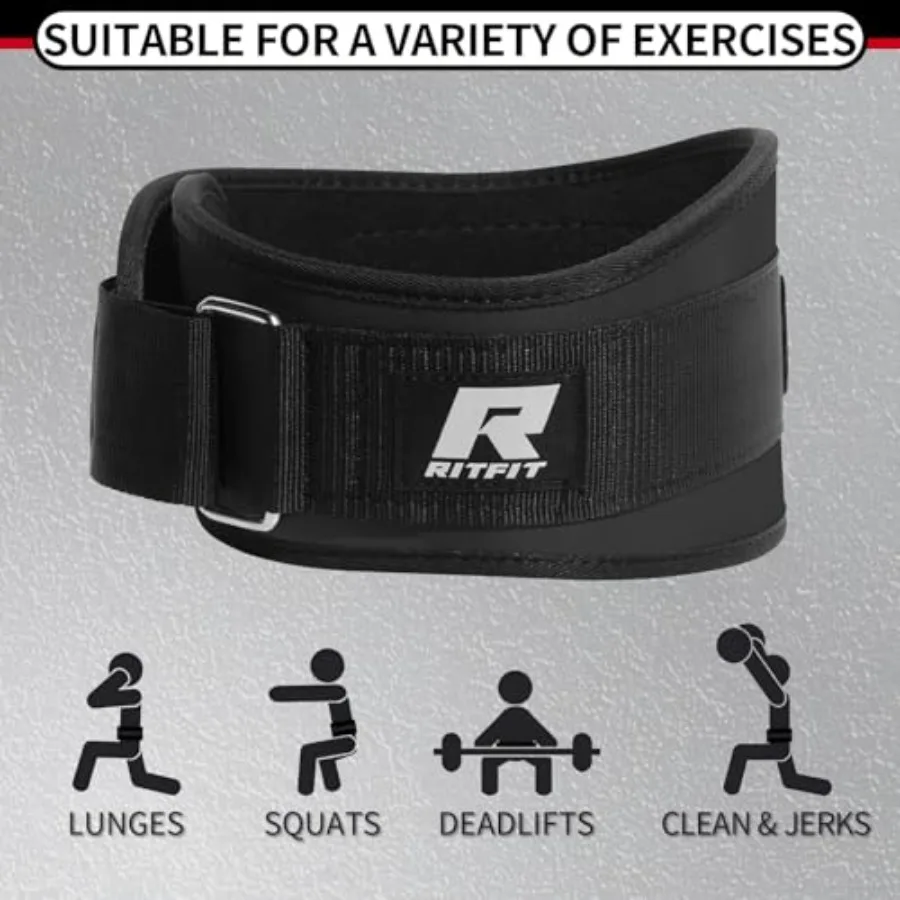
- Built for the big lifts — squats, deadlifts, thrusters, lunges and heavy overhead work, where torso stability is the limiting factor.
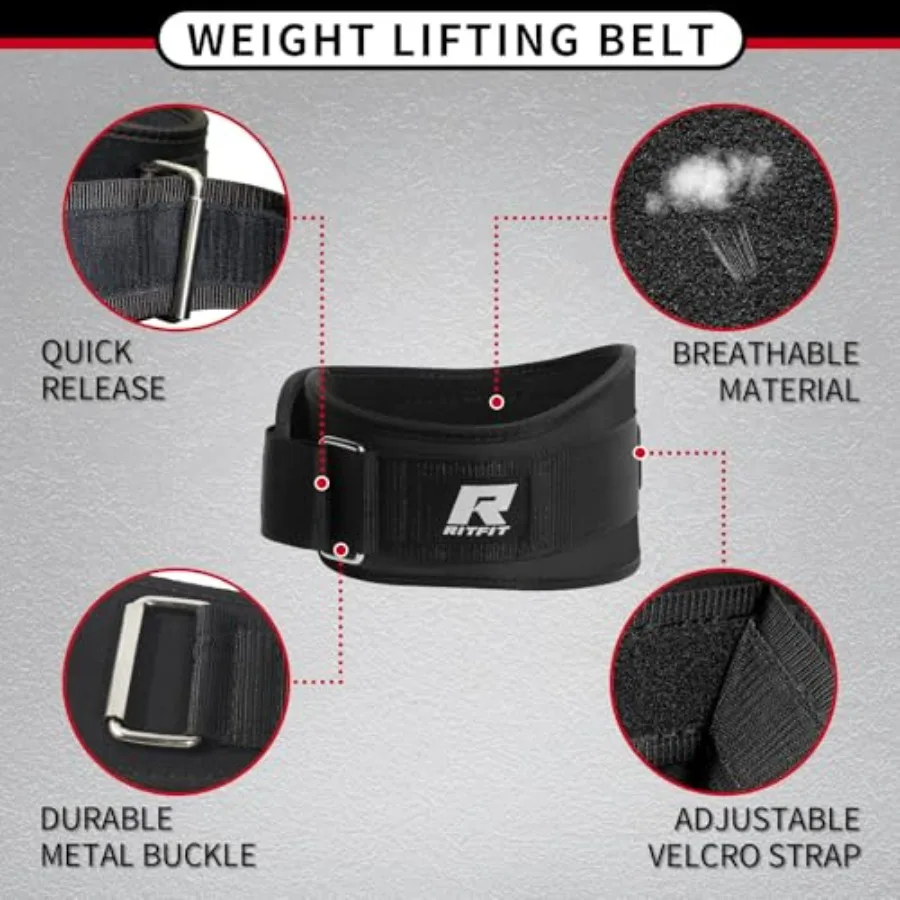
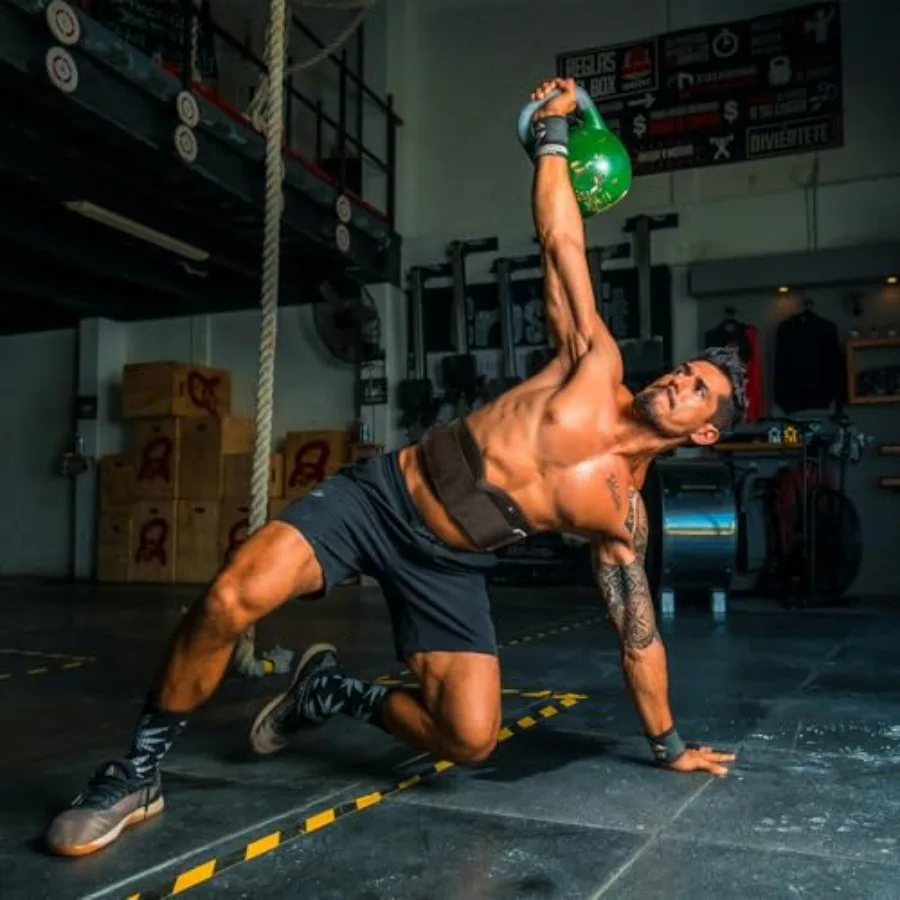
- Flexible enough to move in — a canvas-style belt conforms to the torso faster than stiff powerlifting leather and is far easier to live with in mixed or metcon-style training.
- Unisex sizing and a hard-wearing build — designed to survive being dragged across a gym floor for years.
How to Use
Wear the belt only for your heavy working sets — roughly the top 20% of your load range. Warming up, doing accessory work or training all session in a belt teaches your trunk to outsource bracing, and there is no benefit to it. Set the belt just above the hip bones so it sits across the lower abs and lumbar spine without pinching your ribs when you fold forward. Fasten it snugly, not brutally: you must be able to take a deep breath into your belly and push out against the belt. If you cannot inhale, it is too tight. Take it off between sets. If you have uncontrolled high blood pressure, a hernia, or any cardiovascular condition, speak to a doctor first — the intra-abdominal pressure a belt encourages also raises blood pressure sharply during a set.
Specifications
| Belt width | 6 inch (approx. 15 cm) |
|---|---|
| Material | Canvas-style webbing construction |
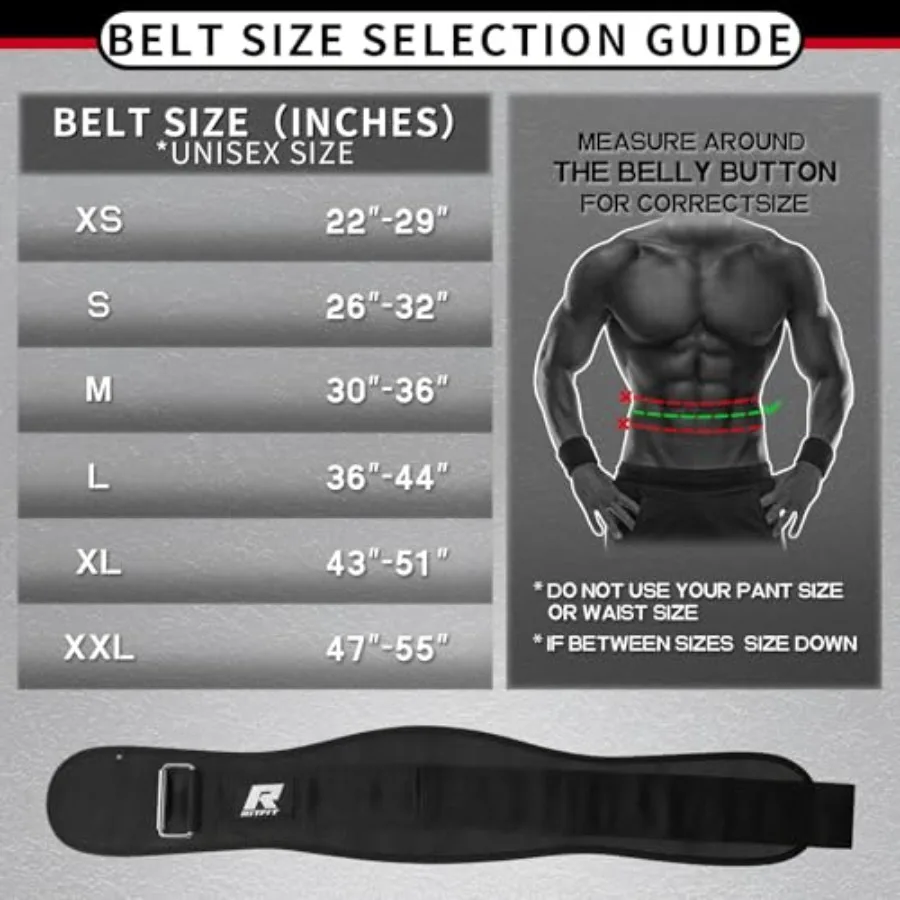
| Gender | Unisex, adult |
| Colour | Black / camouflage |
| Best for | Squats, deadlifts, lunges, thrusters, heavy overhead pressing |
| Closure | Buckle fastening |
| Fit | Adjustable |
| Intended use | Heavy working sets only — not all-day or all-session wear |
| Waist sizing | Variant dependent — measure at the navel, not your trouser size |
Care & Maintenance
Air the belt out after training rather than sealing it into a gym bag; webbing holds sweat and will start to smell. Spot-clean with mild soap and cold water and dry flat away from direct heat. Do not machine wash or tumble dry. Check the buckle, stitching and any rivets periodically and stop using the belt if the webbing frays at the buckle or the stitching pulls.
What’s in the Box
1 × 6-inch weight lifting belt.

Reviews
There are no reviews yet.