A Lifting Belt Does Not Support Your Back. Here Is What It Actually Does.
The common belief is that a belt holds your spine in place. It does not. A belt works by giving your abdominal wall a rigid surface to press outward against. When you take a deep breath and brace, your abs contract against the belt, intra-abdominal pressure rises sharply, and that pressurised cylinder stiffens the trunk from the inside — like inflating a tyre. Studies show measurable increases in intra-abdominal pressure and in spinal erector activity when a belt is worn correctly. That means more force transferred from hips to bar, and less spinal flexion under heavy load. It is a performance tool that improves bracing. It is not armour, and it will not save a back that is moving badly.
Key Benefits
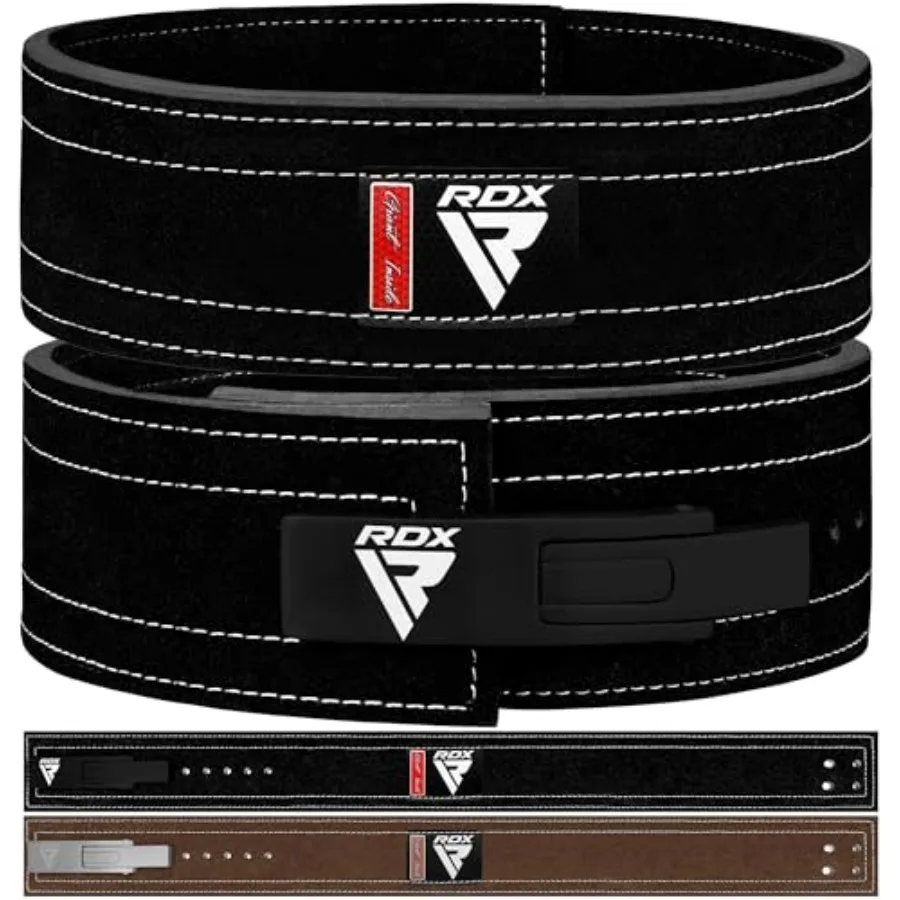
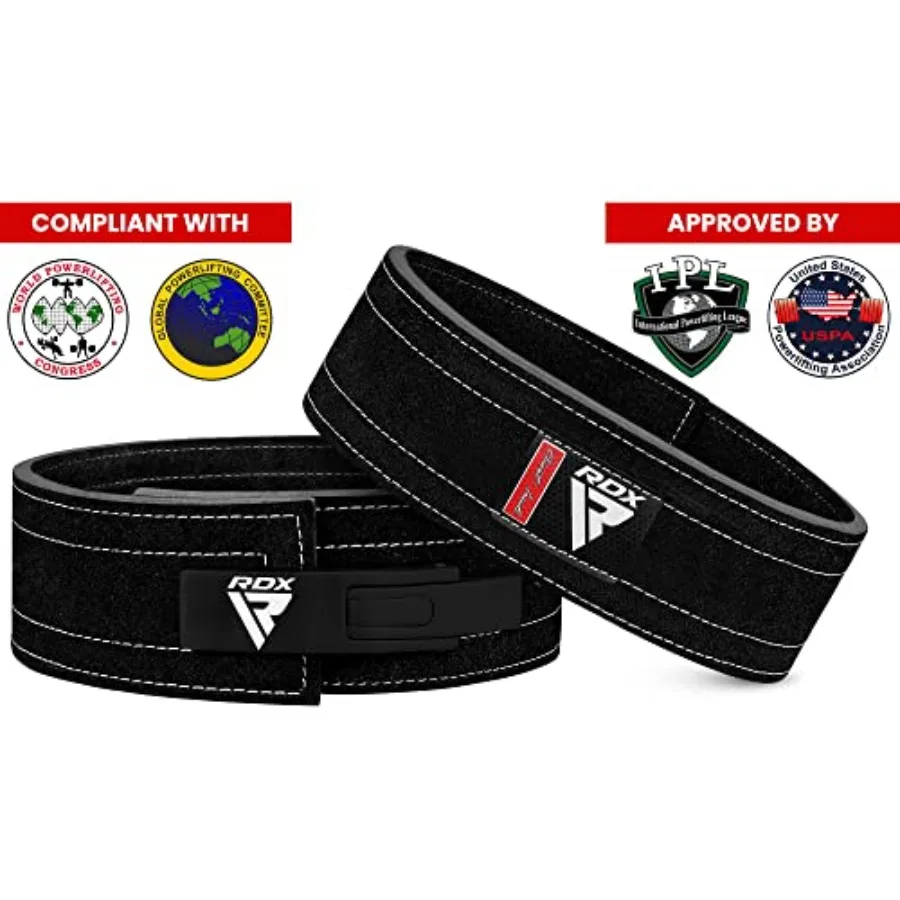
- Competition approved. Meets IPL and USPA specifications, so the belt you train in is the belt you can compete in — no surprises on the platform.
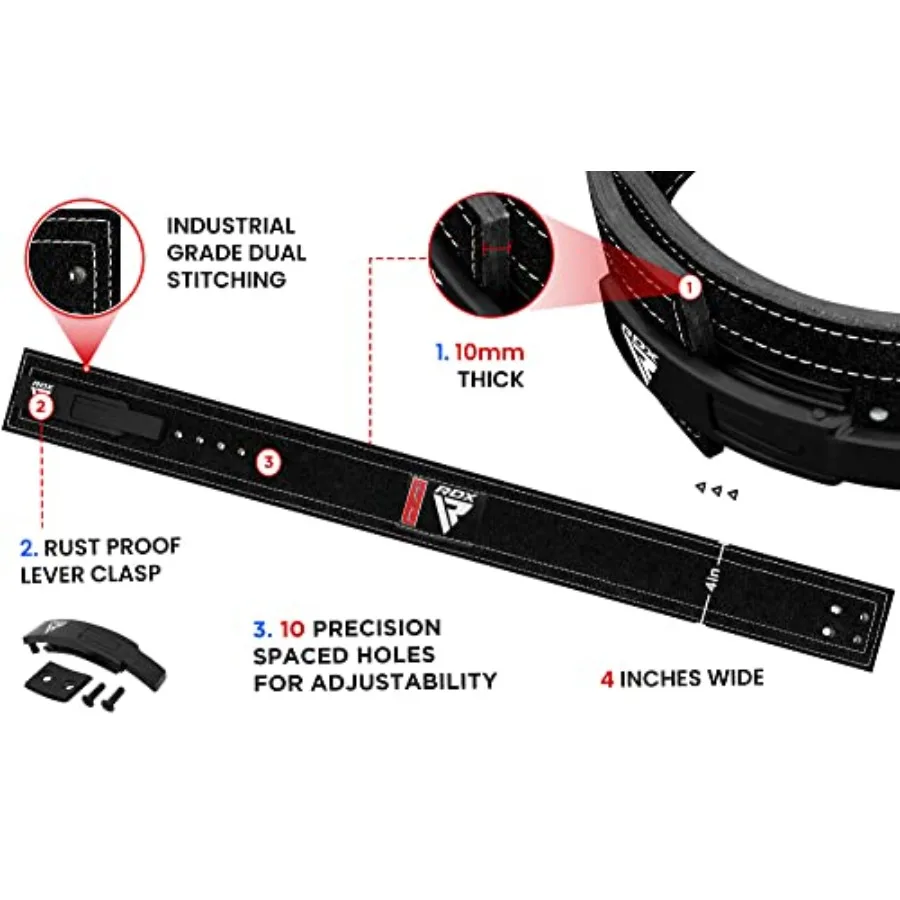
- 10mm single-thickness leather. Stiff enough to brace hard into, and stiff enough to stay that way for years. It will feel unforgiving for the first few sessions; that is the point, and it breaks in.
- Uniform 4-inch width. Same width front and back, so pressure is applied evenly all the way around the abdominal wall — unlike tapered belts, which give you less to brace into where it matters.
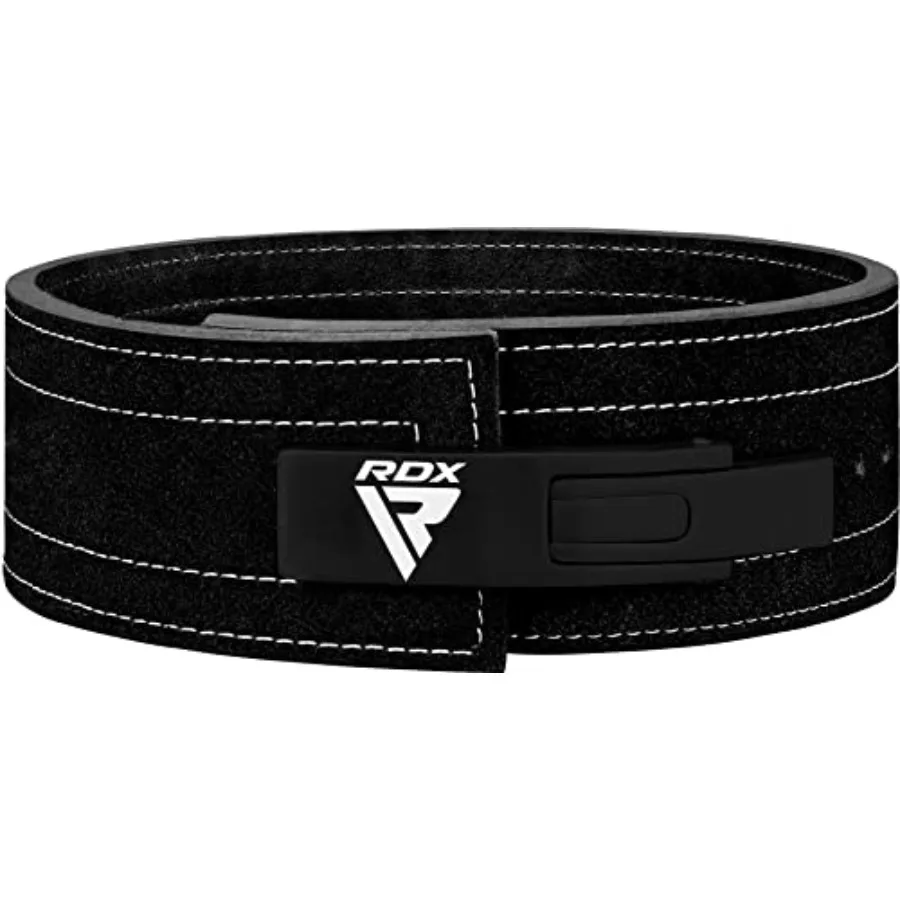
- Lever buckle. One motion on, one motion off, at exactly the same tightness every rep. Far faster between sets than threading a prong through a hole.
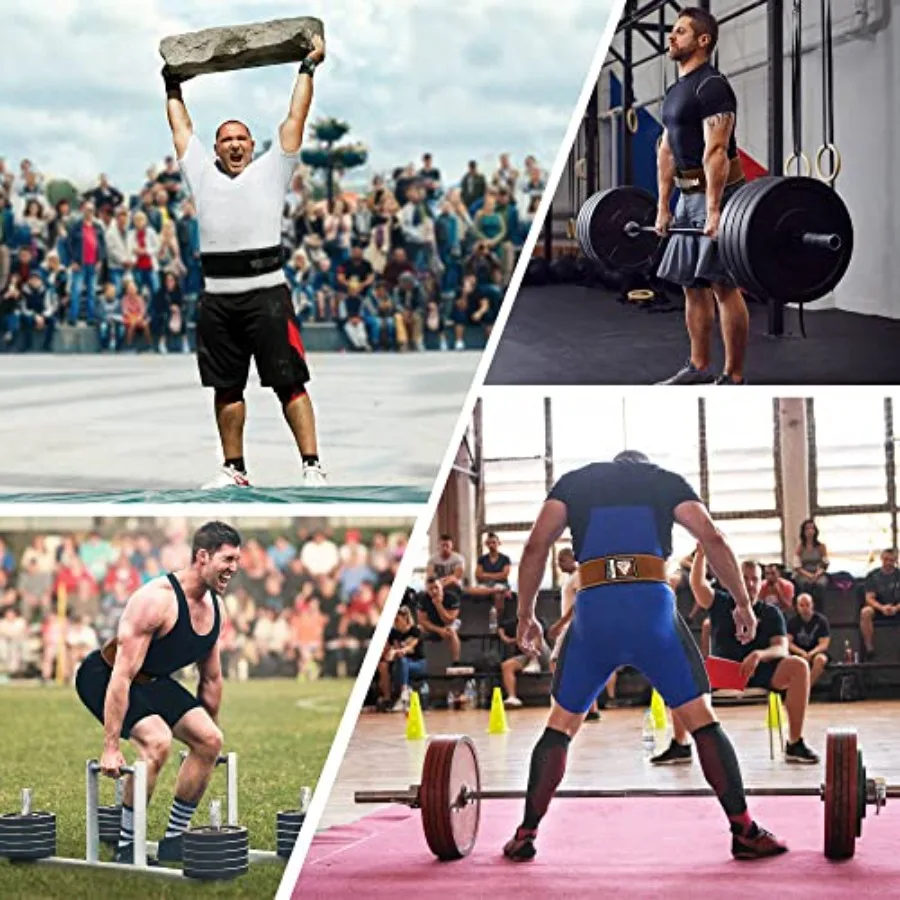
- Best suited to heavy compounds. Squats, deadlifts, overhead press and heavy rows above roughly 80% of your max.
- Honest limitation. A belt does not strengthen your core, does not prevent injury on its own, and does not fix a rounding back. Train unbelted at lighter loads so your bracing does not become dependent on it.
How to Use
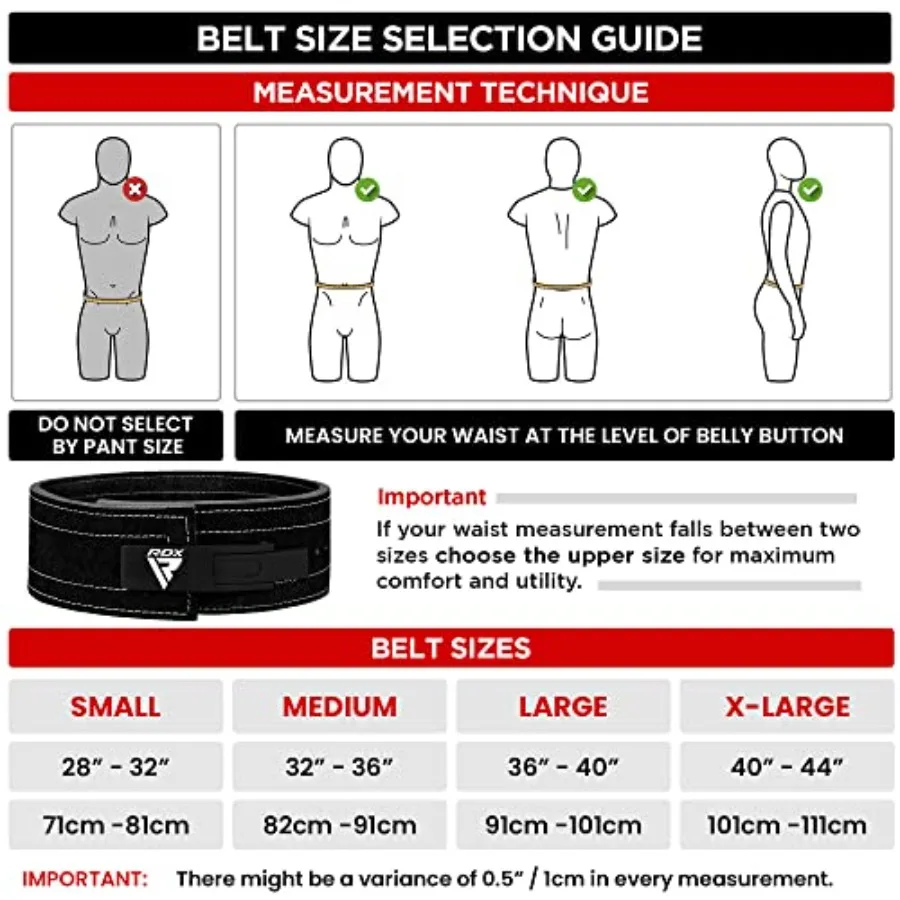
Position the belt across your abdomen, roughly over the navel and just above the hip bones — not high on the ribs. Tighten so you can just slide a flat hand between belt and stomach: tight enough to brace against, loose enough to draw a breath into your belly. It should never feel like a corset. Before the rep, take a deep breath into the abdomen (not the chest), push your stomach outward into the belt in all directions, hold the brace through the lift, and exhale at the top. Take the belt off between sets. Do not wear it for warm-ups, accessory work or light sets — the whole point is that your core does the work most of the time. Sizing runs by waist measurement at the navel, not by trouser size, so measure before choosing. If you have uncontrolled high blood pressure, a hernia, or are pregnant, speak to a clinician before using a belt, as raised intra-abdominal pressure is not neutral for everyone.
Specifications
| Thickness | 10 mm |
|---|---|
| Width | 4 inches, uniform front to back |
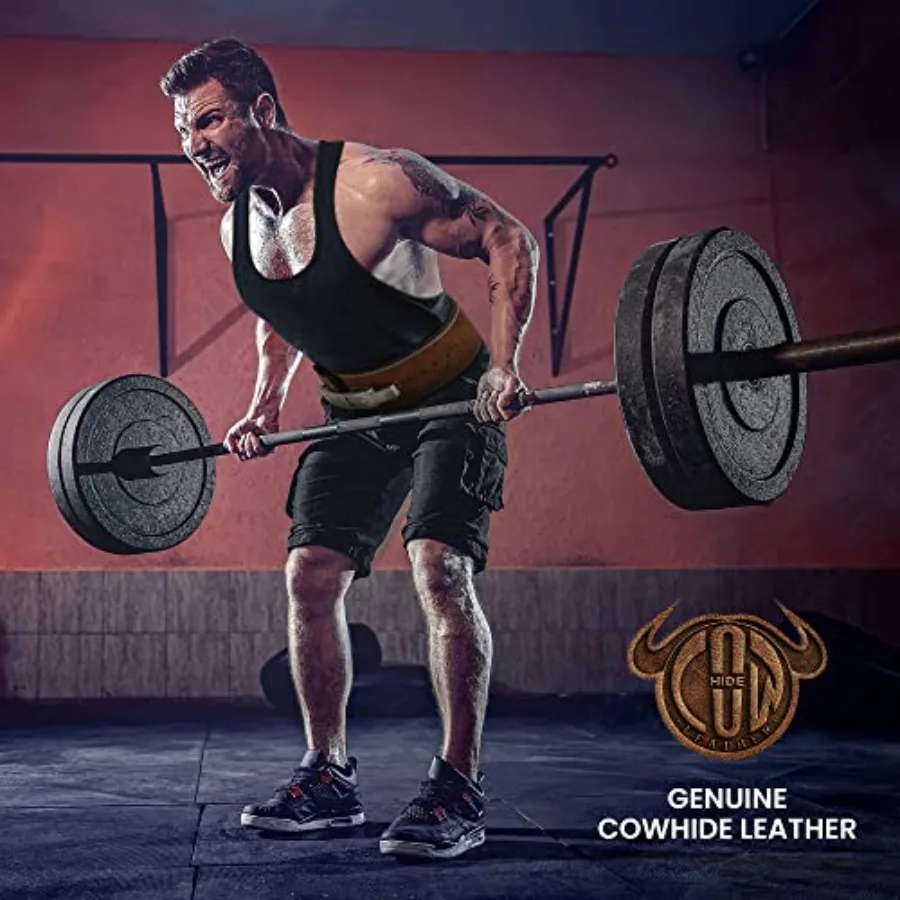
| Material | Leather |
| Buckle | Lever buckle (adjustable via screws) |
| Certification | IPL and USPA approved |
| Sizes | Small, Medium, Large, X-Large |
| Colour | Black / White |
| Intended use | Powerlifting, squats, deadlifts, heavy pressing |
| Fit note | Size by waist circumference at the navel |
Care & Maintenance
Leather dislikes moisture. Wipe sweat off after every session and let the belt dry flat and away from radiators or direct sun — heat drying will crack it. Condition the leather lightly once or twice a year with a leather balm to keep it from drying out. Check the lever screws periodically; they loosen with use and can be tightened with the supplied Allen key. Do not machine wash or soak.
What’s in the Box
1 × 10mm leather lever lifting belt with lever buckle pre-fitted, plus the Allen key needed to adjust lever position.

Reviews
There are no reviews yet.