Small Ball, Big Demand: How Instability Changes an Exercise
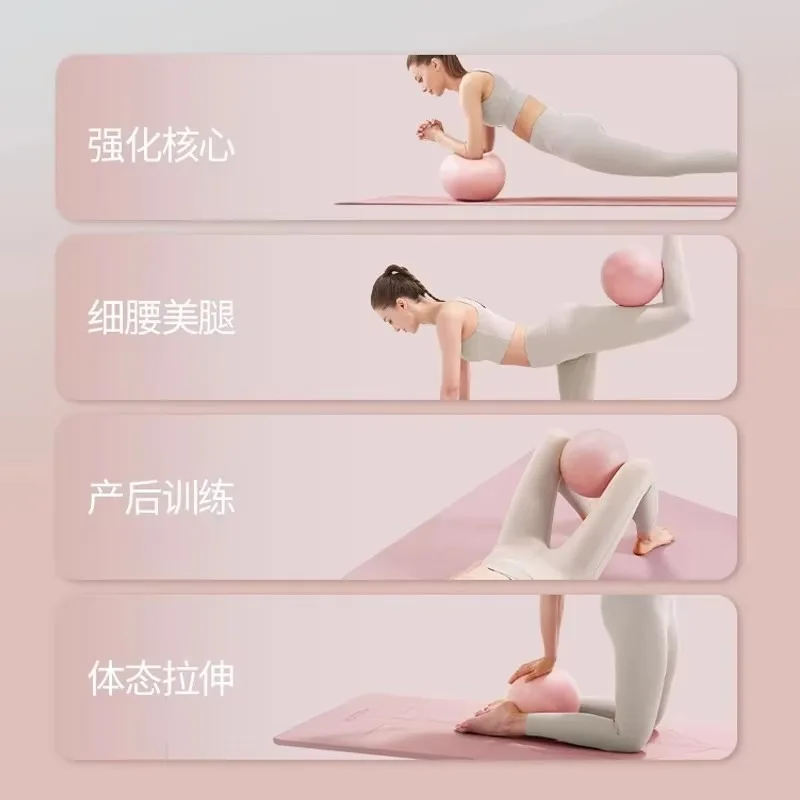
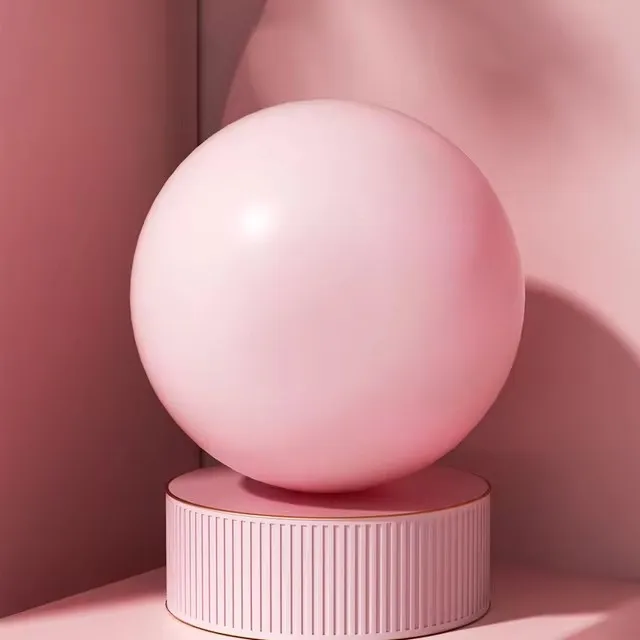
Put a 25 cm ball under your lower back, between your knees, or beneath one foot, and you remove a fixed point of contact. Your nervous system responds by recruiting the deep stabilisers — transversus abdominis, the pelvic floor, the multifidi — which fire reflexively to control a base that will not stay still. These muscles are hard to train deliberately because they work below conscious control; instability recruits them automatically. Squeezing the ball between the knees also gives the adductors and pelvic floor something to work against, which is why it appears in so much post-natal and rehabilitation programming.
Key Benefits
- Recruits the deep core reflexively. Instability does what conscious “engage your core” cues often fail to do — it forces the stabilisers to fire whether you remember to think about them or not.
- Adjustable difficulty by inflation. Inflate firm for maximum instability and challenge; deflate softer for gentler support, rehab work or a more comfortable spinal wedge.
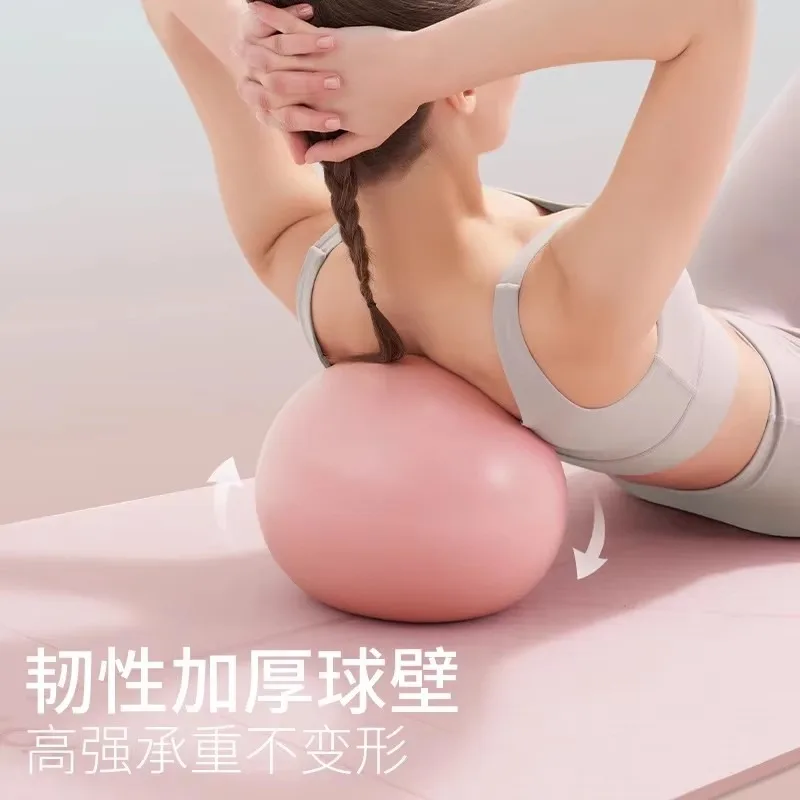
- Excellent as a spinal support. Placed under the lumbar curve or the sacrum, it lets you work the abdominals without grinding your spine into a hard floor.
- Pelvic floor and adductor work. Isometric squeezes between the knees are a mainstay of post-natal and pelvic health programmes.
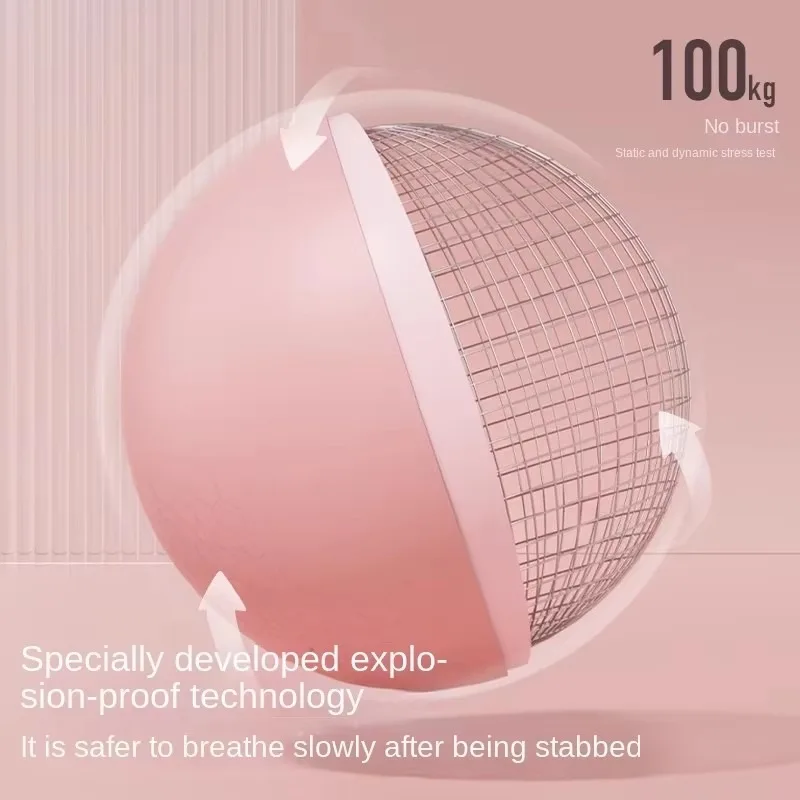
- Anti-burst construction. If punctured, thickened PVC deflates slowly rather than exploding — which matters when you are lying on it under load.
- Deflates and packs flat. Fits in a handbag. Travels. Costs less than a single studio class.
How to Use
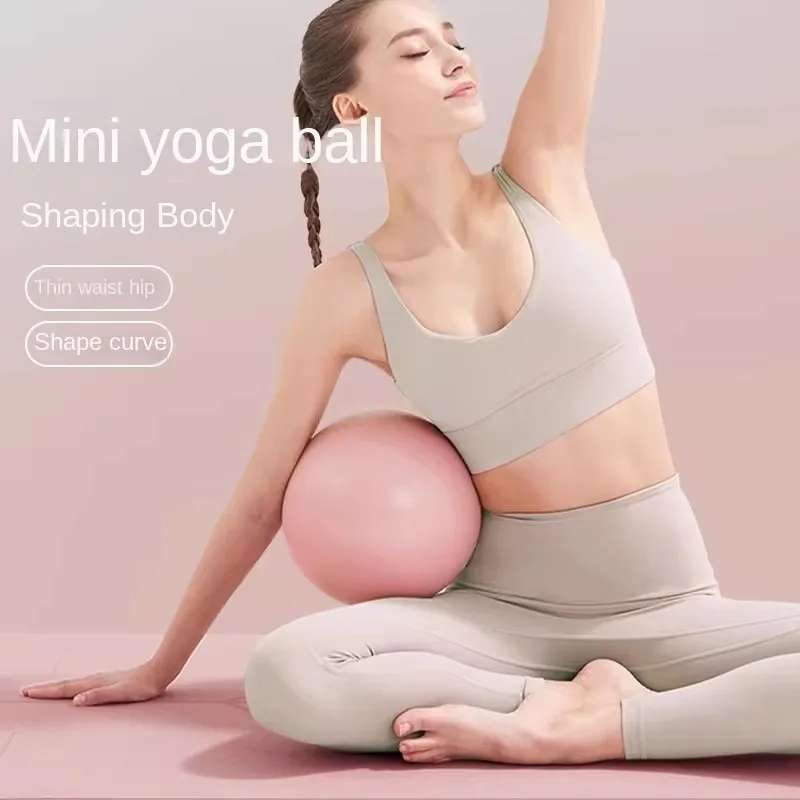
Inflate with the supplied straw or pump to roughly 80–90% — the ball should give a couple of centimetres when pressed, not feel rock hard. It will stretch and soften slightly over the first few uses, so top it up after the first session. Use it under the lumbar spine for supported ab work, between the knees for adductor and pelvic floor squeezes, under one foot for single-leg balance, or between the back and a wall for supported squats. Work on a mat, not a slippery floor, and keep it away from radiators and direct sunlight, which soften PVC. One honest note on the marketing: no ball, and no exercise, burns fat from a specific body part. Spot reduction is not physiologically real — you cannot slim your hips by squeezing a ball between your knees. What this does is build genuine strength, control and endurance in the muscles of the hips, thighs and core. If you are post-partum or have a diagnosed diastasis recti or prolapse, get clearance from a pelvic health physiotherapist before doing loaded core work.
Specifications
| Diameter | 25 cm (approx. 10 inches) |
|---|---|
| Material | Thickened anti-burst PVC |
| Inflation | Adjustable — inflate firm or soft to change difficulty |
| Surface | Matte, non-slip texture |
| Best for | Pilates, barre, core work, pelvic floor, rehab, stretching |
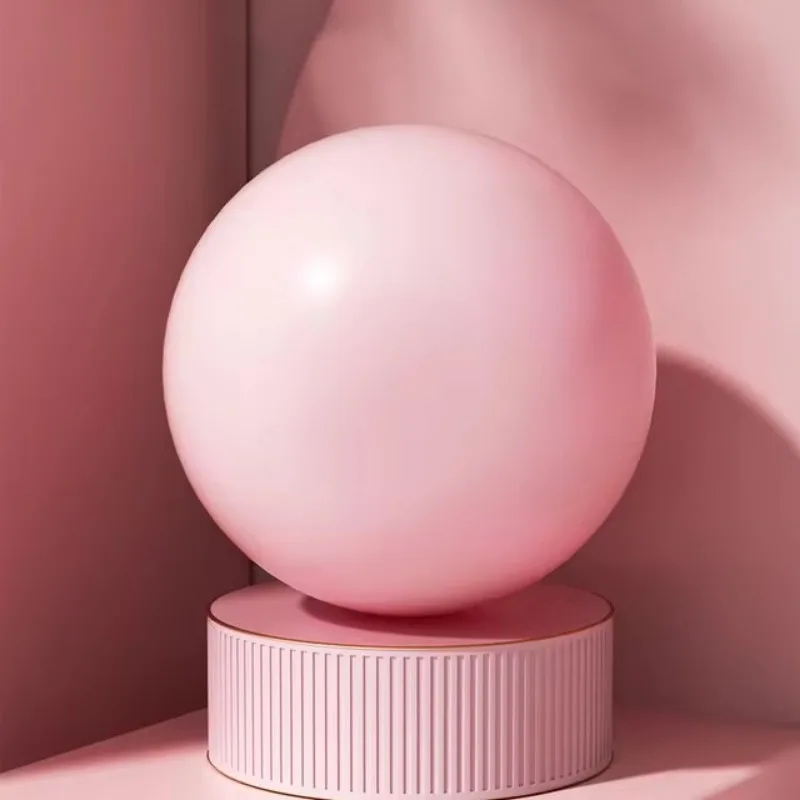
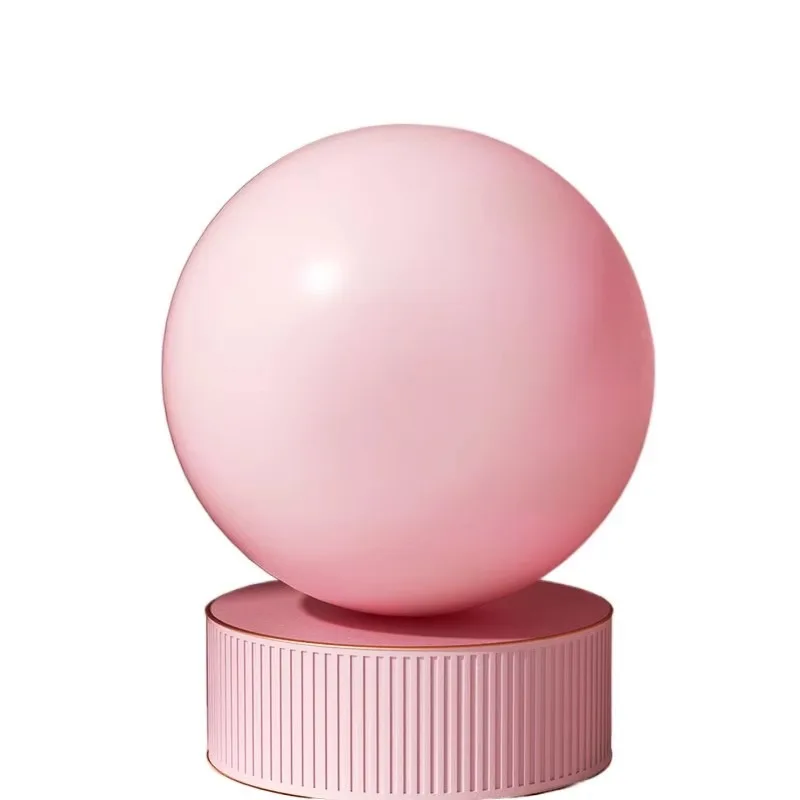
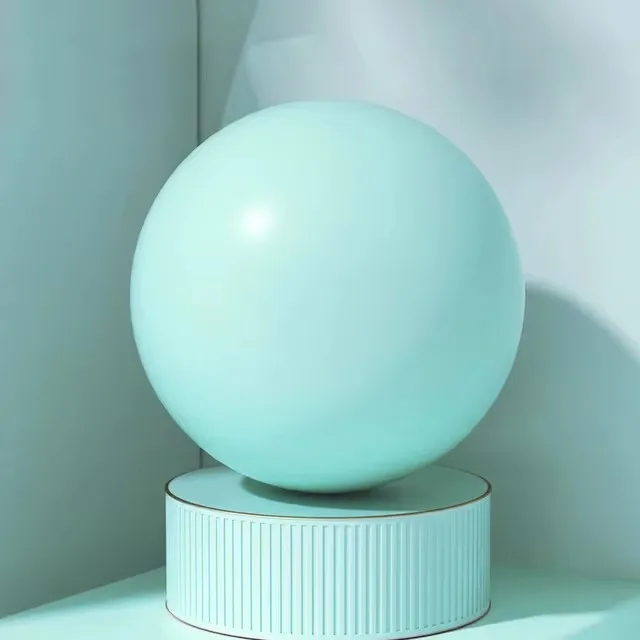
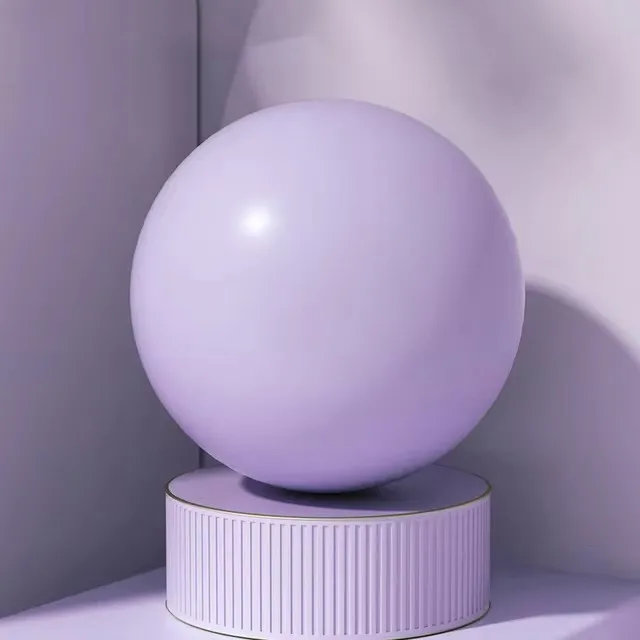
| Colour options | Blue, Pink, Purple |
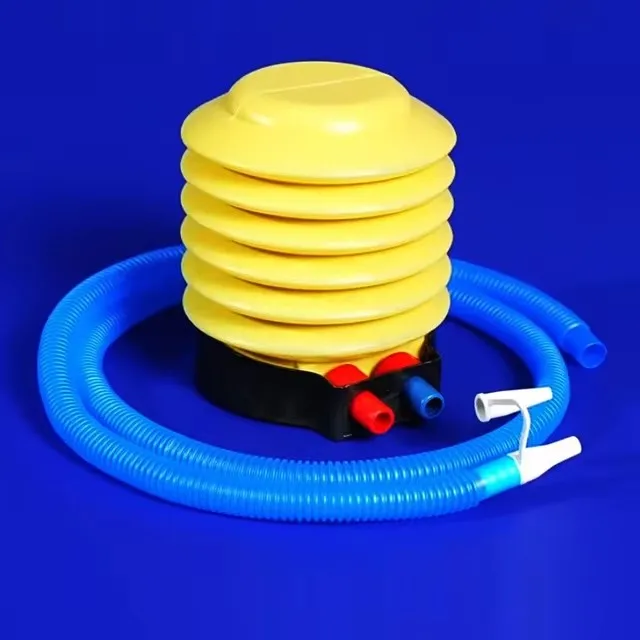
| Accessory option | Inflator available as a variant |
| Packs down | Fully deflatable and portable |
Care & Maintenance
Wipe with a damp cloth and mild soap; avoid solvents and alcohol wipes, which dry out PVC and cause cracking. Store away from heat sources and direct sunlight, and keep it clear of sharp objects, pet claws and rough concrete. Store deflated or lightly inflated for long periods. Do not over-inflate to full rigidity — that is what shortens the life of the seams.
What’s in the Box
1 × 25 cm anti-burst Pilates mini ball with an inflation straw/plug. A hand inflator is included only where the inflator variant is selected.
Reviews
There are no reviews yet.