Why Your Feet Feel Better After Walking on Something Uncomfortable
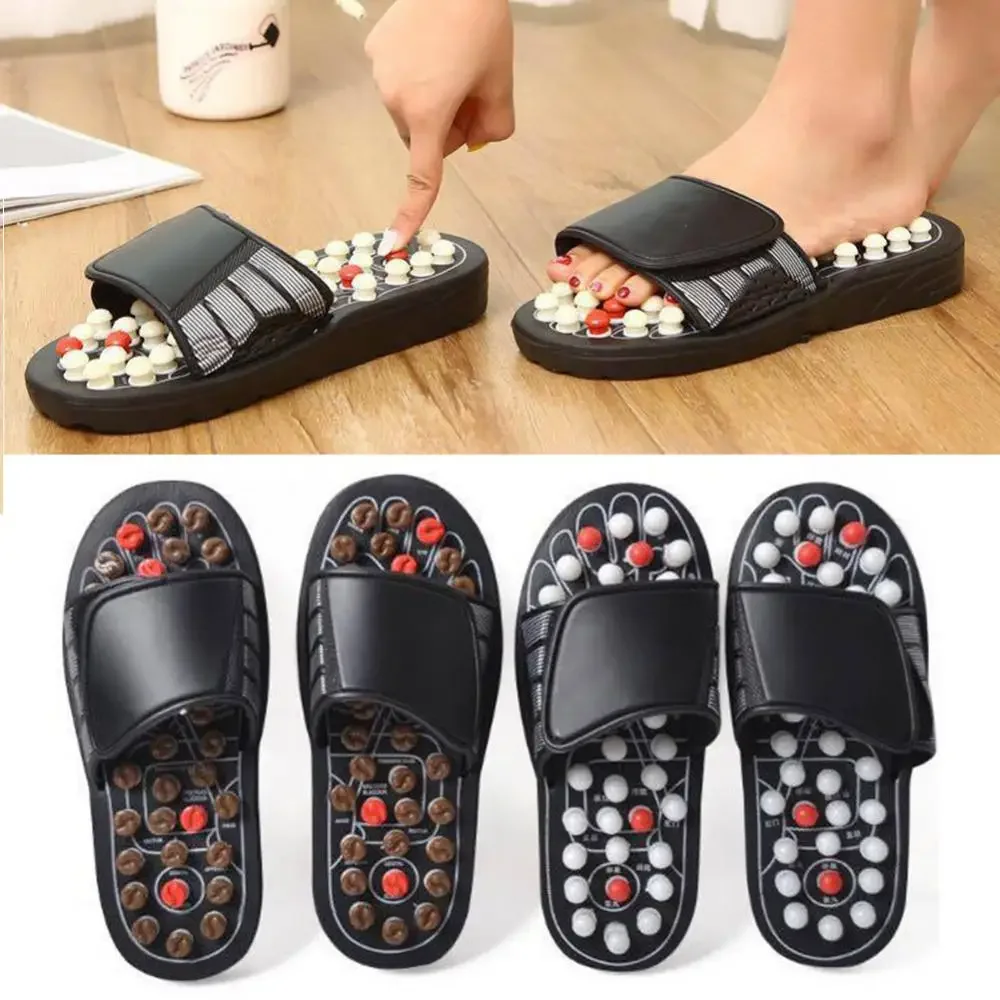
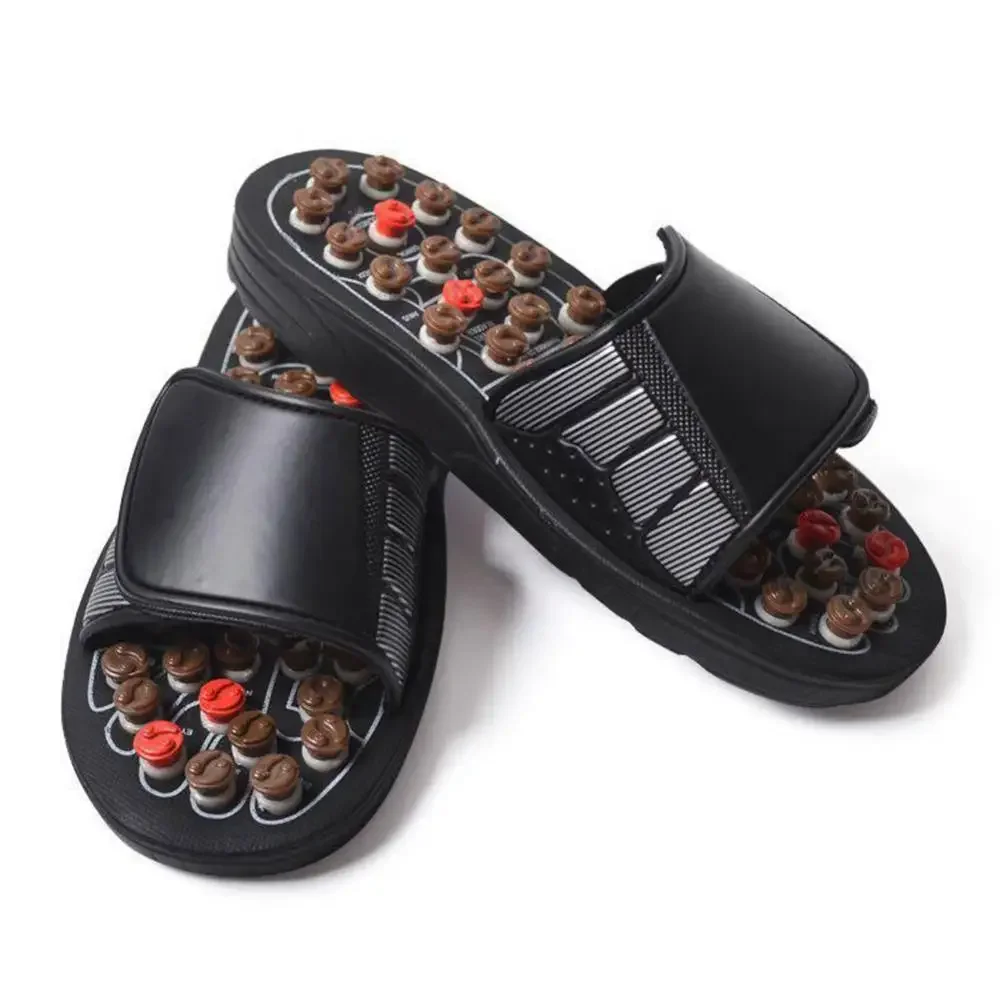
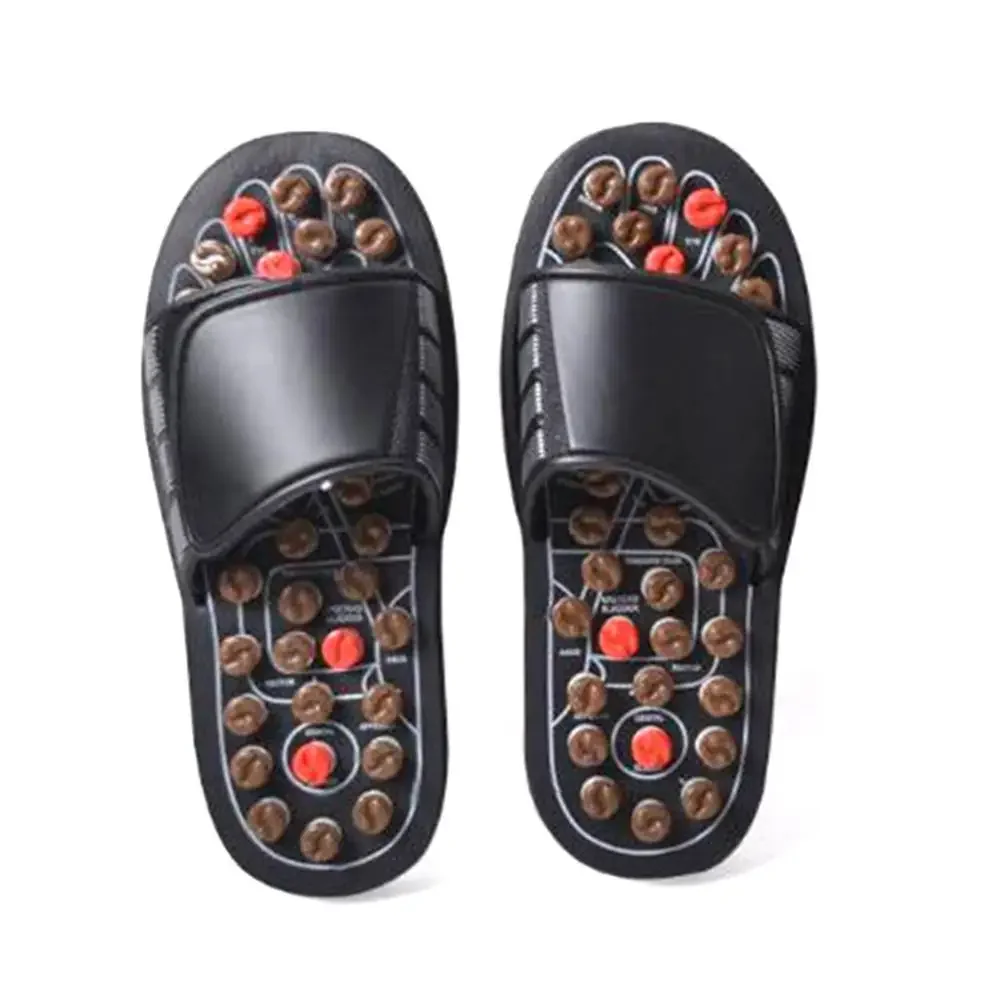
The sole of the foot carries one of the densest concentrations of mechanoreceptors in the body, yet spends most of its life inside a cushioned shoe on a flat floor — sensory input it never has to respond to. These slippers cover the footbed in raised nodes that force the plantar surface to deform around them with every step. That does two measurable things: it loads and stretches the plantar fascia through a range it rarely sees, and it floods the nervous system with tactile input that competes with pain signalling at the spinal cord. Blood flow to the skin and superficial tissue rises with the pressure. The result is a foot that feels awake rather than numb.
Key Benefits
- Targets the plantar fascia directly. The nodes push into the arch and heel, mobilising the thick band of connective tissue that tightens after long standing, running, or a day in unsupportive shoes.
- Passive treatment — you just walk. Unlike a massage ball you have to sit down and concentrate on, these work while you move around the kitchen. Ten minutes of ordinary pottering is a full session.
- Increases local circulation. Sustained, moving pressure on the sole encourages blood into the superficial tissue of the foot, which is why they feel warm after a few minutes.
- Wakes up a desensitised foot. Feet spend their lives in shoes. Varied, uneven pressure restores the sensory feedback that quality balance and gait depend on.
- Anti-slip outsole. Textured sole keeps them stable on tile and hard floor, so you can use them on a bathroom floor without skating.
- Honest about the claims. Reflexology is often sold as treating internal organs through ‘zones’ on the foot. There is no credible evidence for that. What acupressure slippers genuinely do is stimulate soft tissue and feel good — which is reason enough to own a pair.
How to Use
Start with socks on and five minutes at a time. Bare feet on a fresh pair is genuinely sharp, and pushing through it is not a badge of honour — the tissue adapts over about a week. Walk normally, roll heel-to-toe rather than shuffling, and pause to press deliberately into any spot that feels tight. Ten to twenty minutes a day is plenty. Safety: if you have diabetes, peripheral neuropathy, or any loss of sensation in your feet, do not use these without speaking to your doctor — you may not feel pressure that is damaging the skin. Do not use on broken skin, ulcers, open blisters, or an acutely inflamed foot. Stop if you get numbness, sharp pain, or any mark that does not fade within an hour.
Specifications
| Product type | Acupressure / reflexology massage slippers |
|---|---|
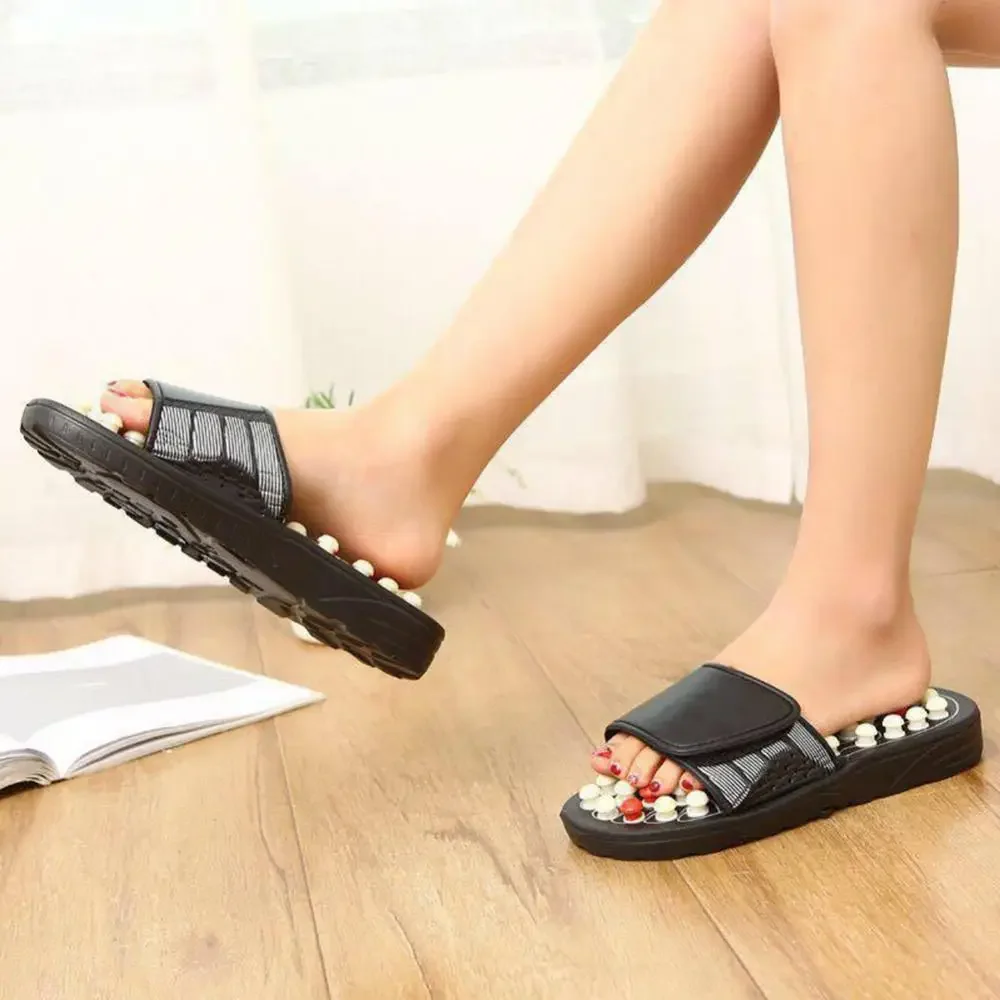
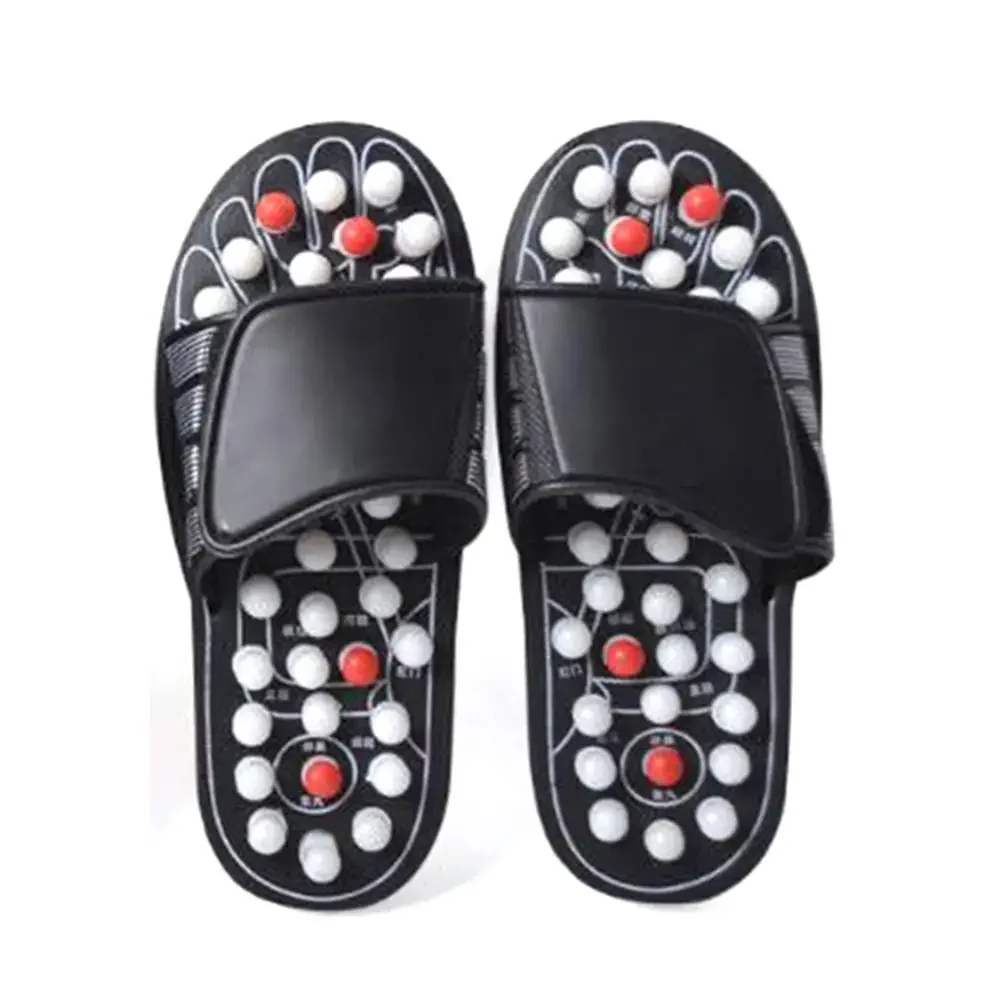
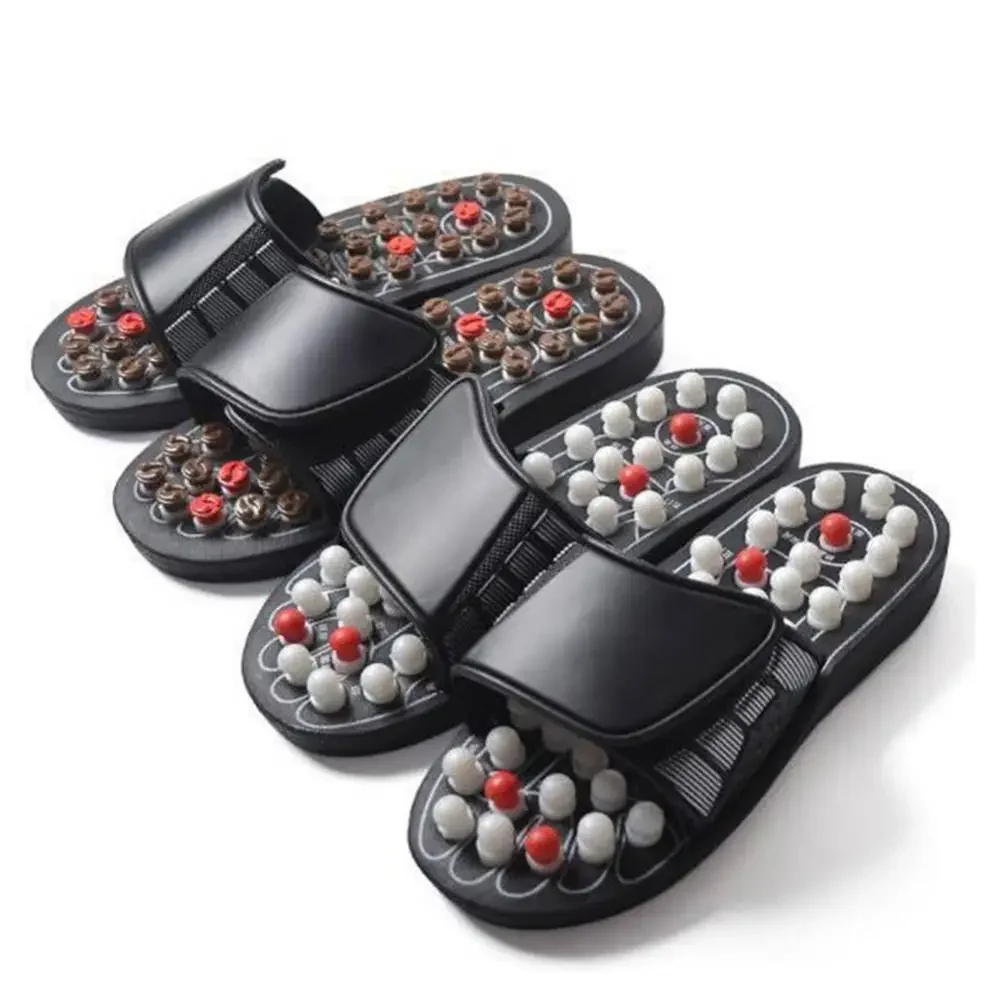
| Design | Open-toe slide sandal with raised acupoint nodes across the footbed |
| Sole | Anti-slip textured outsole |
| Intended use | Indoor / home use on hard flooring |
| Suits | Men and women — unisex sizing |
| Size & colour | Variant dependent — select at checkout |
| Session guide | 5–20 minutes daily |
| Not suitable for | Diabetic neuropathy, numb feet, broken skin, open wounds |
Care & Maintenance
Wipe the footbed with a damp cloth and mild soap after use — the raised nodes trap sweat and skin. Rinse under a tap if needed and air dry fully away from direct heat, which can warp the sole. Do not machine wash or tumble dry. If you share them, wash between users.
What’s in the Box
1 pair of acupressure massage slippers in your selected size and colour. Nothing else is required — no batteries, no power, no charging.
Reviews
There are no reviews yet.