What Vagus Nerve Stimulation Actually Does — and What It Does Not
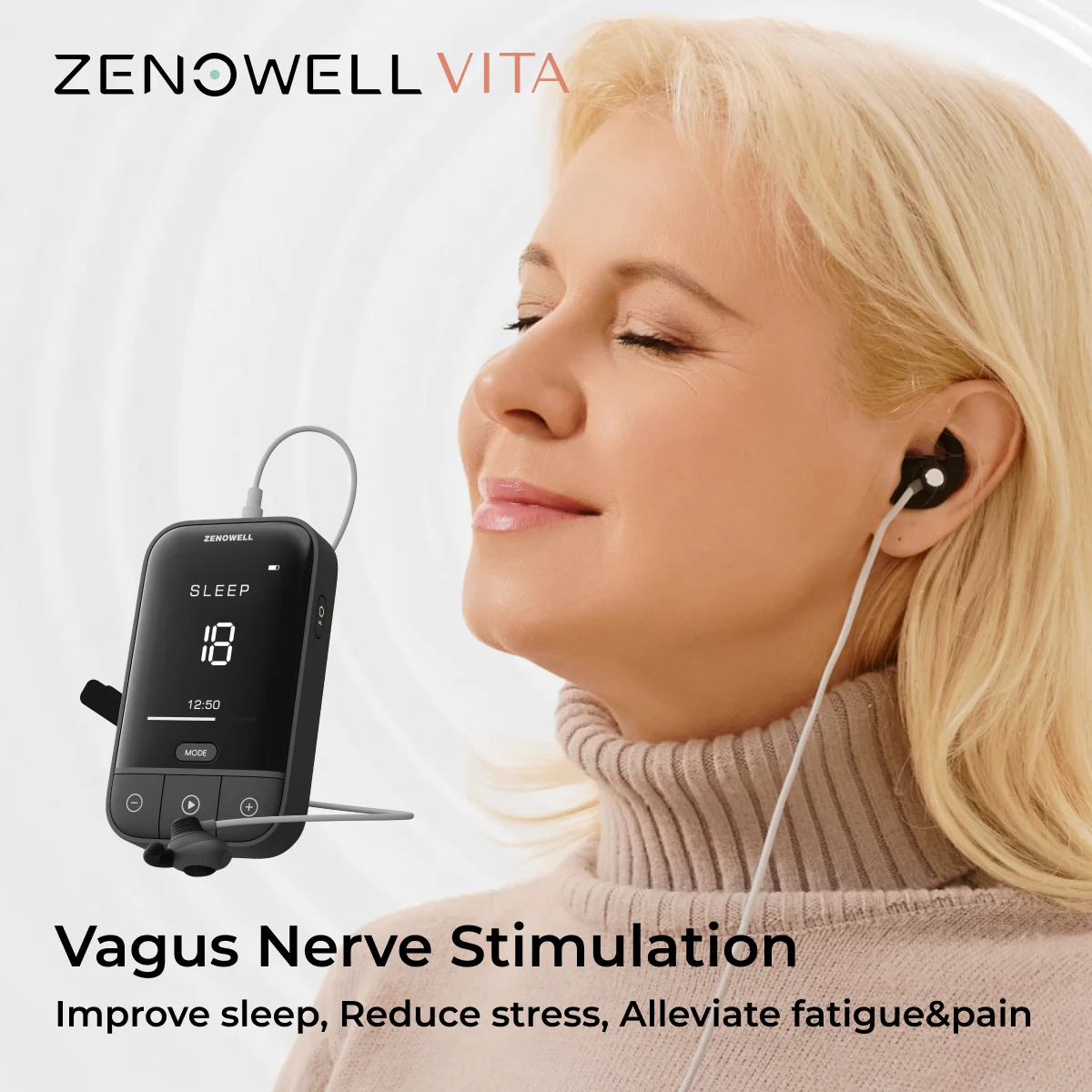
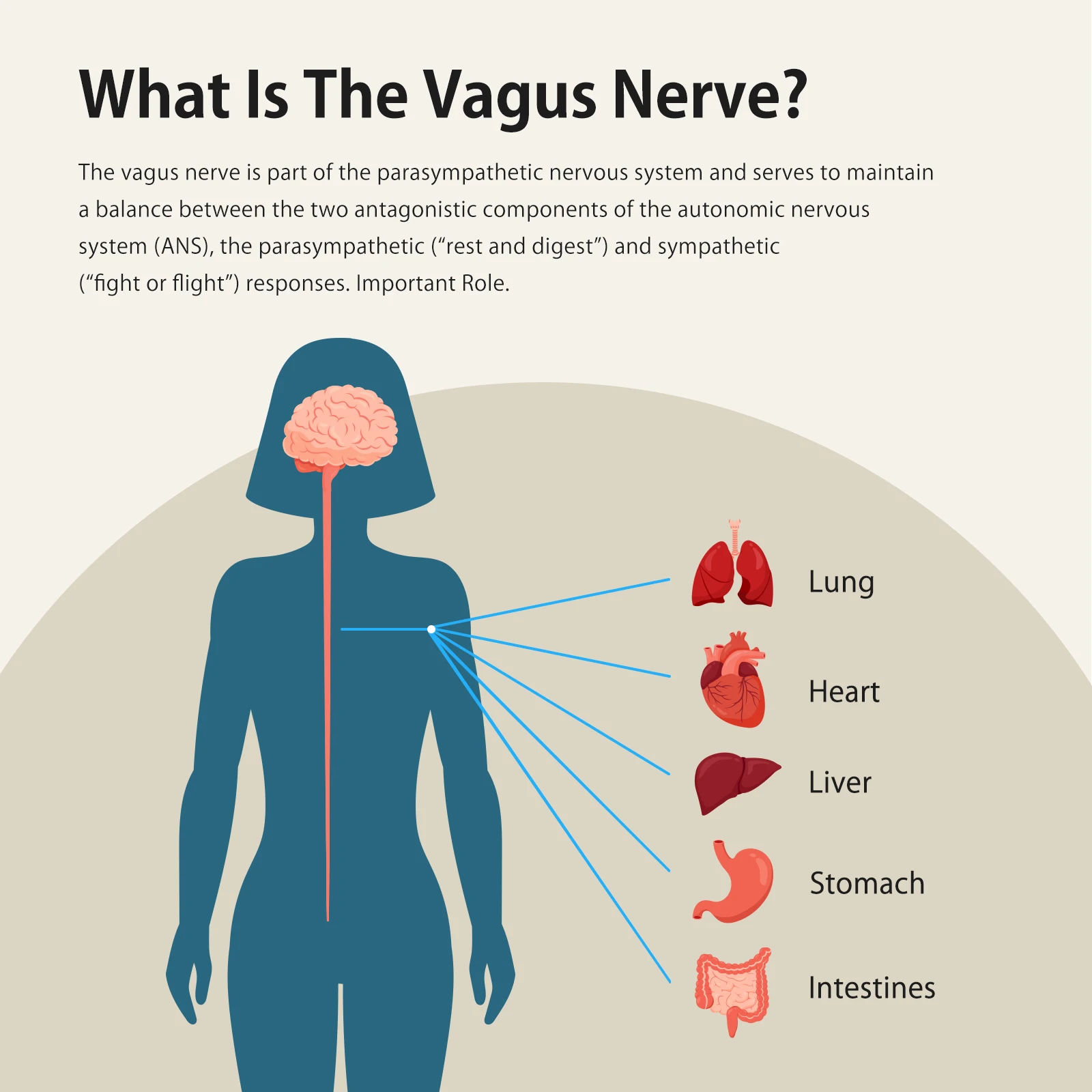
The auricular branch of the vagus nerve is the only place the vagus reaches the body’s surface, surfacing at the concha and tragus of the outer ear. Gentle electrical pulses delivered there travel to the nucleus tractus solitarius in the brainstem and can shift autonomic balance toward parasympathetic dominance. That shift is measurable: studies consistently show changes in heart rate variability during and shortly after stimulation. That much is real, documented physiology, and it is the honest basis for this device.
Key Benefits
- The HRV effect is real and measurable. Transcutaneous auricular stimulation demonstrably shifts autonomic balance in controlled studies. If you track HRV, this is the one claim on this page you can expect to see in your own data.
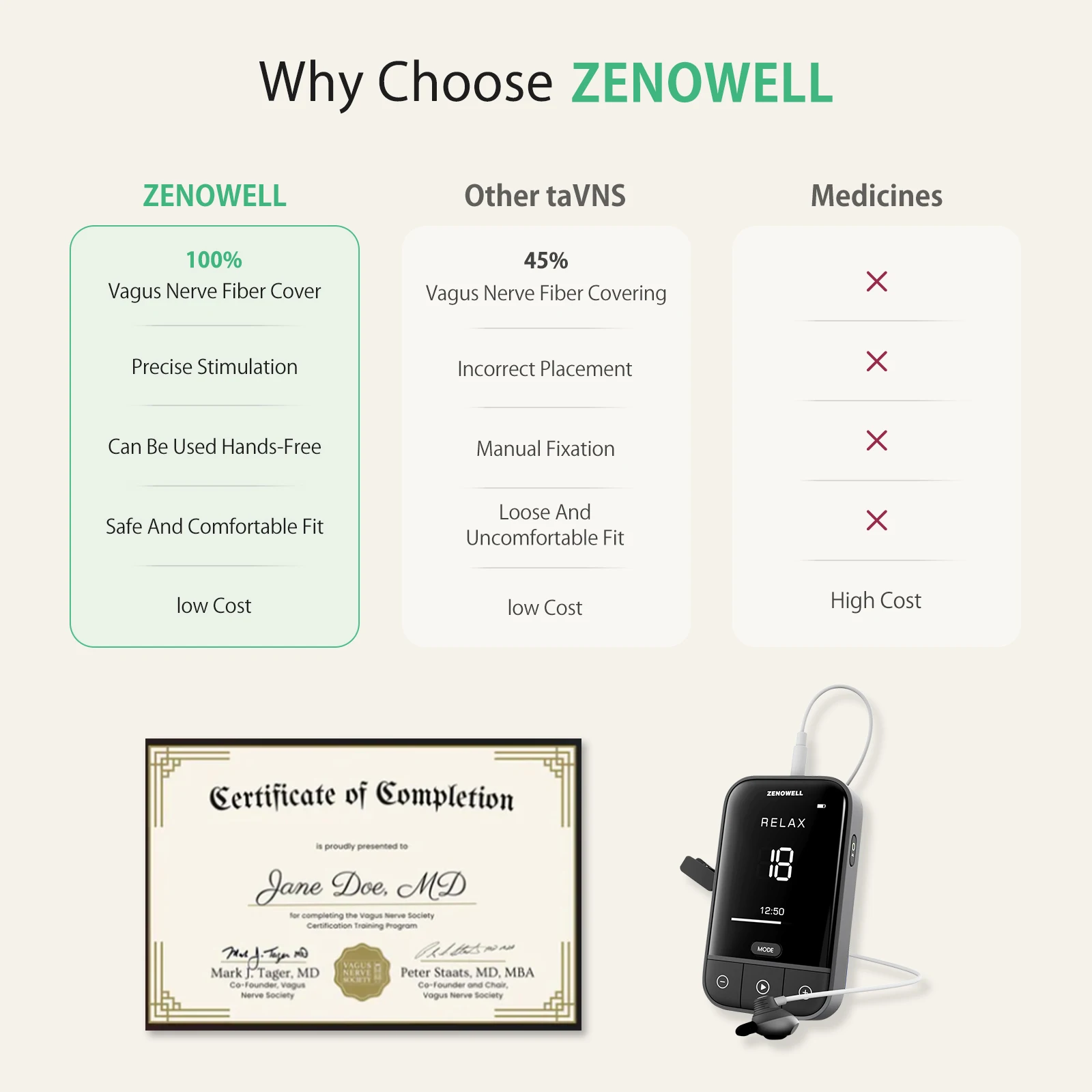
- The sleep and anxiety claims are not established, and we will not make them. Evidence in humans is early-stage, drawn largely from small trials with mixed results. tVNS is not a treatment for an anxiety disorder, insomnia, or depression, and this is not a medical device. If you are struggling with any of those, see a clinician — do not substitute this for care.
- Drug-free and non-invasive, which is a genuine advantage. Whatever the effect size turns out to be, there is no pharmacology, no dependency and no next-day hangover. The downside risk is low, which is the honest reason to try it.
- A structured wind-down ritual has value in itself. Twenty minutes sitting still with a device clipped to your ear is twenty minutes not scrolling. Some of the reported benefit is very likely this, and that is not nothing — it is just not the vagus nerve.
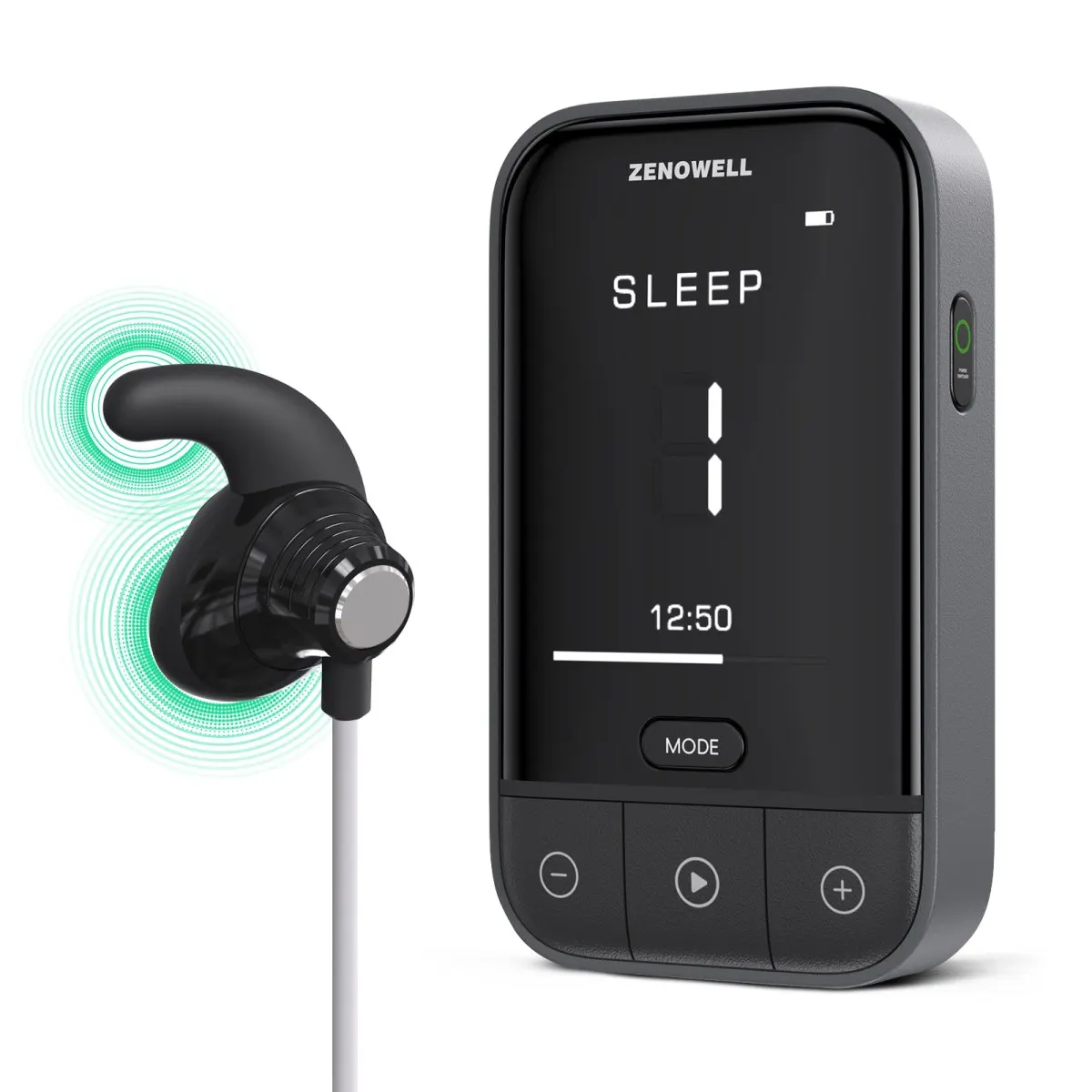
- Adjustable intensity so you can find threshold. The target is a light tingle, not a jolt. Being able to dial in just-perceptible stimulation is what makes twenty minutes tolerable.
- Worth trying if you are curious and clear-eyed. An interesting, mechanistically grounded, actively researched tool. Approach it as an experiment on yourself, not as a cure.
How to Use
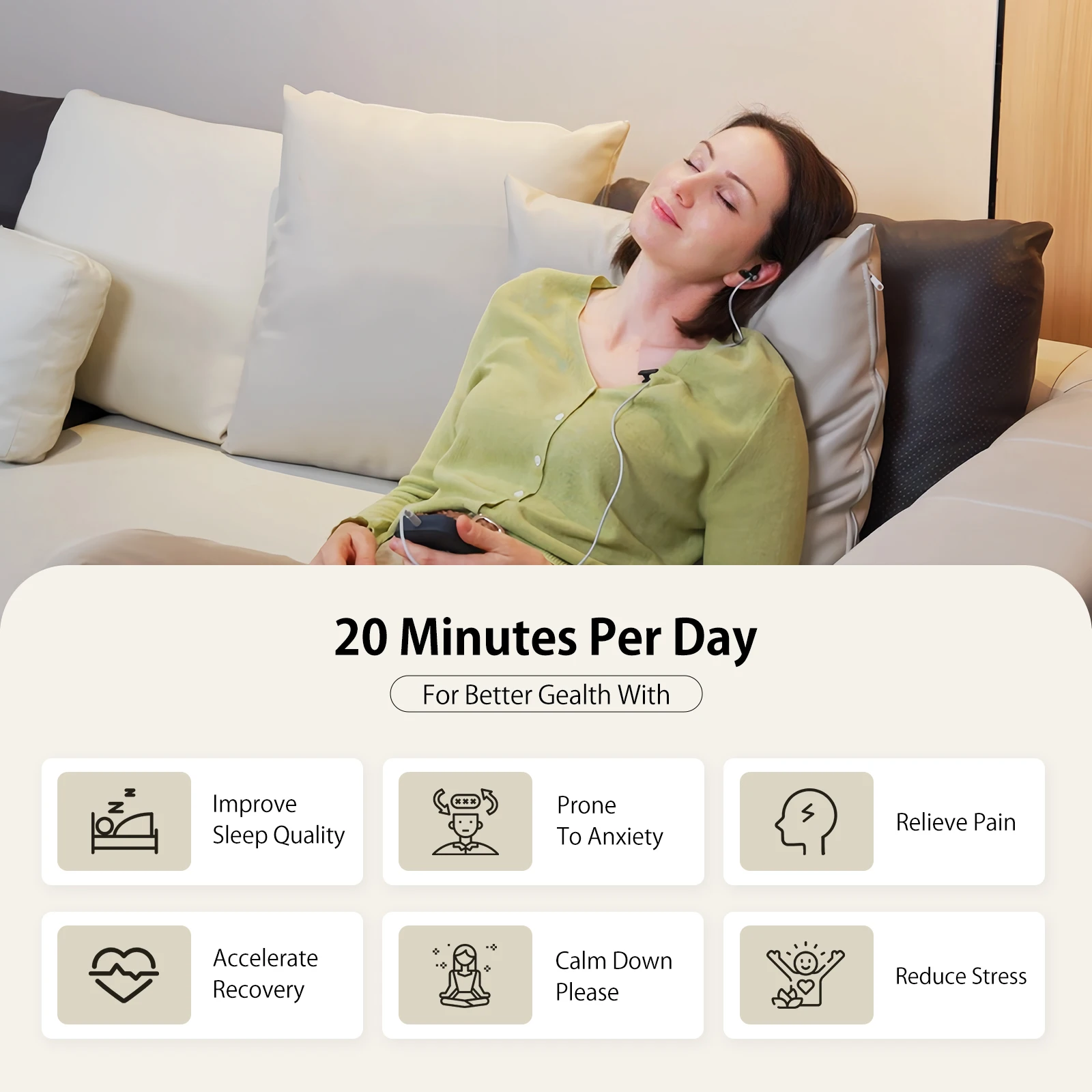
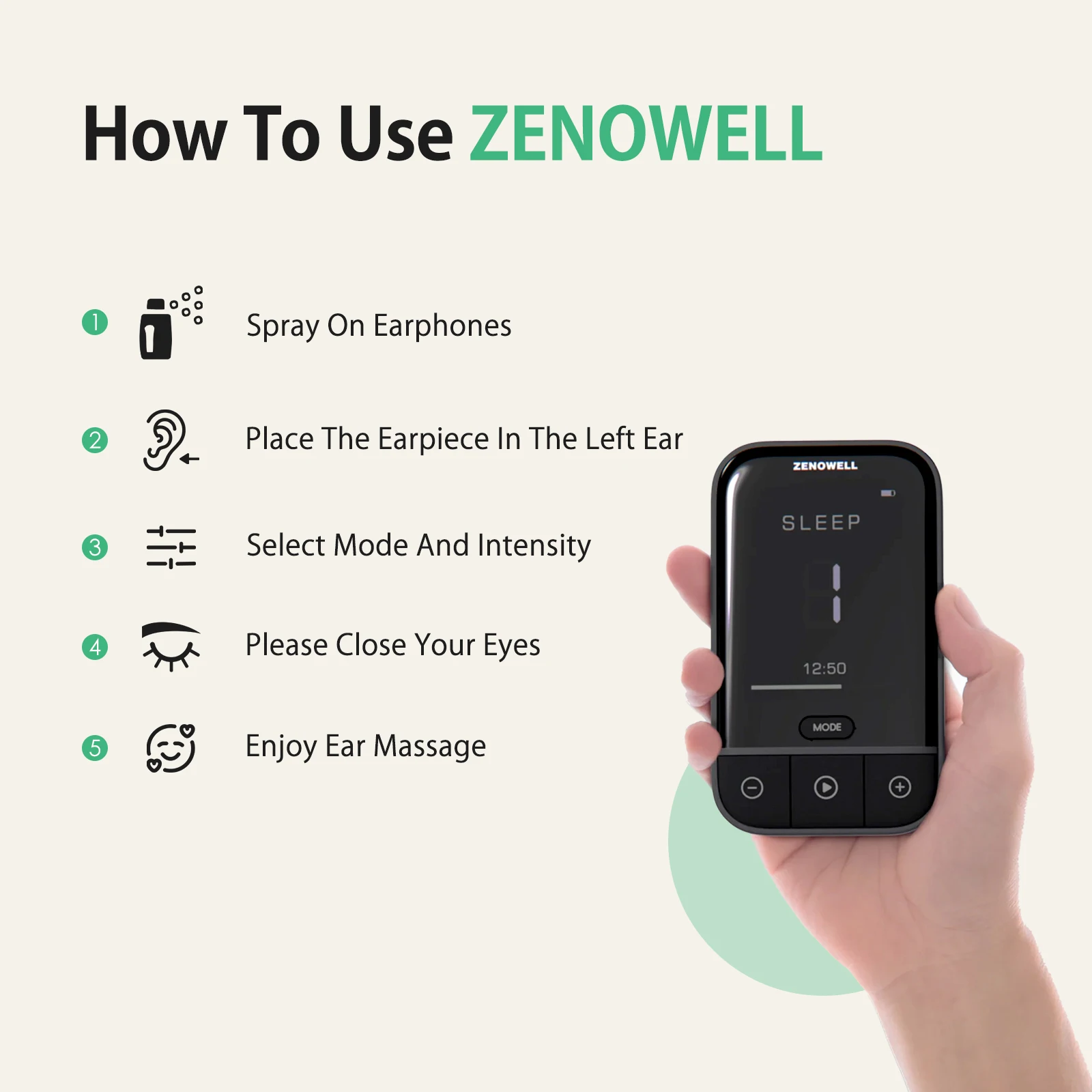
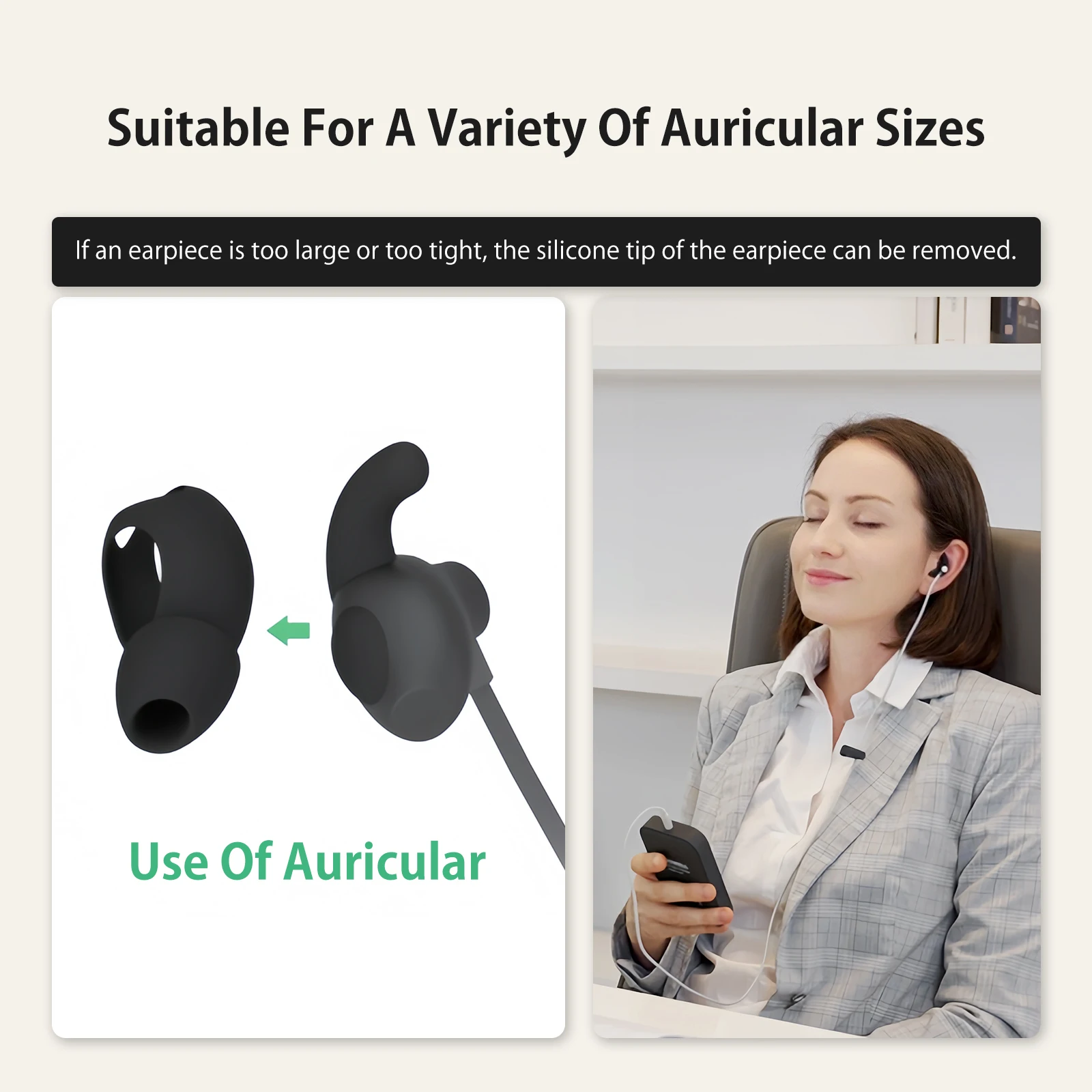
Clip the electrode to the concha or tragus of your left ear — the cymba conchae is the region most used in the research literature. Start at the lowest intensity and raise it slowly until you feel a light, comfortable tingling, then stop. More is not better here; you are aiming for a just-perceptible sensation, not discomfort. Twenty to thirty minutes is a typical session, and evenings suit most people. If you feel dizzy, nauseous, or notice your heart rate drop or feel irregular, switch it off immediately. SAFETY — READ THIS BEFORE FIRST USE. Do not use this device if you have a pacemaker, an implanted defibrillator, a cochlear implant or any other implanted electronic device. Do not use it if you are pregnant, if you have epilepsy or any seizure disorder, if you have a heart condition or arrhythmia, or if you have had a cervical vagotomy. Never place the electrode on the front of your neck: stimulating the carotid sinus region can trigger a sharp drop in heart rate and blood pressure. Do not use it on broken or infected skin, and do not use it while driving or operating machinery. If you take medication for a heart, neurological or psychiatric condition, speak to your doctor before starting.
Specifications
| Primary use | Transcutaneous auricular vagus nerve stimulation (taVNS) |
|---|---|
| Stimulation site | Outer ear — concha / tragus |
| Intensity | Adjustable, multiple levels |
| Typical session | 20–30 minutes |
| Regulatory status | Wellness device — not a licensed medical device or treatment |
| Evidence base | HRV effects documented; clinical benefit for sleep and anxiety unproven |
| Power | Rechargeable — see listing for charge method |
| Not suitable for | Pacemakers, implanted devices, pregnancy, epilepsy, heart conditions |
| Never place on | The front of the neck (carotid sinus) |
Care & Maintenance
Wipe the ear electrode with an alcohol wipe before and after every session — it sits in direct skin contact and it is the one part that will cause irritation if it gets grimy. Keep the unit dry and do not submerge it. Charge it fully every few weeks even if unused, as letting a lithium cell sit flat for months shortens its life. Store away from heat. Replace the electrode clip or pads when they lose their grip or show visible wear, as poor contact means inconsistent stimulation.
What’s in the Box
ZenoWell Vita unit, ear clip electrode, charging cable and instructions. Exact contents are variant dependent — see the listing options above.

Reviews
There are no reviews yet.