Why a Foot Stirrup Changes What an Elastic Band Can Do
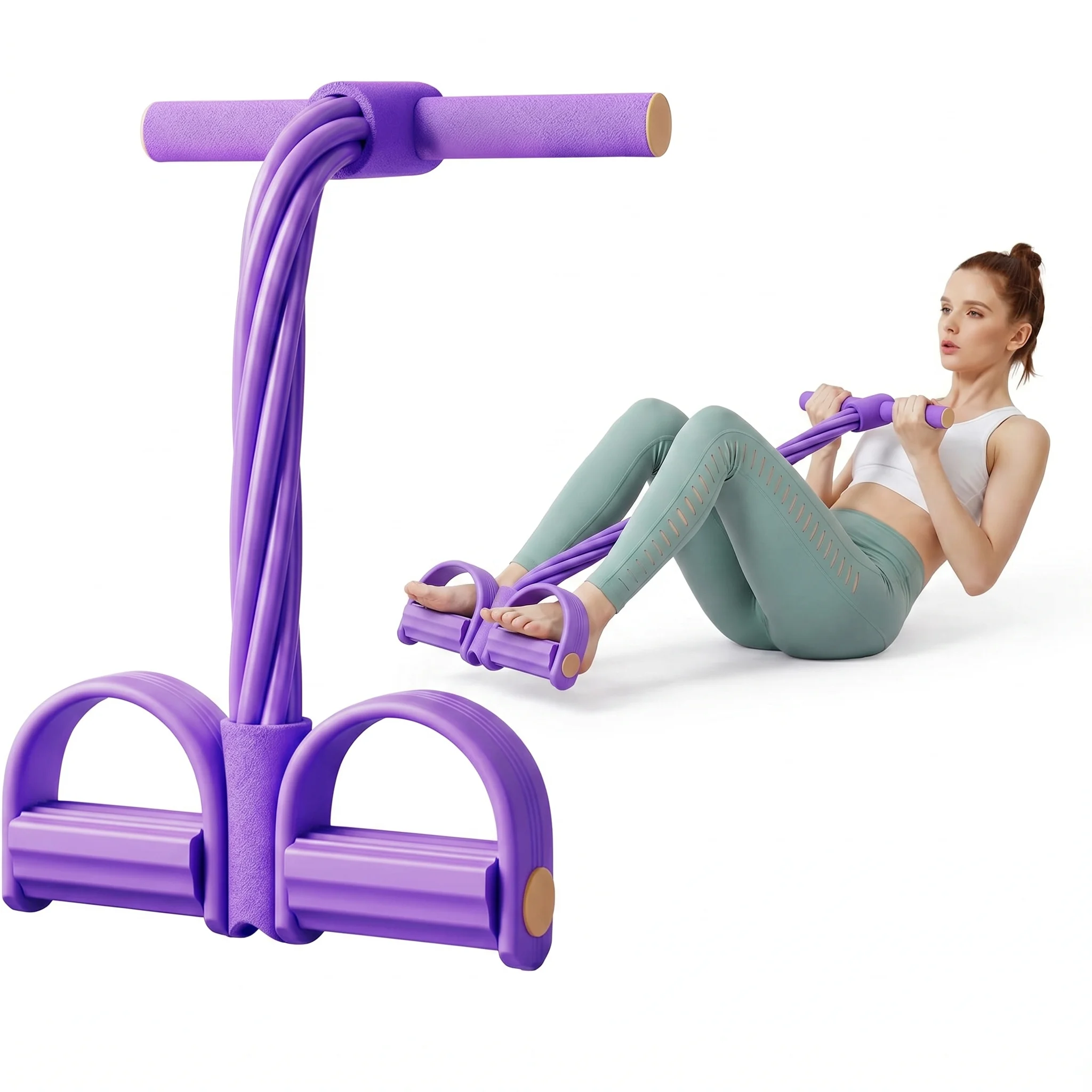
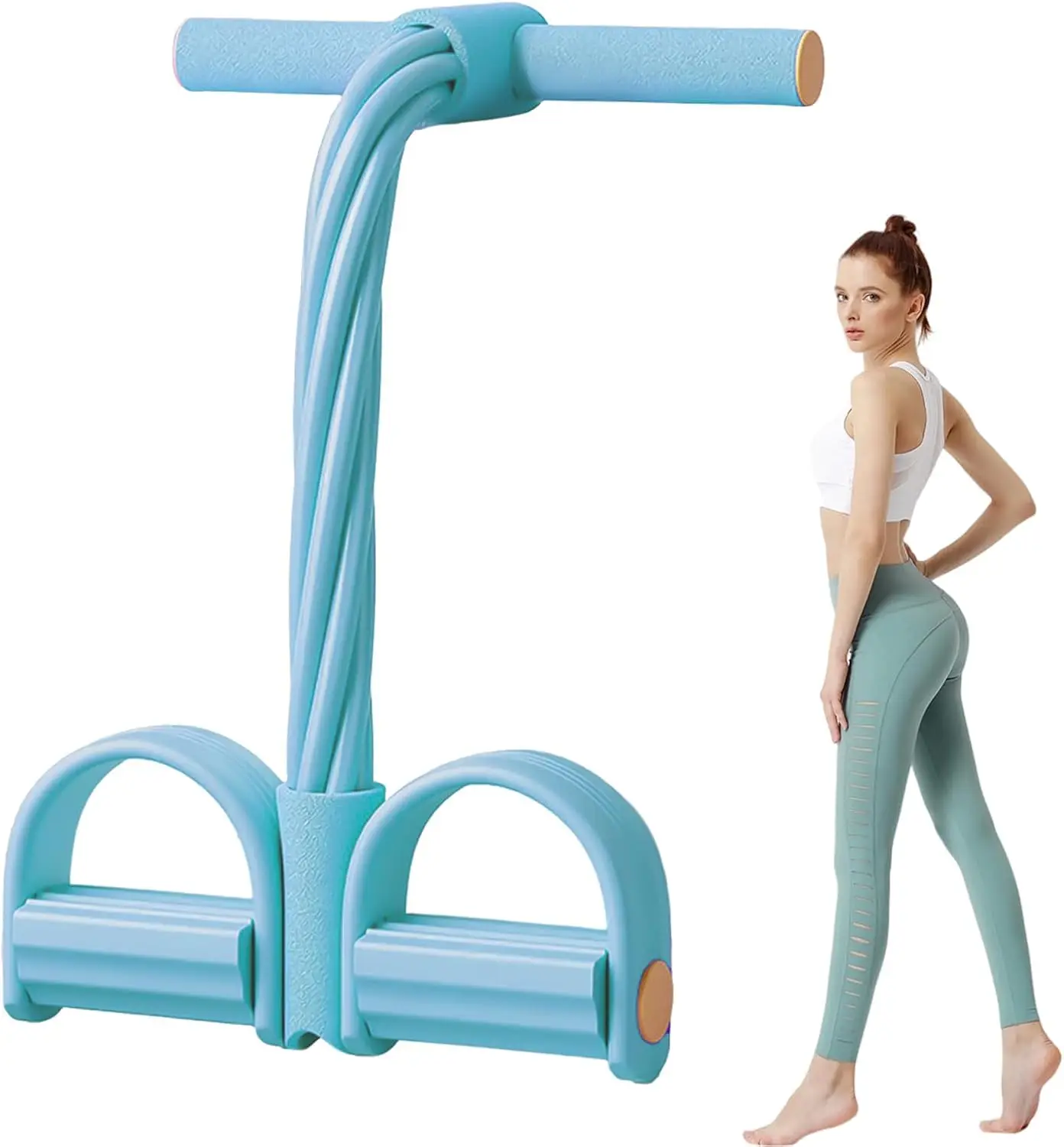
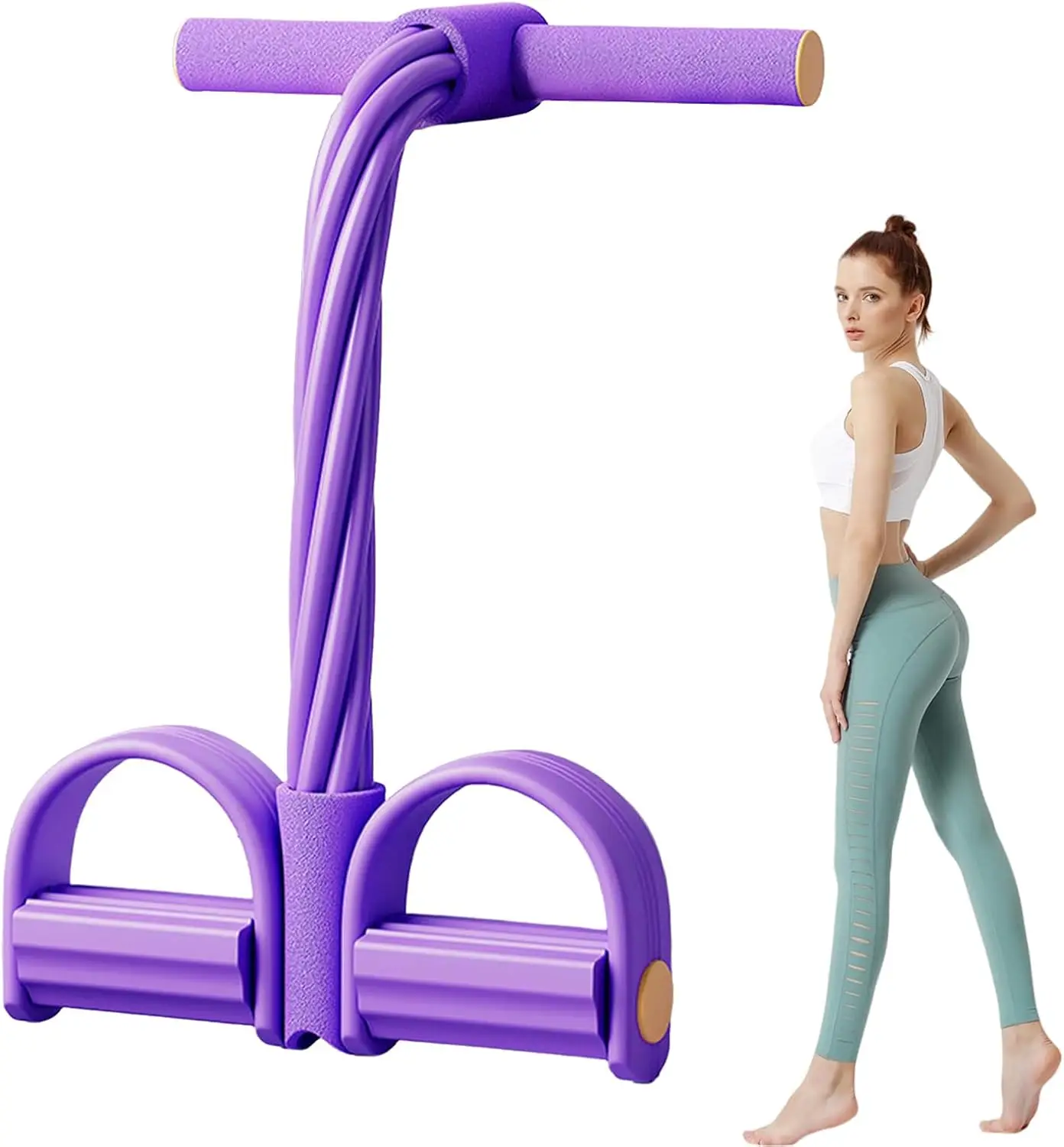
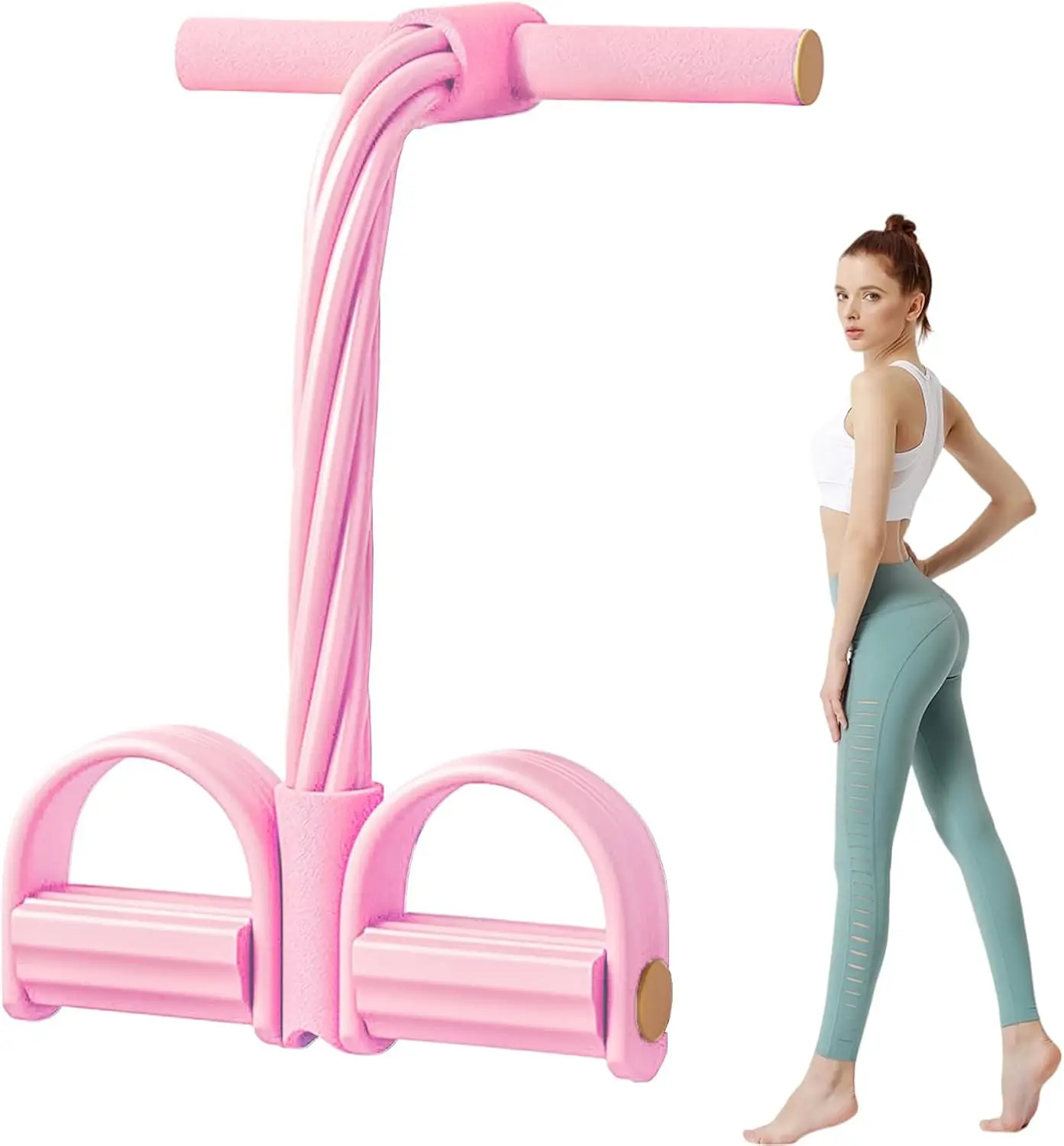
A plain resistance band ends at your hands. Anchor one end to the sole of the foot and the mechanics change: you can now pull against your own leg, which means you can drive a seated forward fold, a supine hamstring stretch, or a straight-leg raise with graded, controllable tension. Elastic resistance is ascending — it gets harder as it stretches — so the load rises exactly as your muscle shortens and gains leverage. For stretching, that means you can ease into end-range slowly instead of bouncing. For core and arm work, it means constant tension with no momentum and no impact on the joints.
Key Benefits
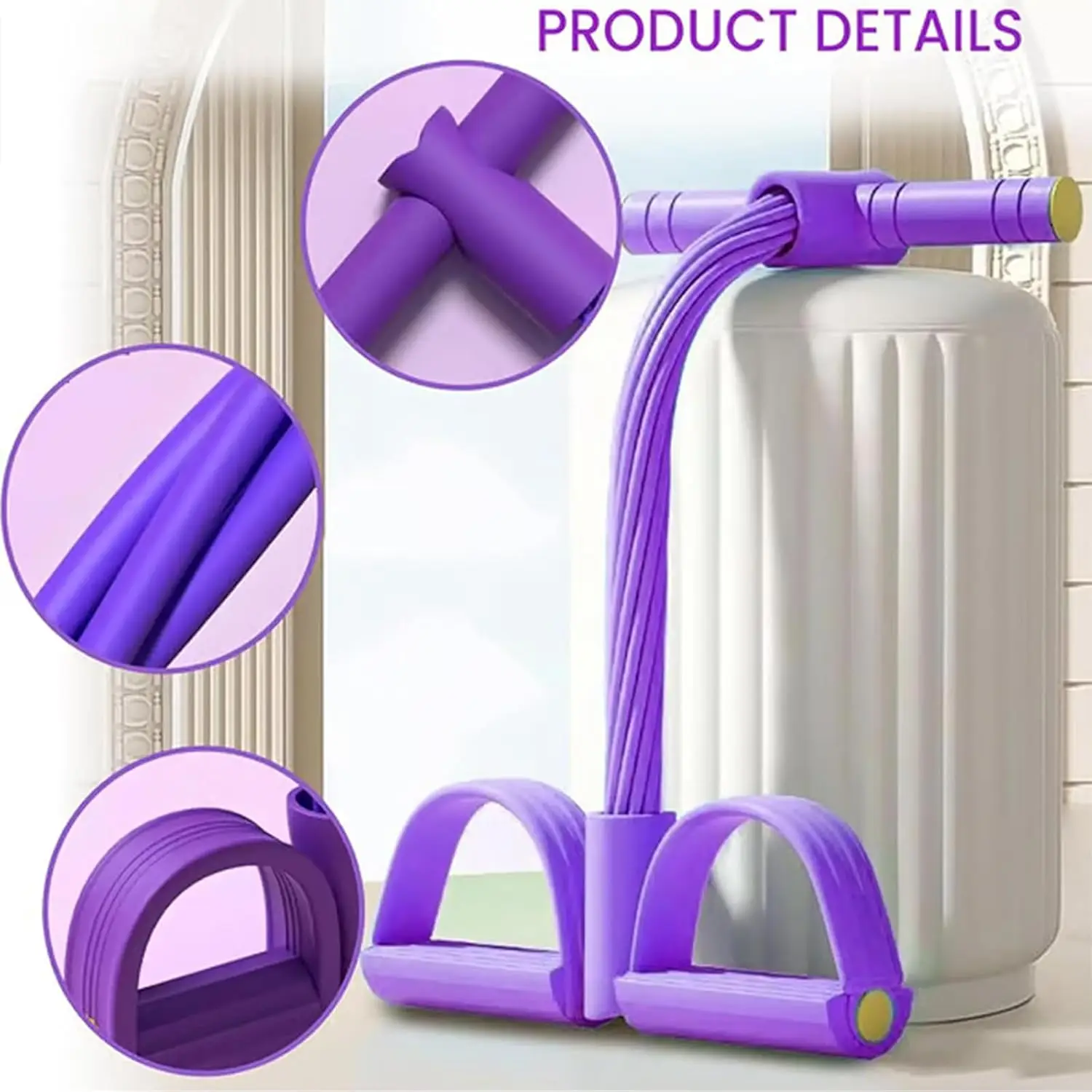
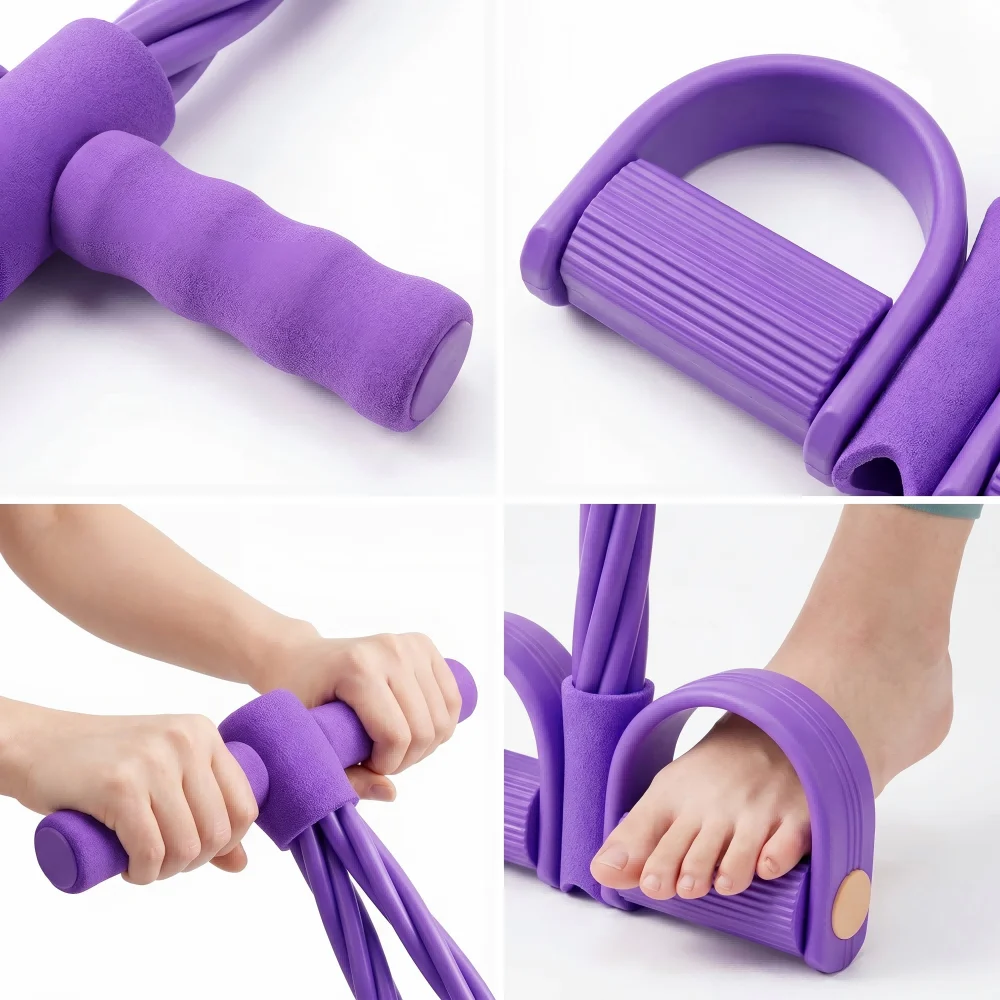
- Foot cradle gives you leverage — the padded stirrup lets you pull your own leg into a deeper hamstring, calf, or hip-flexor stretch without needing a partner or a doorway.
- Ascending elastic tension — resistance builds as you stretch the band, which is joint-friendly at the start of range and challenging at the end.
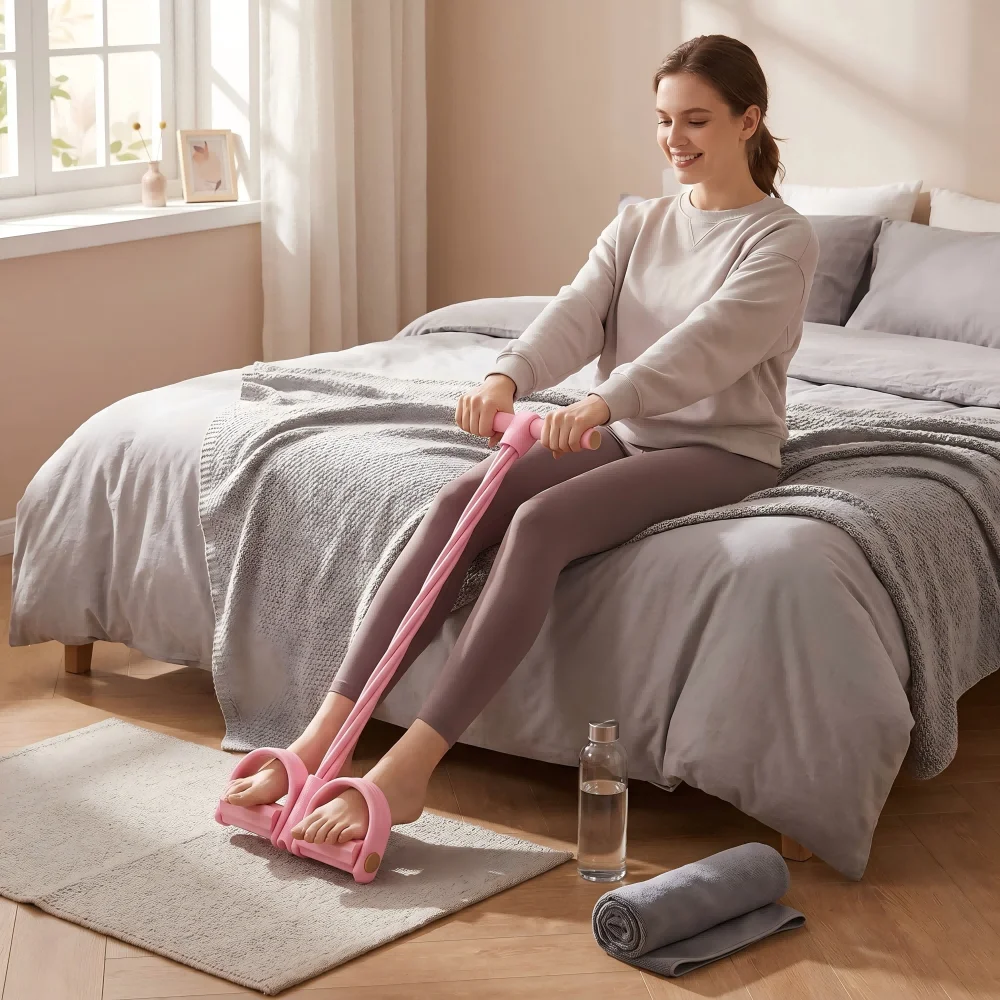
- Seated and floor-friendly — usable from a chair, a bed, or a mat, which makes it practical for post-injury range-of-motion work and for anyone who can’t get down onto the floor easily.
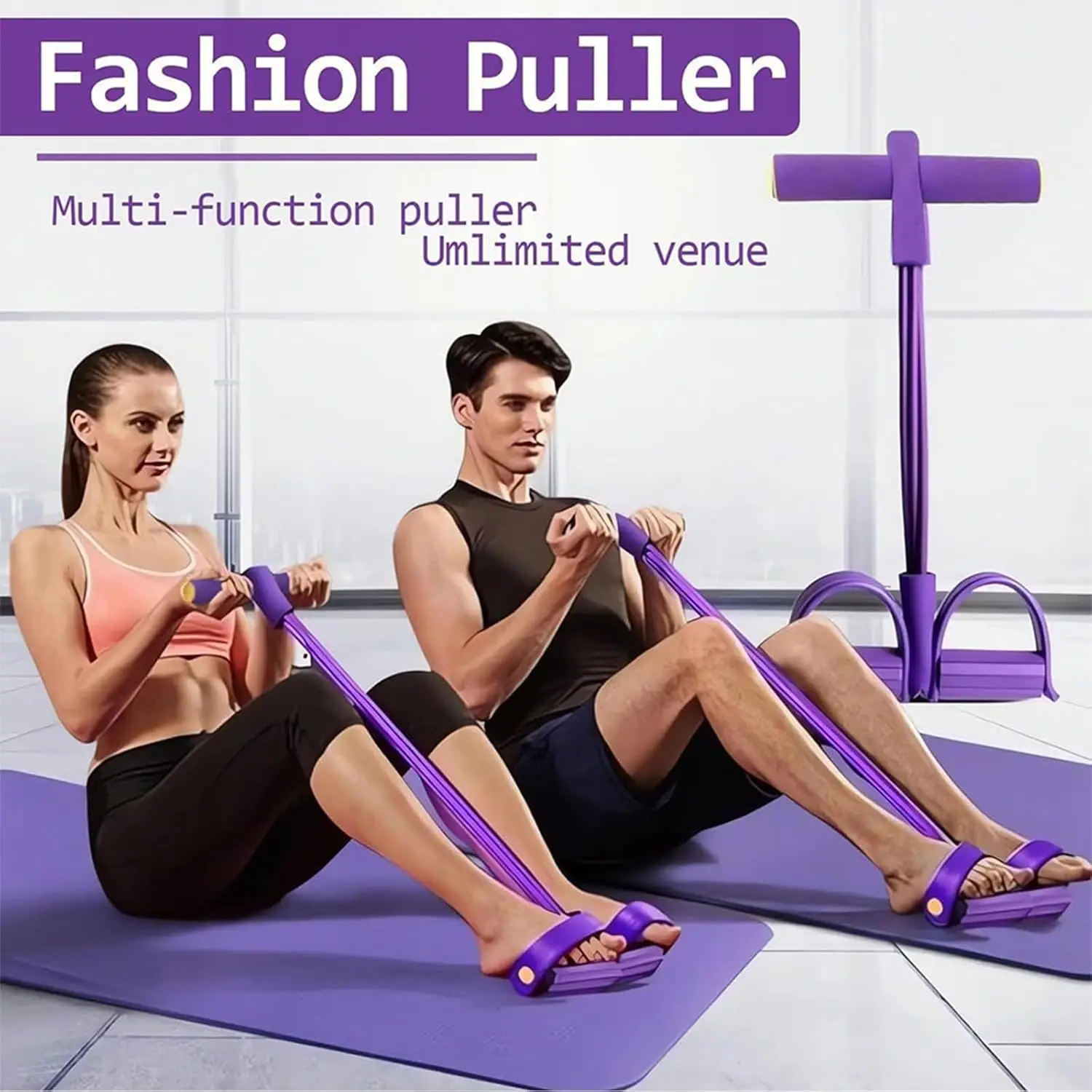
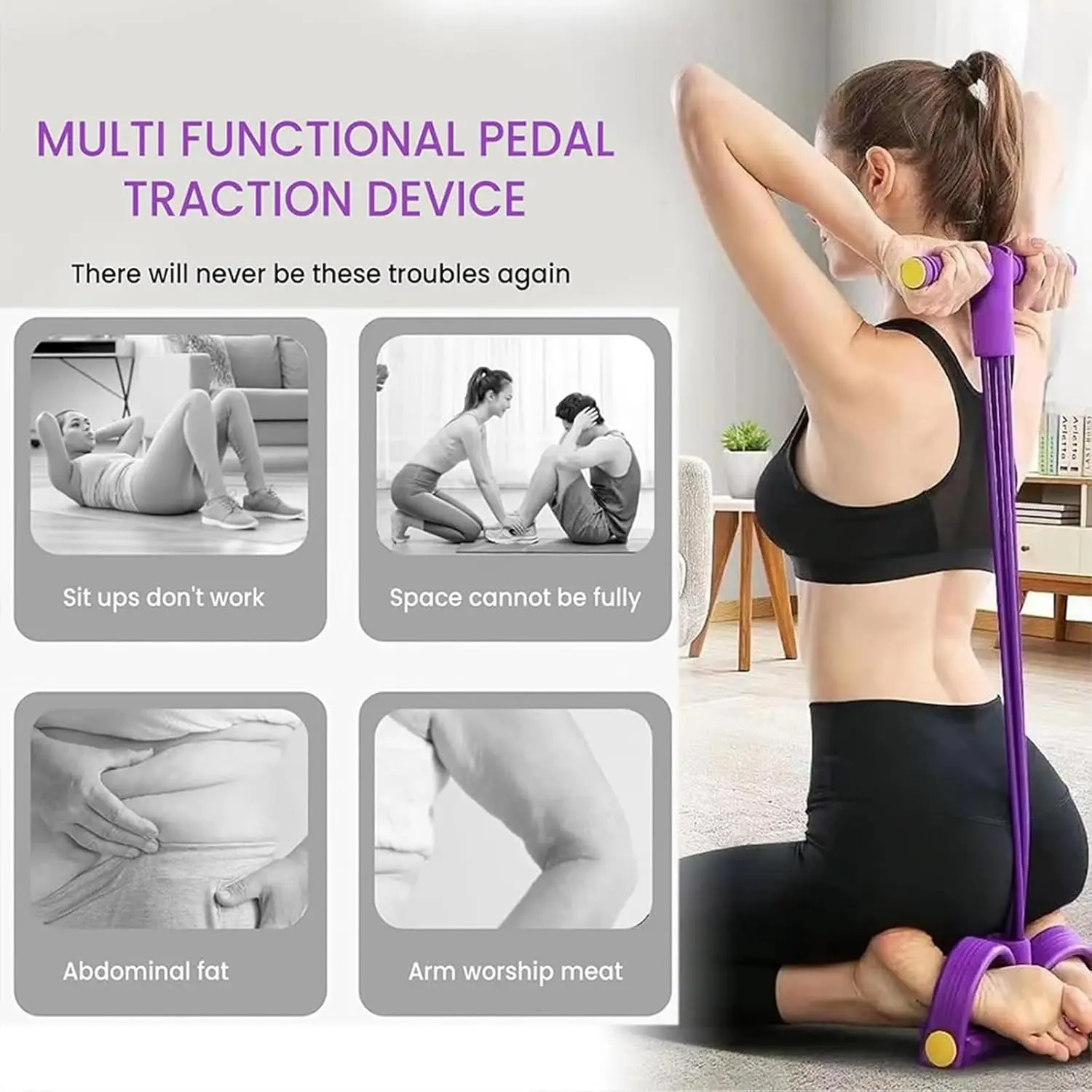
- Trains sit-ups, rows, presses and leg curls — the same band handles light upper-body pressing and pulling, so one item covers stretching and low-load strength.
- Weighs almost nothing — rolls into a fist-sized bundle, which is why it survives in a suitcase where dumbbells do not.
- Honest about limits — this is a flexibility and light-conditioning tool. It will not ‘maintain a perfect figure’ or reshape your body on its own; body composition is driven by overall training volume and diet, not by any single band.
How to Use
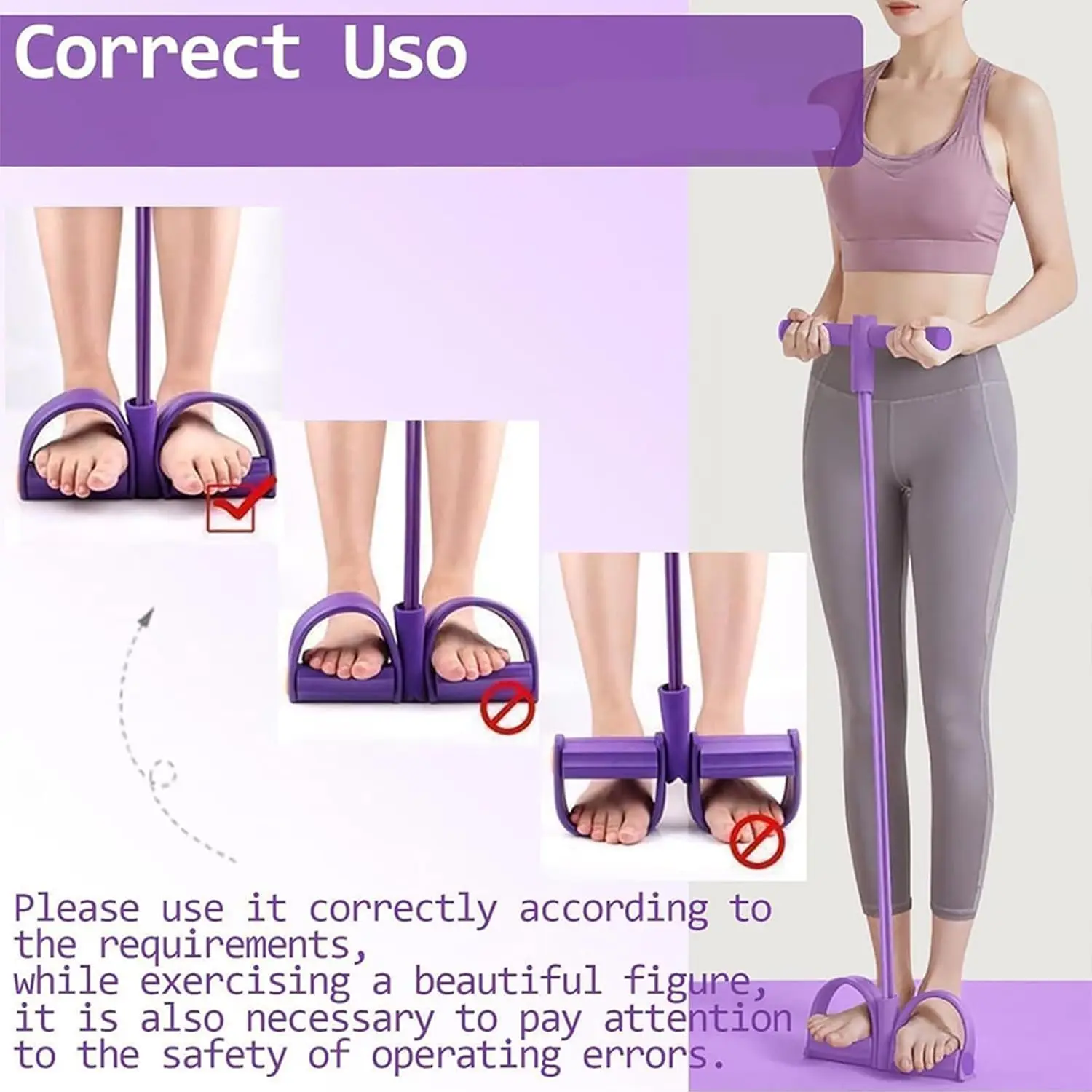
Sit on the floor with legs extended, hook the cradle under the ball of one or both feet, and hold a handle in each hand. For a hamstring stretch, keep the knee soft, sit tall, and pull gently until you feel a stretch in the back of the thigh — not a sharp pull behind the knee. Hold 30 to 60 seconds and breathe; do not bounce. For seated rows, pull the handles to your ribs with the elbows tracking close to the body. For assisted sit-ups, keep tension in the band and use it to control the descent rather than to yank yourself up. Safety: inspect the band before every single use for nicks, tears, or thinning — a band that fails under tension snaps back fast. Never stretch it toward your face or another person, never anchor it to anything that can come loose, and stop immediately if you feel joint pain rather than muscular stretch. If you are working around an injury, get clearance from a physiotherapist first.
Specifications
| Type | Pedal / foot-cradle elastic resistance band |
|---|---|
| Primary uses | Hamstring and calf stretching, seated rows, assisted sit-ups, light arm work |
| Material | Latex or TPE elastic tube with fabric or foam foot cradle |
| Handles | Two, with foam or plastic grips |
| Resistance level | Variant dependent — check listing |
| Adjustable length | Variant dependent |
| Suitable for | Beginners, home training, flexibility work, gentle rehab |
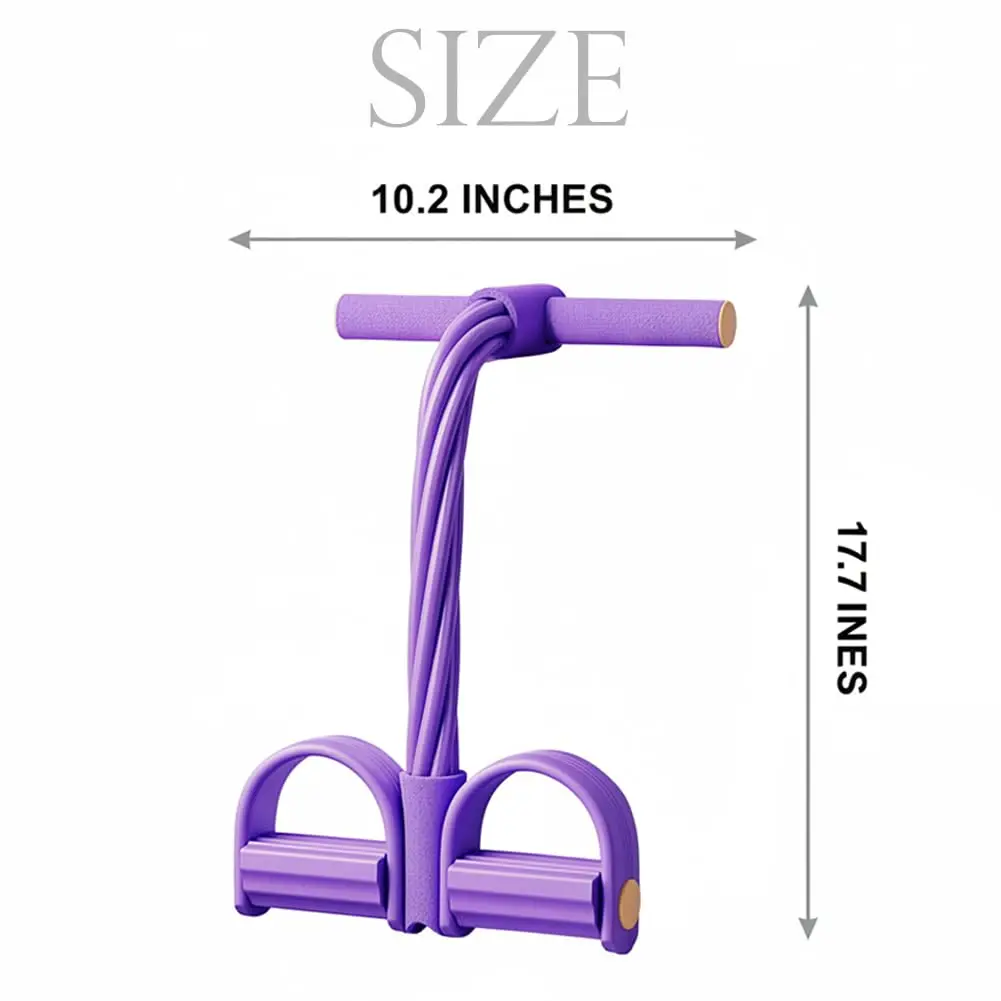
| Packed size | Compact — rolls into a small bundle |
Care & Maintenance
Wipe with a damp cloth after use and dry fully before storing; sweat and body oils degrade latex. Keep the band away from direct sunlight, heat sources, and sharp edges — UV and heat are what make elastic go brittle and snap. Store loosely coiled, not tightly knotted or under tension. Do not use talc-based powders. Replace the band at the first sign of surface cracking, cloudiness, or a nick, regardless of how new it is.
What’s in the Box
1 x pedal resistance band with foot cradle and two handles. Carry bag included where the variant specifies.
Reviews
There are no reviews yet.