
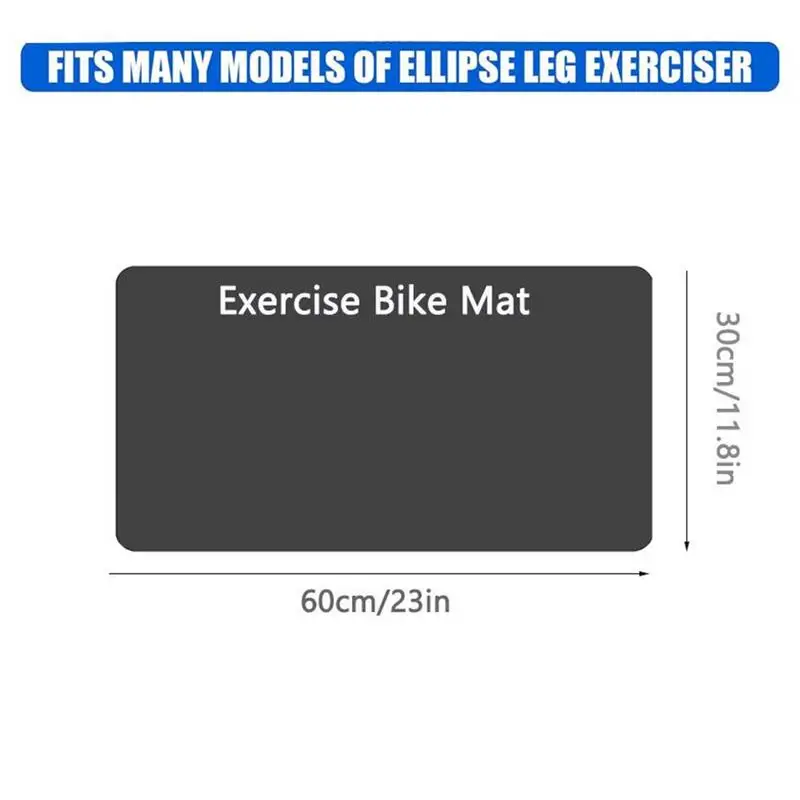
What a Cardio Machine Actually Does to Your Floor
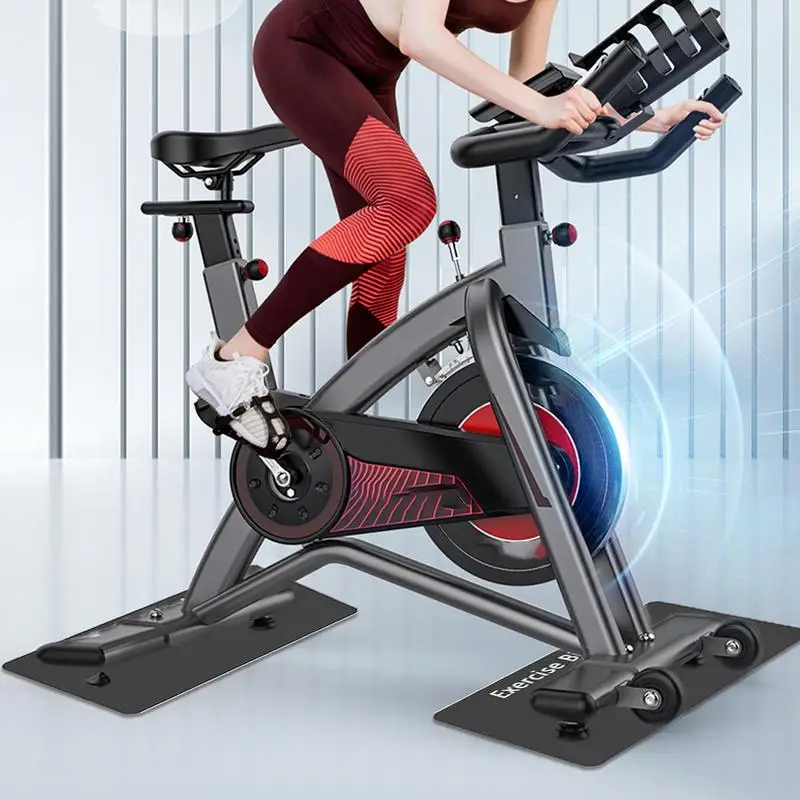
A treadmill or spin bike concentrates a lot of mass onto four small feet, and then adds a repeating impact load on top of it. That combination does three things. It point-loads the floor, denting laminate and carbon-copying the feet into carpet. It transmits vibration into the subfloor and joists, which is what the room below hears. And it lets the machine walk — every footstrike nudges it a millimetre, and over a few weeks it has migrated across the room. A dense mat with a high-friction surface raises the coefficient of friction under the feet so the machine stays put, spreads the point load over a wider area, and absorbs part of the vibration before it reaches the structure. It also catches sweat, which is salty and corrodes both flooring finish and the machine’s own frame.
Key Benefits
- Stops the machine creeping. The textured surface grips the feet, so your bike is in the same place in month three as it was on day one.
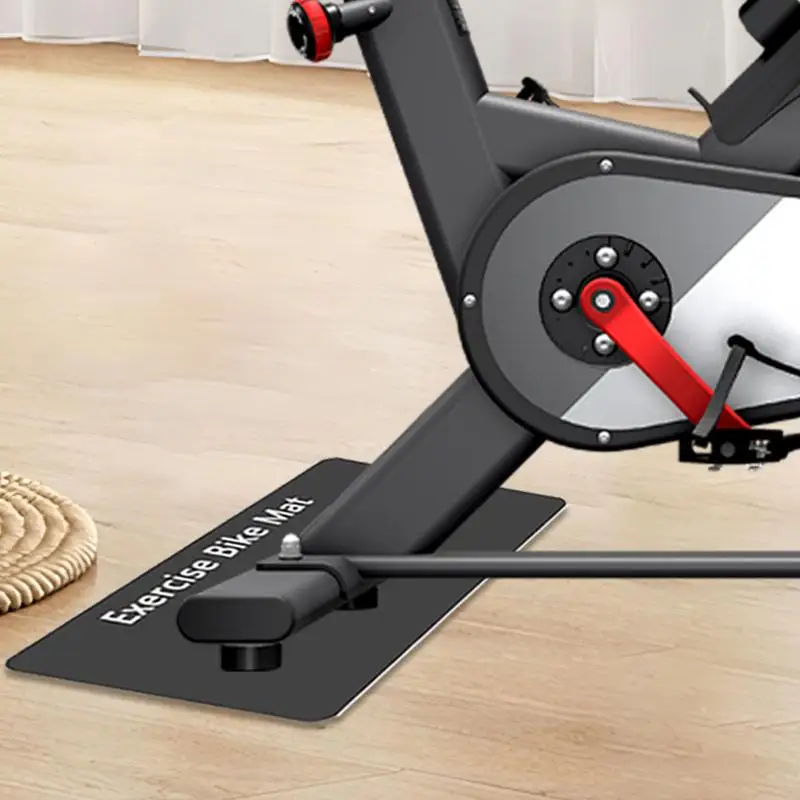
- Spreads point loads. Instead of four small feet driving into laminate or carpet pile, the load is distributed across the mat’s footprint.
- Takes the edge off vibration. A damping layer between the frame and the floor reduces the buzz transmitted into the subfloor — noticeably, though not magically.
- Catches sweat before it reaches the floor. Sweat is corrosive; a wipeable mat is a lot easier to clean than a floorboard seam.
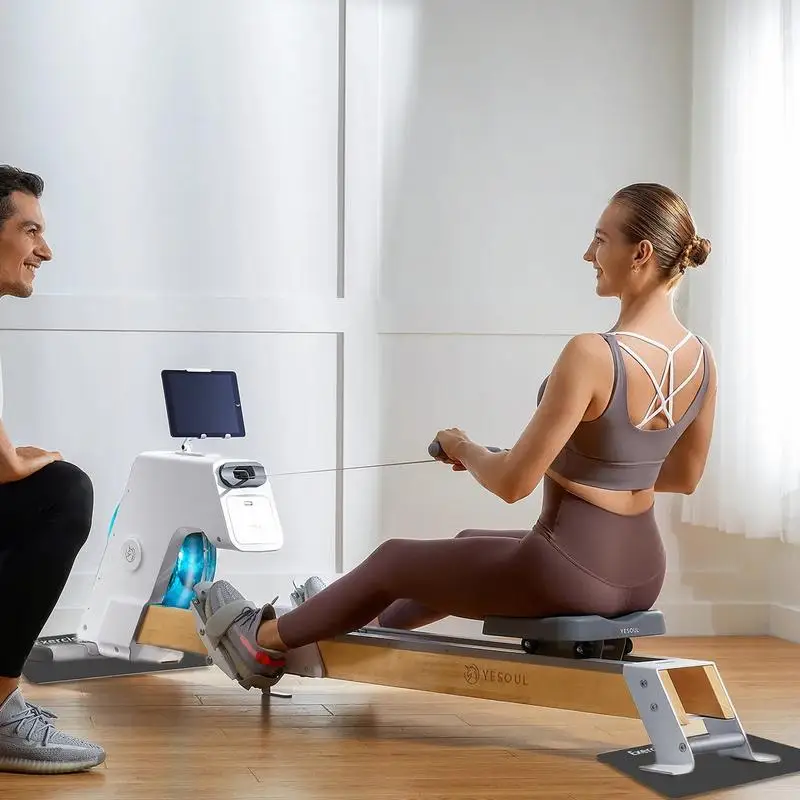
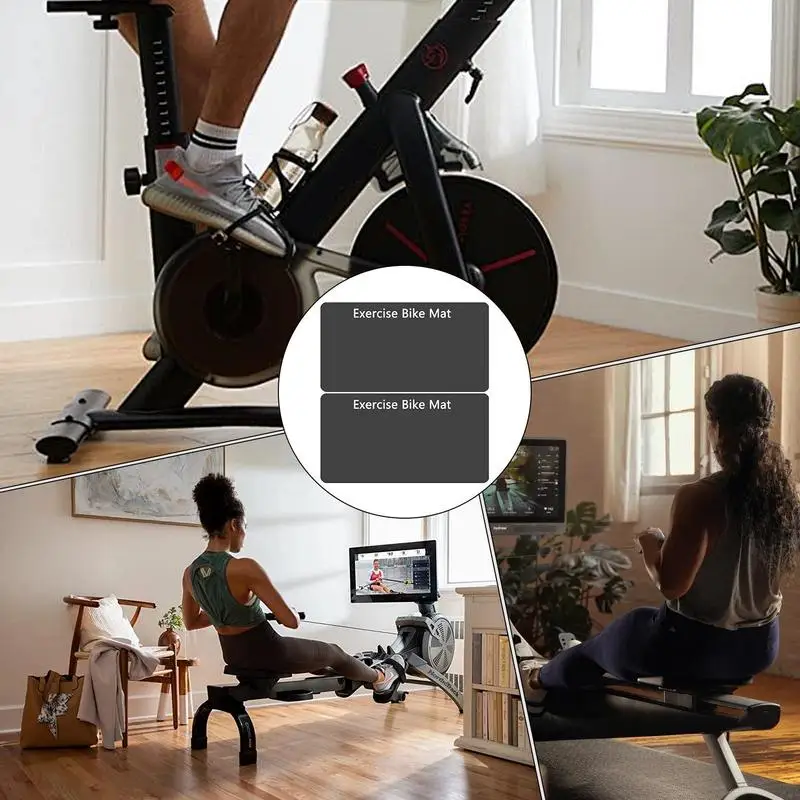
- Two mats, so you can size to the machine. Lay them side by side under a wide treadmill, or use them separately under a bike and a rower.
- Rolls up and goes away. Useful when the home gym is also the living room.
How to Use
Vacuum and dry the floor first — grit trapped under a mat will grind into the finish, which is the one way a mat can make things worse. Unroll both mats and leave them flat for a few hours so the curl relaxes before you put the machine on. Position the mats so every foot of the machine sits fully on a mat, well inside the edge; a foot half on and half off will rock. Wheel or walk the machine on with a second person if it is heavy — dragging it across the mat can shift or tear it. Honest note: at 3mm this is a protection and anti-slip mat, not acoustic isolation. It will reduce vibration and protect your floor, but it will not soundproof a flat, and a downstairs neighbour will still hear a treadmill. If impact noise is your main problem, you need thick rubber tiles or an isolation platform, not a mat.
Specifications
| Thickness | 3mm |
|---|---|
| Quantity | Set of 2 mats |
| Surface | Textured non-slip, both faces |
| Primary use | Under treadmills, exercise bikes, ellipticals, rowers |
| Function | Floor protection, anti-slip, vibration damping, sweat catching |
| Suitable floors | Hard floors, laminate, tile, low-pile carpet |
| Storage | Rolls up |
| Dimensions | Variant dependent — check the listed size against your machine’s footprint |
Care & Maintenance
Wipe down with a damp cloth and a mild detergent after sweaty sessions; do not use solvents or bleach, which can harden the surface and destroy the grip. Lift the mat and vacuum underneath every month or so, because trapped grit is the main cause of floor scratches under a mat. Always roll for storage — folding creases the material permanently and creates a raised ridge that will make a machine rock.
What’s in the Box
2 × non-slip equipment mats, 3mm thick. Supplied rolled.

Reviews
There are no reviews yet.