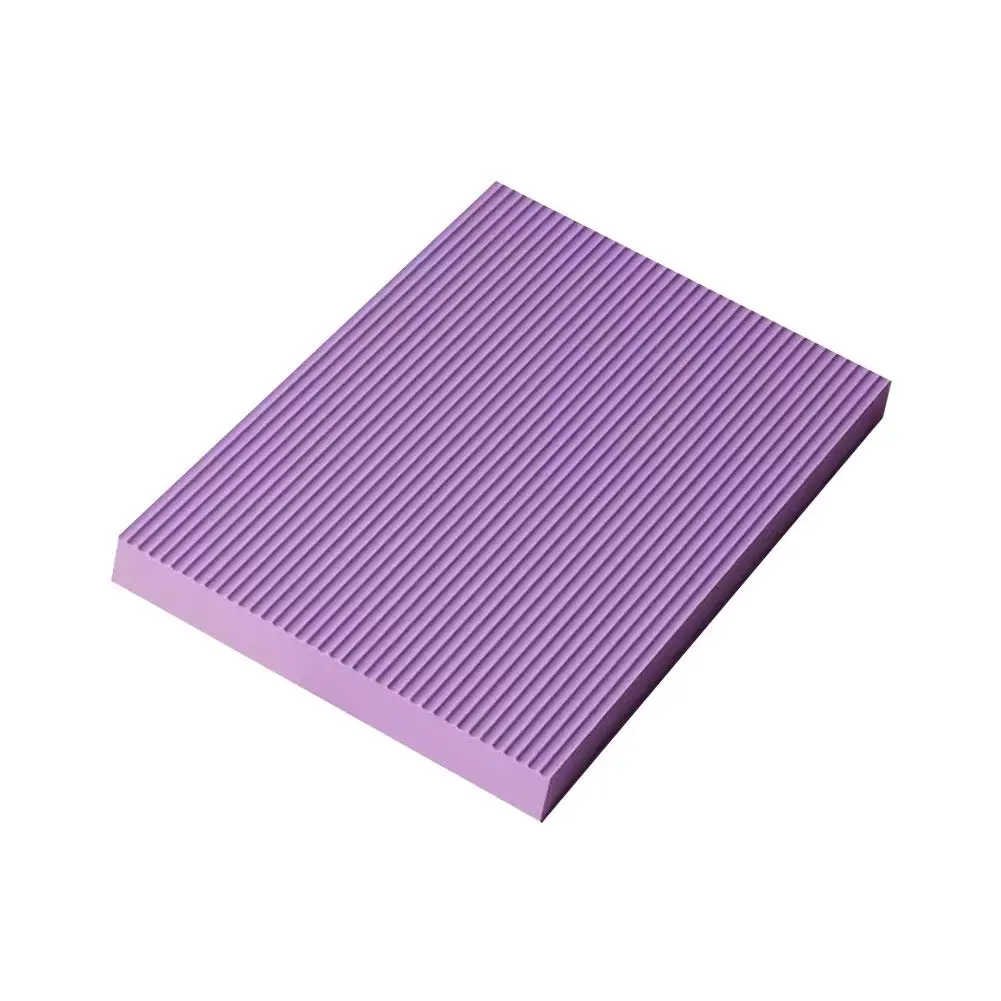
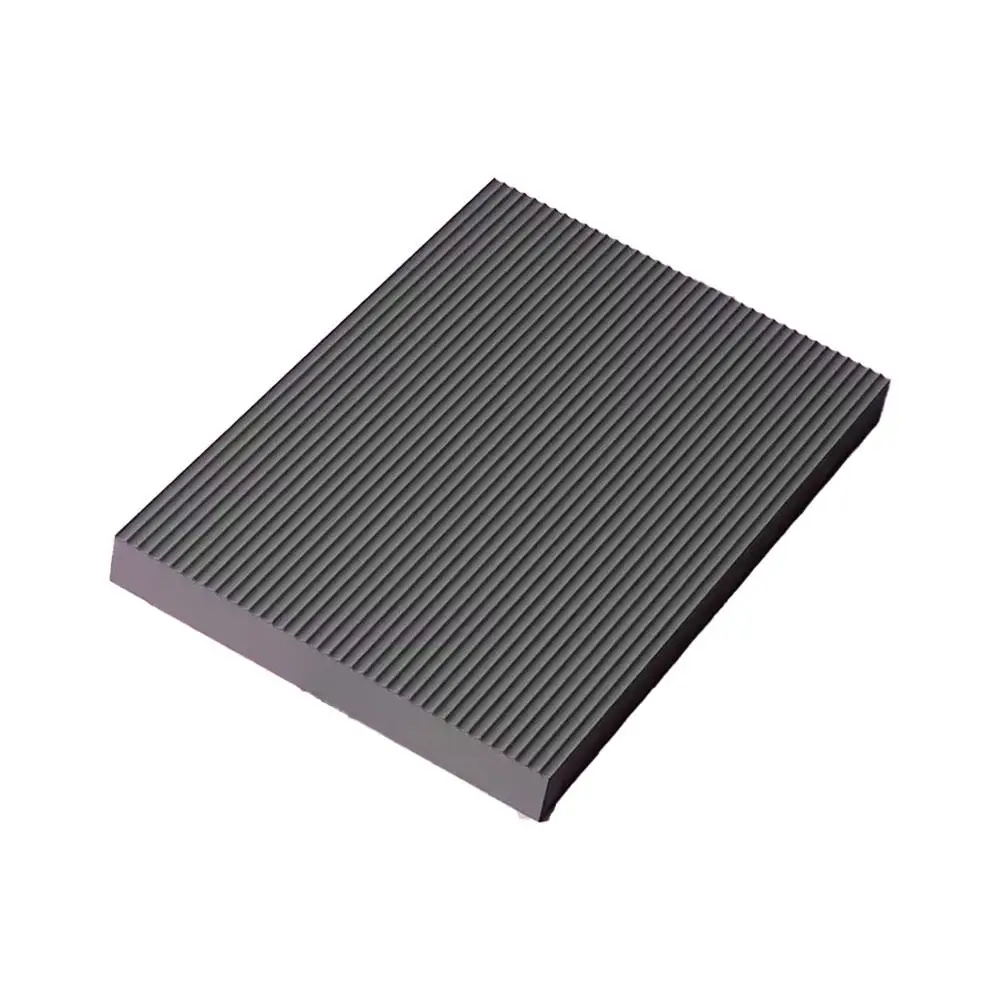
Unstable on Purpose: How a Foam Pad Retrains Balance and Ankle Control
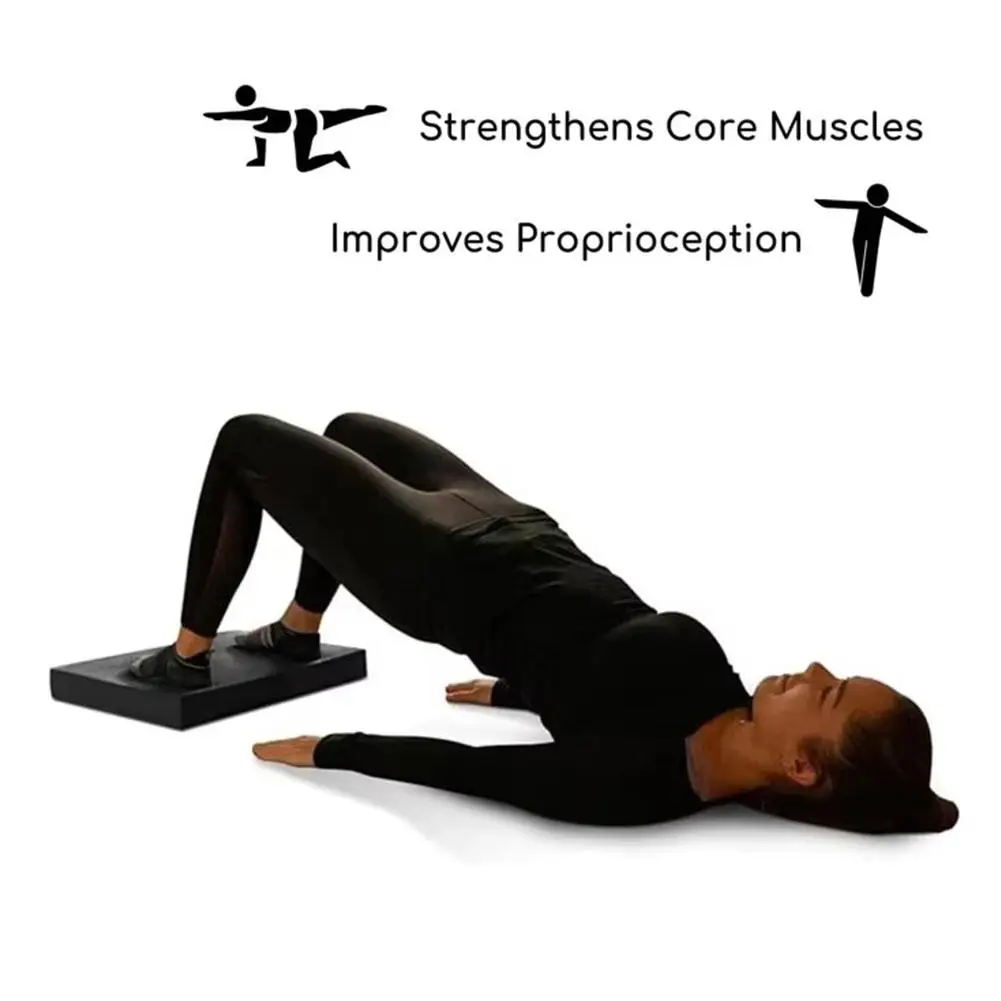
Balance is not a single skill — it’s your nervous system continuously reading position data from the joints and skin of your feet and firing small corrections. On a hard floor those signals are clear and the corrections are easy, so the stabilising muscles barely engage. A compliant foam pad deliberately degrades that input: the surface deforms under you, so the ankle, knee and hip must constantly re-solve the problem. This proprioceptive challenge is why foam balance pads are standard equipment in ankle sprain rehabilitation and fall-prevention programmes.
Key Benefits
- Forces the stabilisers to actually work. Your tibialis posterior, peroneals and deep hip rotators are largely idle on a flat floor. On an unstable surface they have no choice but to fire, continuously.
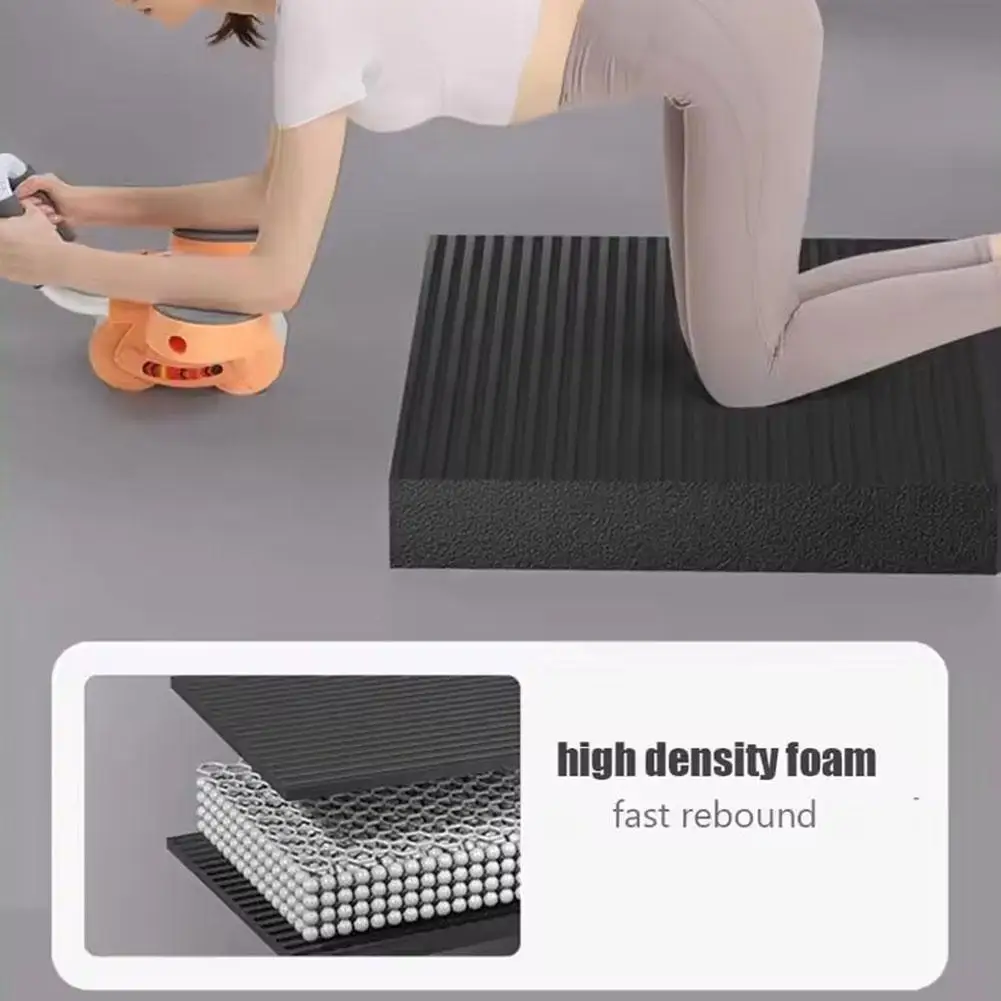
- High-rebound foam, not a squashy mat. Cheap foam bottoms out and becomes a flat floor with extra steps. High-rebound foam keeps deforming and recovering, so the instability challenge persists through the whole set.
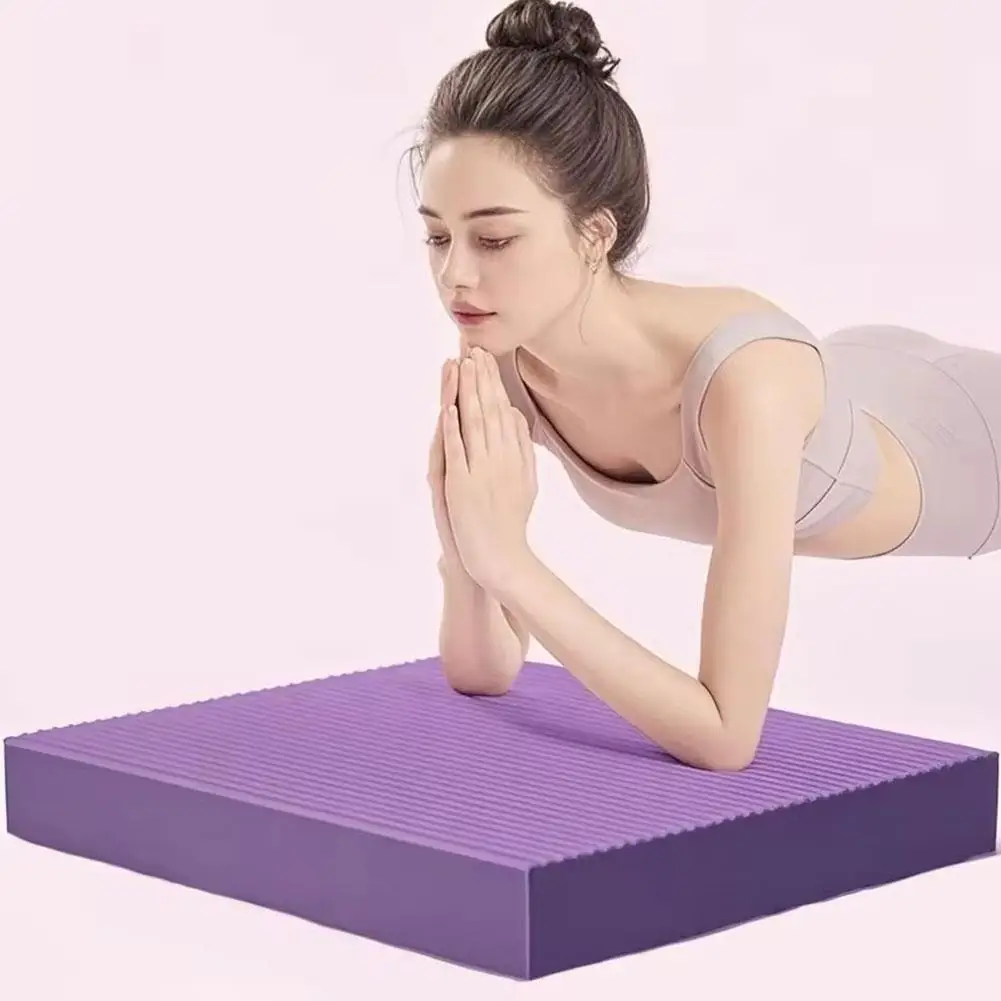
- Doubles as a knee-saving kneeling pad. Thick enough to make kneeling lunges, kneeling shoulder work and floor-based yoga bearable if you have sensitive knees.
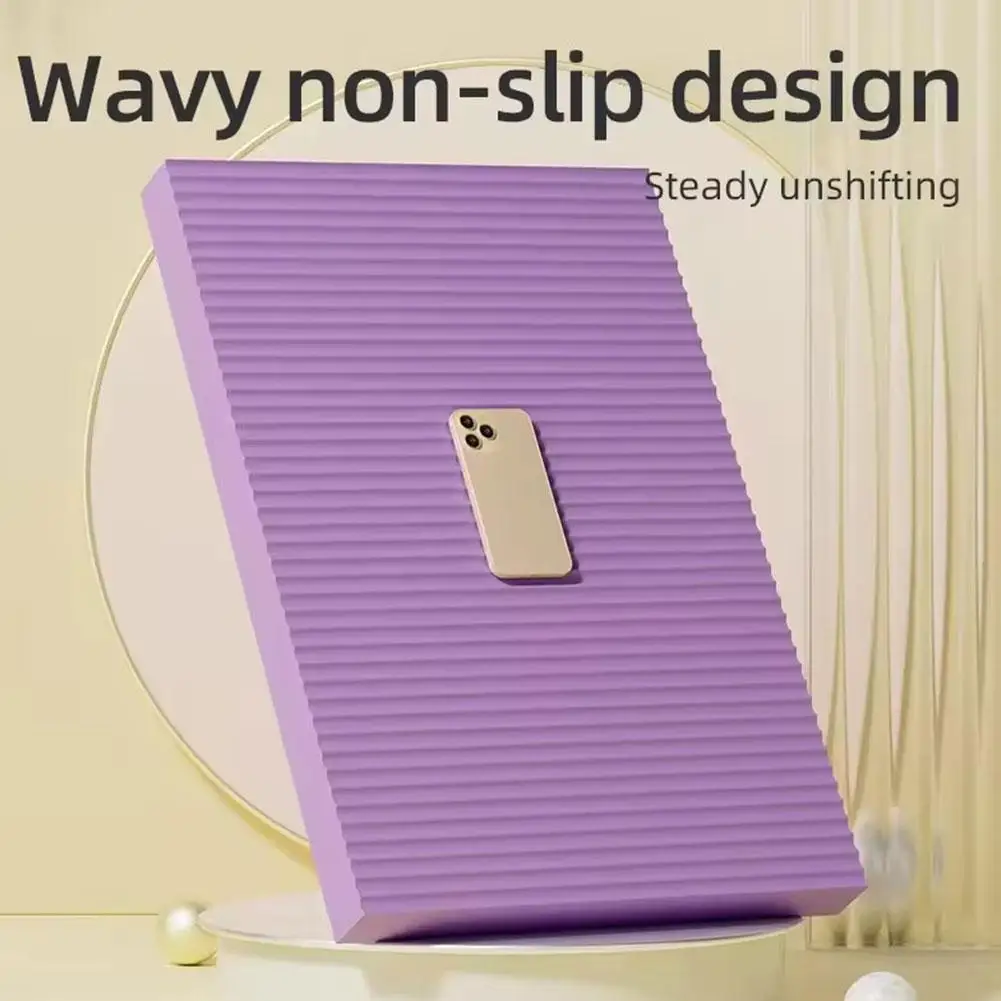
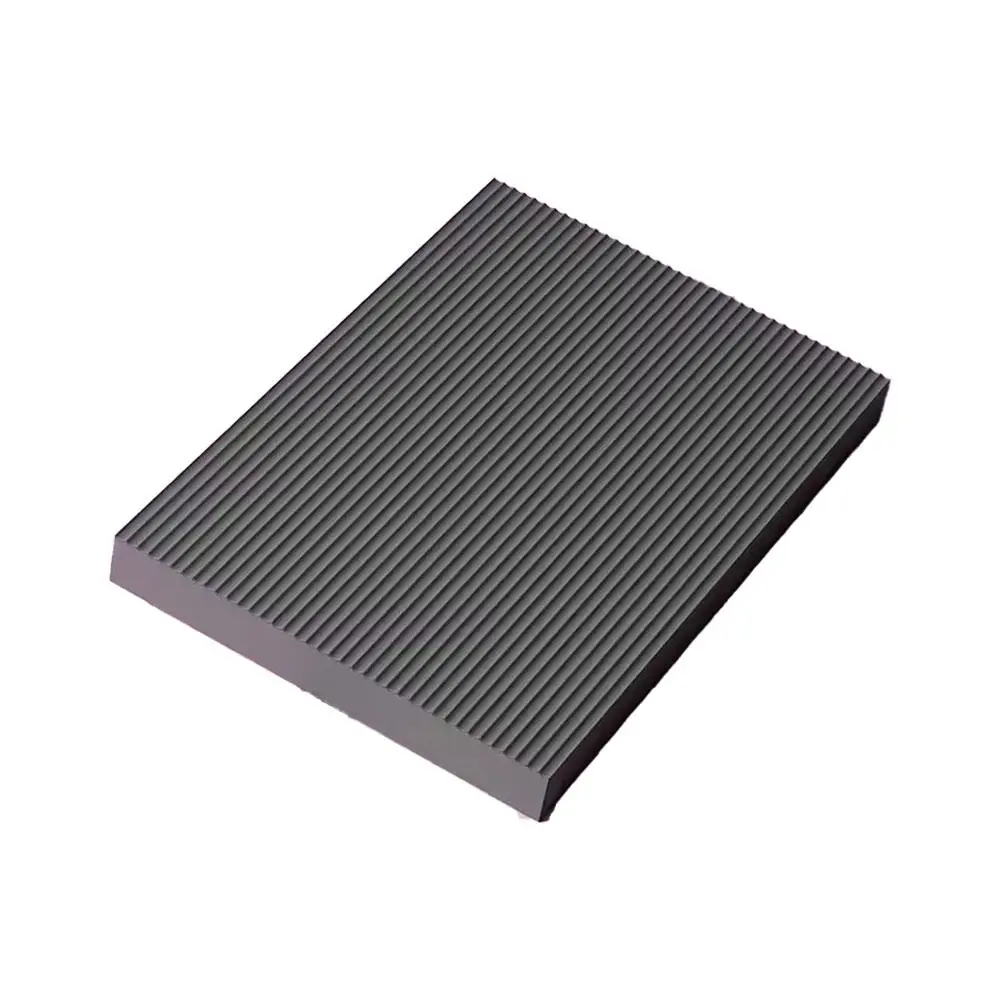
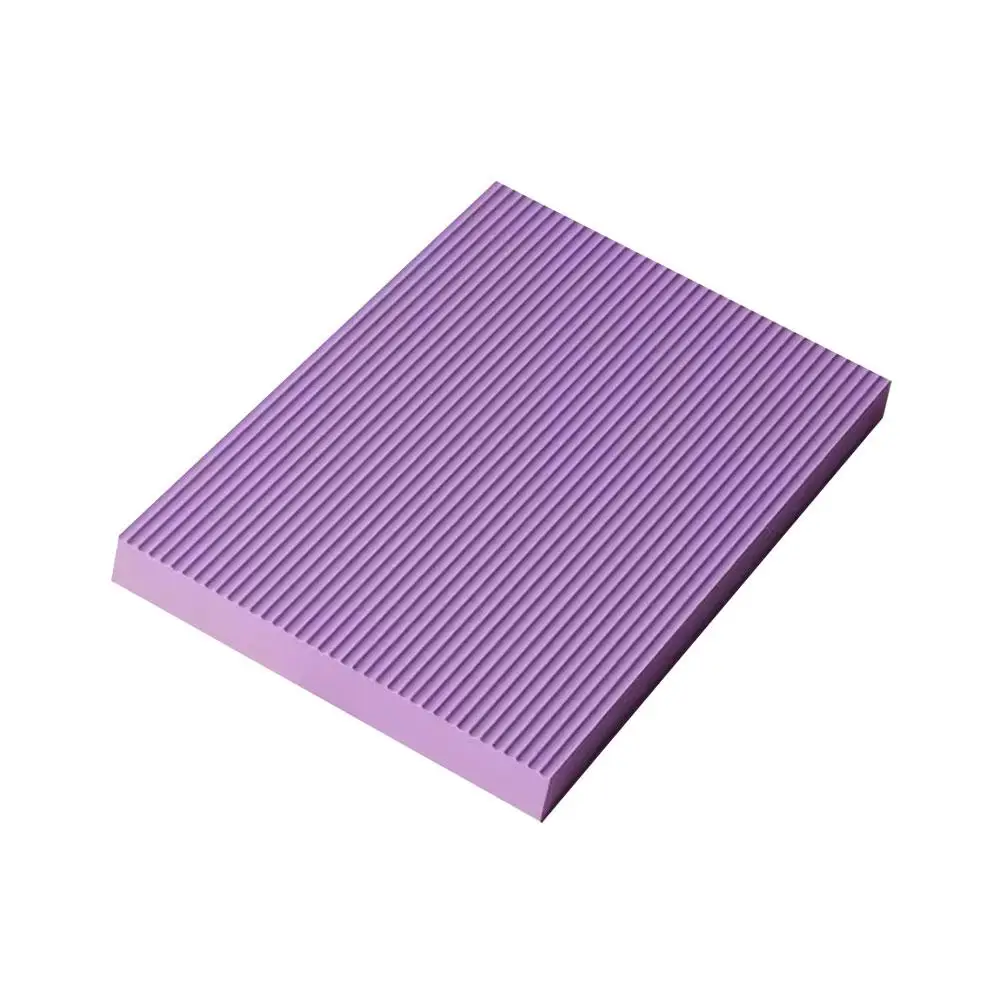
- Non-slip surface texture. The one thing you don’t want from a balance product is the pad itself sliding out from under you. The textured face grips both foot and floor.
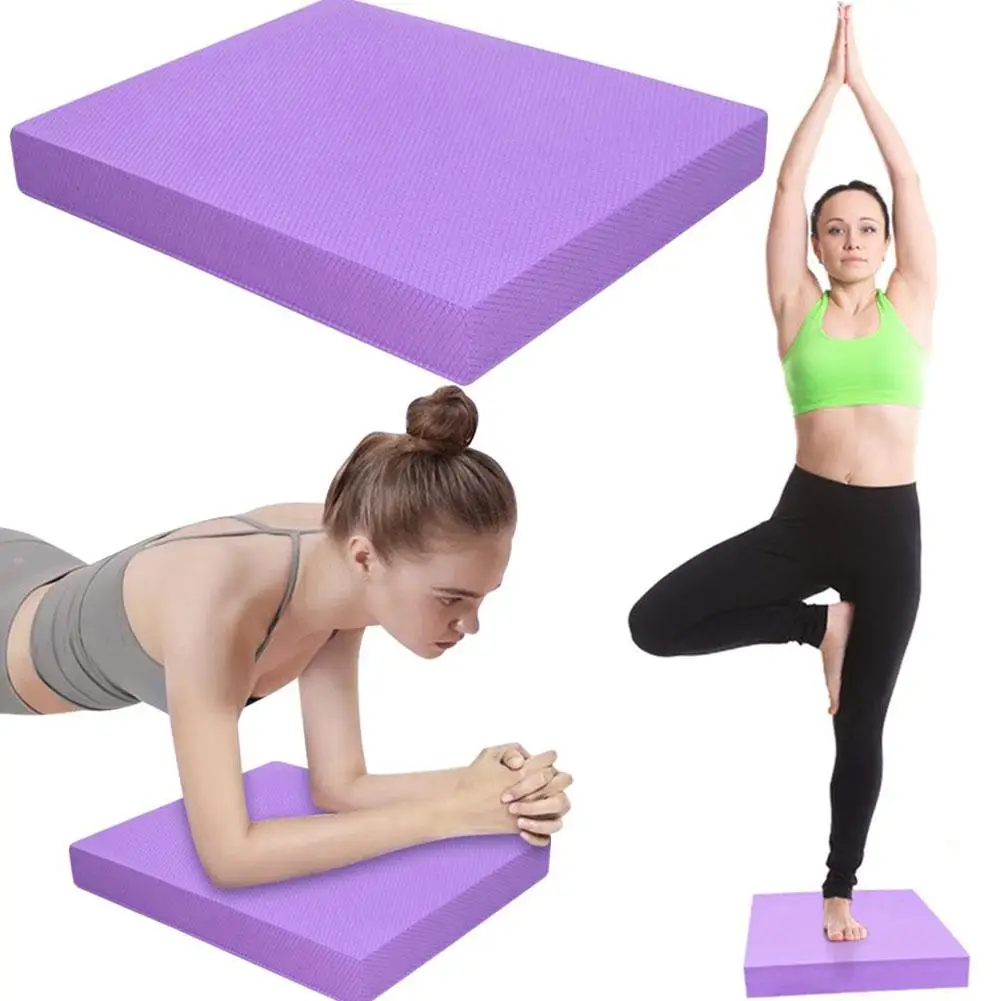
- Scales infinitely without adding weight. Two feet, then one foot, then one foot with eyes closed, then one foot catching a ball. The pad stays the same; the demand goes up enormously.
- Portable and quiet. Light enough to keep by a desk and use in five-minute blocks — which is how balance training actually produces results, through frequency rather than intensity.
How to Use
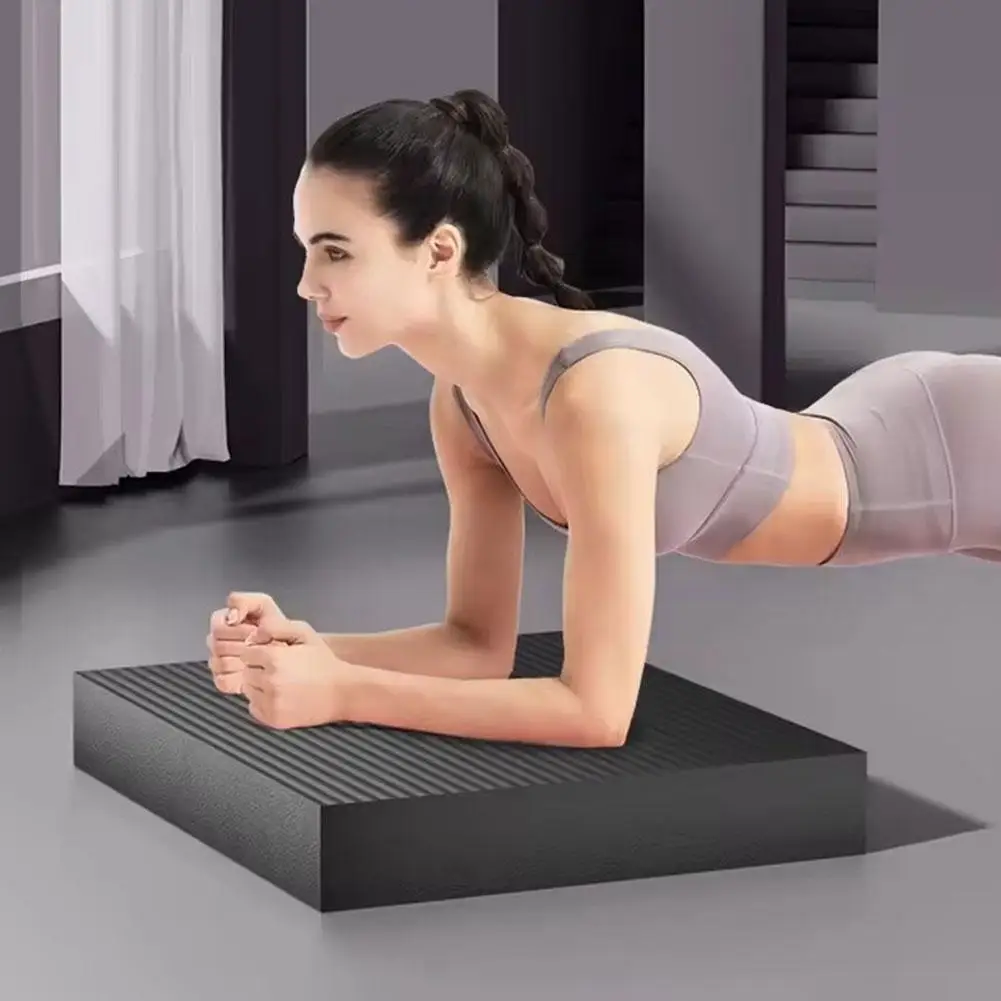
Start with both feet on the pad, hip-width apart, and simply stand for 30–60 seconds while your ankles find the rhythm. Once that feels dull, progress to a narrow stance, then a tandem (heel-to-toe) stance, then a single-leg stand. The gold standard progression is closing your eyes on one leg — removing vision forces the nervous system to rely entirely on proprioception, and it is dramatically harder than it sounds. You can also use it under the knees for lunges and yoga, or under the hands for a harder plank. Balance training works best little and often: two or three minutes daily beats twenty minutes weekly. Safety: always set up beside a wall, doorframe or chair back you can reach, and clear the floor around you — the point at which you lose balance is not the point at which you want to discover a dumbbell behind you. If you have a diagnosed vestibular condition, significant dizziness, or are at genuine risk of falling, use this only with supervision.
Specifications
| Type | Foam balance / stability pad |
|---|---|
| Material | High-rebound closed-cell foam |
| Surface | Textured non-slip on both faces |
| Thickness | Thickened profile — exact depth variant dependent |
| Primary uses | Balance training, ankle & knee rehab, core stability, yoga, kneeling support |
| Trains | Proprioception, ankle stabilisers, deep hip and core musculature |
| Skill level | Beginner to advanced (progress by stance, not by load) |
| Portability | Lightweight, no assembly |
Care & Maintenance
Wipe with a damp cloth and mild soap; the closed-cell foam won’t absorb water, so it cleans easily and dries fast. Avoid solvents and alcohol wipes, which dry the foam out and cause surface cracking. Store flat rather than folded or under heavy objects — a permanent crease in a balance pad creates an uneven surface and a genuine trip risk.
What’s in the Box
1 x non-slip high-rebound foam balance training pad.
Reviews
There are no reviews yet.