A Tight Calf Is a Foot Problem Waiting to Happen
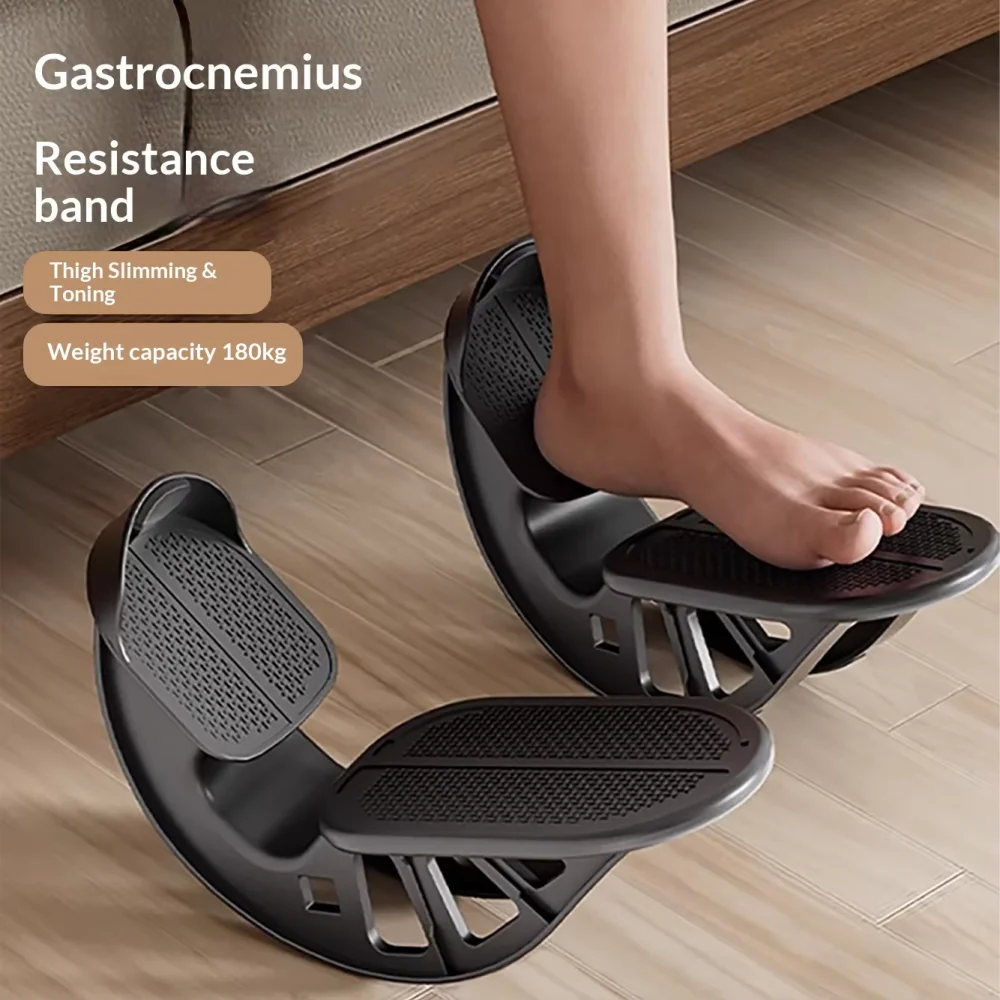
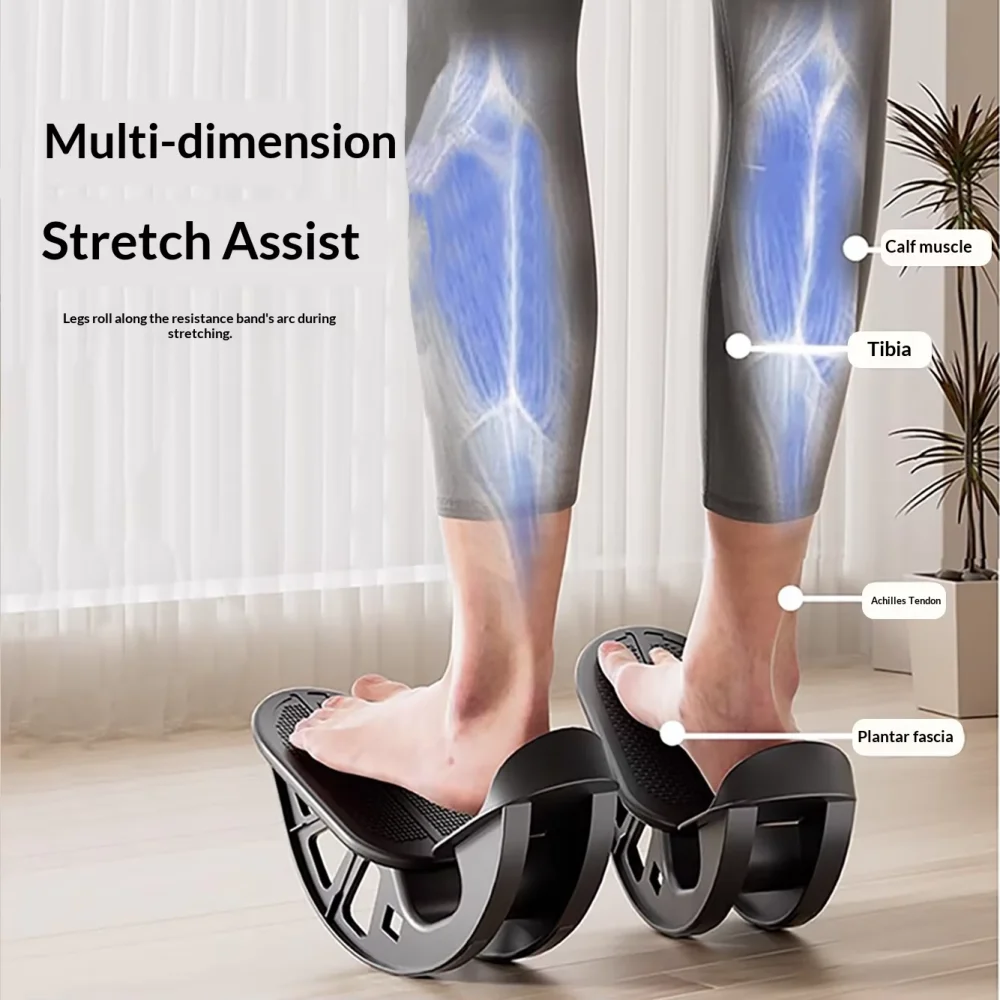
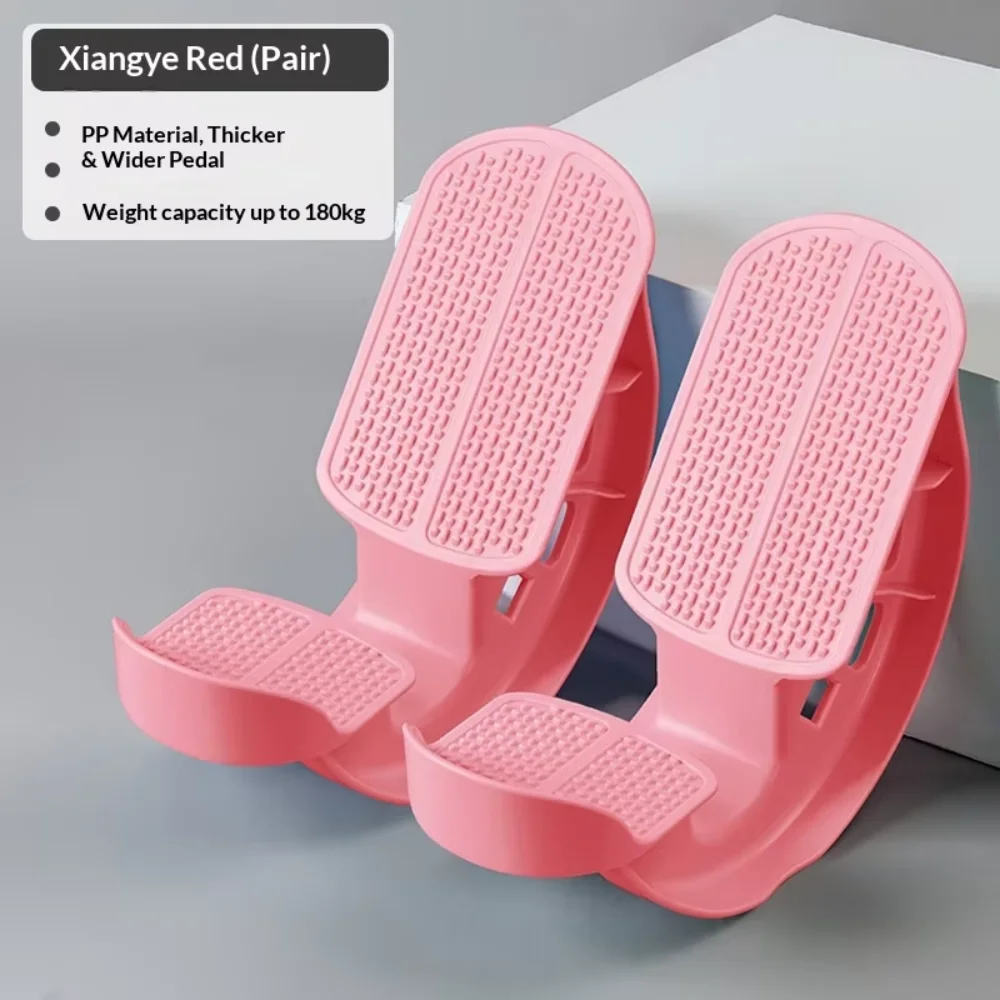
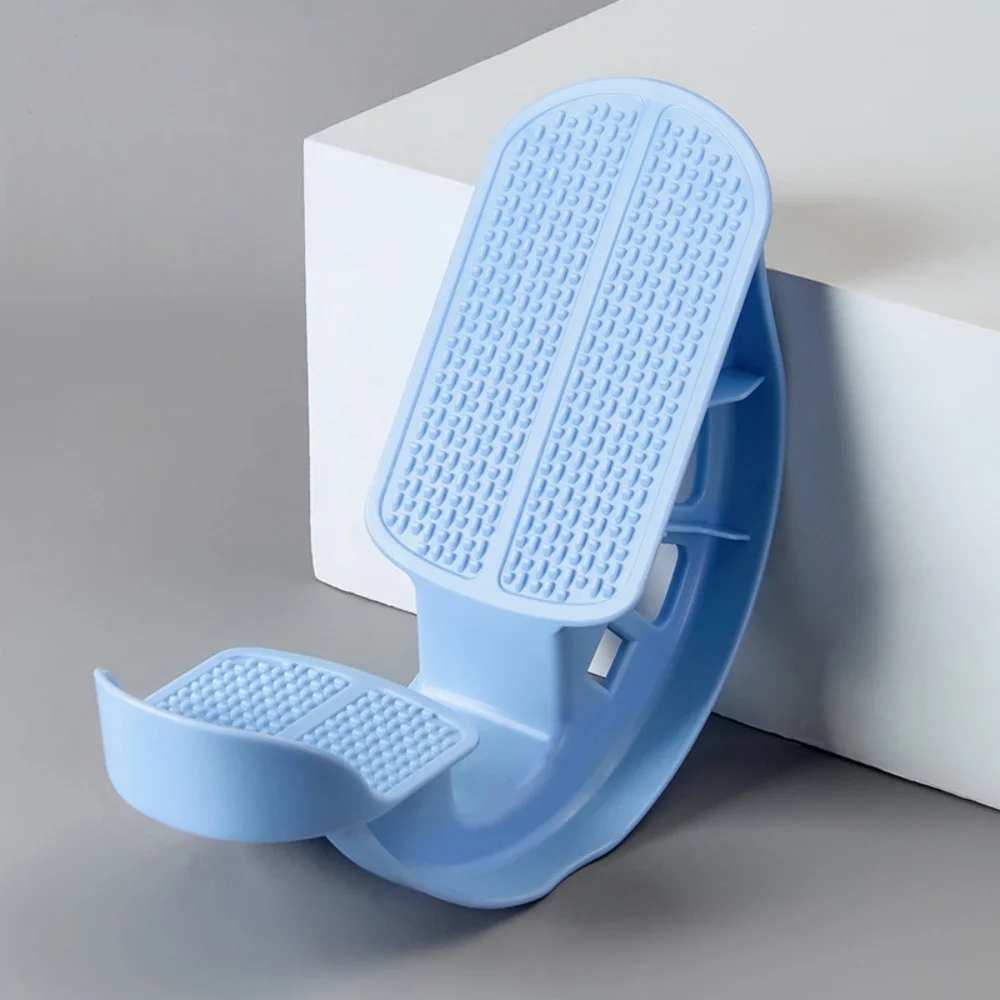
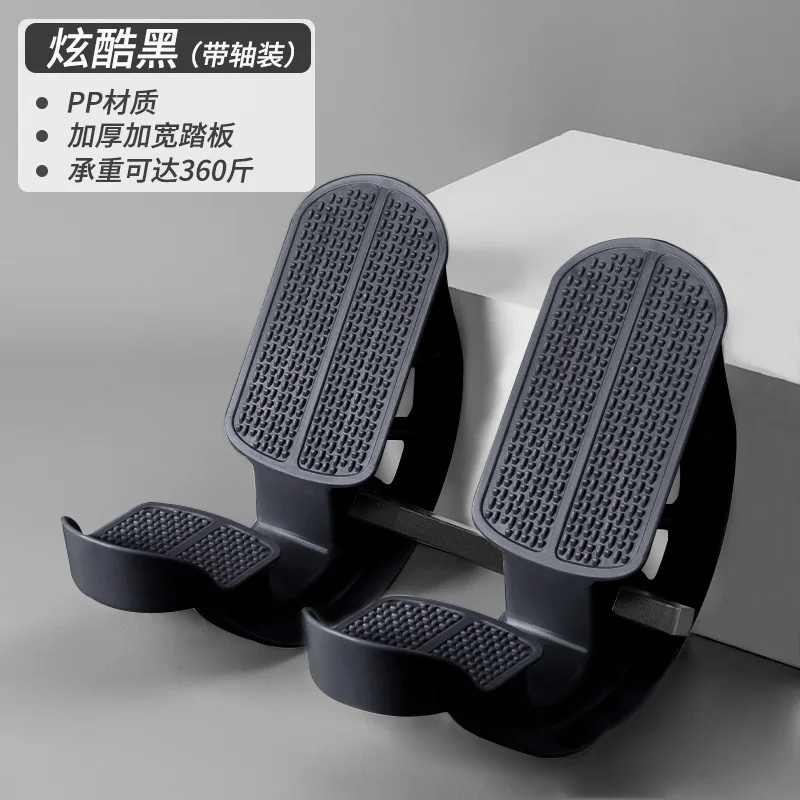
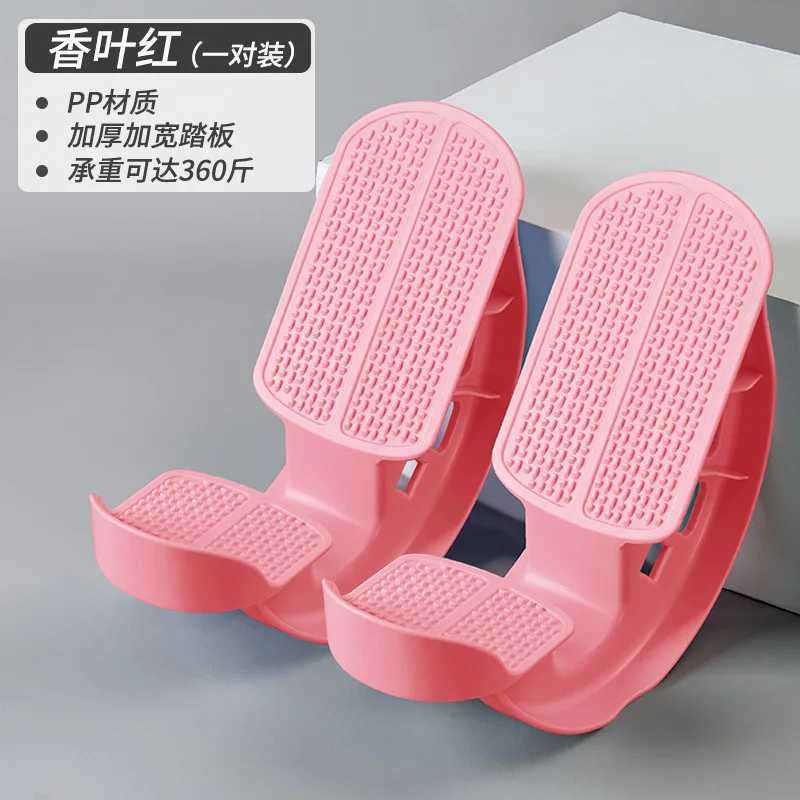
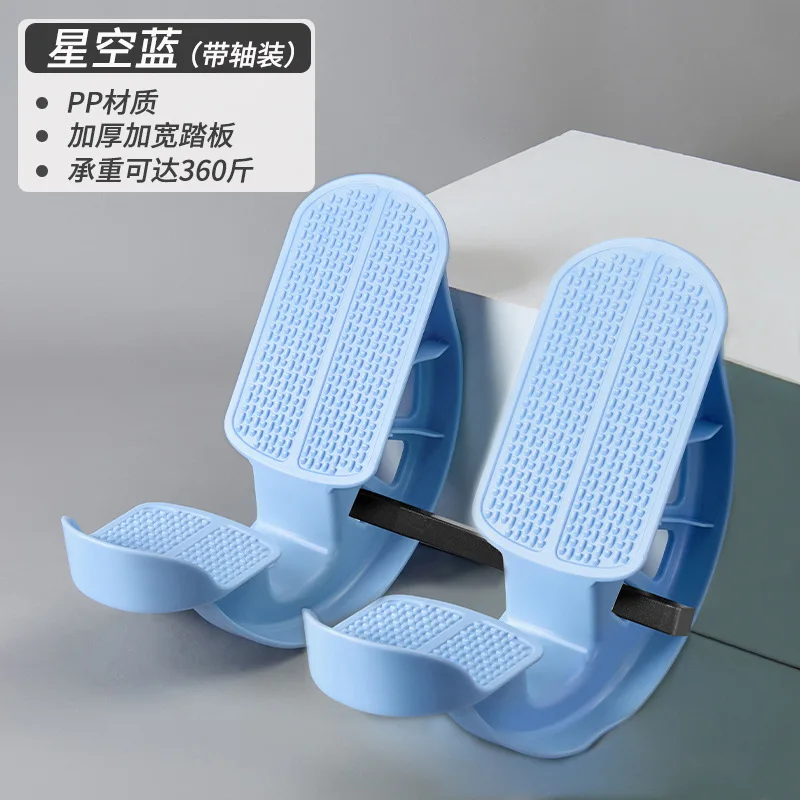
The gastrocnemius and soleus terminate in the Achilles tendon, which is mechanically continuous with the plantar fascia beneath your heel. When the calf is short, every step forces the midfoot to collapse and the fascia to take up the slack — which is why calf tightness is so consistently implicated in Achilles tendinopathy and heel pain. A foot rocker holds the ankle in dorsiflexion at a fixed angle so the calf cannot escape the stretch by rolling the foot outward, the way it does when you lean against a wall. The angle does the work; you just have to stand there.
Key Benefits
- You cannot cheat the angle — the rocker’s shape locks the foot into true dorsiflexion, unlike a wall stretch where the arch quietly collapses and robs you of the stretch.
- Addresses Achilles and heel pain at the source — calf flexibility is one of the most modifiable factors in both conditions, and this is the most reliable way to load it consistently.
- Adjustable intensity via the rocking motion — shift your weight forward for more stretch, back for less, so a single tool works for a stiff beginner and a flexible runner alike.
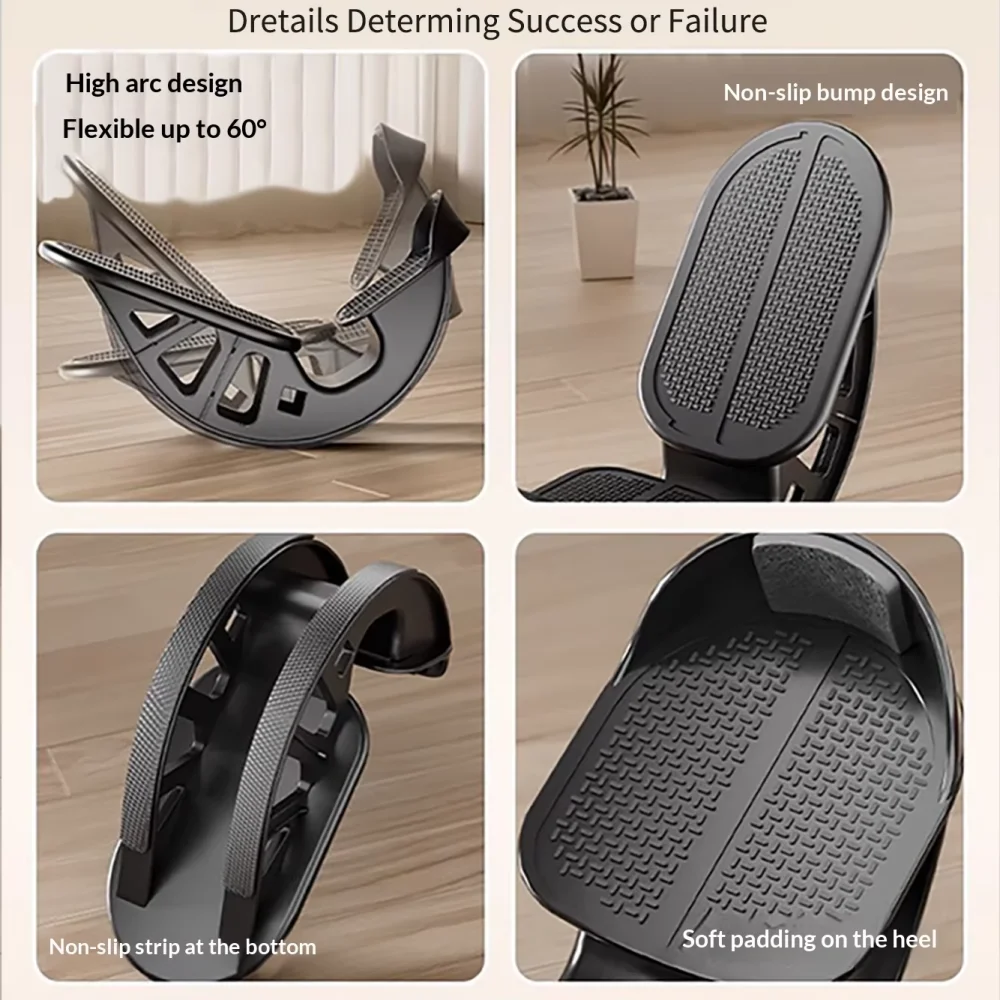
- Non-slip textured surface — grip matters when you are deliberately putting yourself into a heels-down, off-balance position.
- Doubles as a balance trainer — the rocking base can be used for ankle stability work, which is the other half of the equation for anyone recovering from a sprain.
- Takes 90 seconds, not a gym session — the honest advantage of a dedicated tool is that it lowers the friction enough that you’ll actually do it daily.
How to Use
Place the rocker on a hard, flat floor — not carpet, not a mat — with something solid to hold: a doorframe, a counter, a chair back. Step on with one or both feet, keep the knee straight to bias the gastrocnemius, and lean gently forward until you feel a firm pull through the belly of the calf. Hold 30 seconds, repeat 2–3 times per side. Then repeat the whole thing with the knee slightly bent, which shifts the stretch down into the soleus and the Achilles itself — most people skip this and it is the half that matters for tendon pain. Safety: hold on to something every time; the rocking base is deliberately unstable. Clear the area around you. Stop at a firm stretch, never a sharp or burning pain, and never bounce — ballistic stretching on a tendon is how you injure it. If you have an acutely painful or recently ruptured Achilles, do not use this without clearance from a physiotherapist.
Specifications
| Type | Foot rocker / calf and Achilles stretcher |
|---|---|
| Material | PVC |
| Surface | Non-slip textured |
| Use | Calf, soleus, Achilles, plantar fascia stretching; ankle balance work |
| Adjustability | Via rocking motion and weight shift |
| Knee position | Straight for calf, bent for soleus/Achilles |
| Floor type | Hard flat surfaces only |
| Suggested hold | 30 seconds x 2–3 per side |
| Size | Variant dependent |
Care & Maintenance
Wipe the surface with a damp cloth and mild detergent; sweat left on the textured top reduces grip over time, which is a safety issue rather than a cosmetic one. Dry fully before storing. Check the base periodically for cracks, wear, or debris embedded in the textured surface. Store indoors — prolonged UV exposure makes PVC brittle.
What’s in the Box
1 x foot rocker calf stretcher.
Reviews
There are no reviews yet.