Proprioception, Not Protection: What an Ankle Sleeve Really Gives You
An elastic sleeve is not a splint, and it is important to be clear about that. It cannot meaningfully resist the violent inversion force of a rolled ankle — that requires rigid stirrup bracing or properly applied athletic tape. What a compression sleeve does do is measurable in two ways. First, uniform pressure opposes fluid accumulation, which helps control the puffiness that lingers after a joint has been irritated. Second, and more interestingly, the constant skin stretch feeds mechanoreceptors, improving joint position sense — your brain’s unconscious map of where your foot is. Better proprioception means faster stabilising reflexes, which is a real, if indirect, contribution to ankle safety.
Key Benefits
- Improves joint position sense. The pressure on the skin gives your nervous system a clearer signal about where the ankle sits, which sharpens the reflexive corrections that keep it under you on uneven ground.
- Manages residual swelling. Even compression discourages fluid from pooling around a joint that has been worked hard or is settling down after an old irritation.
- Breathable knit for long sessions. Ventilated fabric keeps the sleeve tolerable inside a running shoe or basketball boot, where a neoprene brace turns into a swamp within twenty minutes.
- Low profile under footwear. Thin enough to fit inside normal trainers and cycling shoes without forcing you up a shoe size or bunching under the laces.
- Warmth around a stiff joint. Retained heat makes a chronically stiff ankle feel more willing in the first ten minutes of activity — a comfort effect, not a healing one.
- Honest limitation. If you have a history of repeated sprains, a sleeve is not enough. Lace-up or stirrup bracing plus a genuine balance-training programme is what the evidence supports for preventing recurrence.
How to Use
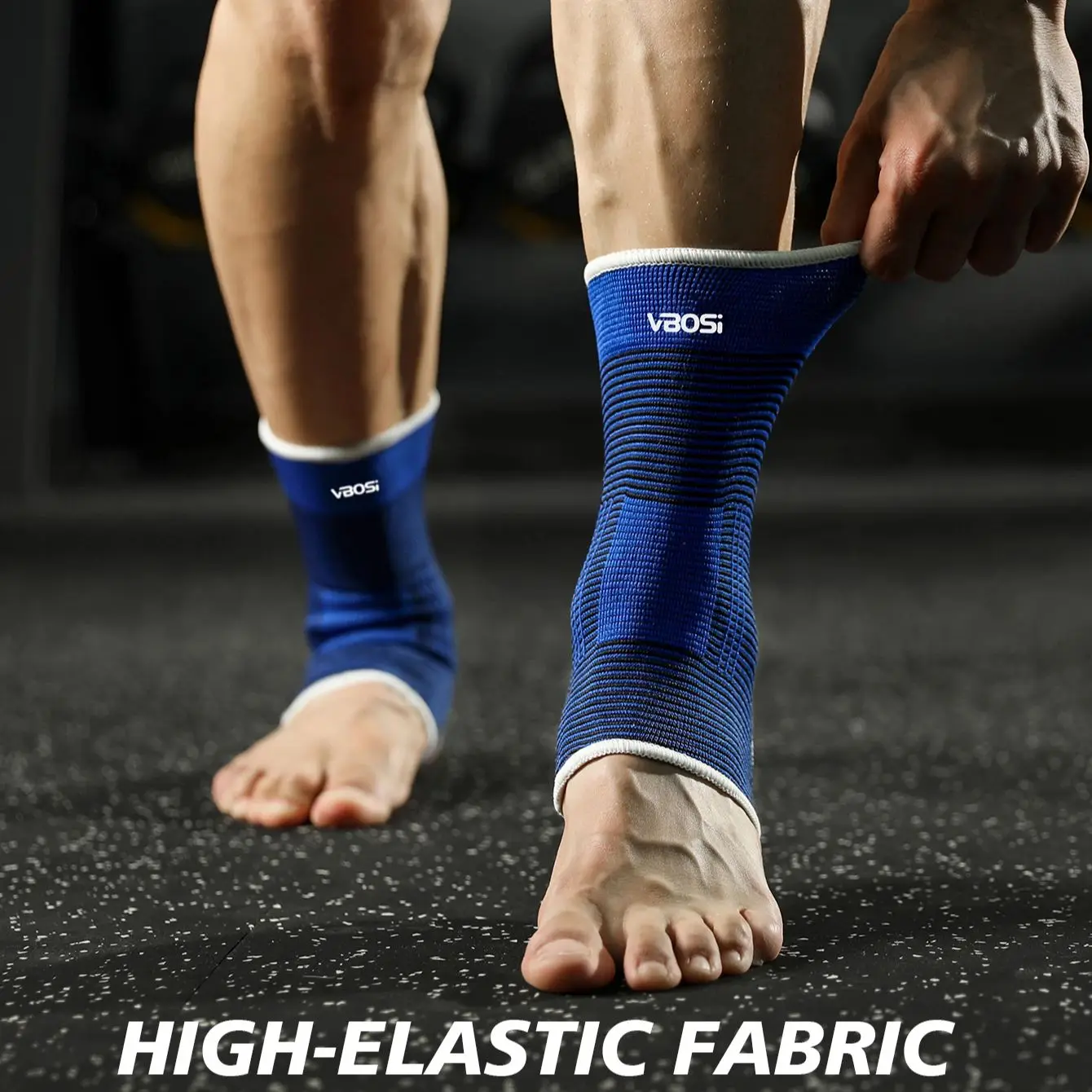
Pull the sleeve on like a sock so it seats evenly around the ankle bone with no folds or bunching — a wrinkled sleeve creates pressure points and rubs blisters under a sock. It should feel like a firm, even hug, never a tourniquet. Wear it during activity and for a period afterwards if you are managing swelling. Safety: this is a sleeve, not a brace, and it should not be treated as clearance to play on an injured ankle. If you have sustained a genuine sprain — swelling, bruising, pain on weight-bearing — get it assessed rather than compressing it and carrying on. Remove the sleeve if your foot becomes numb, cold, tingly or discoloured, and do not sleep in it. Anyone with diabetes, peripheral neuropathy or circulatory disease should consult a clinician before using compression, since reduced sensation means you may not feel a pressure problem developing.
Specifications
| Product Type | Elastic compression ankle support sleeves |
|---|---|
| Sold As | 1 pair (2 sleeves) |
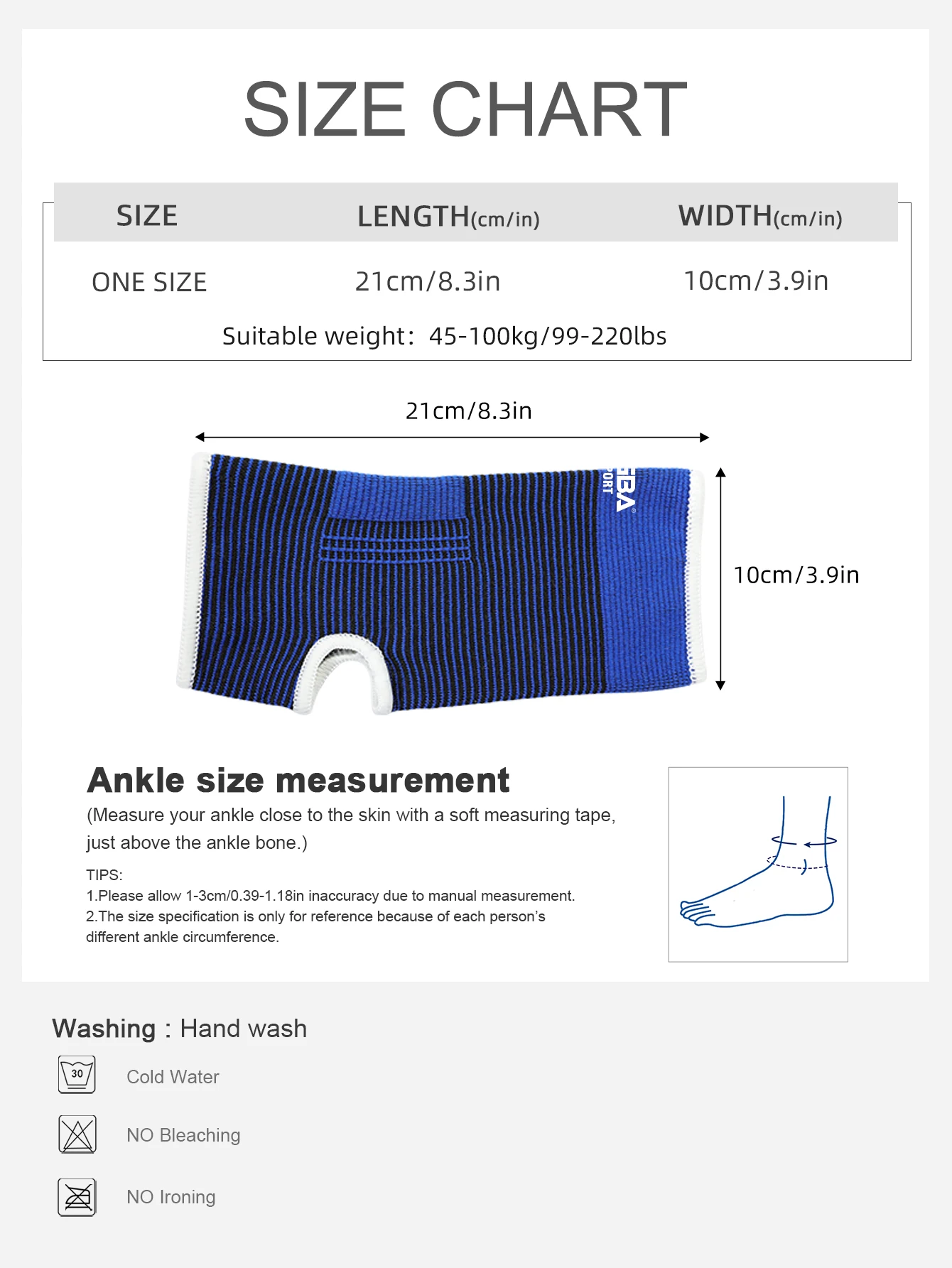
| Size | One size — elastic stretch fit |
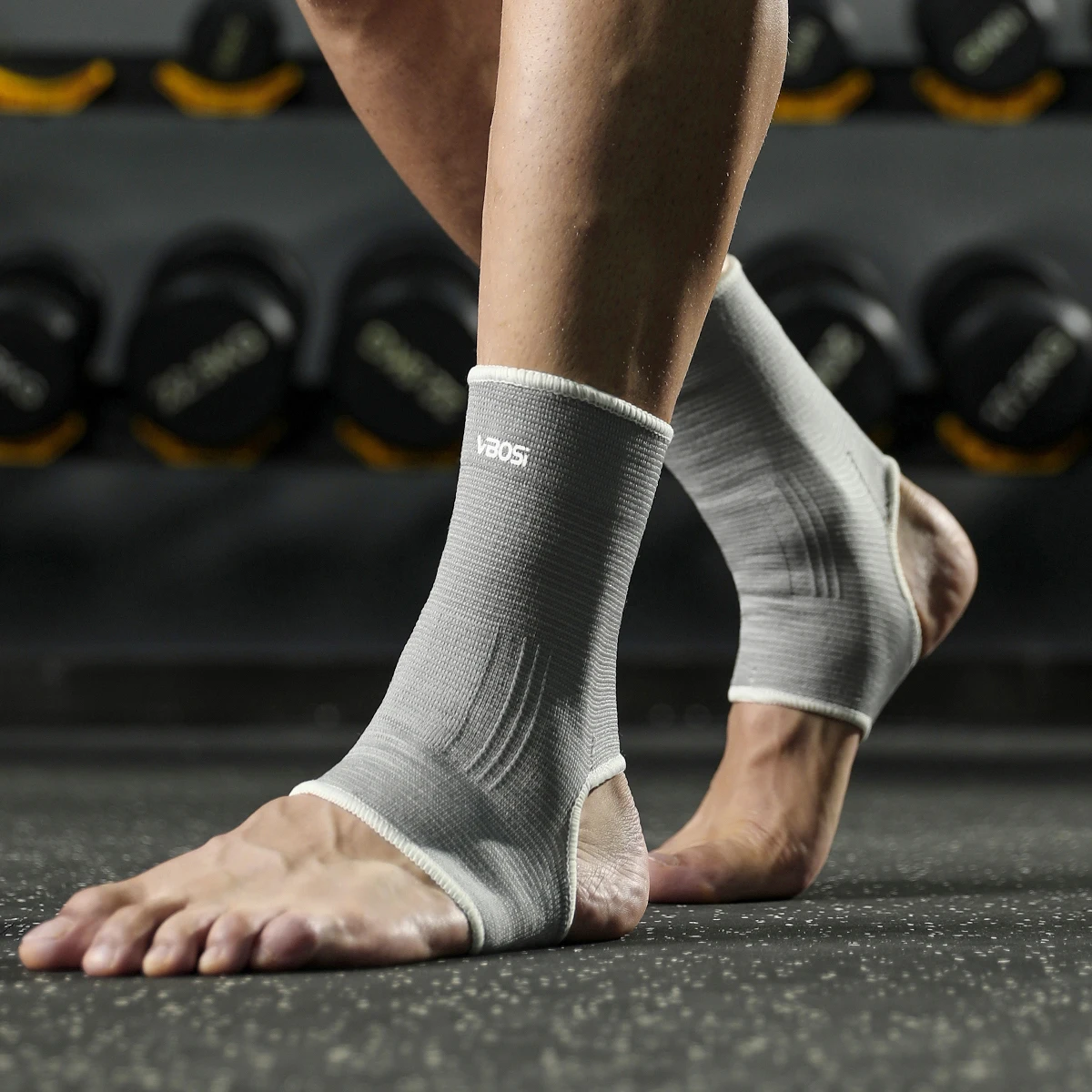
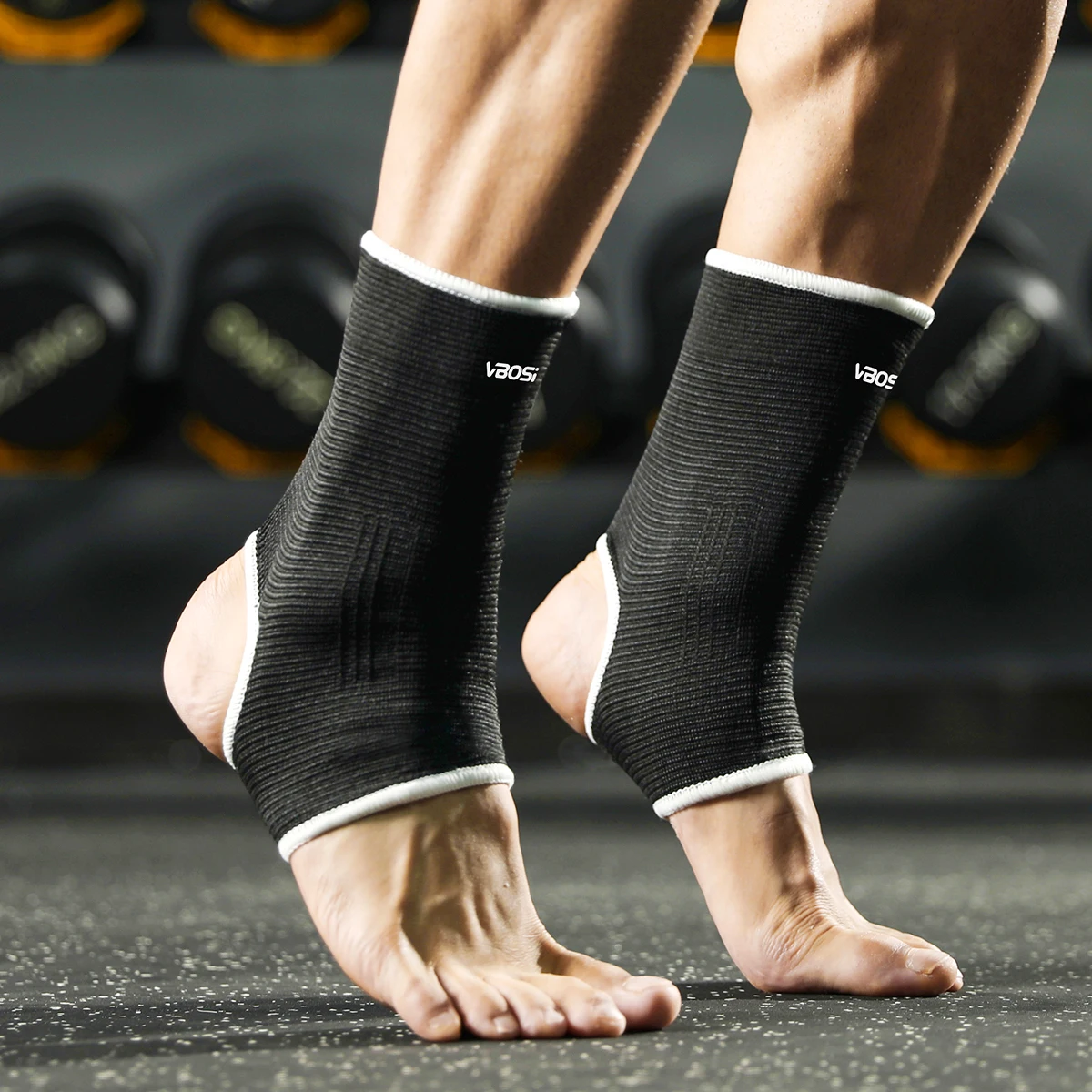
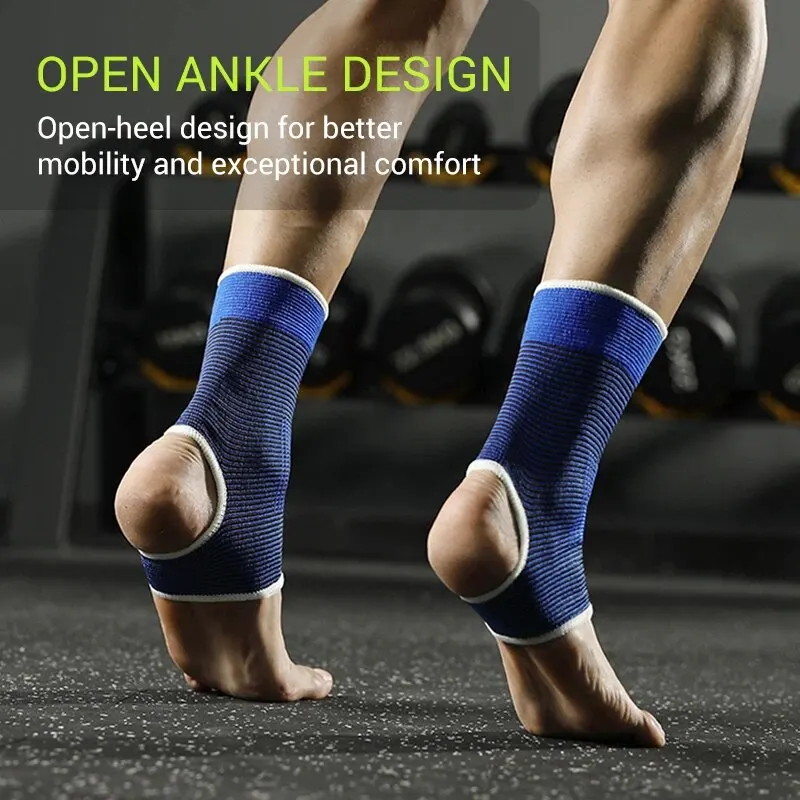
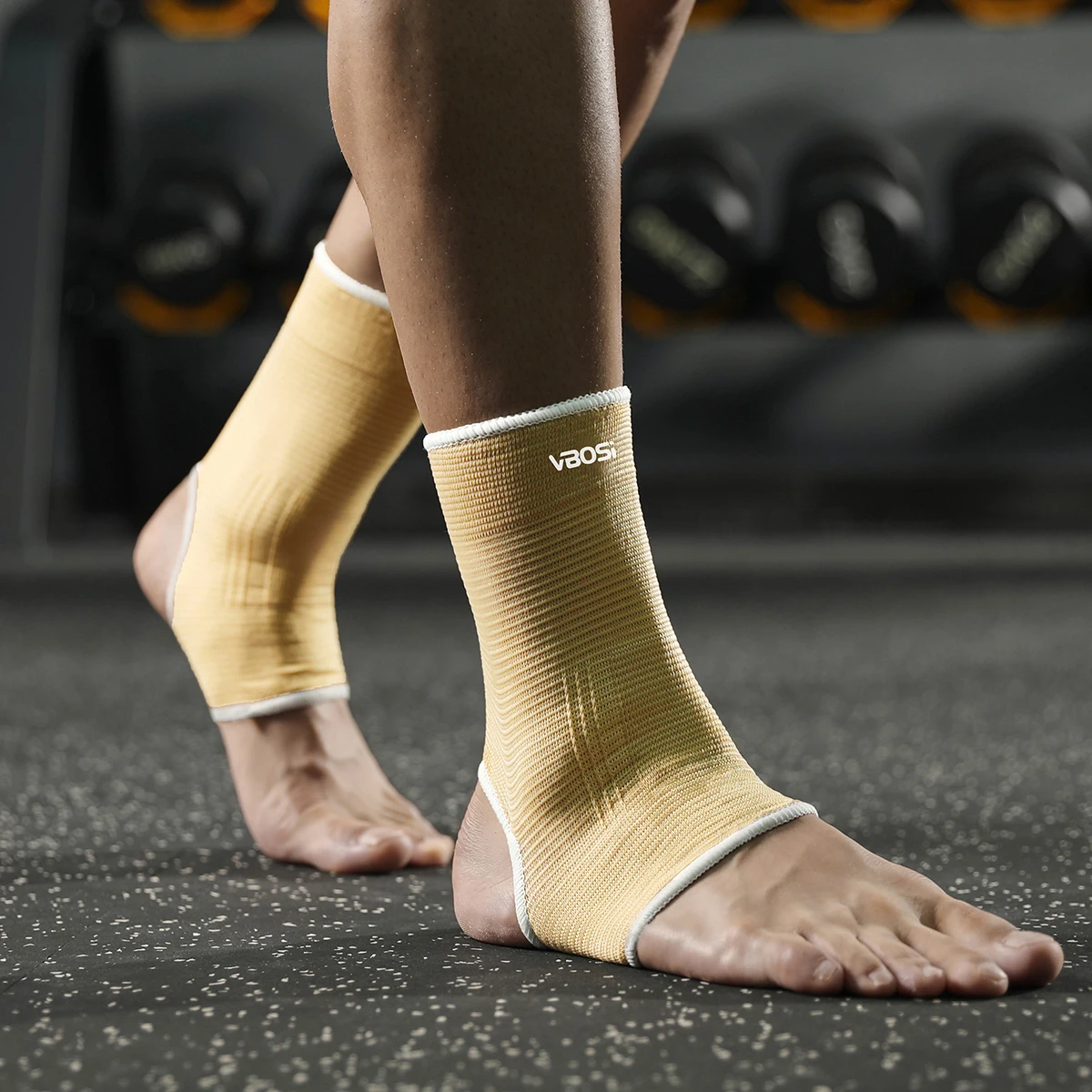
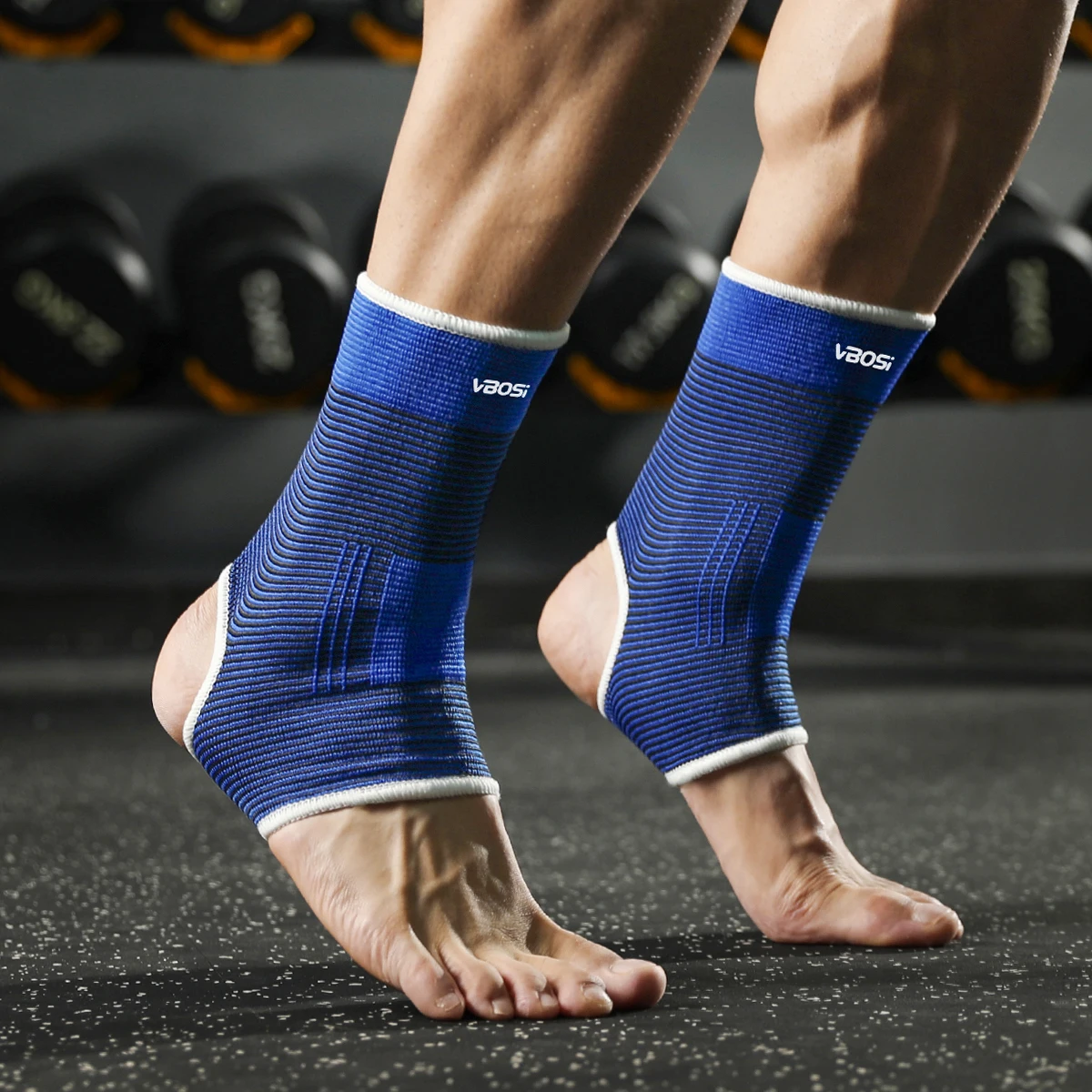
| Design | Slip-on sleeve, open heel and toe |
| Fabric | Breathable elastic knit |
| Support Type | Compression and proprioceptive — not rigid bracing |
| Best For | Running, basketball, cycling, gym, everyday wear |
| Profile | Low — fits inside most footwear |
| Unisex | Yes |
Care & Maintenance
Hand wash in cool water with mild detergent and reshape while damp, then dry flat away from direct heat. Tumble drying and radiators destroy the elastic recovery that provides the compression — a sleeve that no longer springs back is a sleeve that no longer works. Avoid fabric softener and bleach, both of which break down elastane fibres. Replace when the sleeve slides down or feels loose on the ankle.
What's in the Box
One pair of elastic breathable ankle support sleeves (2 sleeves). One size.
Reviews
There are no reviews yet.