Graduated Compression, and What the mmHg Number Means
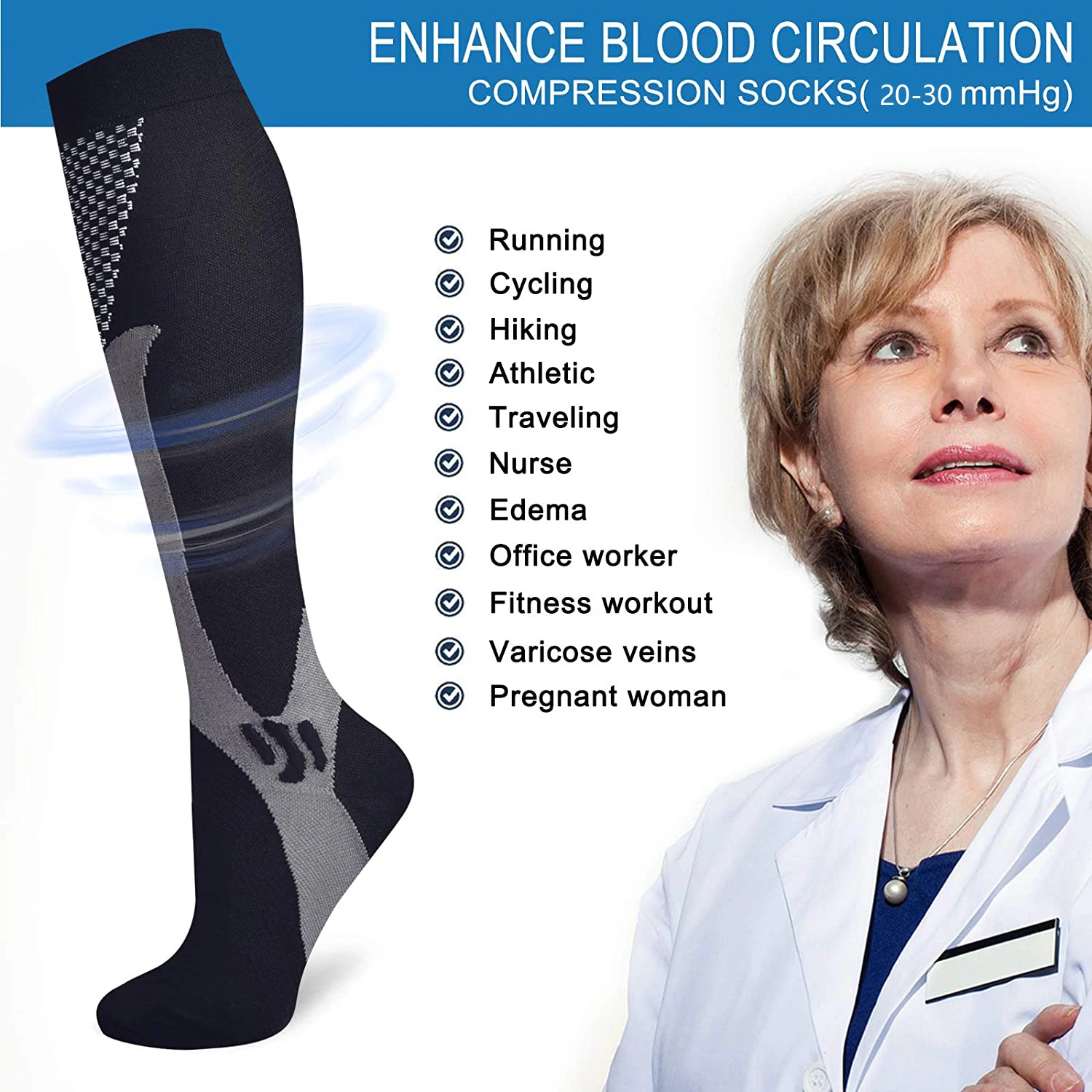
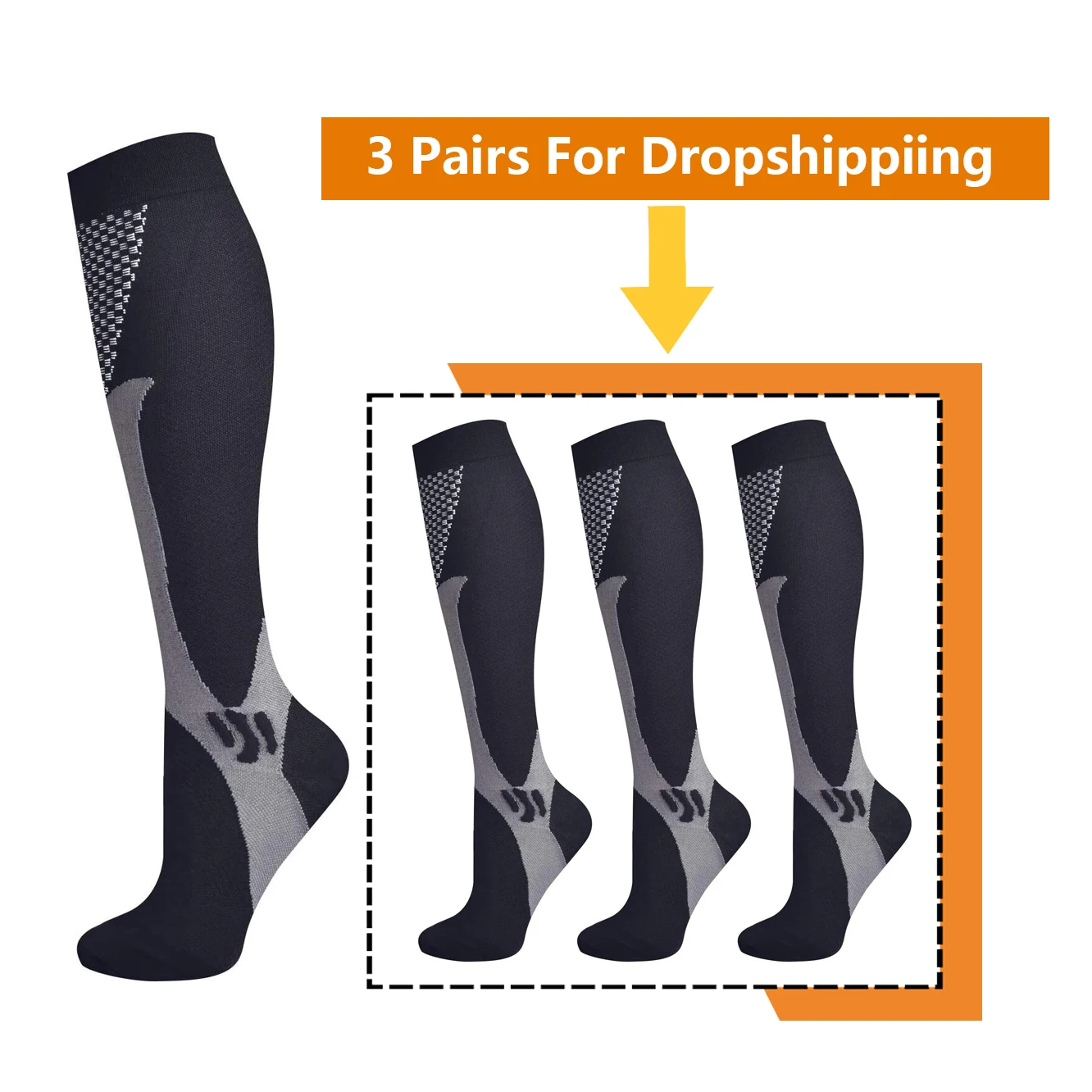
Blood returns from your feet against gravity, pushed largely by the calf muscle pump squeezing the deep veins. When you stand or sit still for hours, that pump idles and fluid pools in the lower leg — the ache and swelling of a long shift or a long flight. Graduated compression socks apply their strongest pressure at the ankle and taper up the calf, narrowing the veins so blood is nudged upward rather than allowed to pool. 20-30 mmHg is the firm end of the over-the-counter range: enough to make a genuine difference to swelling and end-of-day leg fatigue, and firm enough that it is not for everybody.
Key Benefits
- Real reduction in swelling. Graduated compression has solid evidence for limiting the lower-leg oedema that builds over long periods standing or sitting.
- Less end-of-day leg fatigue. The single most reported benefit from nurses, hospitality staff, teachers and anyone doing twelve hours on their feet.
- Useful for long-haul travel. Compression is a well-established measure for reducing the leg swelling and clot risk associated with prolonged immobility on flights.
- Modest recovery benefit for runners. The evidence for improving performance is thin, but for reducing post-run soreness perception it is reasonably supportive.
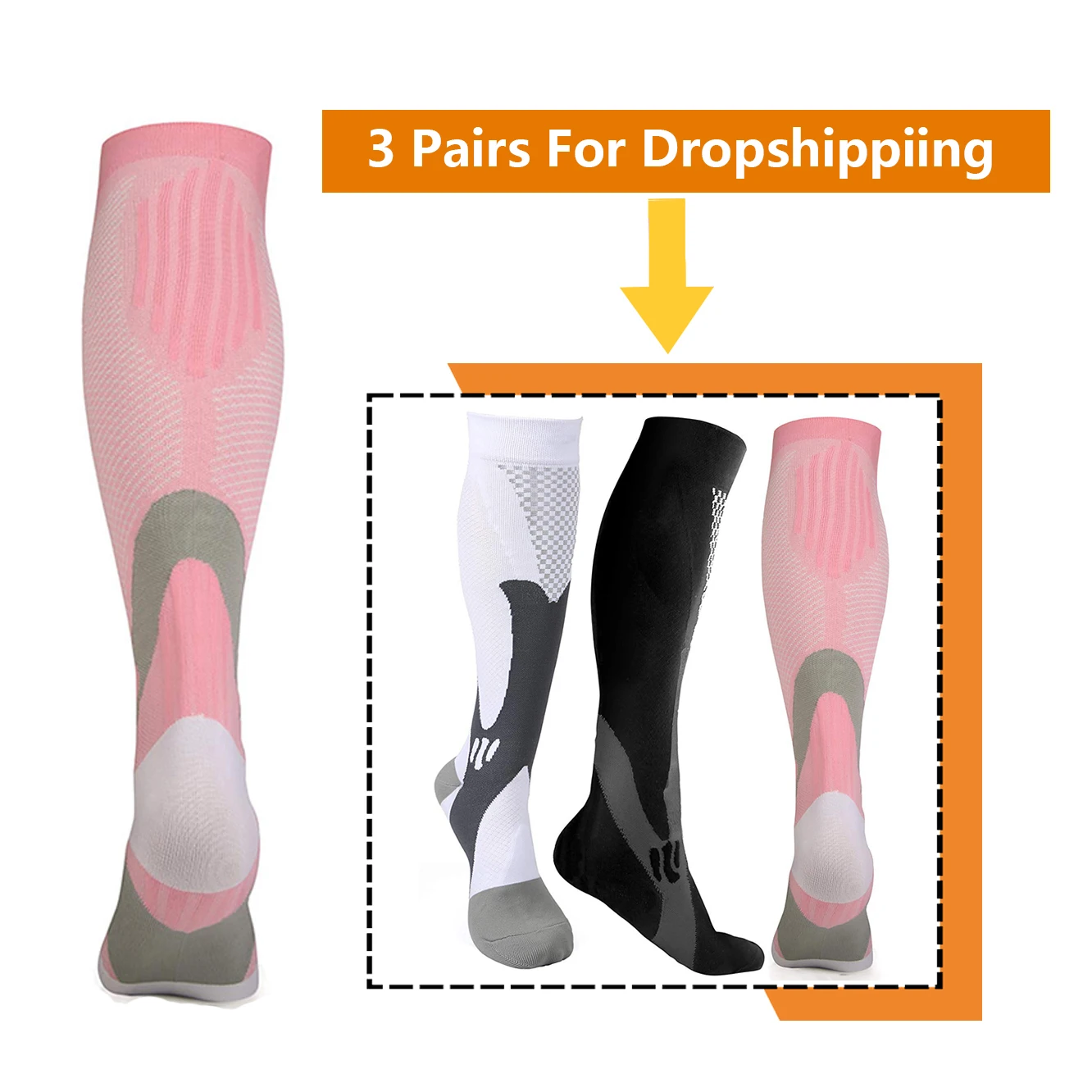
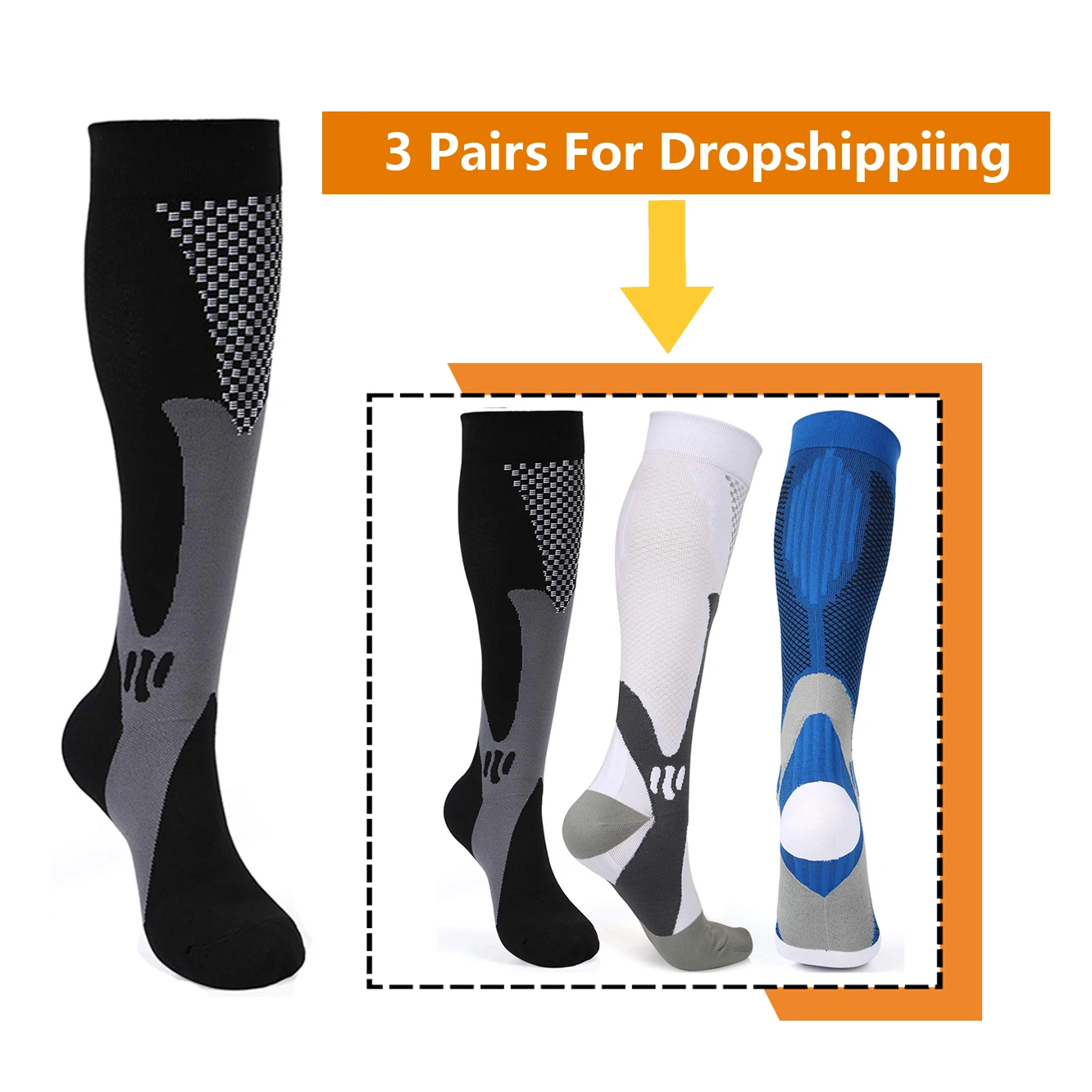
- Three pairs, so they get worn. Compression socks only work on the days they are clean and on your legs.
- Breathable nylon knit. Firm compression without the sauna effect of heavier medical-grade weaves.
How to Use
Put them on first thing in the morning, before swelling has had a chance to build — pulling firm compression over an already-swollen leg is both harder and less effective. Turn the sock inside out to the heel, seat the heel correctly, then roll the leg up; never yank at the cuff, and never fold the top band over, as that creates a tourniquet at exactly the wrong place. Smooth out every wrinkle. Who should not wear these: 20-30 mmHg is a firm class, and compression is not safe for everyone. Do not use them if you have peripheral arterial disease or significantly reduced arterial circulation, uncontrolled or decompensated heart failure, an active skin infection, or a leg wound. Take advice first if you have diabetes or peripheral neuropathy, since reduced sensation means you may not notice pressure damage developing. Remove them if you get numbness, tingling, colour change in the toes, or pain — and do not sleep in them unless a clinician has specifically told you to.
Specifications
| Compression class | 20-30 mmHg, graduated (firmest at ankle) |
|---|---|
| Pack | 3 pairs |
| Material | Nylon-blend knit with elastane |
| Sizes | S-M (EU 36-39) through 5XL (EU 46-49) |
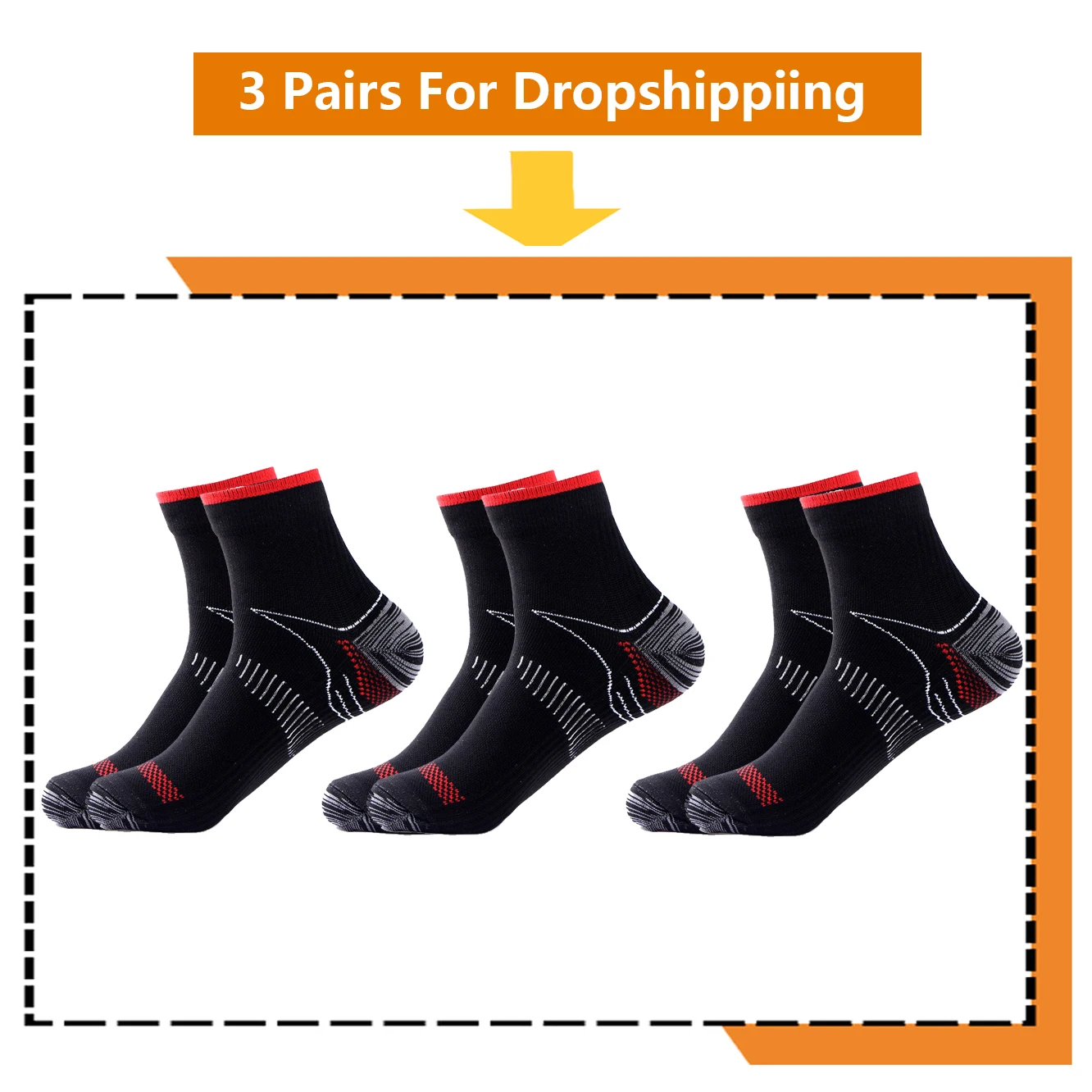
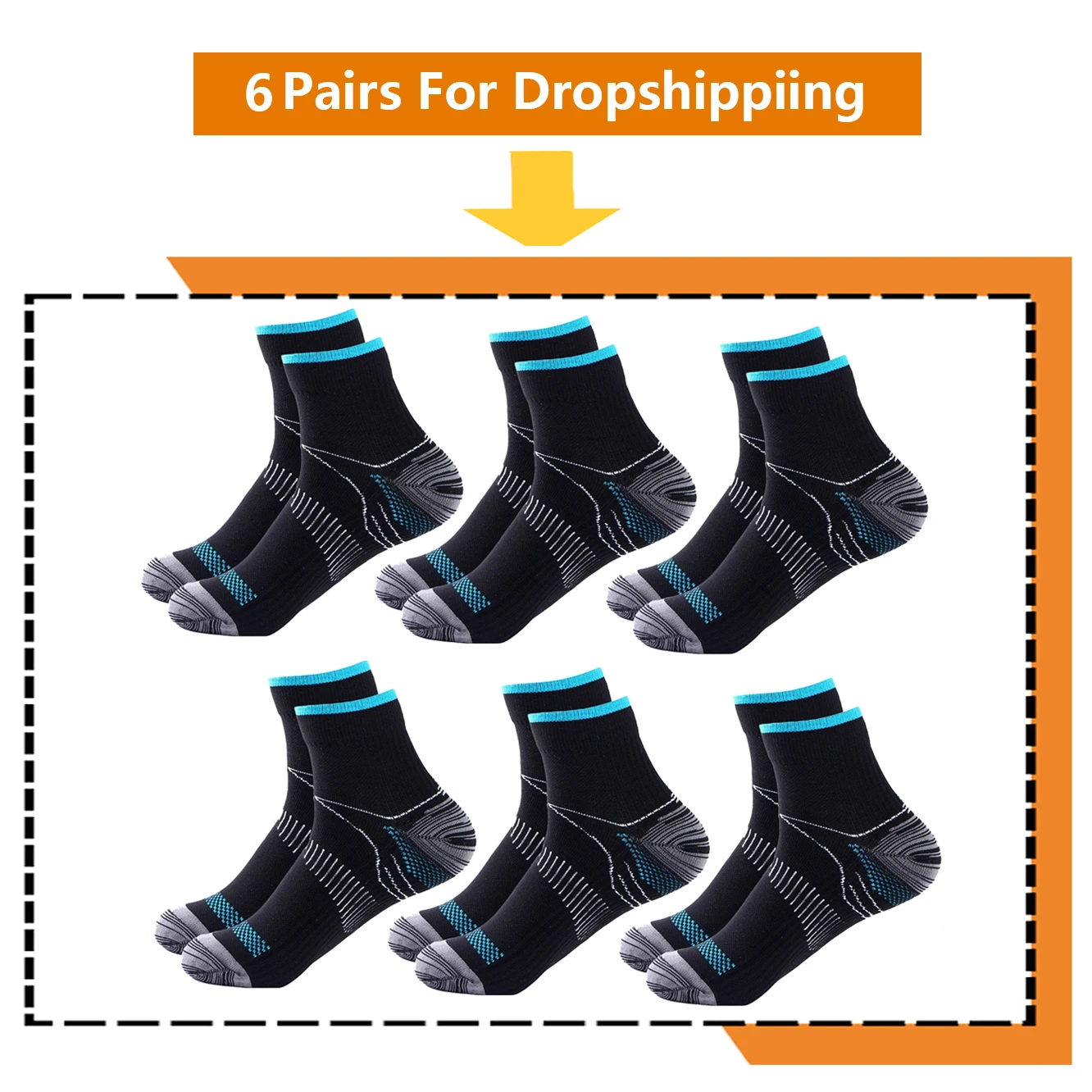
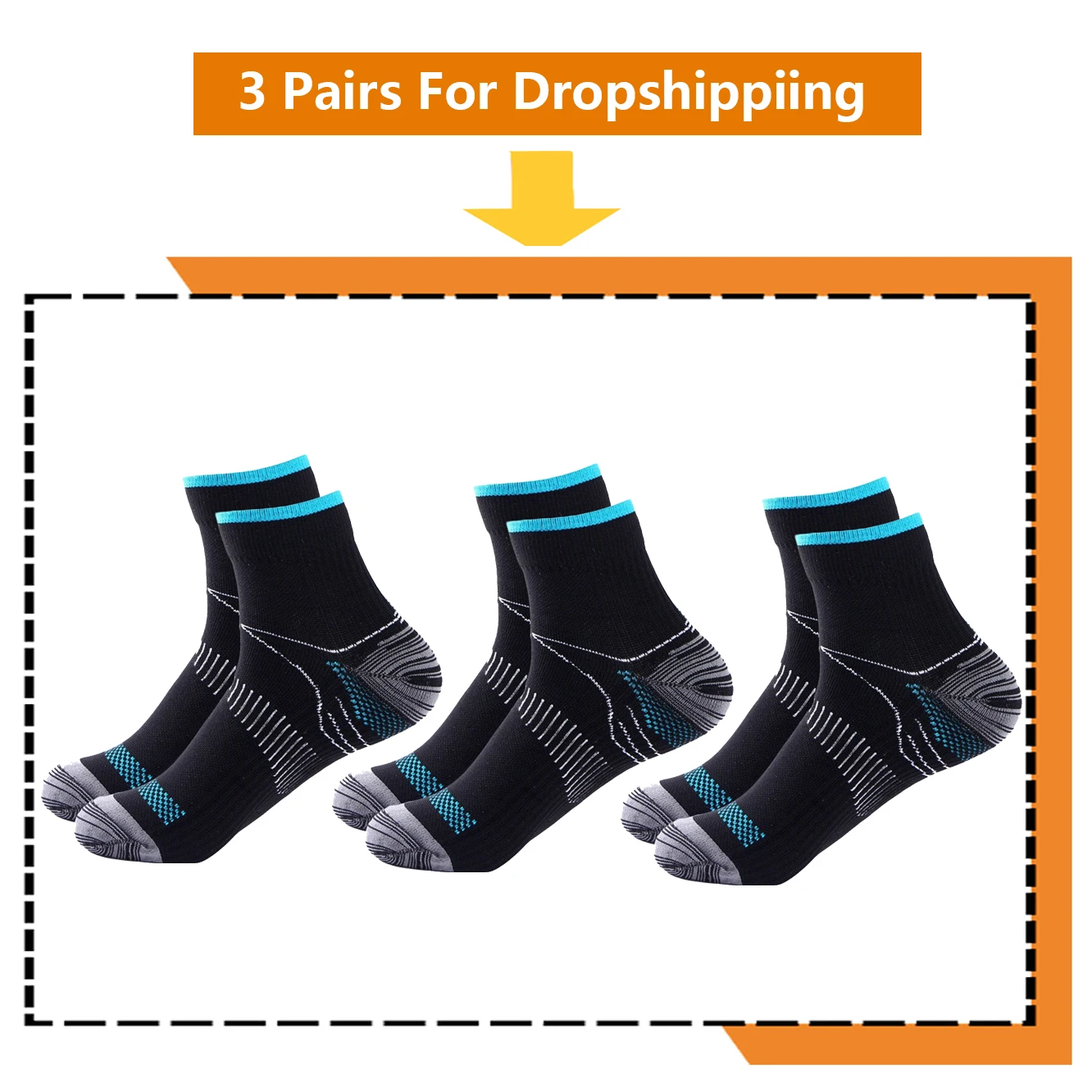
| Length | Knee-high (ankle-sock options on some variants) |
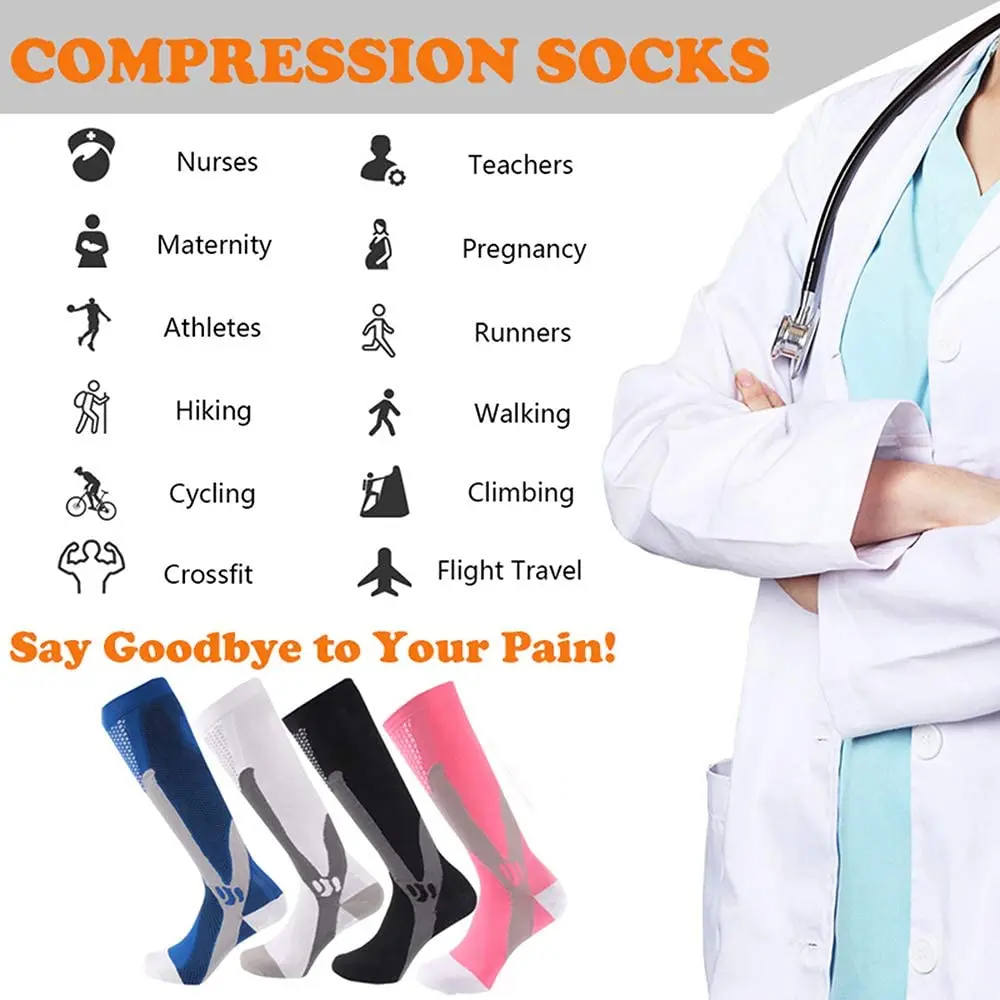
| Intended for | Nursing, standing work, travel, athletic recovery |
| Colour options | Multiple, variant dependent |
| Not suitable for | Peripheral arterial disease, uncontrolled heart failure |
Care & Maintenance
Machine wash cool or hand-wash with mild detergent and air-dry. Skip the fabric softener and never tumble dry hot — heat and softener degrade the elastane that generates the compression, so a badly washed sock quietly stops being a compression sock. Rotate pairs to let the fibres recover between wears, and replace them once the fabric no longer snaps back; most lose meaningful compression within about three to six months of regular wear.
What’s in the Box
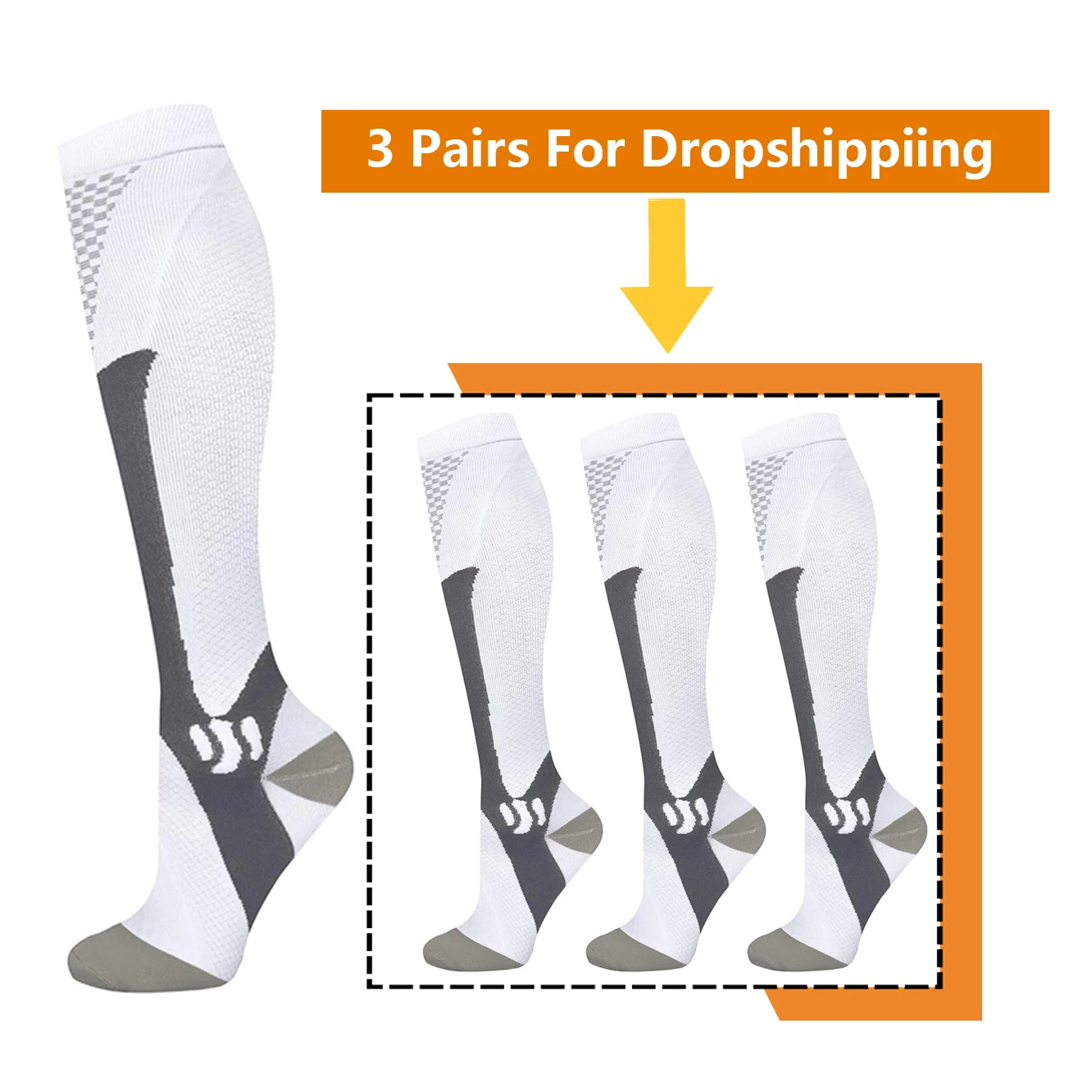
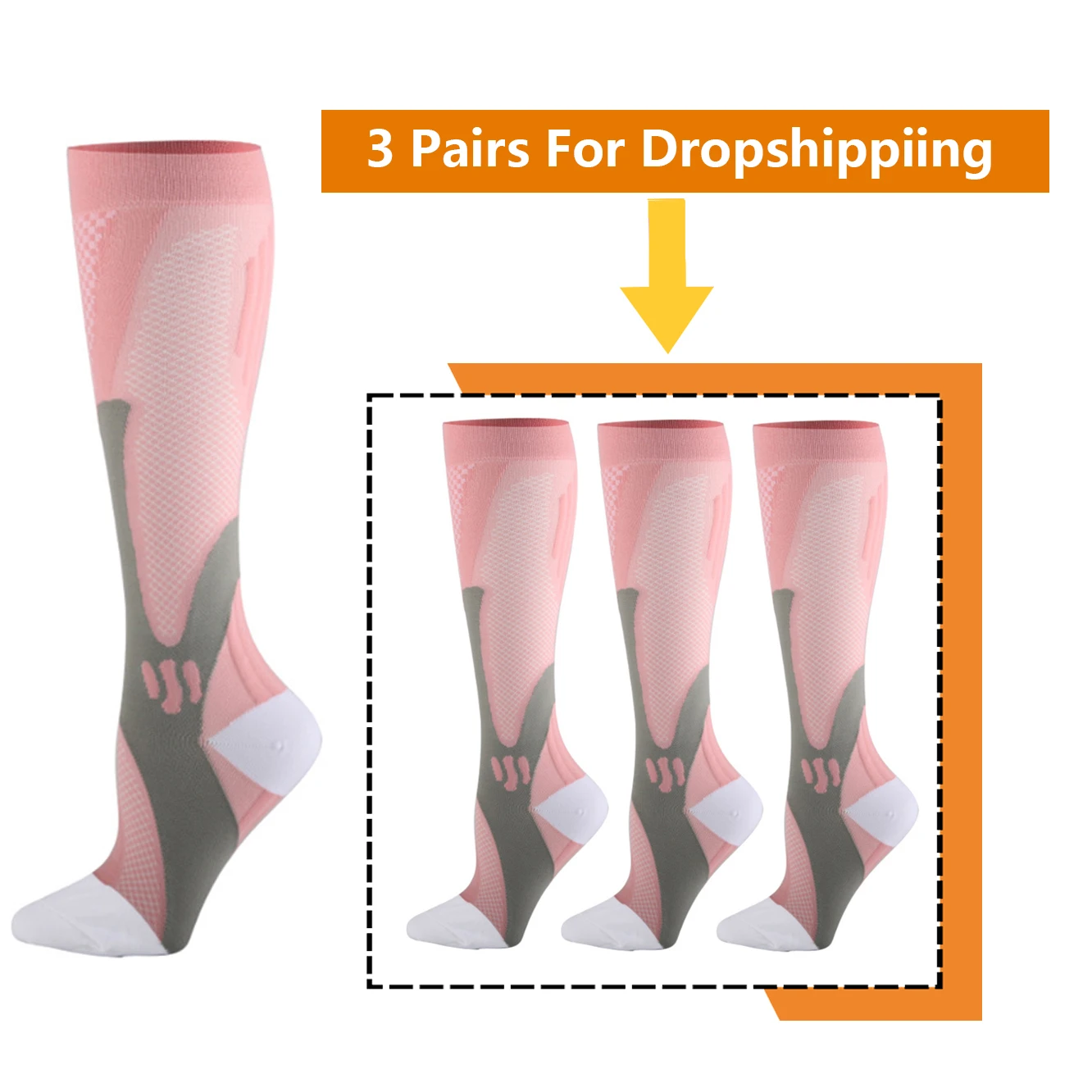
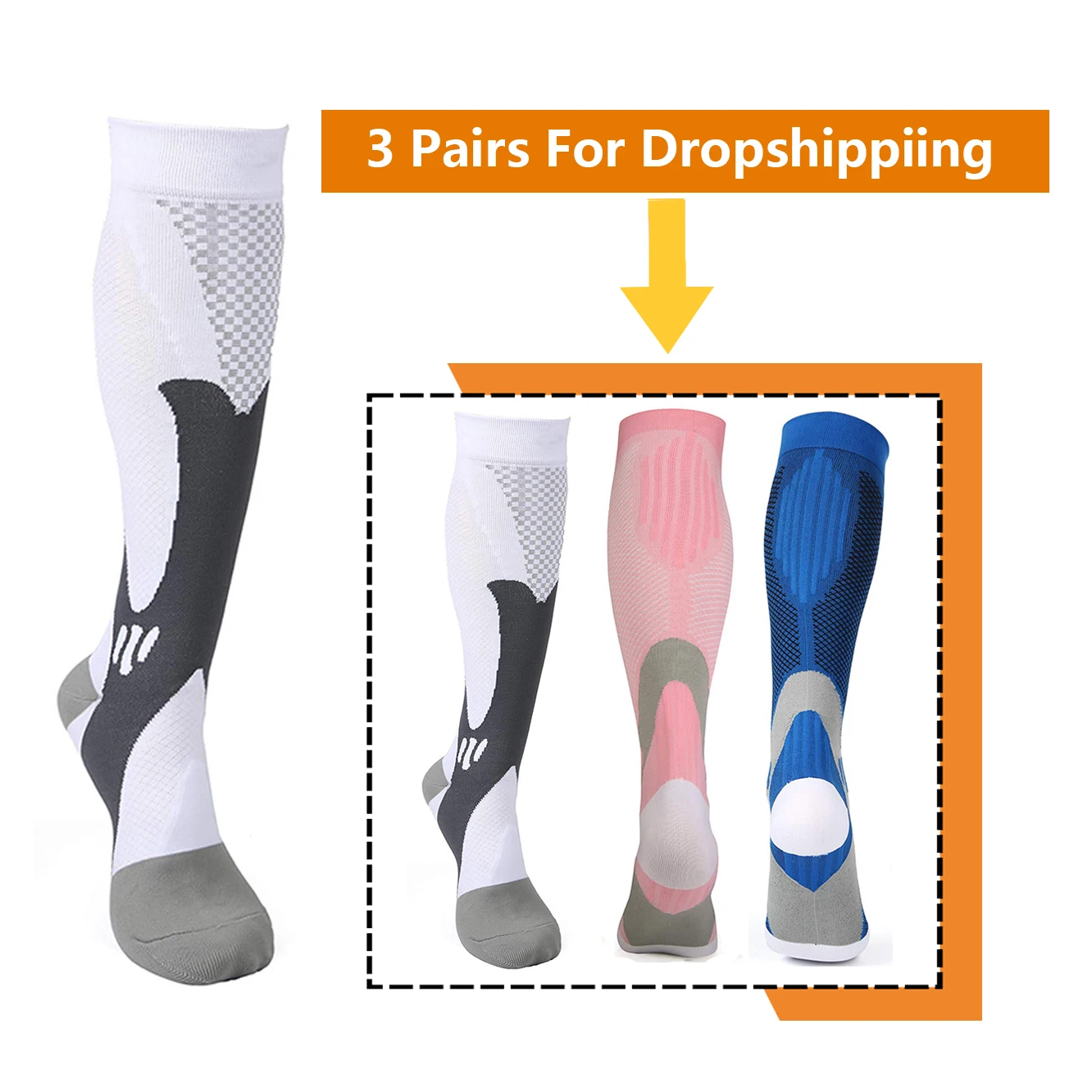
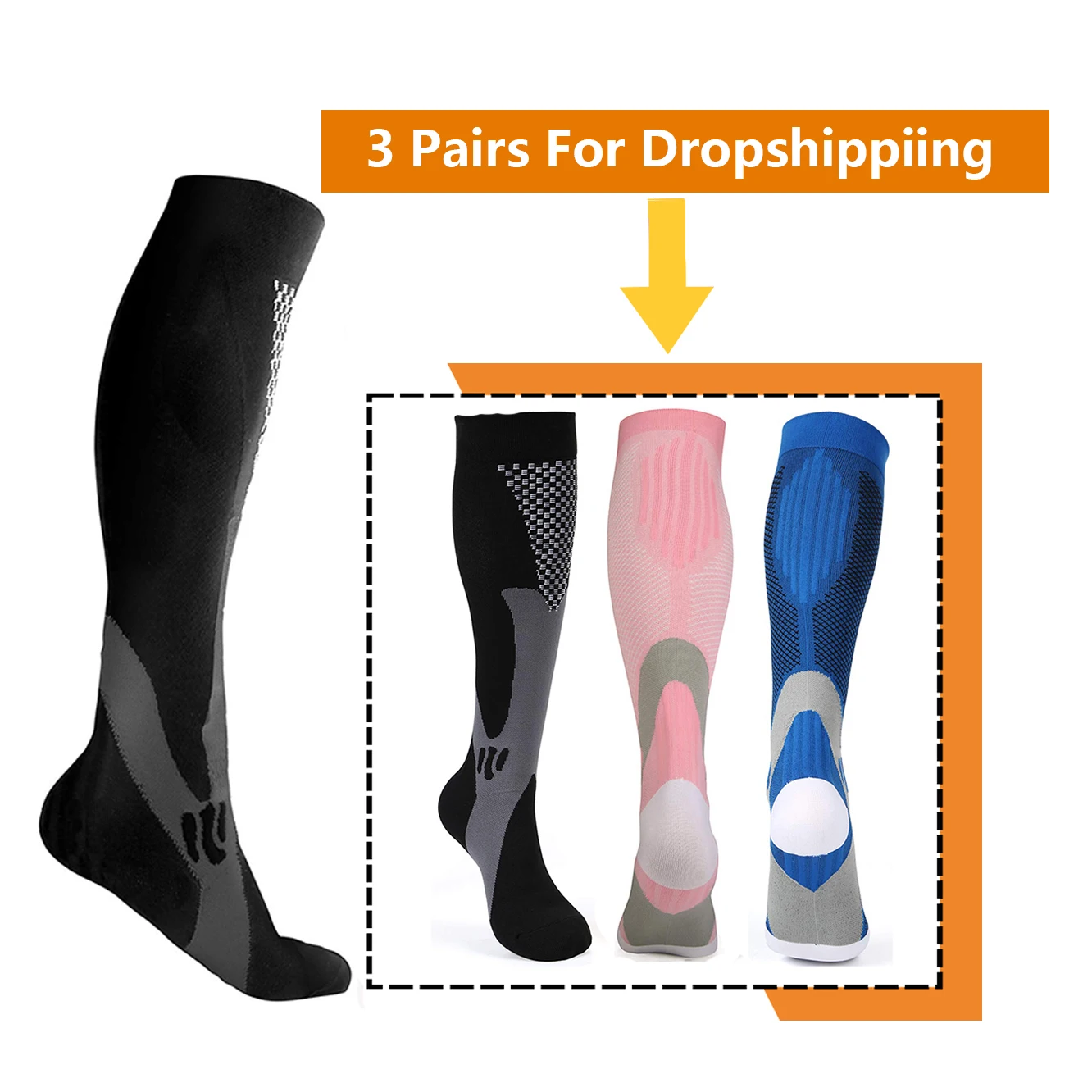
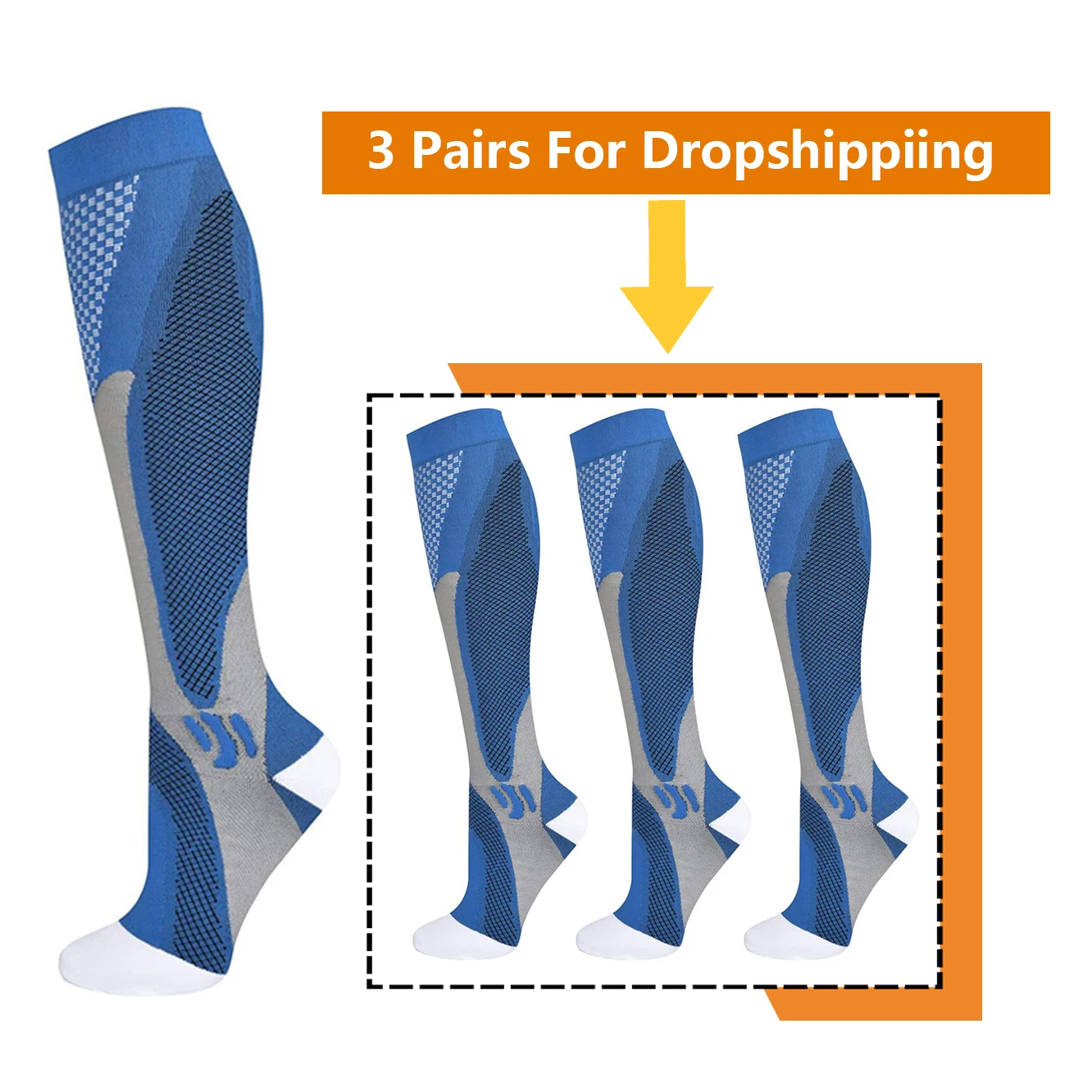
Three pairs of 20-30 mmHg graduated compression socks in the selected size and colour.
Reviews
There are no reviews yet.