
What Compression Actually Does to a Working Muscle
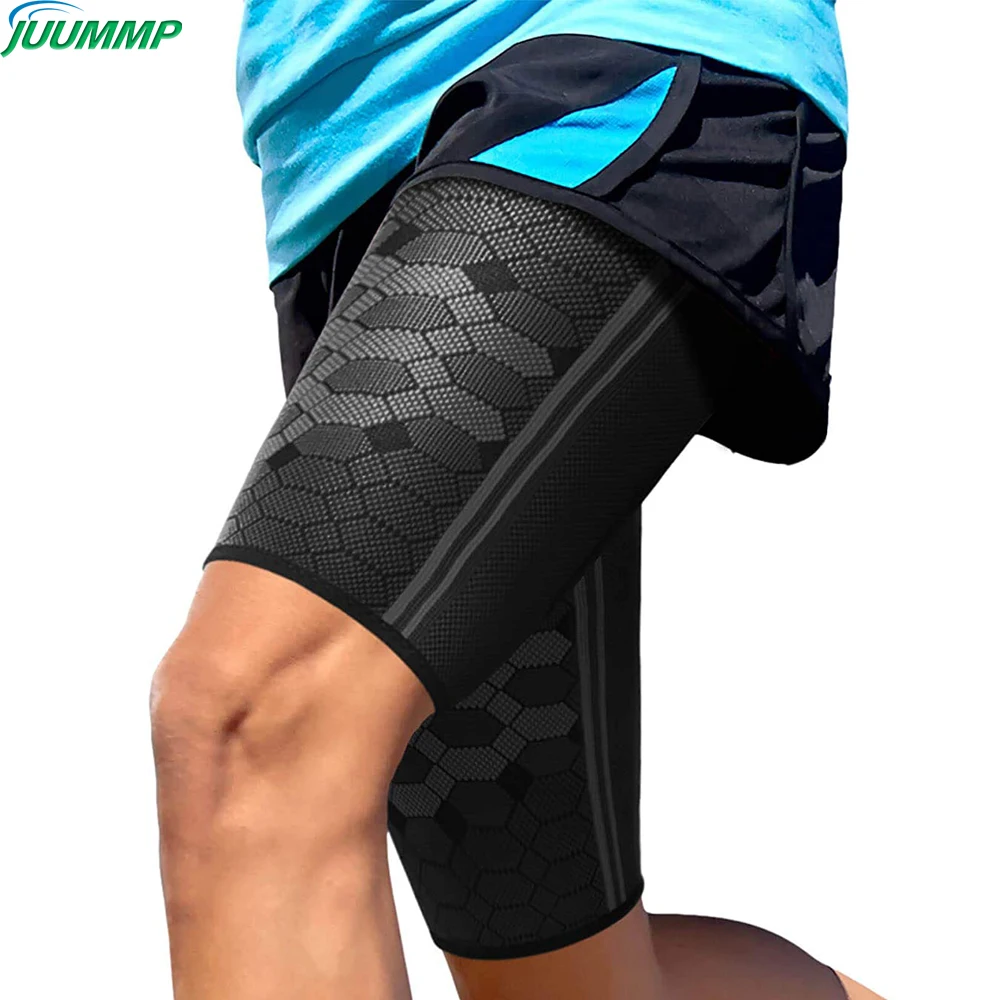
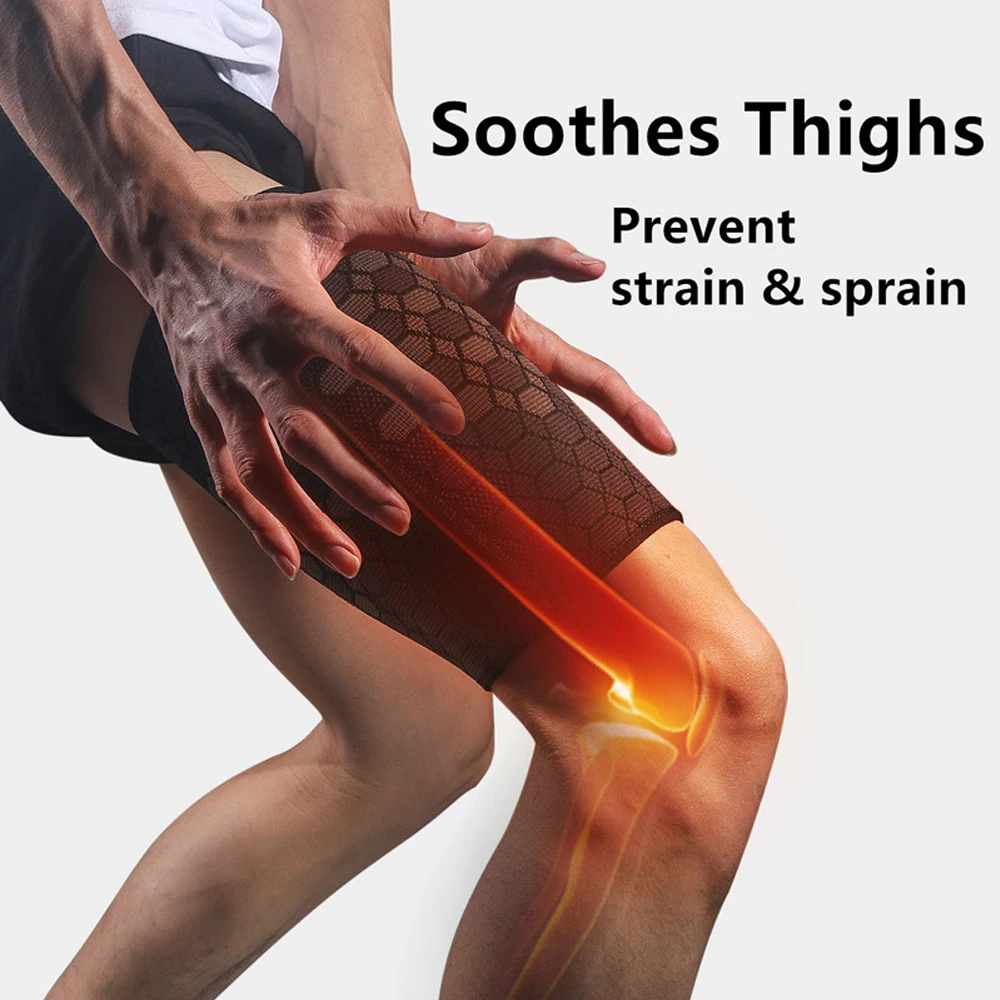
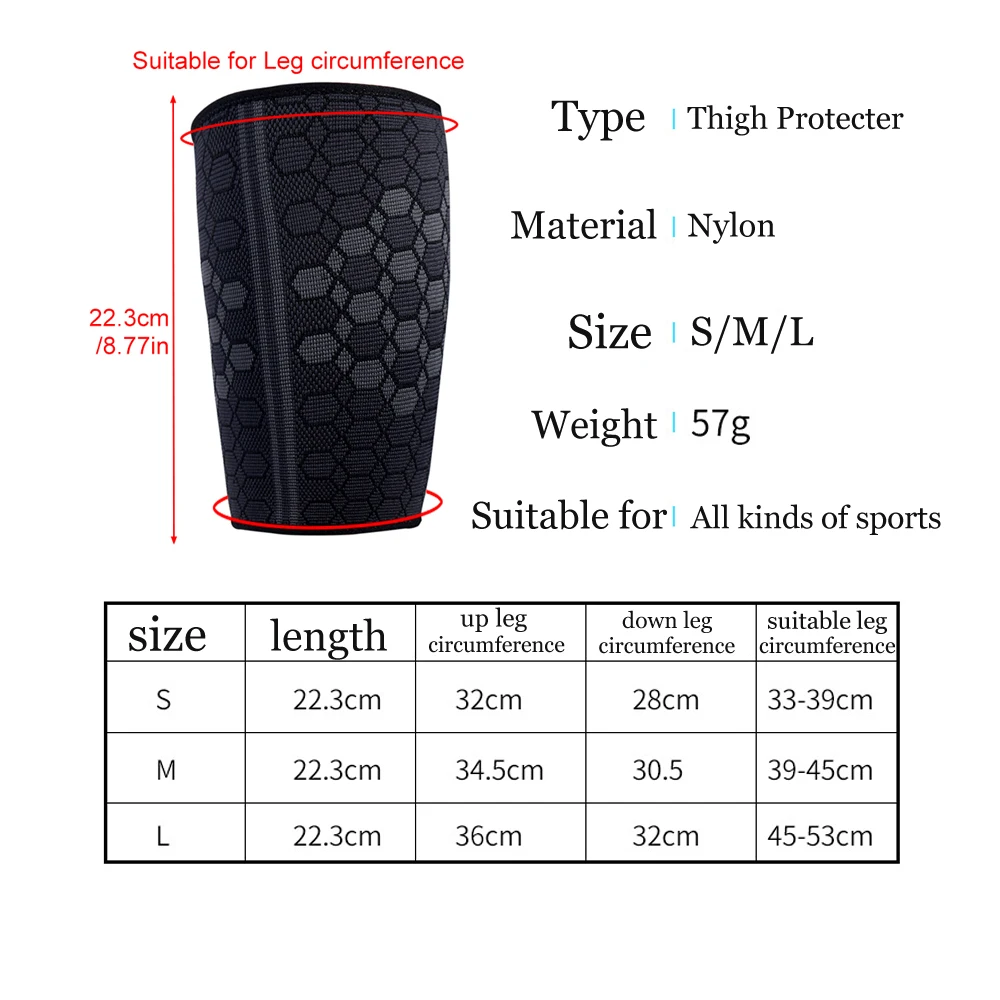
When your foot hits the ground, your quadriceps and hamstrings oscillate — they visibly wobble. That vibration is not free; it dissipates energy and contributes to the microdamage that becomes soreness two days later. External compression damps that oscillation. It also supports venous return, helping blood move back toward the heart against gravity, and it sharpens proprioceptive feedback from the thigh. What the evidence does not clearly support is any improvement in power output, sprint speed, or endurance performance. Compression is a recovery and comfort tool. That is a good thing to be.
Key Benefits
- Less muscle oscillation on impact. Damping the vibration of the quad and hamstring on every foot strike reduces the accumulated mechanical stress across a long run, which is the most plausible route to lower post-exercise soreness.
- Meaningful reduction in perceived soreness. This is compression’s best-supported effect: people wearing compression garments after hard sessions consistently report feeling less sore. That is worth something on day two.
- Supports venous return. Graduated pressure assists the movement of blood back out of the limb, which is why compression is used post-training and on long flights.
- Warmth for hamstring-sensitive athletes. Keeping the posterior thigh warm between efforts is standard practice in sprint and field sports for a reason — cold hamstrings are unhappy hamstrings.
- Anti-slip band that stays up. A thigh sleeve that rolls down to your knee mid-run is worse than no sleeve. The silicone gripper band is the component that decides this.
- We’re not going to claim it makes you faster. Studies on compression and performance are mixed at best. Buy these for recovery, comfort and support, and they will not disappoint you.
How to Use
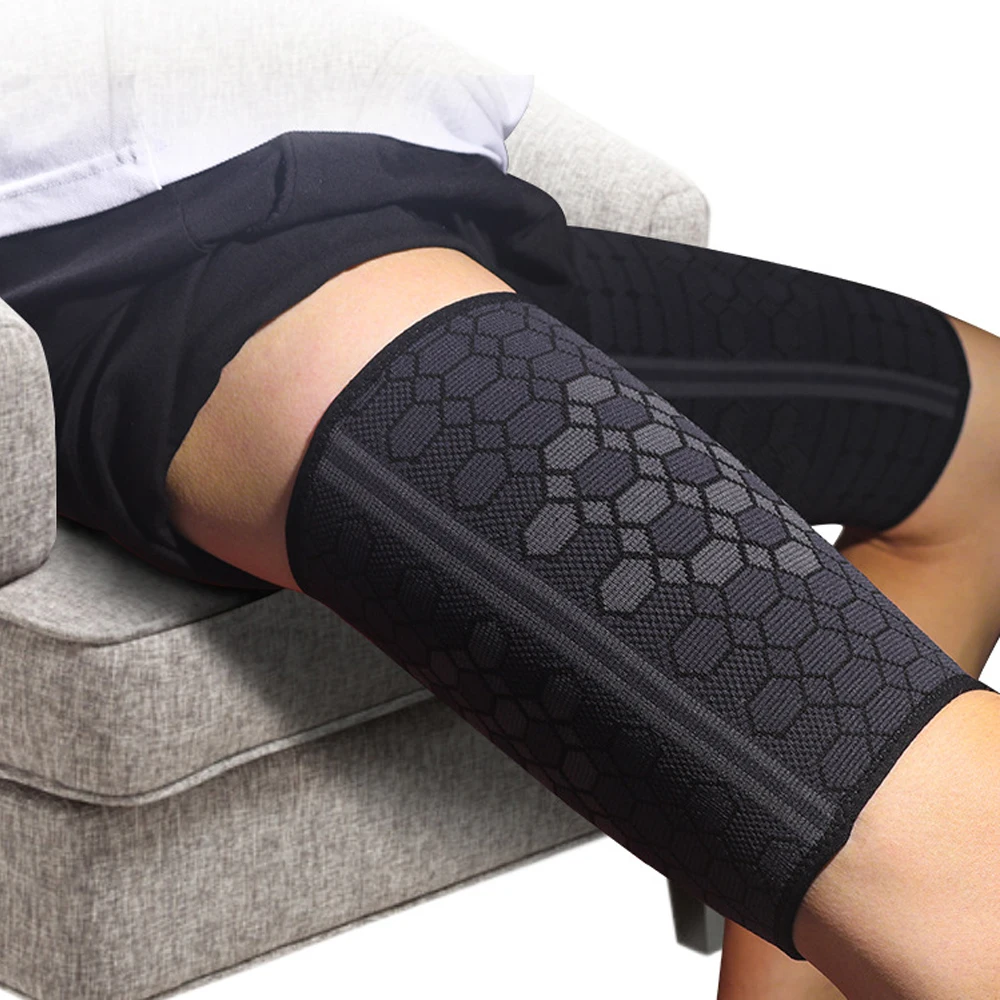
Roll the sleeve up the leg rather than pulling it — dragging it stretches the knit unevenly and shortens its life. Position the gripper band high on the thigh, well clear of the knee, with the sleeve smooth and free of folds; a wrinkle is a pressure point. It should feel firm and even, never tight enough to leave deep marks, pulse, or make the lower leg feel cold. Wear during running or sport for the oscillation-damping effect, or for one to two hours after a hard session for recovery. Safety: remove immediately if you experience numbness, tingling, skin colour change, or increasing pain. Do not wear compression garments over broken skin, and seek medical advice before using them if you have peripheral arterial disease, diabetes with neuropathy, or a history of blood clots. Sleeves are not a treatment for a strained hamstring — a strain needs assessment, rest and progressive loading.
Specifications
| Type | Graduated compression thigh sleeve |
|---|---|
| Quantity | 1 pair |
| Coverage | Upper leg — quadriceps and hamstring |
| Fabric | Breathable elastic knit (nylon/spandex blend, variant dependent) |
| Retention | Anti-slip silicone gripper band |
| Best for | Running, sprinting, field sports, post-training recovery |
| Evidence note | Supported for recovery comfort; not for performance gains |
| Sizing | Variant dependent — measure mid-thigh circumference |
Care & Maintenance
Hand wash cool with mild detergent, or machine wash cold inside a laundry bag on a gentle cycle. Never use fabric softener — it coats elastane fibres and permanently degrades compression, which is the single most common way people ruin these. Air-dry away from direct heat; no tumble dryer, no radiator, no iron. Keep the silicone gripper band away from detergent residue so it stays tacky.
What’s in the Box
1 pair (2 pieces) of thigh compression sleeves.
Reviews
There are no reviews yet.