What an Abdominal Binder Does After Birth — and What It Cannot Do
After a vaginal or caesarean birth, the abdominal wall is stretched, the linea alba is lax, and the muscles that normally stabilise your trunk are temporarily poor at doing so. An abdominal binder provides external compression that partially substitutes for that lost stiffness. Clinically, binders are used after abdominal surgery because compression reduces incisional pain on movement, limits swelling, and gives patients the confidence to stand, walk and cough sooner — and early mobilisation genuinely improves recovery. That is the mechanism, and it is real. A binder supports tissue while it heals. It does not do the healing.
Key Benefits
- Real relief at the C-section incision. Gentle compression reduces the pull on the wound when you sit up, stand, cough or laugh — the movements that hurt most in the first two weeks.
- Support when your core cannot do it yet. Provides external trunk stability while the abdominal wall regains its own, which often means less lower back ache.
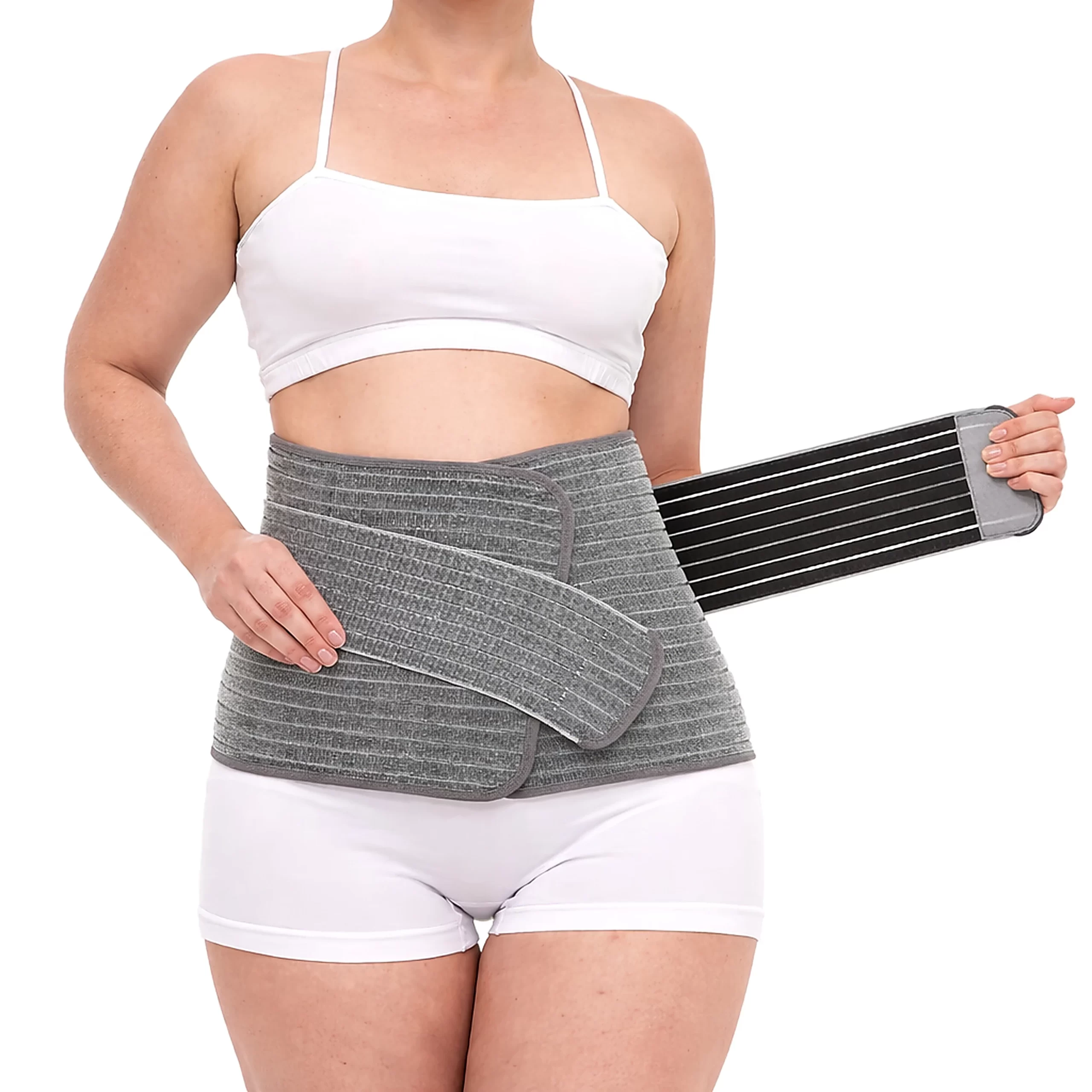
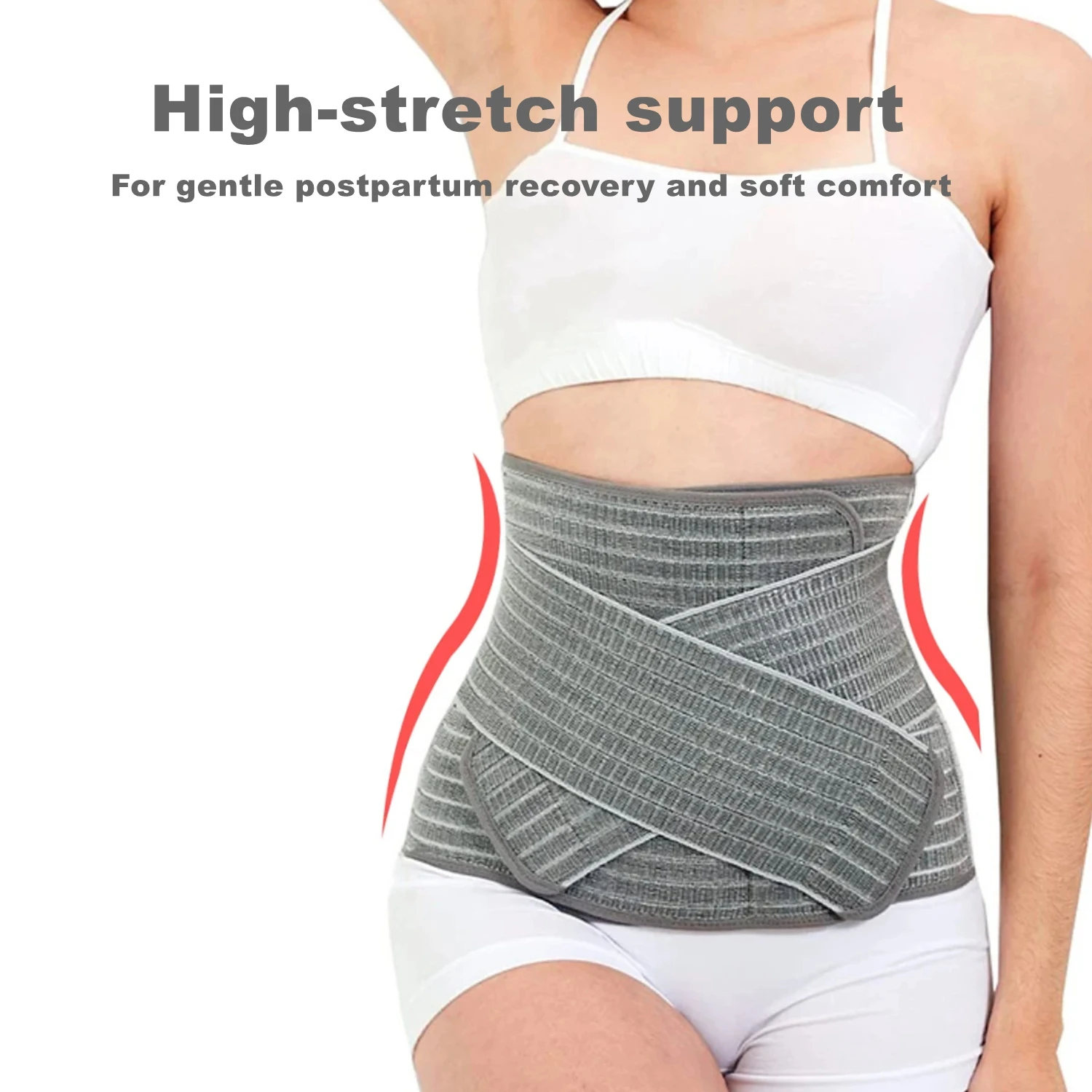
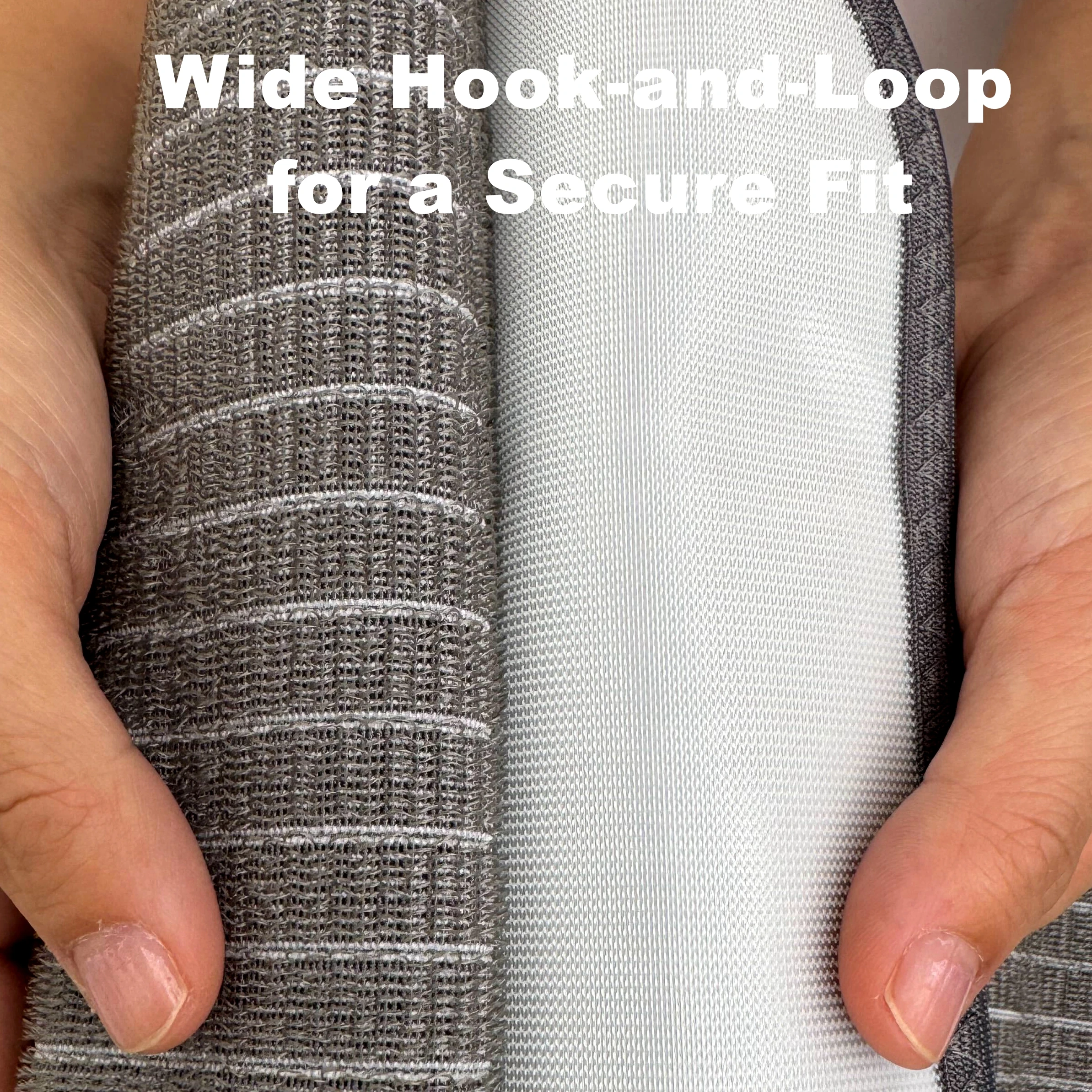
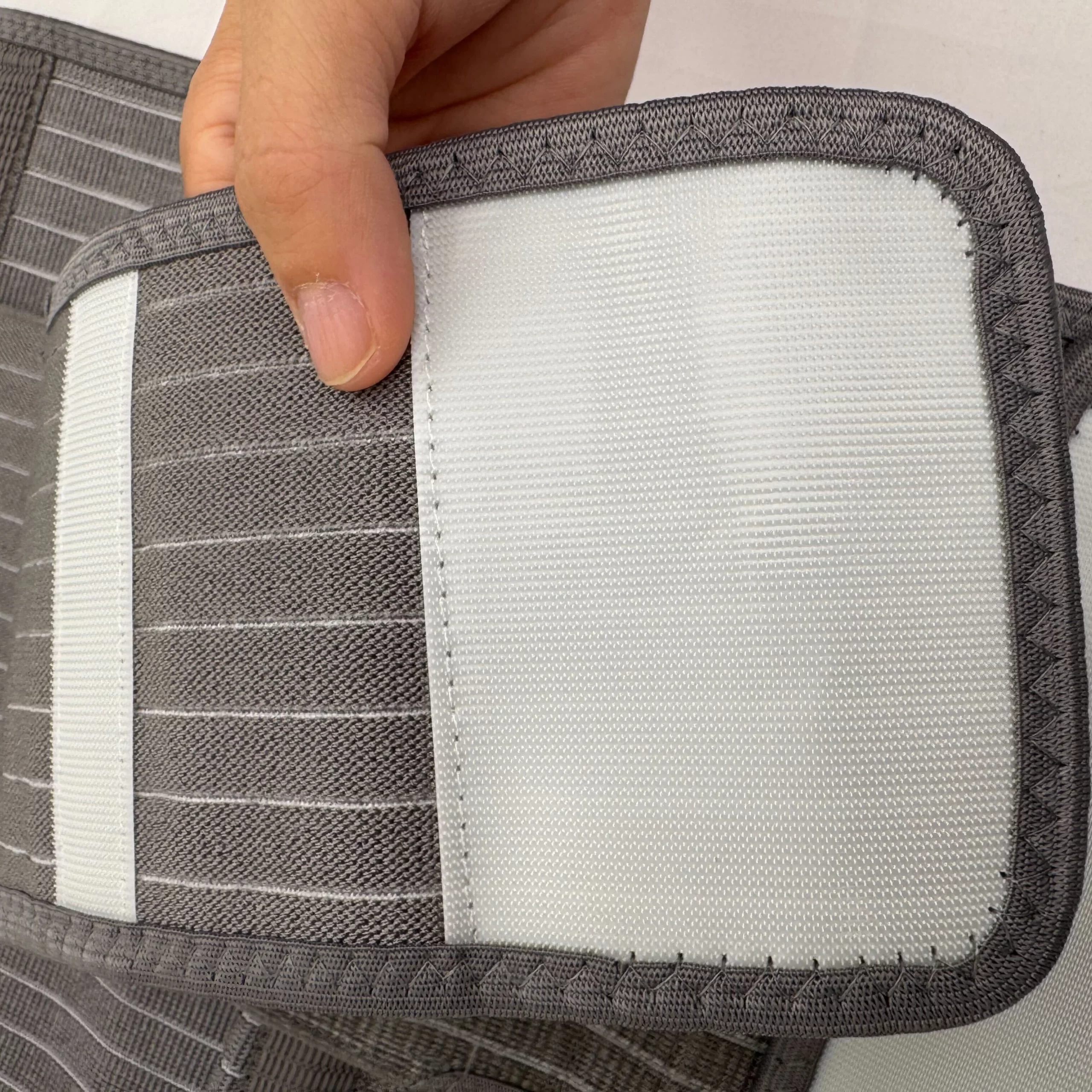
- Adjustable compression. Hook-and-loop panels let you set the tension and loosen it through the day, and adapt as swelling reduces over the weeks.
- Encourages moving sooner. Feeling held together is often the difference between walking on day two and staying in bed — and early gentle movement is what actually speeds recovery.
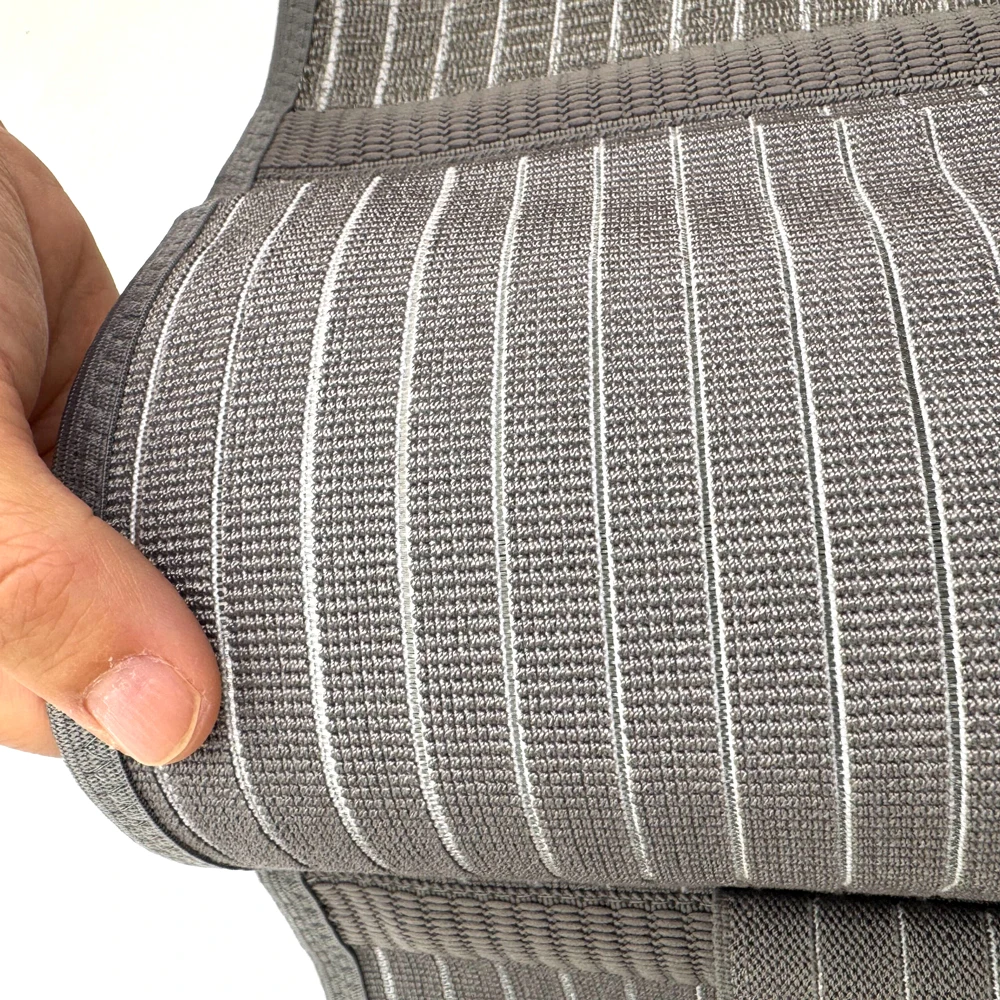
- Breathable fabric. Worn against skin for hours at a time, so ventilation is not a luxury.
- What it will not do — plainly. A binder does not burn belly fat, does not permanently shrink your waist, and does not close a diastasis recti on its own. Only progressive, properly programmed core rehab does that. Anyone selling it as a shortcut to your pre-pregnancy body is selling you a story.
How to Use
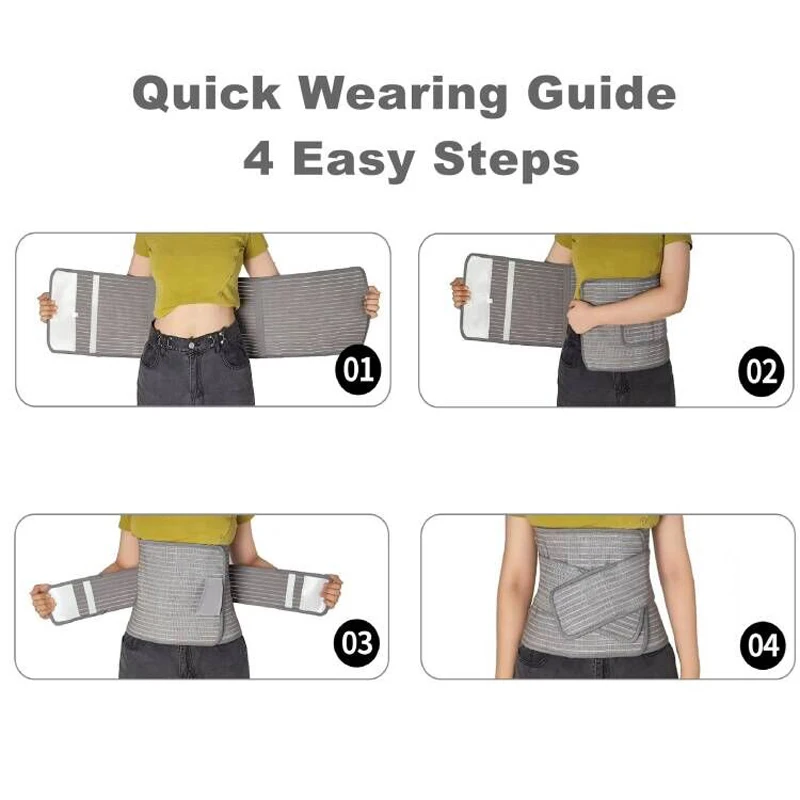
Wait for clearance from your midwife, obstetrician or GP before wearing a binder, especially after a caesarean. Lie on your back to fasten it, so the abdominal contents settle before you apply compression. Position the band across the lower abdomen, below the ribs and over the incision line — not up on the waist like a corset. Tighten to firm and supportive, never tight: you should be able to breathe deeply and comfortably into your belly, and it must never cause pain, pins and needles, or numbness. Wear for a few hours at a time during activity, and remove it to rest, sleep and eat. Do not wear it around the clock — continuous compression discourages your own abdominal and pelvic floor muscles from switching back on, and pushing pressure downward can aggravate prolapse or pelvic floor symptoms. Most guidance limits regular use to the first few weeks. Stop and seek advice if you notice increasing pain, wound discharge, a bulge along your midline, or any downward pressure sensation in the pelvis. A binder is a bridge to rehab, not a replacement for it — see a pelvic health physiotherapist.
Specifications
| Type | Postpartum abdominal binder / belly wrap |
|---|---|
| Suitable for | Vaginal and C-section recovery (with clinician clearance) |
| Adjustment | Hook-and-loop panels, adjustable compression |
| Sizes | S–M and L–XL |
| Fabric | Breathable, skin-contact material |
| Position | Lower abdomen, over the incision line |
| Recommended wear | A few hours at a time during activity; not overnight |
| Brand | Sunveno |
Care & Maintenance
Close the hook-and-loop fastenings before washing so they do not snag the fabric or your other clothes. Hand wash or use a delicate machine cycle in cool water with mild detergent, and always air dry — tumble drying destroys elastic and warps the hook-and-loop. Do not iron or bleach. Replace the band when it no longer holds tension, as a stretched-out binder provides no support.
What’s in the Box
1 × Sunveno adjustable postpartum belly band in the selected size, with hook-and-loop fastening panels.
Reviews
There are no reviews yet.