Gravity, Your Veins, and Why Your Ankles Swell by Evening
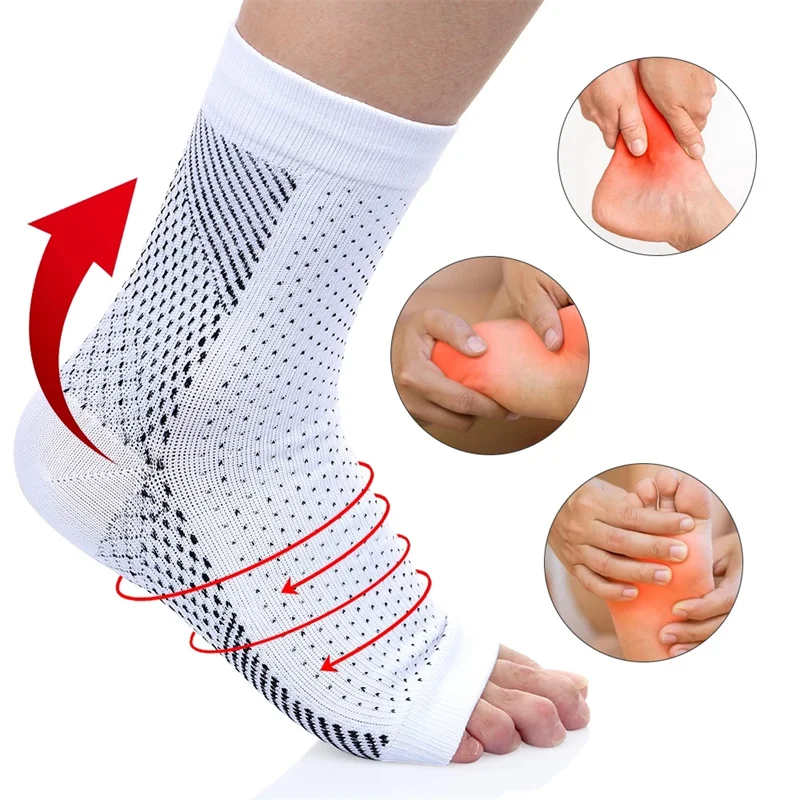
Blood returns from your feet to your heart against gravity, pushed by one-way valves and the squeeze of your calf muscles as you walk. Stand or sit still for long enough and that pump stops working. Pressure builds in the veins, fluid leaks into surrounding tissue, and your ankles swell and ache by late afternoon. Graduated compression applies its highest pressure at the ankle and eases as it rises, narrowing the veins so blood moves faster and giving the tissue less room to accumulate fluid. This is genuinely established physiology — it is why compression is used clinically. It supports circulation; it does not cure varicose veins or venous disease.
Key Benefits
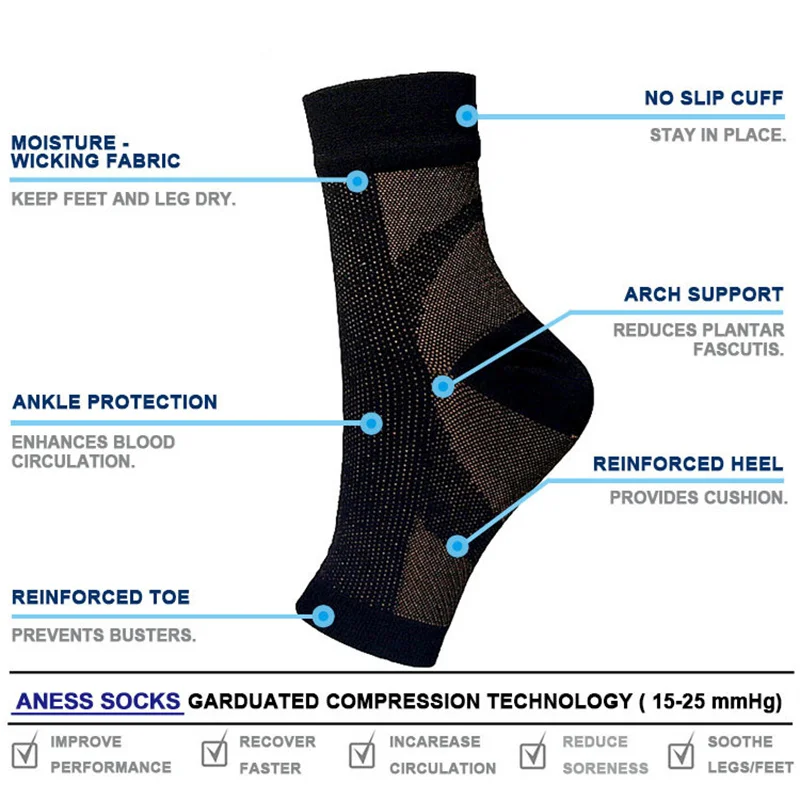
- Graduated pressure, not uniform squeeze. Tightest at the ankle and looser above is what actually drives blood upward. A sock that is equally tight everywhere can restrict flow rather than assist it.
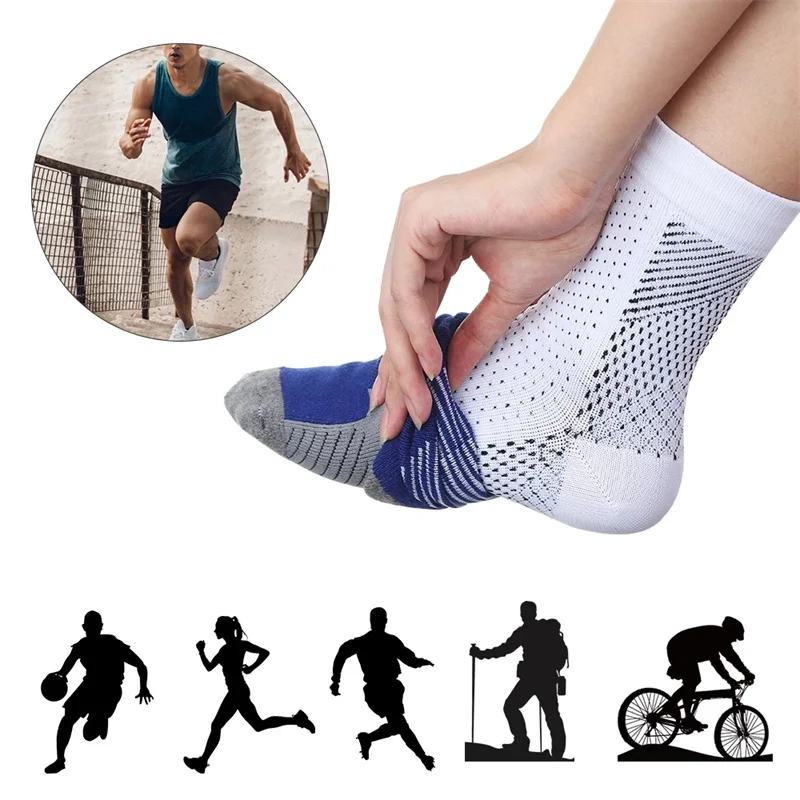
- Targets the end-of-day ache. Nurses, hospitality staff, retail workers, teachers and anyone on their feet for ten hours know the specific heaviness this addresses.
- Reduces dependent swelling. Less fluid pools in the tissue when the veins are supported — which is the swelling you see around your ankles and the tops of your feet.
- Useful for long travel. Sitting immobile for hours is exactly the condition that stalls the calf pump; compression plus regular movement is the standard advice.
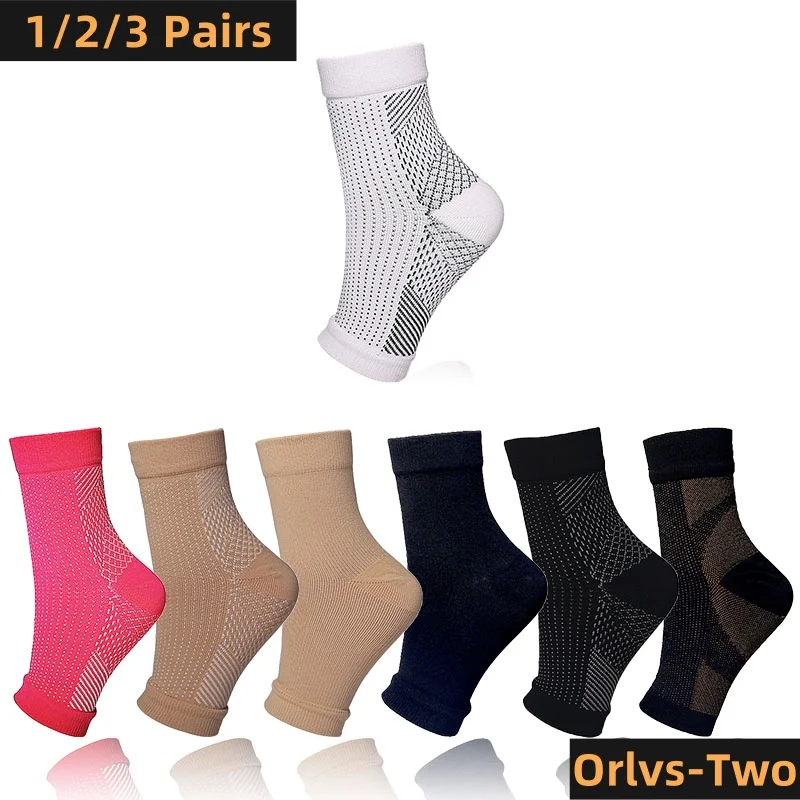
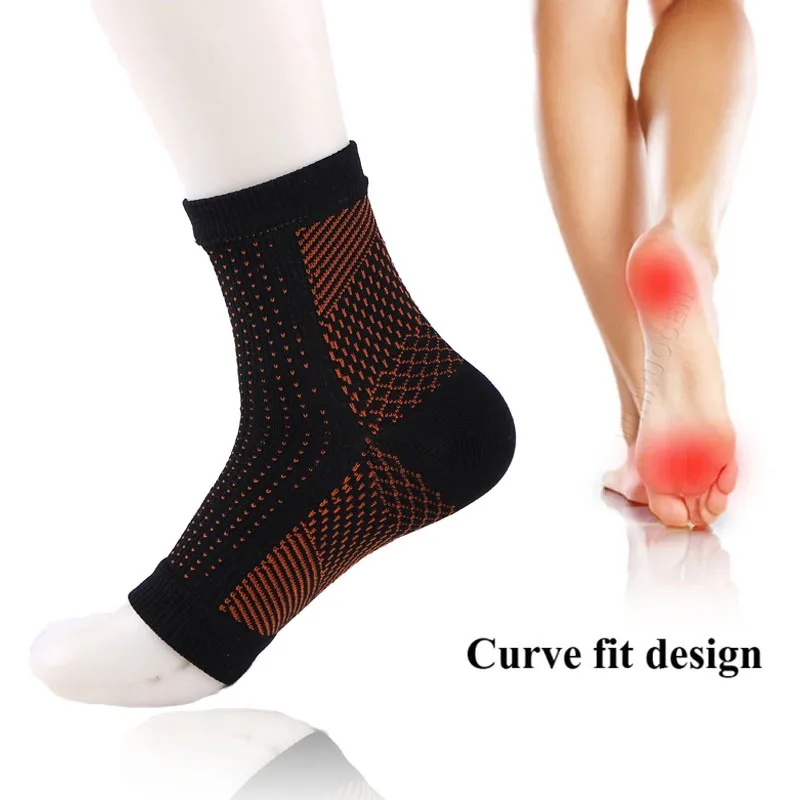
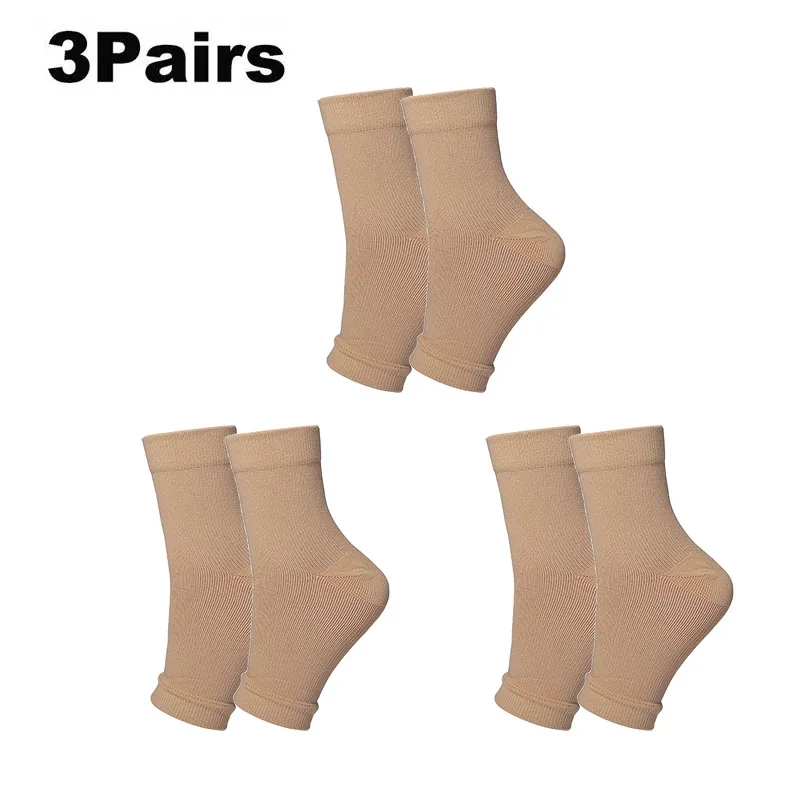
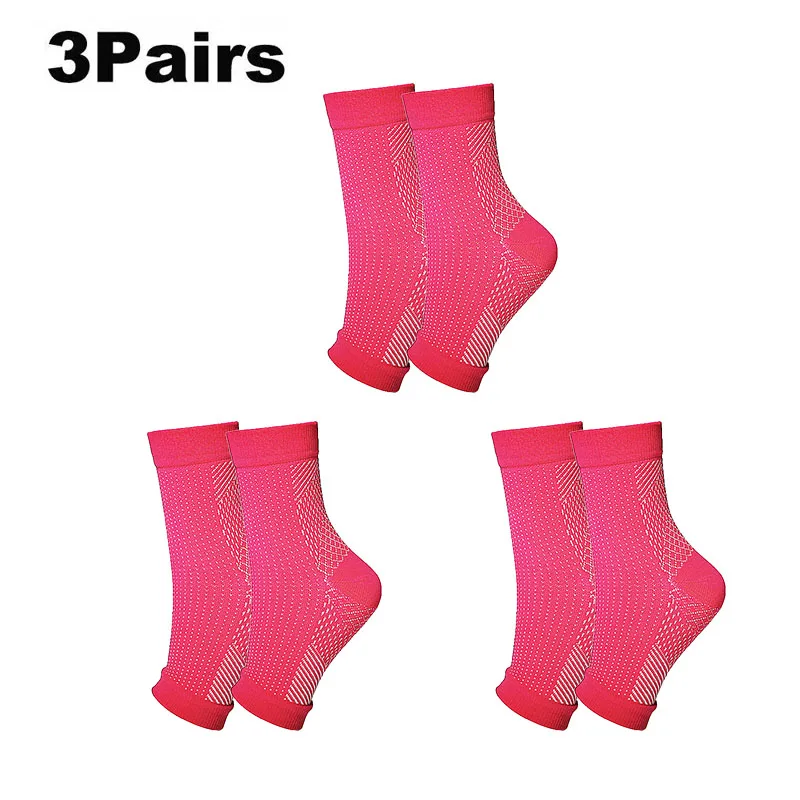
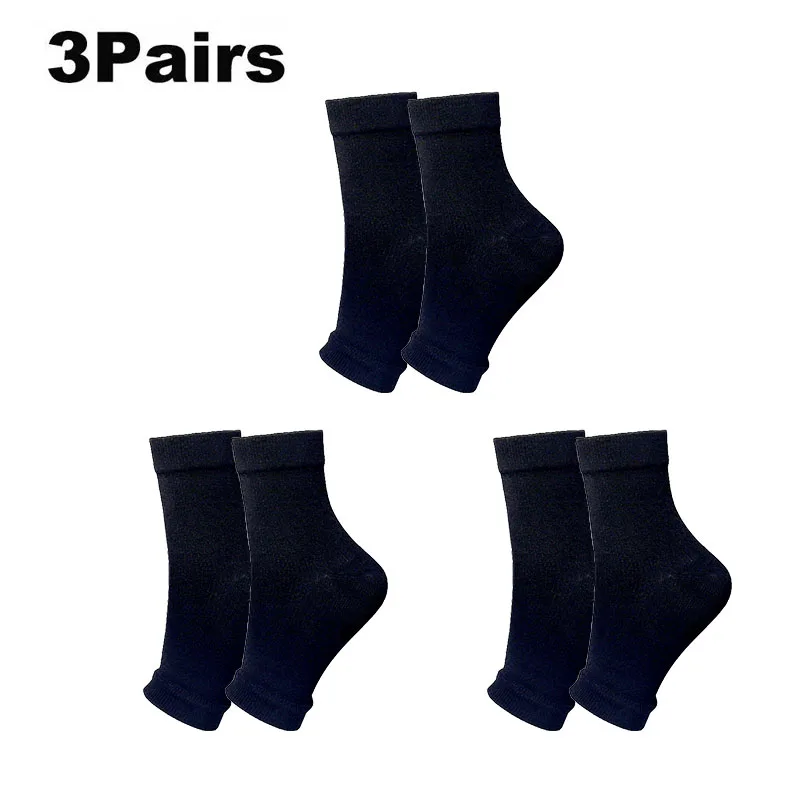
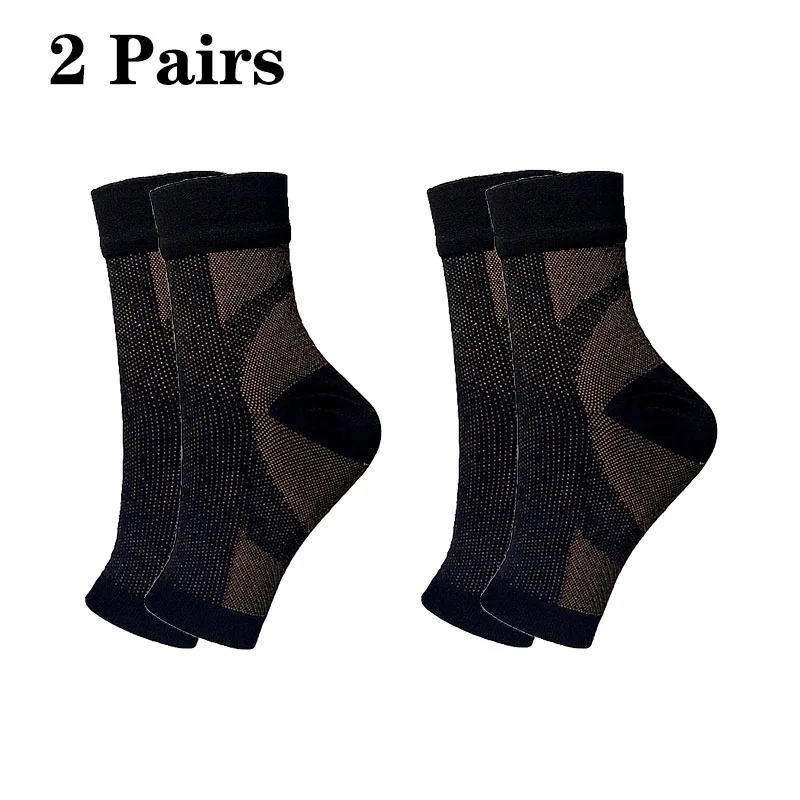
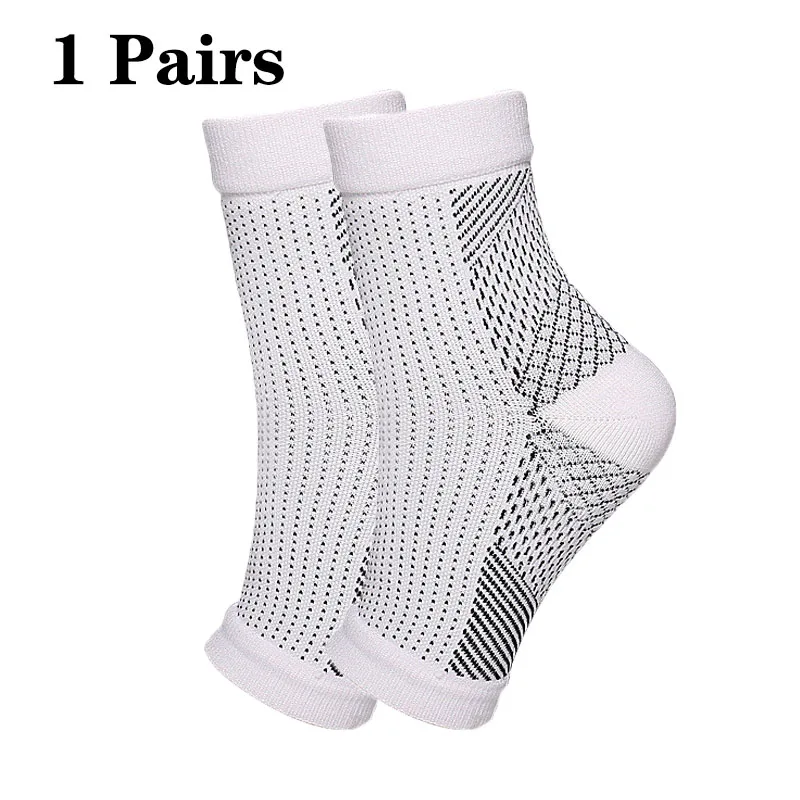
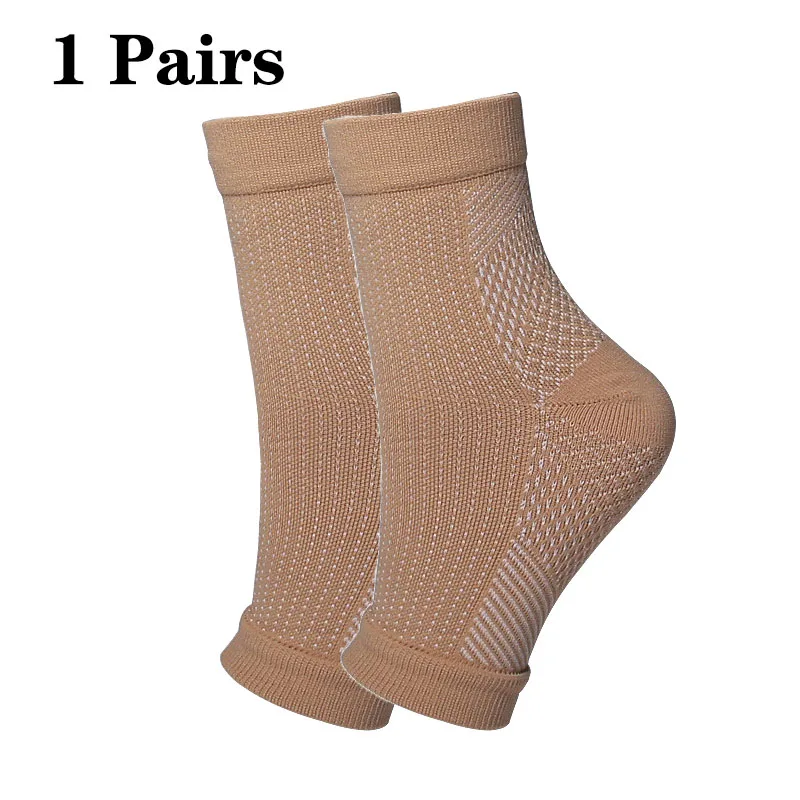
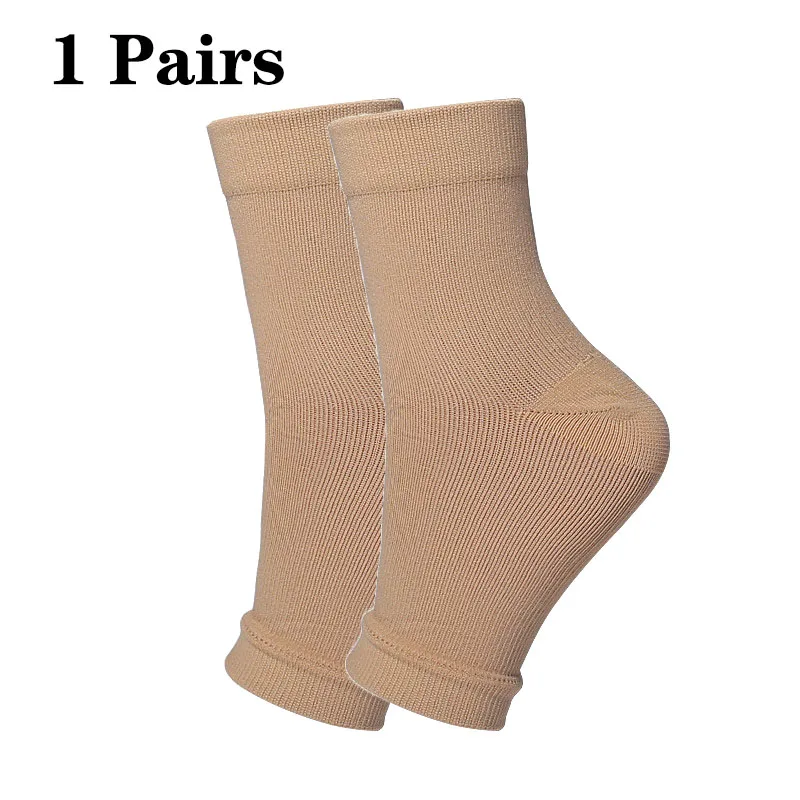
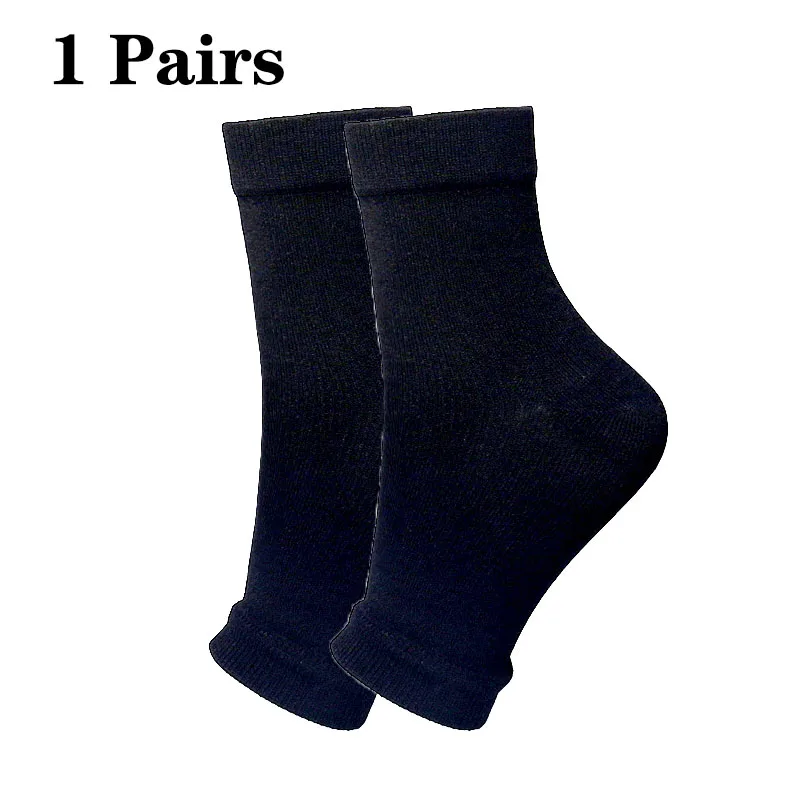
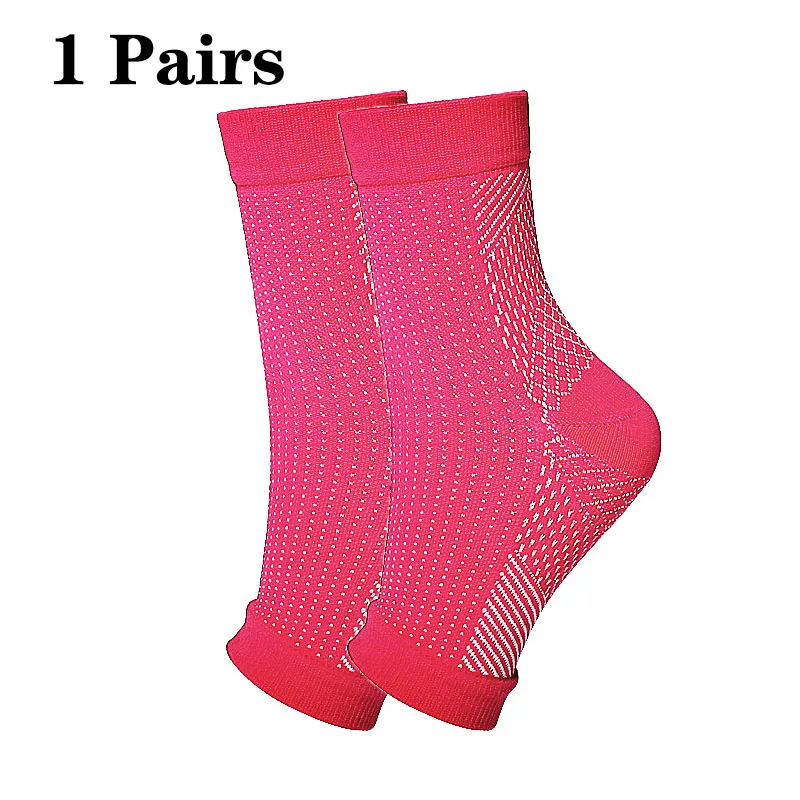
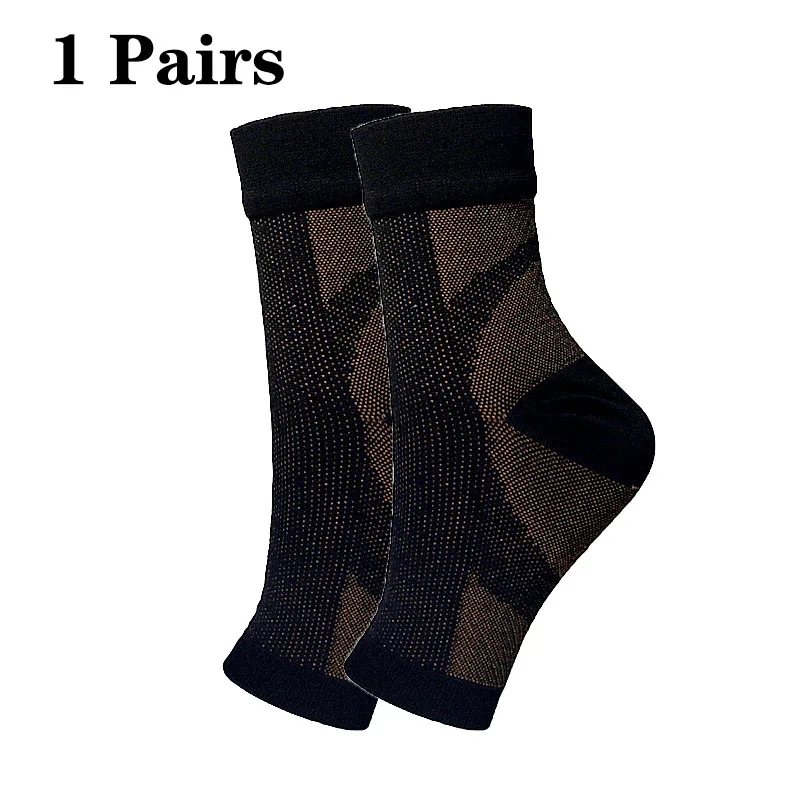
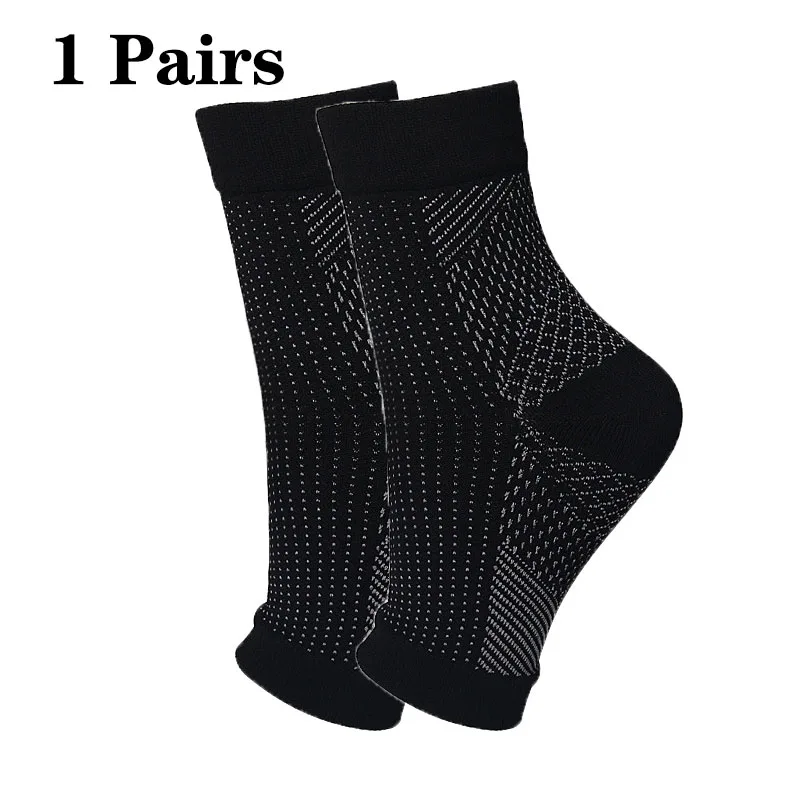
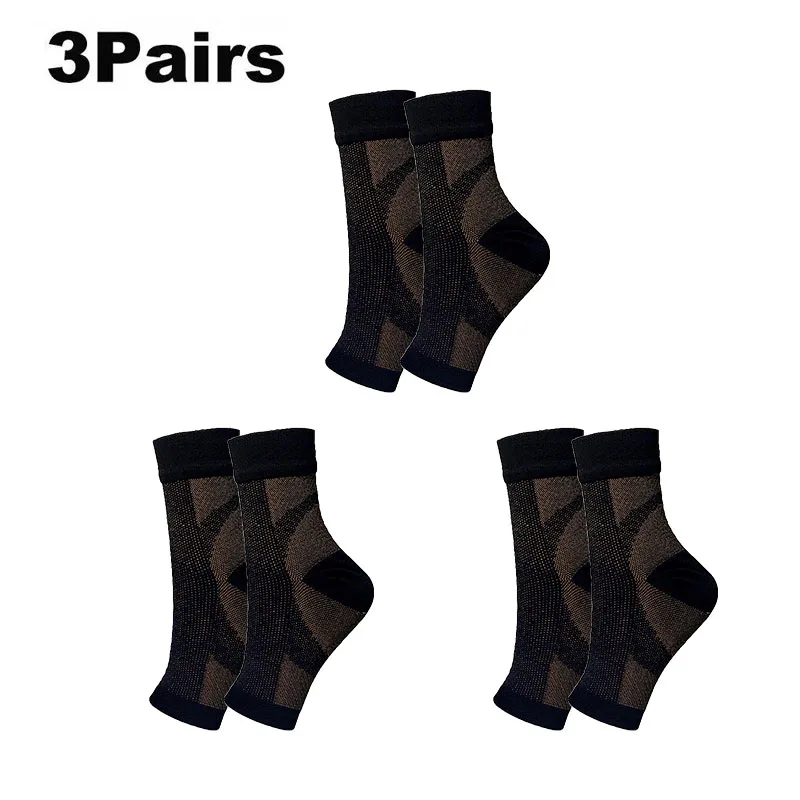
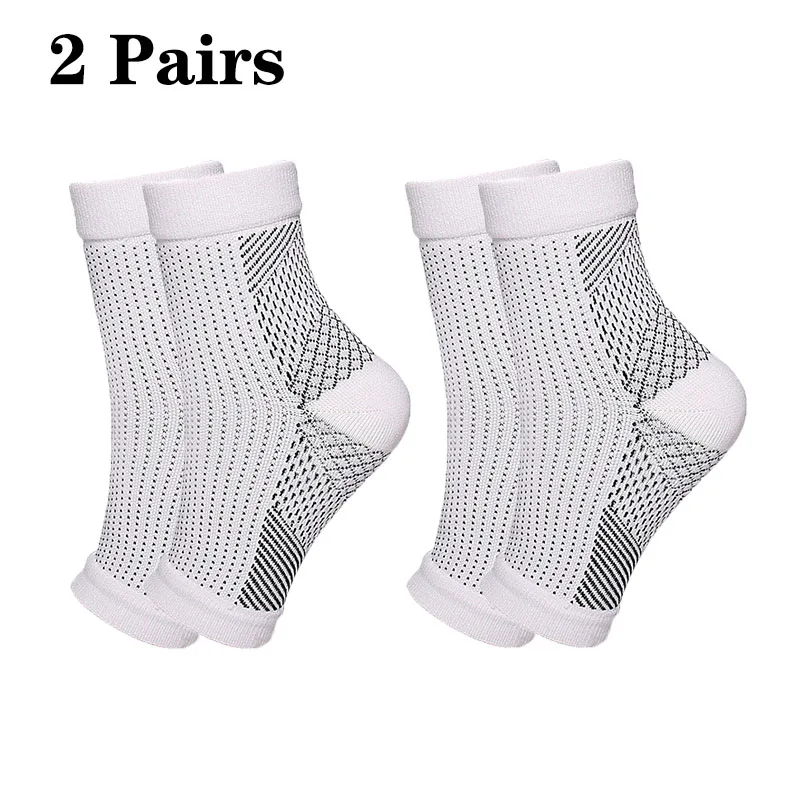
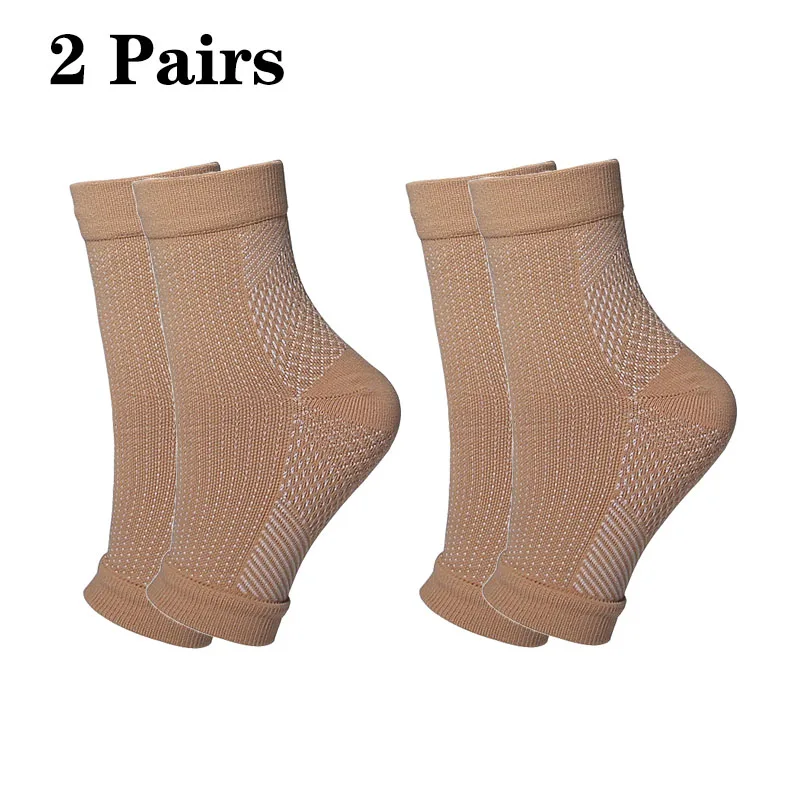
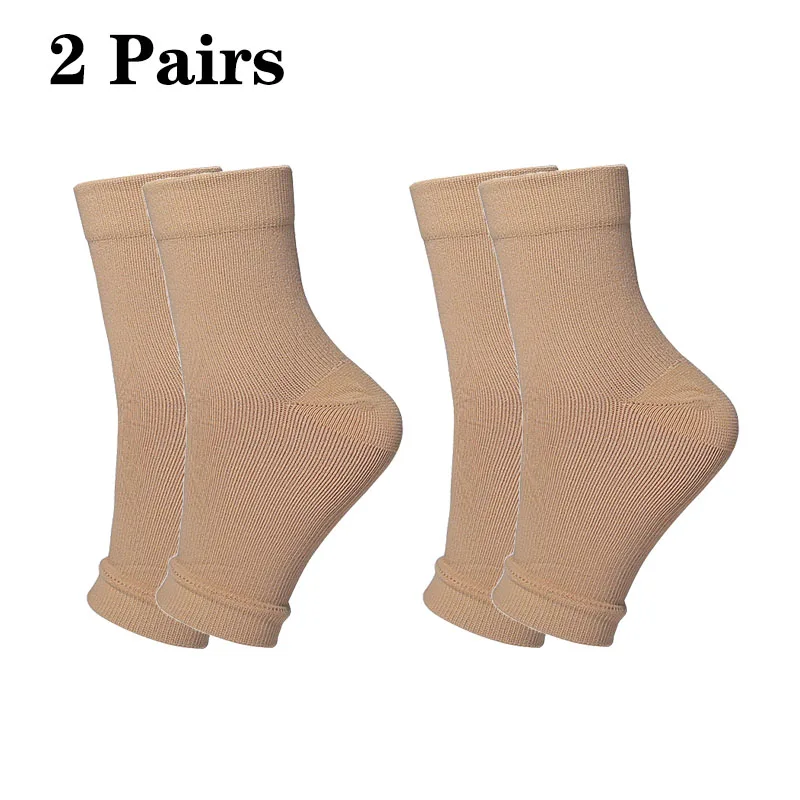
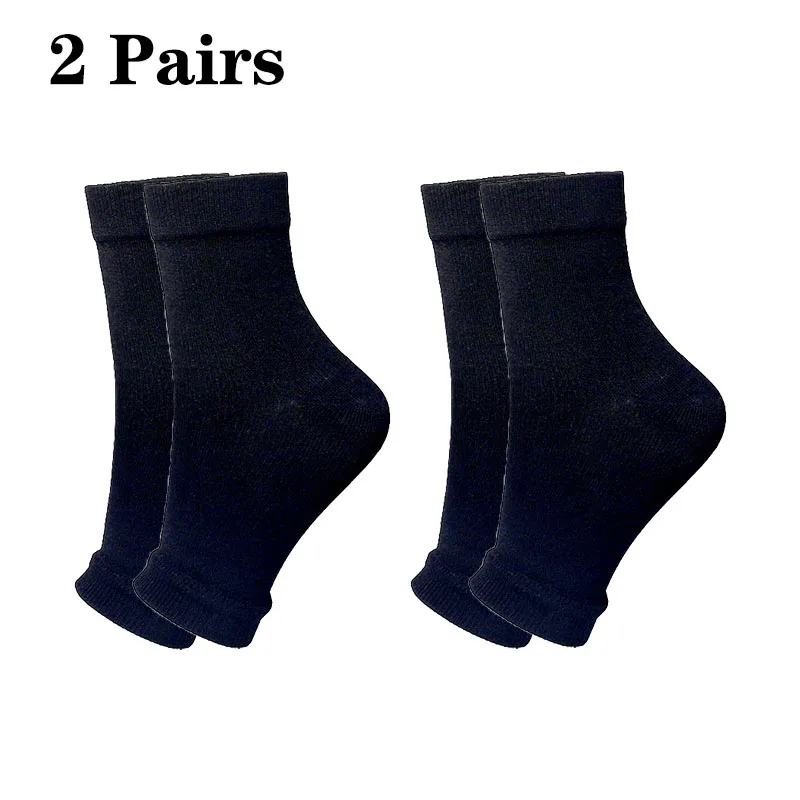
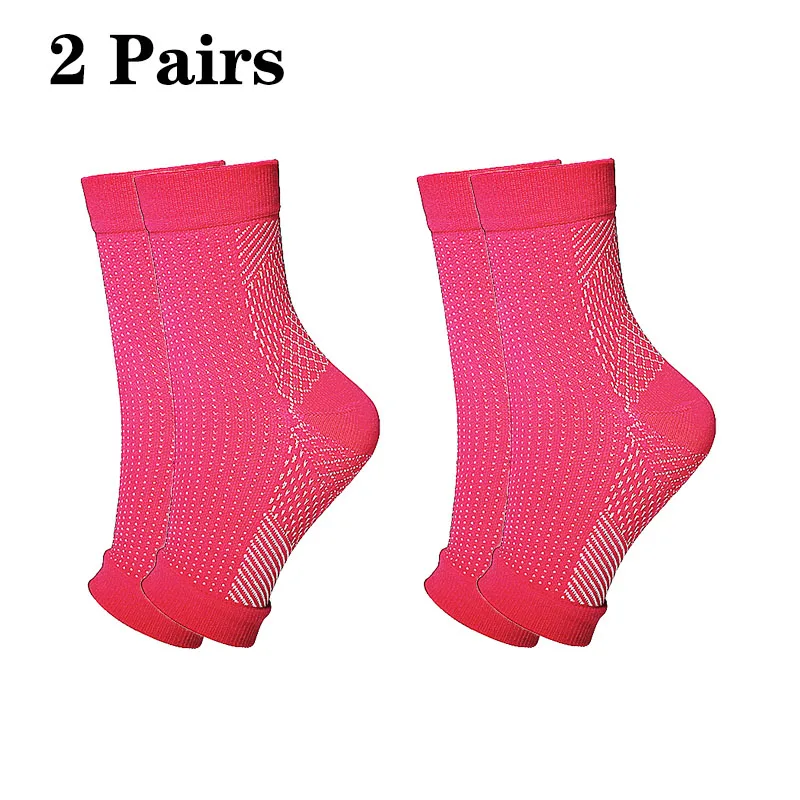
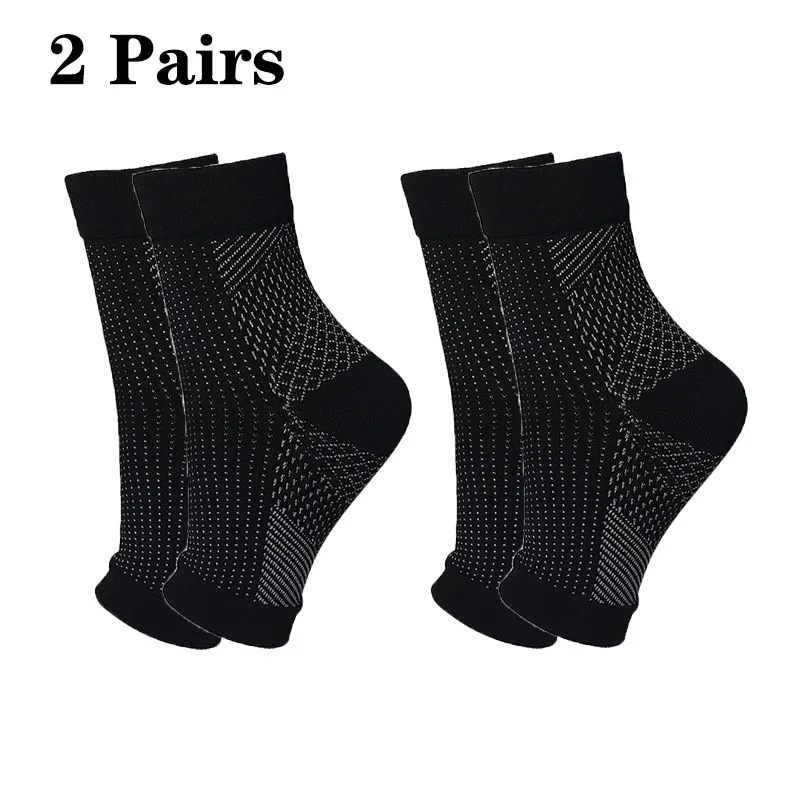
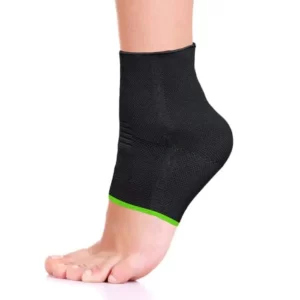
- Sleeve design leaves the toes free, so it fits inside normal shoes and socks without bunching or overheating the forefoot.
- Honest limits: compression manages symptoms. It does not remove varicose veins, treat underlying venous insufficiency, or replace medical assessment of persistent or one-sided swelling.
How to Use
Put the sleeves on first thing in the morning, before swelling has built up — pulling compression over an already-swollen ankle is difficult and less effective. Roll the sleeve on rather than yanking it, and smooth out every wrinkle: a folded band of fabric becomes a tourniquet. Wear through the day and remove at night unless a clinician has told you otherwise. They should feel firm and supportive, never painful. Remove them immediately if you get numbness, tingling, pins and needles, colour change in the toes, or skin that is cold to the touch. Important: do not use compression if you have peripheral arterial disease, significant reduced circulation, uncontrolled heart failure, an active skin infection, or diabetic neuropathy with reduced sensation, without medical clearance — in those conditions compression can cause harm. Sudden swelling in one leg, especially with pain, warmth or redness, needs urgent medical attention, not a sock.
Specifications
| Type | Graduated compression foot sleeves |
|---|---|
| Design | Open toe and open heel sleeve — fits under socks and shoes |
| Compression | Graduated, highest at the ankle |
| Material | Breathable elastic knit blend |
| Coverage | Foot and ankle |
| Wear | Daytime; remove at night unless clinically advised |
| Sizing | Measure ankle and foot circumference — fit is what makes compression work |
| Best for | Standing occupations, travel, foot fatigue, ankle swelling, plantar support |
| Not suitable for | Arterial disease, severe neuropathy, active infection, without medical advice |
Care & Maintenance
Hand wash or machine wash on a cool, gentle cycle inside a mesh bag, and air dry flat. Never tumble dry or iron — heat is what kills elastane, and a compression sleeve that has lost its recoil provides no compression at all. Avoid fabric softener, which coats and slackens elastic fibres. Rotate between two pairs so each can fully recover, and replace them every 3–6 months of regular wear.
What’s in the Box
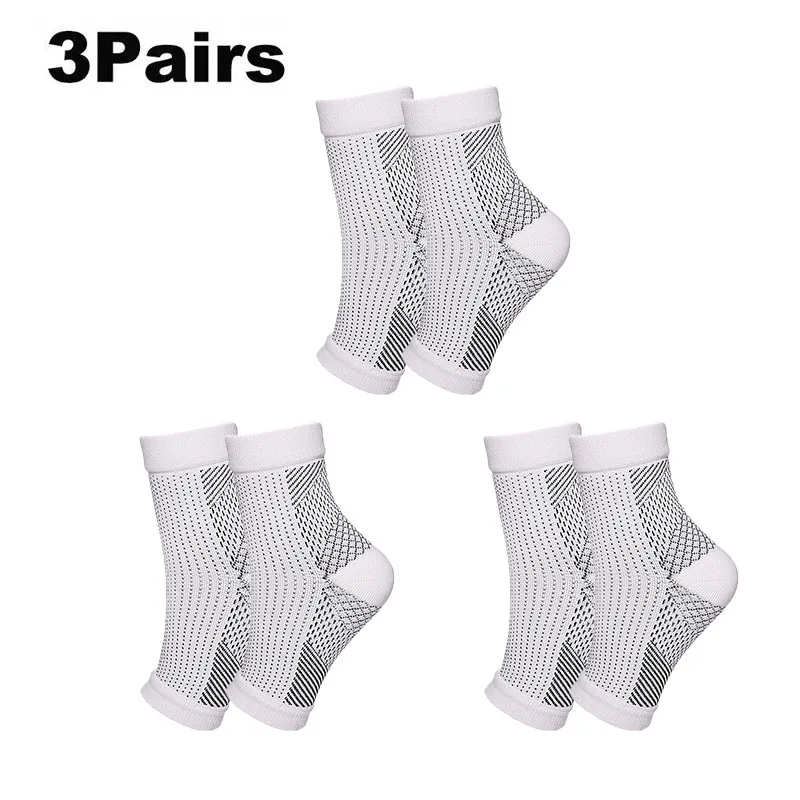
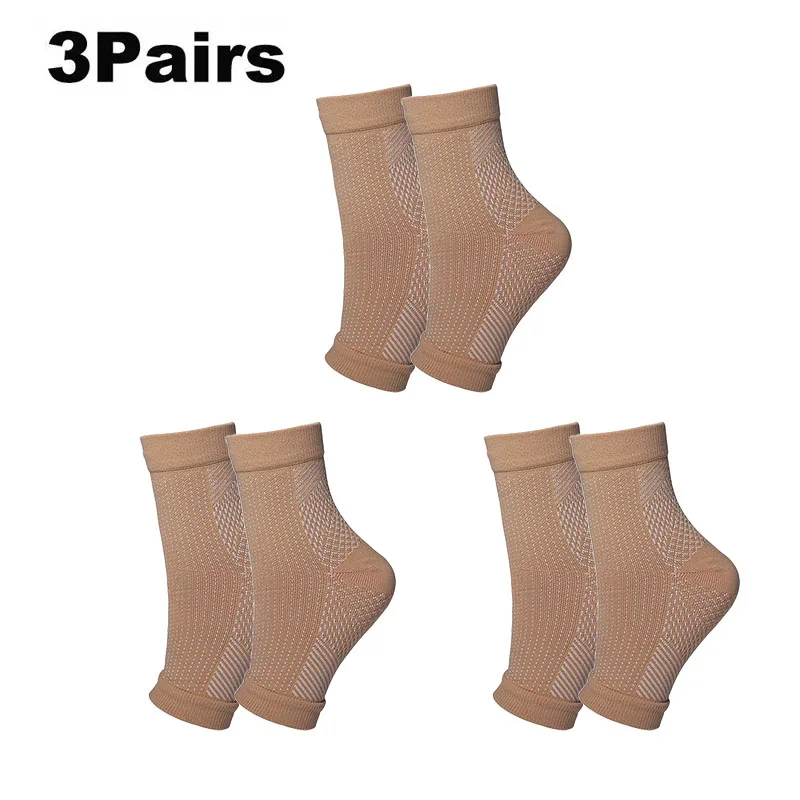
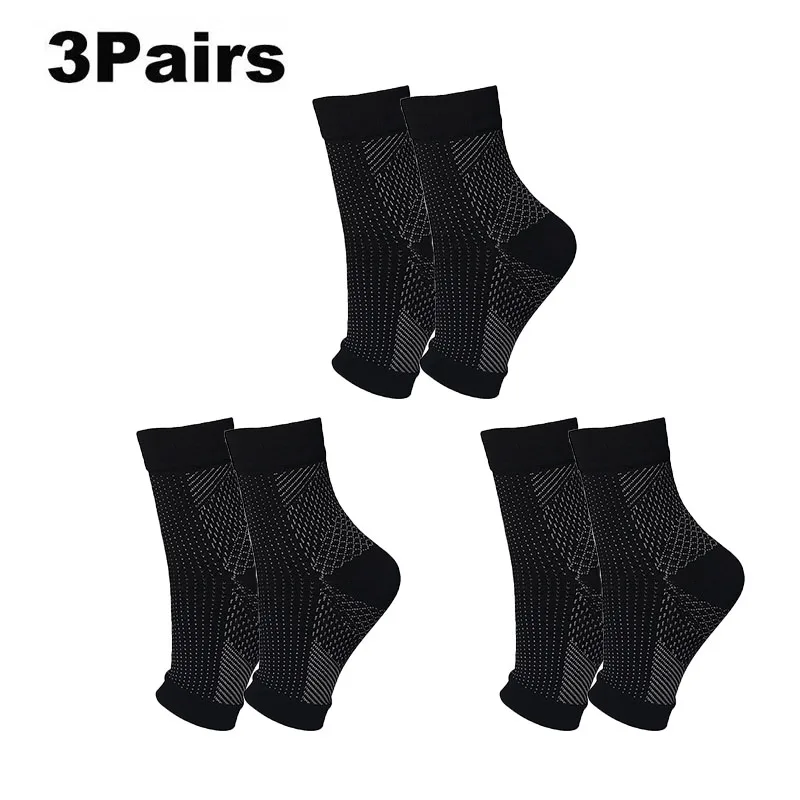
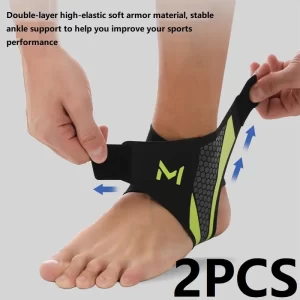
1 x pair of graduated compression foot sleeves in the selected size. Sizing is not cosmetic — the wrong size does not compress correctly.
Reviews
There are no reviews yet.