What a 7mm Knee Sleeve Actually Does Under a Heavy Squat
Three mechanisms are at work, and only one of them is about support. First, warmth: thick neoprene traps heat around the joint, and warm connective tissue is more compliant and less prone to strain. Second, compression, which increases proprioceptive feedback from the joint — you simply know where your knee is, which improves control under load. Third, elastic rebound: at 7mm, the neoprene is stiff enough to store a small amount of energy in the deep position of a squat and return it as you drive up. That last effect is real but modest — it’s worth a few kilos, not a new personal best.
Key Benefits
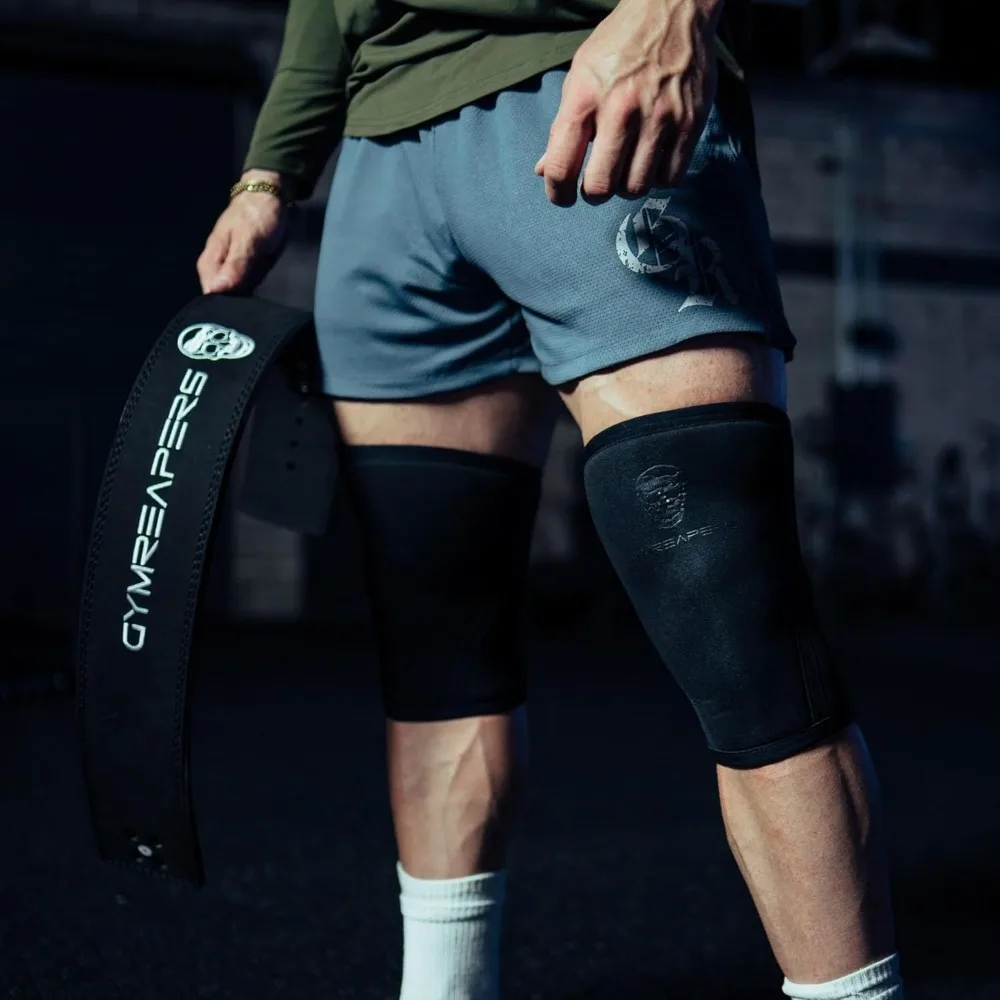
- 7mm is the powerlifting standard for a reason. 5mm sleeves prioritise comfort and warmth; 7mm is the maximum thickness permitted in most federations, and delivers meaningfully more rebound and compression.
- IPF approved, so they are legal in competition. If you compete, the sleeve you train in should be the sleeve you can lift in. Nothing worse than adapting to equipment you’ll be told to remove on the platform.
- Warmth changes how the joint feels between sets. Particularly relevant in a cold garage gym or on long sessions where the knee cools between heavy singles.
- Compression sharpens proprioception. Better joint position sense translates directly into better tracking and a more consistent squat groove — an underrated performance benefit.
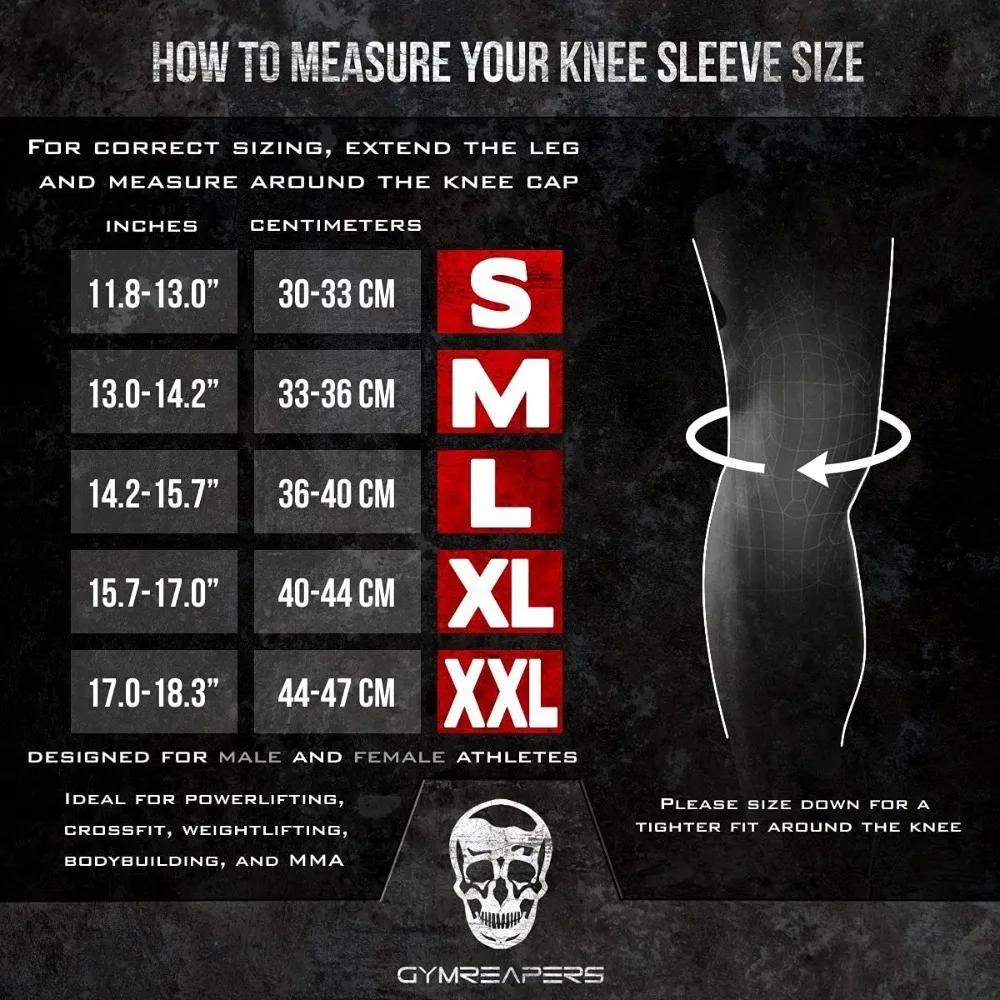
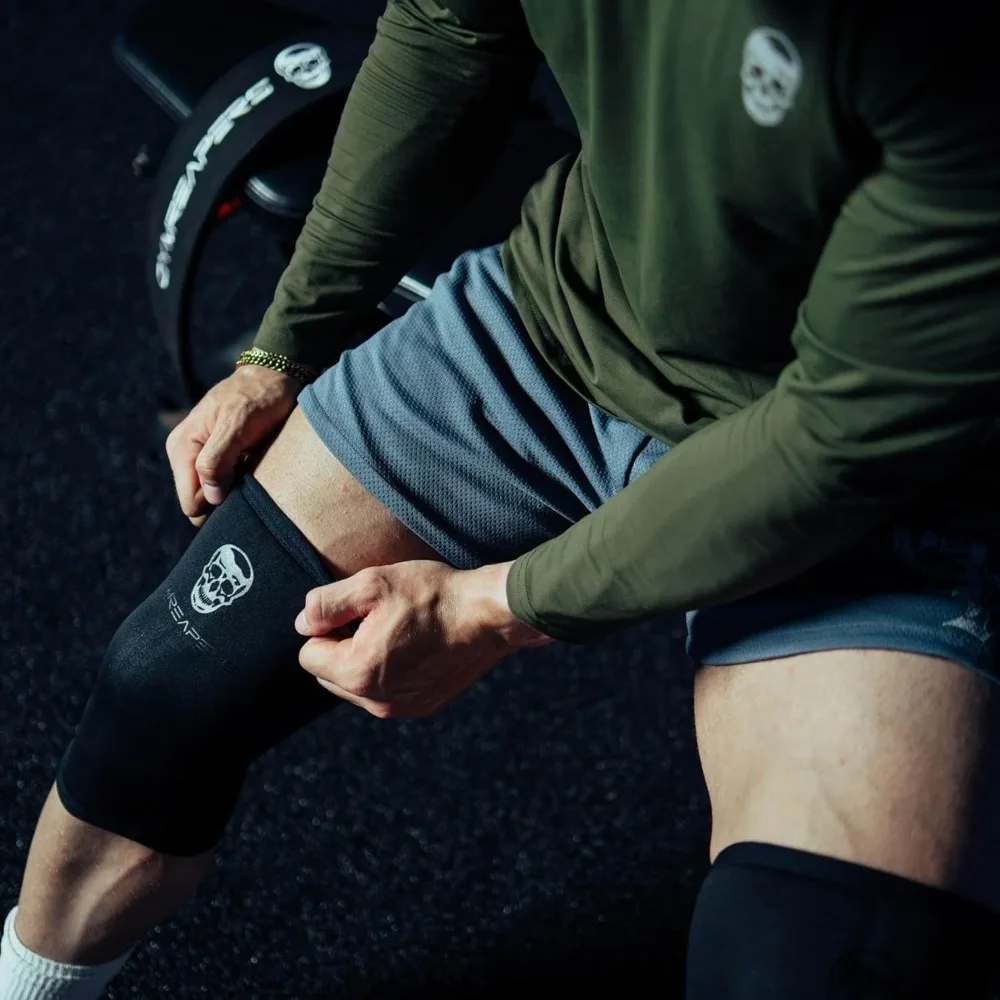
- Genuinely tight, and that is correct. A knee sleeve you can slide on easily is doing nothing. These should be a fight to get on. Size by the manufacturer’s chart, not by your usual clothing size.
- Sold as a pair. Both knees, as it should be.
How to Use
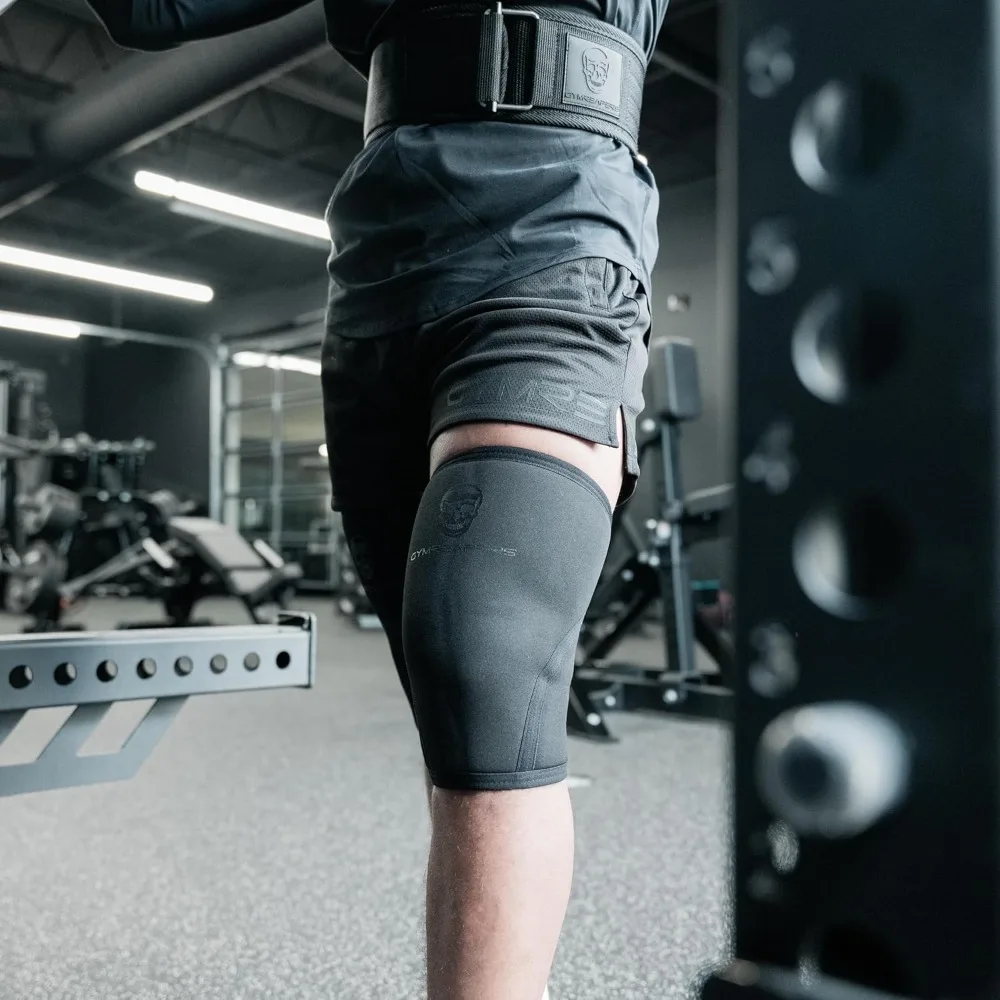
Roll the sleeve up over the foot and calf rather than trying to yank it on in one piece — that’s how seams get torn. Position the sleeve so the knee sits centrally, with equal coverage above and below the joint line. Put them on shortly before your working sets, not at the start of your warm-up: they are designed to be uncomfortably tight, and wearing them for an entire session is unnecessary and unpleasant. Take them off between exercises. Be clear on the limits: a knee sleeve is not a knee brace. It provides compression and warmth, not mechanical stabilisation. It will not protect a torn ACL or meniscus, it will not correct valgus collapse caused by weak glutes, and it will not make a knee that hurts under load safe to load. If your knee hurts, the sleeve is not the answer — see a physiotherapist. Remove them immediately if you get numbness, tingling, or a colour change below the knee, which means the compression is cutting off circulation.
Specifications
| Thickness | 7mm neoprene |
|---|---|
| Certification | IPF approved (legal in most powerlifting federations) |
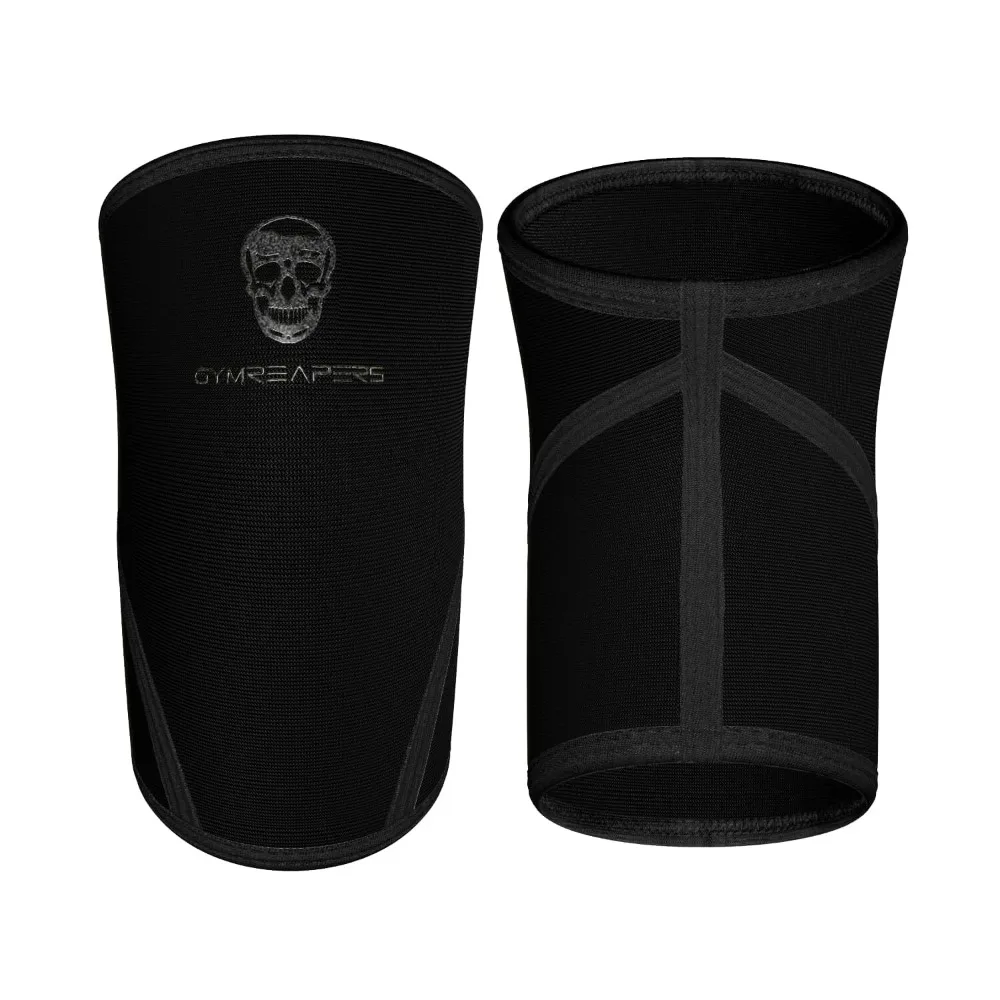
| Colour | Black / Black |
| Size | X-Large (this listing) — size by the manufacturer’s chart, not clothing size |
| Quantity | Pair (2 sleeves) |
| Primary use | Squats, weightlifting, powerlifting |
| Provides | Compression, joint warmth, mild elastic rebound |
| Does not provide | Mechanical bracing or ligament stabilisation |
| Fit | Deliberately tight — a loose sleeve does nothing |
Care & Maintenance
Neoprene holds sweat and it will smell if you let it. Turn the sleeves inside out after every session and let them air dry fully before rolling them up in a bag — the smell comes from bacteria living in trapped moisture, not from the material itself. Hand wash in cool water with mild detergent when needed and air dry away from direct heat. Never tumble dry or use a radiator: heat is what destroys neoprene’s elasticity, and a sleeve that has lost its snap is a sleeve that has lost its purpose.
What’s in the Box
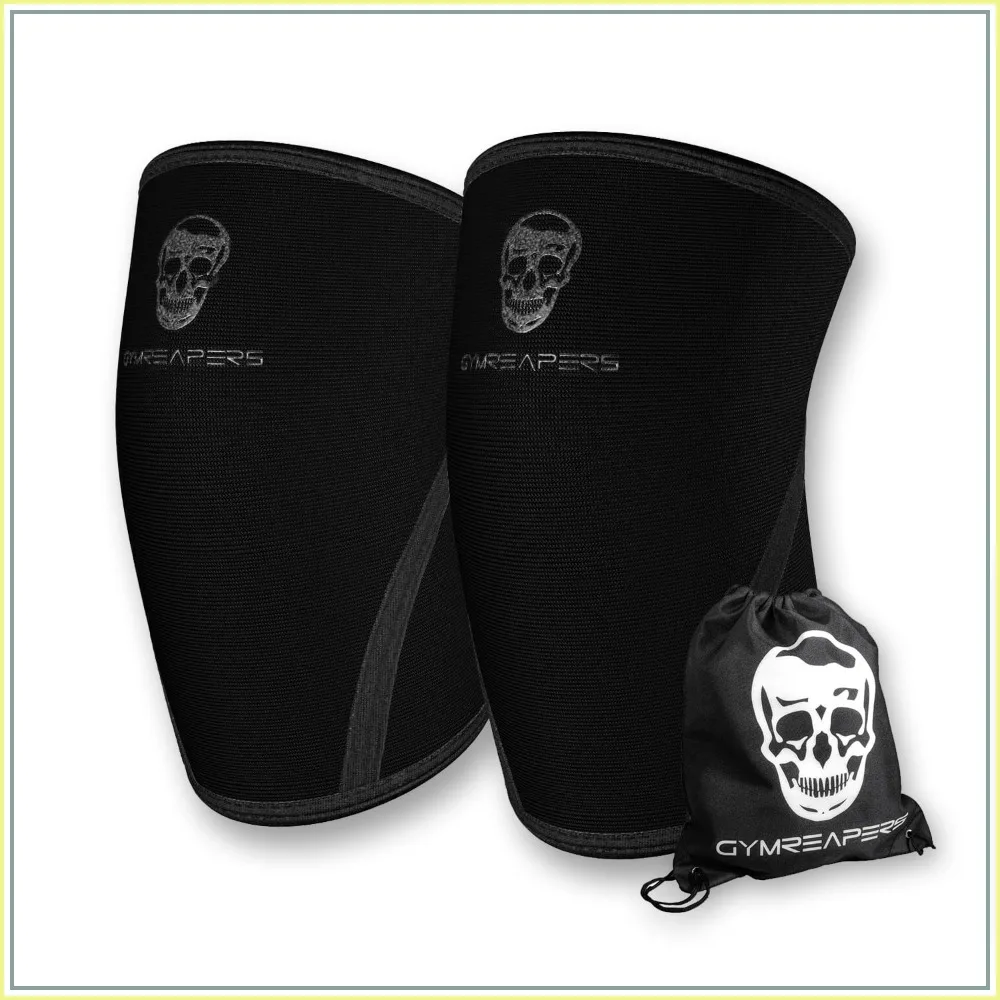
2 x 7mm neoprene knee sleeves (one pair).
Reviews
There are no reviews yet.