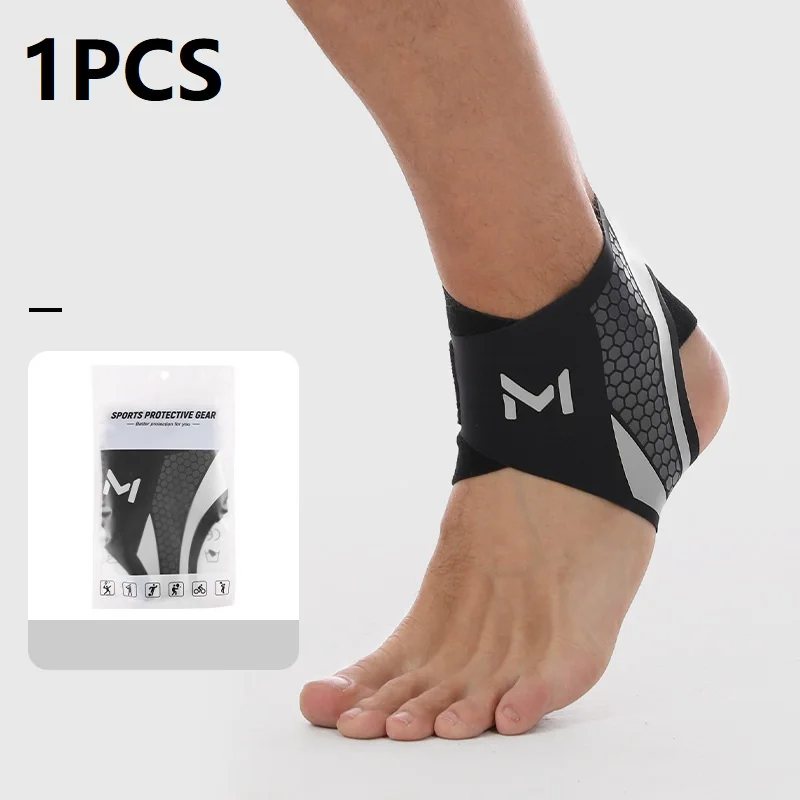
Compression for the Day, a Slow Stretch for the Night
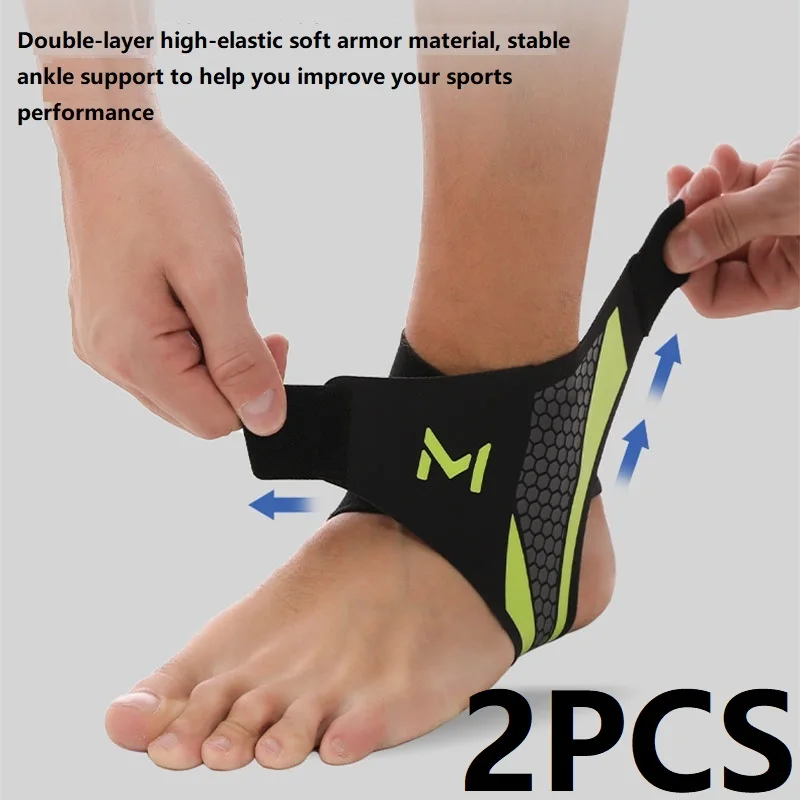
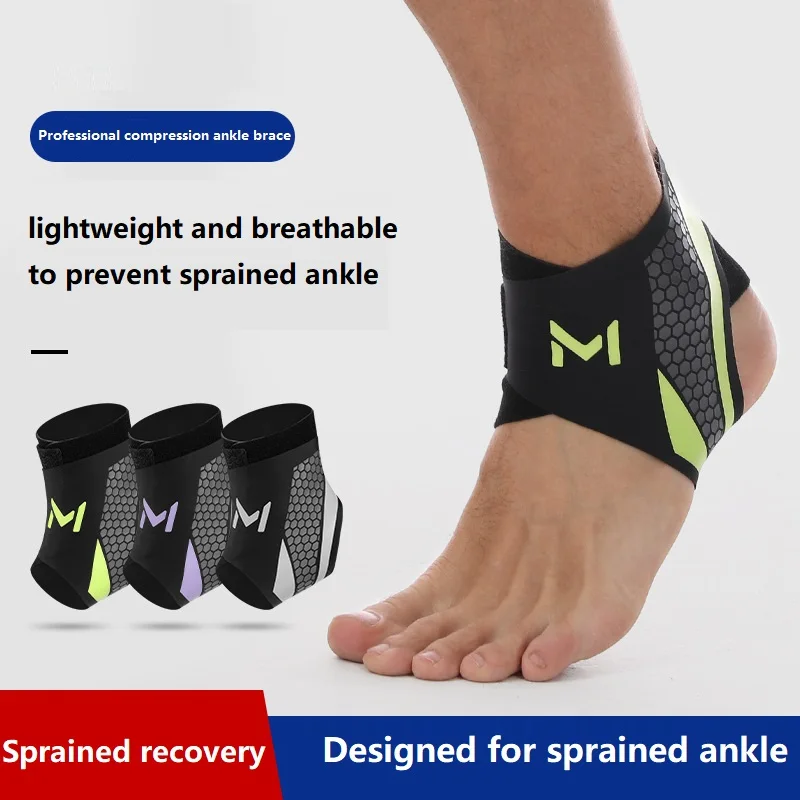
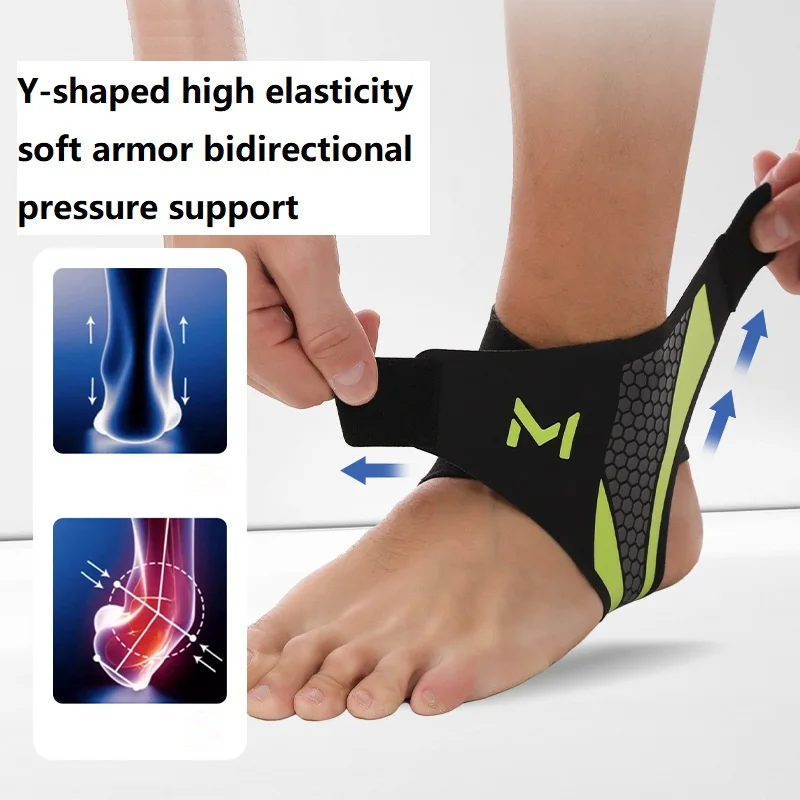
That vicious first step out of bed happens because the plantar fascia shortens and knits together overnight while your foot rests in a pointed position; you then tear those adhesions with your bodyweight. A night splint holds the ankle near neutral so the fascia heals at length instead of short — which is why it is one of the few conservative measures with decent evidence behind it. The daytime compression sleeve does something different: it applies uniform pressure that supports the ankle, damps swelling, and heightens joint position sense, giving you a more confident foot on uneven ground.
Key Benefits
- Attacks morning heel pain at the cause — worn overnight, it prevents the fascia from shortening while you sleep, so the first step of the day isn’t spent re-tearing it.
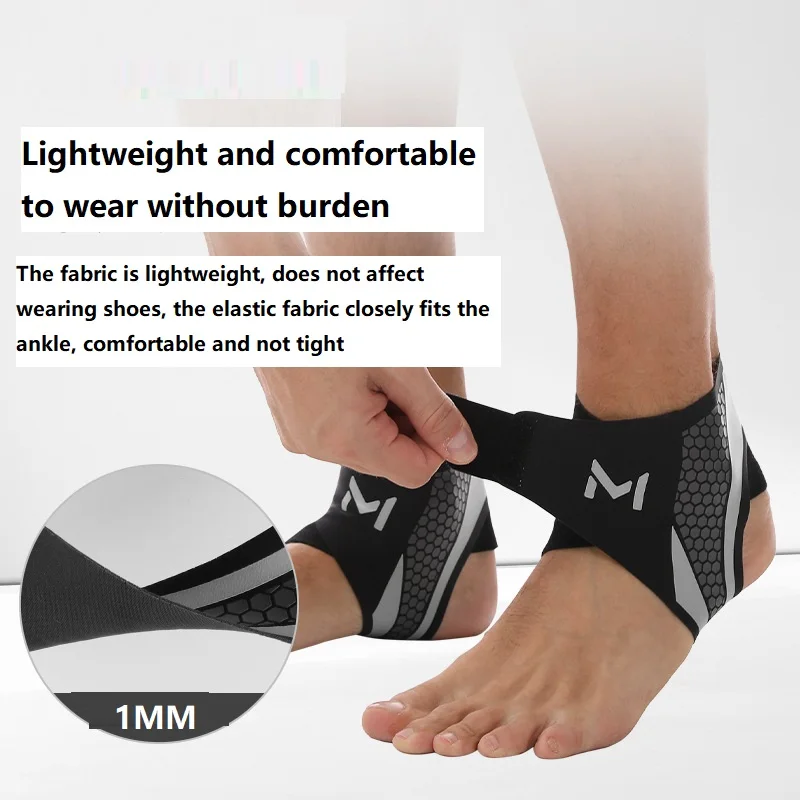
- Uniform compression, not a tourniquet — even pressure around the ankle helps manage swelling and reduces the sloshing, unstable feeling after a sprain or a hard session.
- Improves proprioception — the constant skin pressure gives your nervous system better positional feedback, which is a real and measurable effect of compression sleeves.
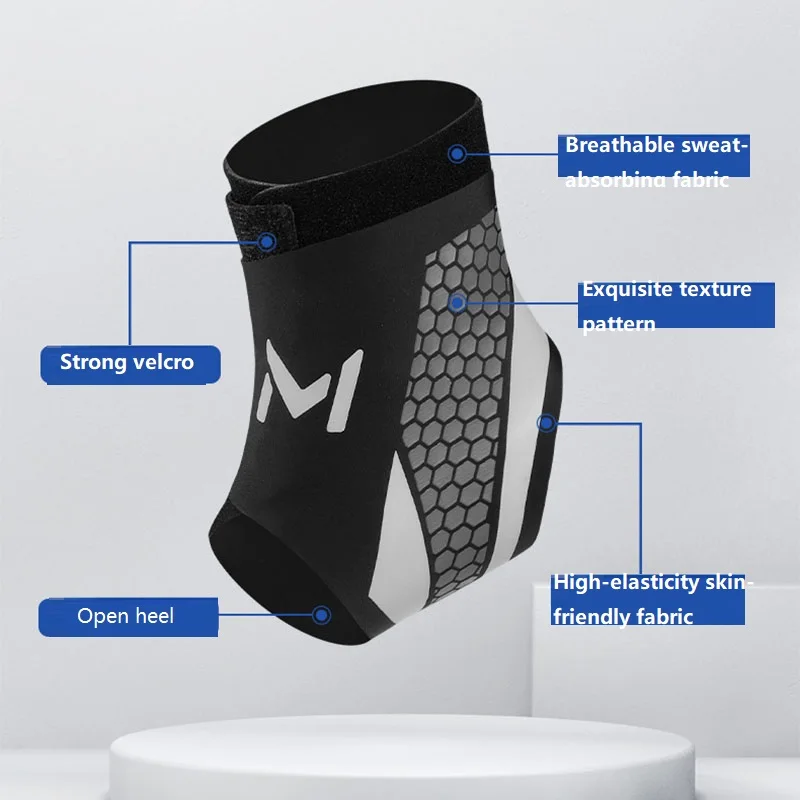
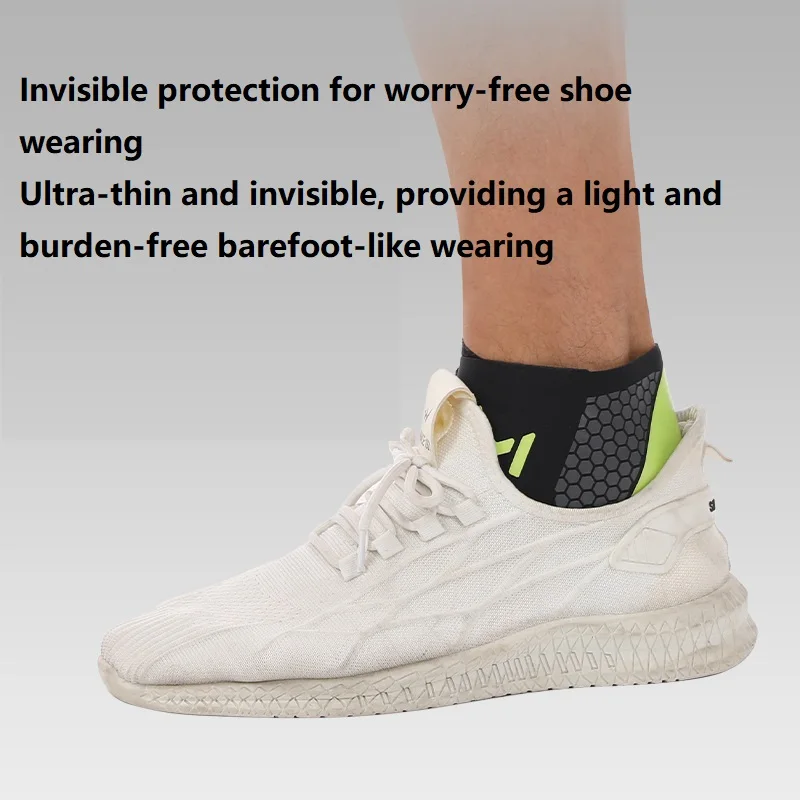
- Low-profile enough for football boots and trainers — it is a fabric anklet, not a rigid cage, so it fits inside sports footwear without reshaping the fit.
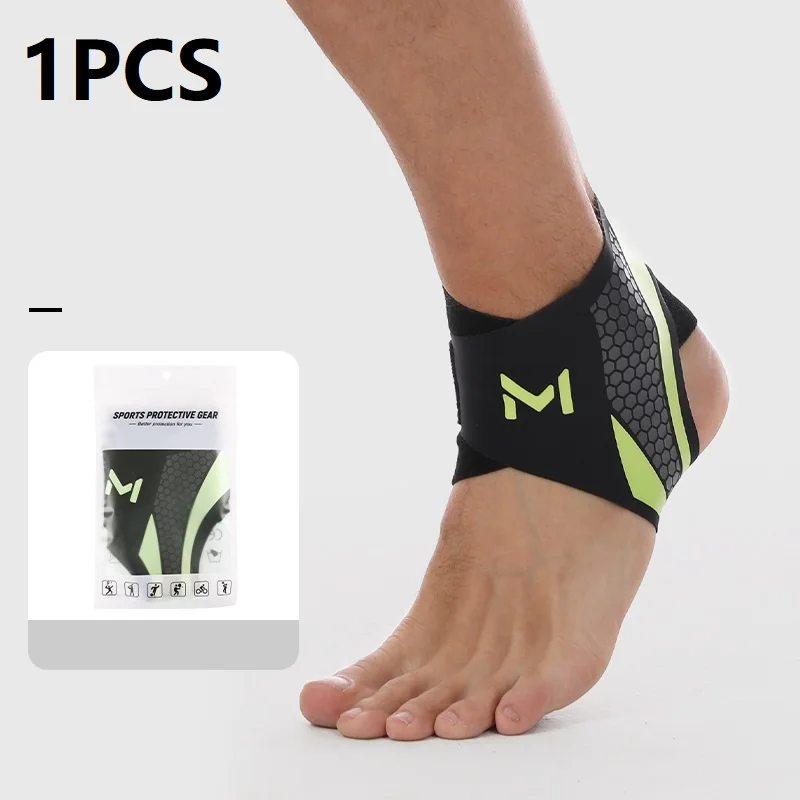
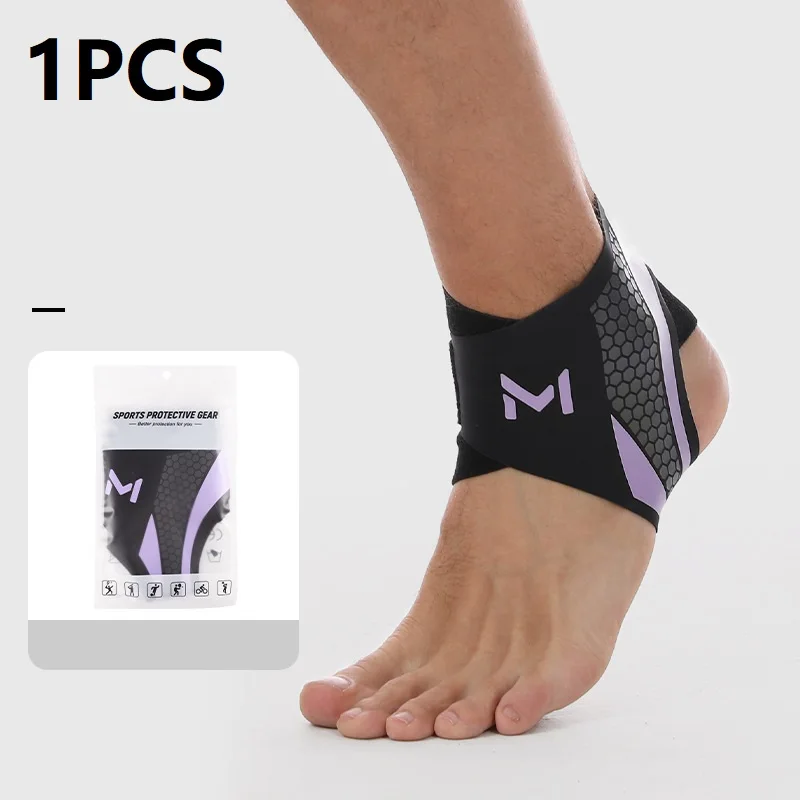
- Available as a pair — ankle problems are frequently bilateral, and buying one when you needed two is an annoyance worth avoiding.
- Support, not repair — being straight with you: a brace manages symptoms and protects a healing joint. It does not fix a torn ligament or an inflamed fascia. Calf and fascia stretching, load management and appropriate footwear do the actual work; this makes that work tolerable.
How to Use
For daytime support, pull it on so the compression sits evenly around the ankle with no rucking or folds — a fold becomes a pressure point over a few hours. It should feel firm and present, never tight enough to tingle, throb, or change the colour of your toes. Loosen it immediately if it does. For plantar fasciitis, wear the splint overnight so the foot is held near a neutral 90-degree angle rather than pointed; expect a week or two of disrupted sleep before you stop noticing it. Pair it with calf and fascia stretching first thing in the morning for the real benefit. Safety: do not wear compression overnight if you have circulatory problems, peripheral arterial disease, diabetes with neuropathy, or any numbness, without speaking to a clinician first. Persistent heel pain beyond a few weeks deserves a proper diagnosis — heel pain is not always fasciitis.
Specifications
| Type | Compression ankle brace / plantar fasciitis night splint |
|---|---|
| Quantity | 1 or 2 pieces (variant dependent) |
| Material | Elastic knit blend |
| Closure | Pull-on with adjustable strap (variant dependent) |
| Fit | Low-profile — fits inside footwear |
| Use case | Sprain support, plantar fasciitis, sport, all-day wear |
| Overnight use | Yes, as a night splint |
| Sizing | Variant dependent — measure the ankle circumference |
| Breathability | Ventilated knit |
Care & Maintenance
Hand wash in cool water with mild detergent and reshape while damp. Air-dry away from direct heat — a radiator or tumble dryer will destroy the elastane and it will never grip properly again. Do not iron, bleach, or dry clean. If you wear it daily, own two so one is always dry; compression garments lose elasticity faster when washed and worn while still damp.
What’s in the Box
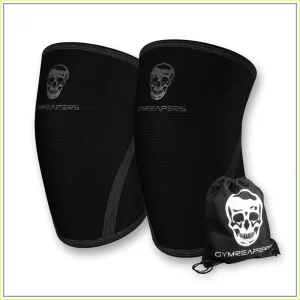
1 or 2 x ankle support brace, depending on the variant selected.
Reviews
There are no reviews yet.