Compression, Proprioception, and the Limits of a Spring Sleeve
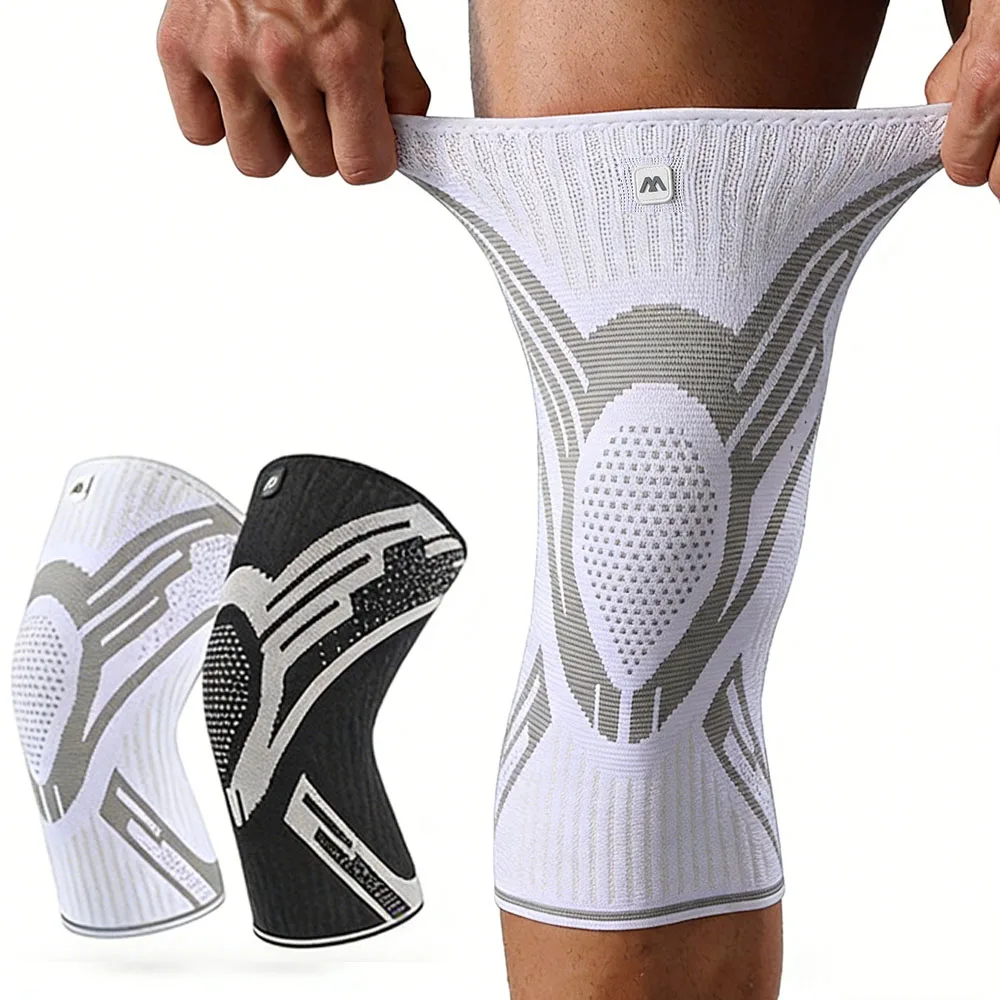
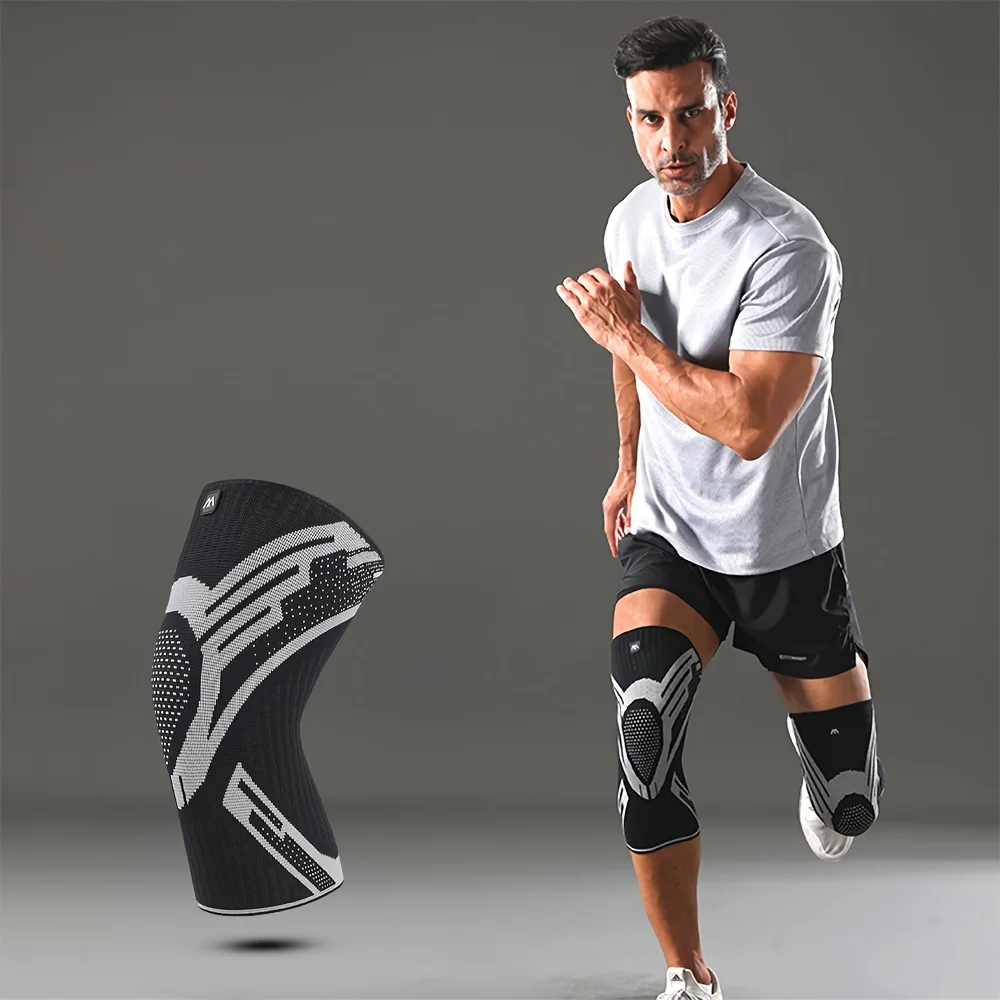
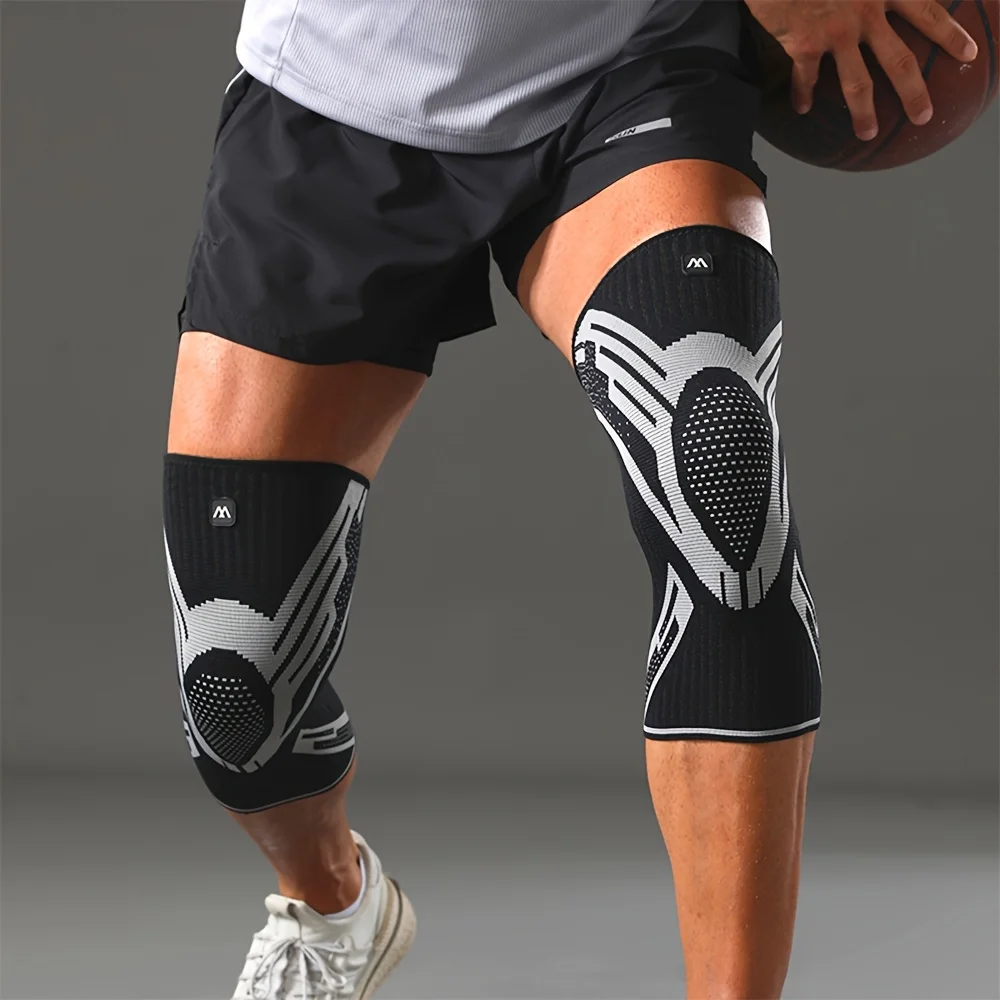
An elastic knee sleeve works mostly through your nervous system, not through mechanical bracing. Circumferential compression floods the skin’s mechanoreceptors with input, which sharpens your joint position sense — proprioception — so you place the knee more accurately under load and hesitate less. It also retains warmth, keeping tissue compliant, and applies mild pressure that limits swelling after activity. The lateral coil springs resist a little side-to-side buckling and stop the sleeve rolling. What they do not do is stabilise a torn ligament; only a hinged brace does that.
Key Benefits
- Sharper joint position sense. Compression increases cutaneous feedback from around the knee, which measurably improves proprioceptive accuracy — the main reason athletes report feeling ‘more solid’ in a sleeve.
- Warmth that keeps tissue pliable. Warm connective tissue is more compliant and tolerates load better. This matters most in cold gyms, early-morning runs, and outdoor court sports.
- Mild swelling control. Gentle uniform pressure discourages fluid pooling around the joint after a hard session, which is why sleeves are commonly worn for the ache of overuse rather than for injury.
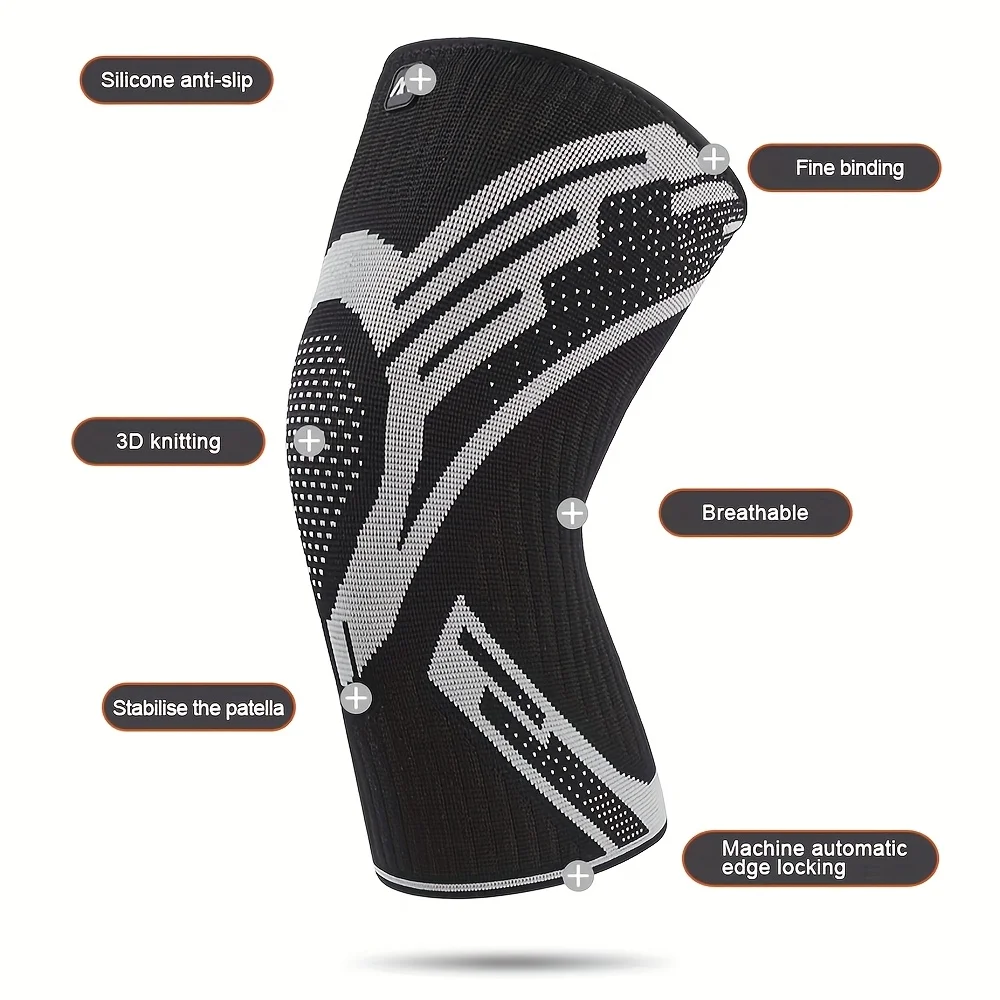
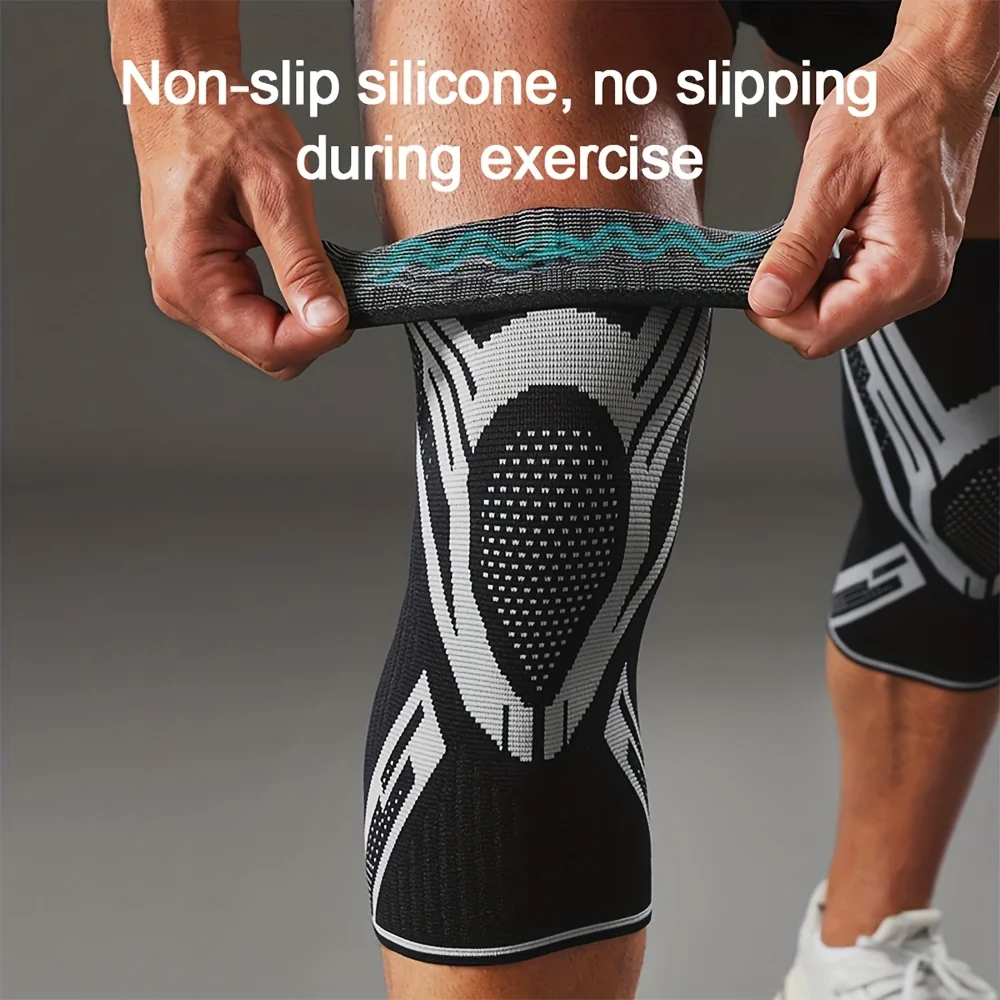
- Springs stop the roll. The lateral coils give the sleeve enough vertical rigidity that it stays put through repeated deep knee flexion instead of bunching behind the knee — a small thing that decides whether you actually wear it.
- Breathable knit. An elastic, ventilated weave means it can be worn for a full basketball or volleyball match without becoming a soaked band around your leg.
- Honest about its ceiling. This is a sleeve for confidence, warmth and mild support during activity. If you have ligament laxity, giving way, or a diagnosed ACL/MCL injury, you need a hinged brace and a clinician, not this.
How to Use
Pull the sleeve up over the foot and calf so the centre sits over the kneecap with the springs tracking along the sides of the joint, not the front or back. It should feel snug and even — firm enough that it does not slide when you jump, loose enough that you can slide a finger under the top band and feel no pulsing, tingling, or coolness in the lower leg. Wear it during activity rather than all day; continuous compression offers no added benefit and reduces skin tolerance. Safety: remove immediately if you notice numbness, pins and needles, colour change in the foot, or increasing pain. Do not wear over broken skin or an open wound, and do not use compression garments without medical advice if you have peripheral vascular disease, diabetes with neuropathy, or a history of deep vein thrombosis. A sleeve is not treatment for a knee that gives way, locks, or swells markedly — get that assessed.
Specifications
| Type | Elastic compression knee sleeve with lateral spring stabilisers |
|---|---|
| Support level | Mild — proprioceptive and compressive |
| Construction | Breathable elastic knit with metal coil side springs |
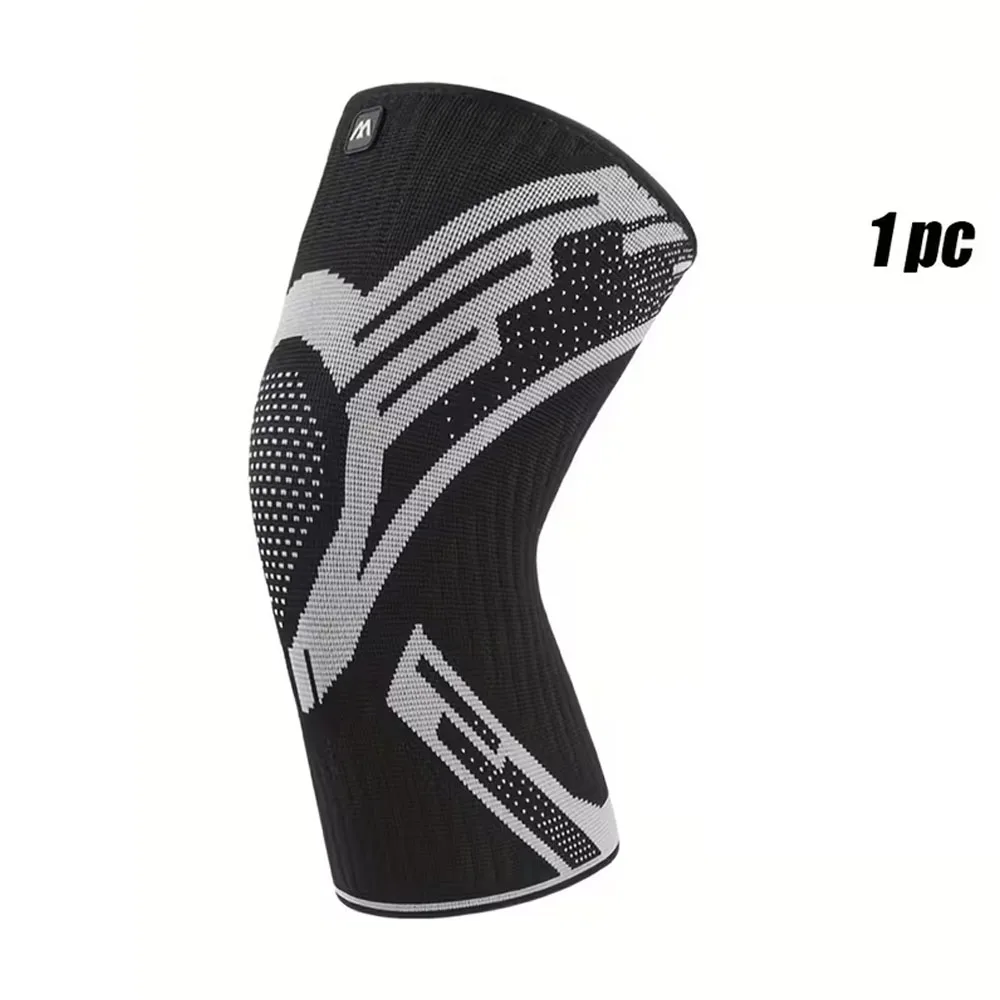
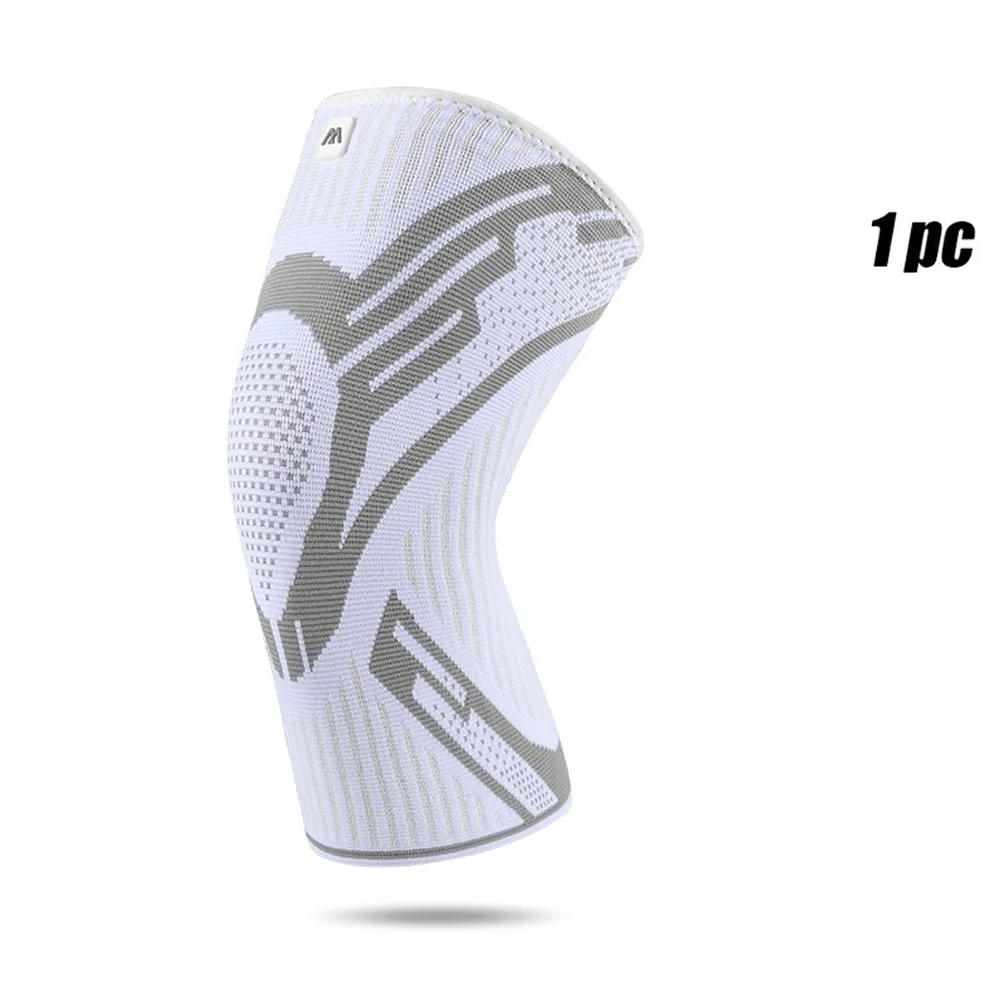
| Quantity | 1 piece (single knee) |
| Best for | Basketball, volleyball, running, gym work, general knee ache |
| Not suitable for | Ligament injury requiring a hinged brace |
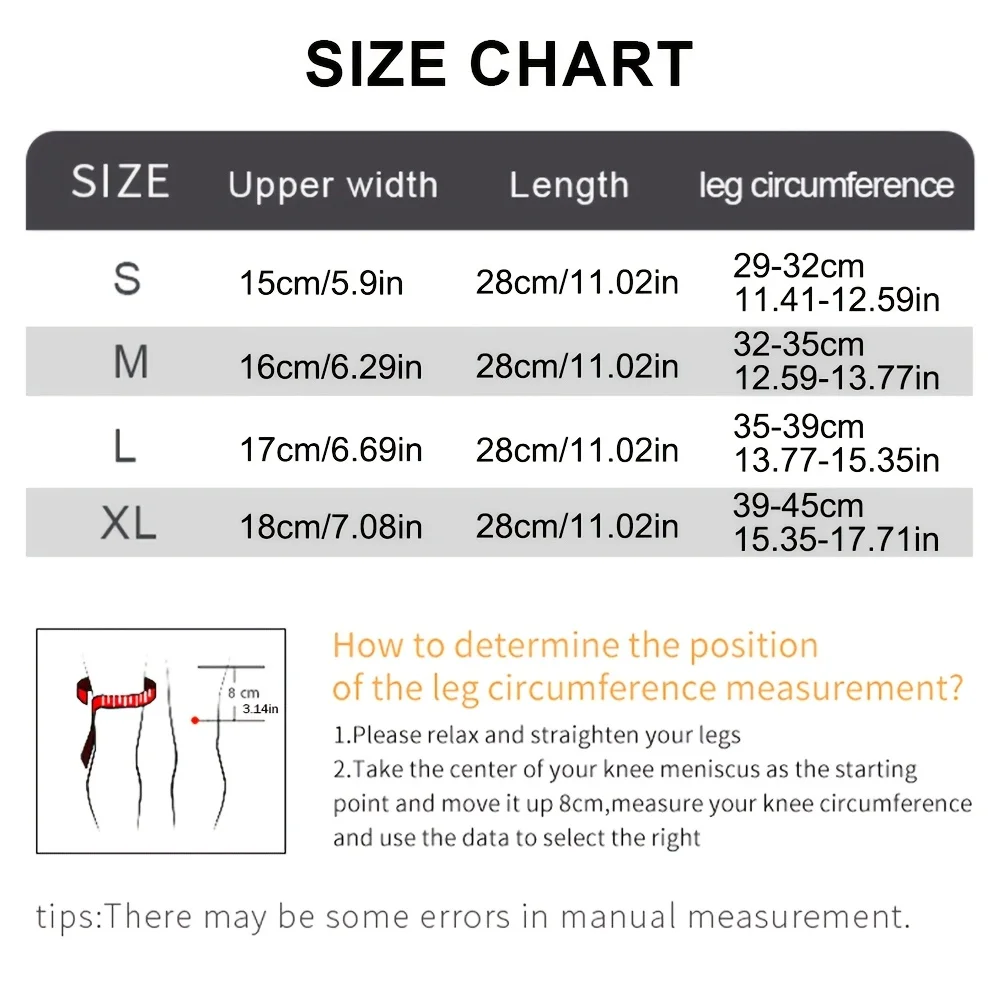
| Sizing | Variant dependent — measure knee circumference |
| Wear time | During activity; not for continuous all-day wear |
Care & Maintenance
Hand wash in cool water with mild detergent and press out excess water without wringing — twisting distorts the elastic knit and the spring channels. Air-dry flat, away from direct heat; tumble dryers destroy elastane. Do not iron or bleach. Check the spring channels periodically for a coil that has worked loose through the stitching, and stop using the sleeve if one has.
What’s in the Box
1 × compression knee support sleeve with integrated lateral springs.
Reviews
There are no reviews yet.