Compression Is a Symptom Tool, Not a Cure — Here’s How to Use It Properly
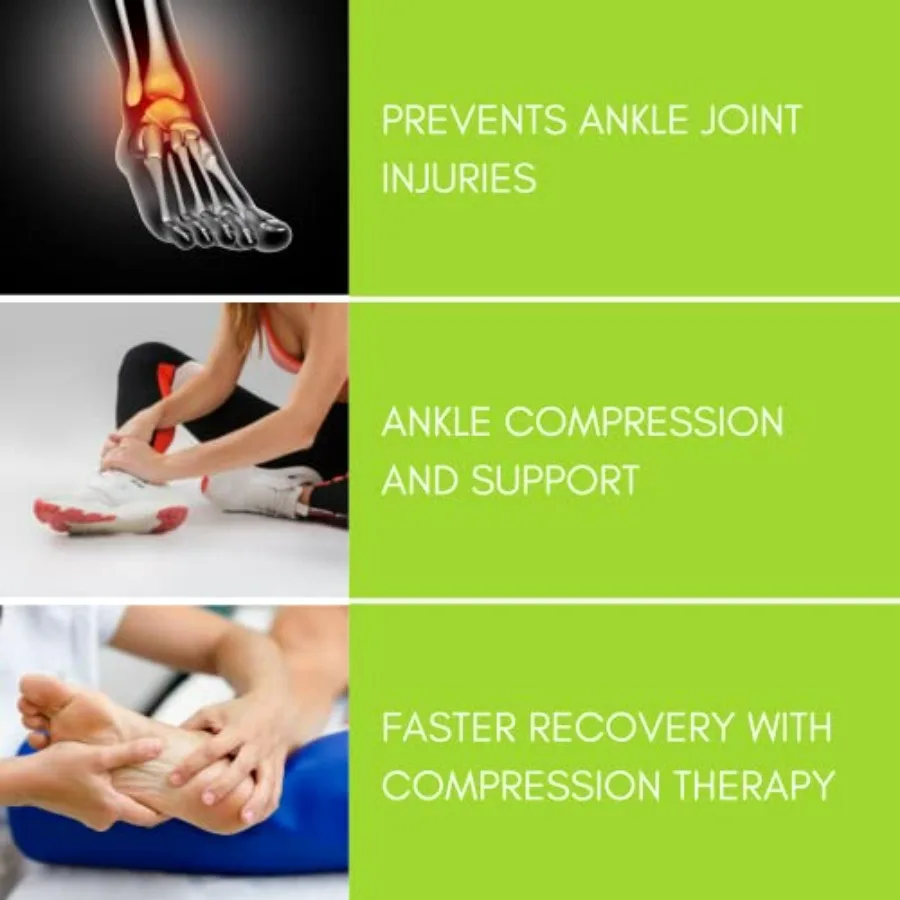
Plantar fasciitis is an overload injury of the connective tissue running from your heel to the base of your toes. Compression does not repair that tissue. What it does is apply consistent circumferential pressure across the heel and arch, which reduces the swelling that accumulates in the area and dampens the micro-movement of inflamed tissue with each step. It also delivers a constant stream of pressure information to your nervous system, which measurably reduces perceived pain — the same reason rubbing a knock helps. Warmer, better-perfused, less-swollen tissue simply hurts less. Wear it while you do the loading exercises that actually resolve the problem.
Key Benefits
- Eases the first-step-in-the-morning pain. The classic plantar fasciitis symptom. Slipping the sleeve on before your feet hit the floor keeps the tissue supported and warm through the worst moment of the day.
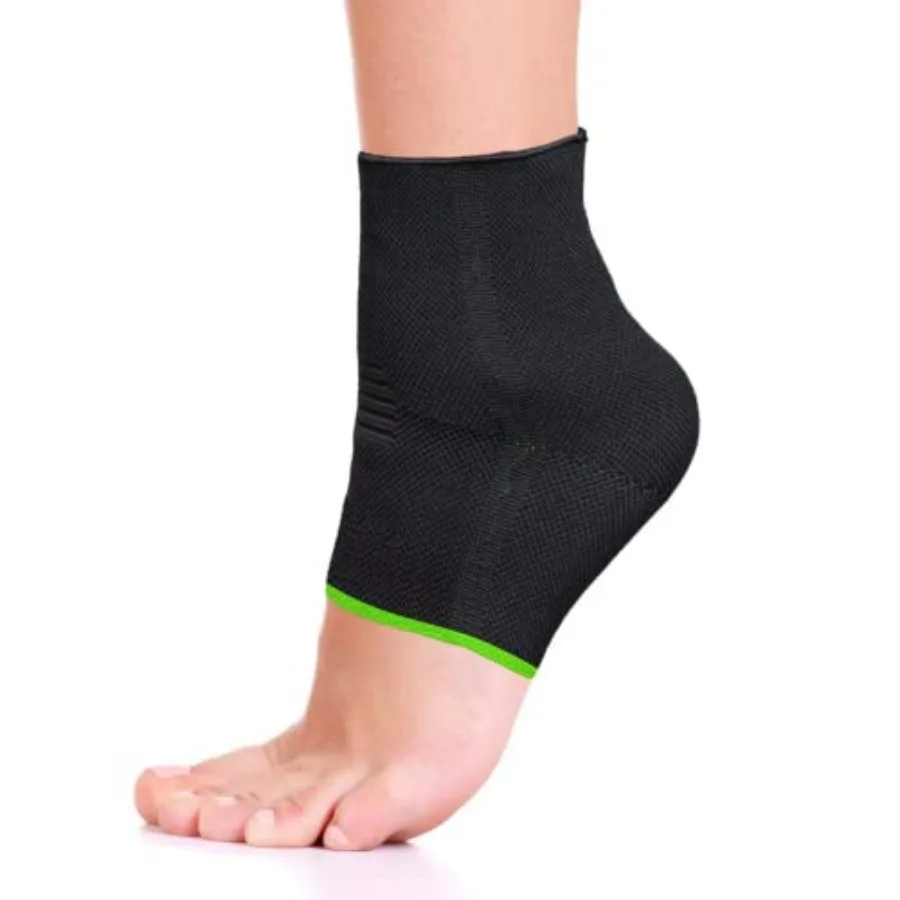
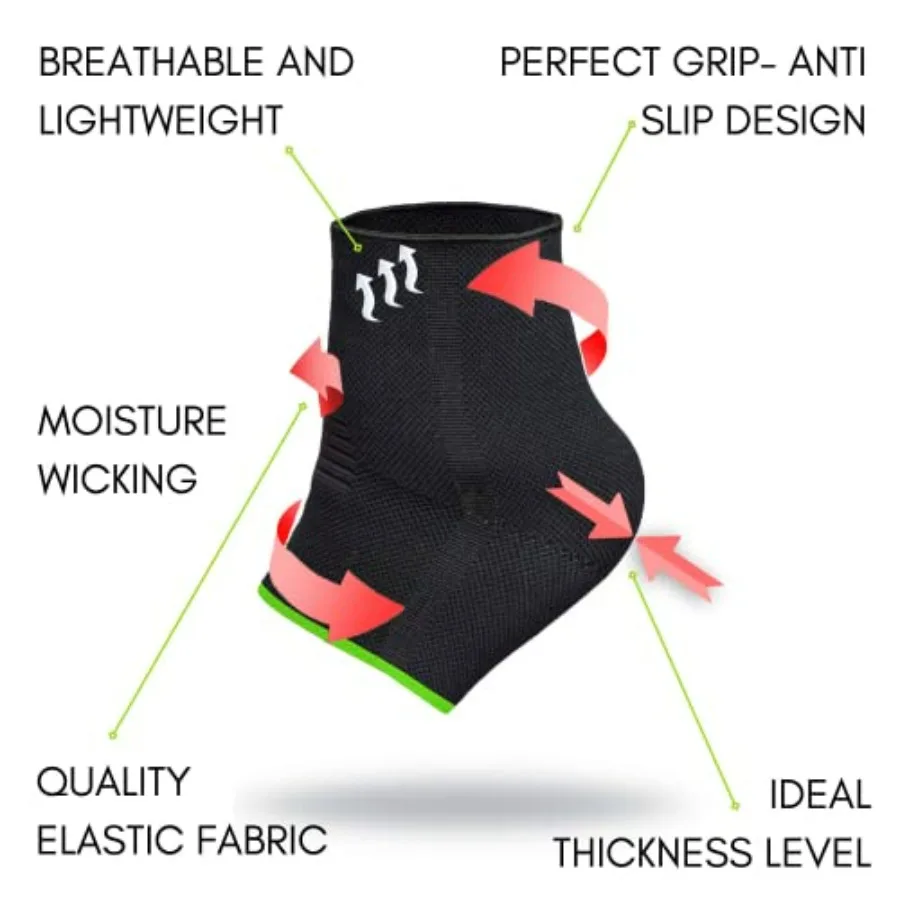
- Graduated compression across heel and arch. Consistent pressure limits fluid pooling in the foot and supports the arch without the bulk of an orthotic or the rigidity of a boot.
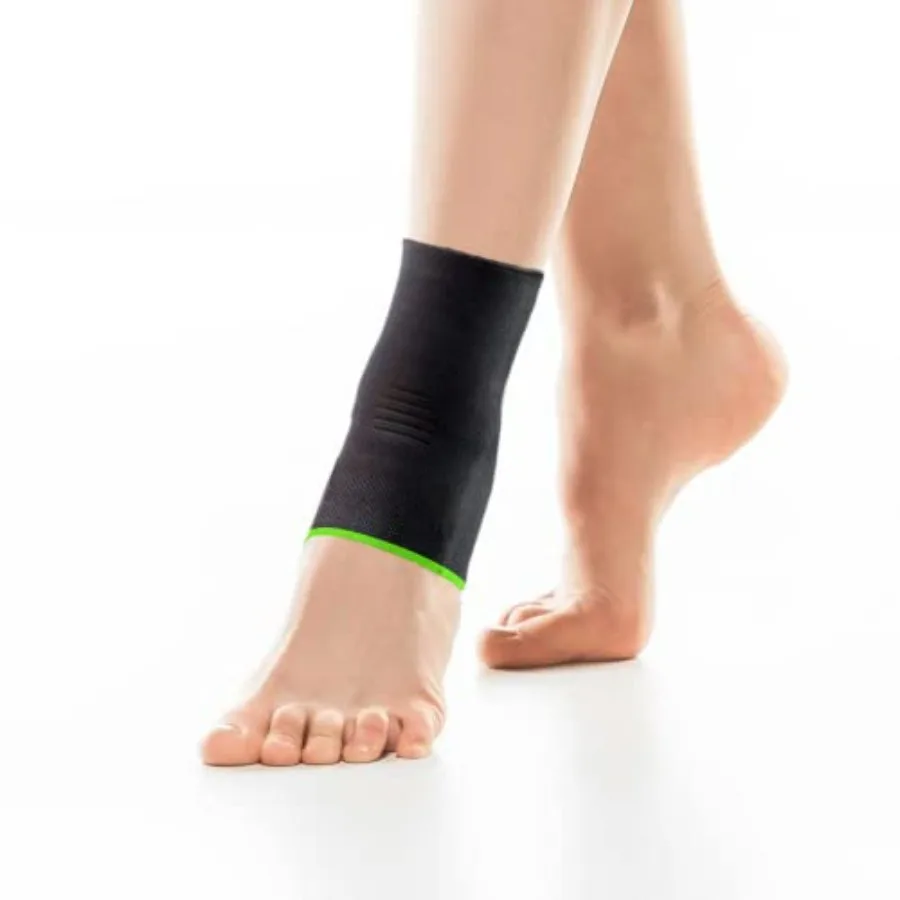
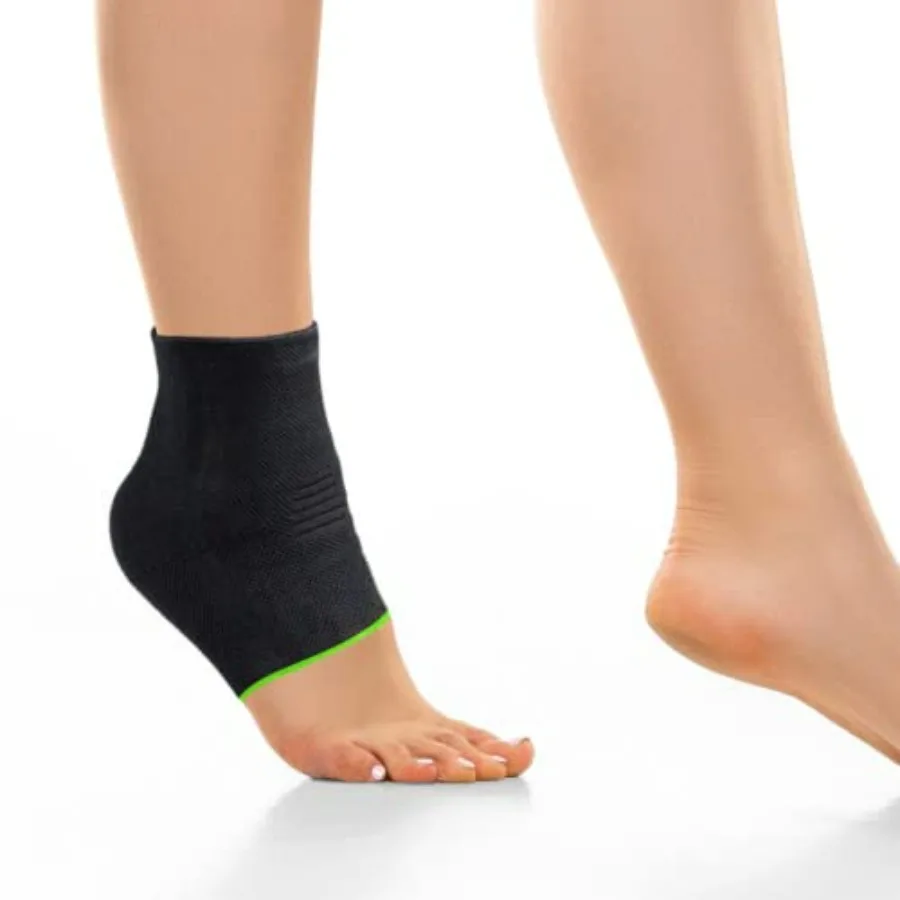
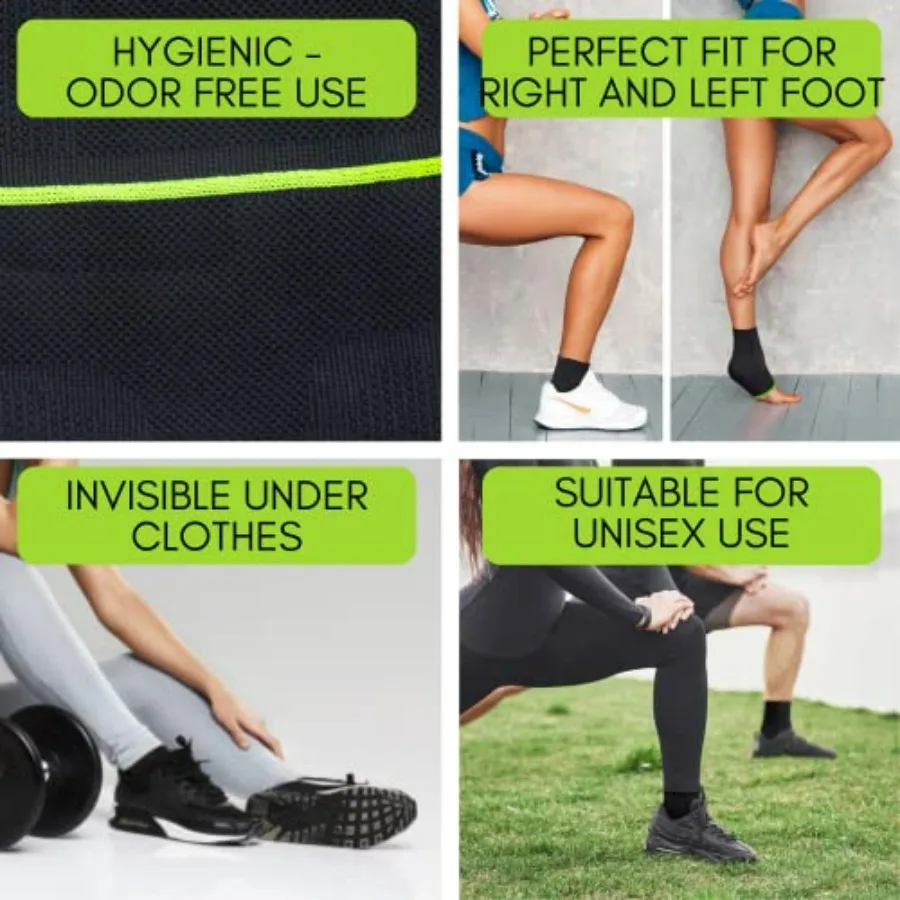
- Open-toe, sock-thin profile. Fits inside a normal work shoe or trainer, so you can wear it through a full shift or a gym session rather than only on the sofa.
- Also useful for achilles and general ankle soreness. The sleeve wraps the ankle joint, so it earns its keep for post-run stiffness and mild, non-acute achilles irritation too.
- Breathable knit for all-day wear. Moisture-wicking construction means it can stay on during work, gym, or a long day standing without becoming clammy.
- What it will not do. It will not cure plantar fasciitis, correct your arch, or replace calf and foot strengthening work. Anyone selling compression as a cure is overselling it. Use it to stay comfortable and active while you do the rehab.
How to Use
Roll the sleeve on like a sock, toes first, and settle it so the thickest compression band sits across the arch and under the heel — not bunched at the ankle. It should feel firm and evenly snug, never tight enough to throb, tingle, or leave deep indentations. Wear it during activity and through the working day; take it off at night. Most people get the best results by putting it on before getting out of bed and pairing it with calf raises and a plantar fascia stretch. Safety: remove it immediately if you get numbness, pins and needles, colour change, or increasing pain. Do not use compression garments if you have peripheral arterial disease, a known or suspected DVT, an open wound, or any circulatory condition without clearing it with your doctor first. Compression is not appropriate for an acutely swollen, hot, or deformed ankle after trauma — get that assessed.
Specifications
| Product type | Graduated ankle compression sleeve / support sock |
|---|---|
| Quantity | 1 pair |
| Design | Open-toe, open-heel pull-on sleeve |
| Primary use | Plantar fasciitis, arch and heel pain, achilles and ankle soreness |
| Fabric | Breathable, moisture-wicking elastic knit |
| Fit | Wears inside standard shoes and trainers |
| Size | Large (per listing) — check the size guide against your ankle circumference |
| Colour | Black |
| Wear guidance | Daytime and activity use; remove at night |
Care & Maintenance
Hand wash in cool water with mild detergent and reshape while damp. Do not tumble dry, iron, bleach, or wash hot — heat destroys elastane and compression garments lose their grip permanently once the fibres are cooked. Air dry flat, away from radiators. Compression sleeves are consumables: when the sleeve stops feeling snug, it has stopped working, and it is time to replace it.
What’s in the Box
1 pair of ankle compression support sleeves in black, size as listed.
Reviews
There are no reviews yet.