What Compression Actually Does For a Sore Knee
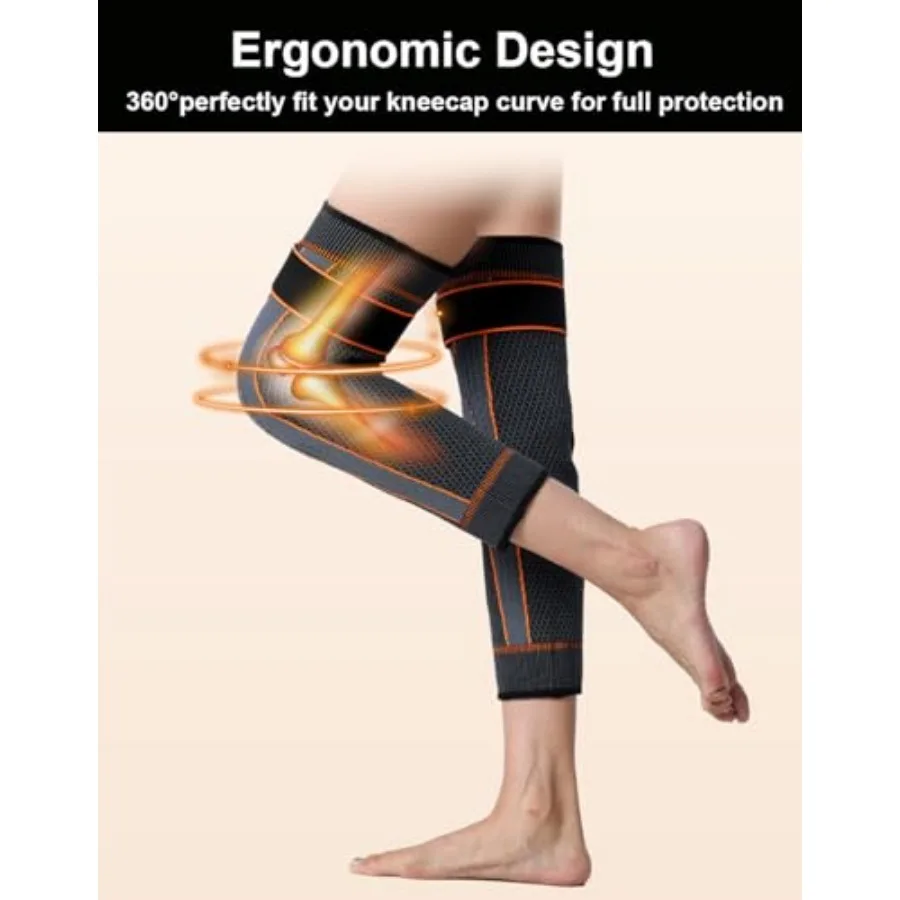
A compression sleeve works through three mechanisms, none of them mechanical stabilisation. First, even pressure across the joint gives the skin and underlying tissue a constant stream of sensory input; that proprioceptive feedback sharpens your sense of where the knee is in space, which tends to improve how confidently you move. Second, external pressure opposes fluid pooling in the tissues, so a joint prone to swelling stays a little less puffy through the day. Third, it traps heat. Warm tissue is more compliant, and a warm arthritic knee is usually a less stiff one, particularly first thing in the morning.
Key Benefits
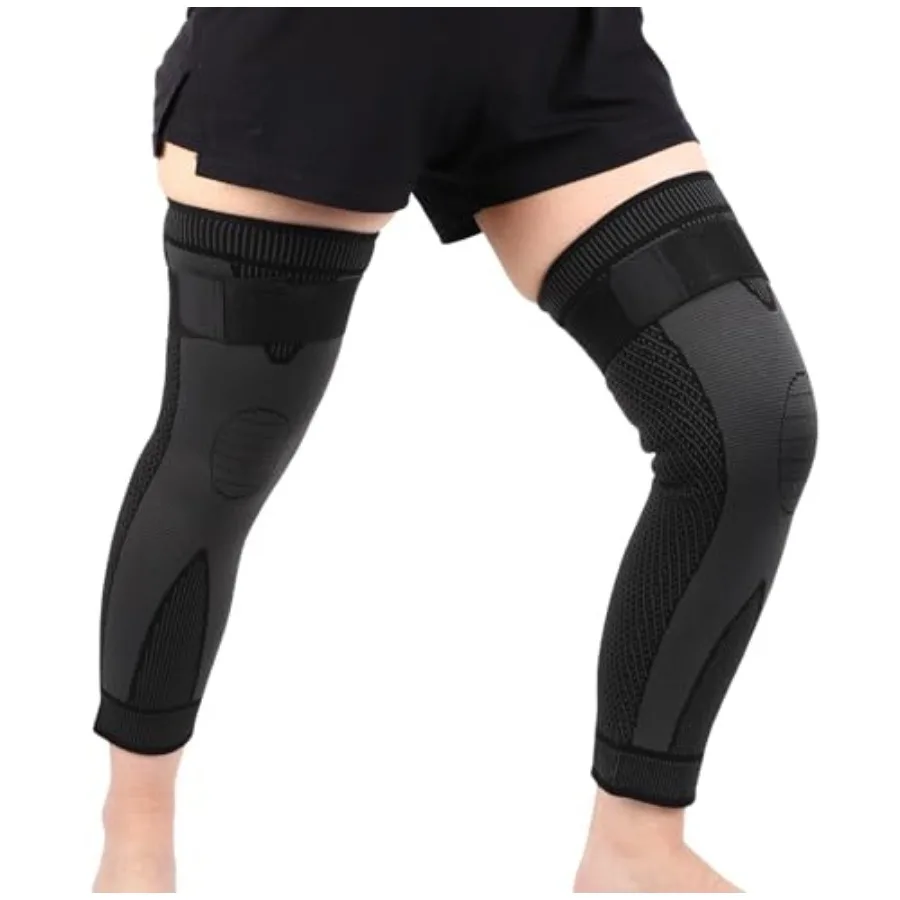
- Two sleeves, not one. Knee problems are rarely polite enough to stay on one side, and the other leg is the one now doing the extra work. A pair means you can support both or keep a clean spare.
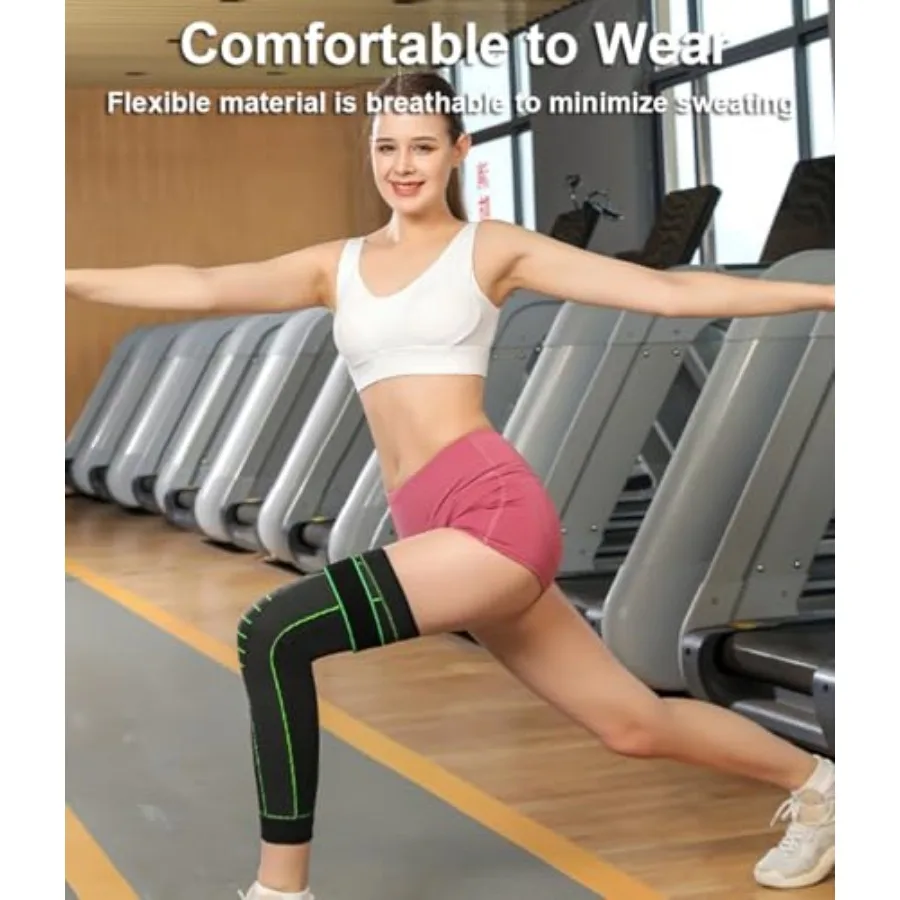
- Warmth for arthritic stiffness. Retained heat makes the joint capsule and surrounding tissue more pliable, which is why the first hundred steps of the morning are the ones people most often report improving.
- Proprioceptive feedback. Consistent pressure gives the nervous system more information about the joint. It does not make the knee stronger, but it often makes it feel more trustworthy on stairs.
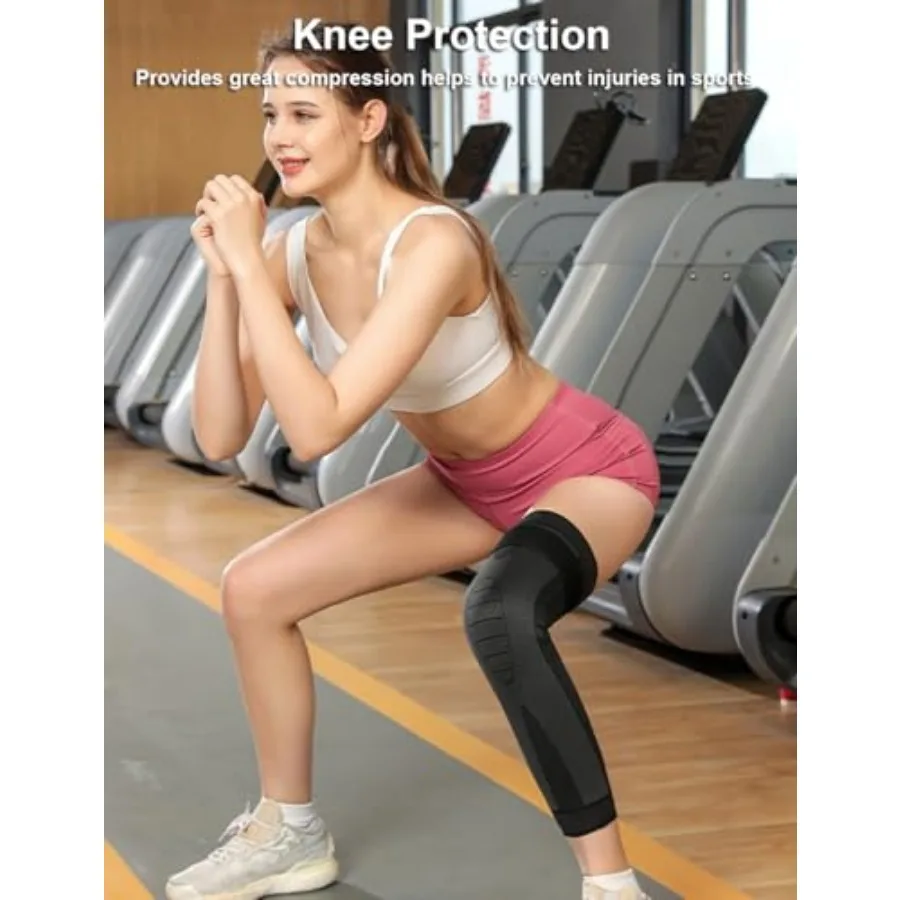
- Swelling management. Graduated pressure discourages fluid from settling around the joint over a long day standing, walking or training.
- Thin enough to wear under clothing. A sleeve you can wear all day under jeans or work trousers is a sleeve you will actually wear, unlike a bulky brace.
- Honest about its limits. A fabric sleeve gives compression and feedback. It does NOT stabilise a torn ACL, meniscus or MCL, and it will not correct instability – if your knee gives way, buckles or locks, you need assessment and probably a hinged brace, not a sleeve.
How to Use
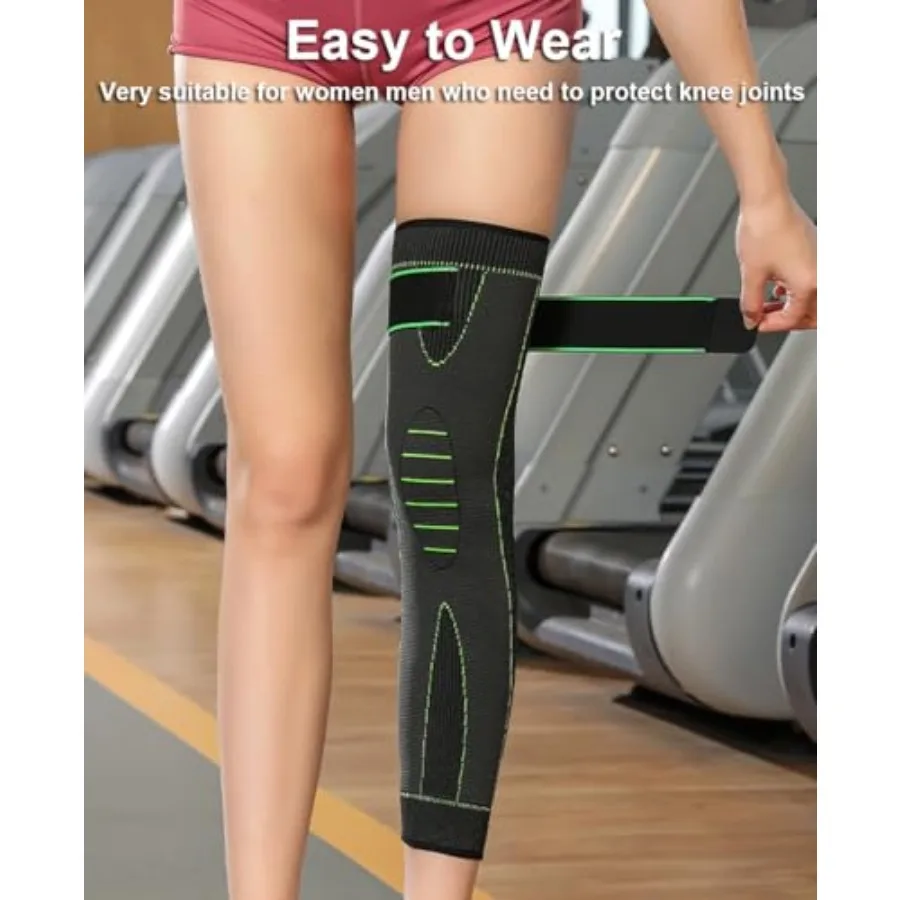
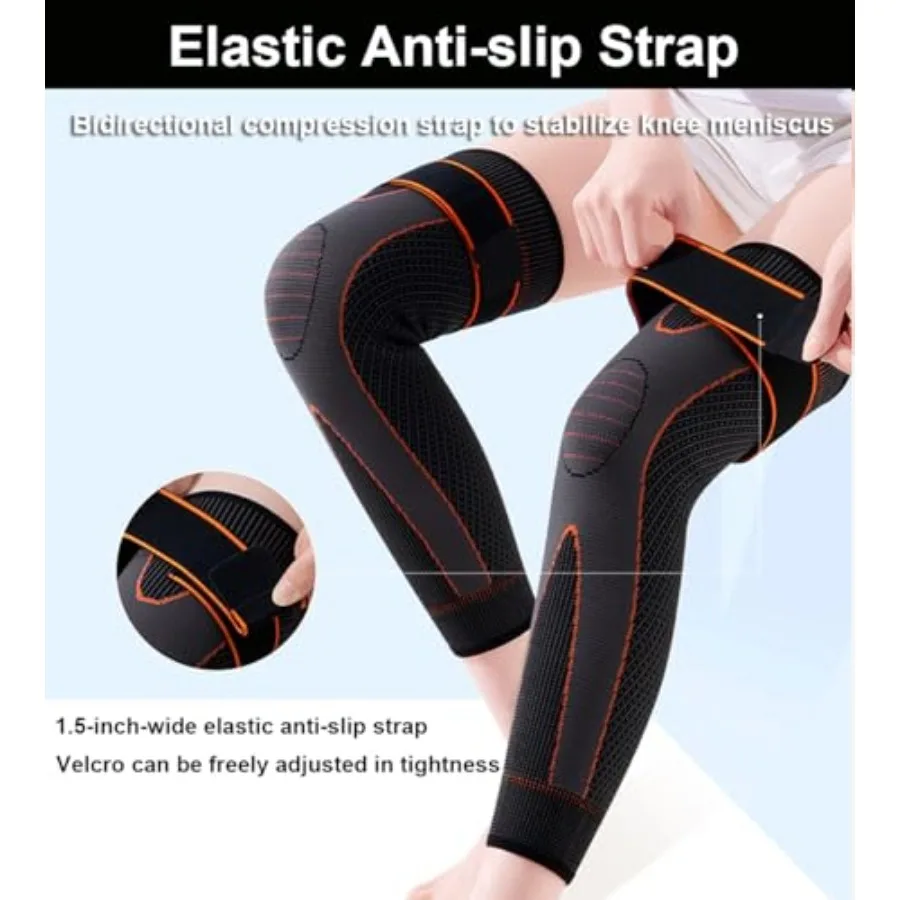
Measure the circumference of your leg where the manufacturer specifies – usually a set distance above the kneecap – and size from that measurement, not from your clothing size or your shoe size. Roll the sleeve up the leg rather than dragging it, and centre the patella opening or panel over the kneecap. It should feel firm and evenly snug across the whole joint, never tight in a band. Wear it for activity and for the parts of the day when the knee complains; take it off at night. SAFETY: remove the sleeve immediately if you get numbness, tingling, colour change, pins and needles or pain below the knee – that is compression that is too tight, and it needs to come off, not to be tolerated. Do not use compression garments over broken skin, an active rash, a fresh wound or a suspected blood clot, and speak to your doctor first if you have peripheral neuropathy, diabetes, poor circulation or varicose veins. A sleeve manages symptoms; strengthening the quadriceps, glutes and calf is what actually changes a knee over time.
Specifications
| Pack size | 2 sleeves |
|---|---|
| Fit | Unisex – men and women |
| Compression | Graduated compression knit |
| Use case | Arthritis, joint pain, training, long periods standing |
| Wear | Under clothing, all-day capable |
| Sizing basis | Leg circumference above the kneecap |
| Sizes | Variant dependent – check the size chart before ordering |
| Not a substitute for | A hinged brace where there is true ligament instability |
Care & Maintenance
Hand-wash or use a cool gentle machine cycle in a mesh bag, with mild detergent. Keep fabric conditioner and bleach away from them – both attack elastane, which is the fibre doing all the work. Air-dry flat and never tumble-dry or put them on a radiator; heat is what kills the stretch. Wash them regularly, since a sleeve worn all day against skin becomes a bacterial problem quickly. Replace a sleeve once it no longer springs back or slides down during wear – a sleeve that has lost its recoil is no longer providing compression.
What’s in the Box
Two knee compression sleeves. Sizes and colours are as selected at checkout.
Reviews
There are no reviews yet.