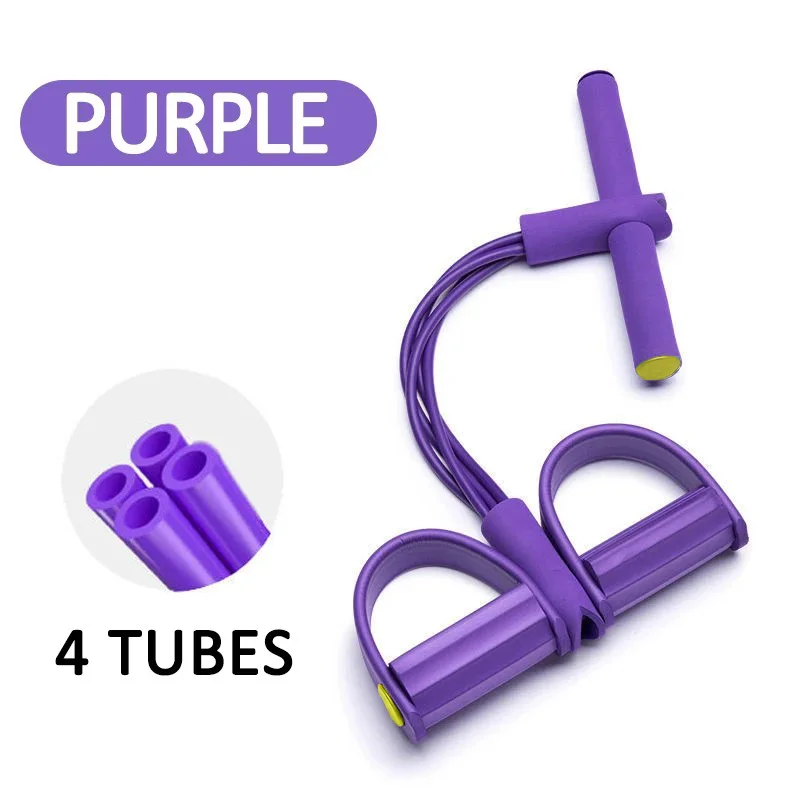
Anchoring at the Feet Changes What You Can Train
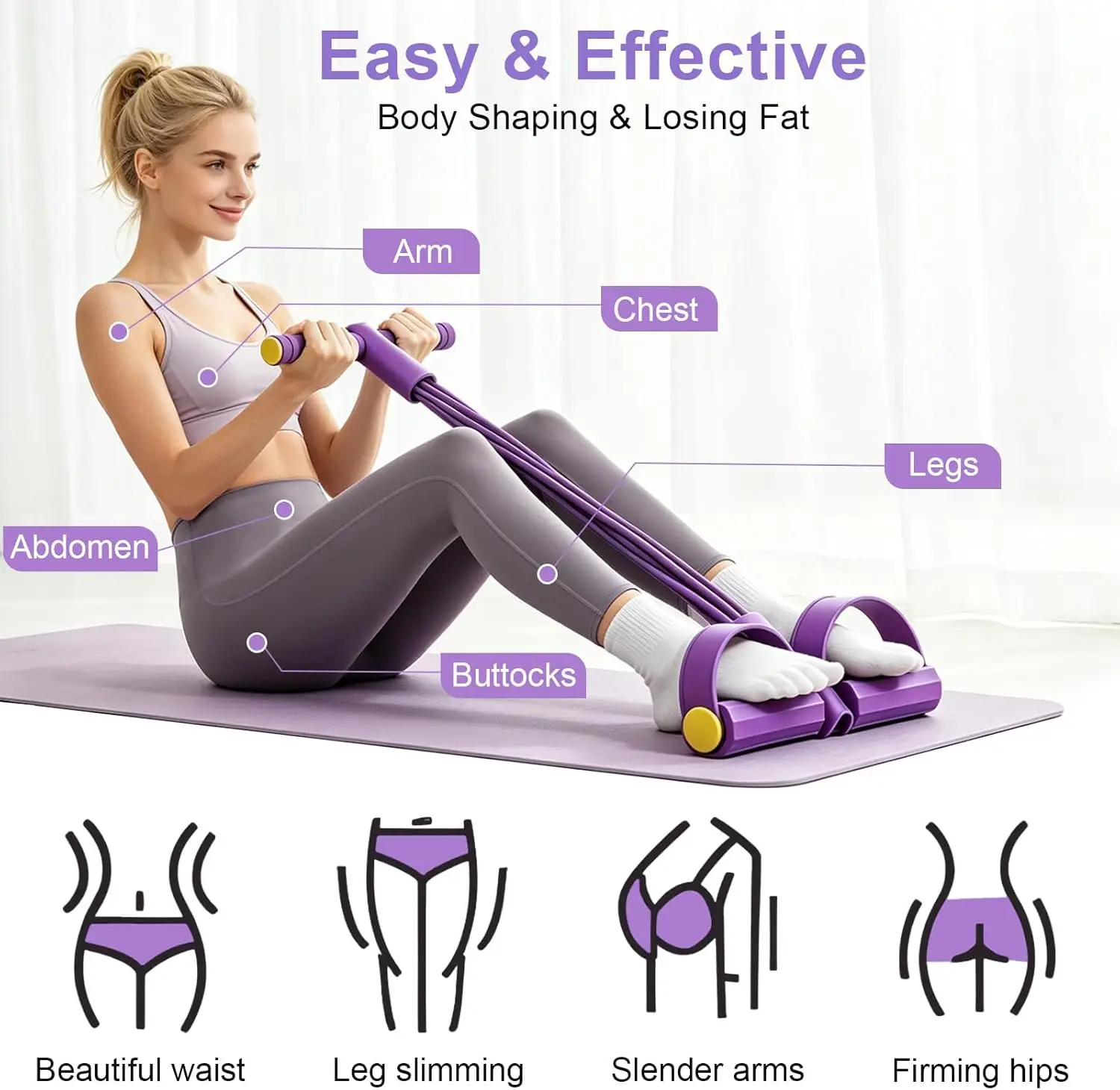
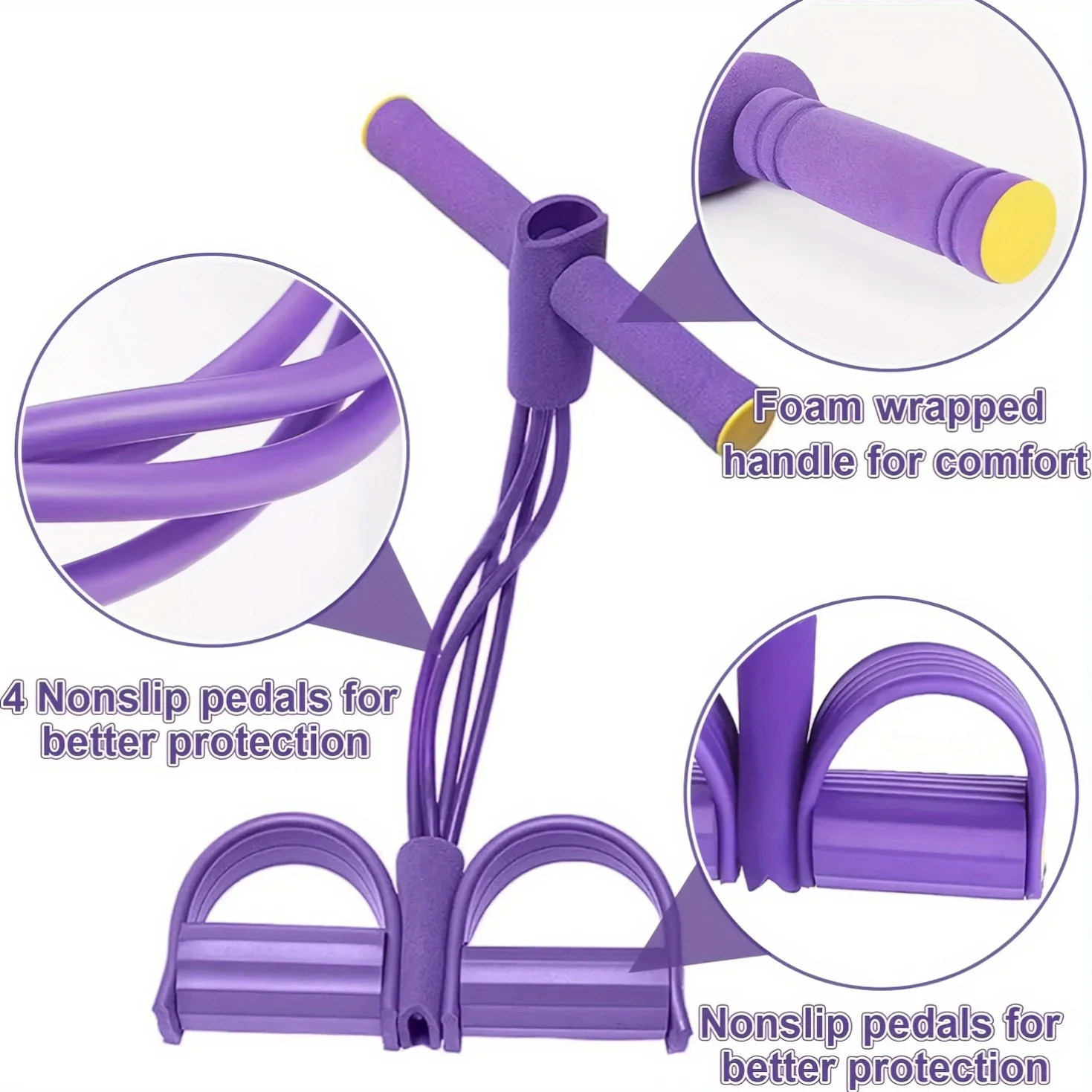
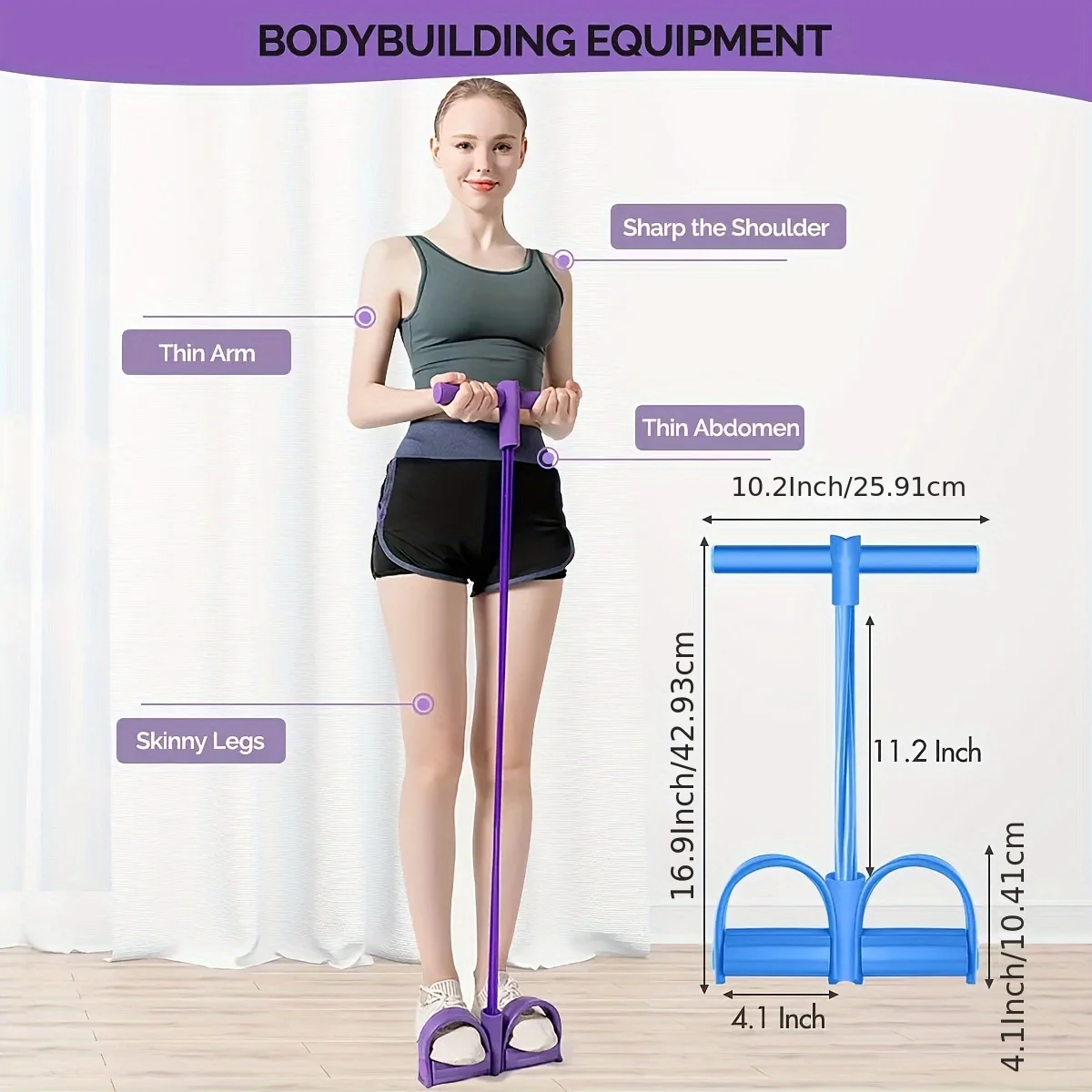
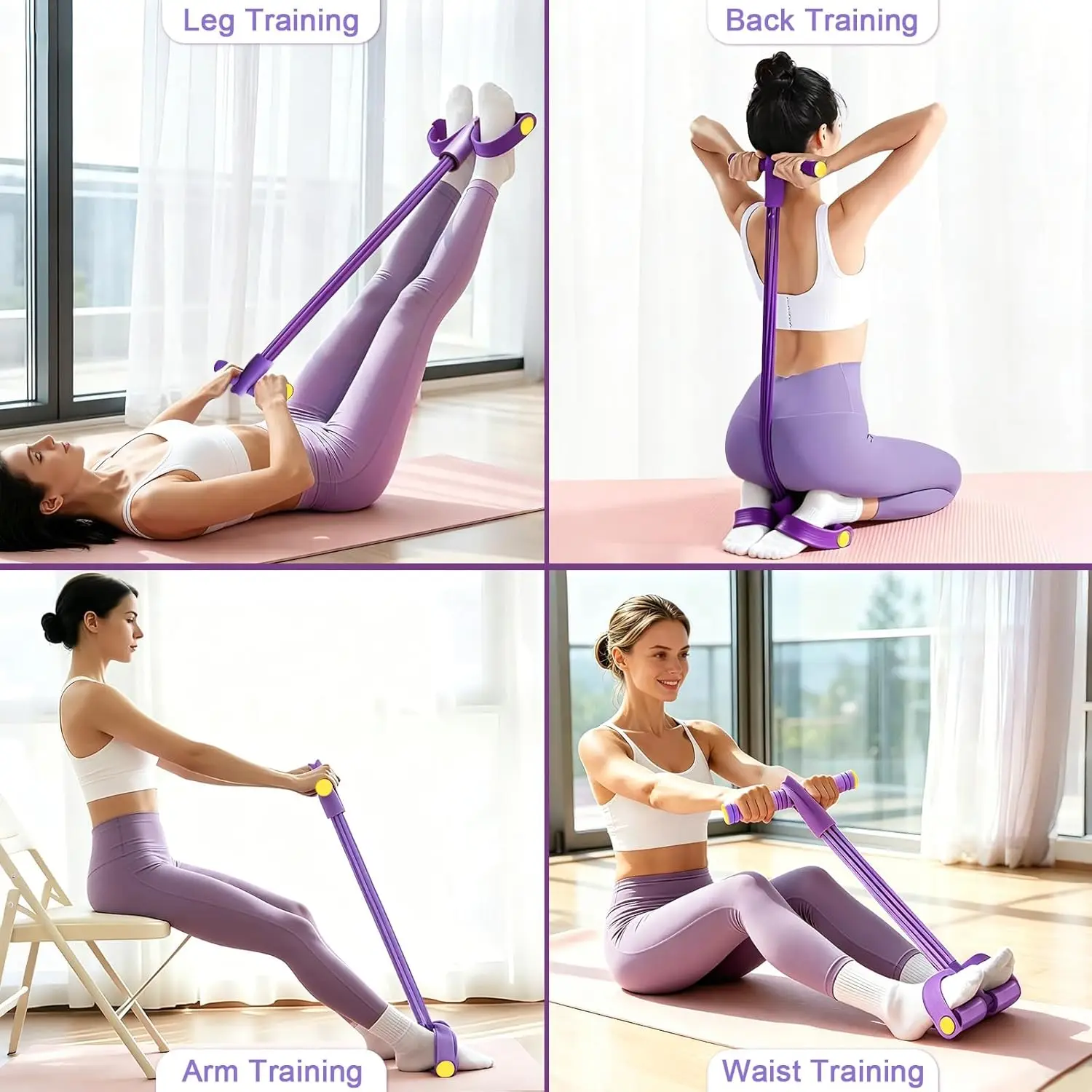
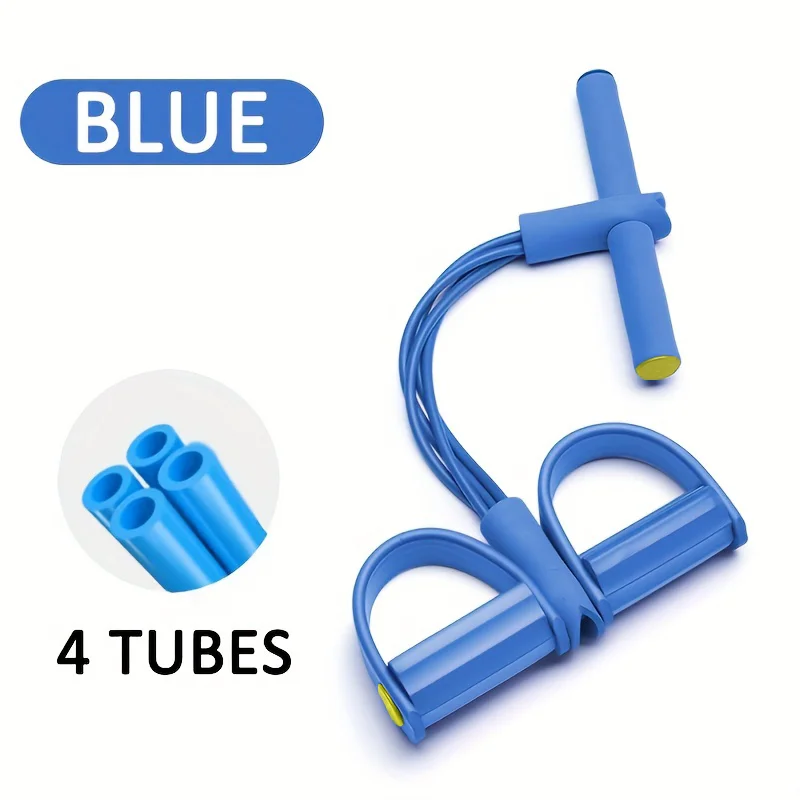
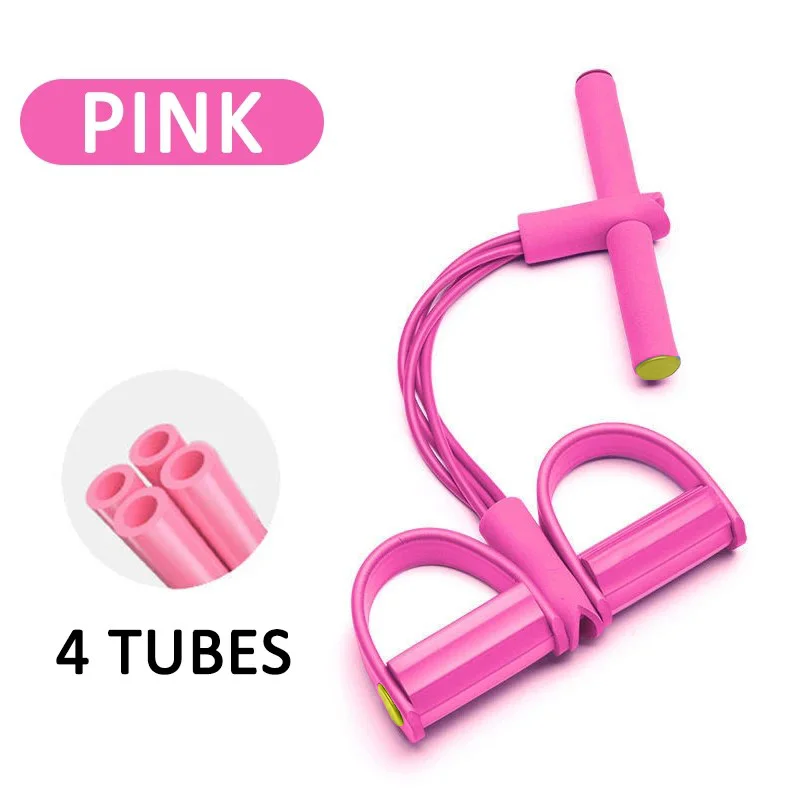
This is a four-tube pedal resistance band trainer at $6.99, with foot stirrups and handles, for the abdominals, arms, back and hips. Loose resistance bands have an anchoring problem – you need something to pull against, and doors and furniture are inconsistent. Anchoring at the feet solves it: you sit down, put your feet in the stirrups, and pull. That geometry lets you train rows, sit-ups, arm curls and shoulder work from one seated position, with resistance that four tubes make genuinely meaningful.
Key Benefits
- Foot anchored. No door attachment, no furniture, no anchor point required – you are the anchor.
- Four tubes. Real resistance rather than the token stretch of a single band.
- Sit-ups with resistance. Pulling against tension as you rise loads the abdominals far more than bodyweight alone.
- Arms, back, hips and core. One tool, one seated position, most of the upper body.
- Packs completely flat. Fits in a drawer or a suitcase.
How to Use
- Sit with legs extended, feet in the stirrups, and take a handle in each hand.
- Rows: pull the handles toward your ribs, squeezing the shoulder blades together, then release under control.
- Sit-ups: hold the handles at your chest and pull against the tension as you sit up.
- Move slowly. Band resistance increases as it stretches, so control the return rather than letting it snap back.
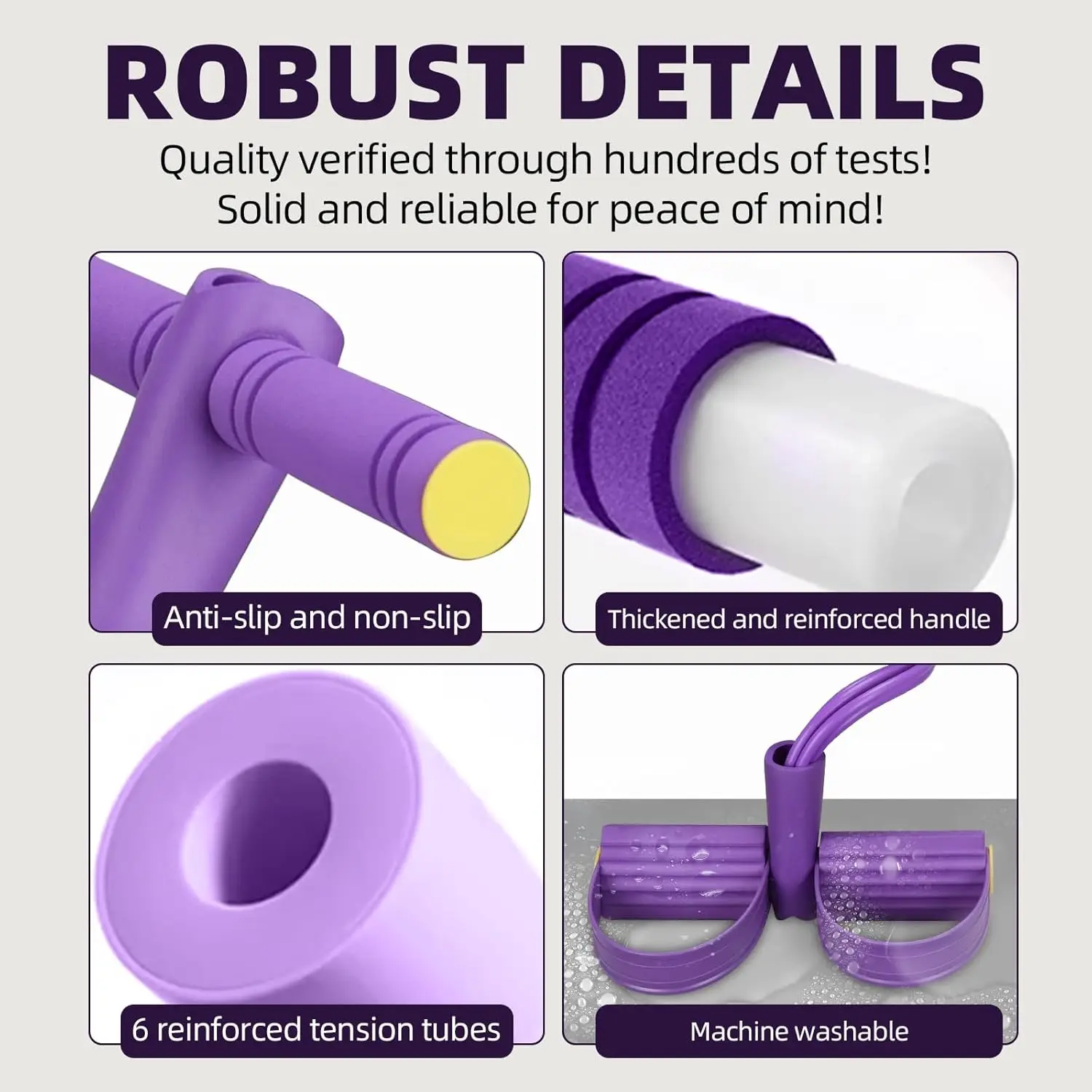
- Check the tubes for nicks and cracks before each session and replace them if damaged – a tube failing under tension is dangerous.
Specifications
| Type | Four-tube pedal resistance band trainer |
|---|---|
| Design | Foot stirrups with handles |
| Training focus | Abdominals, arms, back, hips |
| Gender | Unisex |
| Portability | Packs flat |
| Best for | Home workouts, travel, core and upper body training |
Care & Maintenance
Wipe clean and air dry. Keep away from sharp edges, heat and direct sunlight – all three degrade rubber tubing. Inspect for nicks before every session.
What’s in the Box
- 1 x Four-tube pedal resistance trainer
Frequently Asked Questions
What can I train with it?
Seated rows, resisted sit-ups, bicep curls, shoulder presses and hip work – anything you can pull against with your feet anchored in the stirrups.
Is four tubes better than one band?
It provides substantially more resistance, which is the difference between a warm-up tool and something that actually builds strength. A single light band is outgrown within weeks.
Do I need a door anchor?
No – that is the point of the design. Your own feet anchor the resistance, so you can use it anywhere with a floor.
Is it strong enough for a real workout?
For core, arms and back at home and while travelling, yes. It does not replace heavy barbell work for maximum strength – but muscle responds to tension, and this provides plenty of it.
How long does the tubing last?
It depends on storage. Heat, sunlight and sharp edges destroy rubber. Inspect the tubes before each session and replace any showing nicks or cracks – a snapping tube under tension can injure you.
Reviews
There are no reviews yet.