Take Away the Bar and the Grip Has Nowhere to Hide
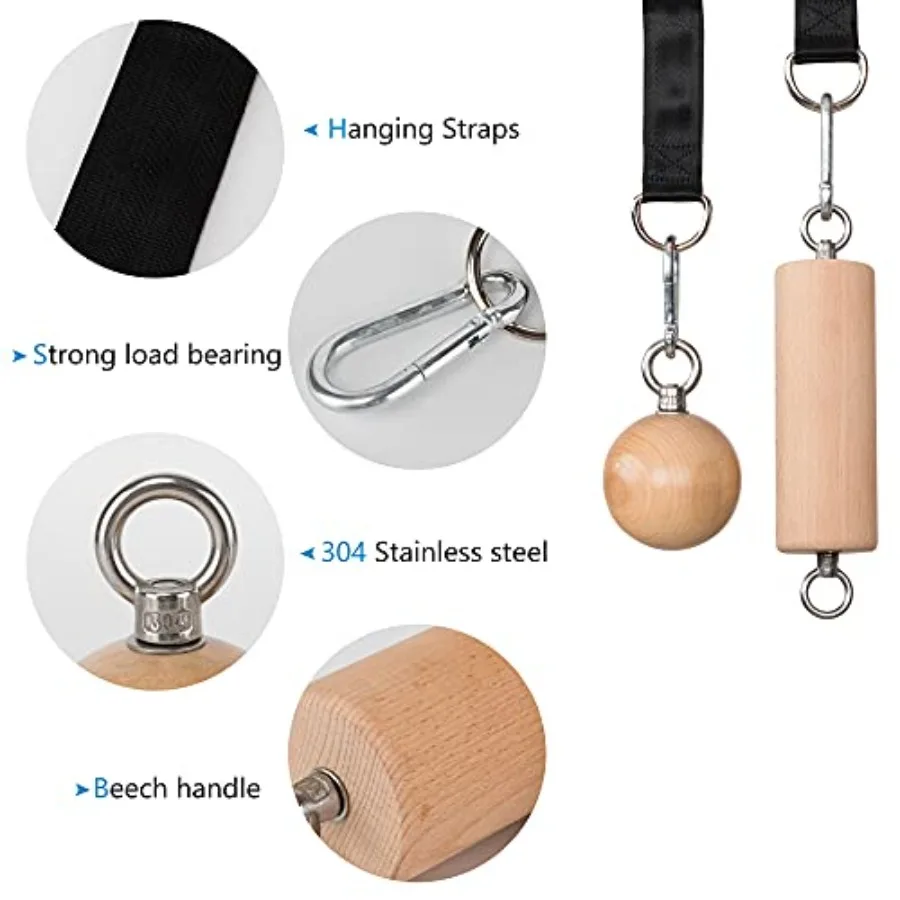
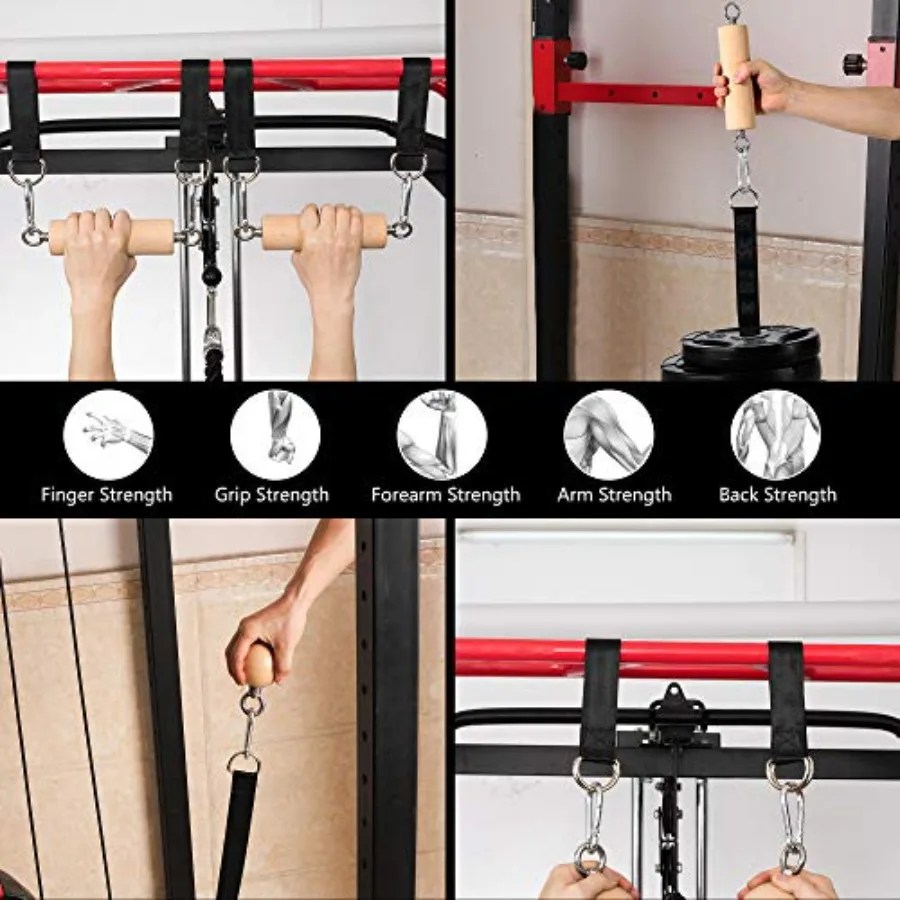
A knurled pull-up bar lets you hook your fingers around a small, predictable radius — the grip is largely passive. Swap it for a sphere or a wide wooden hold and the hand must generate genuine crush and pinch force through the finger flexors, with the forearm working isometrically for the entire hang. That sustained isometric load is what drives adaptation in tendon and pulley structures as well as muscle, which is why climbers, ninja-course athletes and grip specialists train on shaped wood rather than steel. Wood is chosen deliberately: it’s skin-friendly and slightly absorbent, so it doesn’t shred callouses the way aggressive plastic holds can.
Key Benefits
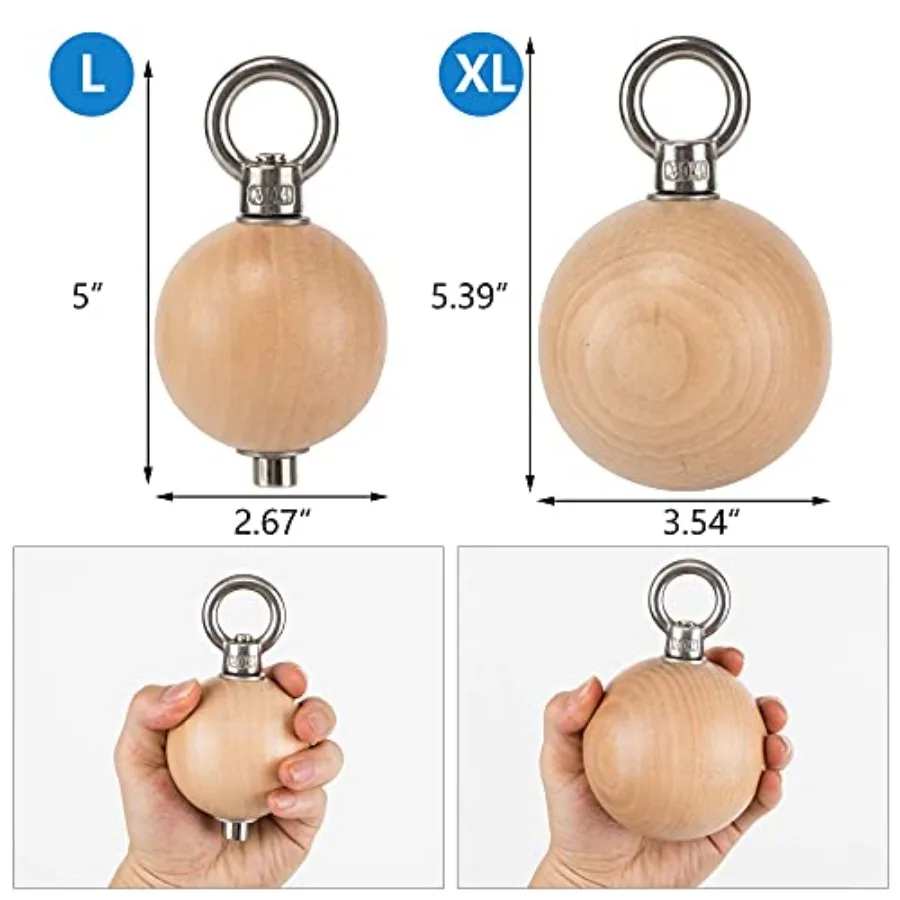
- Cannonball grips brutally expose grip weakness. There’s no finger hook on a sphere. You hold it by crushing it, or you drop off — which is precisely the honest feedback most pulling programmes lack.
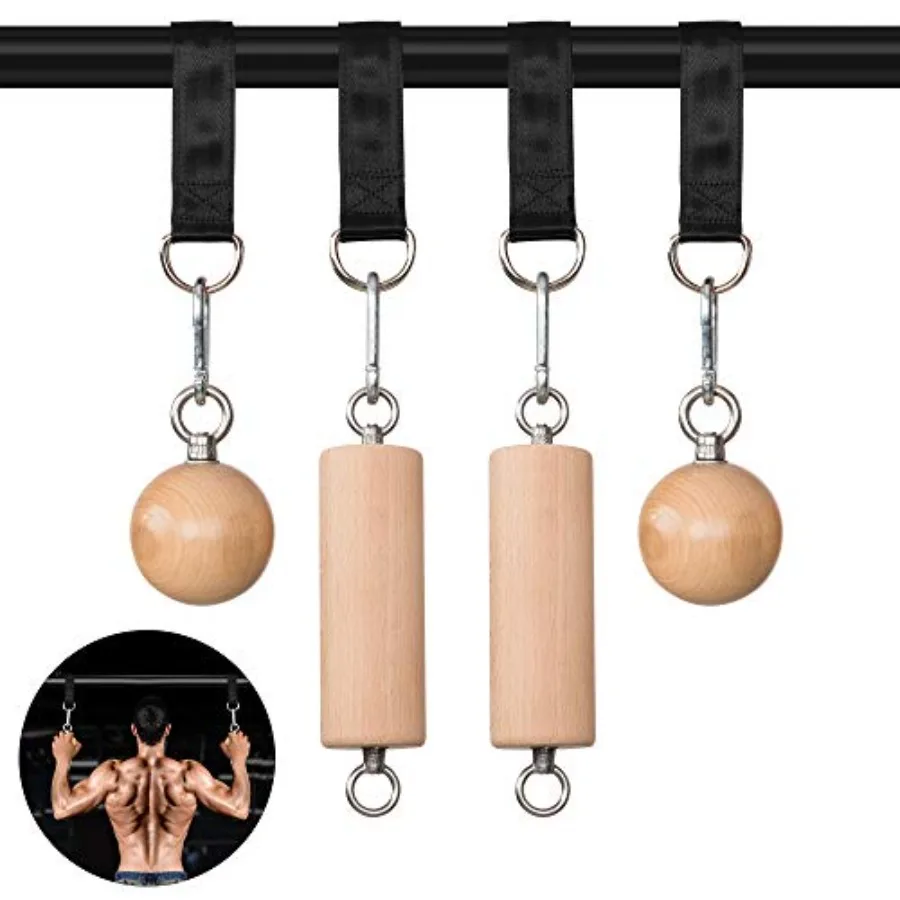
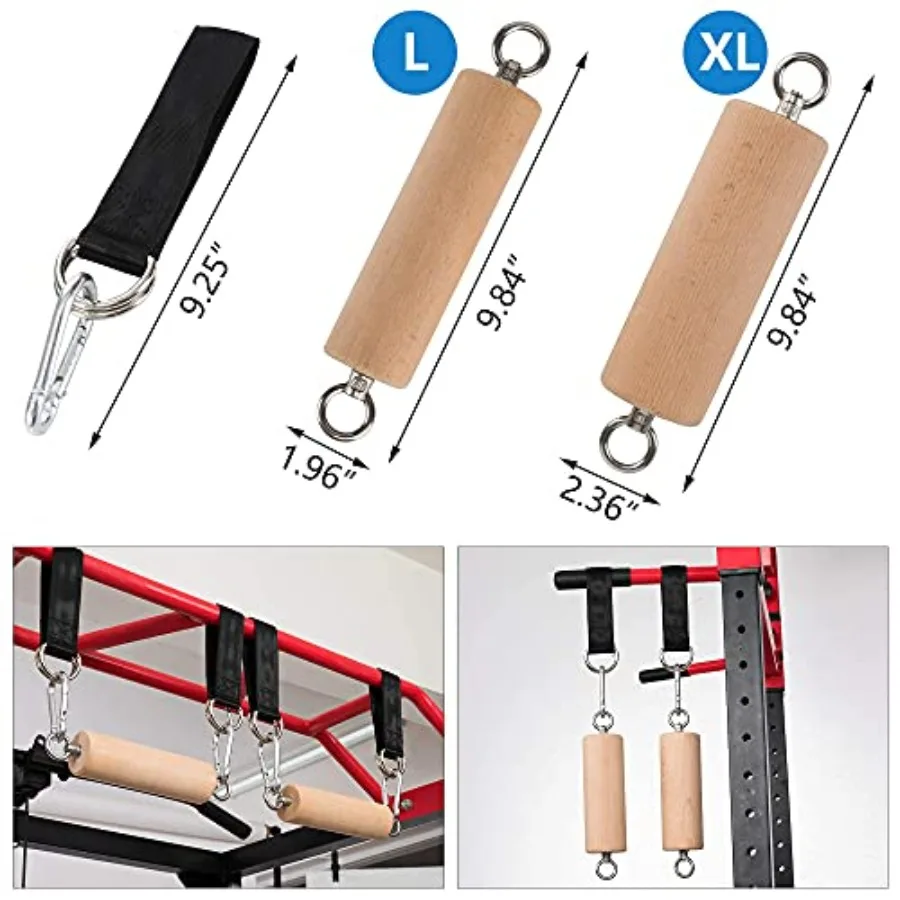
- Converts a bar you already own. Straps over any pull-up bar, rig or beam. You’re buying a grip gym, not another piece of furniture.
- Trains the fingers, not just the forearm. Pinch and open-hand positions load the finger flexors and their tendon pulleys — the structures that actually limit climbing performance.
- Skin-friendly wood surface. Wood is warmer, kinder to callouses and less slippery when slightly sweaty than moulded plastic. It’s the standard for a reason.
- Rotating, adjustable hangs mimic real climbing. Unlike a fixed bar, suspended holds move and rotate under you, forcing recruitment of the shoulder stabilisers and the entire kinetic chain.
- Legitimately hard, which is the point. Expect your first dead hang on the balls to last a fraction of your bar hang. That gap is the training opportunity.
How to Use
Rig the holds from a bar or beam at a height that lets you reach them with your feet just off the floor — you want to be able to step down, not fall down. Begin with two-handed dead hangs for time, aiming for quality seconds rather than a maximum. Progress to hanging pull-ups, then to single-arm hangs or a mixed grip (one ball, one hold). Keep the shoulders active — pull them down and slightly back rather than hanging slack from the joint capsule, particularly on the spheres, where the rotational element loads the shoulder unpredictably. Safety, and this matters: attach only to a structurally rated anchor — a doorway bar rated for straight-bar pull-ups may not be rated for the rotational and shock loads a swinging hold generates. Inspect the straps and every attachment point before every single session. Do not train grip to failure while hanging above a hard floor; use a mat. And go easy in the first few weeks — finger tendons and pulleys strengthen far more slowly than muscle, and doing too much too soon is the classic route to a finger injury that takes months to settle.
Specifications
| Type | Suspended grip training holds (cannonball grips and climbing holds) |
|---|---|
| Material | Wood |
| Attachment | Strap / hang from pull-up bar, rig or beam |
| Trains | Crush grip, pinch grip, finger flexors, forearms, lats, shoulder stabilisers |
| Used for | Rock climbing, bouldering, ninja warrior / obstacle course racing, grip sport |
| Skill level | Intermediate to advanced — a bar dead hang is the sensible prerequisite |
| Set contents | Grip balls and holds — exact configuration variant dependent |
| Anchor requirement | Structurally rated bar or beam only |
Care & Maintenance
Keep the wood dry. Wipe sweat off after every session — moisture soaking into wood is what causes the surface to raise, crack and eventually lose its grip. If the surface roughens, a very light sand with fine paper and no finish will bring it back; do not varnish, as a sealed surface is a slippery surface. Inspect straps, knots and hardware for wear before each use and retire anything frayed immediately.
What’s in the Box
1 x wooden pull-up grip and ball training set with suspension hardware. Exact number of holds and balls is variant dependent — see the product options above.

Reviews
There are no reviews yet.