Wearable Recovery Data Is Useful as a Trend, Misleading as a Number
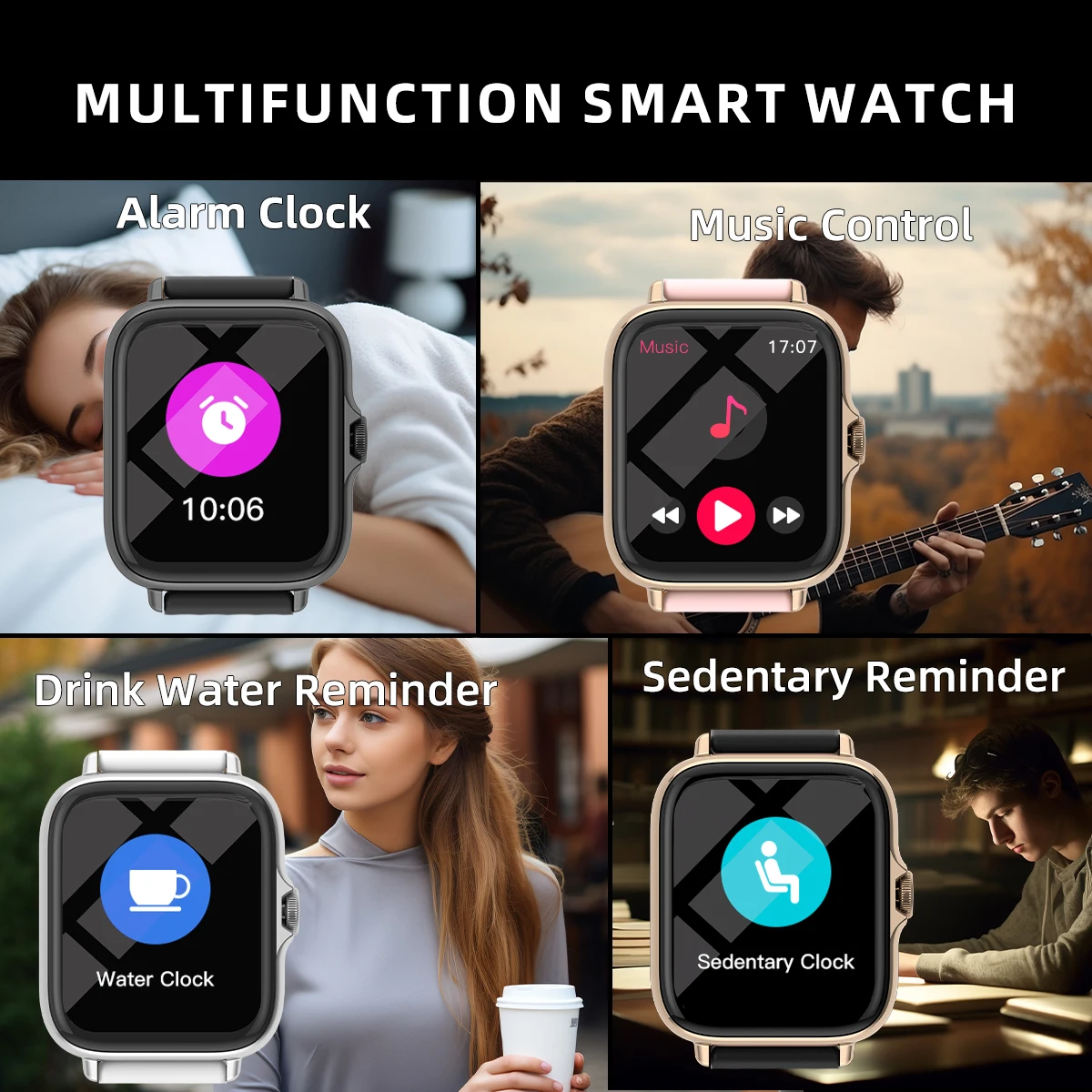
A wrist optical sensor shines light into the skin and measures how much comes back — pulsatile blood volume gives you heart rate, and an accelerometer supplies motion. Sleep “stages” are then inferred from movement plus heart-rate variability patterns; that inference is a decent estimate at population level and a rough one for any individual night, because a wrist device cannot see brainwaves. Read this way, the data is still valuable. Resting heart rate creeping up over several days, or sleep duration falling across a week, is a reliable early signal that your training load has outrun your recovery. The absolute number for last night is noise. The direction of travel over a fortnight is signal.
Key Benefits
- Sleep and resting heart rate trends are the real feature — for anyone training seriously, an elevated resting HR across several mornings is one of the earliest warnings that you are under-recovered.
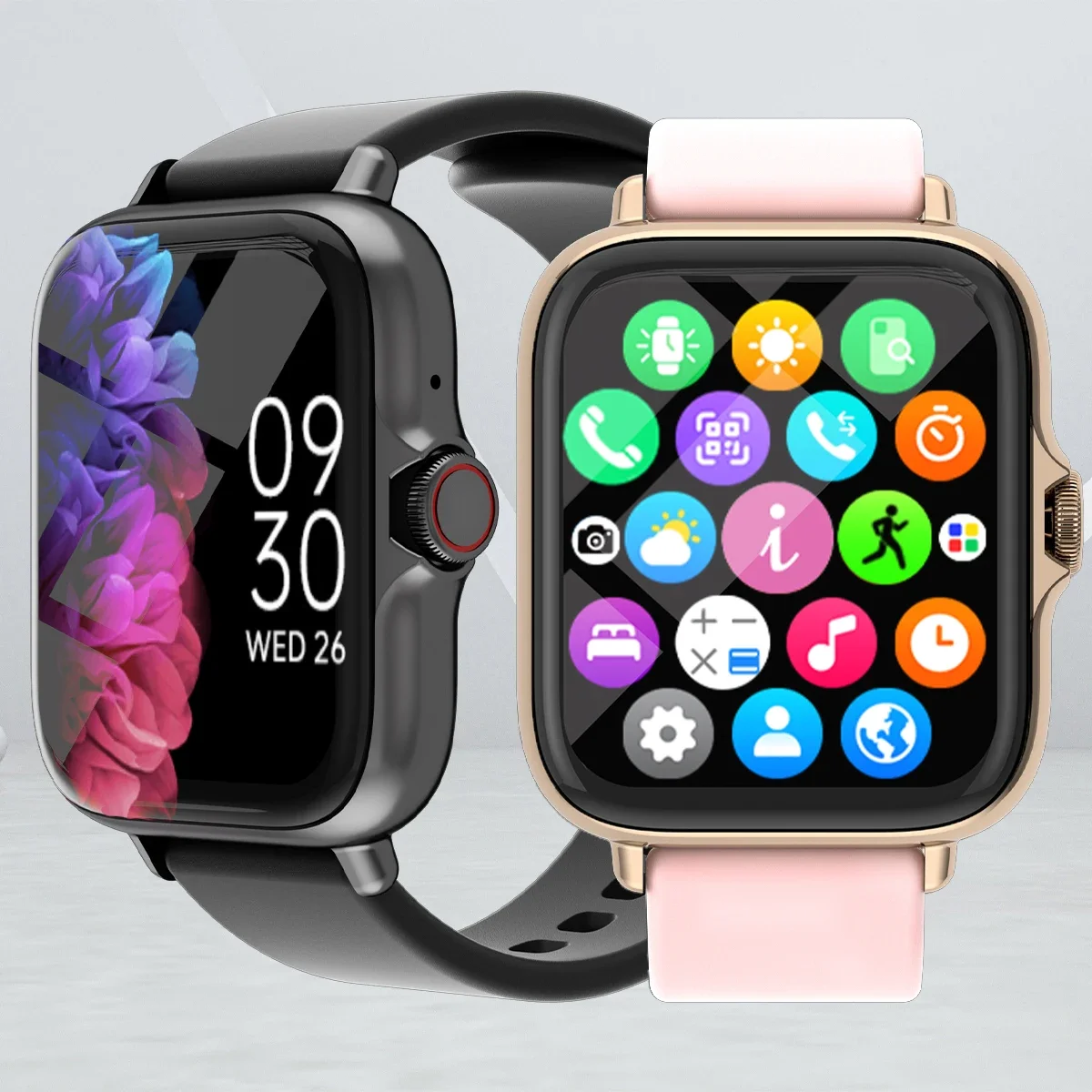
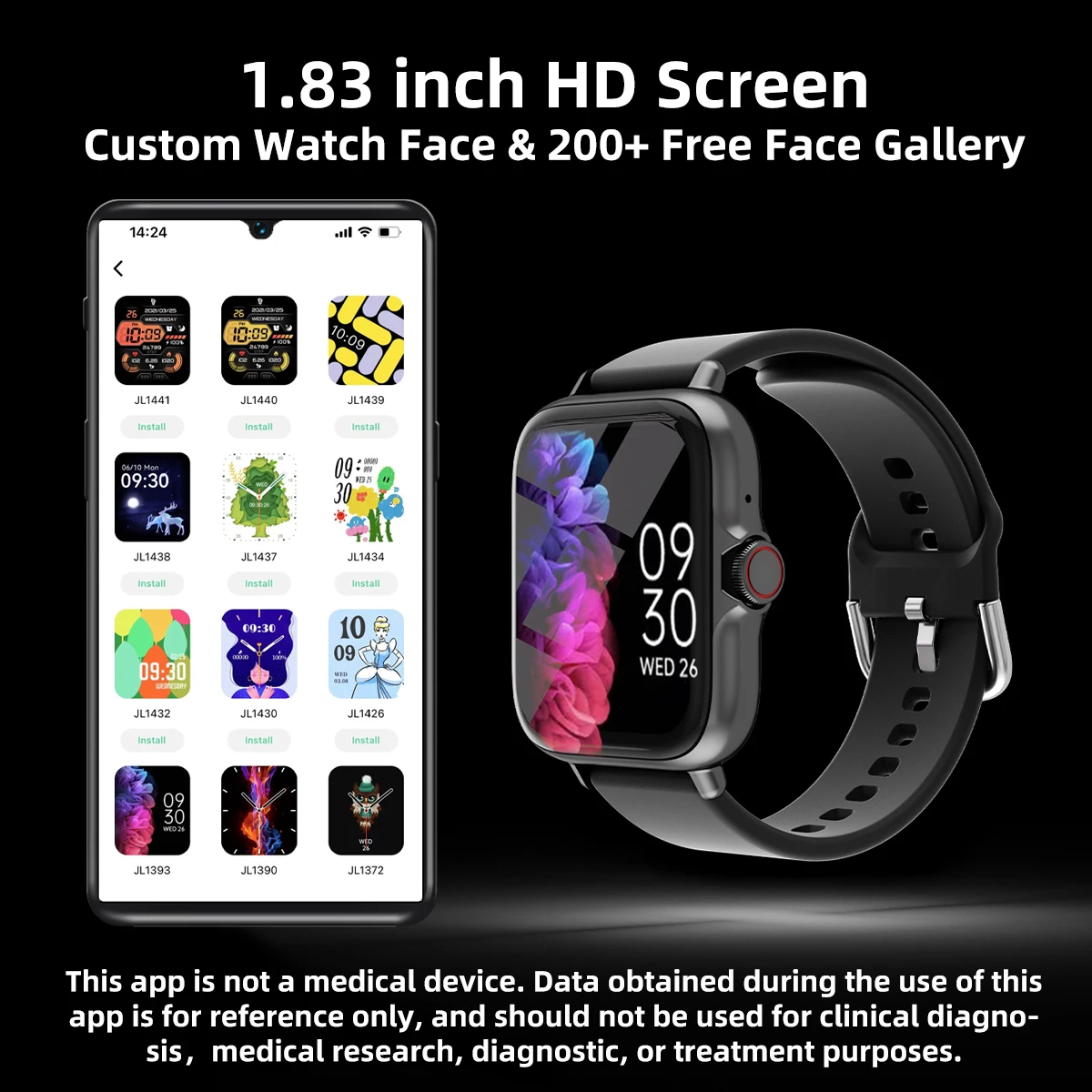
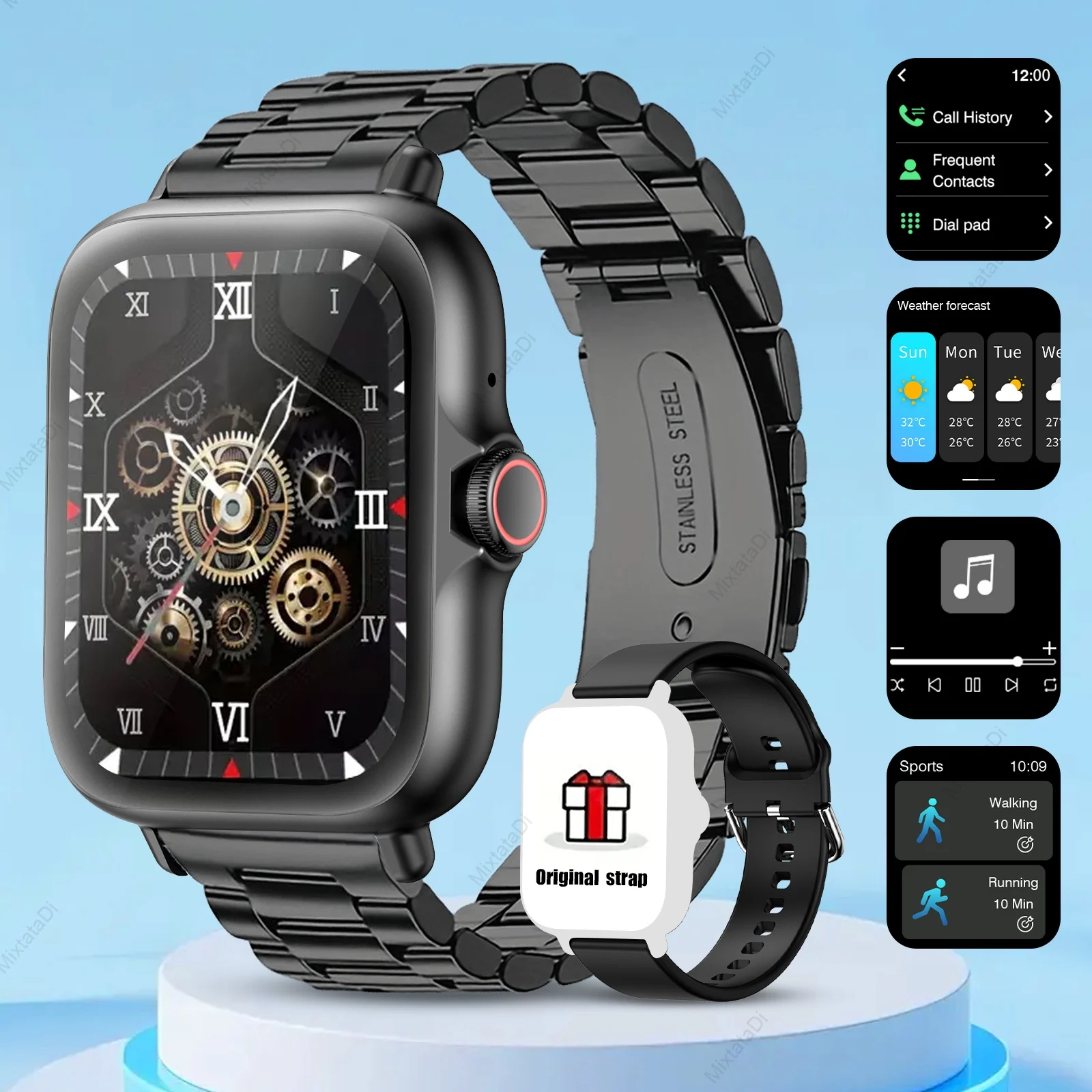
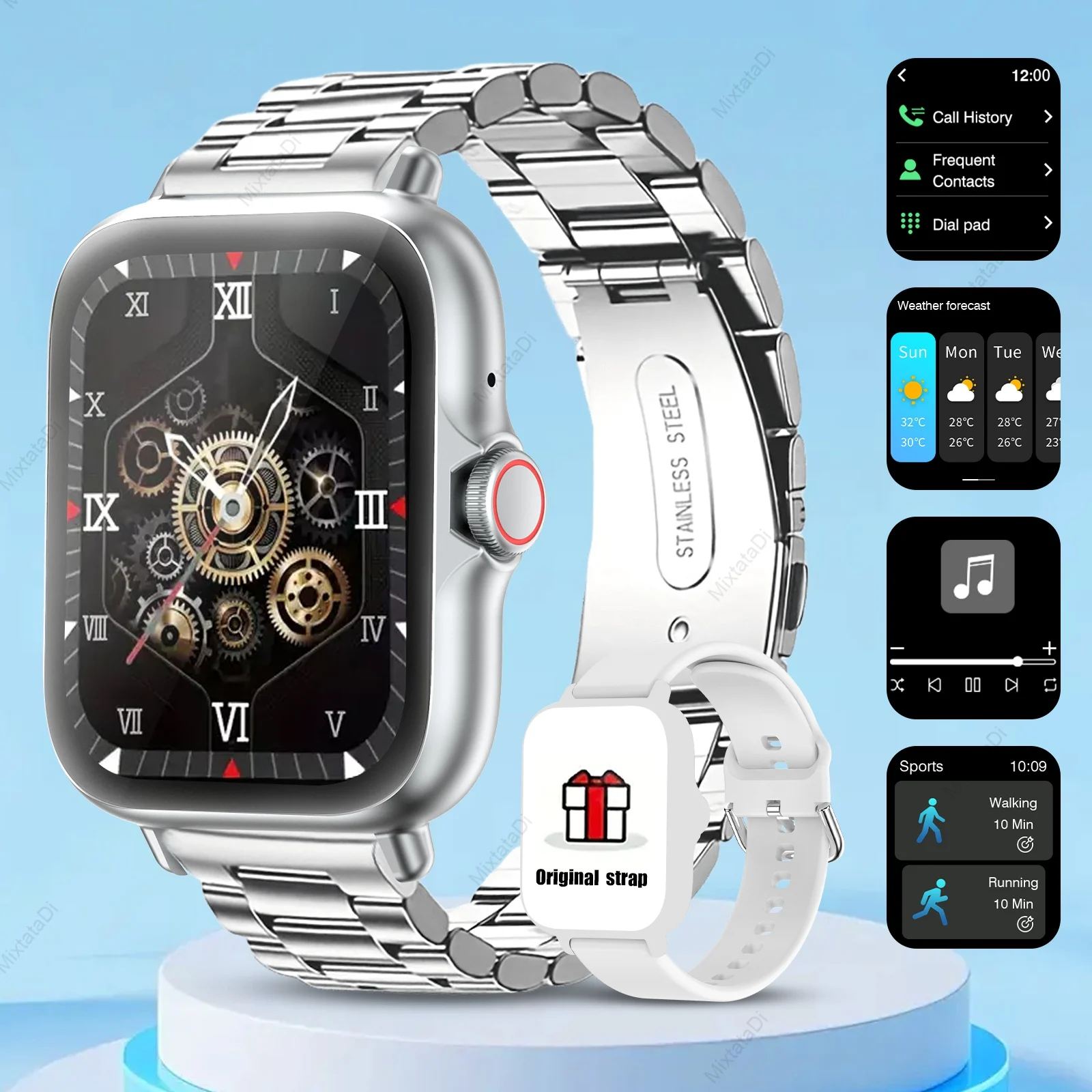
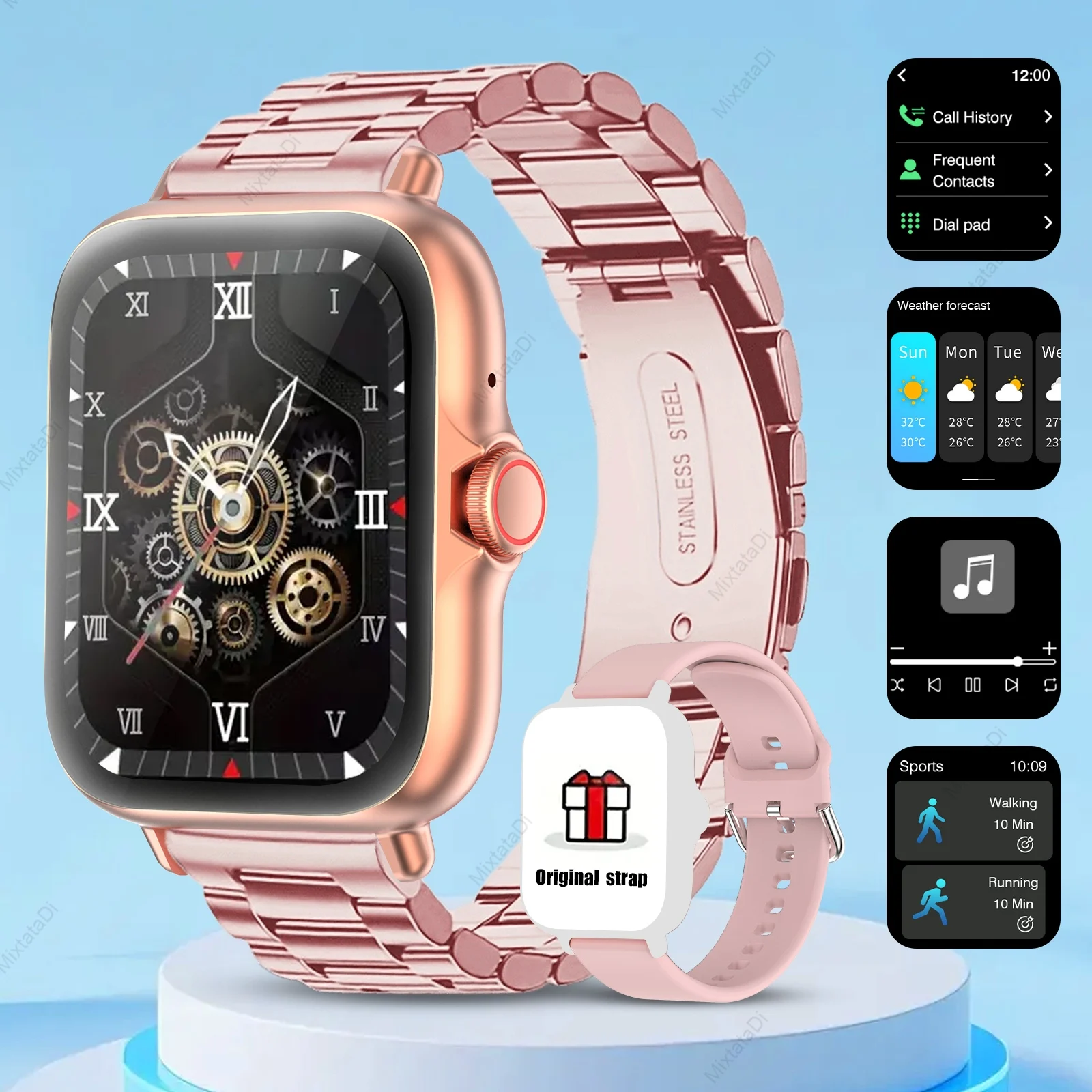
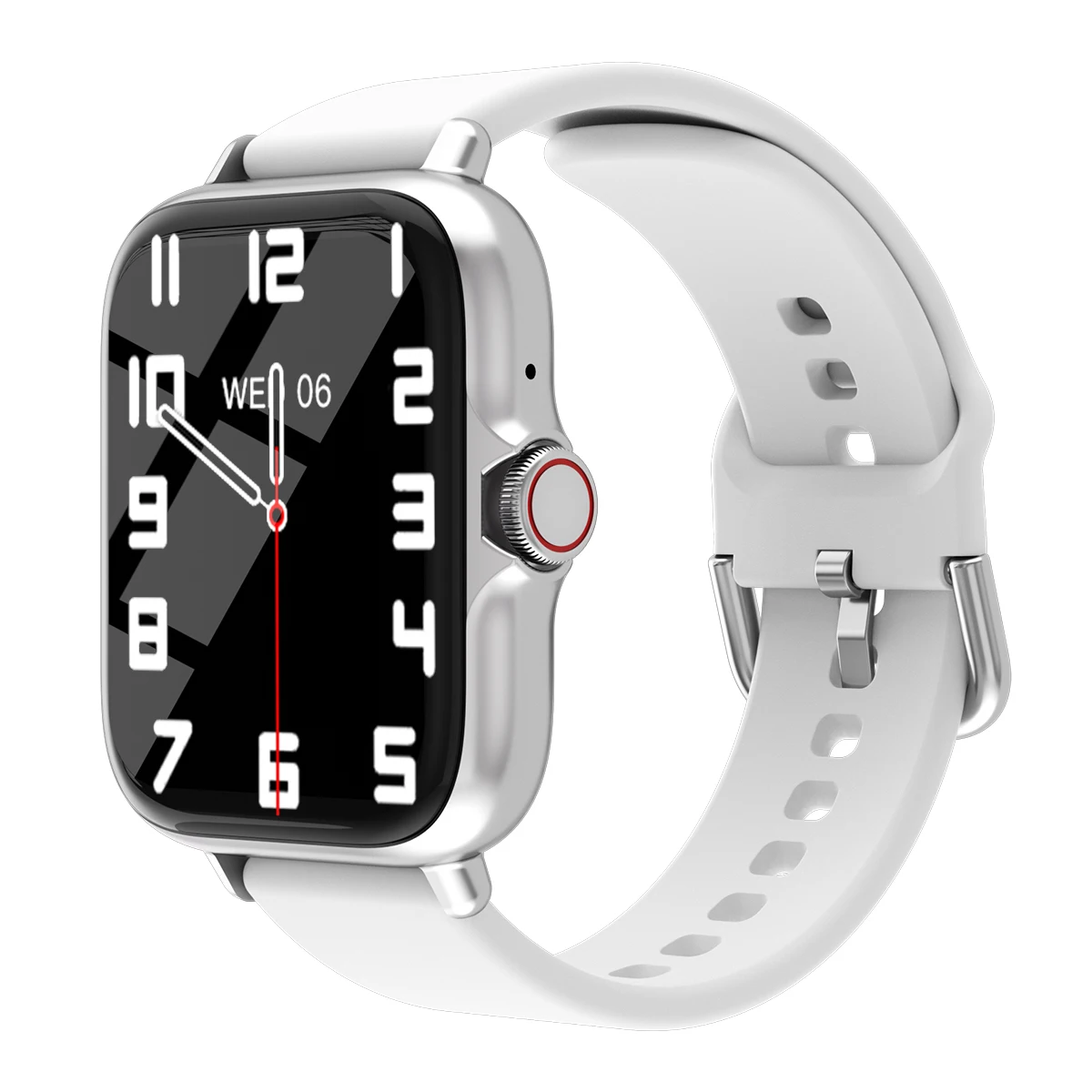
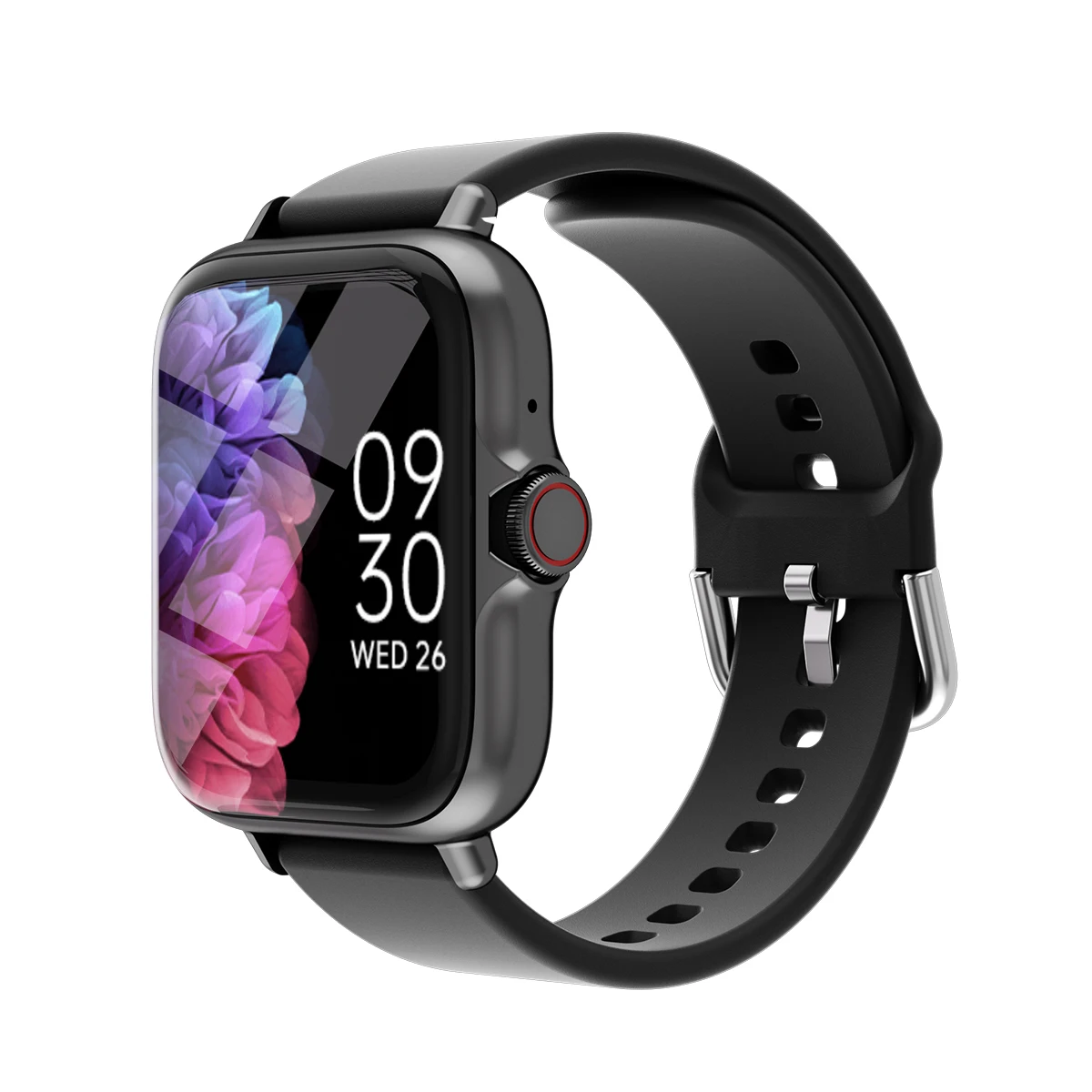
- 1.83″ display — large enough to read a notification or a lap time mid-session without stopping to squint.
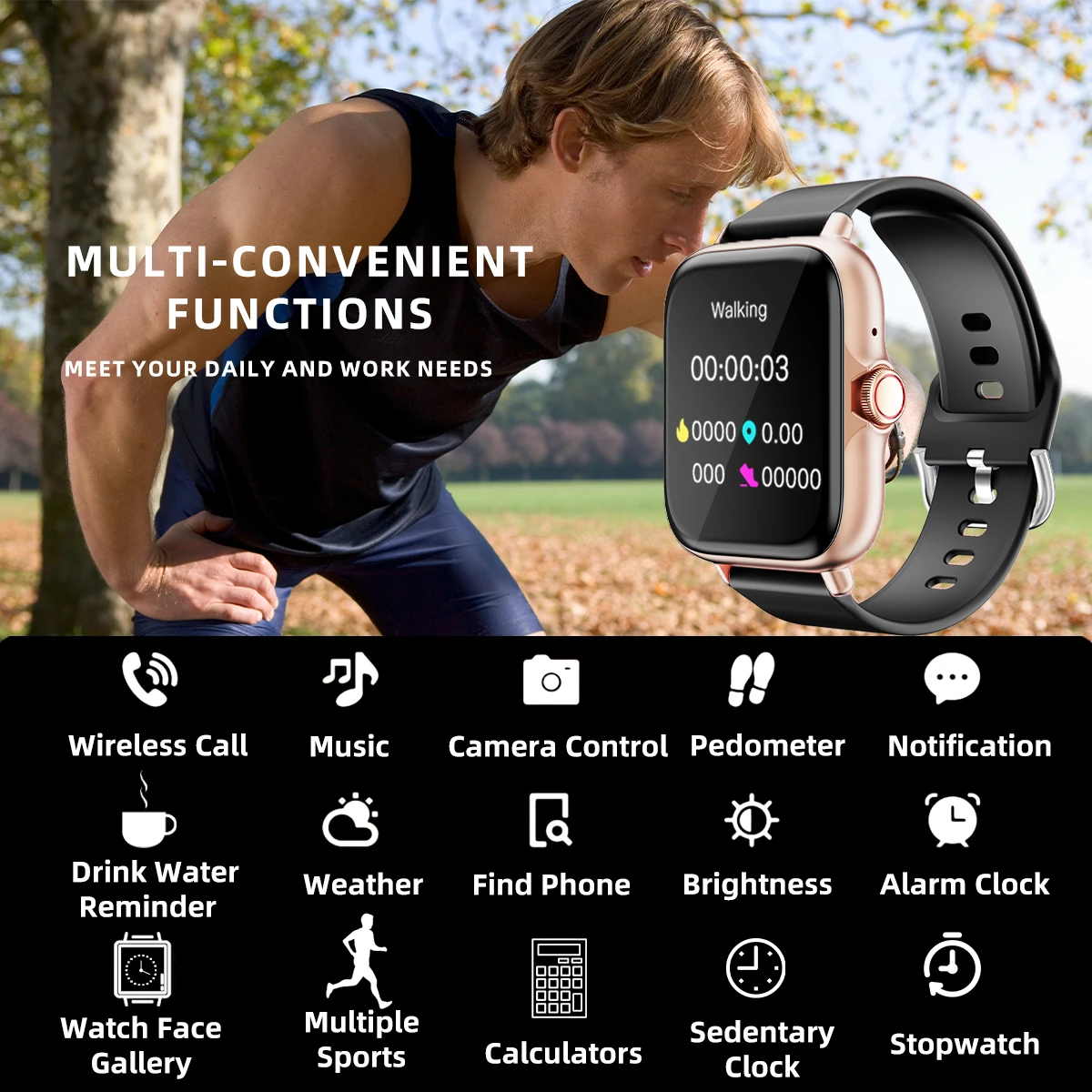
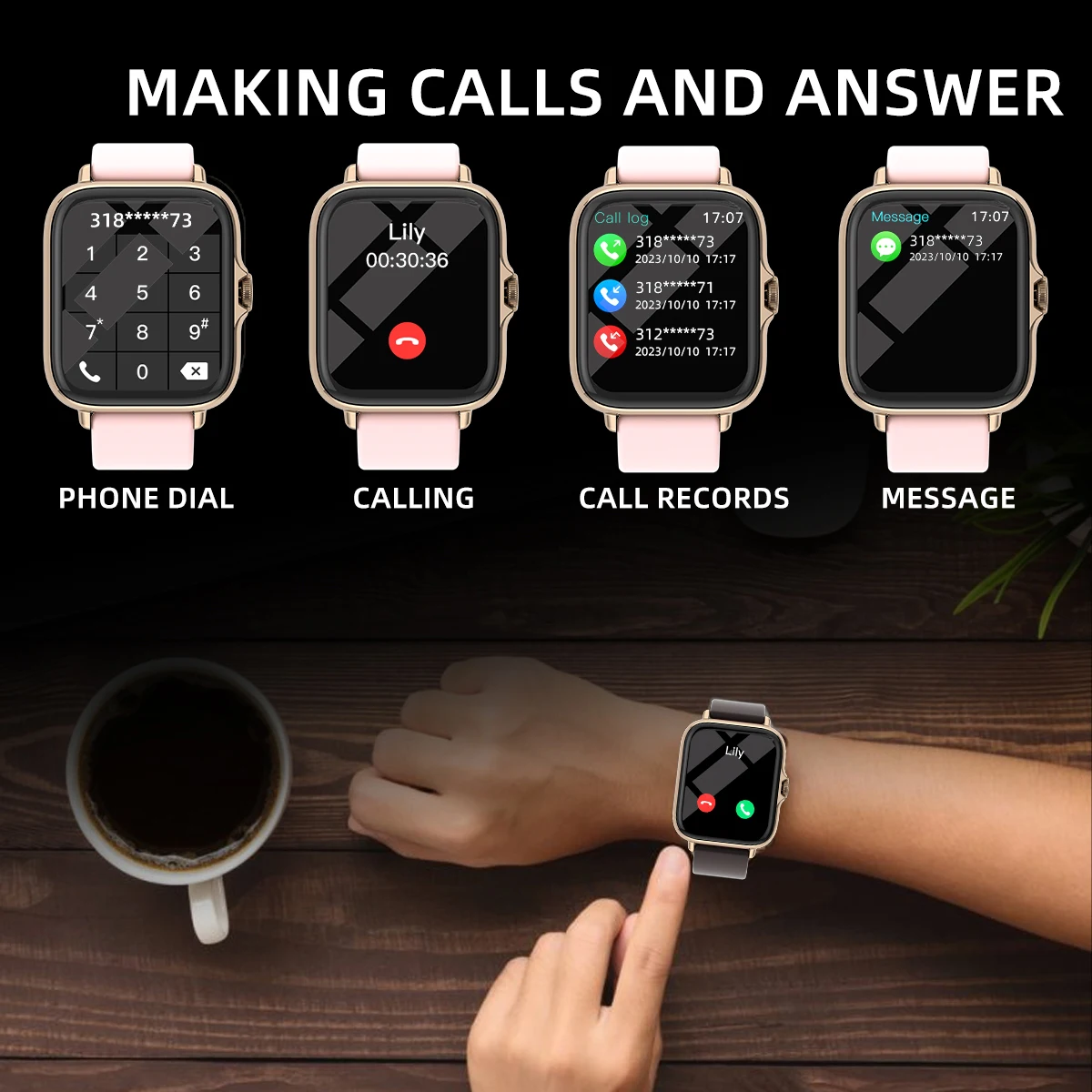
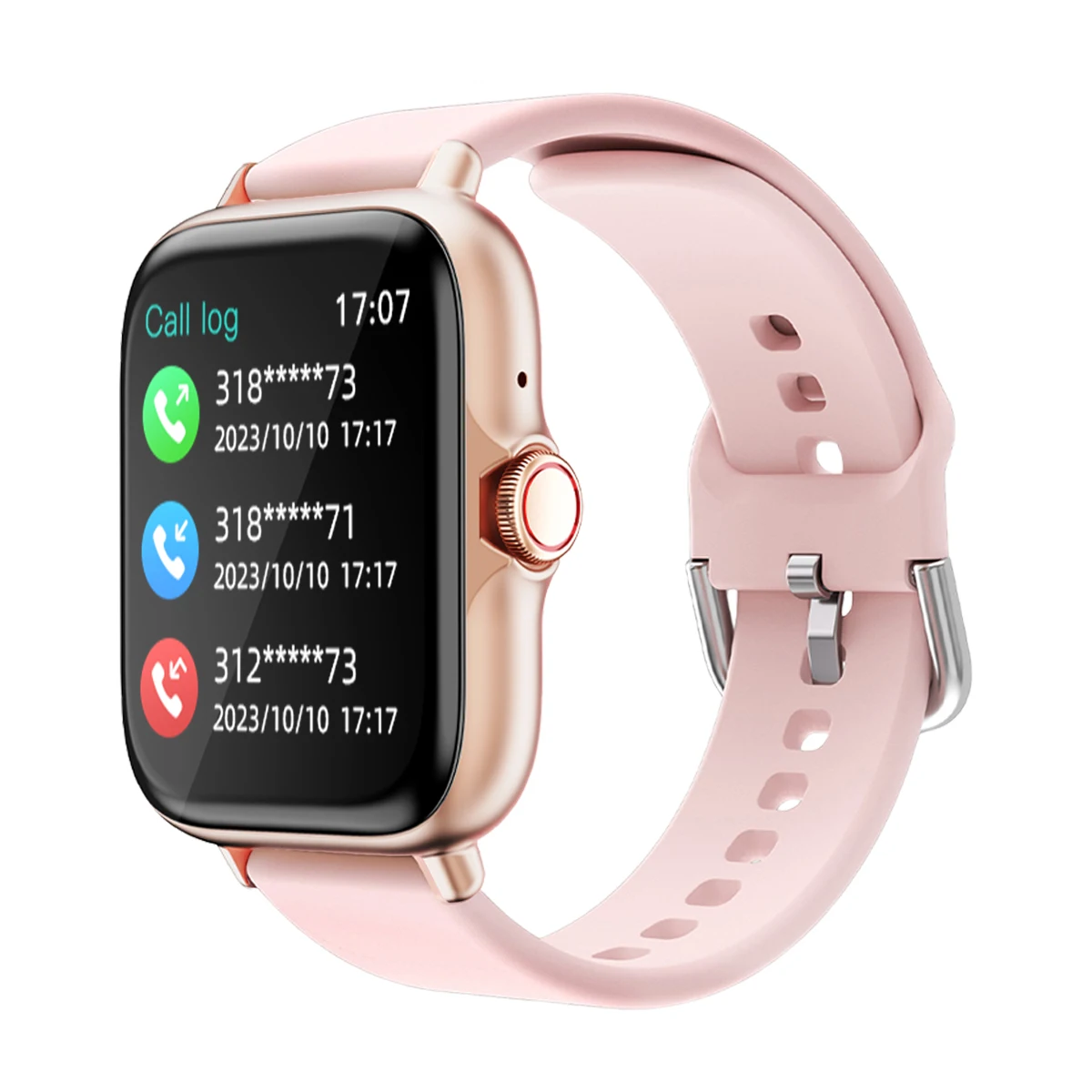
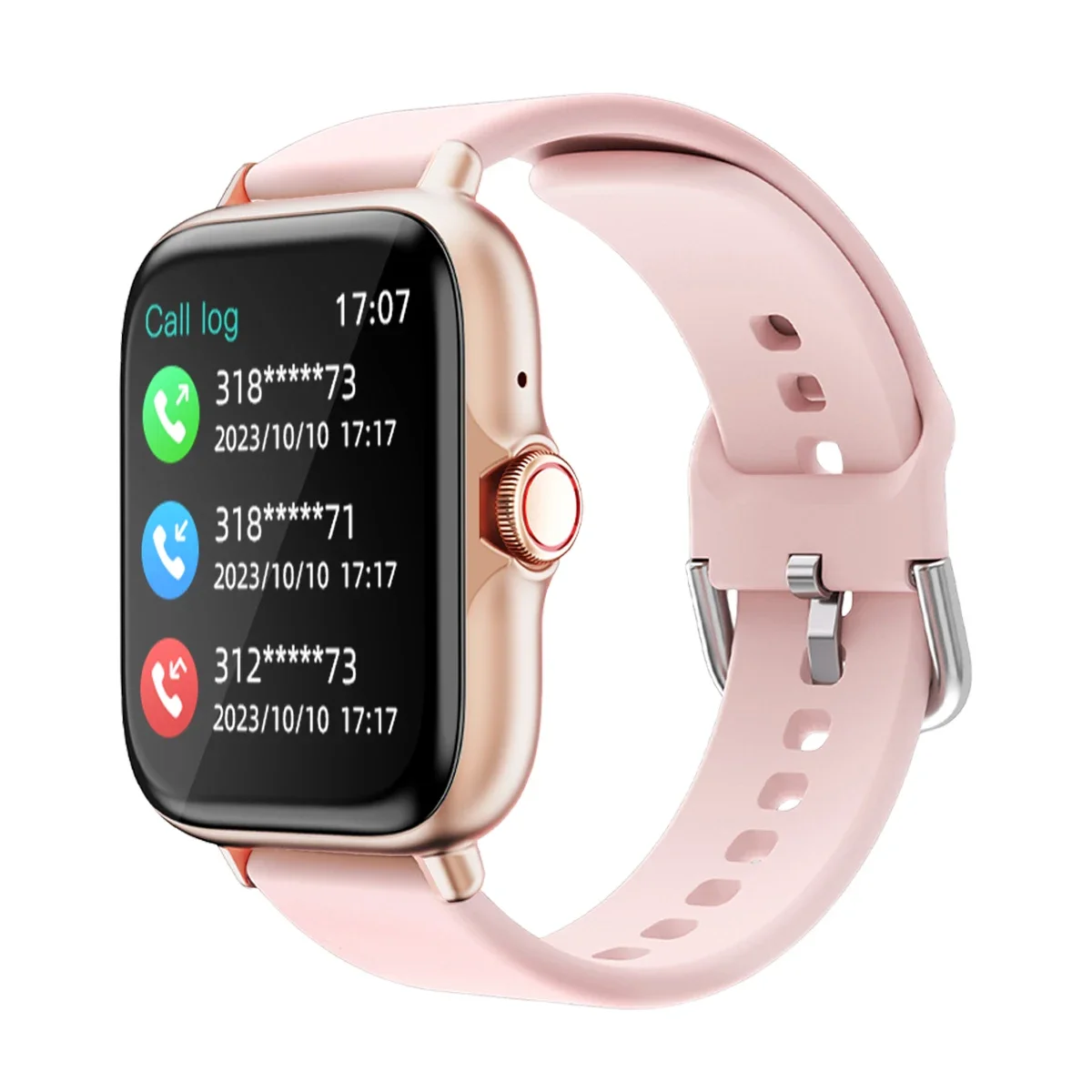
- Call answering and message alerts — you can leave the phone in your bag and still not miss anything urgent.
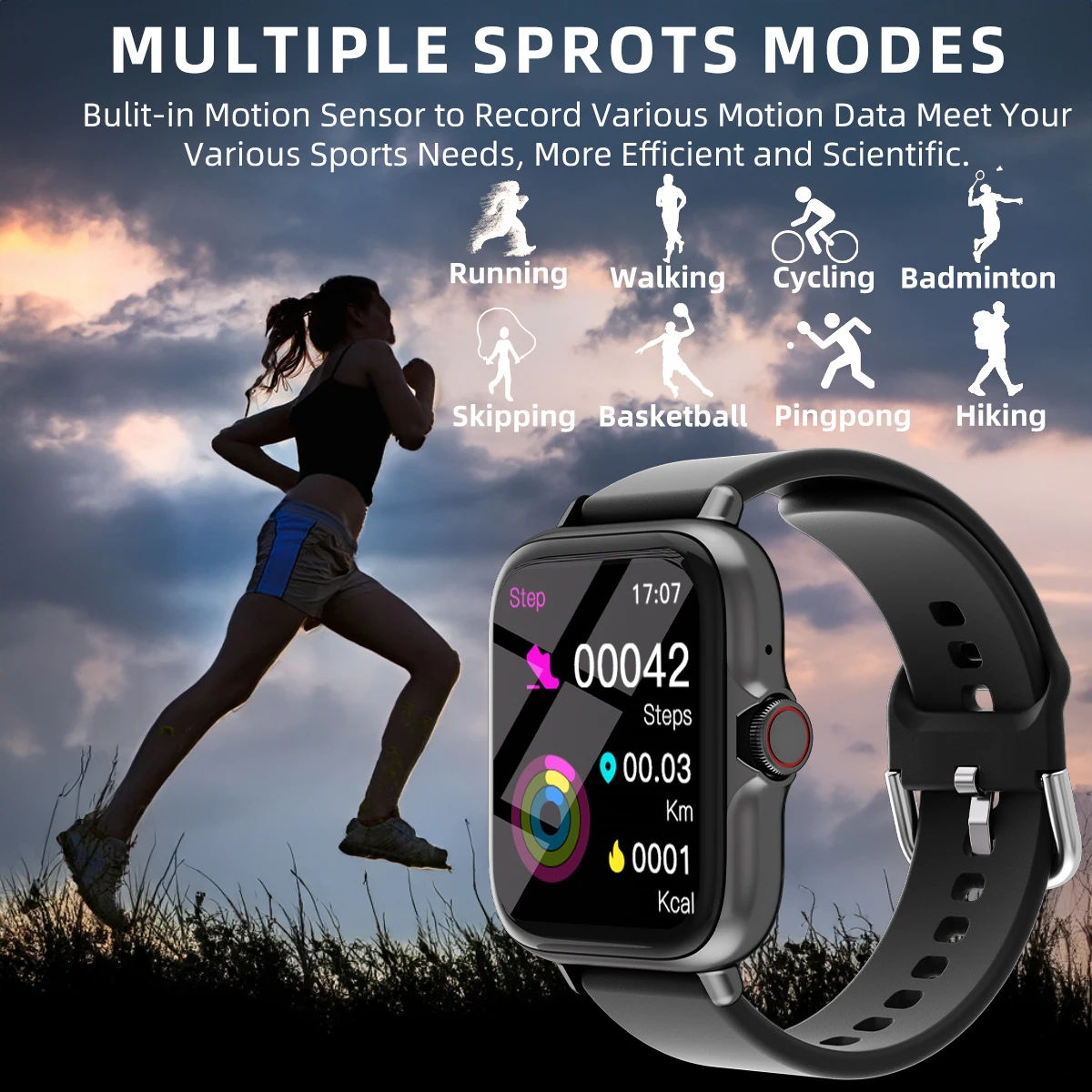
- Pedometer and activity tracking — daily step and movement volume, which is the low-intensity activity most people underestimate on rest days.
- Works with iPhone and Android — no ecosystem lock-in.
- HONEST NOTE — treat the numbers as estimates. A wrist tracker is not a medical device. Sleep stages are inferred, not measured; calorie burn figures from any consumer wearable carry a wide error margin; heart rate readings degrade during high-intensity or high-vibration activity. It is not for diagnosing a heart rhythm problem. Use it to spot trends, and see a doctor for anything that concerns you.
How to Use
Wear it snugly about a finger’s width above the wrist bone — a loose strap is the single biggest cause of bad optical heart rate data, and most people wear it too loose. Pair it to your phone via the manufacturer’s app and let it collect at least a week of data before drawing any conclusions; you need a baseline before a change means anything. Check resting heart rate each morning and sleep duration weekly, and treat a sustained rise in the former or a drop in the latter as a cue to take an easier training day. Charge it in the evening while you shower rather than overnight, so you do not lose your sleep data.
Specifications
| Screen size | 1.83 inches |
|---|---|
| Compatibility | iOS (iPhone) and Android |
| Calls | Answer and make calls (Bluetooth calling) |
| Notifications | Message and app alerts |
| Tracking | Sleep monitoring, pedometer/step counting, sports modes |
| Sensors | Optical heart rate and accelerometer |
| Charging | Rechargeable — cable included |
| Water resistance | Variant dependent — confirm before swimming or showering with it |
| Medical status | Not a medical device; readings are estimates |
Care & Maintenance
Clean the strap and the underside sensor window regularly — a film of sweat and skin oil over the optical sensor degrades heart rate accuracy more than most people realise. Dry the contacts fully before charging. Avoid solvents and alcohol wipes on the strap, and do not wear it in a sauna or hot tub regardless of the water rating, since heat and pressure defeat most seals.
What’s in the Box
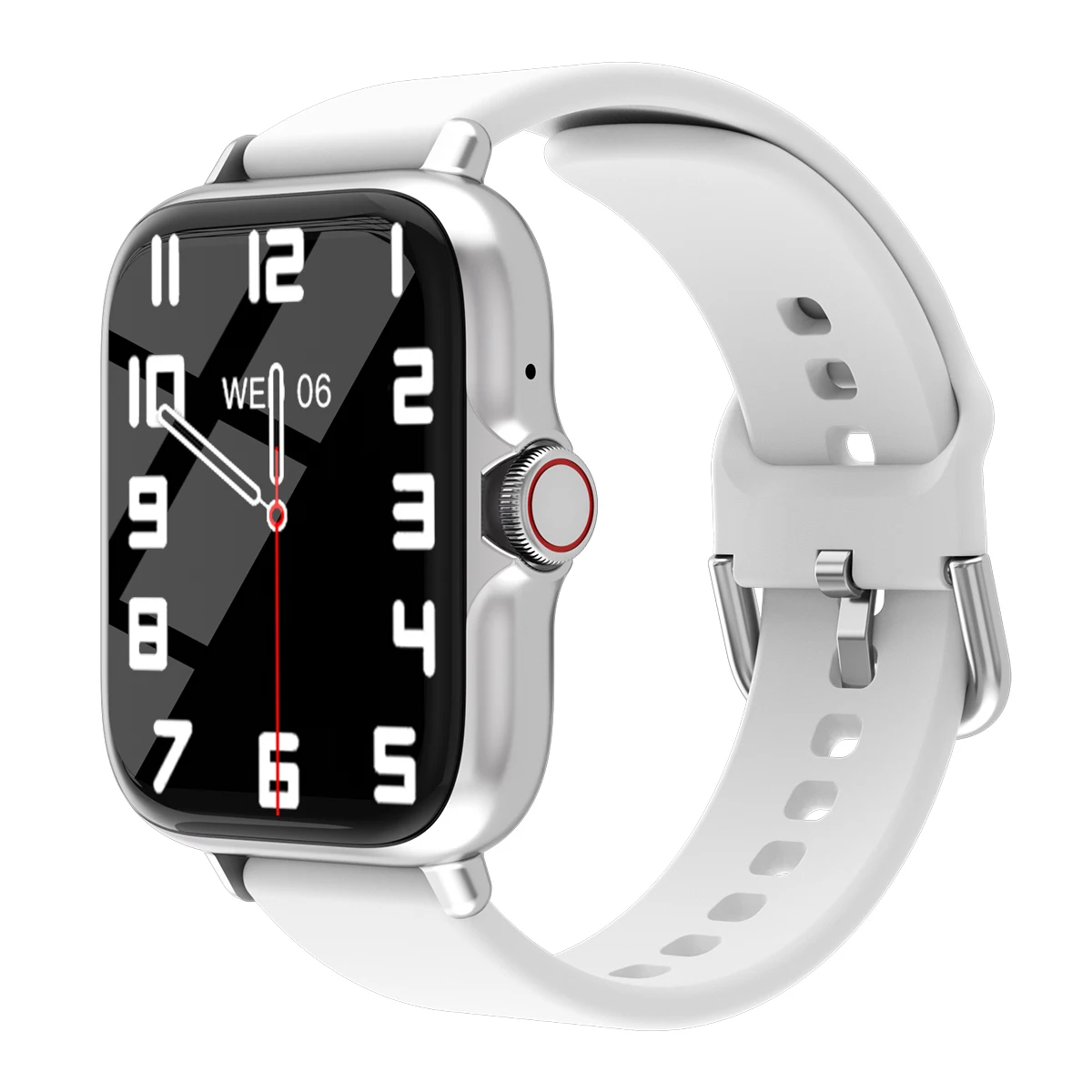
1 x smart watch, 1 x charging cable, 1 x quick start guide. Extra straps are variant dependent.
Reviews
There are no reviews yet.