Why 5 lb Jumps Kill Your Overhead Press — and Fractional Plates Don’t
The smallest plate in most gyms is 2.5 lb, which means the smallest jump is 5 lb across the bar. On a 400 lb deadlift that is a 1.25% increase — trivial. On a 95 lb overhead press it is over 5%, which is more than most trained lifters can add in a week. So the press stalls, and it stalls for arithmetic reasons rather than physiological ones. Fractional plates let you add 2.5 lb total, or even 1 lb, keeping the weekly overload inside the range your nervous system and connective tissue can actually absorb.
Key Benefits
- Keeps upper-body progression running — presses and rows progress in a fraction of the absolute load that squats and deadlifts do. Small plates are the only way to keep adding weight without repeatedly failing.
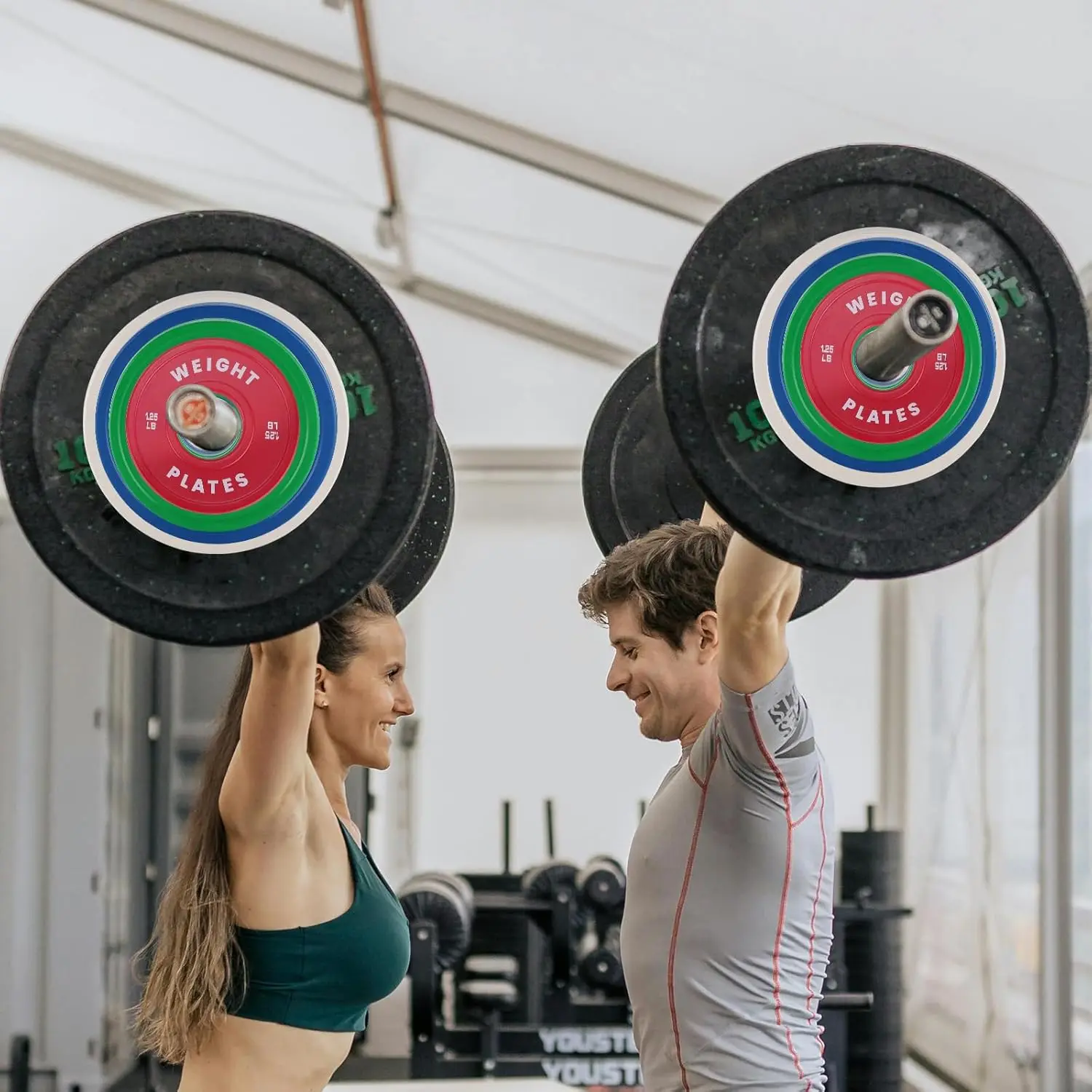
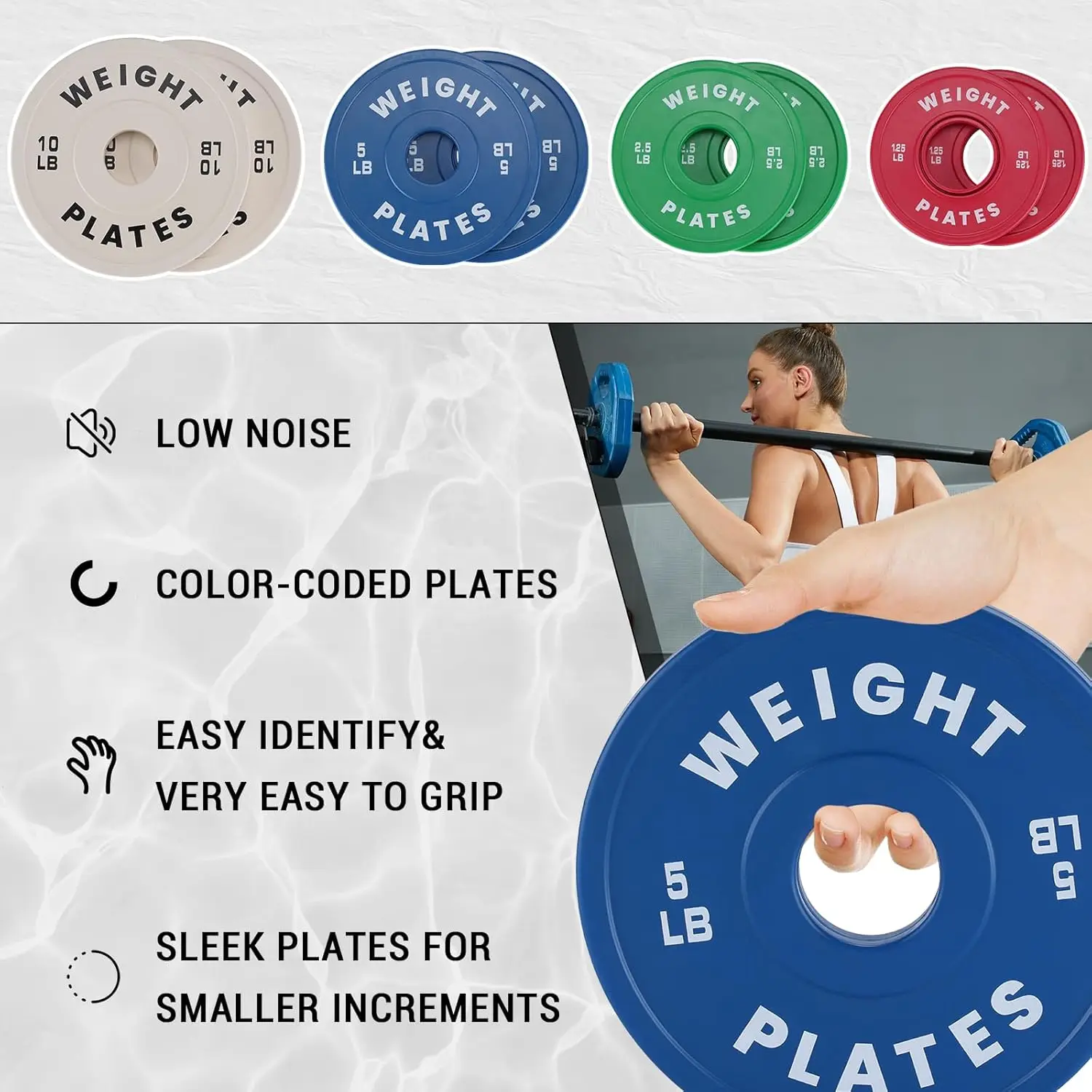
- Sold in pairs — loading is symmetrical by default, so you are not left hunting for a matching plate or building an uneven bar.
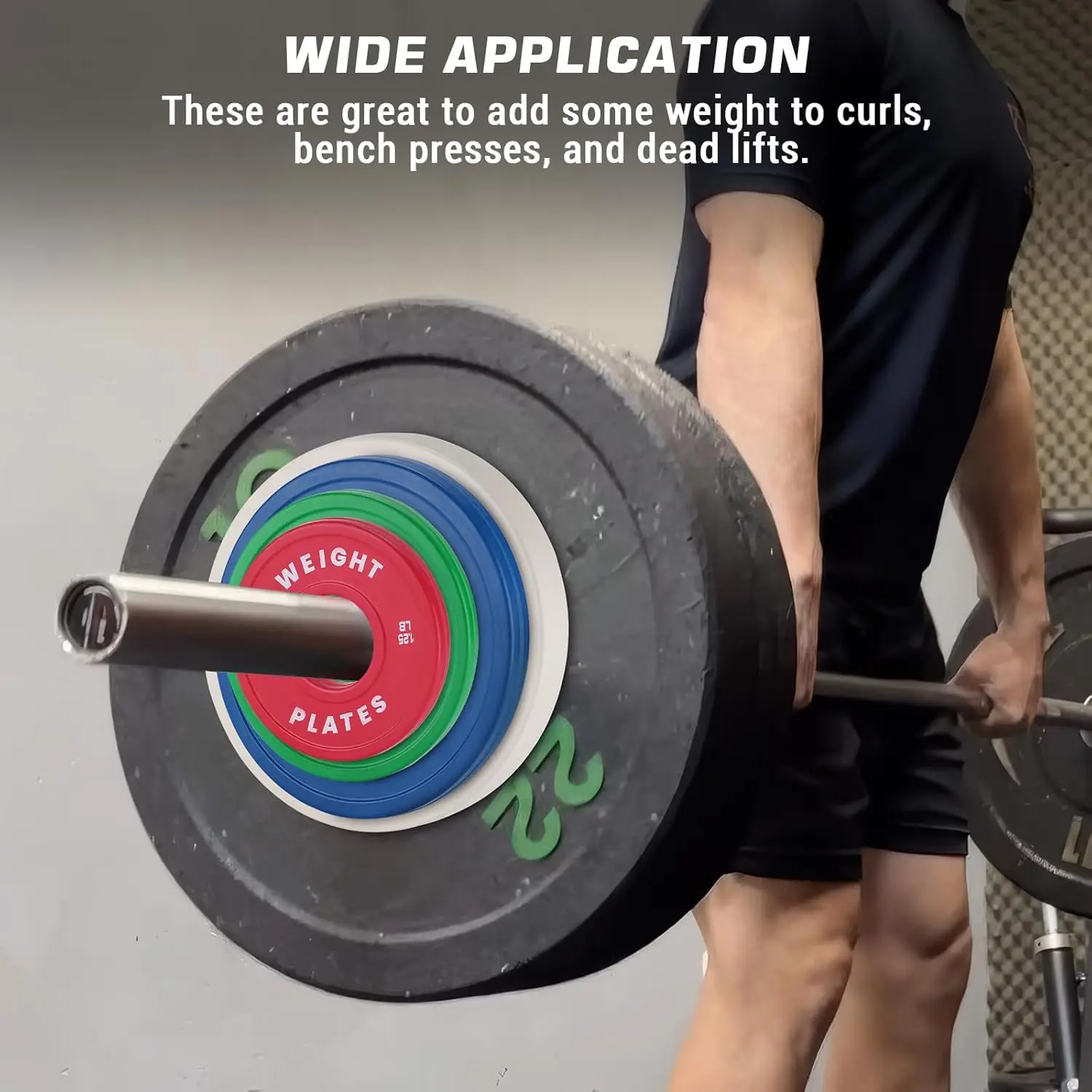
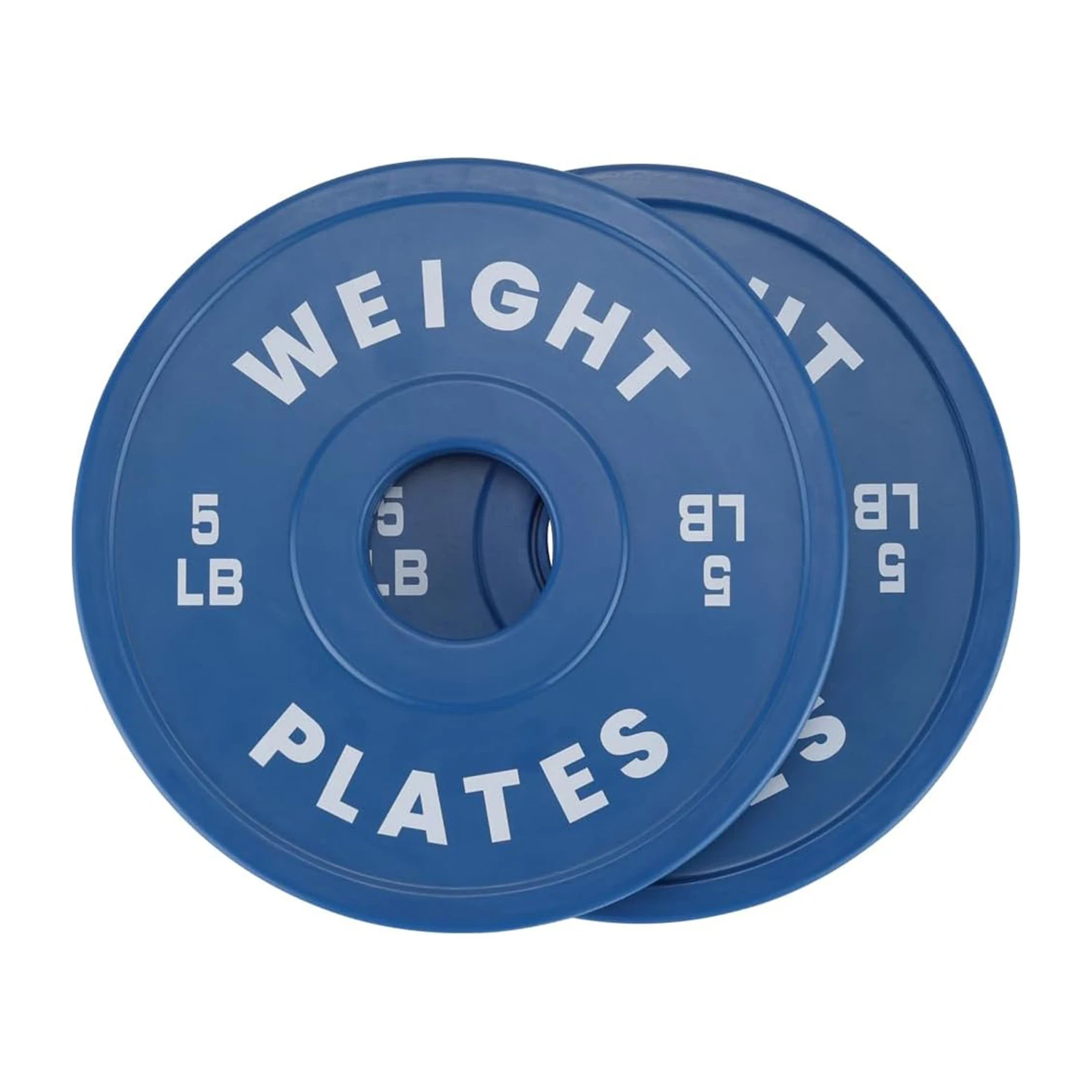
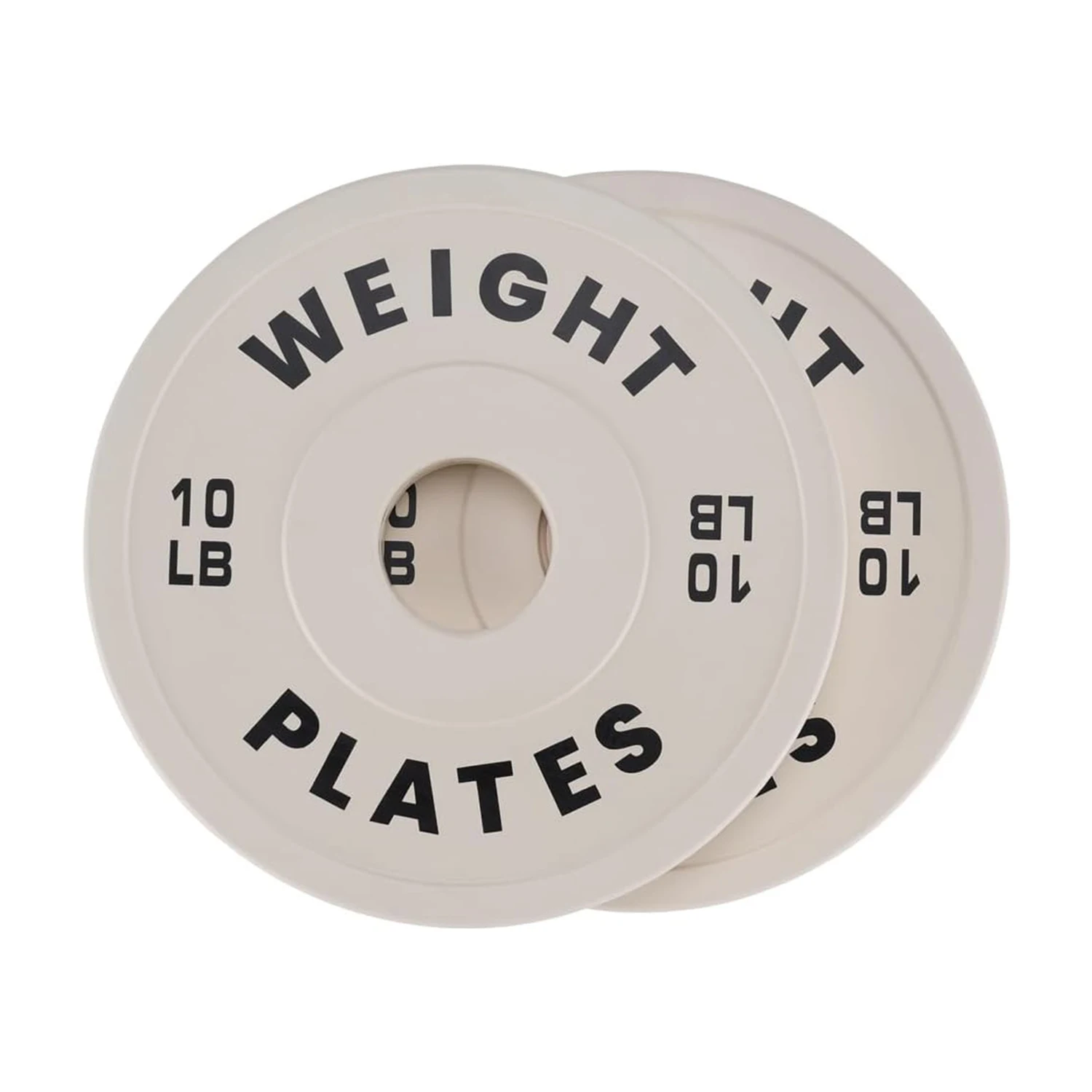
- Steel with a steel insert — dense and thin, so a stack of them adds meaningful load without eating sleeve space you need for the real plates.
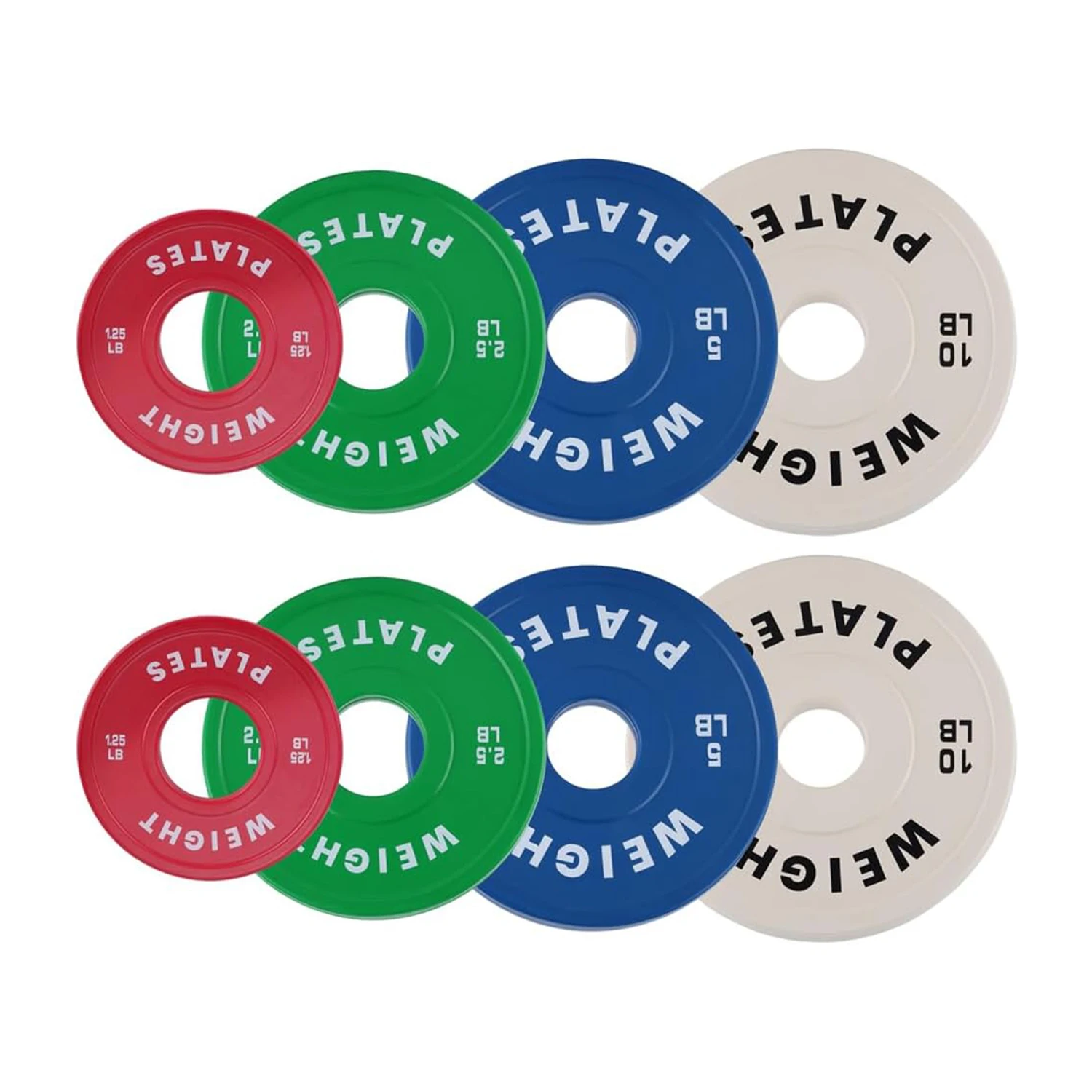
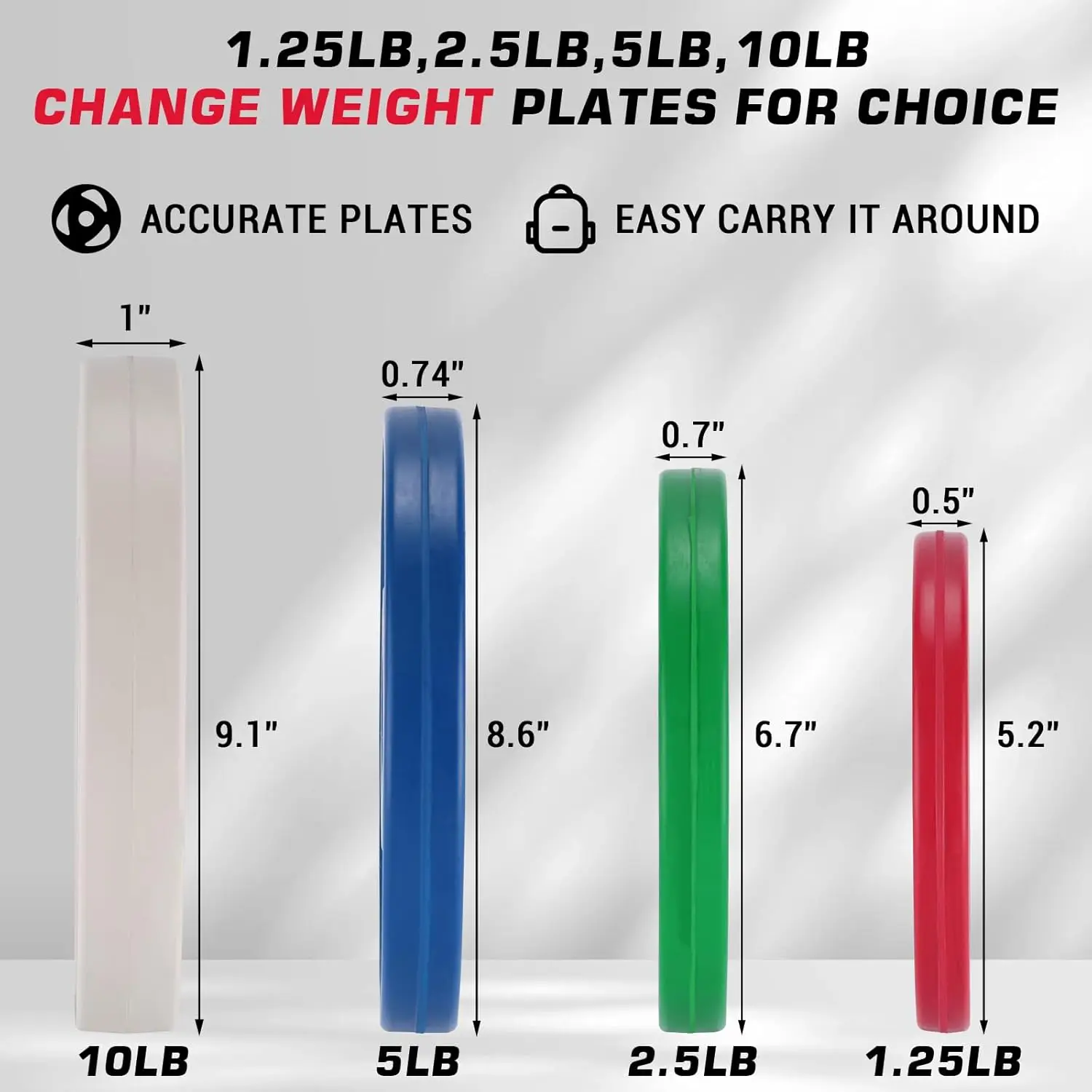
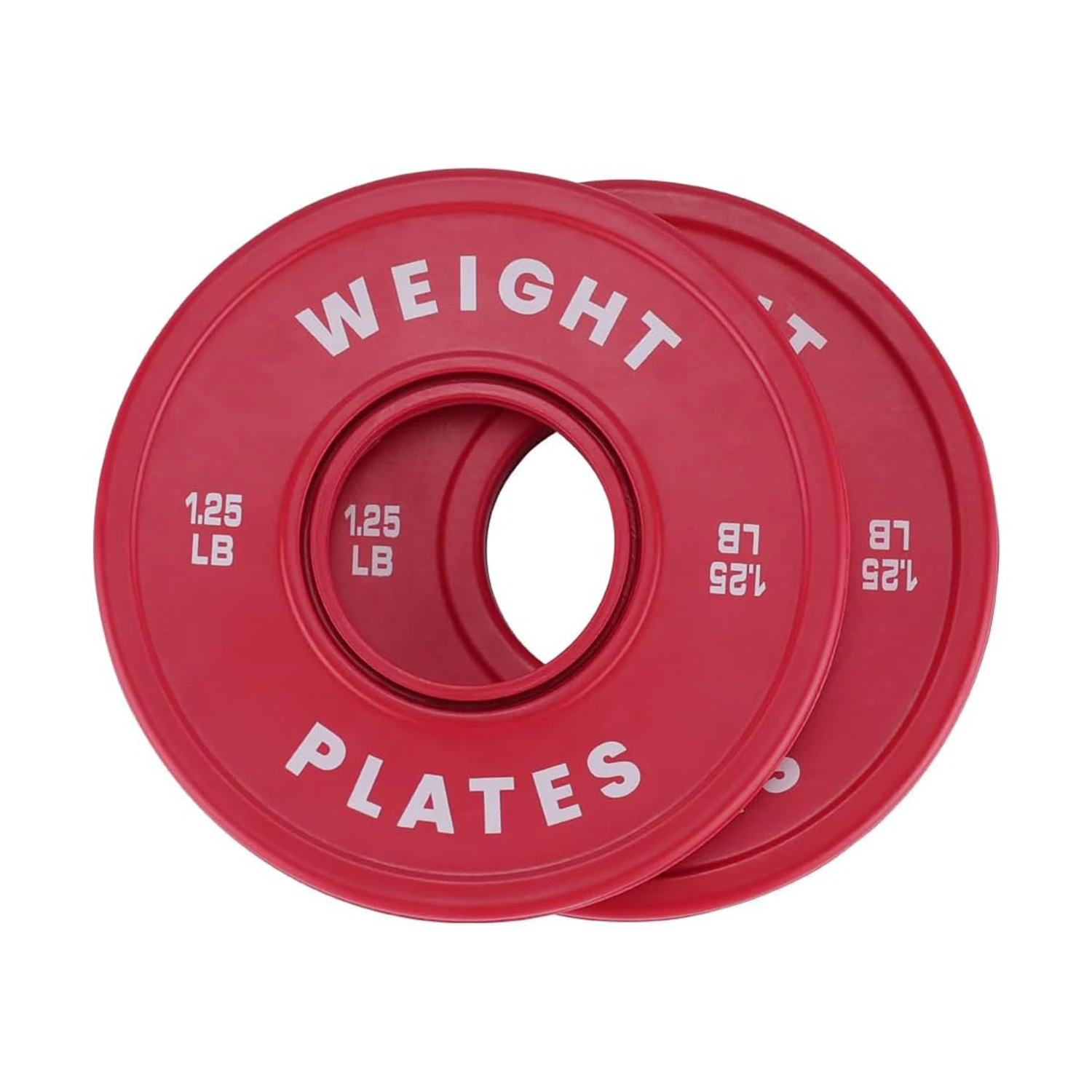
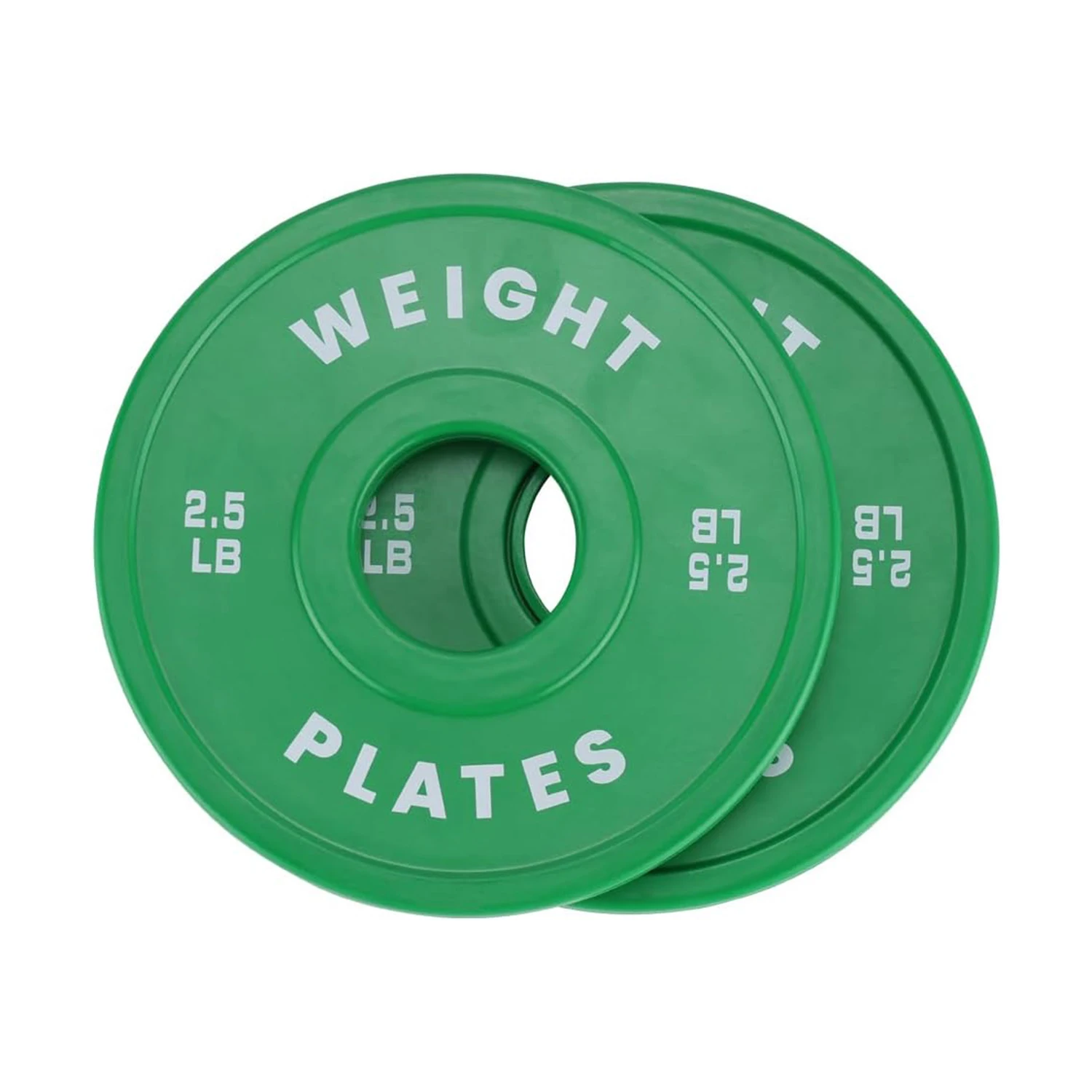
- Four increments to choose from — 1.25, 2.5, 5 and 10 lb, so you can buy the jump size that matches where your lifts actually stall.
- Fixes the bar-weight problem too — useful for dialling in exact totals when your bar isn’t a standard 45 lb, or when you are matching a prescribed percentage.
- Not just for barbells — the same micro-loading logic applies to loadable dumbbells and to any lift you are trying to progress by feel rather than by luck.
How to Use
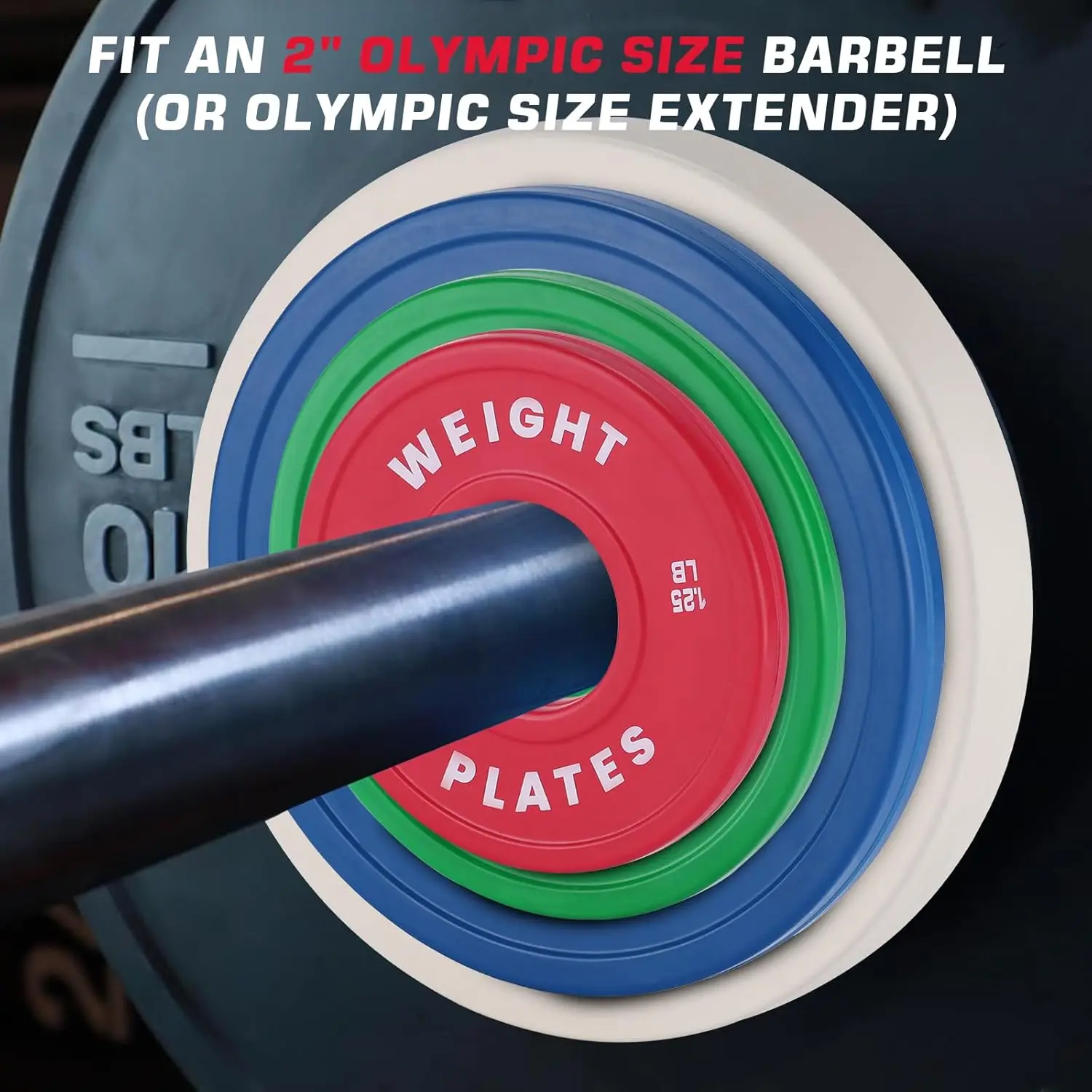
Use the smallest increment that still moves the bar forward. When you complete every prescribed rep of a set with a rep or two left in reserve, add one pair at the next session — that is usually 2.5 lb total on presses and 5 lb total on pulls. Always load in matched pairs, one plate per side, and put your collars back on: a thin plate on a bare sleeve will creep outward under a jerky rep. If you are stalling despite micro-loading, the problem is recovery, not increment size, and adding less weight will not fix it. Check the plate’s bore against your bar’s sleeve diameter before ordering — standard (1 inch) and Olympic (2 inch) sleeves are not interchangeable.
Specifications
| Sold as | Pair (2 plates) |
|---|---|
| Weight options | 1.25 lb, 2.5 lb, 5 lb, 10 lb per plate — select at checkout |
| Material | Steel with steel insert |
| Bore diameter | Variant dependent — confirm your bar sleeve size before ordering |
| Best for | Barbell presses, rows, loadable dumbbells |
| Typical use | Micro-loading / linear progression |
| Finish | Variant dependent |
Care & Maintenance
Sweat and chalk dust are what rust steel plates. Wipe them down after training and store them somewhere dry rather than on a garage floor. If surface rust appears, a light scrub and a wipe of machine oil will stop it spreading.
What’s in the Box
2 × fractional plates of the weight selected at checkout.
Reviews
There are no reviews yet.