One Fixed Pivot, an Entirely New Resistance Curve
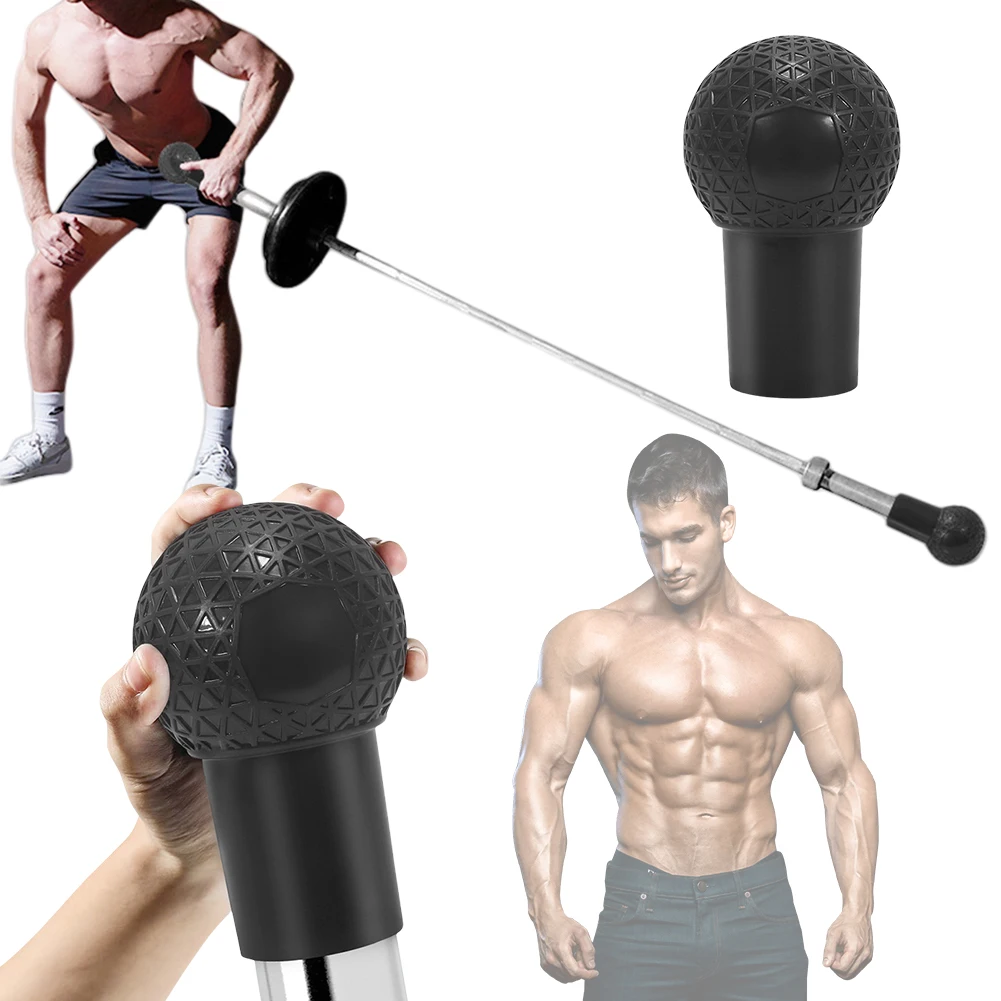
Anchor one end of a barbell and the free end no longer travels in a straight line — it sweeps through an arc. That single change alters the mechanics completely. Resistance now has a horizontal component as well as a vertical one, so a landmine press loads the shoulder in the scapular plane rather than driving it into the end-range overhead position that irritates many people’s shoulders. The arc also builds in a natural strength curve, and because the bar is fixed at one end, the load is inherently more stable than a free dumbbell — which makes landmine work a staple of return-to-lifting and rotational sports training.
Key Benefits
- Shoulder-friendly pressing. The landmine press keeps the arm in front of the body in the scapular plane, so you can press hard without the overhead end-range that aggravates impingement.
- Unlocks the T-bar row. One of the best thick-back builders there is — a heavy, supported horizontal pull that hammers lats, rhomboids and mid-traps.
- Loads rotation properly. Landmine twists and rotational presses train the obliques and hip-to-shoulder power transfer that barbells and dumbbells simply cannot load.
- Split squats, goblet squats and hack squats. The forward arc counterbalances you, which lets many lifters hit far better depth and knee position than they can unloaded.
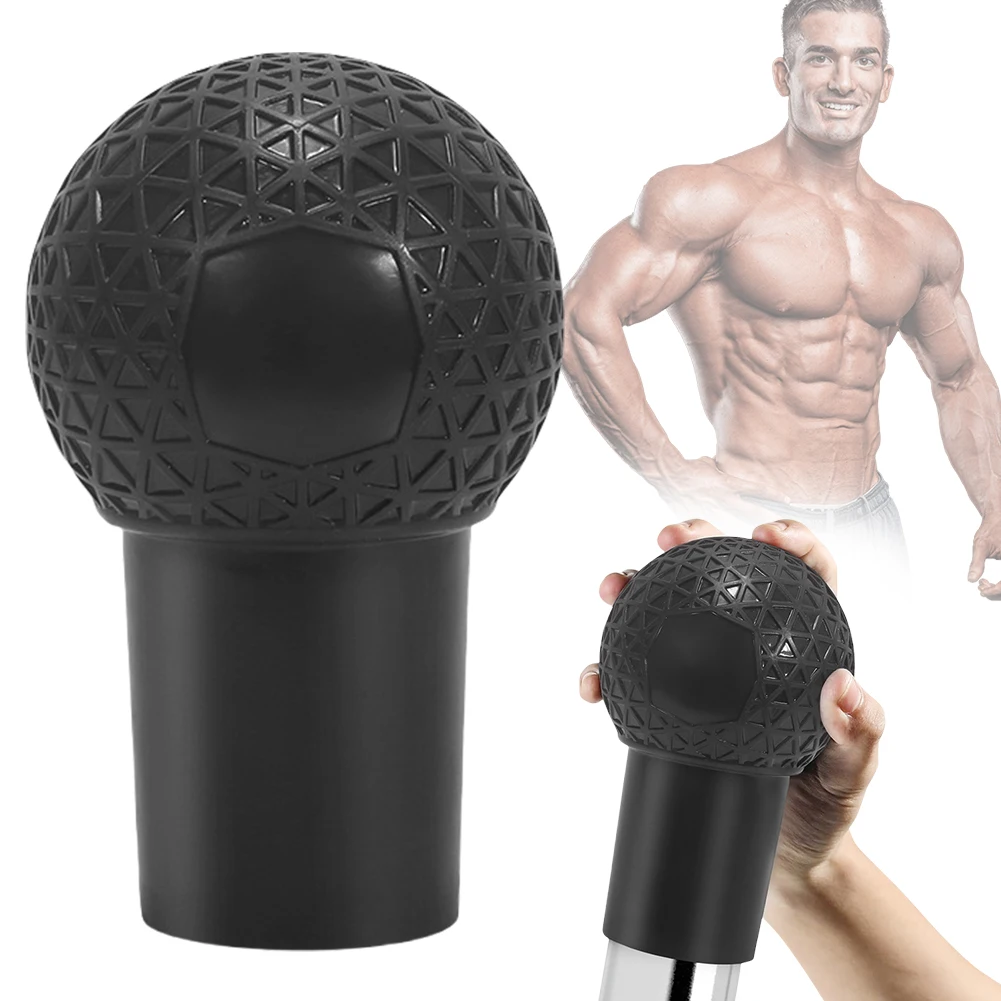
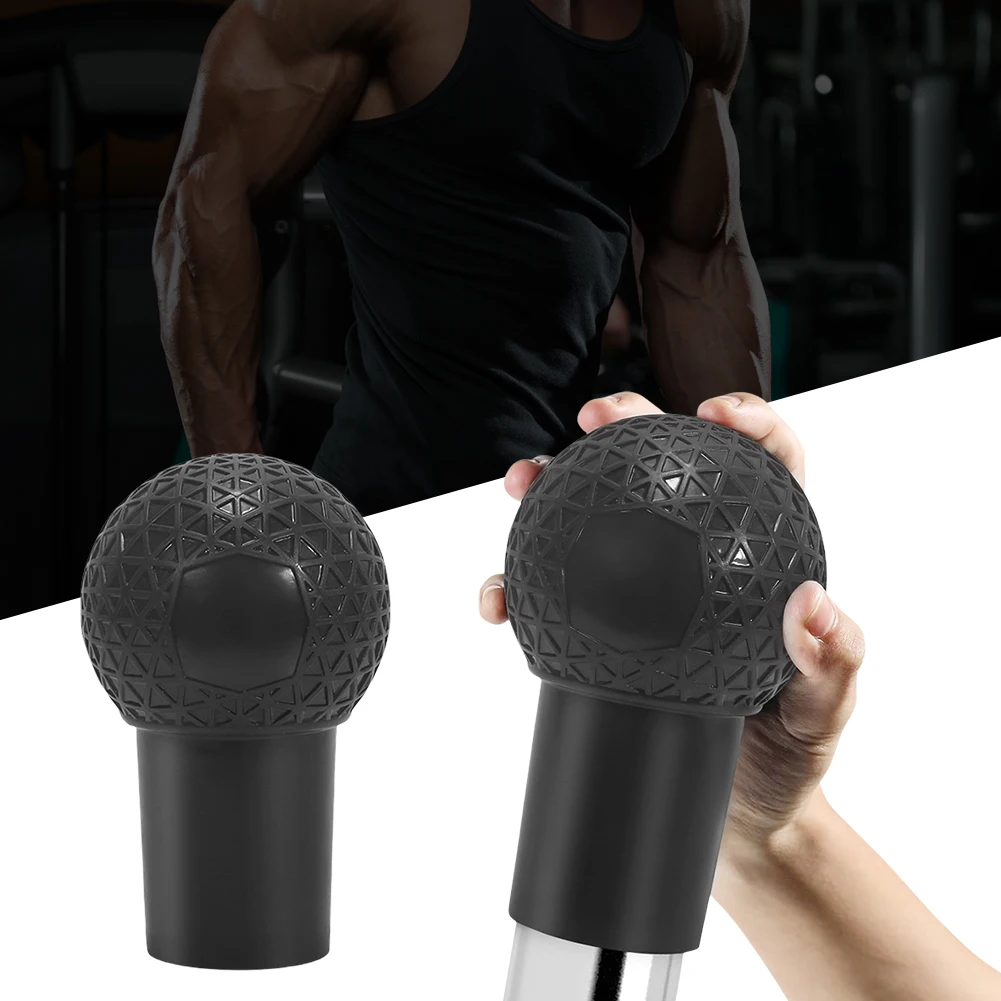
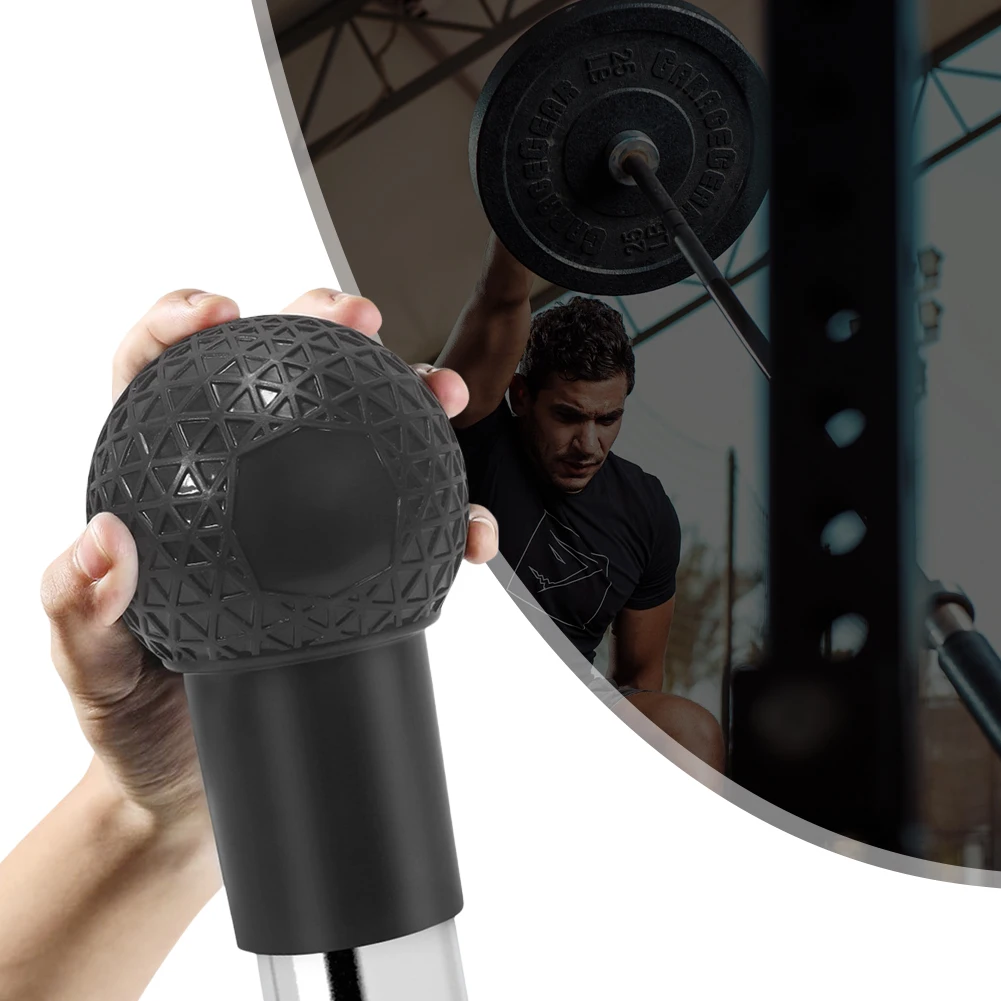
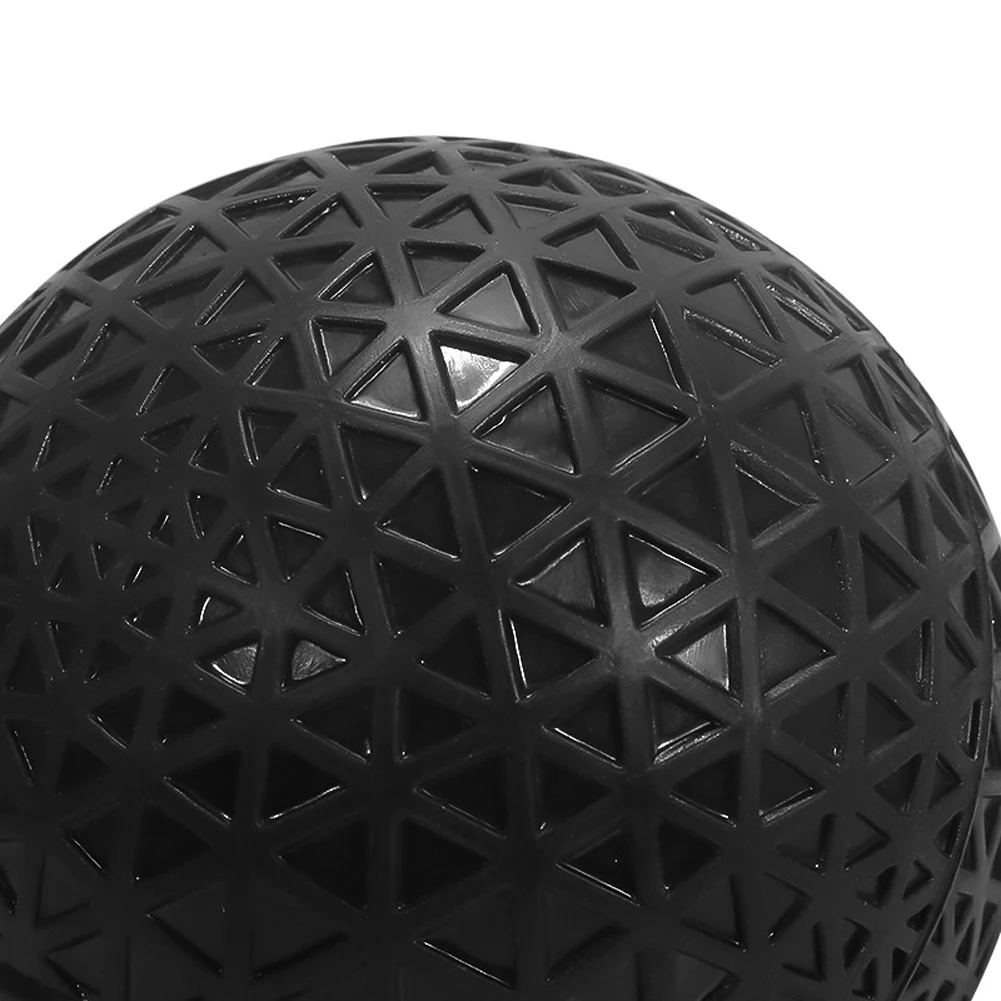
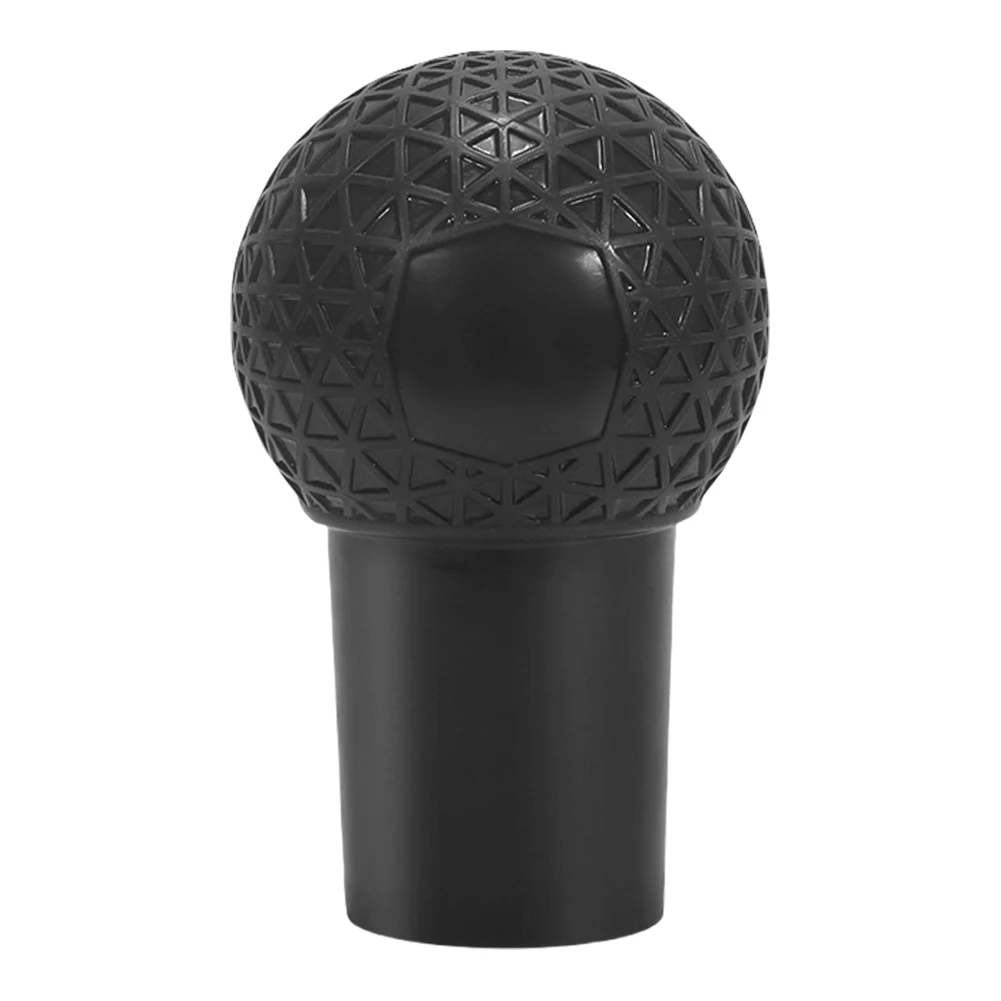
- Non-slip base with a protective barbell cover. The sleeve stops the bar end from chewing up your floor and stops the base from skating away mid-set.
- Needs no rack and almost no space. Sits on the floor, works with a standard barbell, and stores in a corner.
How to Use
Place the base on a flat, non-slip surface — or wedge it into a rack corner or against a wall for extra security — and seat the barbell sleeve fully into the holder before loading any plates. For a T-bar row, straddle the bar, hinge at the hips with a flat back and soft knees, grip the bar or a row handle, and pull toward your navel by driving the elbows back; think of squeezing the shoulder blades together at the top rather than yanking with the arms. For a landmine press, hold the bar end at the shoulder, brace the core and press up and slightly forward along the natural arc, letting the bar path curve rather than fighting it into a vertical line. SAFETY: always confirm the base is stable and the bar is fully seated before adding weight. Load plates evenly and use a collar. Keep your feet clear of the loaded end, and lower the bar under control — a landmine that tips sideways under load lands on whatever is beneath it.
Specifications
| Product type | Barbell landmine attachment / base holder |
|---|---|
| Function | T-bar rows, landmine presses, rotations, split squats |
| Base | Non-slip floor base |
| Bar protection | Protective sleeve / cover for the barbell end |
| Mounting | Freestanding — no rack required |
| Barbell compatibility | Standard barbell sleeve — check bar diameter against product options |
| Assembly | Minimal |
| Surface required | Flat, non-slip floor |
| Exact dimensions & bar diameter | Variant dependent — see product options |
Care & Maintenance
Wipe the base and sleeve clean after use and dry them fully; sweat and chalk dust trapped inside the tube will rust it from the inside out. Check the sleeve interior periodically for grit, which scores the barbell end, and inspect the base and any welds for cracks before heavy sessions. Store on the floor in a dry space, and keep the protective cover on the bar end so it does not tear or wear through unnoticed.
What’s in the Box
1 x barbell landmine base holder with non-slip base and protective barbell cover. Barbell and weight plates are not included.

Reviews
There are no reviews yet.