Why Liquid Chalk Outlasts the Block
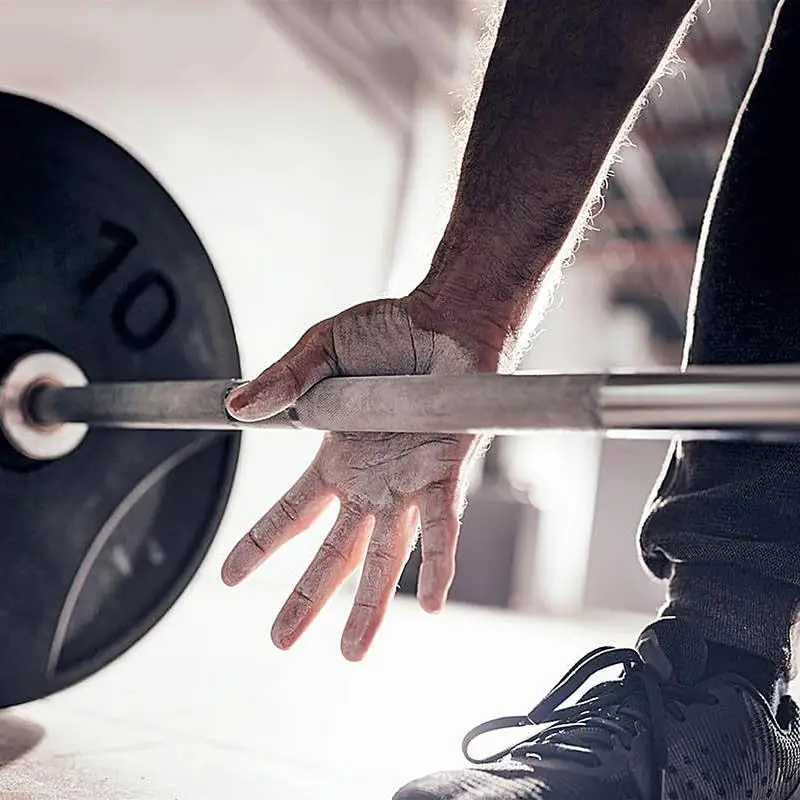
Grip fails long before your muscles do, and it usually fails because of moisture. A film of sweat between skin and steel acts as a lubricant, dropping the coefficient of friction sharply. Chalk is magnesium carbonate, which absorbs that moisture and leaves a dry, slightly rough interface. Liquid chalk suspends the same magnesium carbonate in alcohol: you spread a thin layer, the alcohol flashes off in seconds, and what remains is chalk bonded evenly across the whole surface of your hand rather than sitting loosely on the high points. It stays put through repeated sets instead of transferring to the first bar you touch.
Key Benefits
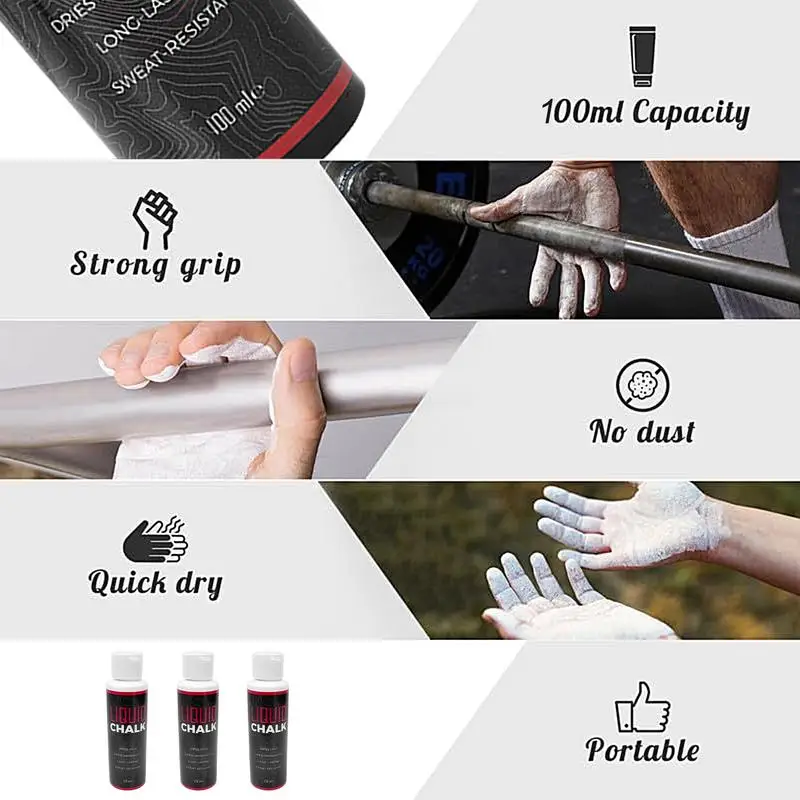
- It lasts the session. One application typically carries you through a full workout, because the chalk is bonded to the skin rather than resting on it. Block chalk is largely gone after two sets.
- Almost no dust. This is why liquid chalk is permitted in gyms and climbing walls that have banned the loose block. No cloud, no white handprints on the equipment, no chalk bucket to knock over.
- Even coverage. The liquid reaches the creases and the pads of the fingers, which is exactly where a block skips and where your grip actually fails.
- Real friction, not a coating. Magnesium carbonate is the same active material used by gymnasts, powerlifters and climbers – this is a delivery method, not a different product.
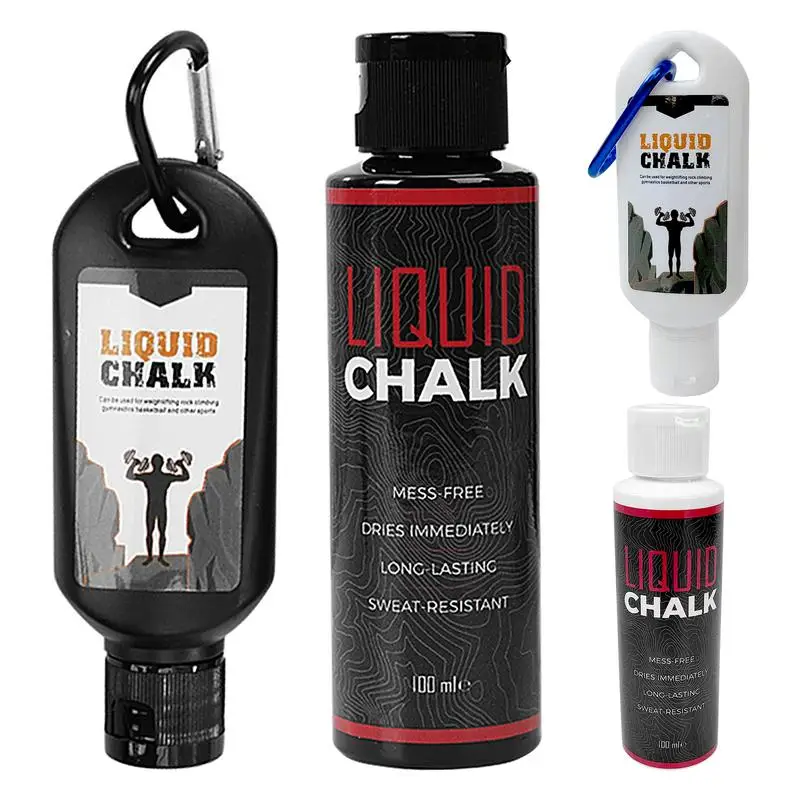
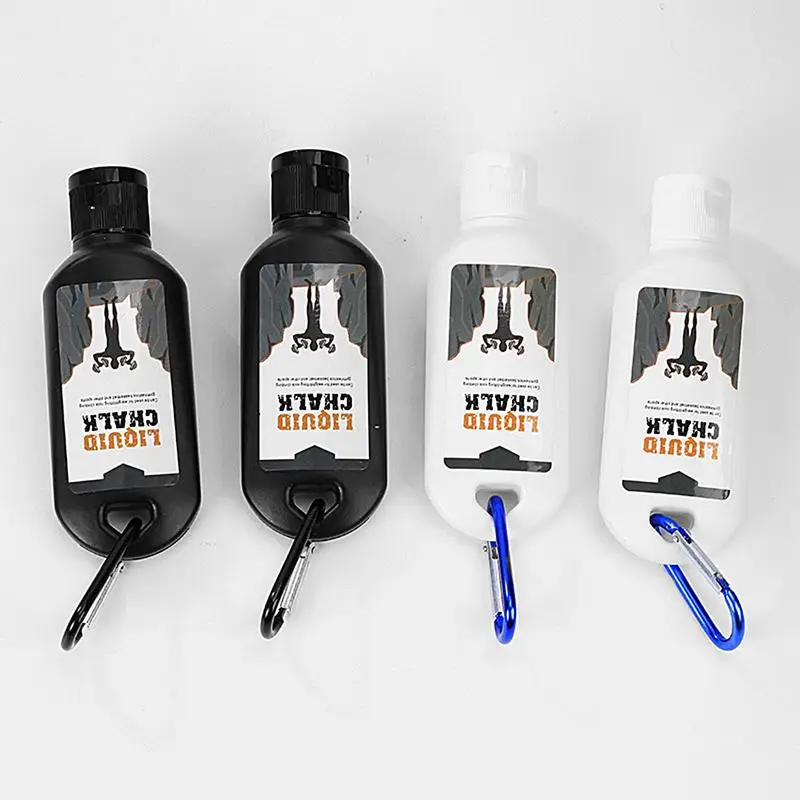
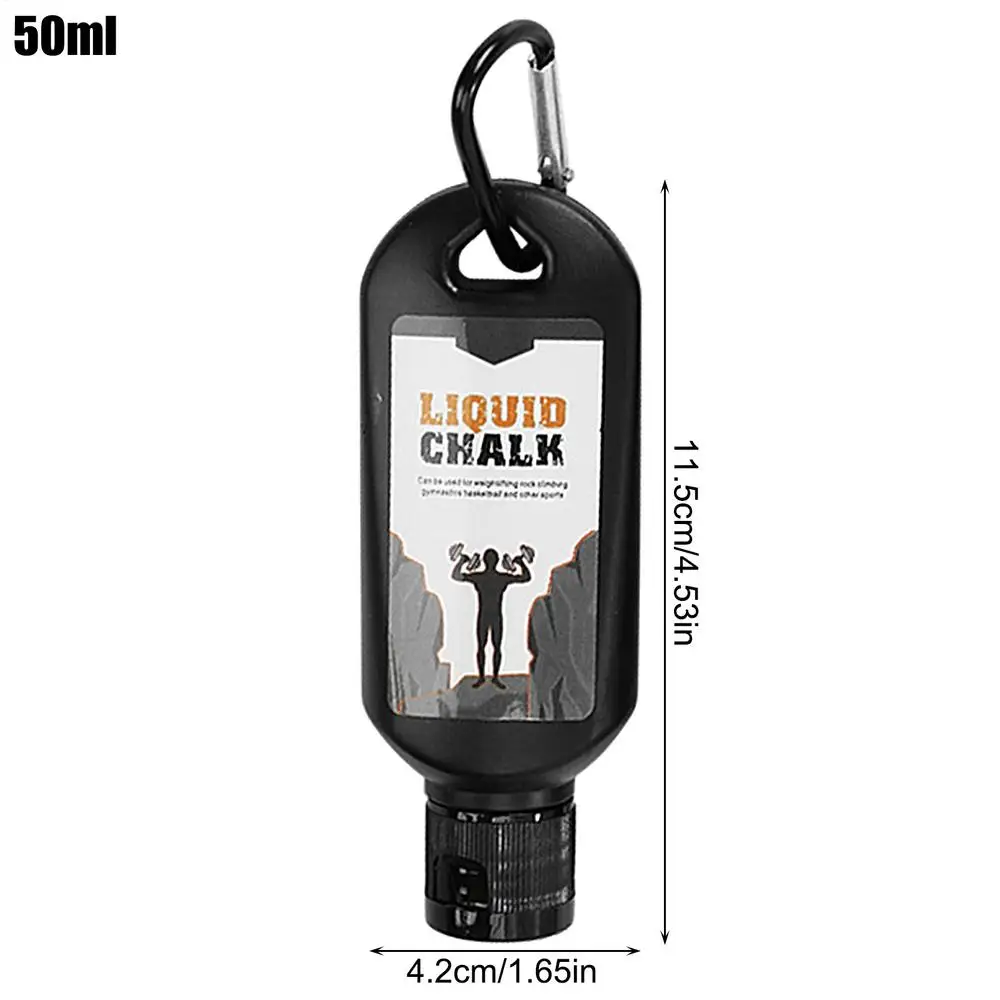
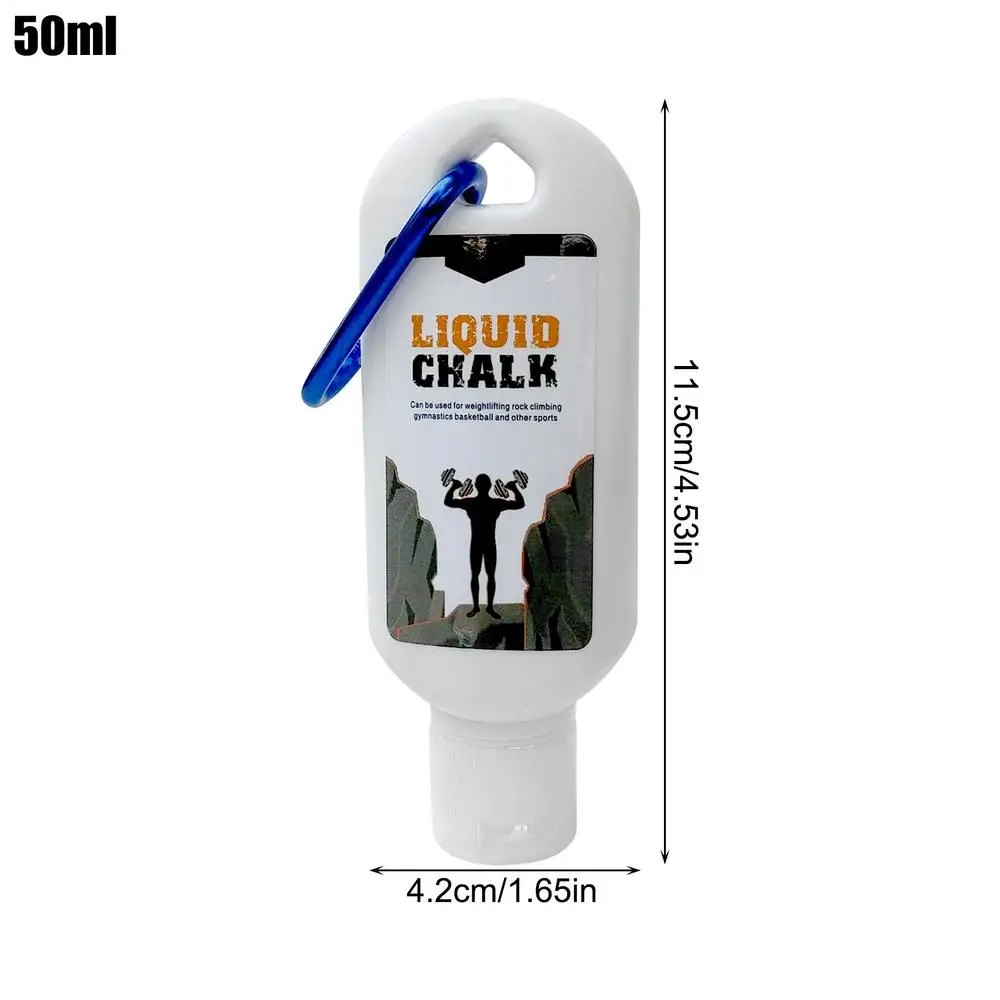
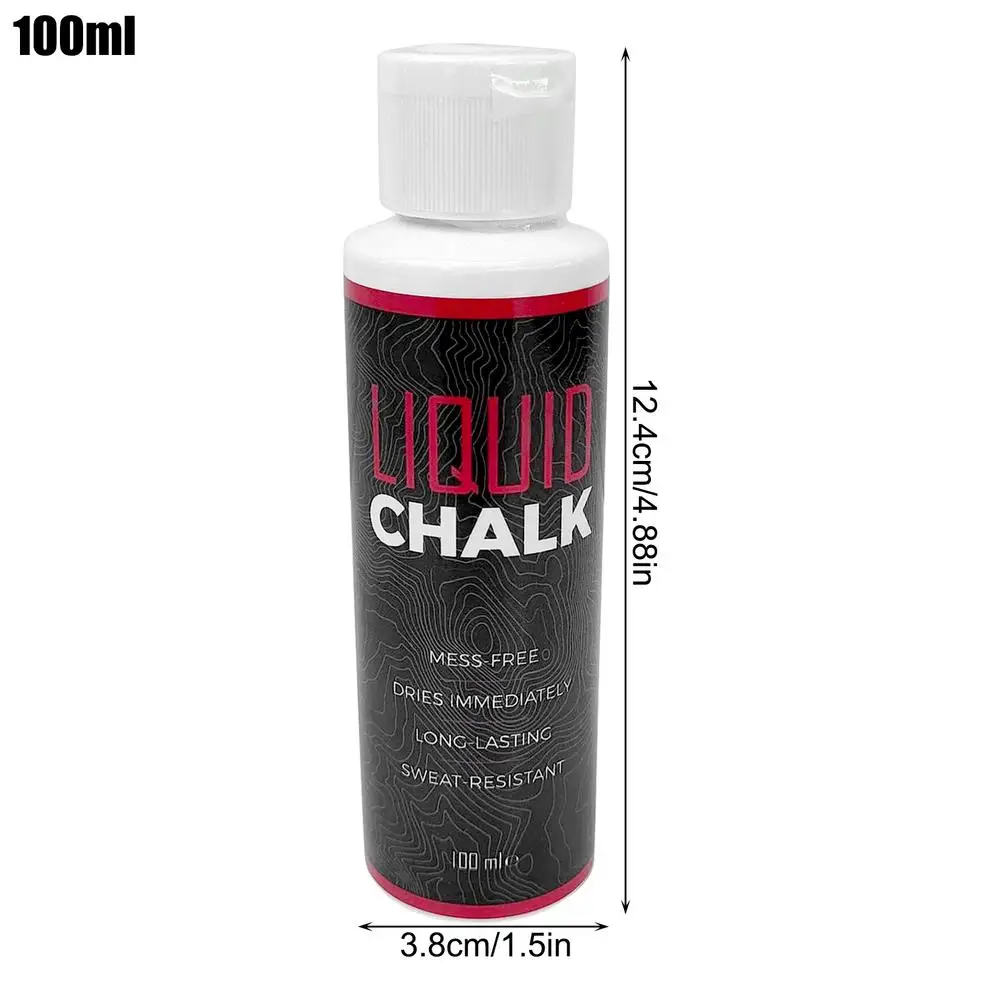
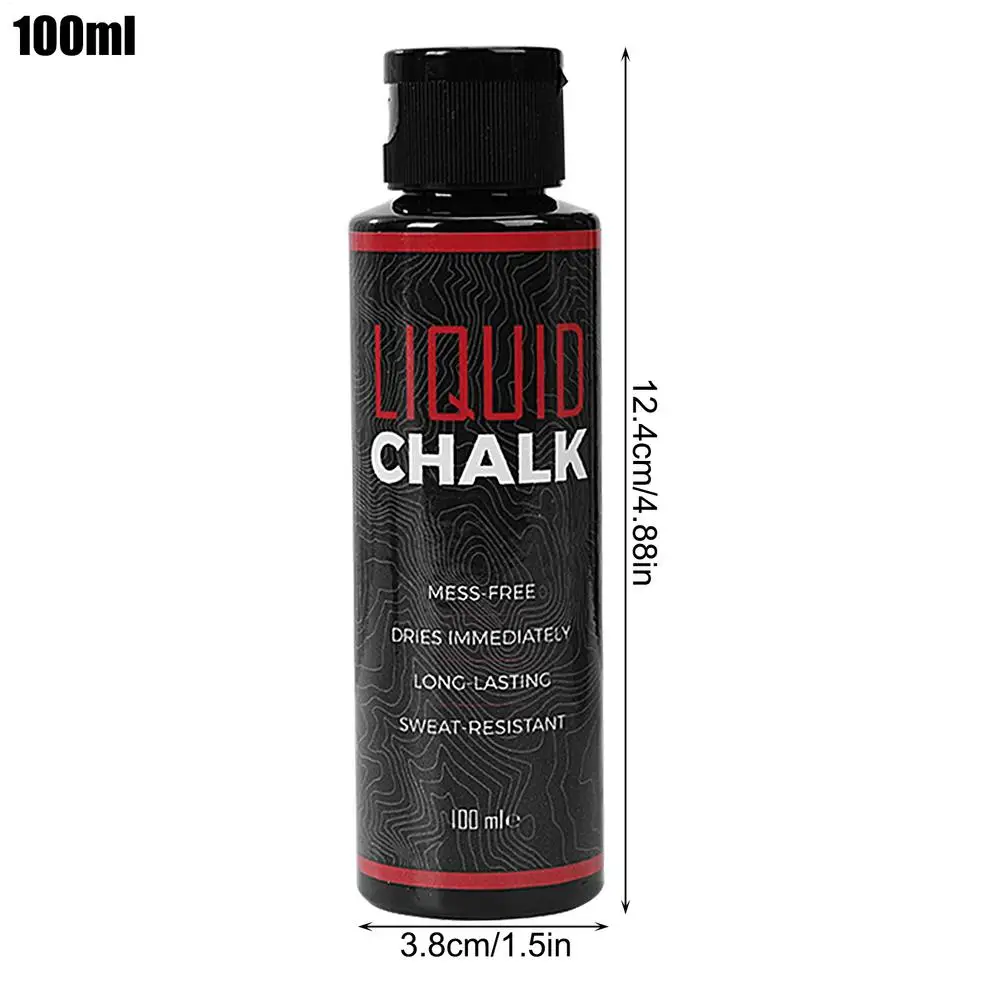
- Two sizes. 50ml lives in a gym bag or a chalk bag; 100ml is the sensible choice if you train most days or share it.
- Cleaner hands afterwards. It washes off with soap and water rather than migrating onto your car steering wheel and your phone.
How to Use
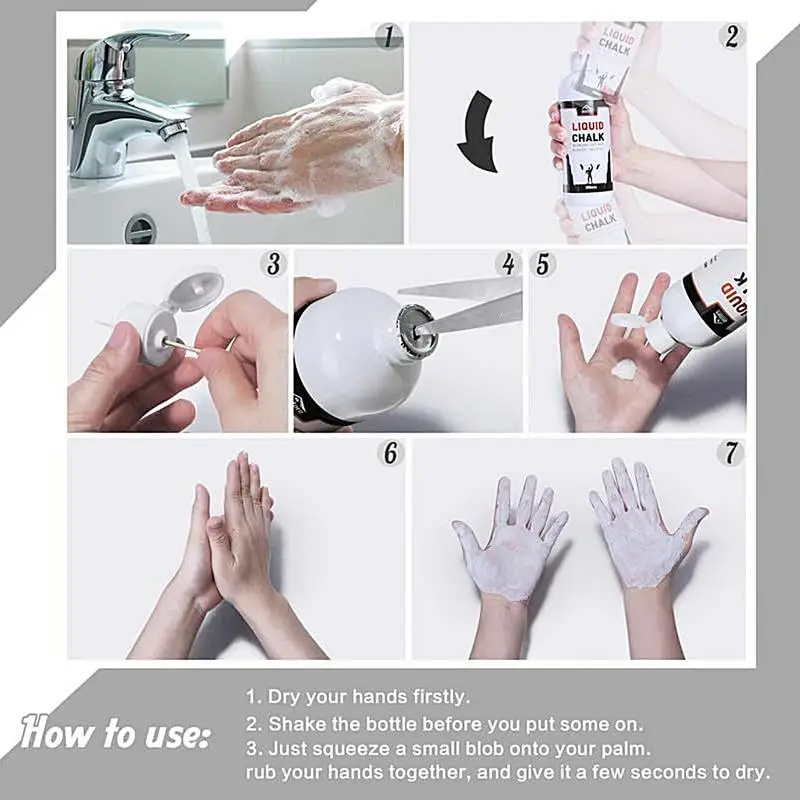
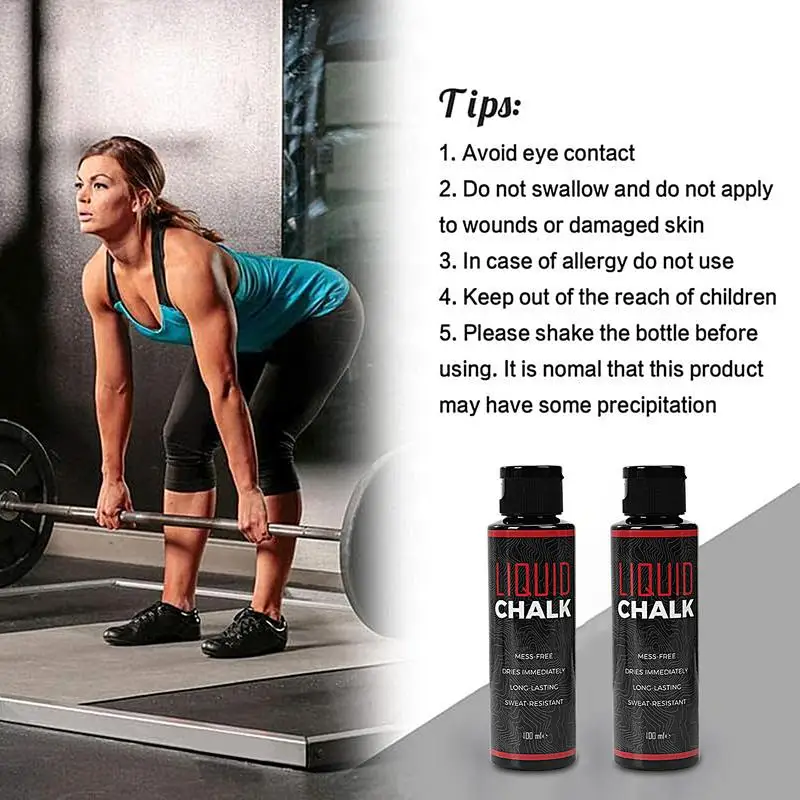
Start with clean, dry hands. Squeeze out a coin-sized amount – genuinely less than you think – and rub it over your palms, fingers and thumbs as if you were using hand sanitiser, making sure you get into the crease at the base of the fingers where a bar sits. Then wait. Give it 20 to 30 seconds to dry completely; if you grab the bar while it is still wet you will make your grip worse, not better, and you will leave a smear on the knurling. Reapply only if the grip genuinely goes, not out of habit. SAFETY AND HONESTY: liquid chalk is alcohol-based and therefore flammable – keep it away from naked flames and do not store it in a hot car. The alcohol is drying, so if you train frequently, moisturise on rest days or you will end up with cracked, splitting skin, which costs you more sessions than a weak grip does. Do not apply it over open cuts or torn calluses – it will sting viciously and it does not belong in a wound. Keep it out of your eyes and away from children. And check your gym rules; a minority of gyms ban all chalk, liquid included.
Specifications
| Active ingredient | Magnesium carbonate |
|---|---|
| Carrier | Alcohol-based – evaporates on application |
| Sizes | 50ml or 100ml – as selected |
| Dust | Effectively dust-free once dry |
| Drying time | Approx. 20-30 seconds |
| Best for | Weightlifting, powerlifting, climbing, gymnastics, calisthenics |
| Coverage | Typically a full session per application |
| Flammable | Yes – alcohol-based, keep away from flame |
Care & Maintenance
Close the cap firmly after every use, otherwise the alcohol evaporates in the bottle and you are left with a solid puck of chalk. Store it upright, cool and out of direct sunlight. Shake before use if it has been standing for a while, since the chalk settles. Wash it off your hands with warm soapy water at the end of a session rather than leaving it on the skin overnight.
What’s in the Box
One bottle of liquid chalk in the size selected – 50ml or 100ml.

Reviews
There are no reviews yet.