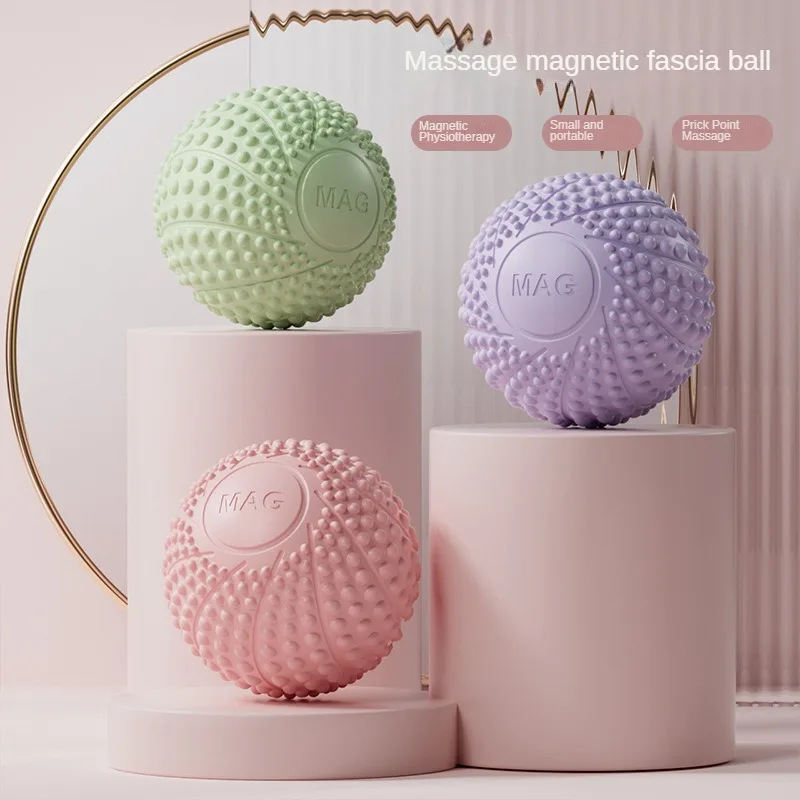
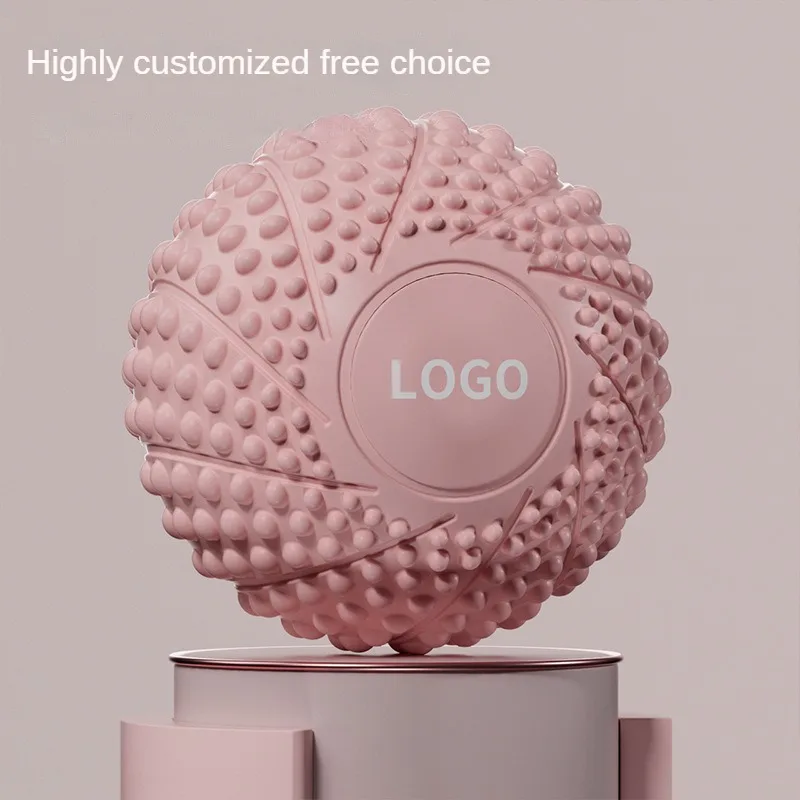
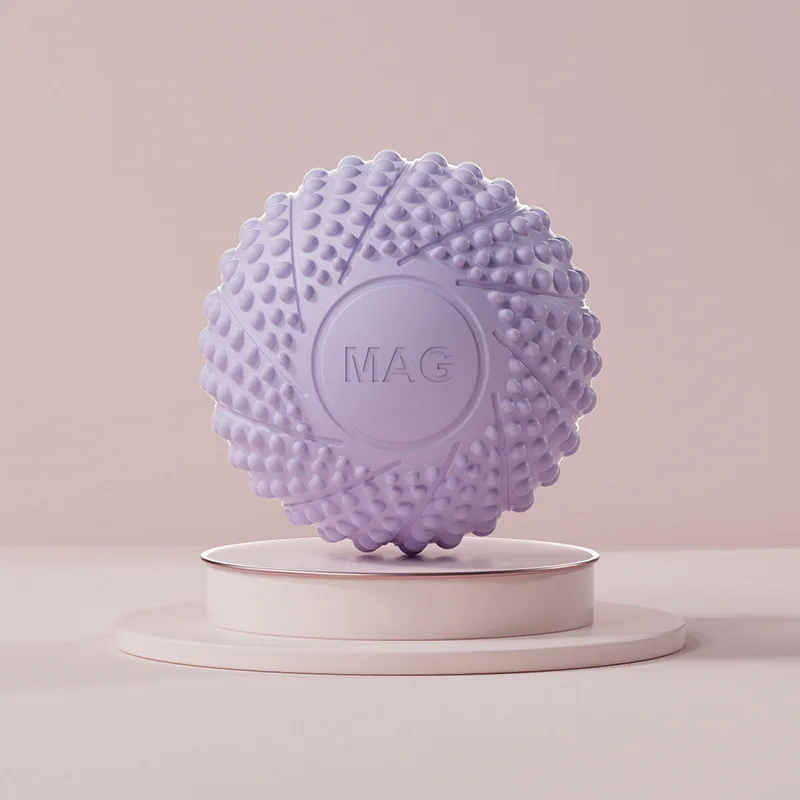
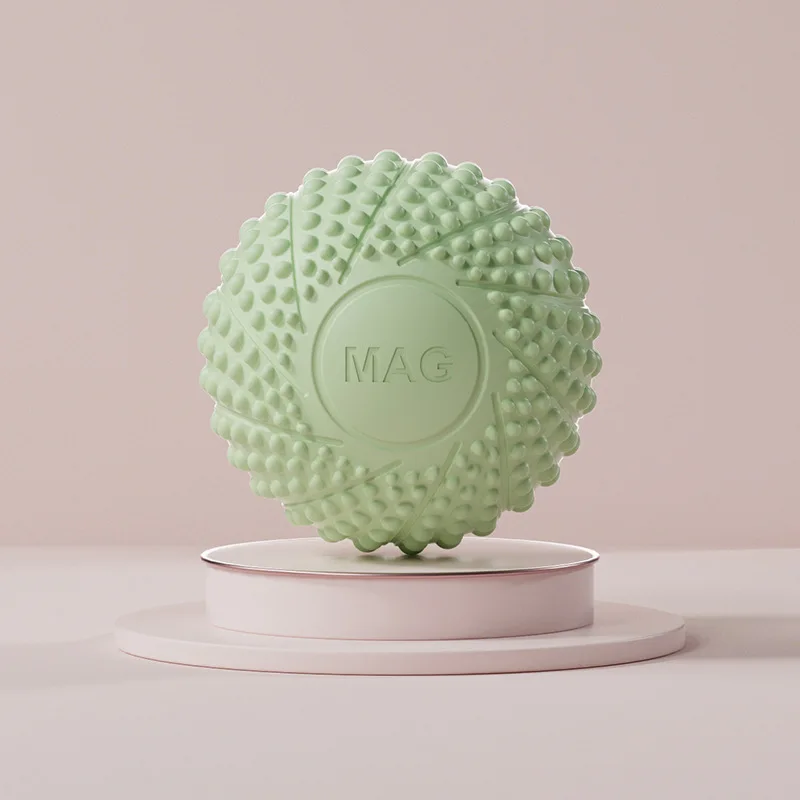
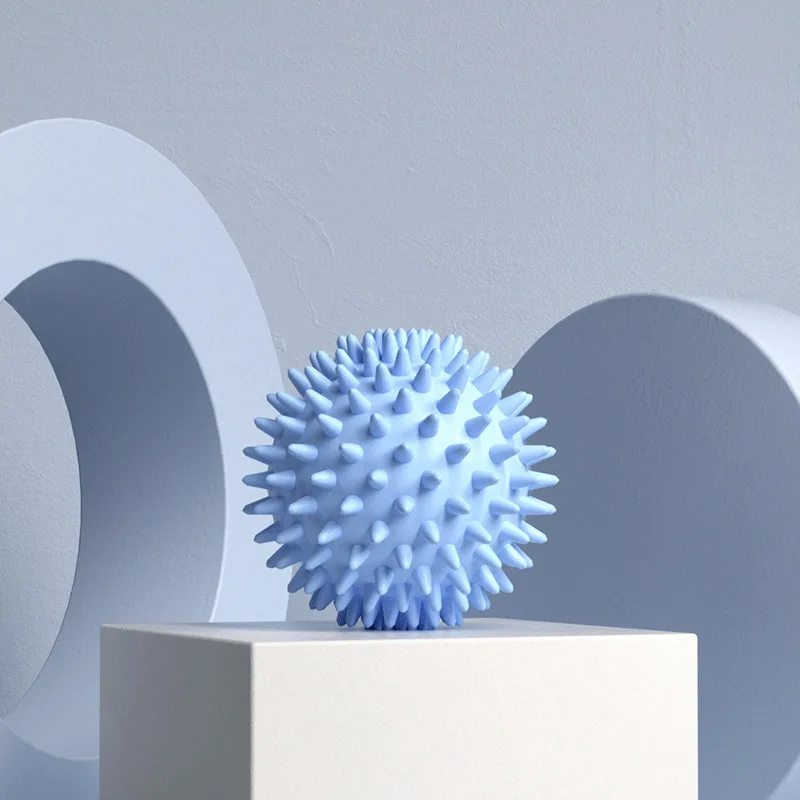
Small Ball, Concentrated Pressure — Reaching What a Roller Cannot
A foam roller spreads your body weight across a wide contact strip. A 7cm ball concentrates the same load into a few square centimetres, and pressure is force divided by area — so the ball delivers far more of it. That matters because trigger points are small, localised bands of contracted muscle fibre. Sustained pressure on one appears to work through mechanical deformation of the tissue and a neural response: hold the pressure and the local discomfort typically fades and the muscle tone drops. The spiked surface spreads the load across many small points, which most people find sharp but tolerable rather than bruising.
Key Benefits
- Reaches what a roller misses. Gluteus medius, the arch of the foot, the muscles between shoulder blade and spine, the pec near the shoulder joint — these are ball-sized targets. A 30cm roller simply bridges over them.
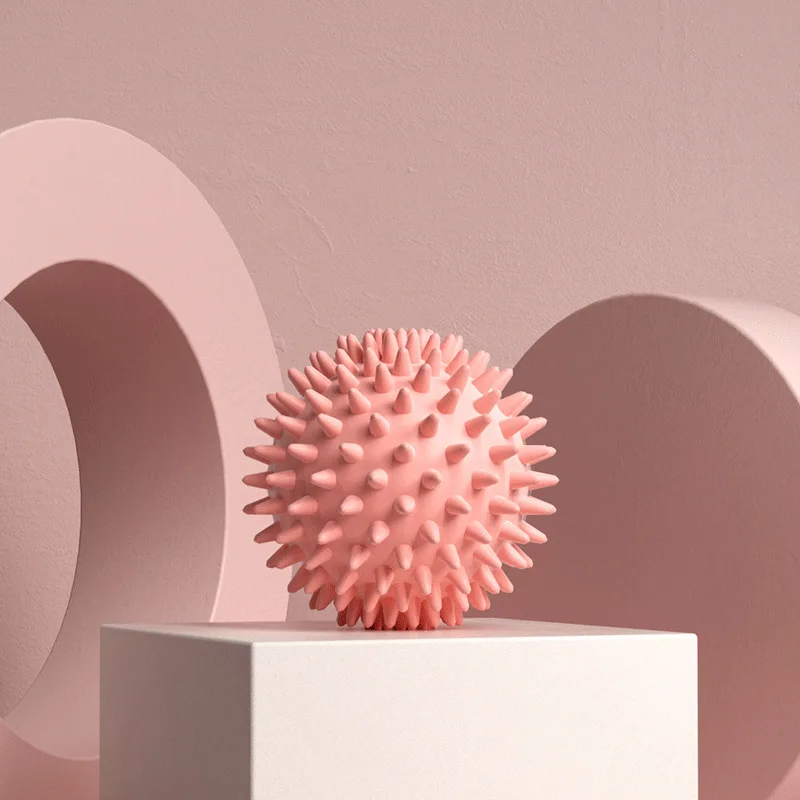
- Spikes distribute the load. The raised nubs spread pressure across many contact points rather than one, so you get intensity without the deep bruising a hard lacrosse ball can cause.
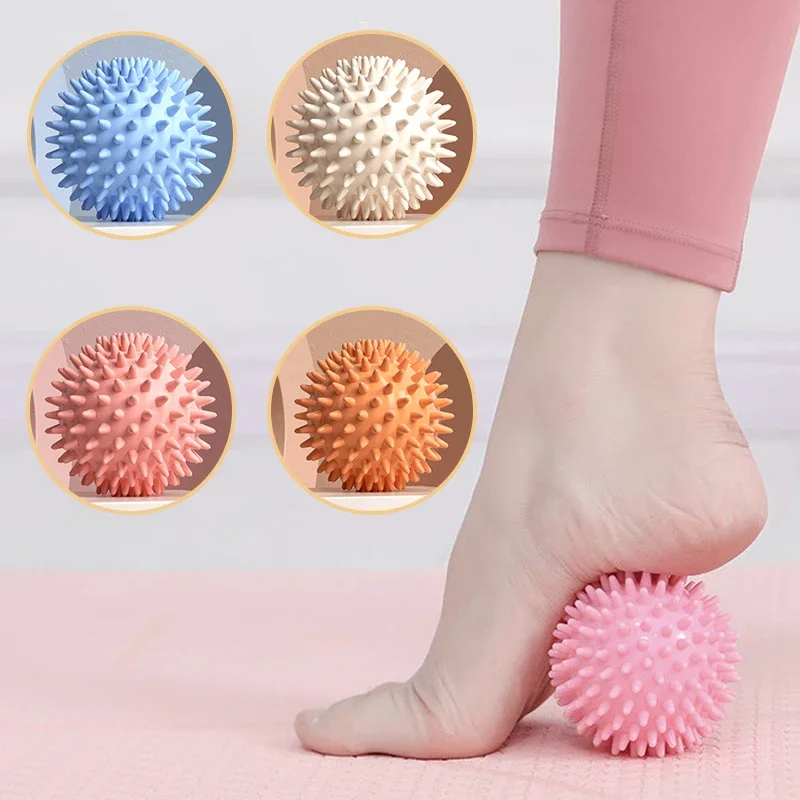
- Excellent for plantar foot work. Rolling the sole underfoot is one of the few genuinely well-liked uses of these balls, and it is easy to do seated at a desk with no setup.
- Wall work for the upper back. Trap the ball between your shoulder blade and a wall and you can apply precise, self-controlled pressure to the upper back — an area you cannot reach with your own hands.
- Pocketable. At 7cm it lives in a gym bag or desk drawer, which in practice is the difference between using a recovery tool and owning one.
- On the magnetic version — an honest note. Some colourways include a magnet. Static magnets have not been shown in good-quality trials to relieve pain or speed muscle recovery; the evidence does not support it. Buy this ball for the mechanical pressure, which does work. Treat the magnet as a colour option, not a therapy.
How to Use
Place the ball between your body and the floor or a wall, and let your weight settle onto it. Start against a wall — it is far easier to control the load than on the floor. Hunt for a spot that is tender in a “that’s the one” way rather than sharply painful, then hold still on it for 30–90 seconds and breathe out slowly; the fade you are waiting for usually comes in that window. Only after it releases should you make small, slow movements to work the surrounding tissue. Rolling fast over a wide area feels productive and does very little. For the foot, sit down, put the ball under the arch and roll slowly from heel to the ball of the foot for a minute or two per side. Safety: stay off bone, the spine itself (work either side of it, into the muscle), the front of the neck, the back of the knee, and any area that is bruised, swollen, numb or recently injured. Sharp, shooting or electrical pain means move the ball; that is a nerve, not a knot. Ease off if you bruise easily or take blood thinners.
Specifications
| Diameter | 7 cm |
|---|---|
| Type | Spiky trigger point / myofascial release ball |
| Surface | Raised nub texture |
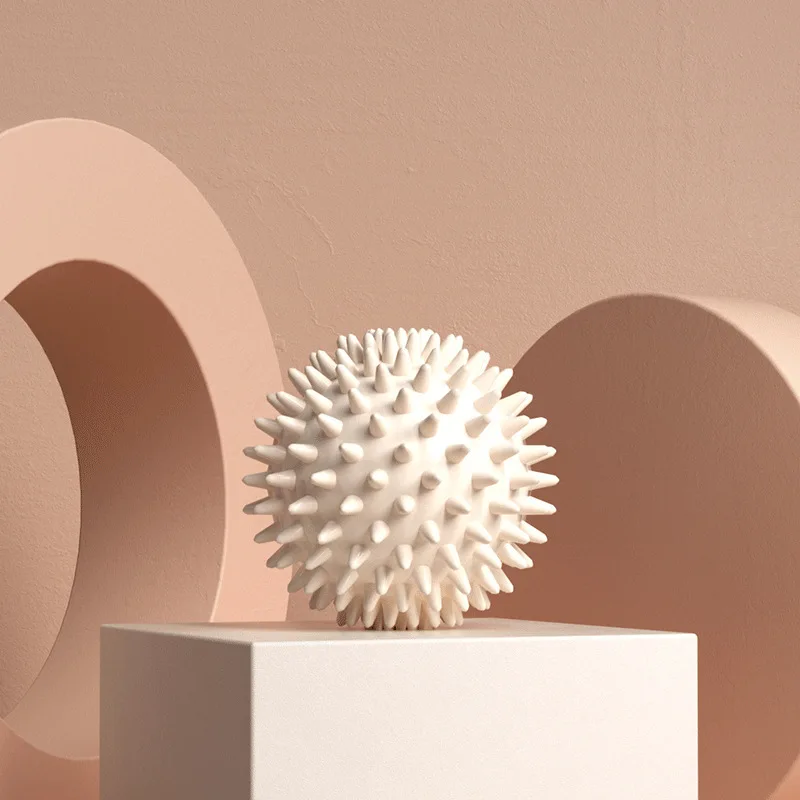
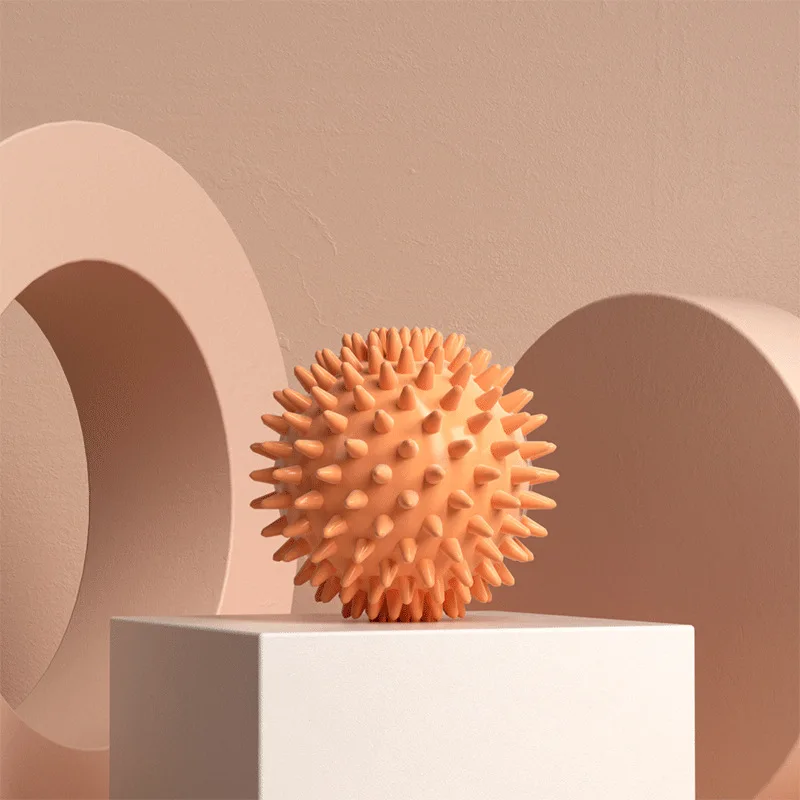
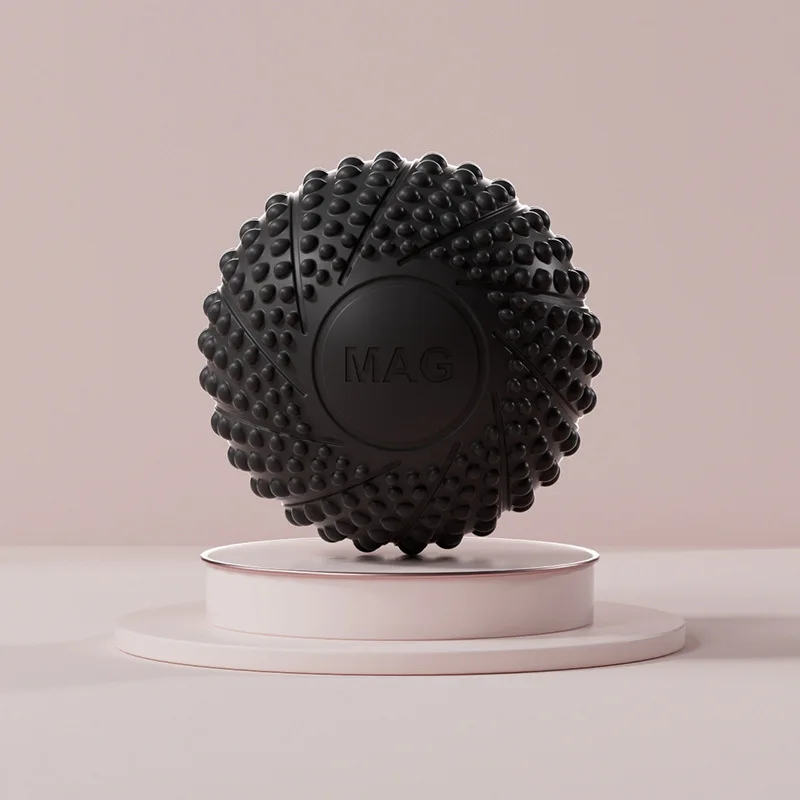
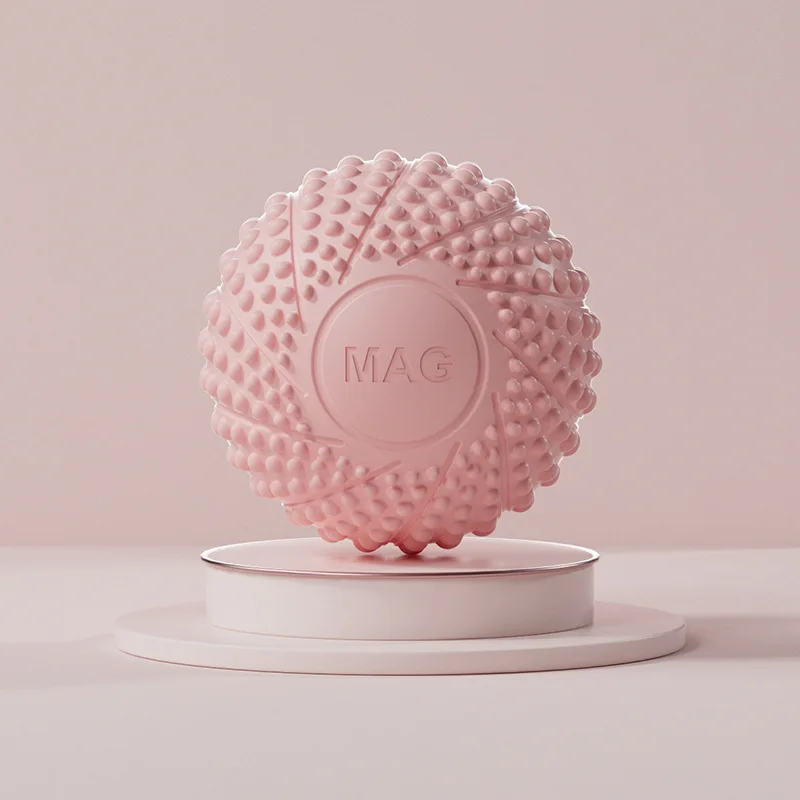
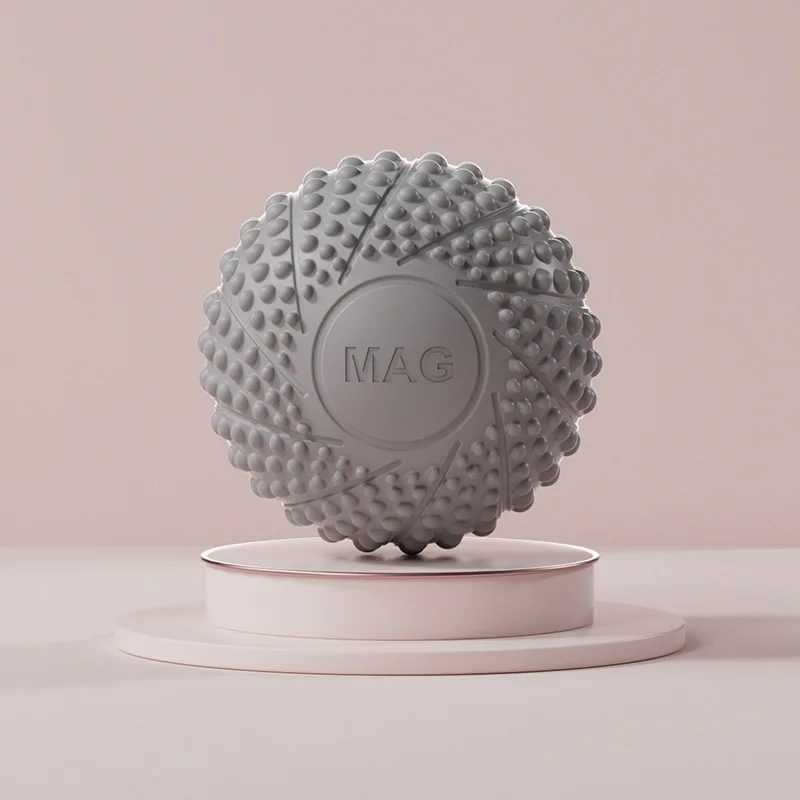
| Colour options | Beige, orange, black, blue, pink, purple, grey, green (variant dependent) |
| Magnet | Included on magnetic colourways only — see benefits for our honest position on magnets |
| Primary uses | Feet, glutes, upper back, calves, pecs |
| Best for | Localised trigger points and hard-to-reach areas |
| Portability | Fits a gym bag or desk drawer |
Care & Maintenance
Wipe clean with mild soap and warm water and air dry — this is a tool that touches bare feet, so clean it regularly. Keep it out of prolonged direct sunlight and away from heaters, which degrade the material over time. Check for splits or hardening and replace it if the surface cracks.
What’s in the Box
1 x 7cm spiky massage ball (colour as selected).
Reviews
There are no reviews yet.