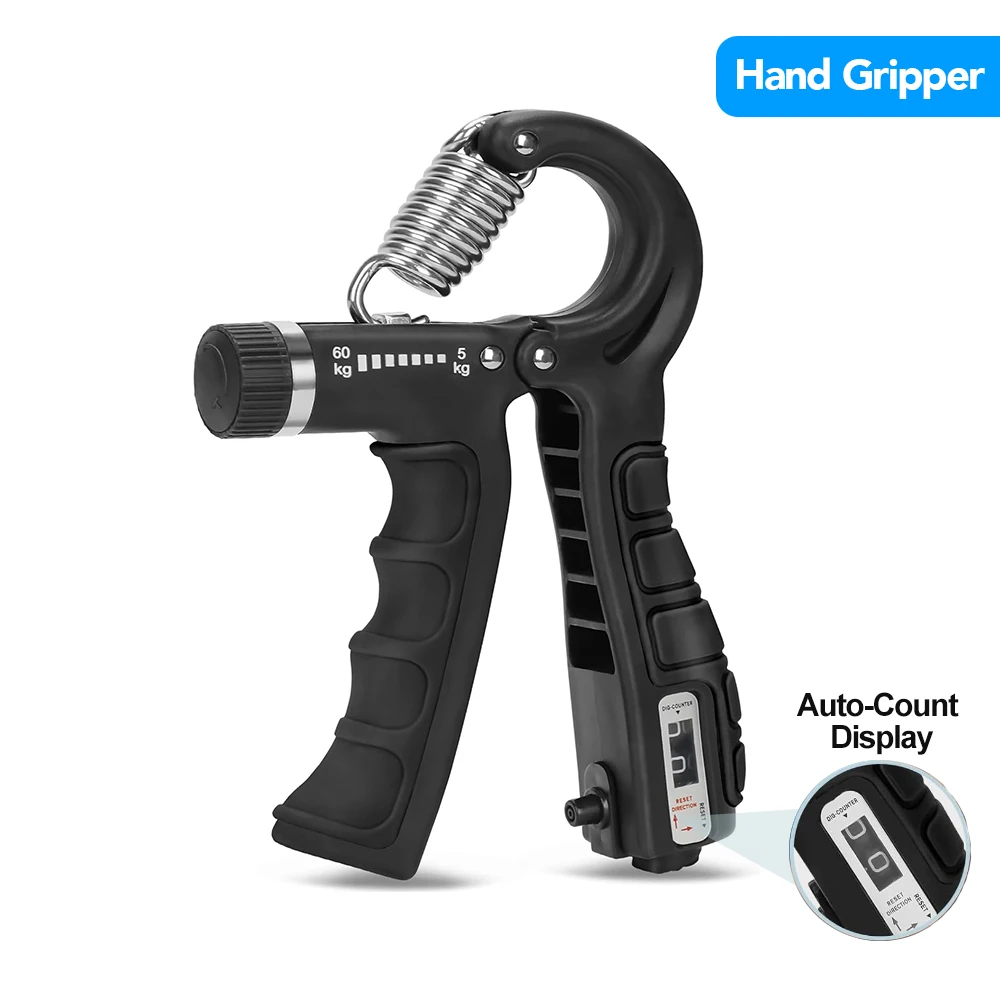
Grip Strength Is Trainable – And This Dial Lets You Prove It
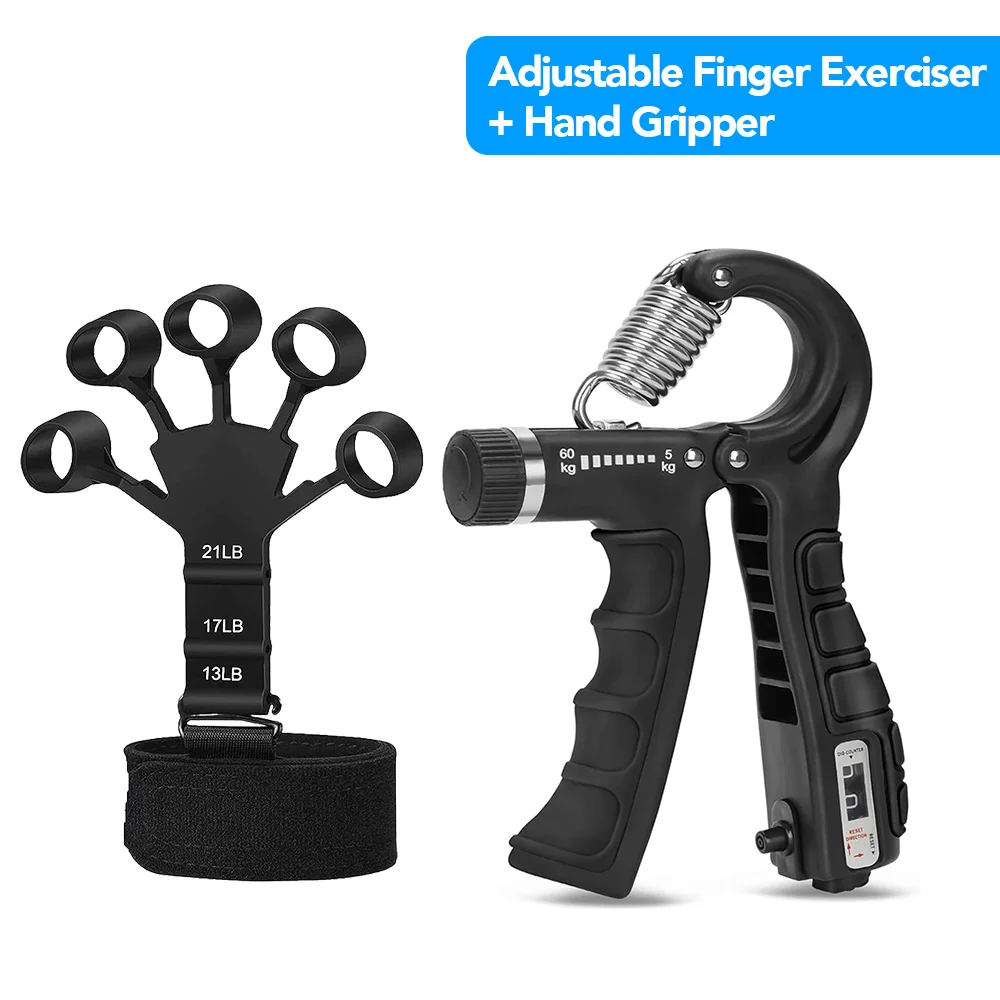
Crush grip is produced by the flexor digitorum superficialis and profundus in your forearm, with the intrinsic hand muscles stabilising the fingers. Like any muscle group, these adapt only to progressive overload: the resistance has to climb as you get stronger. A fixed gripper stops being a stimulus the moment you can close it for reps. The adjustable dial here changes the spring preload, letting you move up in small increments, hold a load that genuinely challenges you, and track a number instead of guessing.
Key Benefits
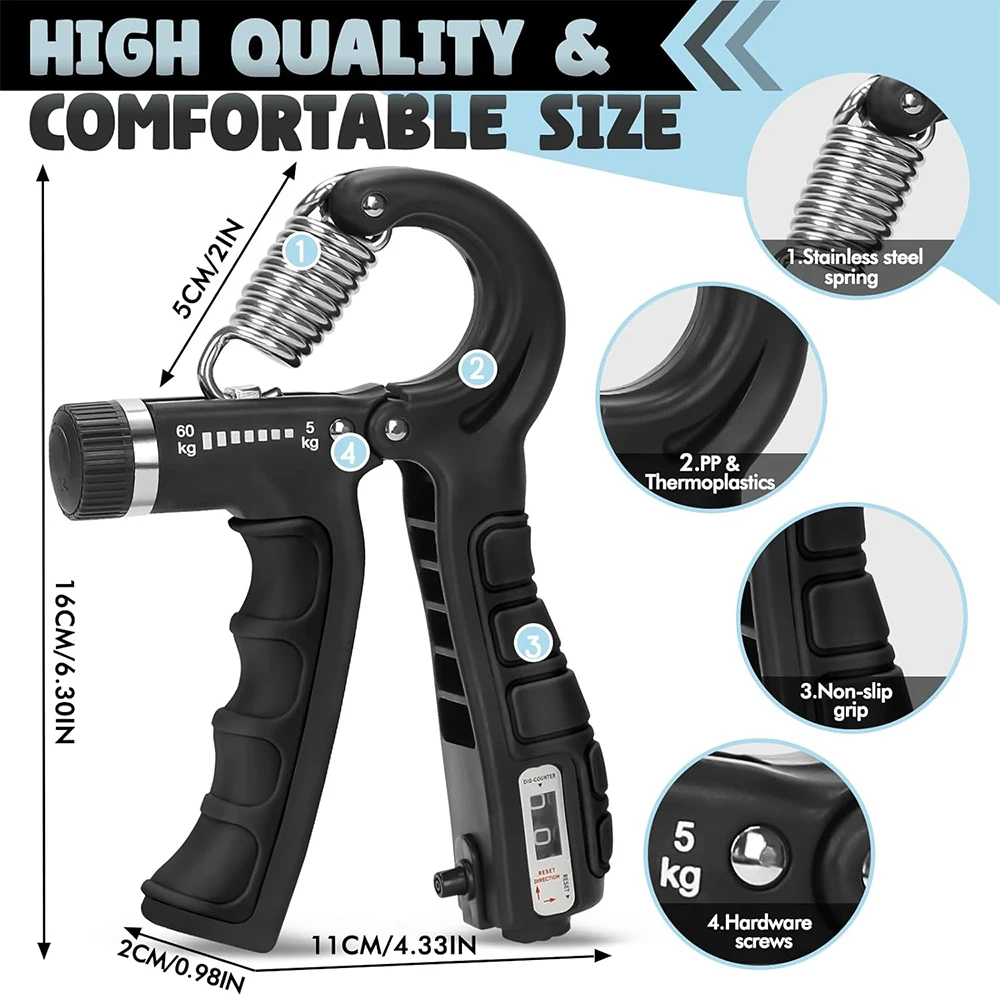
- Progressive resistance from 5kg to 60kg – the same tool serves a post-injury hand rebuilding tolerance at the bottom of the range and a climber or lifter training crush strength at the top.
- A number you can actually track – because the setting is marked, you can log it. Grip training fails for most people because progress is invisible; here it is not.
- Carries over to pulling strength – grip is the limiting factor in deadlifts, rows and pull-ups far more often than the back is. Fixing the weak link lets the big lifts progress.
- Gentle enough for rehab tolerance work – at the lowest settings this can be used for graded hand and forearm strengthening, though it is a training tool, not a medical device. Follow your therapist’s protocol.
- Trains the forearm without a gym – it fits in a pocket or desk drawer, so sets happen in the gaps of your day rather than requiring a session.
- Non-slip handles under load – a gripper that slides in a sweaty hand at 40kg is a gripper you stop using. Textured handles keep the contact point stable.
How to Use
Set the dial to a resistance you can close for 8–10 controlled reps with the handle reaching your palm each time. Squeeze on a two-second count, hold the closed position briefly, and release slowly – the eccentric is where much of the adaptation happens. Three to four sets, two or three days a week, is plenty; grip recovers slower than people expect. When 12 reps feel easy, move up one increment. Once a week, swap in a static hold: close it and hold to near-failure. Safety: stop if you feel sharp pain in the wrist, elbow or the base of the thumb rather than muscular burn – grip work can aggravate existing tendinopathy such as golfer’s or tennis elbow. Do not train grip to failure the day before heavy pulling.
Specifications
| Resistance range | 5kg to 60kg (approx. 11–132 lb) |
|---|---|
| Adjustment | Rotating dial, incremental |
| Primary muscles | Forearm flexors, intrinsic hand muscles |
| Handle | Non-slip textured grip |
| Use cases | Strength training, climbing, grip rehab tolerance work |
| Hand fit | Suits most adult hand sizes |
| Colour | Variant dependent – see options |
| Portability | Pocket-sized, no setup required |
Care & Maintenance
Wipe the handles down with a damp cloth after sweaty sessions and dry fully; salt from sweat is what corrodes the spring mechanism over time. Do not submerge it. If the dial becomes stiff, a single drop of light machine oil on the adjustment thread restores the action. Check periodically that the spring seats cleanly and the dial holds its setting under load; retire the unit if it does not.
What’s in the Box
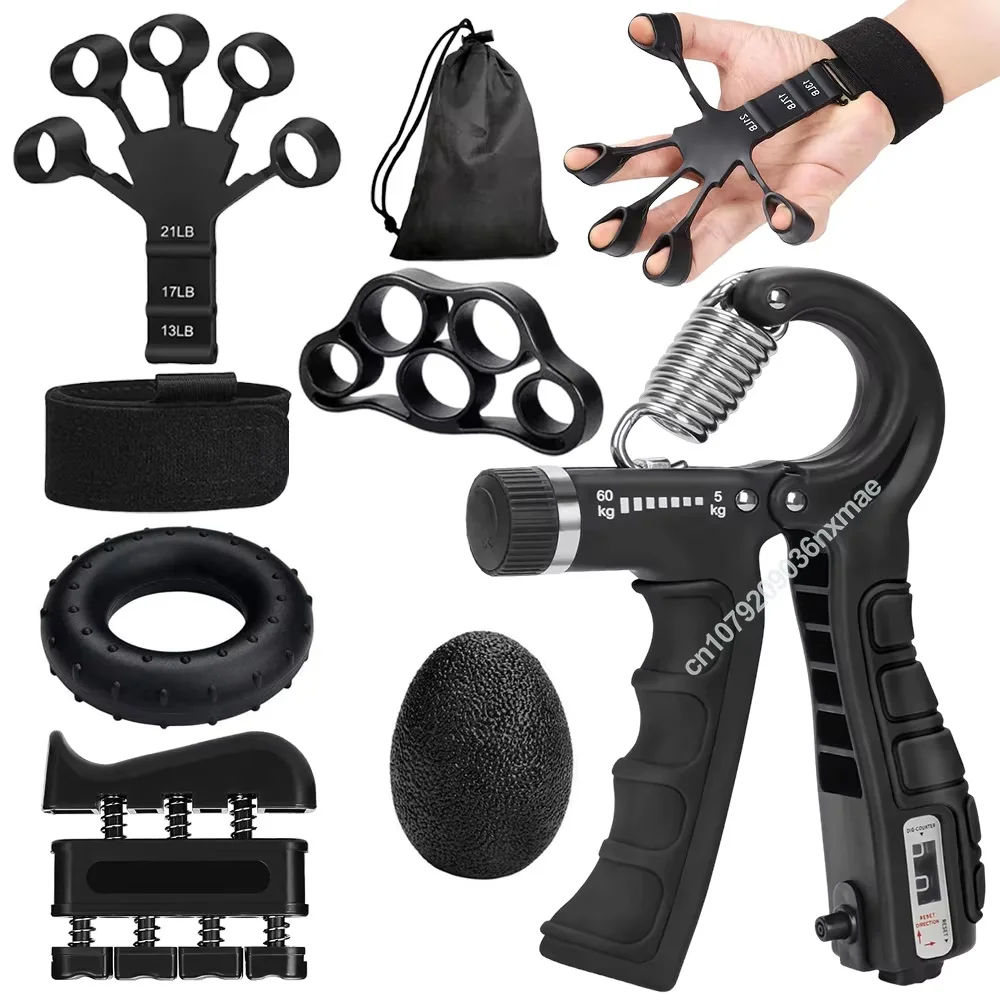
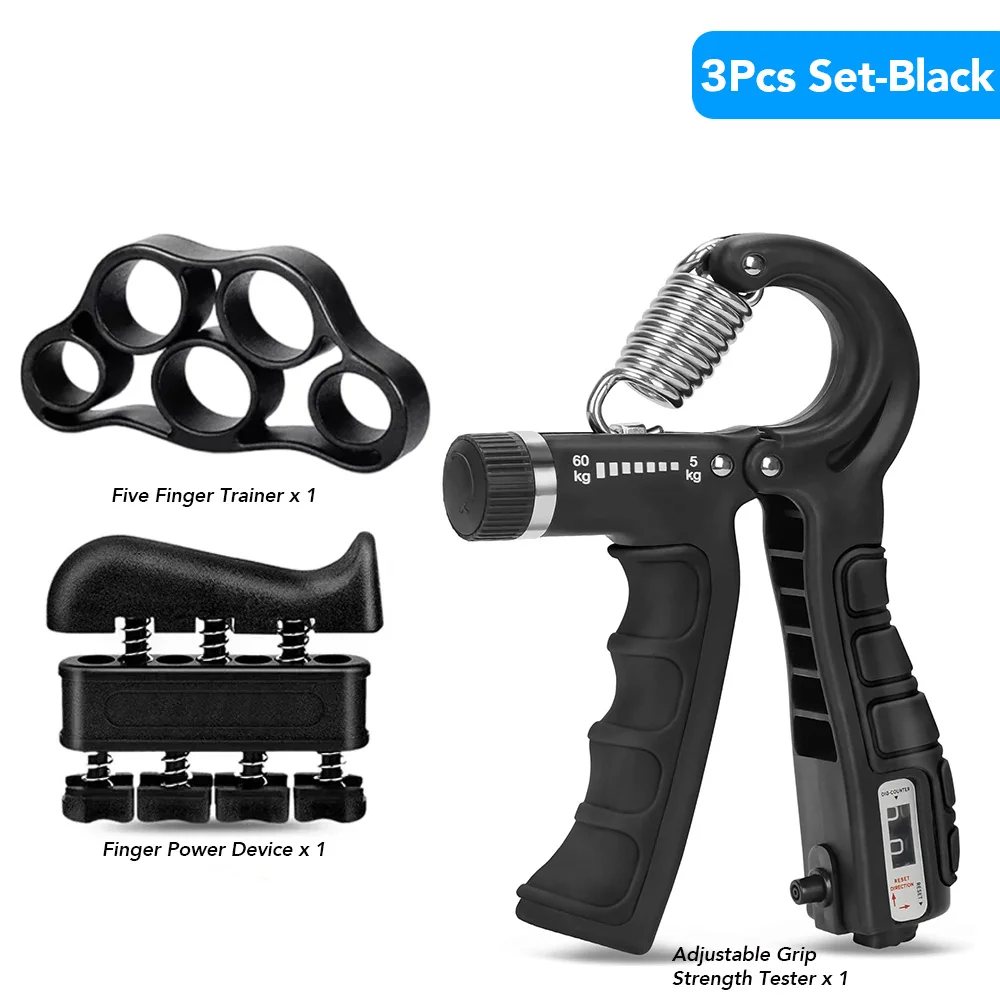
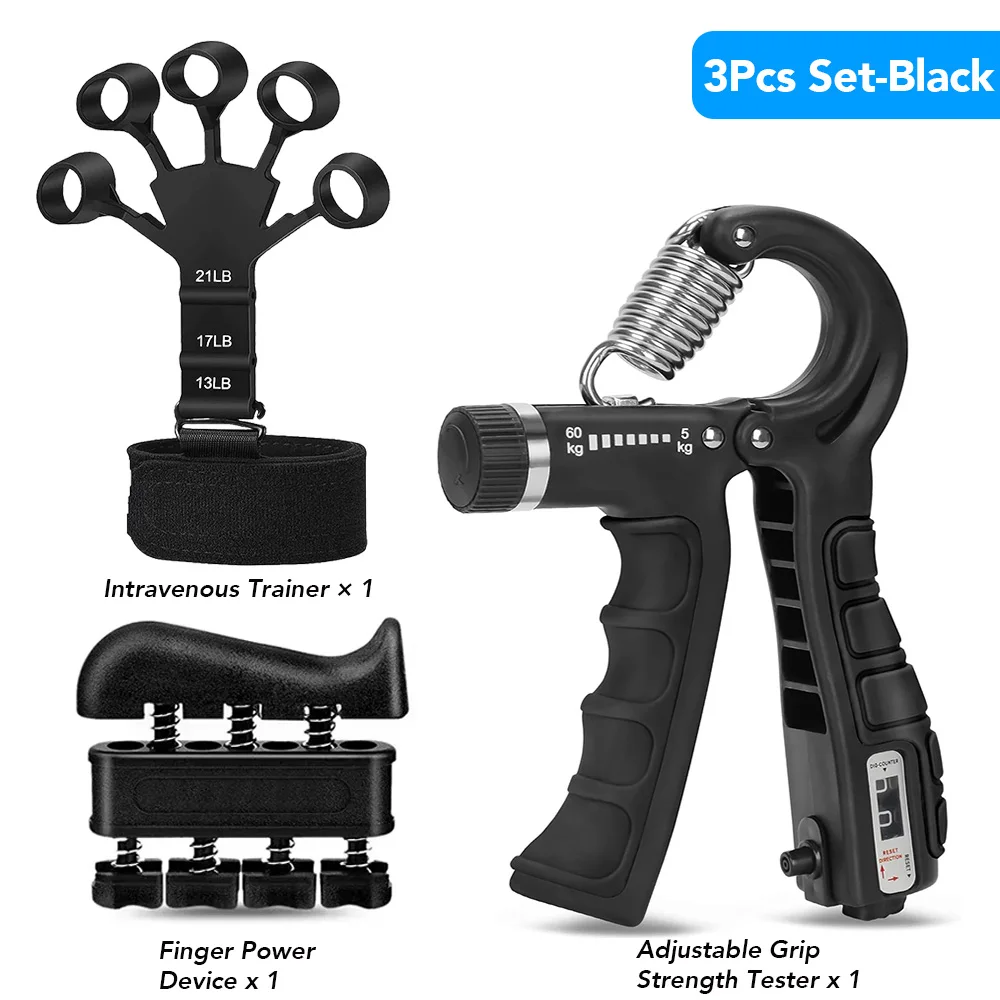
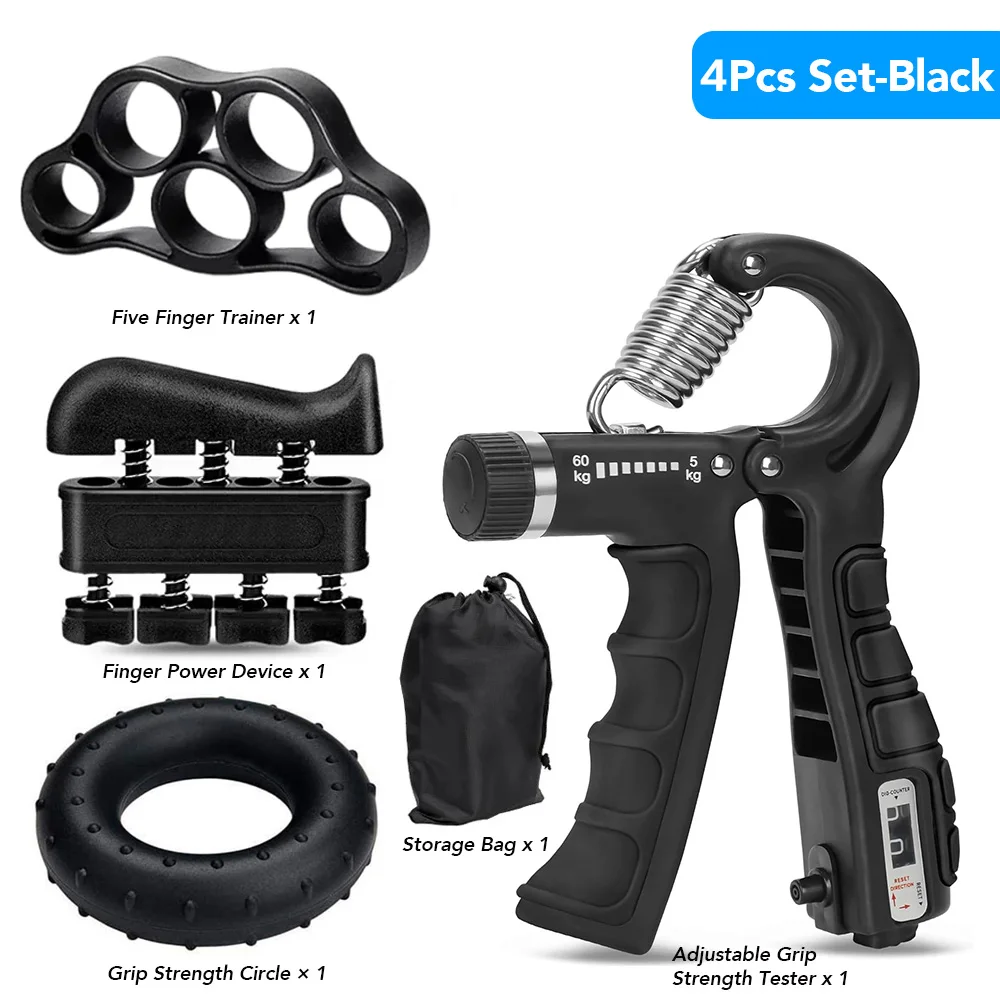
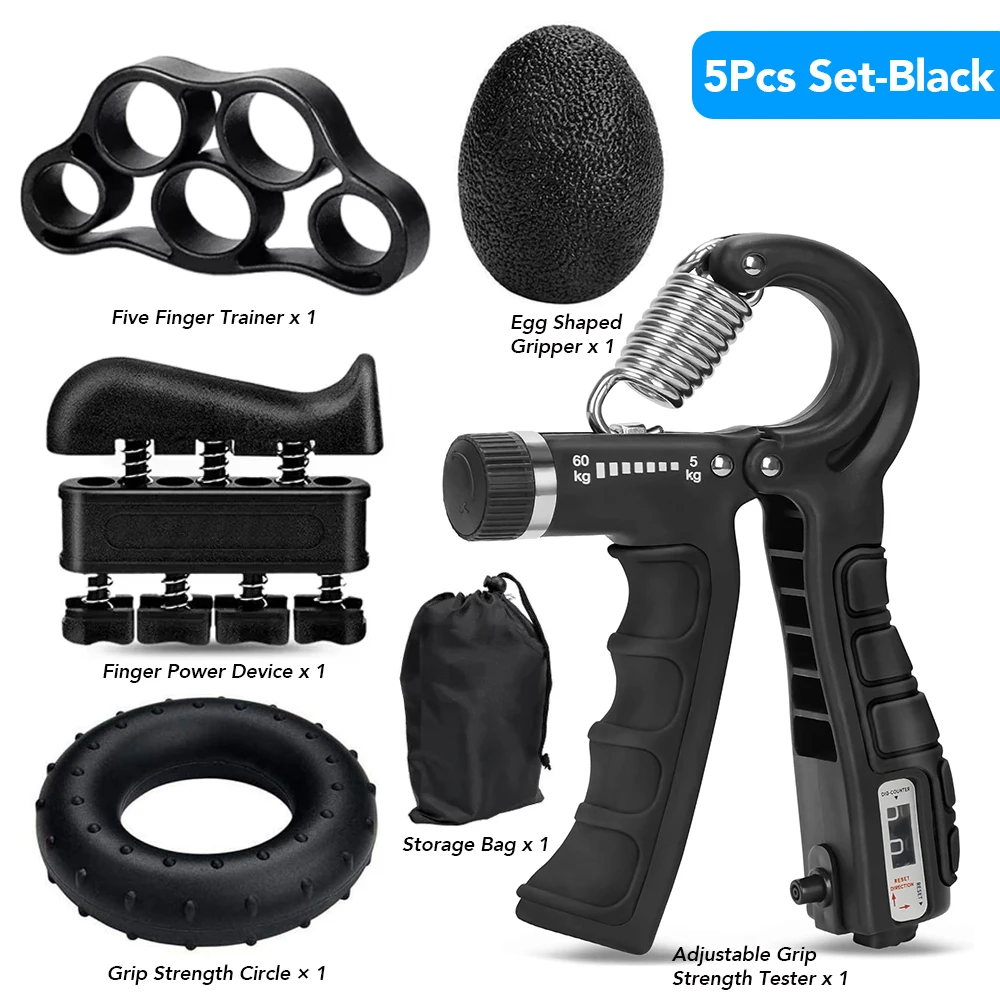
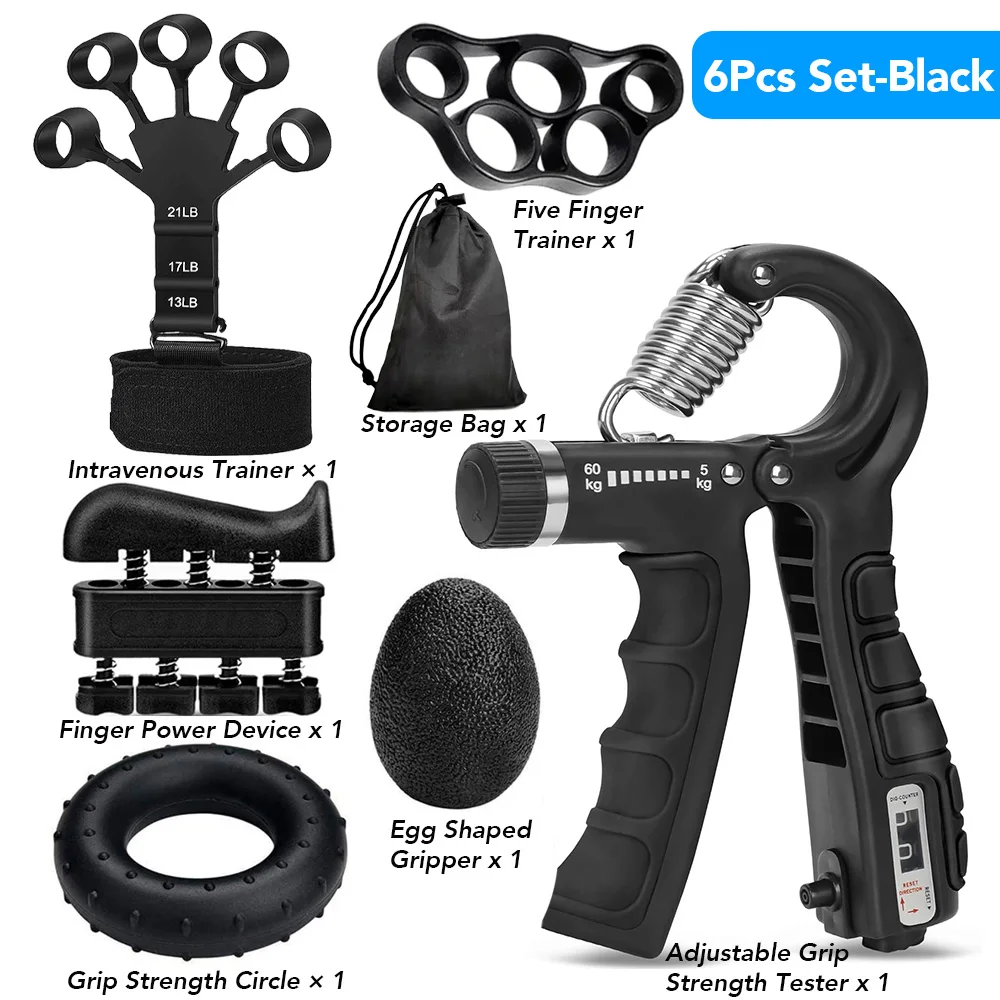
1 x adjustable hand gripper (5–60kg). No batteries or assembly required.
Reviews
There are no reviews yet.