Grip Width Is a Training Variable. Most Bars Don’t Let You Change It.
Where you place your hands changes which muscle does the work. A wide, pronated grip puts the humerus in abduction and biases the upper lats and teres major. Bring the hands in and supinate, and the biceps and lower lats take a larger share while the range of motion at the shoulder increases. Fixed-width bars force one of those patterns forever. An adjustable bar lets you move the handles along the shaft, so you can run wide-grip pulldowns for lat width, close-grip pulls for thickness and stretch, and neutral T-bar rows — matching the tool to the session instead of the other way round.
Key Benefits
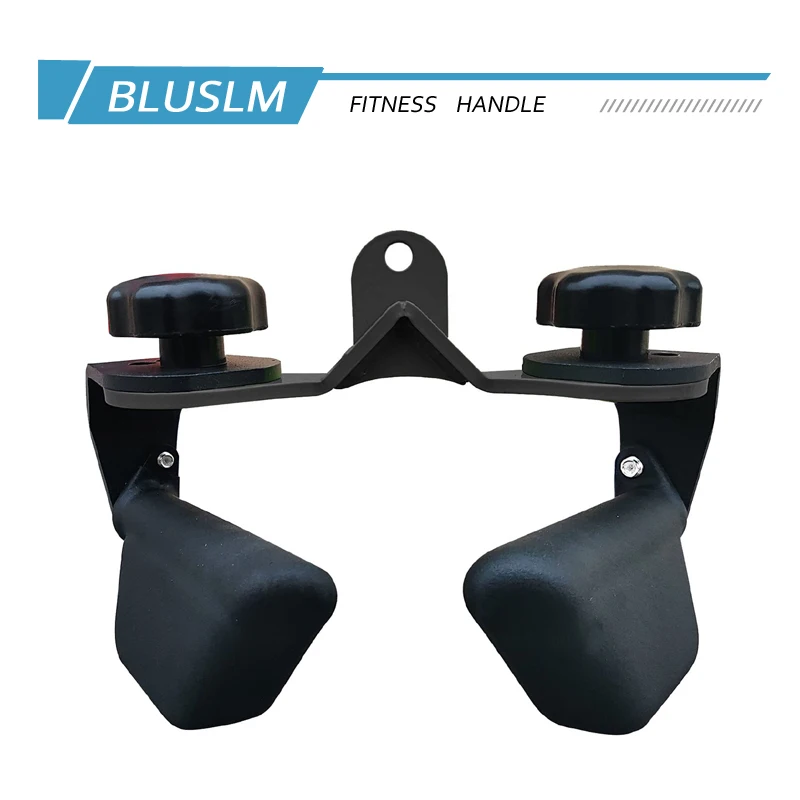
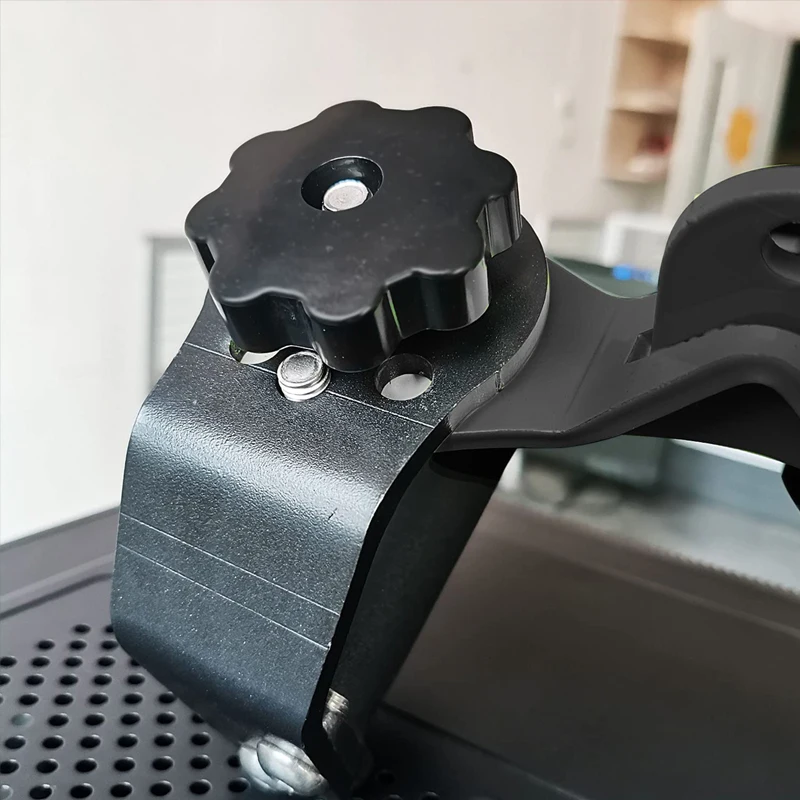
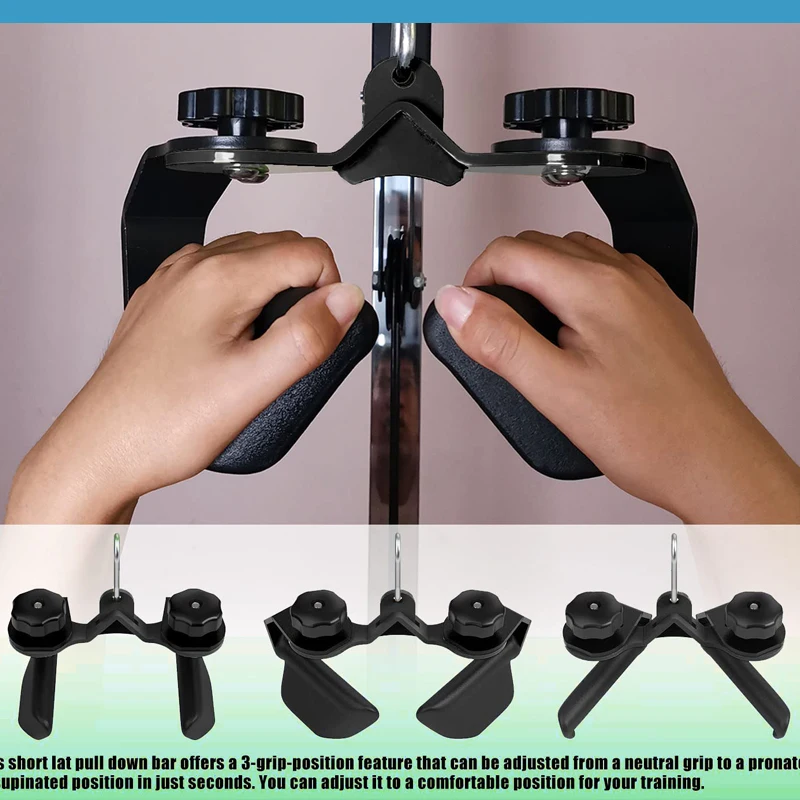
- Adjustable grip positions — slide the handles in or out to hit wide, medium, or close grips, replacing several single-purpose attachments.
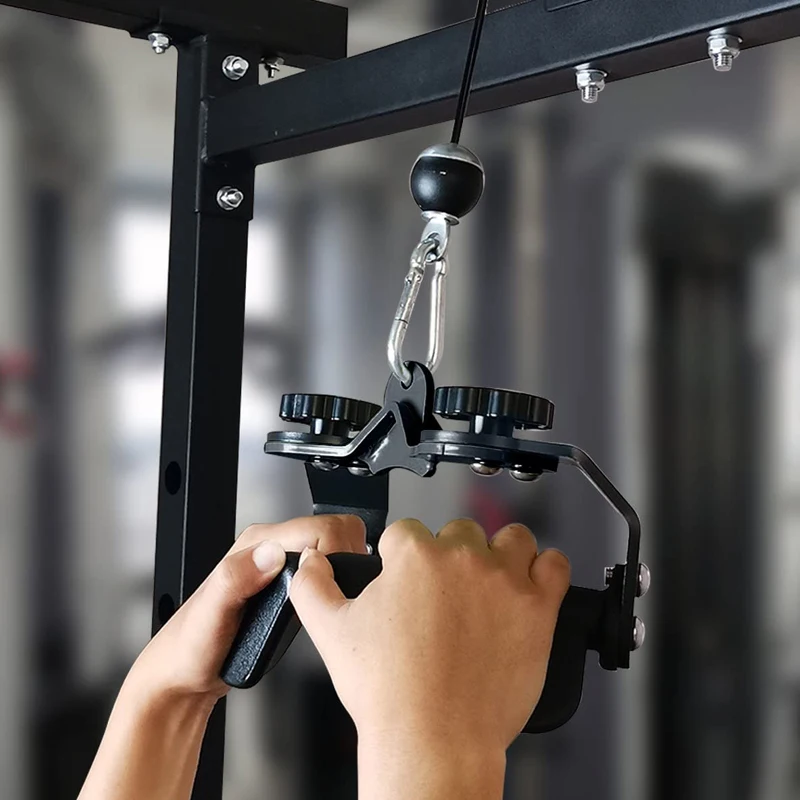
- Fits standard cable machines — a universal swivel or D-ring hookup connects to lat towers, functional trainers, and cable columns using a standard carabiner or snap hook.
- Doubles as a T-bar row handle — anchor it to a landmine or barbell sleeve for chest-supported and bent-over rowing.
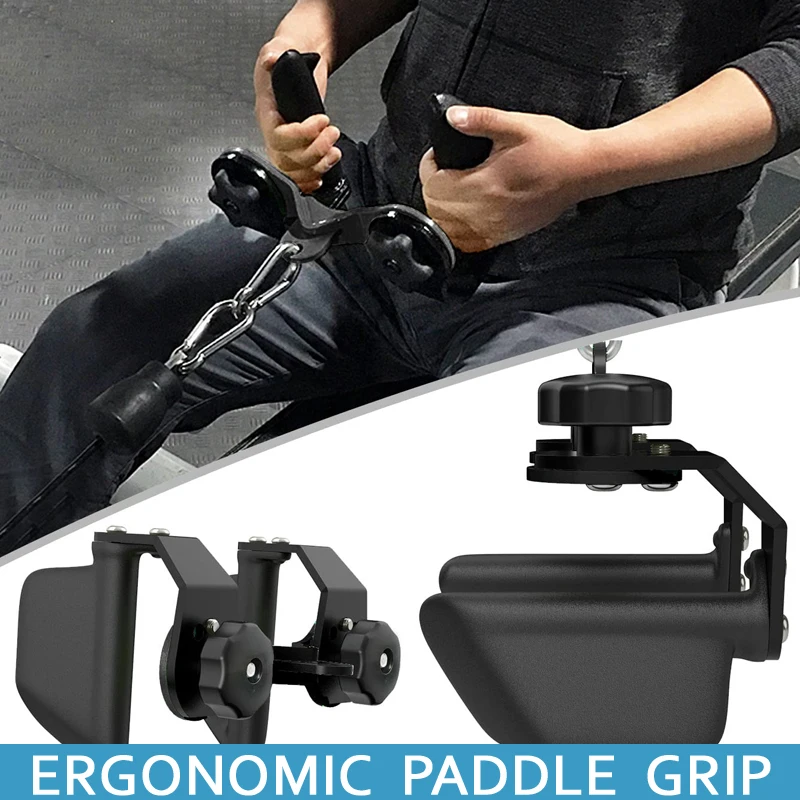
- Reduces wrist strain — angled or rotating handle options let the wrist find a natural position instead of being locked into forced pronation.
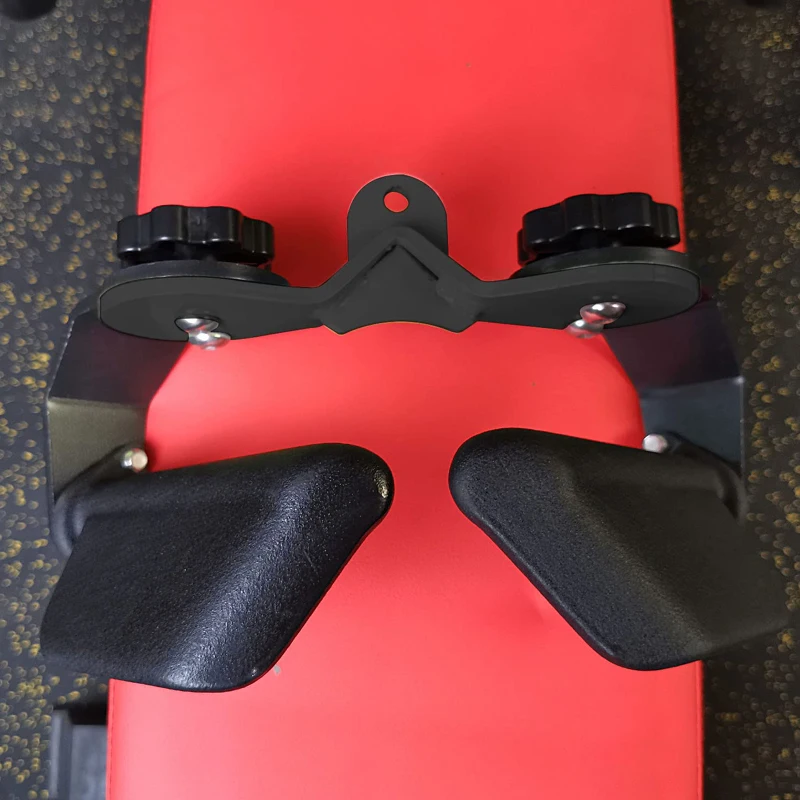
- Steel construction with knurled or rubberised grips — designed to hold heavy loads without flex, so the bar doesn’t bow under a working set.
- Solves a real fit problem — lifters with narrow or broad shoulders can finally set a grip that matches their frame rather than the manufacturer’s average.
How to Use
Attach the bar to your cable machine’s carabiner and check the connection is fully closed and load-bearing before adding weight. Set the handle width: roughly 1.5x shoulder width for wide-grip lat work, shoulder width or narrower for close-grip pulls. Make sure both handles are locked at equal distance from the centre — an asymmetric setup will load one side harder and can twist the bar mid-rep. Sit with thighs secured under the pad, lean back 10 to 20 degrees, and pull the bar toward the upper chest by driving the elbows down and back, not by yanking with the arms. Control the return; the eccentric is where the lat actually stretches. Safety: always confirm the locking pins or collars are seated before your first rep, inspect welds and threads periodically, and never exceed the weight rating of the bar or the machine’s cable. Do not let the stack slam or drop the bar loaded from height.
Specifications
| Type | Adjustable-width lat pulldown / row bar |
|---|---|
| Primary uses | Lat pulldown, seated row, T-bar row, straight-arm pulldown |
| Attachment | Standard carabiner / snap hook (fits most cable machines) |
| Grip settings | Multiple lockable width positions |
| Material | Steel shaft with coated or knurled handles |
| Handle style | Rotating / angled handles (variant dependent) |
| Weight rating | Variant dependent — check listing before loading heavy |
| Compatibility | Cable machines, functional trainers, lat towers, landmine setups |
Care & Maintenance
Wipe the shaft and handles down with a dry cloth after each session — sweat is corrosive and will pit steel over time. Periodically check that all bolts, locking pins, and collars are tight; vibration from repeated sets will loosen hardware. Apply a light coat of machine oil to threads and moving joints every few months to prevent seizing. Store indoors and dry. Retire the bar immediately if you see cracked welds, bent shafts, or a deformed attachment ring.
What’s in the Box
1 x adjustable lat pulldown bar with handles and locking hardware. Carabiner or snap hook included where the variant specifies — check your machine’s connector before first use.
Reviews
There are no reviews yet.