Instability Is the Training Effect
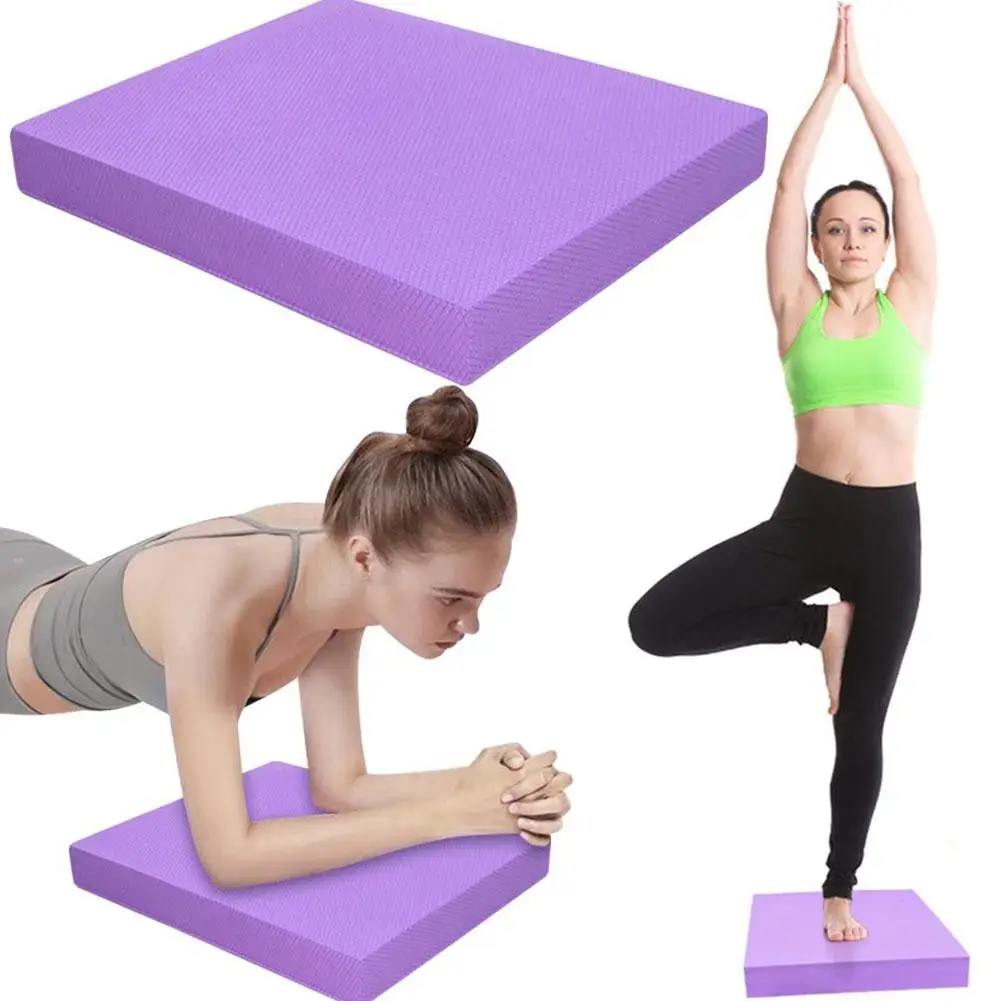
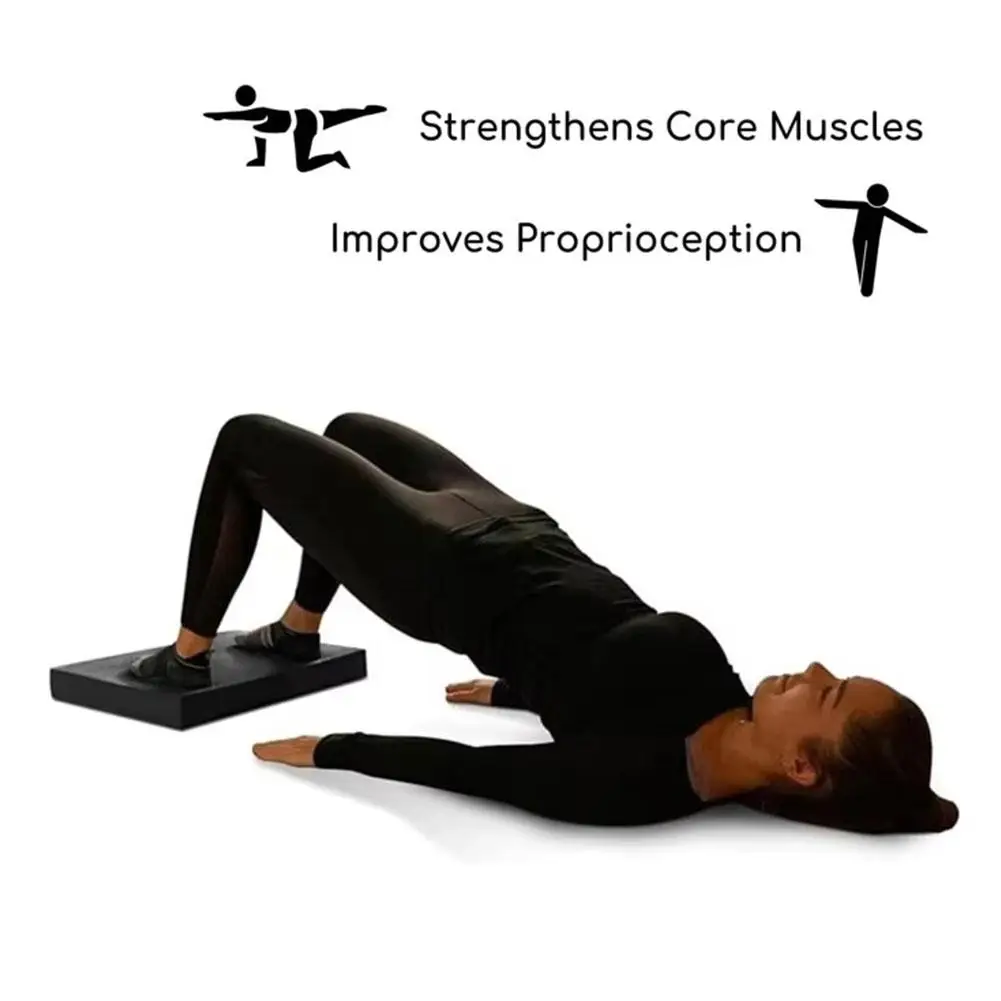
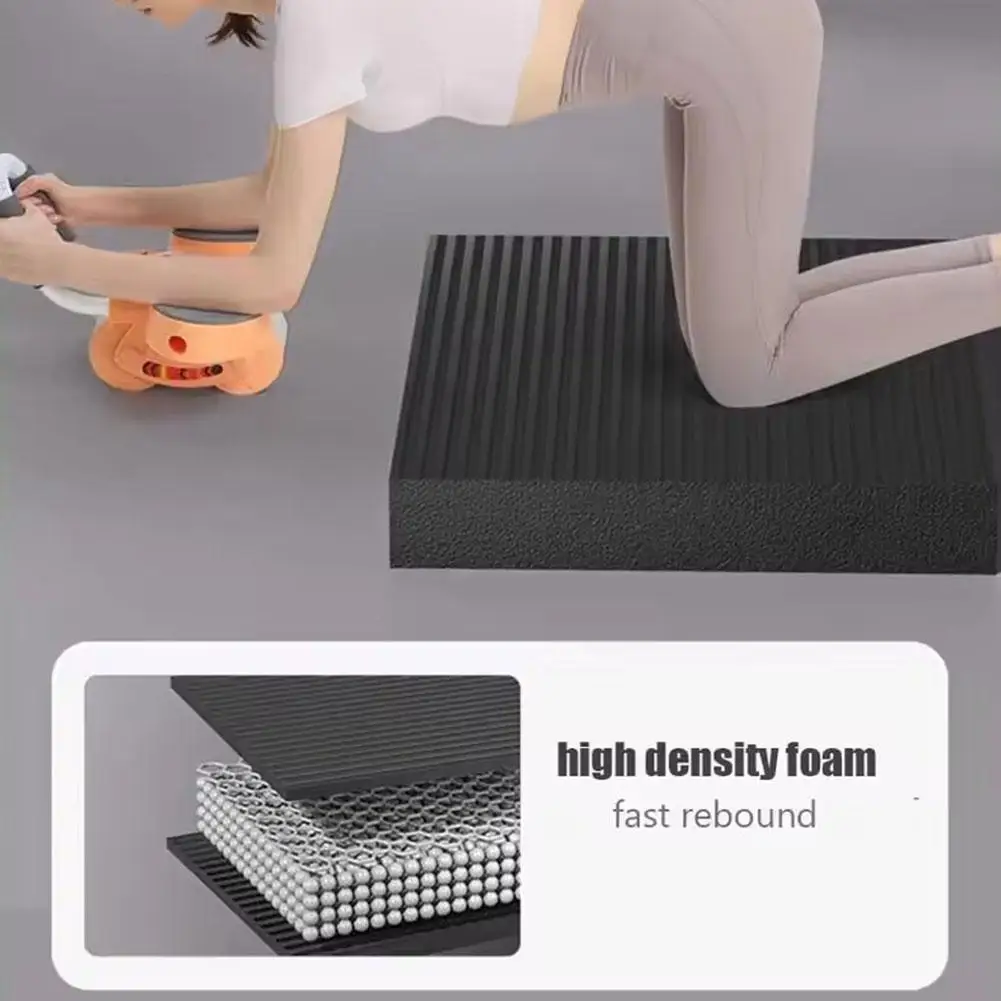
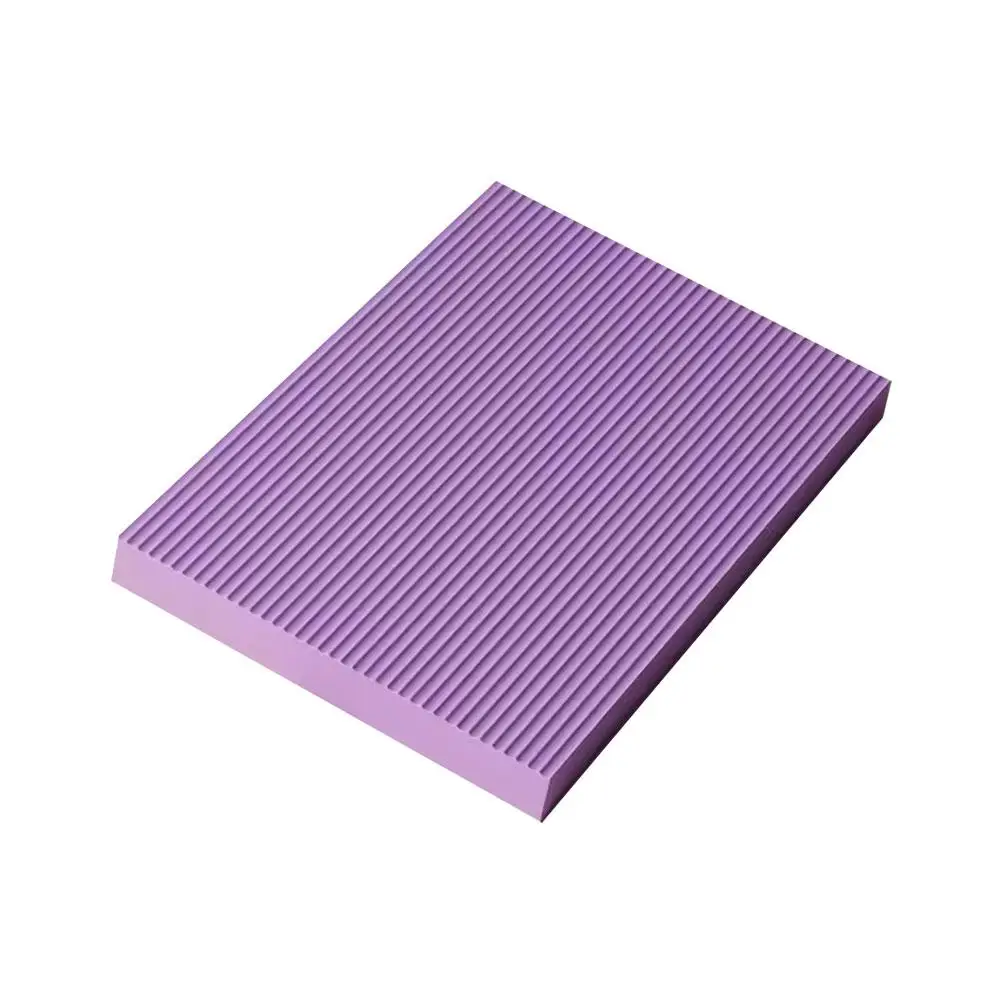
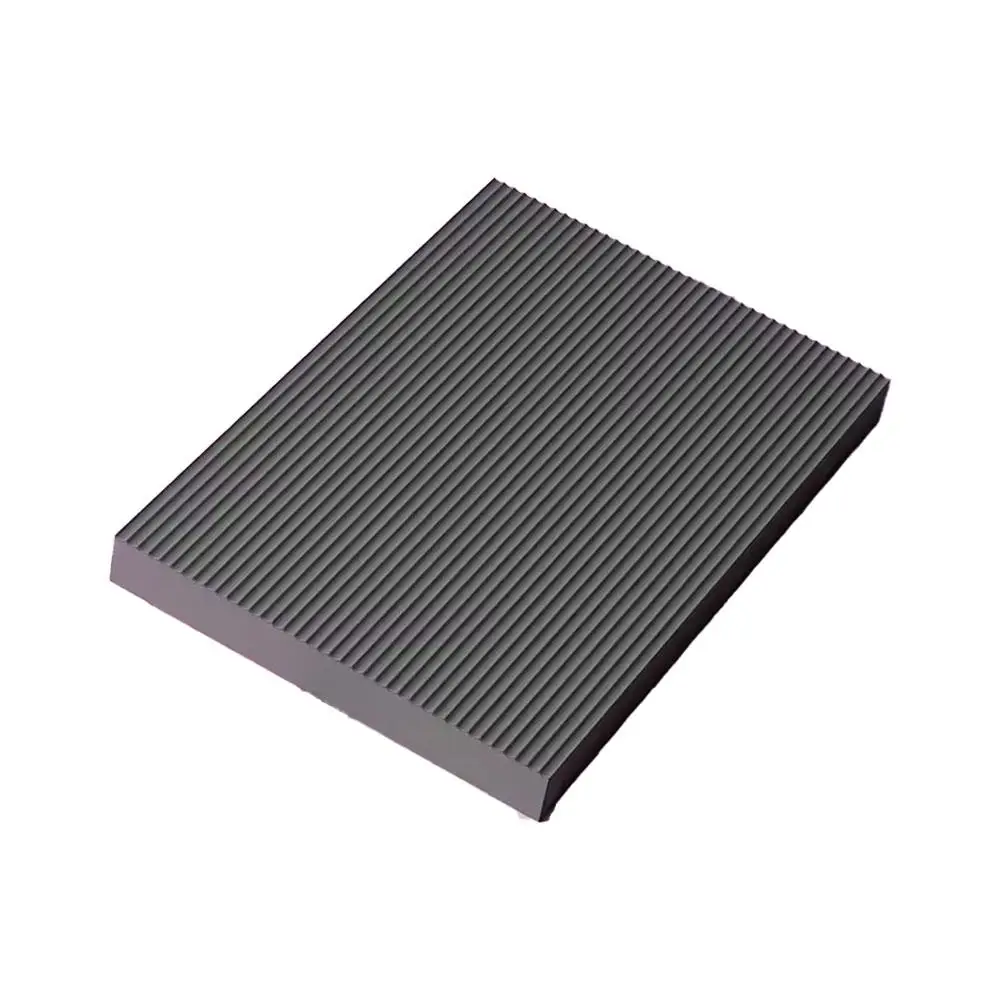
This is a non-slip NBR foam balance pad at $26.13, measuring 44x30cm in 2cm or 4cm thicknesses, with a high-rebound thickened design. Standing on foam removes the firm ground your body normally relies on, so the small stabilizing muscles in the foot, ankle, knee and trunk have to fire constantly to keep you upright. That is why balance pads are a staple of ankle rehabilitation, fall-prevention programs and core training – and why a simple squat on one is dramatically harder than the same squat on the floor.
Key Benefits
- Trains the stabilizers. Foot, ankle, knee and deep core work continuously to correct micro-movements.
- Ankle rehab staple. Single-leg balance on an unstable surface is a standard part of recovery after an ankle sprain.
- High-rebound NBR. Dense foam that gives underfoot and springs back rather than compressing flat.
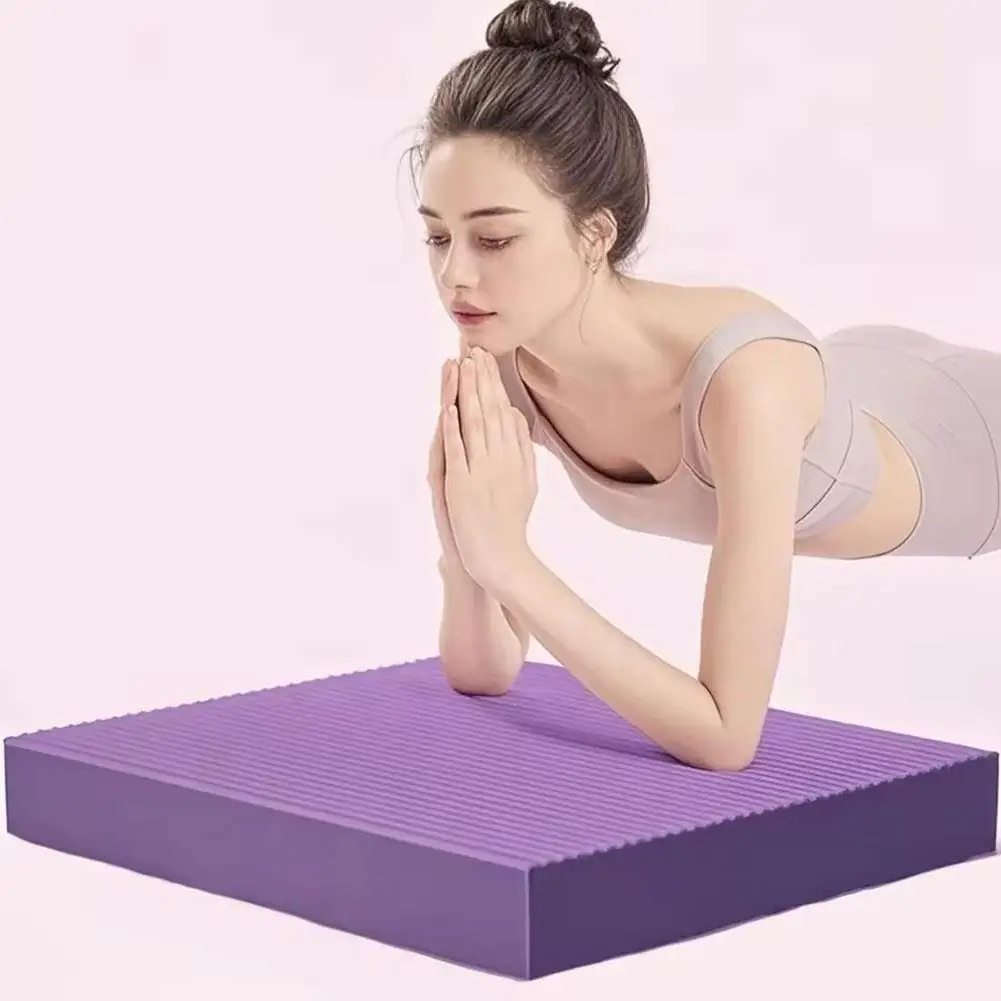
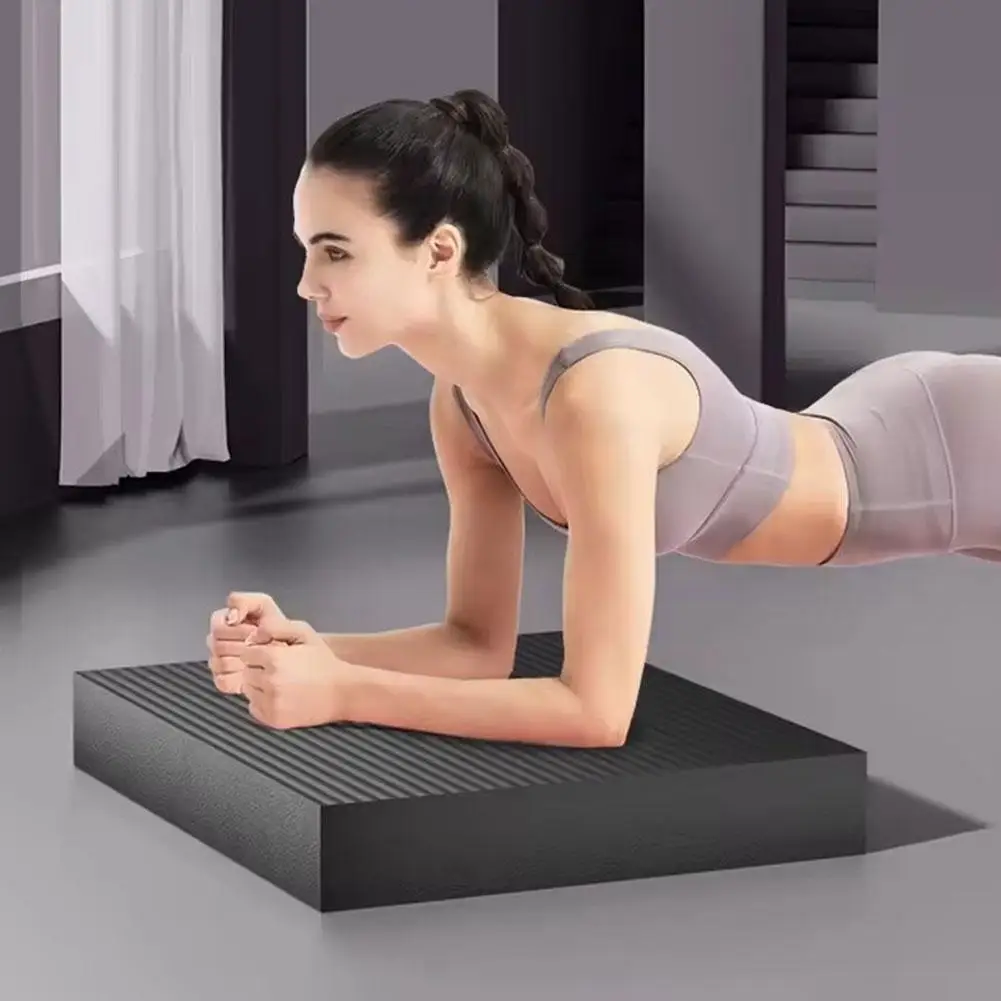
- Doubles as a kneeling pad. Cushions knees, elbows and wrists in yoga and floor work.
- Two thicknesses. 2cm for a moderate challenge, 4cm for a properly unstable surface.
How to Use
- Begin with two-foot standing until you are steady, then progress to single-leg.
- Progress by closing your eyes – removing vision makes balance dramatically harder and is where the real training happens.
- Add squats, lunges or overhead reaches on the pad once static balance is easy.
- For rehab, follow the progression your clinician sets rather than jumping to the hardest variation.
- Use it under the knees for kneeling work – the same foam that challenges balance also cushions joints.
Specifications
| Type | Balance pad / stability trainer / kneeling pad |
|---|---|
| Material | High-density NBR foam |
| Size | 44x30cm |
| Thickness | 2cm or 4cm |
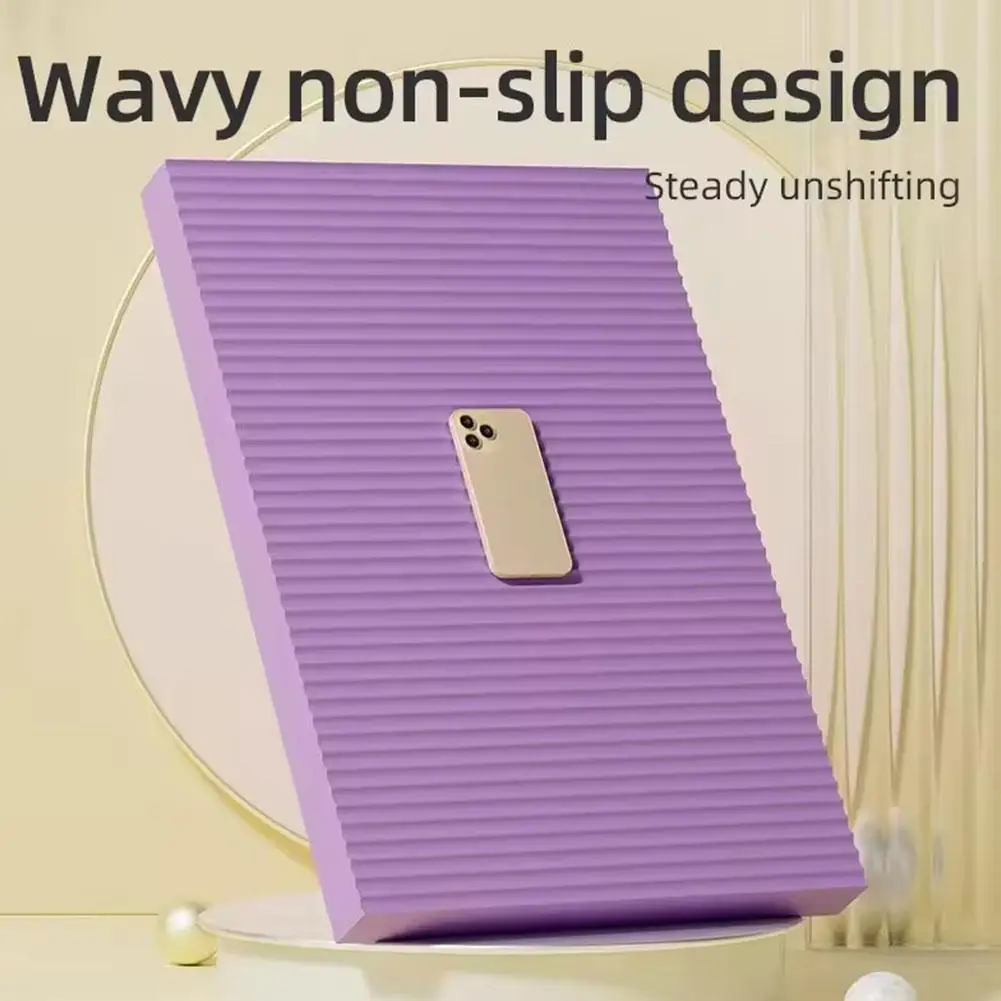
| Surface | Non-slip |
| Best for | Balance training, core stability, ankle rehabilitation, yoga, kneeling support |
Care & Maintenance
Wipe with a damp cloth and mild soap, then air dry. Avoid solvents and direct sunlight – both degrade NBR foam over time.
What’s in the Box
- 1 x Balance pad
Frequently Asked Questions
What is a balance pad used for?
Training the small stabilizing muscles of the foot, ankle, knee and trunk. Standing on an unstable foam surface forces continuous micro-corrections, which is why it is used in ankle rehab, fall-prevention work and core training.
Which thickness should I choose?
2cm gives a moderate challenge and is the easier starting point. 4cm is genuinely unstable and much harder. If you are rehabbing an ankle, start at 2cm.
Does it help after an ankle sprain?
Single-leg balance work on an unstable surface is a standard part of ankle rehabilitation, because a sprain damages the position sense that keeps the joint stable. Follow the progression your clinician gives you.
How do I make it harder?
Close your eyes. Vision does most of the work in balance, and removing it makes even two-foot standing challenging. After that, progress to single-leg, then add squats or overhead reaches.
Can I use it as a kneeling pad?
Yes. The same dense foam that challenges your balance cushions knees, elbows and wrists during yoga and floor work.
Reviews
There are no reviews yet.