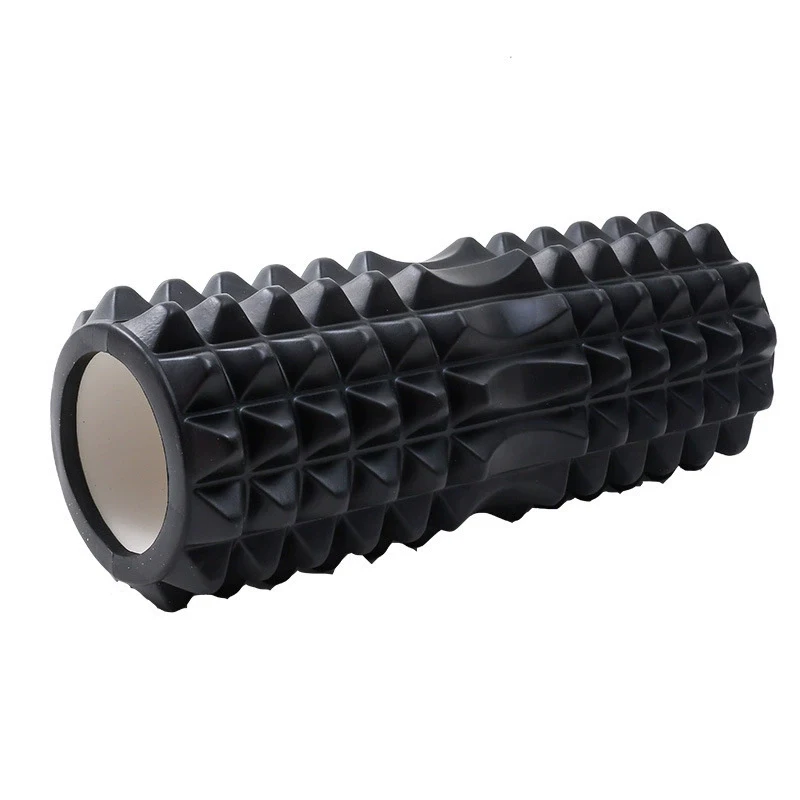
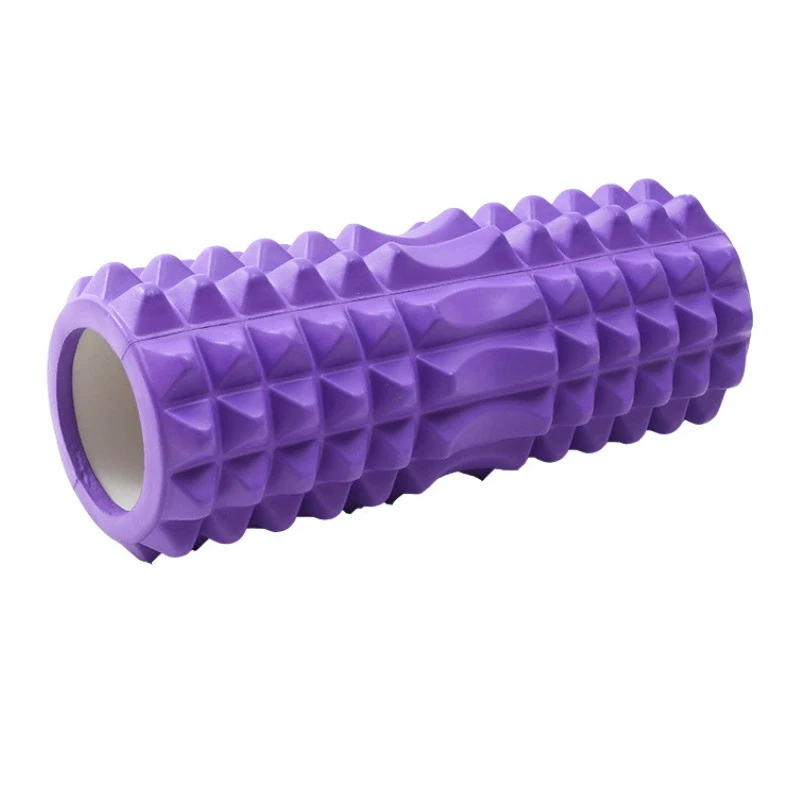
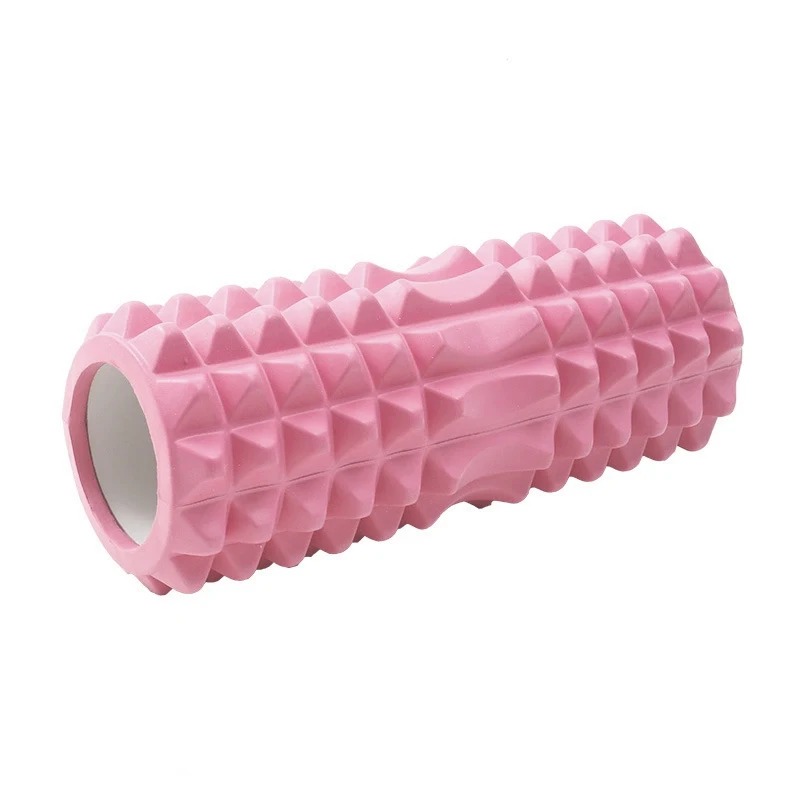
The Case for a Smooth Roller Over an Aggressive One
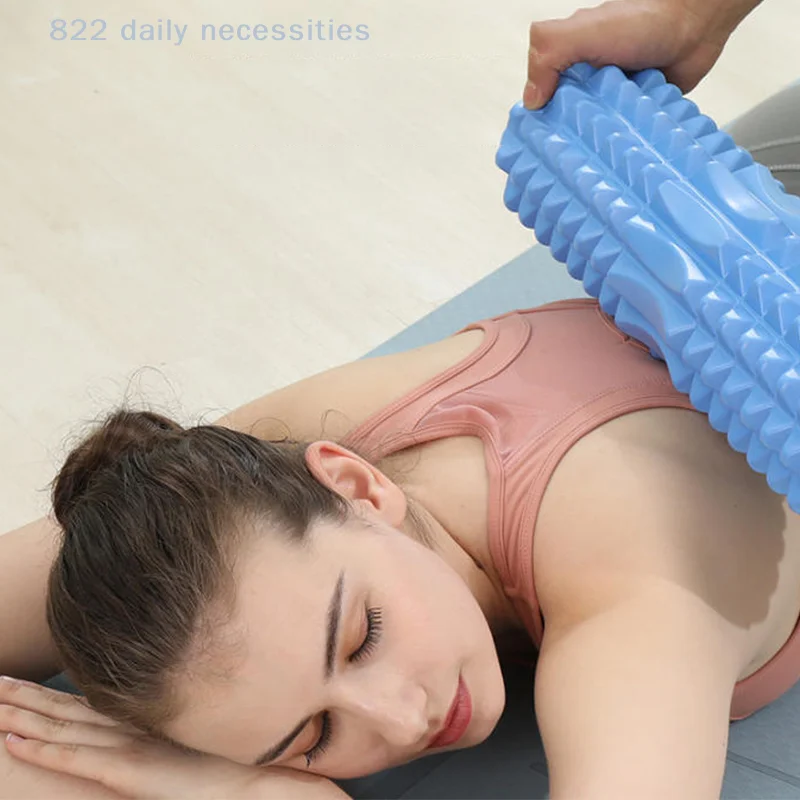
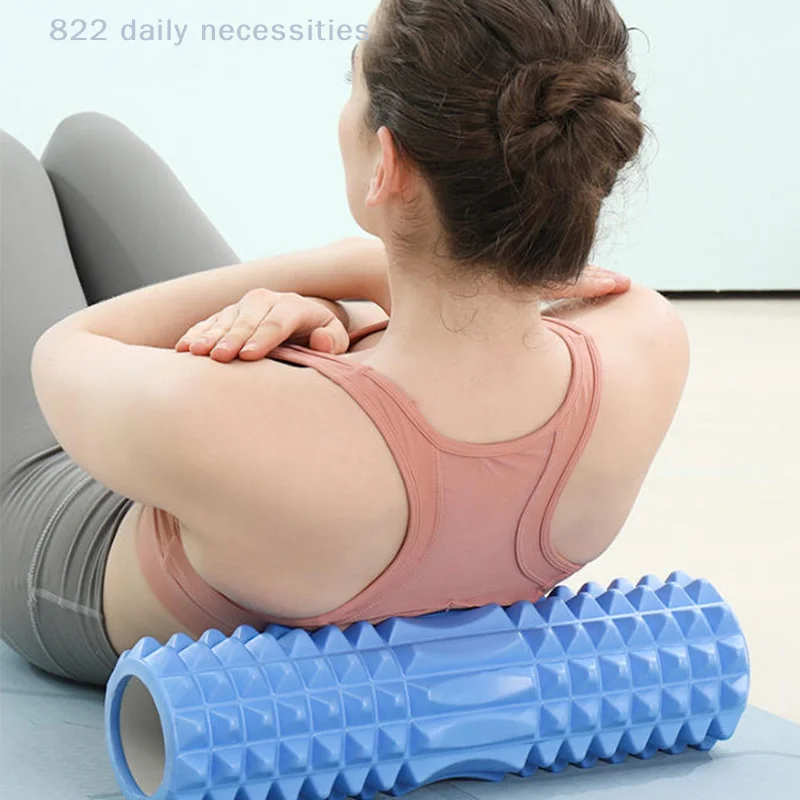
Foam rolling reduces muscle tone by stimulating mechanoreceptors in the muscle and fascia, which prompts the nervous system to relax its protective guarding. That response is driven by sustained, tolerable pressure – not by maximum pain. If a roller hurts enough that you tense up and hold your breath, you are working against the mechanism. A smooth column distributes load over a wide contact area, so you can stay relaxed long enough for the reflex to actually happen. It also doubles as a Pilates alignment prop, which a knobbed roller cannot do comfortably.
Key Benefits
- Tolerable pressure means longer holds. The even surface lets beginners, older users and anyone with sensitive tissue stay on a spot for the 60+ seconds it takes to get a genuine relaxation response.
- Doubles as a Pilates and posture prop. Lie lengthwise along it with the spine supported and arms out to the sides – the unstable narrow base recruits deep core stabilisers and opens the chest, something a spiky roller makes impossible.
- Dense EVA holds its shape. Cheaper expanded polystyrene rollers dent permanently after a month of use; closed-cell EVA rebounds and keeps a consistent surface.
- Improves range of motion without a strength cost. Unlike long static stretching, rolling before training increases flexibility without the temporary drop in power output – so it belongs in the warm-up as well as the cool-down.
- Broad contact for big muscle groups. Quads, hamstrings, calves, glutes and the thoracic spine all take a smooth roller well, and the column shape stays stable under load rather than squirting out sideways.
- Light enough to actually get used. EVA foam weighs very little, so it can live next to the sofa or go in a gym bag, which matters more for consistency than any feature on the spec sheet.
How to Use
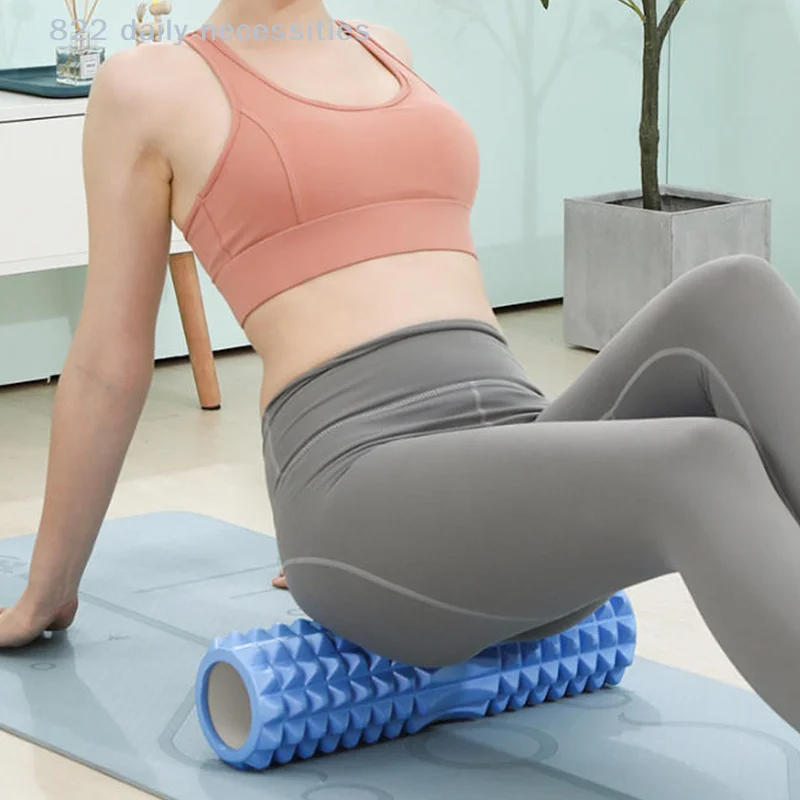
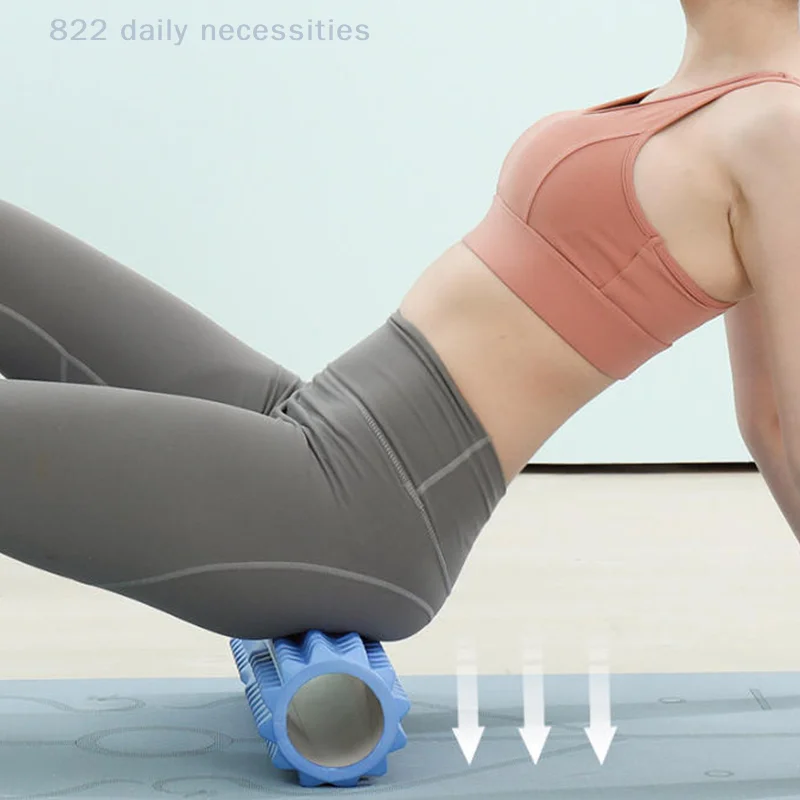
Set the roller under the muscle you are targeting and use your arms and free leg to control how much bodyweight goes through it. Roll slowly, find a tender area, then hold and breathe rather than sawing back and forth – the pause is what does the work. Aim for 30-90 seconds per spot and 2-3 spots per muscle group. For thoracic mobility, lie with the roller across the mid-back, support your head with your hands and extend gently over it. Keep the roller on muscle: avoid the lower back without support, the neck, the knee joint and the front of the shin. Skip rolling over acute injuries, open wounds, recent surgery or areas of numbness, and speak to a clinician first if you have osteoporosis, DVT risk or are taking anticoagulants.
Specifications
| Type | Smooth-surface yoga column / foam roller |
|---|---|
| Material | EVA foam, closed cell |
| Surface | Smooth, non-textured |
| Firmness | Medium – suitable for beginners |
| Best for | Quads, hamstrings, calves, glutes, thoracic spine, Pilates work |
| Doubles as | Pilates alignment prop / chest opener |
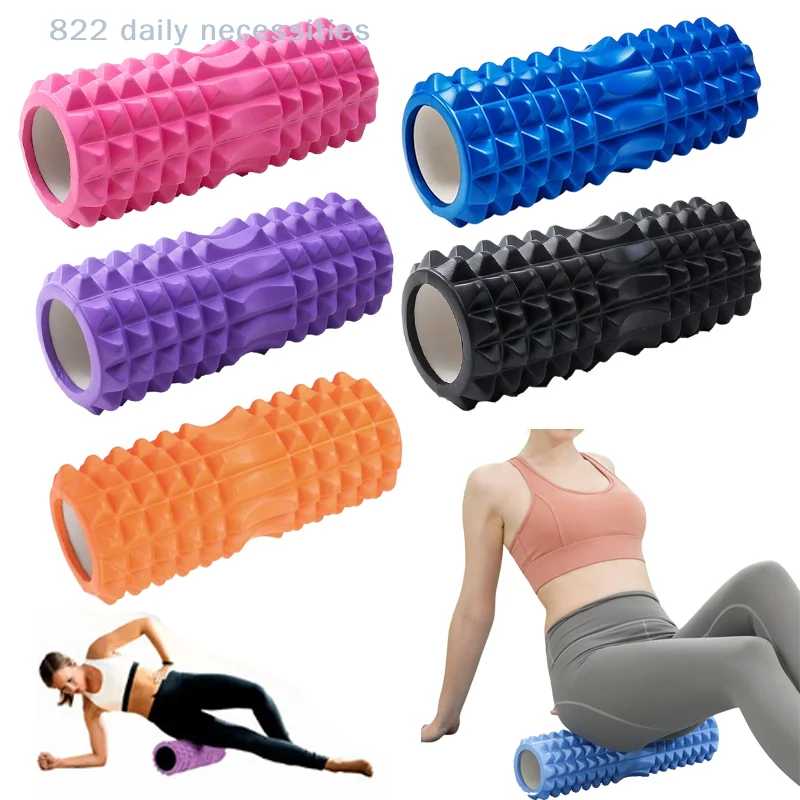
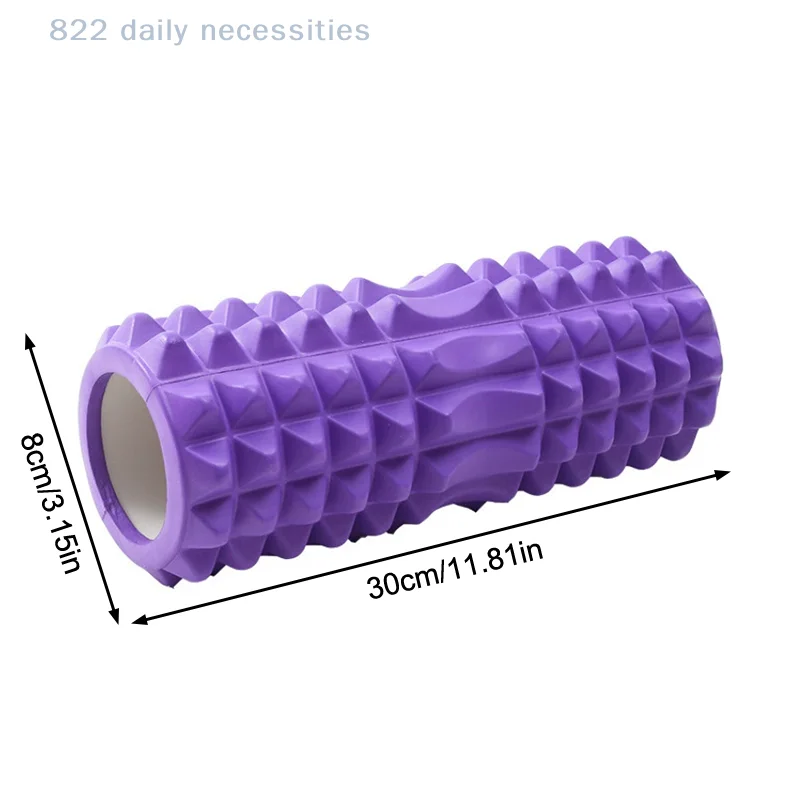
| Length & colour | Variant dependent – check the option you select |
| Water resistance | Closed cell – does not absorb sweat |
Care & Maintenance
Wipe with a damp cloth and mild detergent after each session and let it air dry fully before storing. Do not put it in a washing machine or dishwasher. Keep it out of prolonged direct sunlight and away from heaters, as UV and heat degrade EVA and make it crumble at the edges. Stored on its side and off the floor, a dense EVA column will outlast several years of regular use.
What’s in the Box
1 x EVA yoga column foam roller. Size and colour are variant dependent – confirm your selection at checkout. Sold as the roller only.
Reviews
There are no reviews yet.