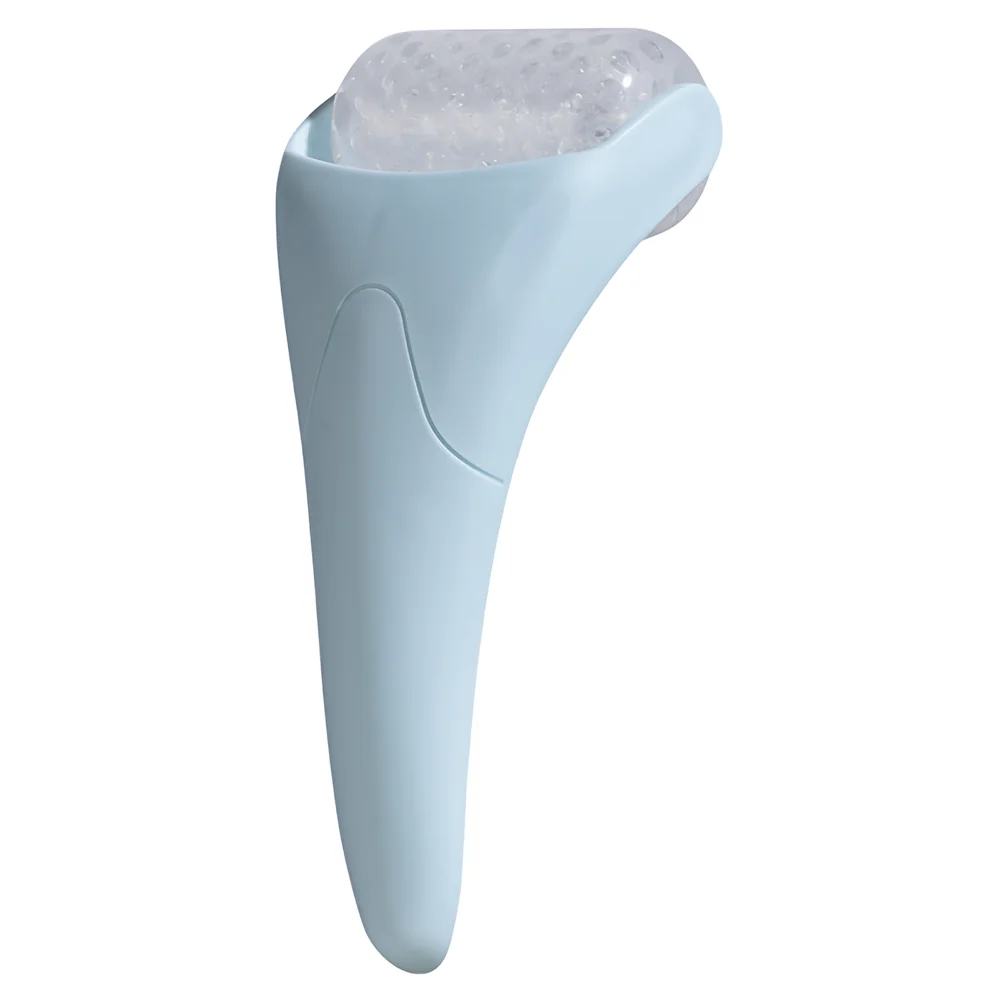
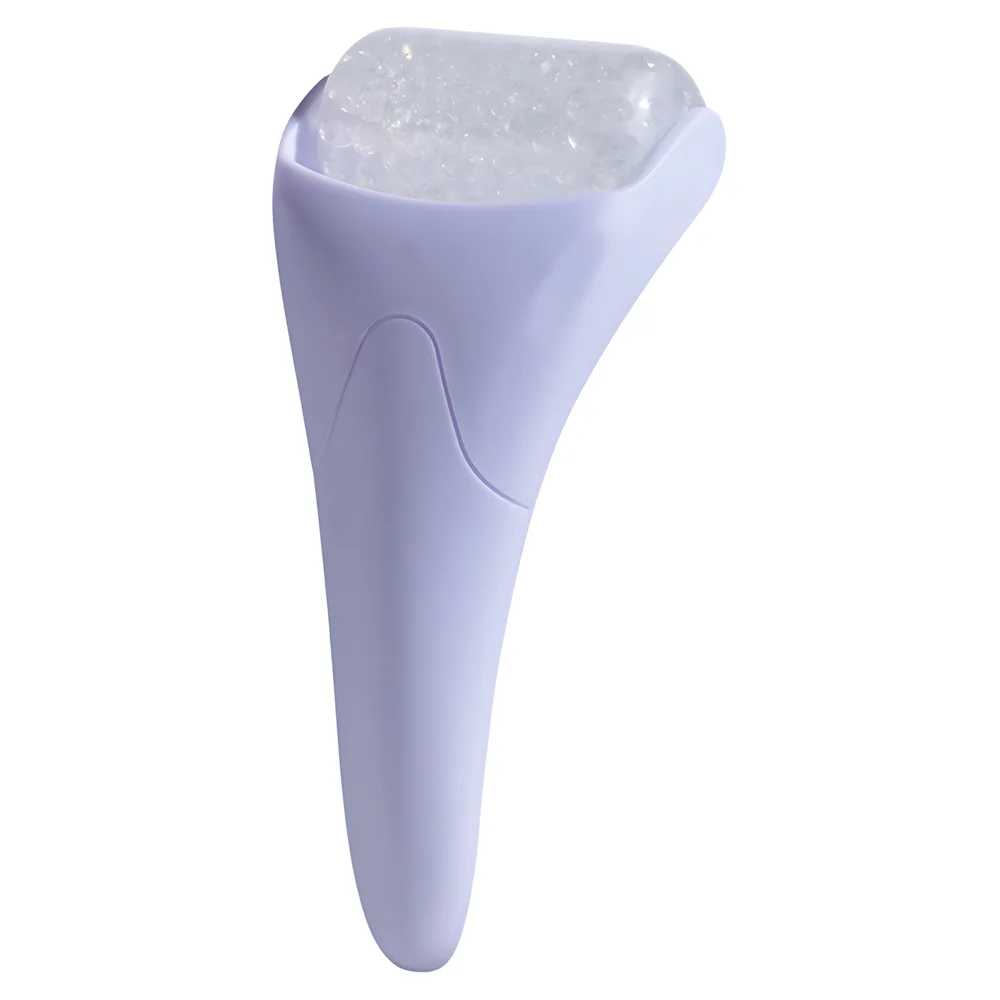
What a Cold Roller Actually Does to Your Face
Cold causes vasoconstriction — blood vessels near the skin narrow, reducing local blood flow and slowing the movement of fluid into surrounding tissue. That is why a chilled roller visibly reduces morning puffiness and post-training facial flush, and why cold blunts the sensation of itch and mild pain by slowing nerve conduction. The rolling action also nudges interstitial fluid toward lymphatic drainage points along the jaw and neck. These effects are real and immediate — and they are also temporary, lasting minutes to hours as the tissue rewarms.
Key Benefits
- It de-puffs, and that is a real effect. Vasoconstriction plus mechanical drainage genuinely reduces morning or post-flight facial swelling. You will see it in the mirror within a couple of minutes.
- Honest about ‘skin tightening’. Cold makes skin temporarily firmer and pores look smaller because the tissue contracts. It does not remodel collagen, and it will not permanently tighten or lift anything. Anyone telling you otherwise is selling you the marketing, not the tool.
- Genuinely good after hard training. Cooling a hot, flushed face after a run or a sauna is pleasant and settles heat-driven redness faster than waiting it out.
- Calms irritation. Useful after shaving, waxing, sun exposure or a workout that leaves your face burning — cold reduces the itch and sting signal.
- No electricity, no batteries, no charging. It lives in the freezer and works instantly.
- Costs nothing to run. A one-off purchase that replaces a bag of frozen peas wrapped in a tea towel — and glides instead of dragging.
How to Use
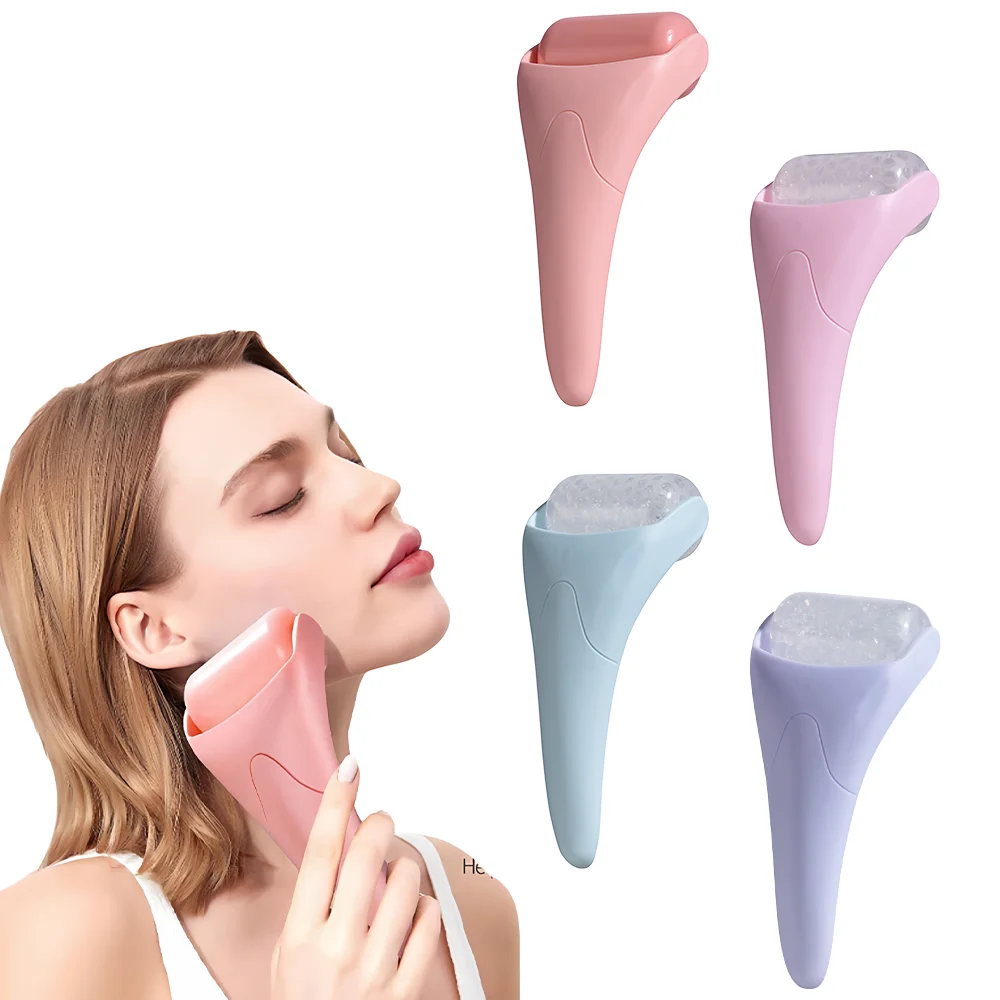
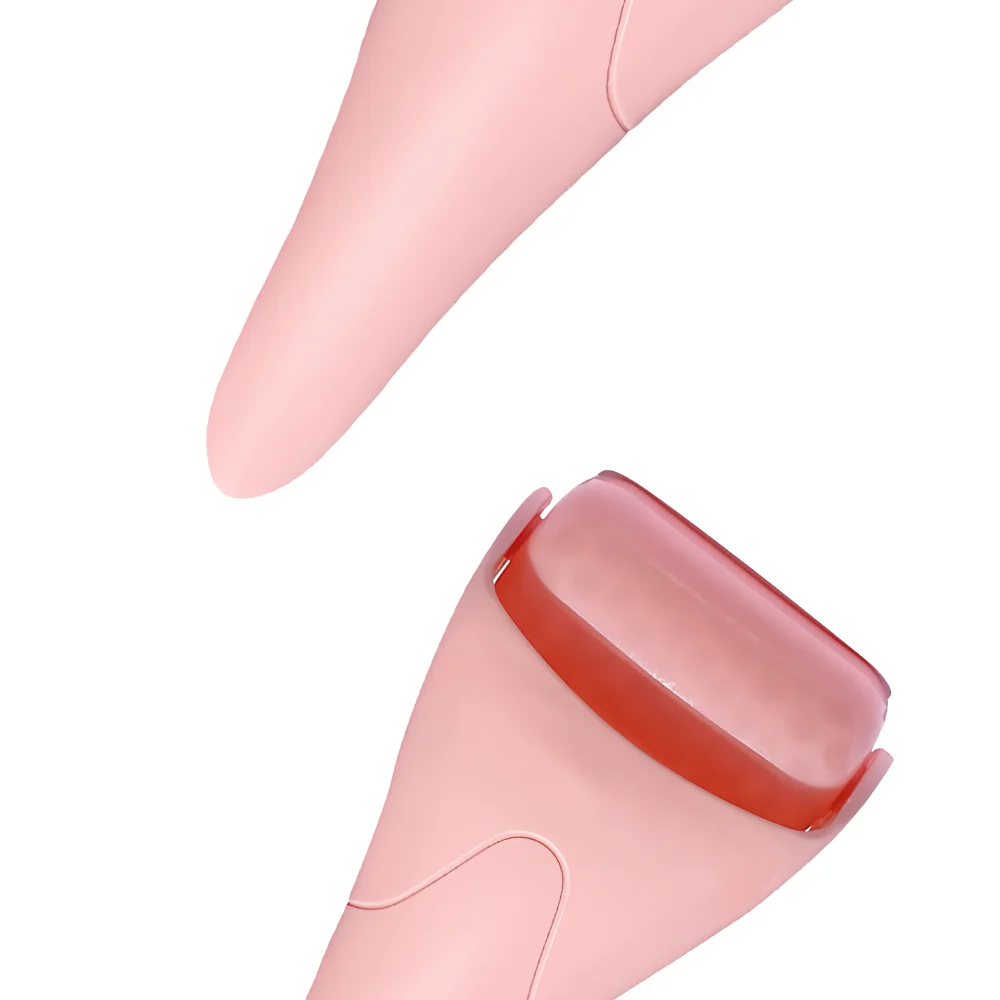
Put the roller head in the freezer for at least 1–2 hours (leave it there permanently if you have space). Working on clean skin, roll outward and downward: from the centre of the forehead to the temples, from the nose out along the cheekbones, and from the jawline down toward the neck — this is the direction of lymphatic drainage, so rolling inward or upward works against it. Use light pressure; you are moving fluid, not massaging muscle. Keep moving continuously and limit each area to a couple of minutes. Safety: never hold the roller stationary against the skin — prolonged contact with a frozen surface can cause a cold burn. Do not use it on broken, cracked or sunburnt-to-blistering skin, over active eczema flares or open acne lesions. Anyone with Raynaud’s phenomenon, cold urticaria, cryoglobulinaemia or reduced facial sensation should avoid cold therapy or check with a doctor first. If the skin goes white, numb or painfully stings, stop.
Specifications
| Type | Freezer-chilled facial ice roller |
|---|---|
| Mechanism | Cold therapy (vasoconstriction) + mechanical lymphatic drainage |
| Power | None — freezer chilled, no batteries |
| Chill time | 1–2 hours in a domestic freezer |
| Best for | Facial puffiness, post-workout flush, post-sun and post-shave irritation |
| Also usable on | Neck, temples, back of neck |
| Quantity | 1 piece |
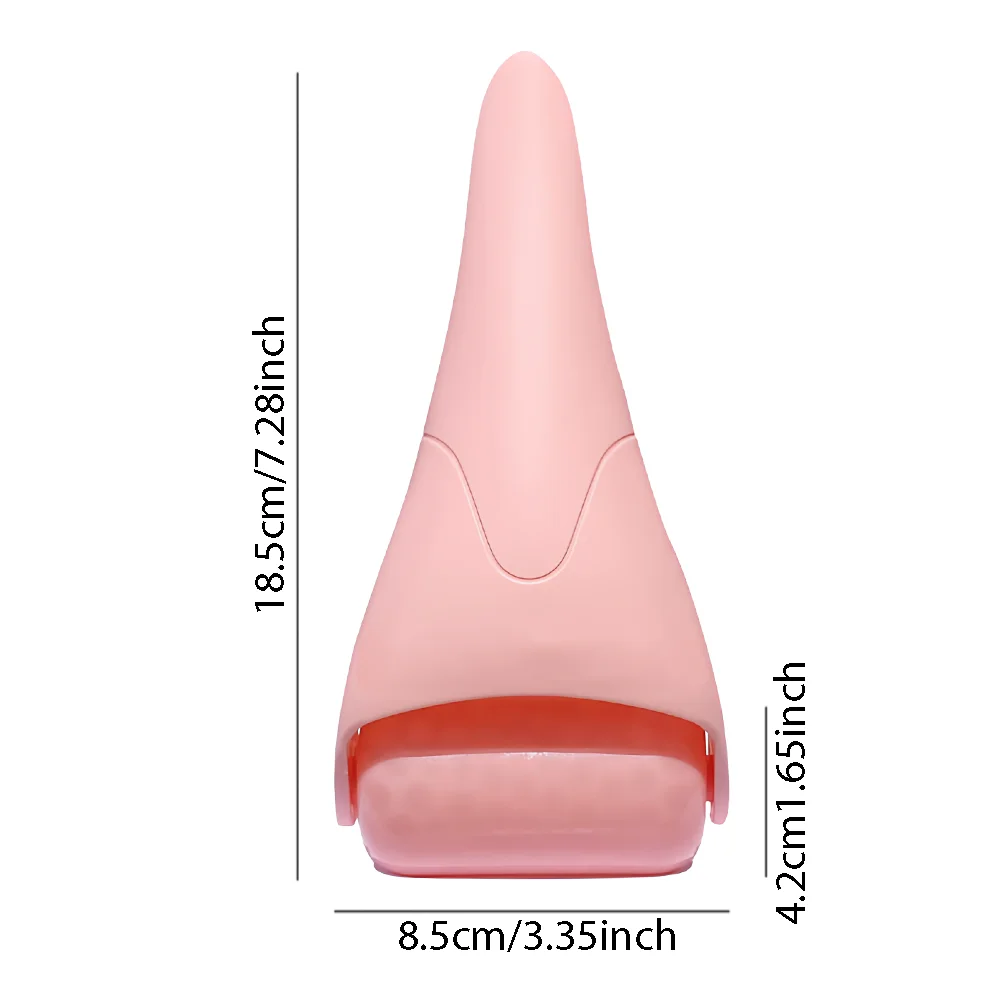
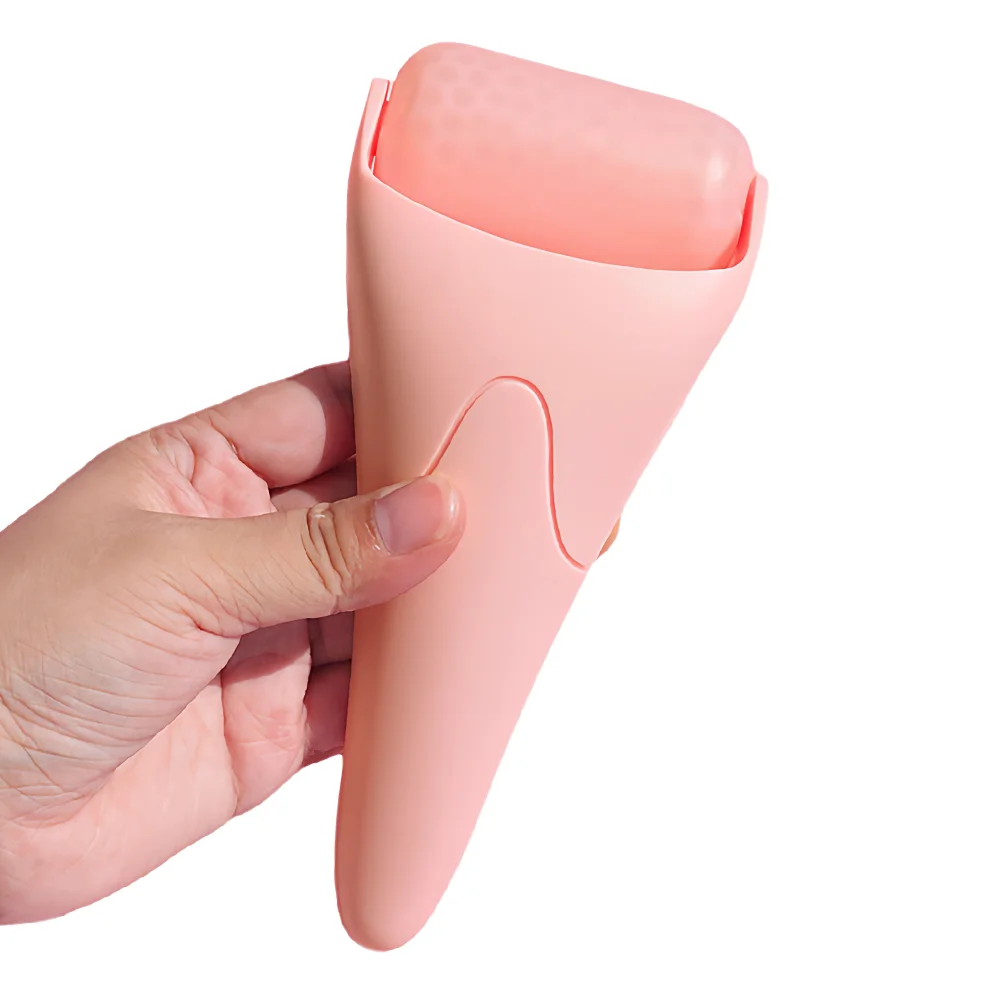
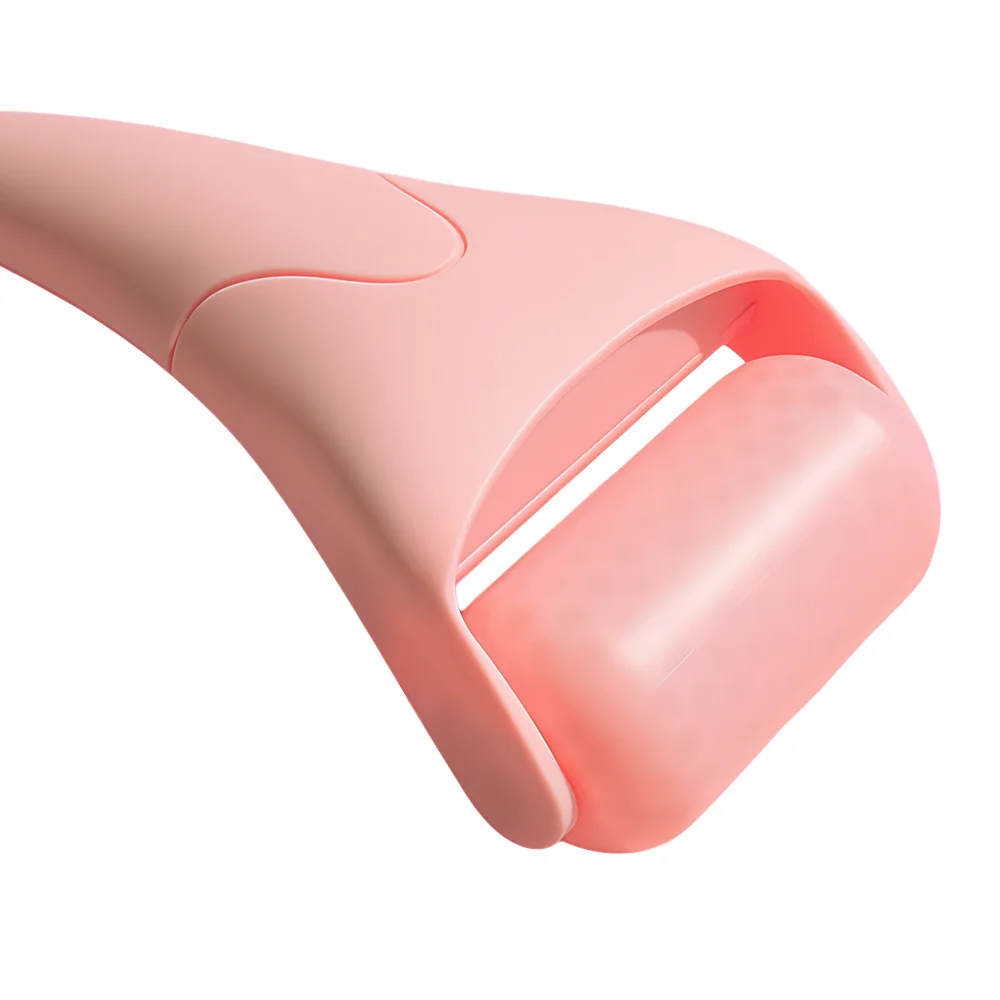
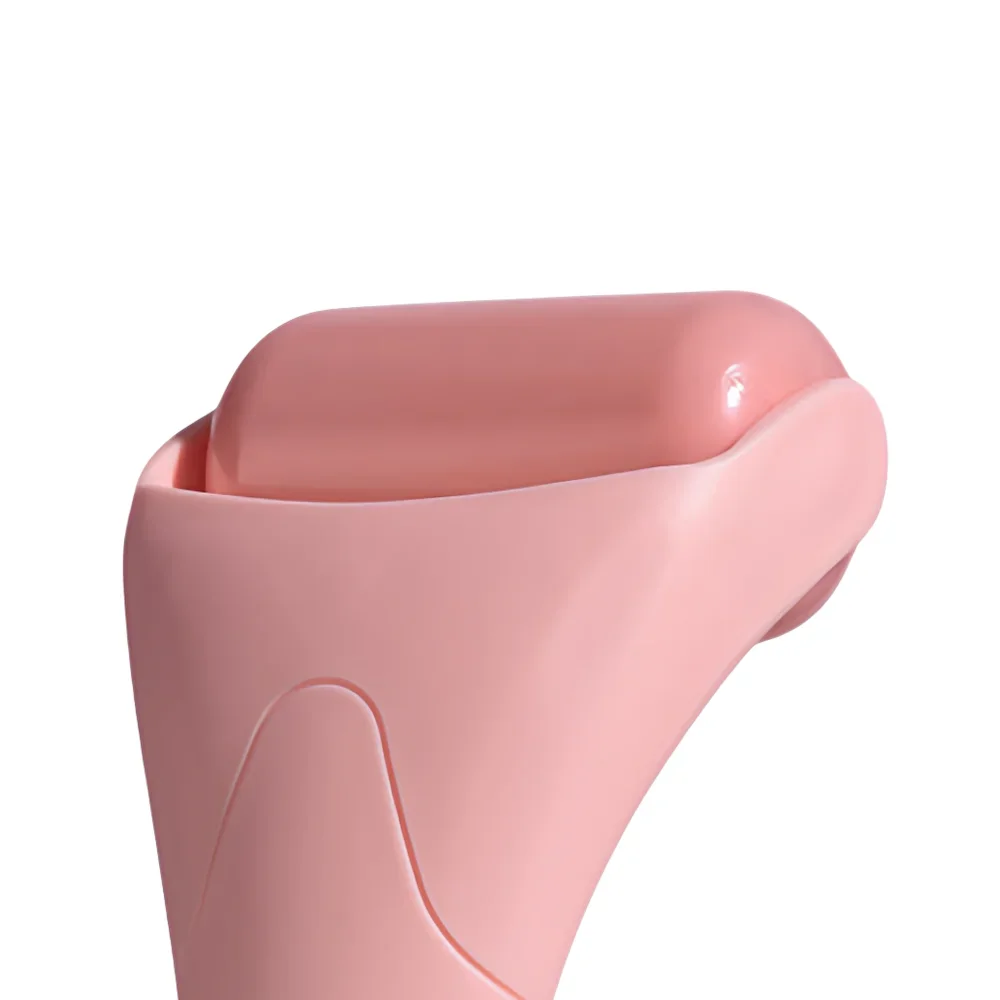
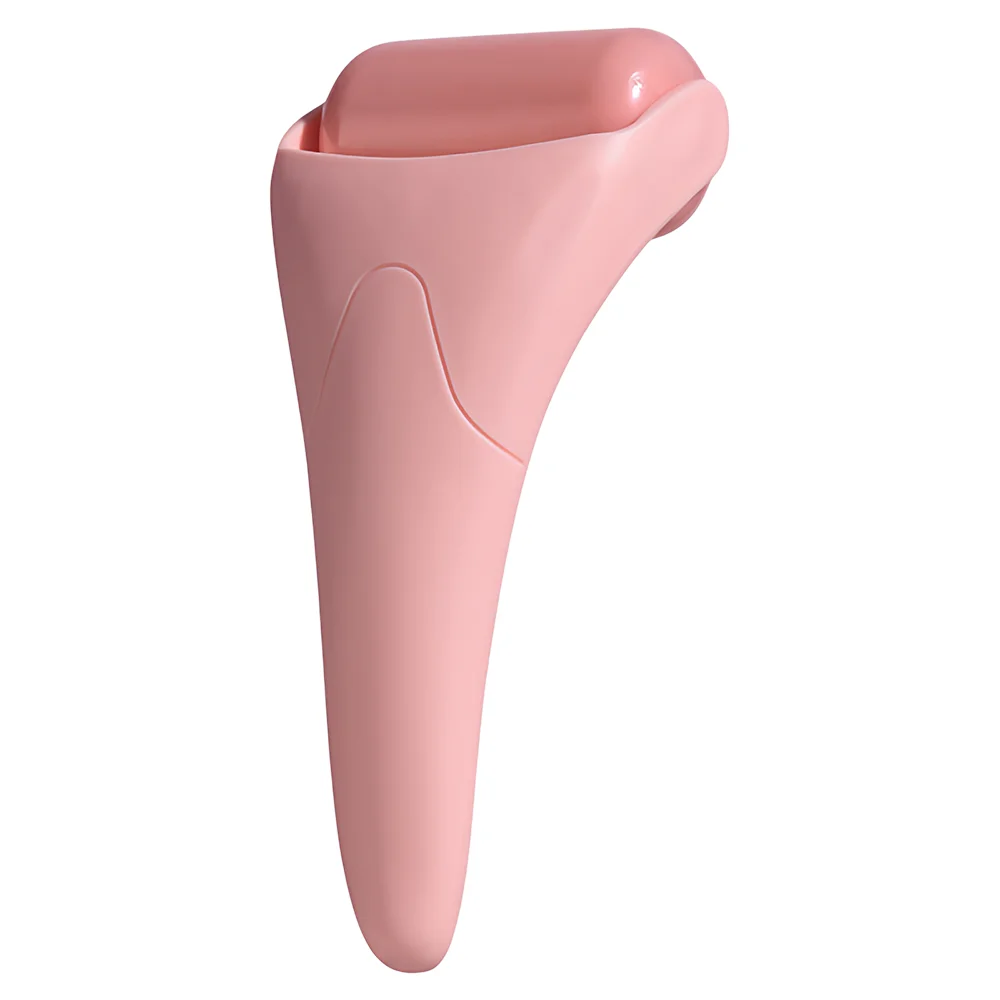
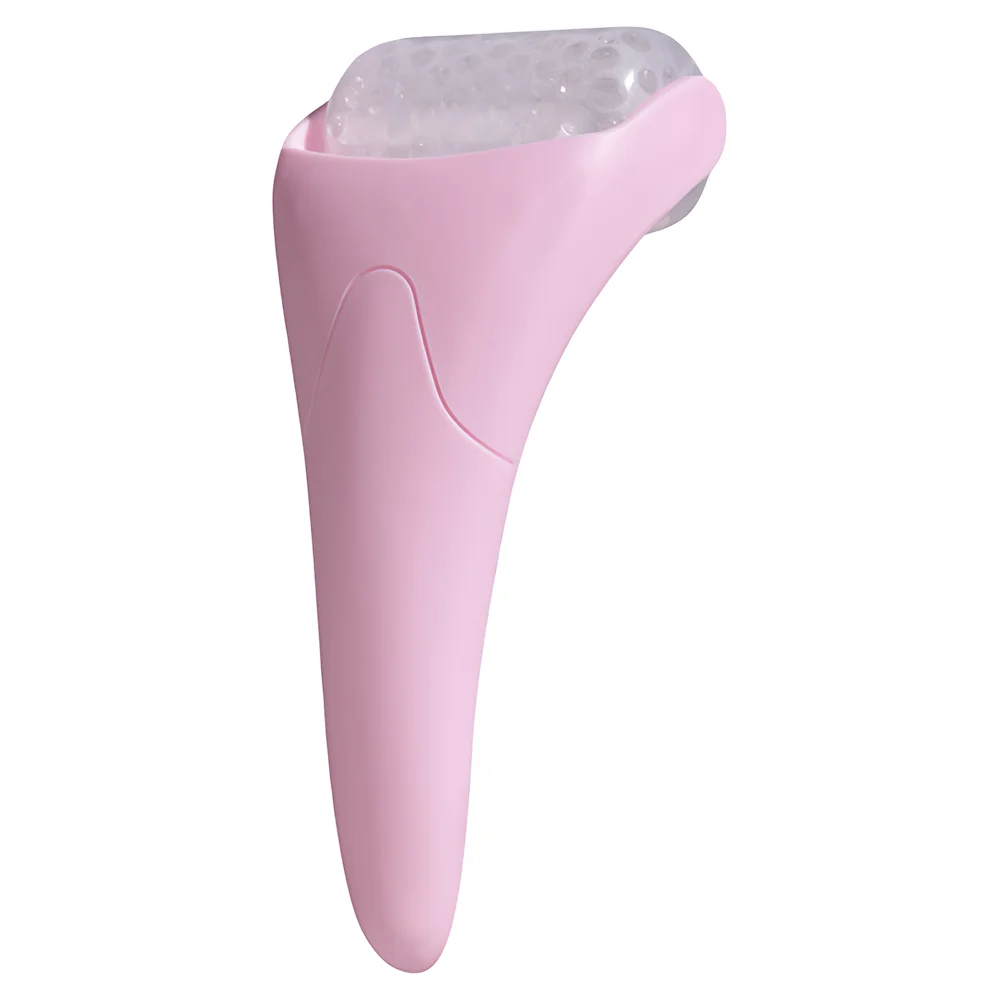
| Handle | Rigid handle with rotating roller head; materials variant dependent |
Care & Maintenance
Wash the roller head with warm water and a mild cleanser after every use and dry it fully before it goes back in the freezer — a wet head that freezes with residue on it becomes a bacteria problem, and this is a tool you press against your face. Store it in a clean bag or box in the freezer rather than loose against food. Never microwave it, put it in boiling water, or run it through a dishwasher, as thermal shock can crack the head and rupture the coolant chamber. Replace it if the head is ever cracked or leaking.
What’s in the Box
1 × face ice roller. Storage pouch or cover may be included depending on the variant selected.

Reviews
There are no reviews yet.