Foam Rolling: What It Really Changes, and How to Do It Properly
Foam rolling is often sold as ‘breaking up adhesions’. It doesn’t — the forces you can generate with bodyweight are nowhere near enough to deform fascia mechanically. What the evidence actually supports is a neural effect: sustained pressure on a muscle reduces its tone and turns down the local pain response, which produces an immediate, reliable increase in range of motion without the temporary strength loss that long static stretching can cause. It also reduces the severity of delayed-onset muscle soreness. Those are modest, real, well-documented benefits — and enough to make it worth five minutes.
Key Benefits
- Immediate range of motion gains — 30 to 60 seconds on a muscle reliably improves joint range, which makes it an ideal warm-up before training rather than a post-workout afterthought.
- Reduced DOMS — rolling after hard sessions consistently lowers the perceived severity of next-day soreness.
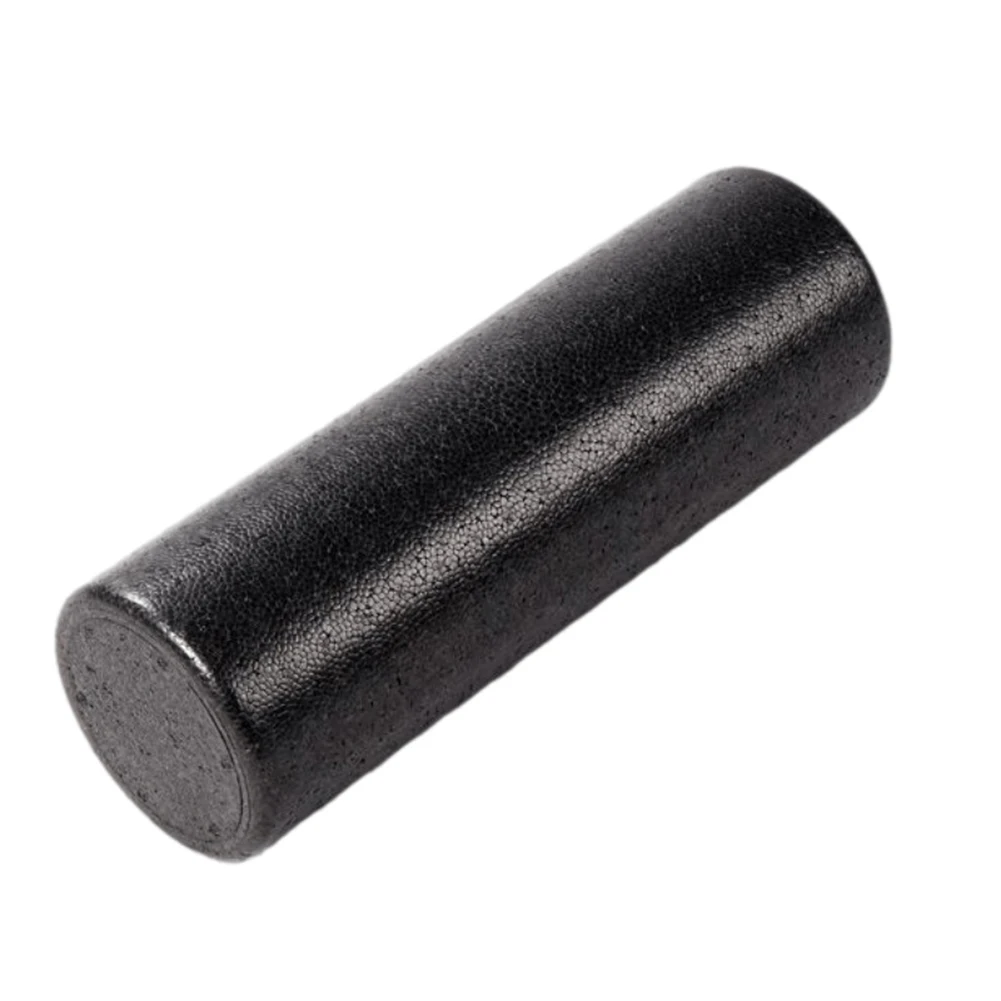
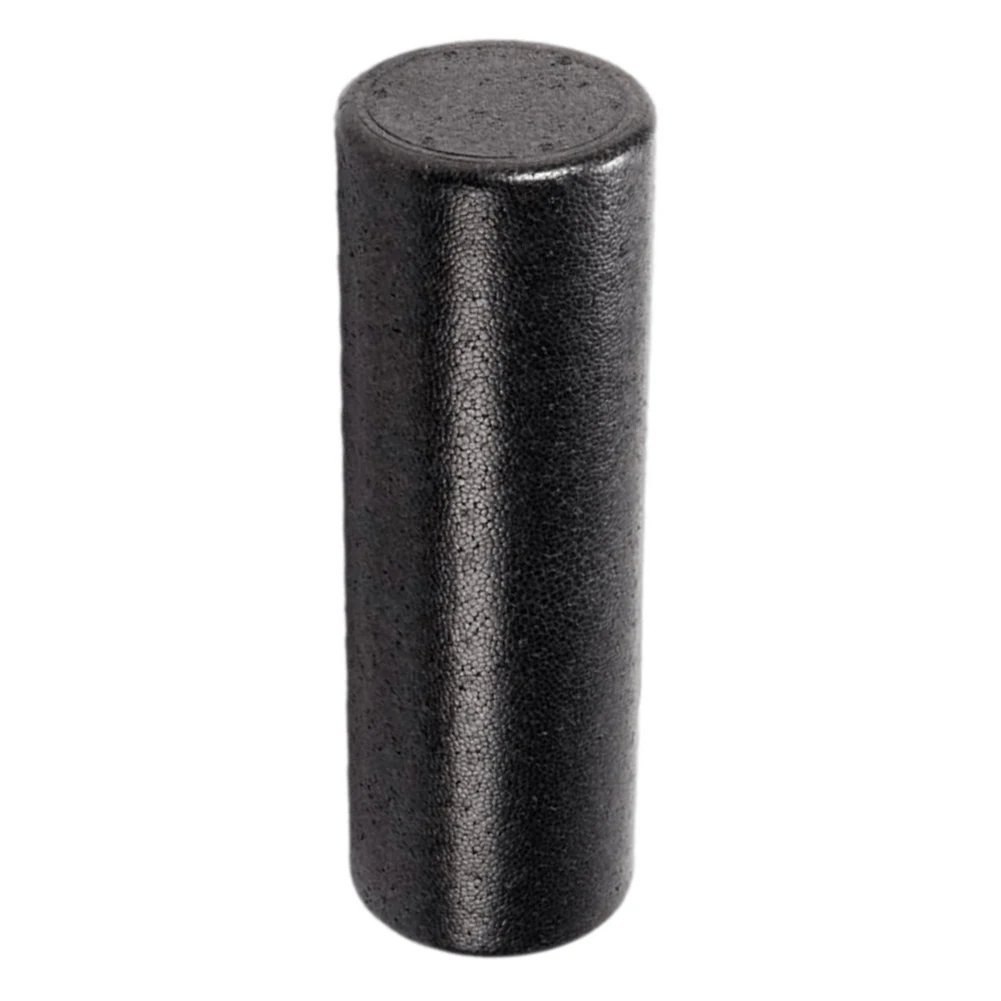
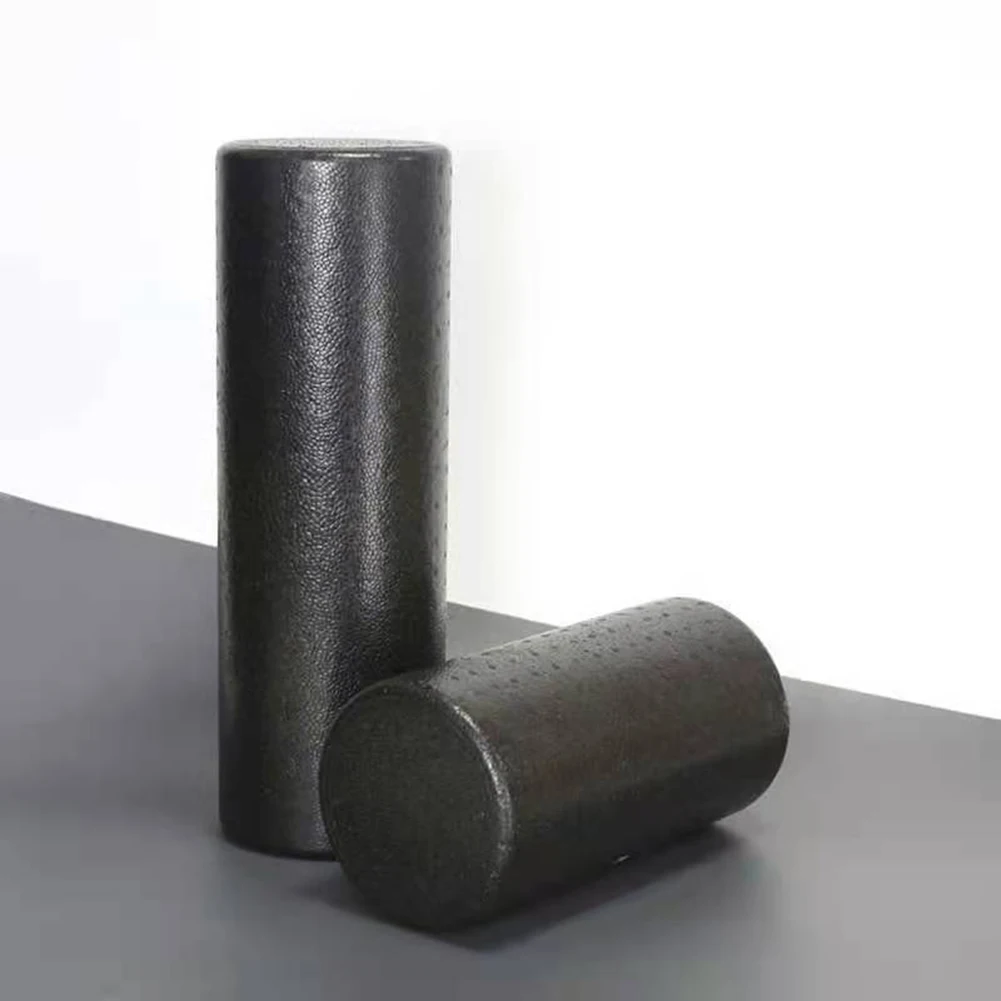
- Textured or smooth surface options — a ridged surface concentrates pressure into narrower channels; a smooth one distributes it. Beginners should start smooth.
- Hollow EVA core for firm, non-collapsing pressure — a roller that squashes flat under you is delivering nothing.
- Full-body coverage — quads, hamstrings, calves, IT band, glutes, lats and the upper back all respond well.
- Also a Pilates and stability prop — lying lengthwise along it turns any core exercise into a balance challenge, and it opens the chest beautifully.
How to Use
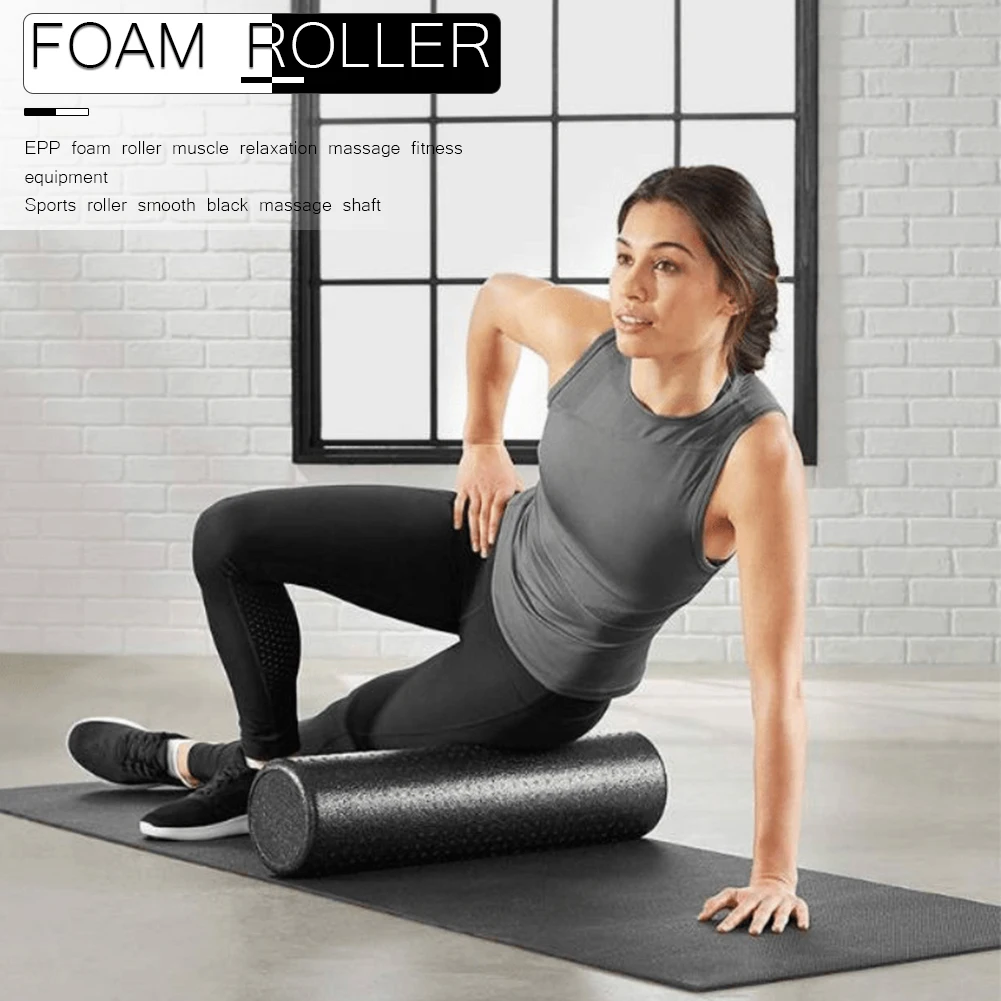
Place the roller under the target muscle and support your weight on your hands or the opposite leg so you can control the load. Roll slowly — around 2.5 cm per second, far slower than most people do. When you find a tender spot, stop and hold for 20 to 30 seconds, breathing out, until the sensation eases; that pause is where the effect actually comes from. Sixty to ninety seconds per muscle group is enough. Roll before training for range of motion and after for soreness. Do not roll your lower back — the lumbar spine is unsupported there and you will simply make the paraspinals guard harder; use a peanut or a ball either side of the spine instead. Also avoid the front of the neck, the abdomen, joints, bony points and the back of the knee. Pain you cannot breathe through is too much pressure. Stop rolling any area that is acutely injured, bruised, numb or inflamed, and check with a clinician first if you have a clotting disorder or take anticoagulants.
Specifications
| Type | Foam roller for myofascial release, yoga and Pilates |
|---|---|
| Material | EVA foam / EPP — variant dependent |
| Core | Hollow |
| Surface | Smooth or textured — variant dependent |
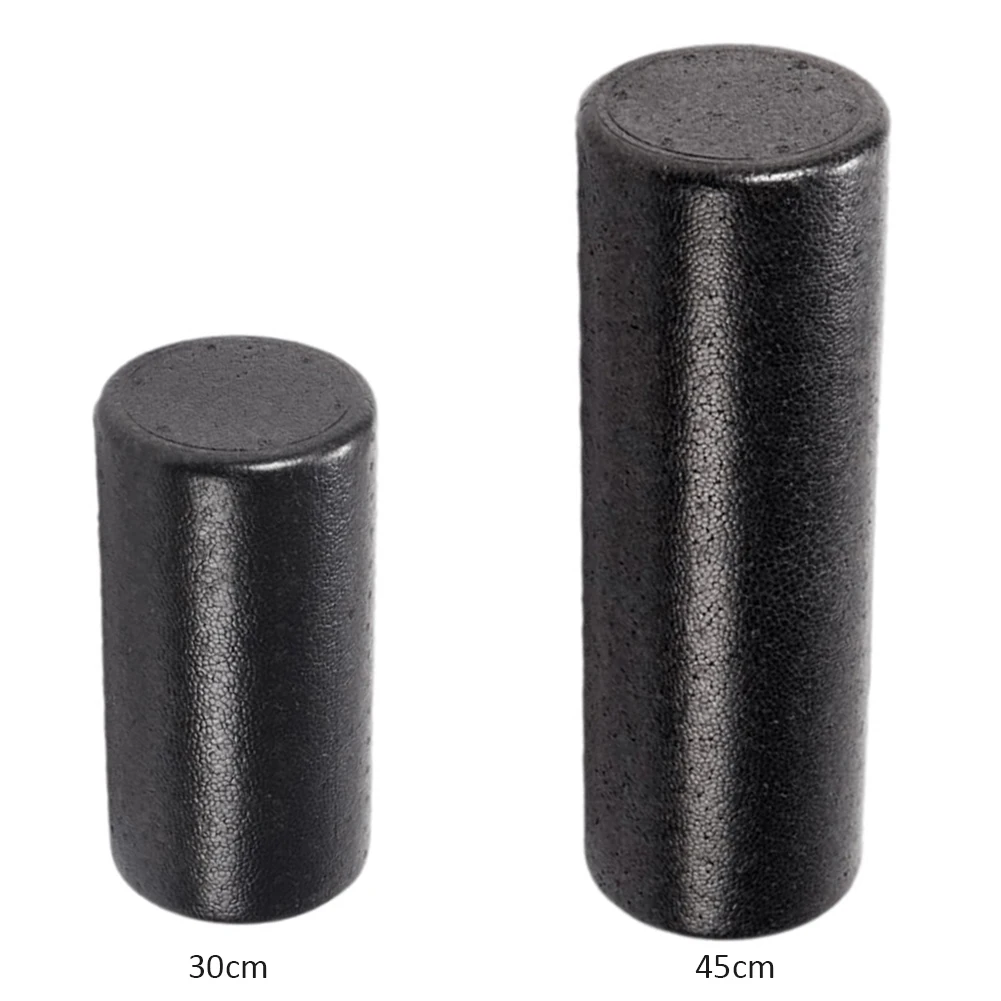
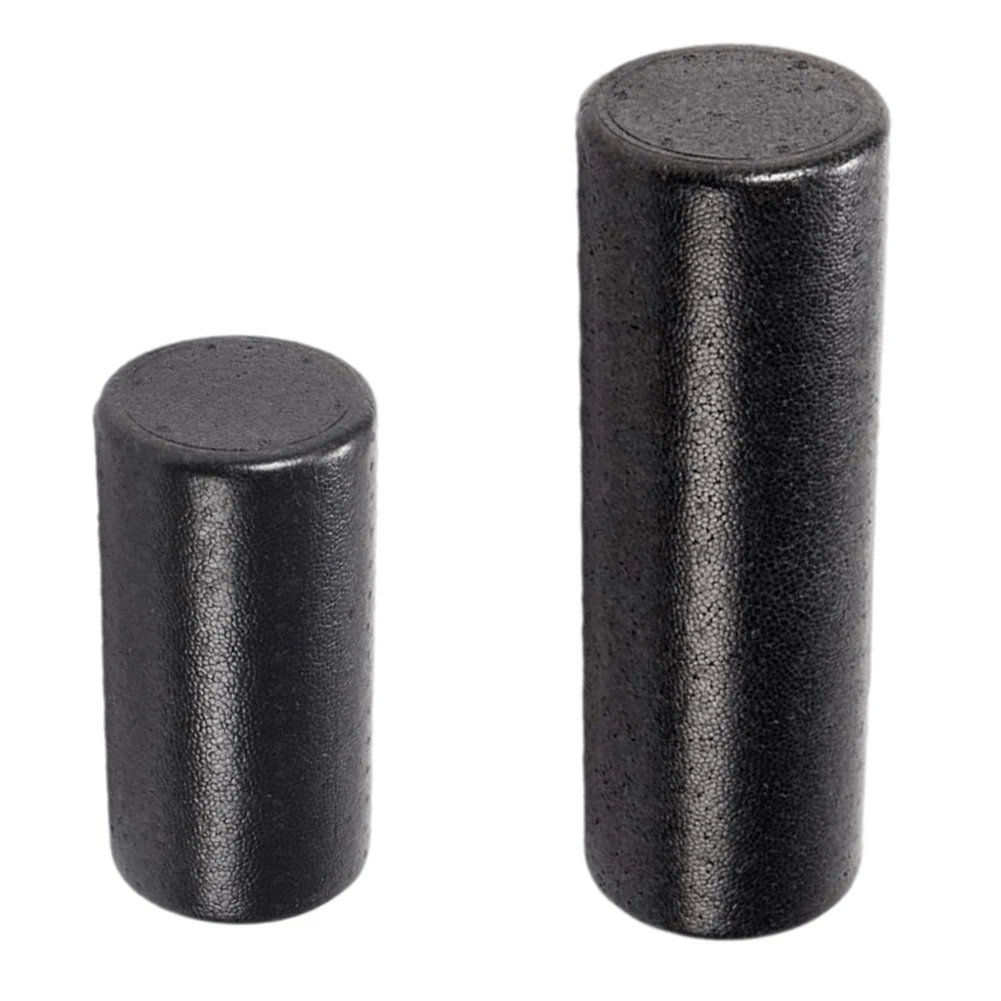
| Size | Length and diameter vary by option — check the selected variant |
| Density | Medium-firm |
| Use | Unisex, all levels |
| Best for | Warm-up mobility, post-training soreness, quads, calves, glutes, lats, upper back |
Care & Maintenance
Wipe down with a damp cloth and mild soap after use; sweat and skin oil break down foam over time. Air dry fully before storing. Keep it out of direct sunlight and away from heat sources, which make EVA brittle. Do not store heavy objects on top of it — a permanently compressed flat spot ruins the roll. Replace it when it loses firmness or the surface starts crumbling.
What’s in the Box
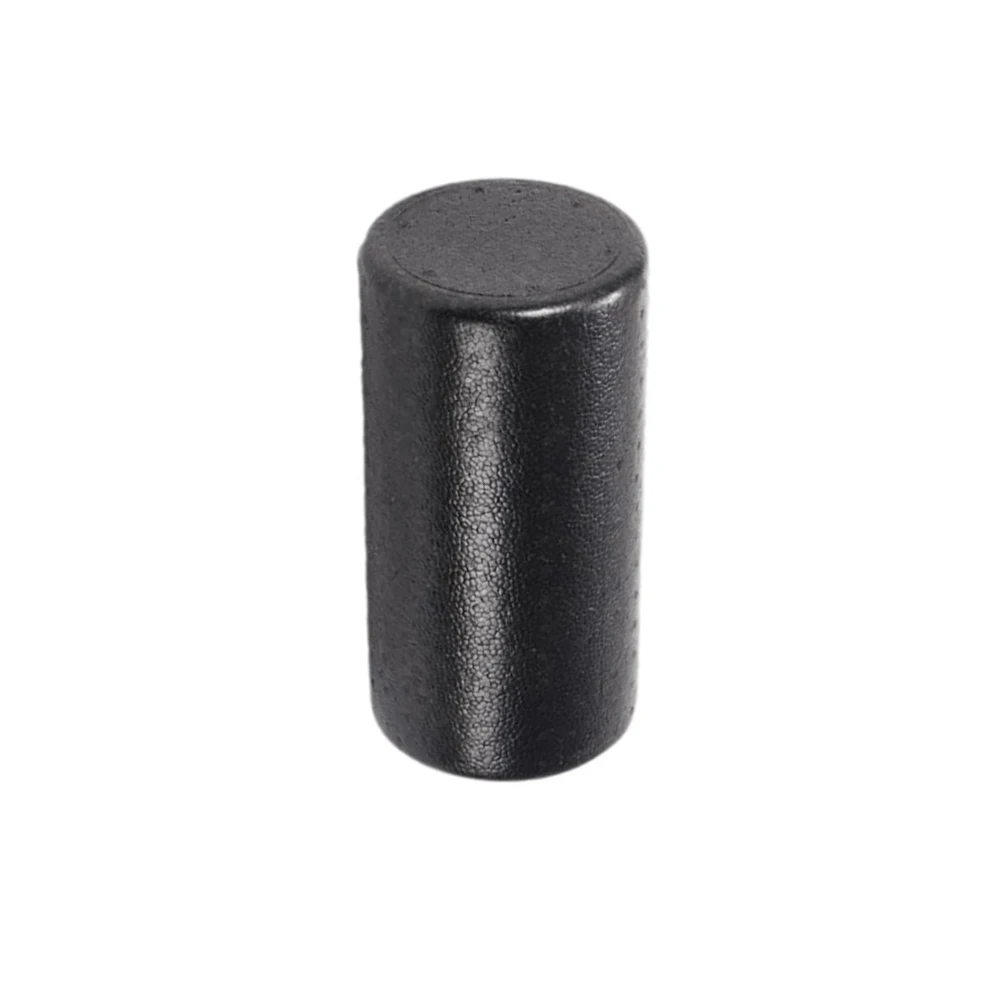
1 × foam roller. Size, colour and surface texture as selected.
Reviews
There are no reviews yet.