

Why Chest-Mounted Hydration Beats a Backpack on Long Runs
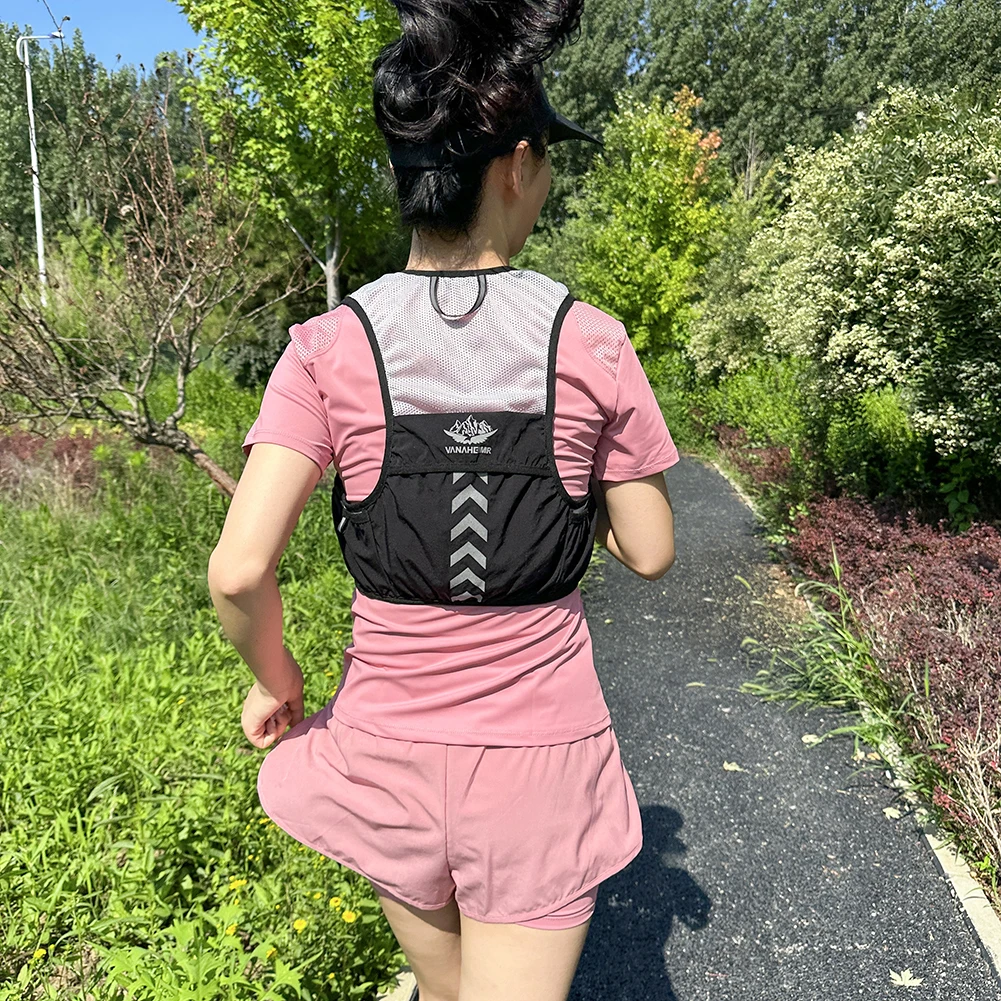
Dehydration does not announce itself politely. A 2% drop in body mass through sweat measurably degrades endurance performance and thermoregulation, and by the time you feel thirsty you are already behind. The problem with conventional packs is behavioural, not technical: if drinking requires stopping, unshouldering or fumbling behind your back, you will drink less. A vest-style pack solves this by moving the load onto the front of the torso and close to your centre of mass, where it does not swing, and by putting bottles and gels within reach of your own hands at running pace.
Key Benefits
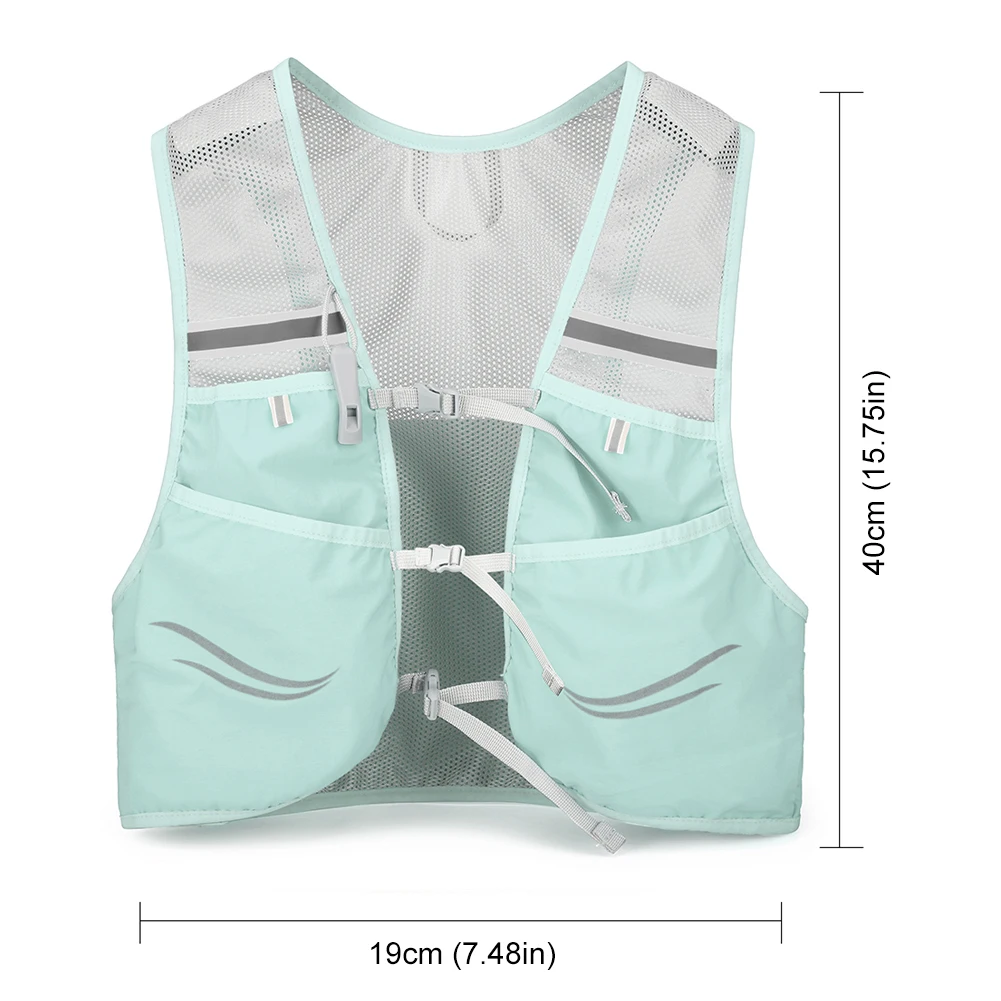
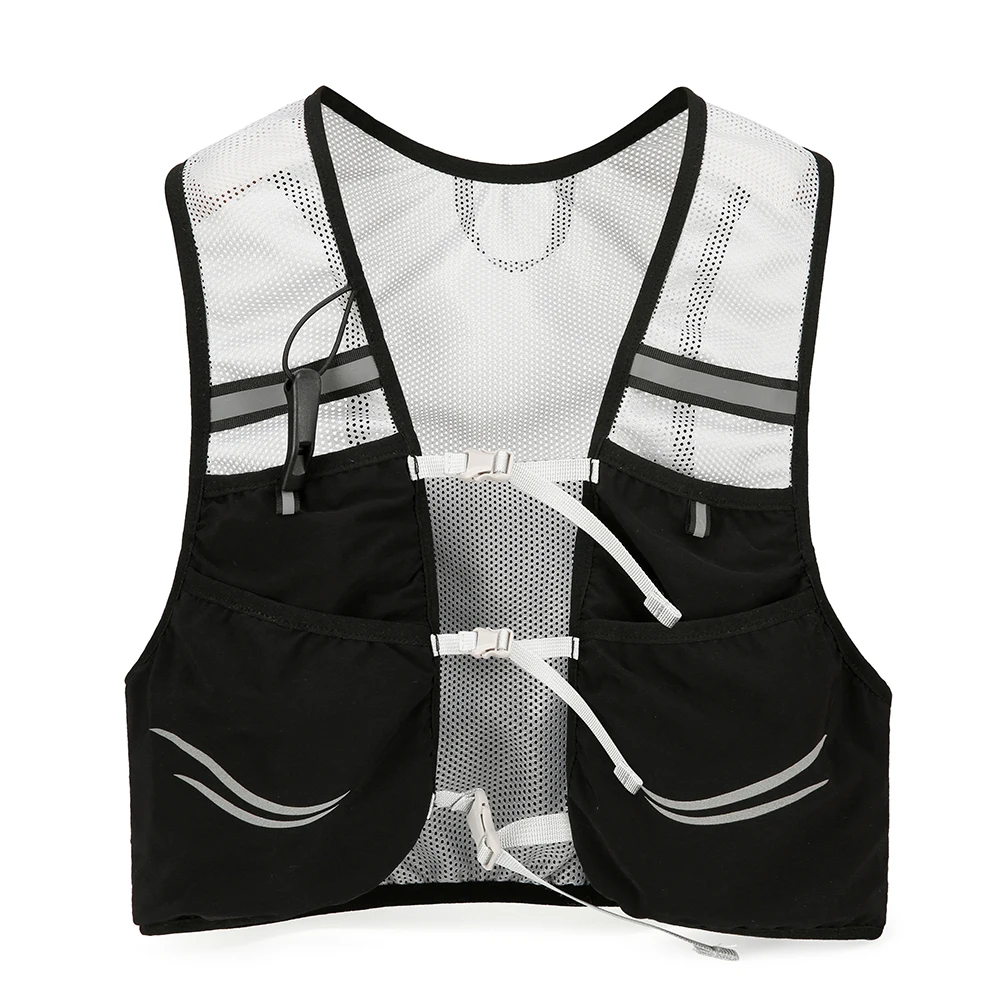
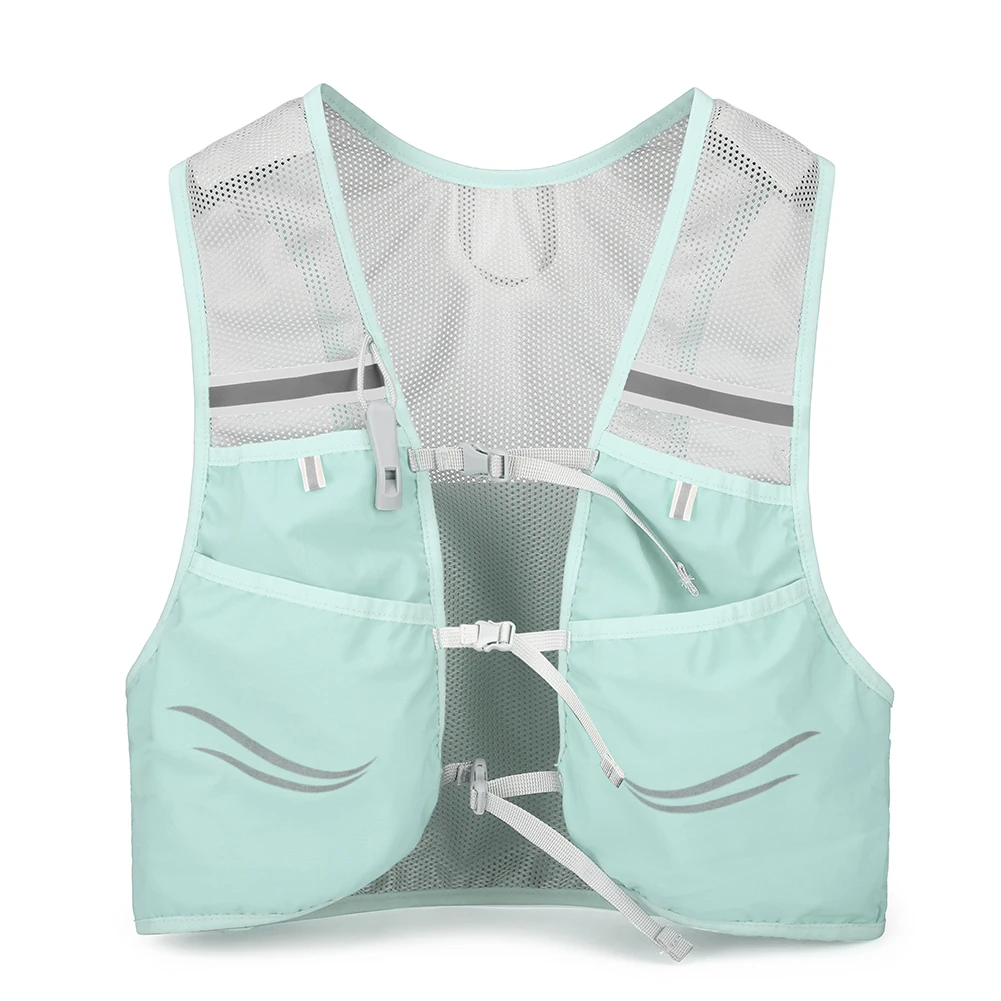
- Front-access bottle pockets. Reach, drink, replace — without slowing down or asking anyone to help you. This is the single feature that determines whether you actually stay hydrated on a long run.
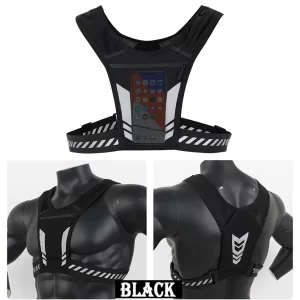
- Bounce-free adjustable fit. Sternum and side adjusters cinch the vest against the ribcage so the load moves with you, not against you. A bouncing pack chafes, and chafing at mile 18 ends races.
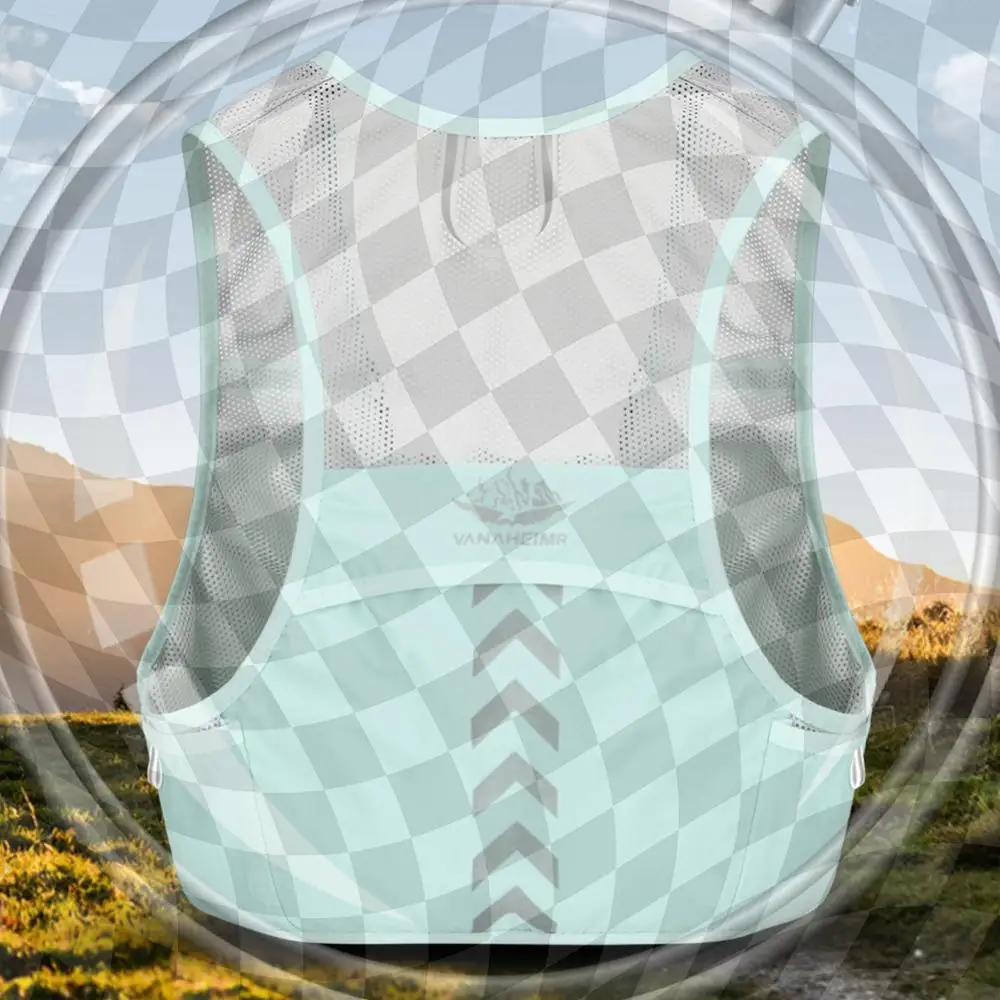
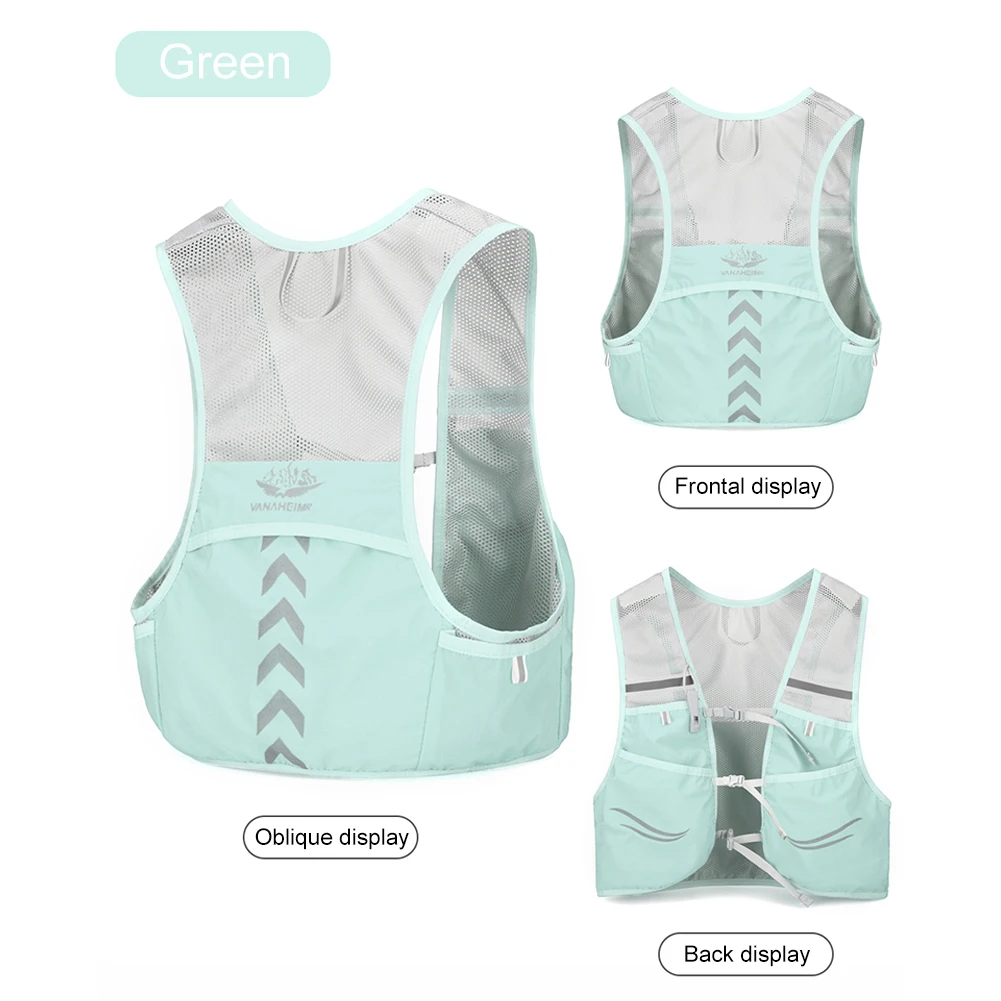
- Genuinely ultralight and breathable. Mesh construction keeps the pack weight negligible and allows sweat to evaporate off your back rather than pooling under a solid panel.
- Multiple pockets for real race logistics. Gels, salt tabs, phone, keys and a shell jacket each get a home, so you are not excavating one large compartment mid-race.
- Works across sports. Marathon, trail ultra, hiking, cycling and long walks — anywhere carrying water in your hands is impractical.
- Load stays close to your centre of gravity. Weight carried high and tight on the torso costs less energy to move than the same weight swinging on your lower back.
How to Use
Fit it before you race in it, and fit it loaded. Fill the bottles or bladder, put the vest on, then tighten the sternum straps until the pack stops moving when you jump on the spot — snug enough to eliminate bounce, loose enough that you can take a full deep breath. If it restricts your breathing, it is too tight; if it slaps your chest when you run, it is too loose. Test the full loaded setup on at least one long training run before race day: new packs cause new chafe points, and you want to discover them 6 miles from your car, not 20 miles into a marathon. Apply anti-chafe balm to the collarbones and underarms on long efforts. Balance the load left and right — an asymmetric pack will make one shoulder sore over hours. Do not overload it; carrying more water than you need is a self-inflicted weight penalty.
Specifications
| Product type | Ultralight hydration vest / running race pack |
|---|---|
| Colour options | Black, green |
| Construction | Lightweight breathable mesh |
| Storage | Front bottle pockets plus multiple gel and accessory pockets |
| Adjustment | Adjustable sternum and side straps |
| Intended use | Marathon, trail running, hiking, cycling |
| Bottles / bladder | Variant dependent — check product options before ordering |
| Size | Variant dependent — see sizing options |
Care & Maintenance
Rinse the vest in cool water after every sweaty run. Salt is the enemy here: dried sweat crystallises in the mesh, stiffens the fabric and accelerates abrasion against your skin. Hand wash with mild detergent — no bleach, no fabric softener (softener clogs the mesh and kills breathability). Hang to dry in the shade; a tumble dryer will warp the elastic and delaminate the mesh. If you use a bladder, empty and dry it fully between uses and store it in the freezer or with the tube open to prevent mould. Check strap stitching and buckles periodically.
What’s in the Box
1 x hydration running vest in your selected colour. Bottles and bladder are variant dependent — confirm inclusion in the product options before ordering.

Reviews
There are no reviews yet.