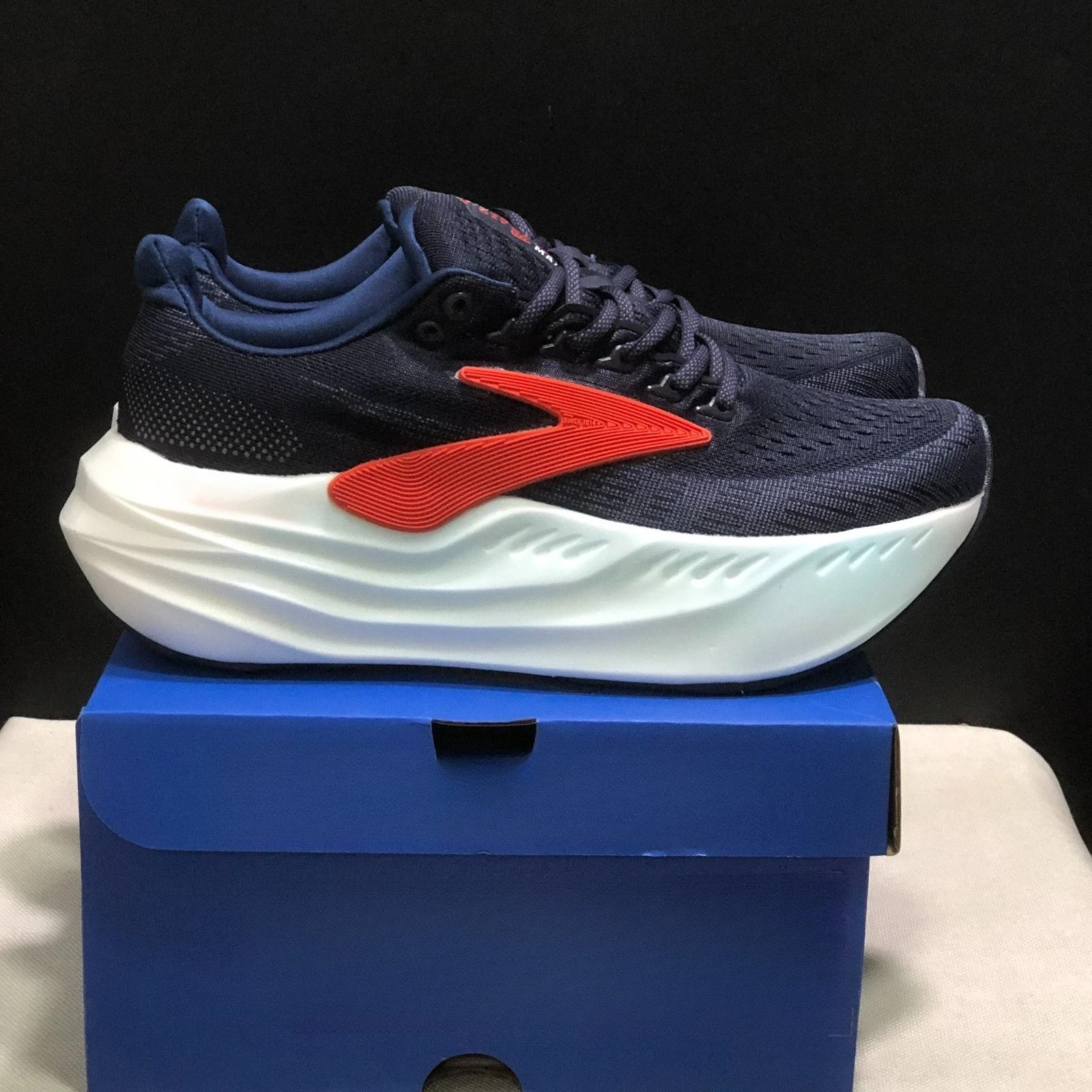
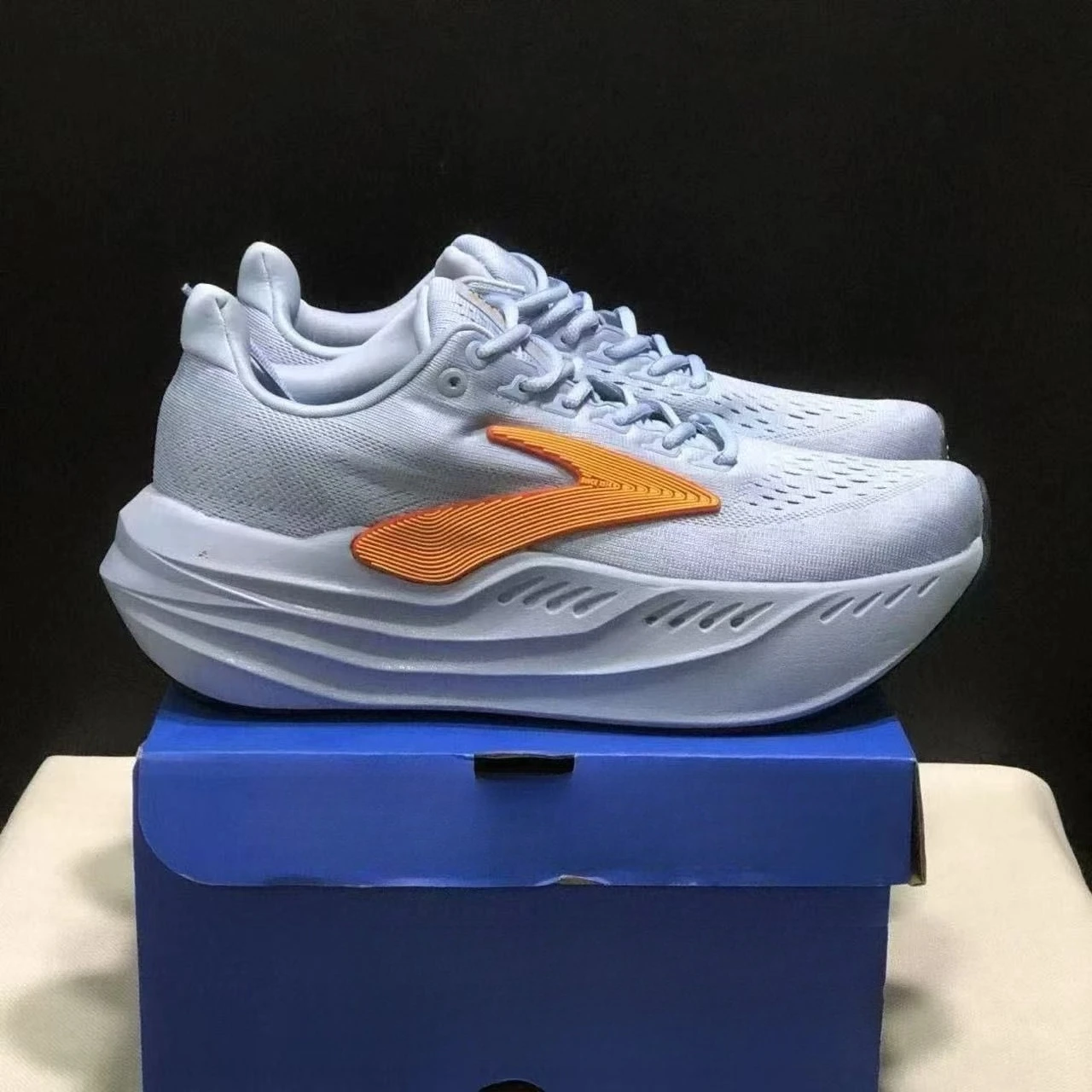
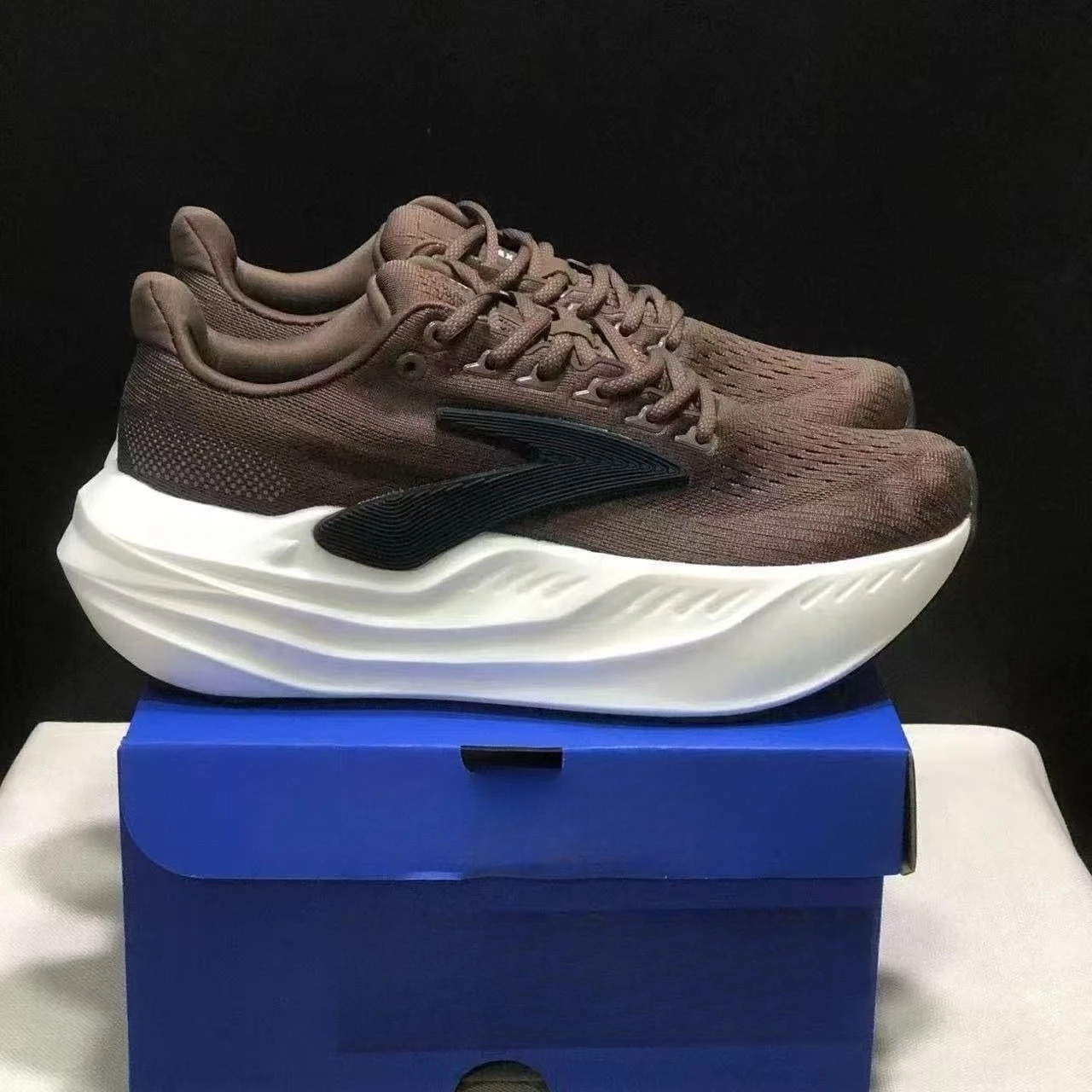
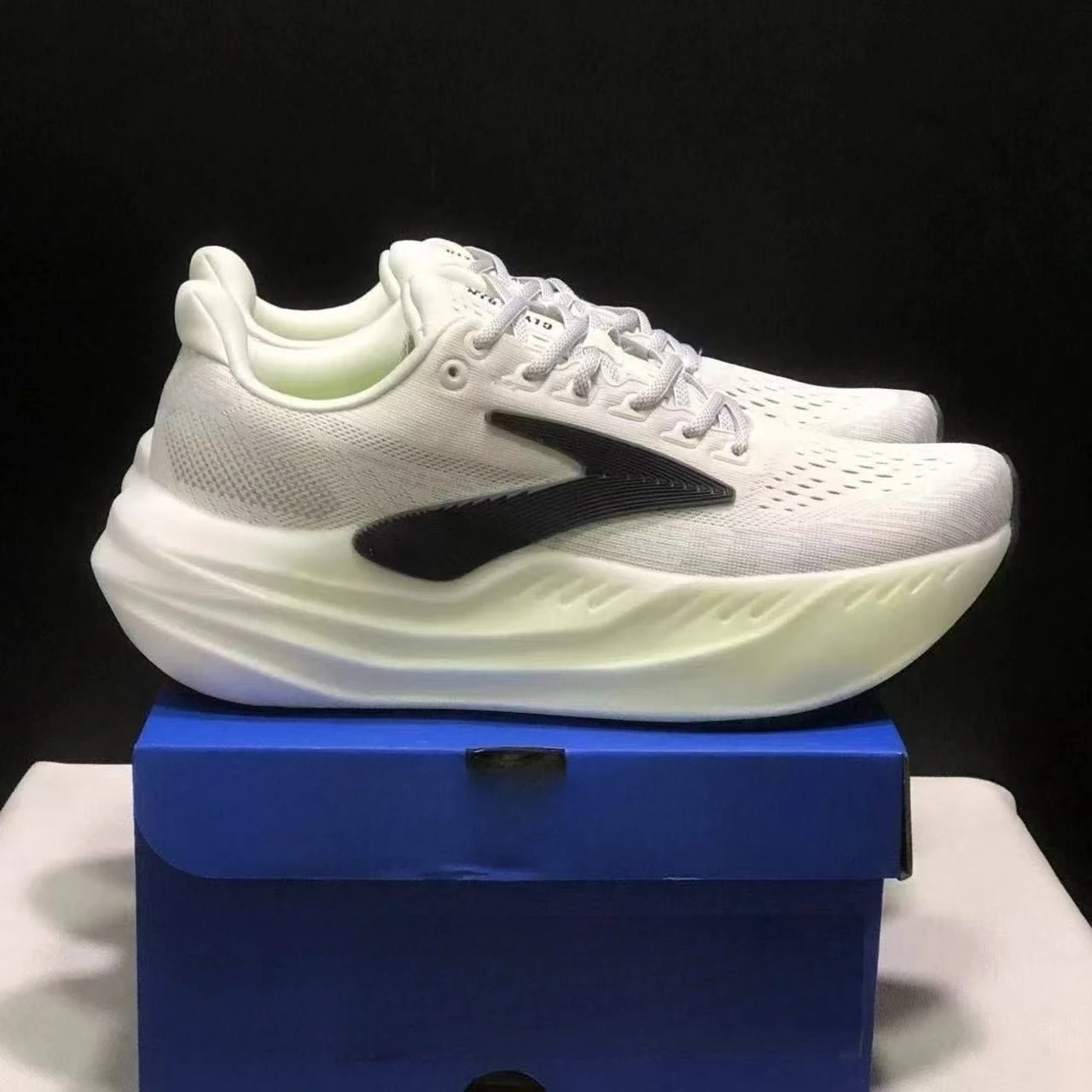
The Shoe Is a Tool — Here’s What It Can and Can’t Do
Every time your foot lands, the ground pushes back with a force spike of a couple of body weights, delivered in a few hundredths of a second. A midsole works by deforming — it spreads that impulse over a longer window, which lowers the peak force reaching the foot and shin. The outsole manages the other half of the equation: friction, so that the horizontal force you push backward into the ground turns into forward motion rather than a slip. And a breathable knit upper handles the least glamorous but most frequently felt problem, which is moisture — blisters are caused by shear plus a damp sock, so a shoe that lets water vapour out is a shoe that blisters you less.
Key Benefits
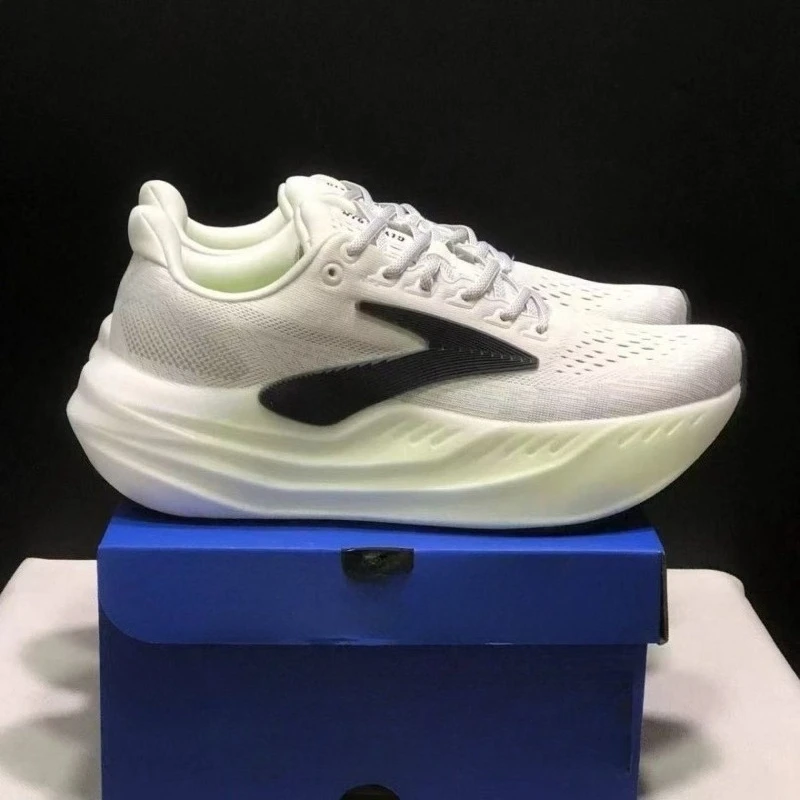
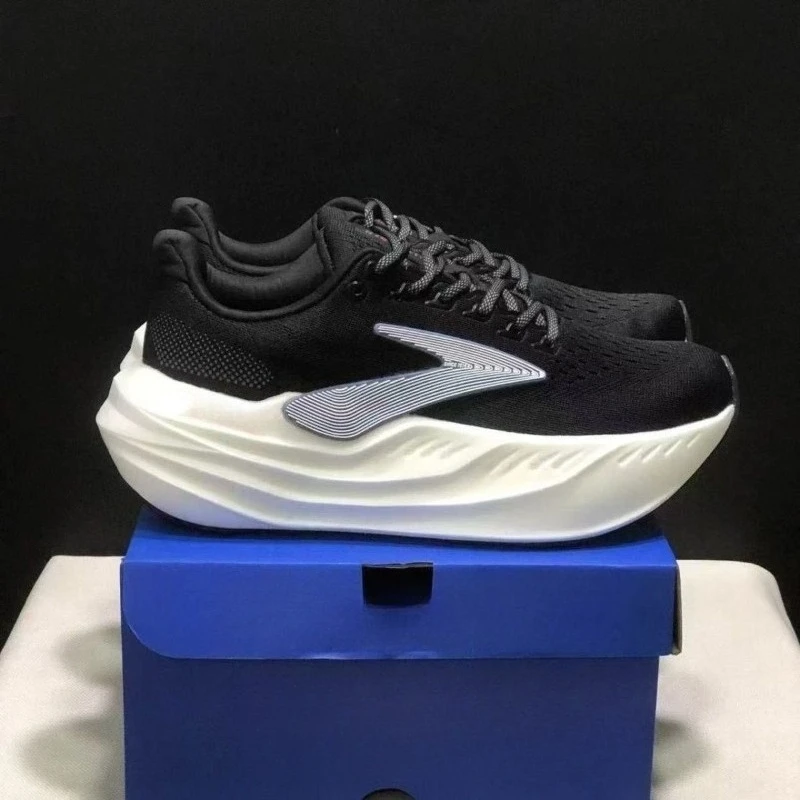
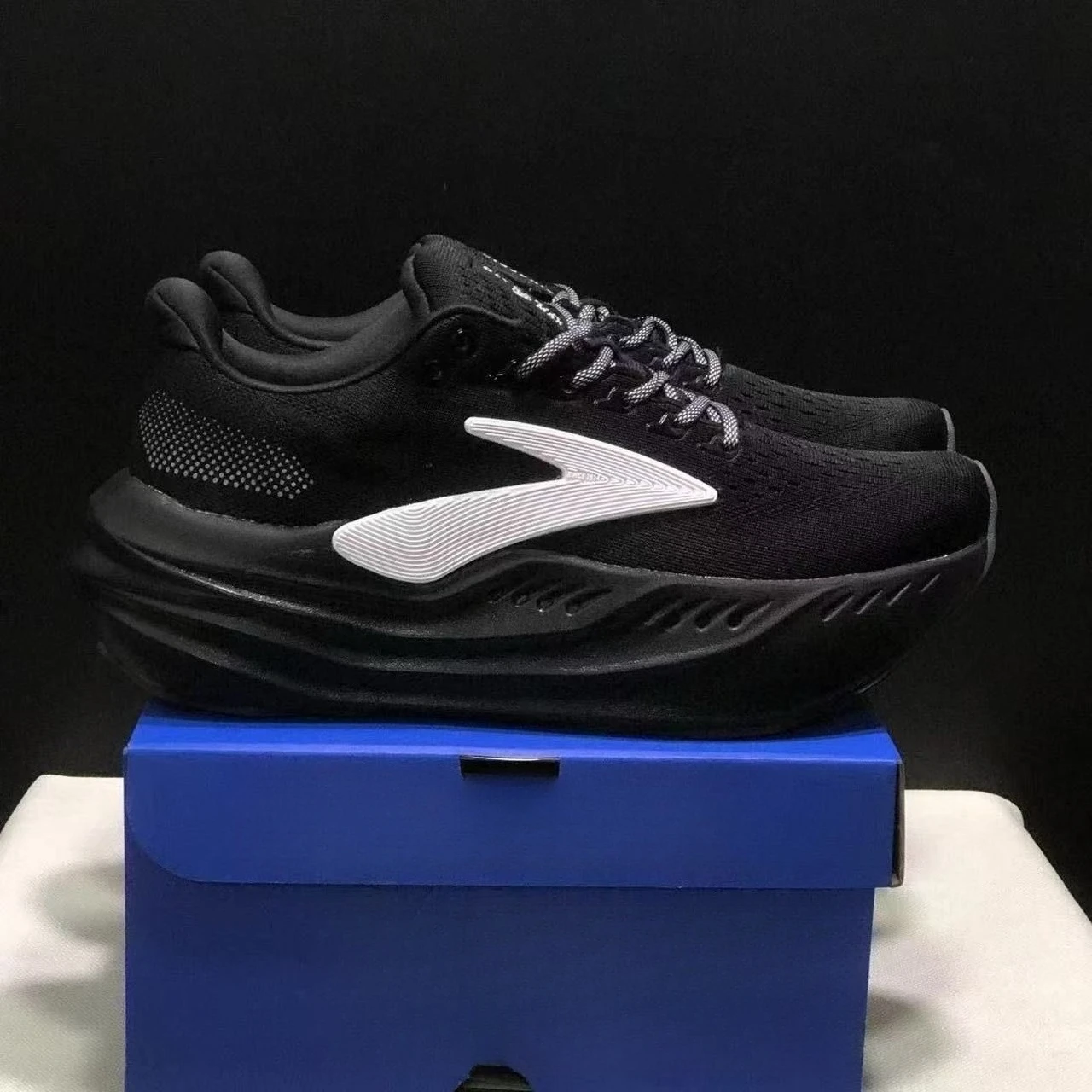
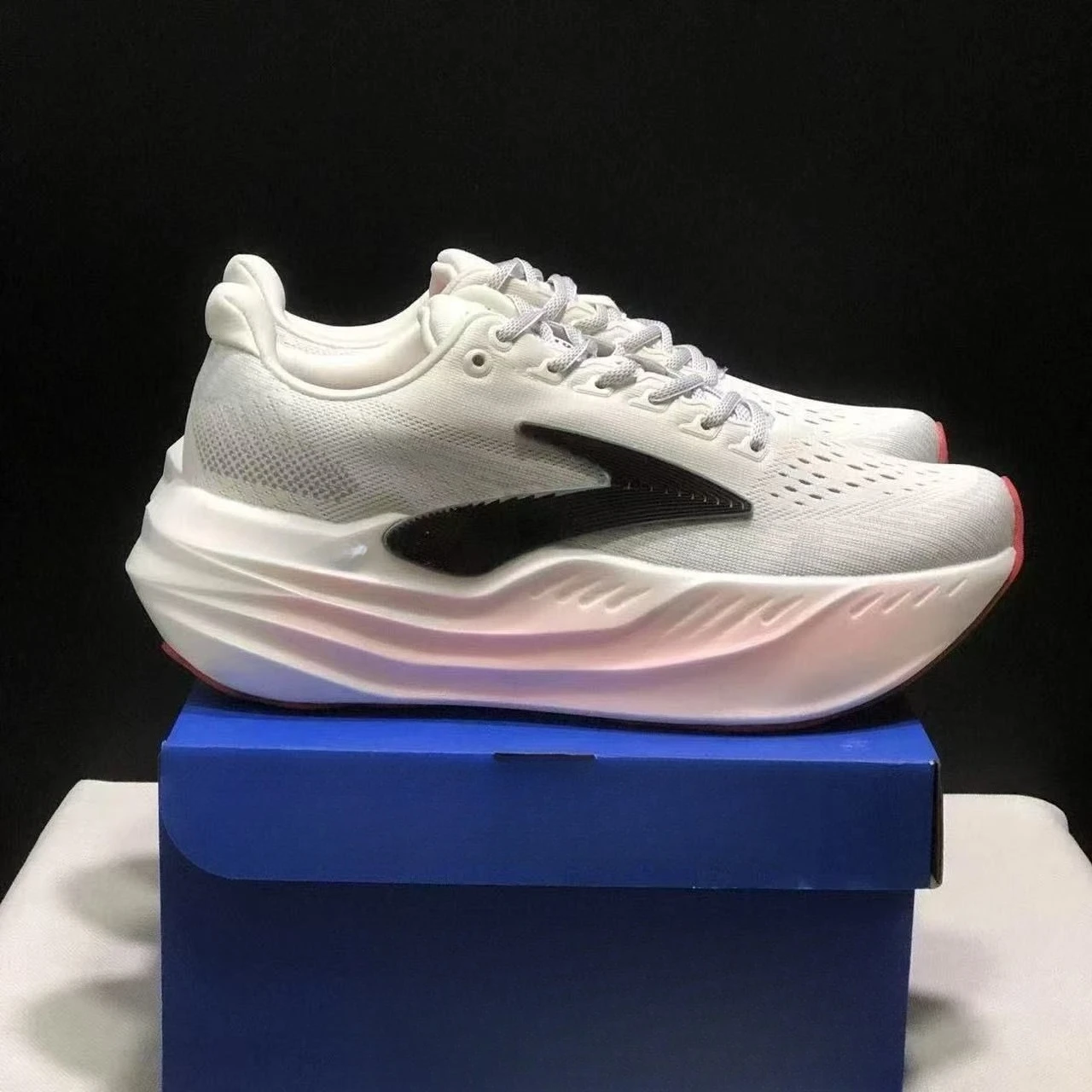
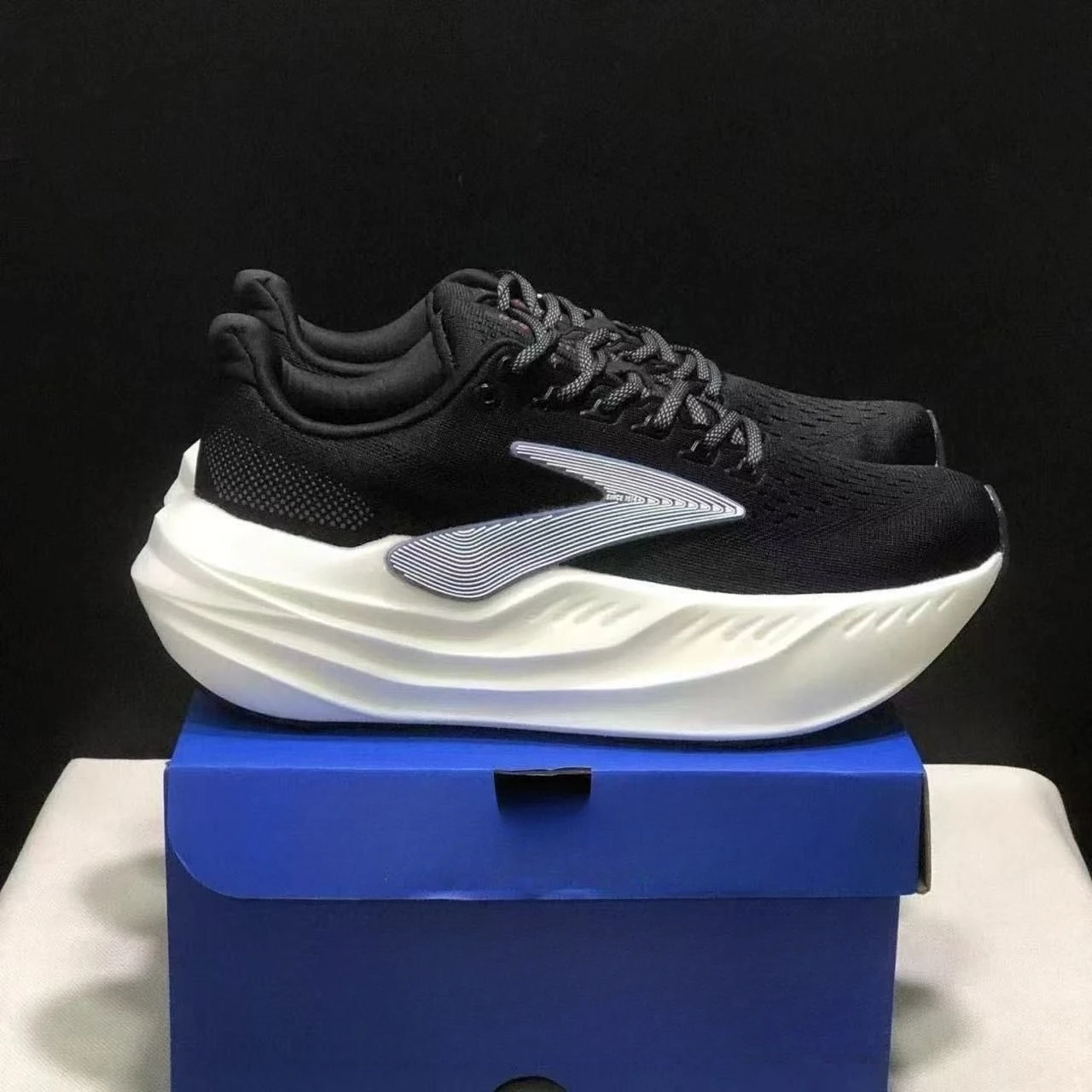
- Breathable knit upper. Moves water vapour out rather than trapping it, which keeps the sock drier and shear-plus-moisture blisters less likely.
- Lightweight construction. Mass on the foot is the most expensive mass you carry — it is at the far end of a swinging lever, so every gram costs more energy than a gram on your torso.
- Non-slip patterned outsole. Tread designed for grip on typical dry pavements, gym floors and paths.
- Cushioned midsole. Attenuates the impact transient at footstrike, which is the part your shins and knees feel most.
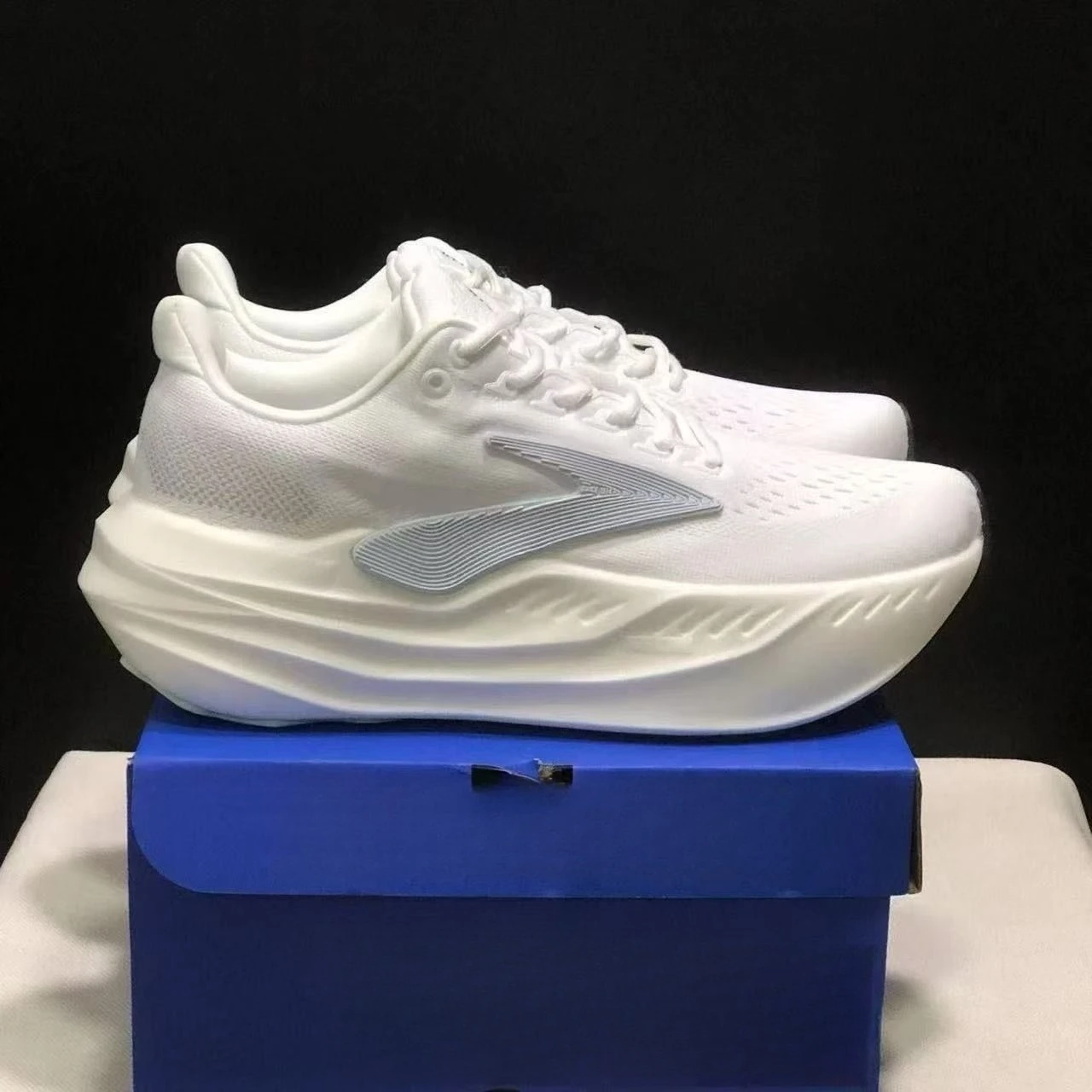
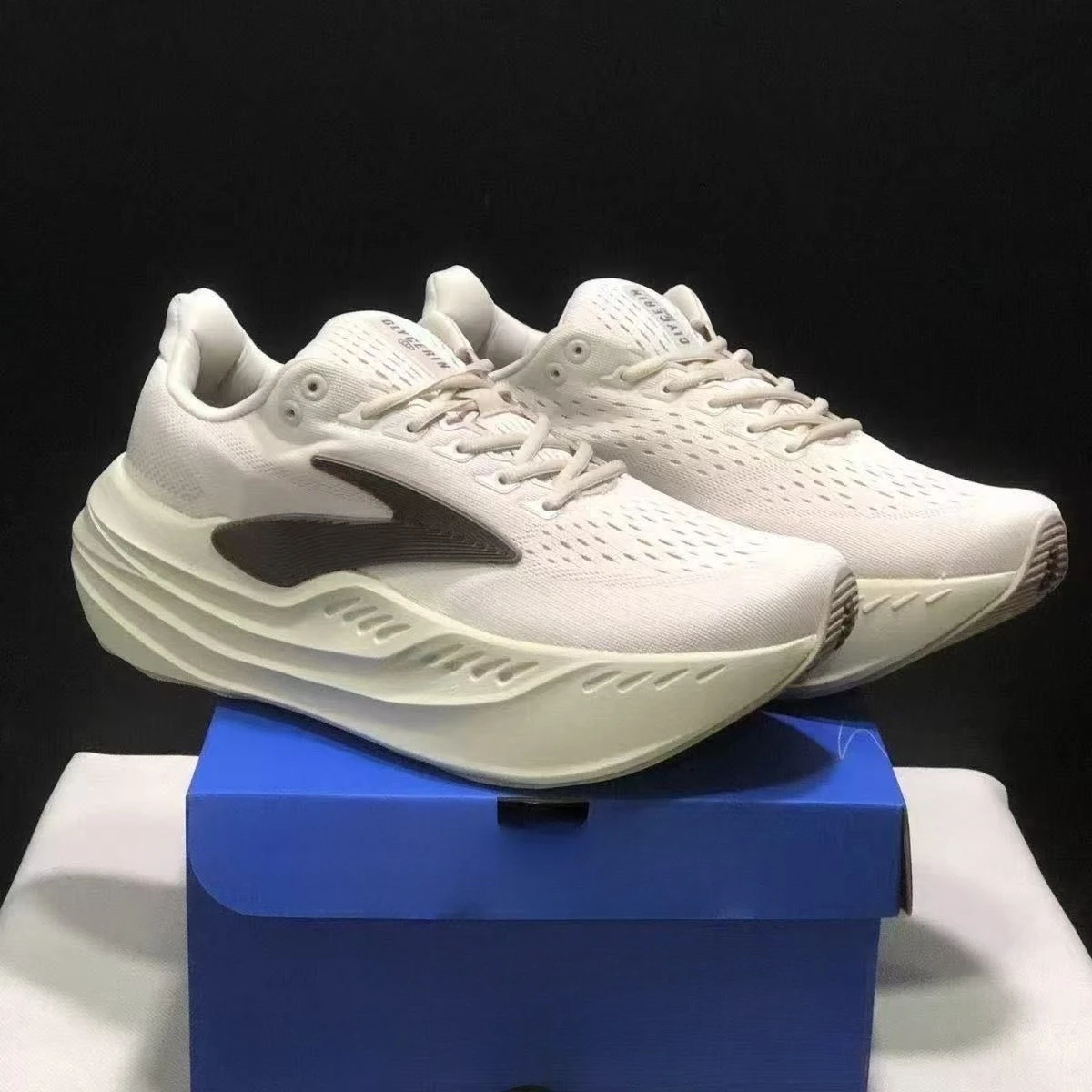
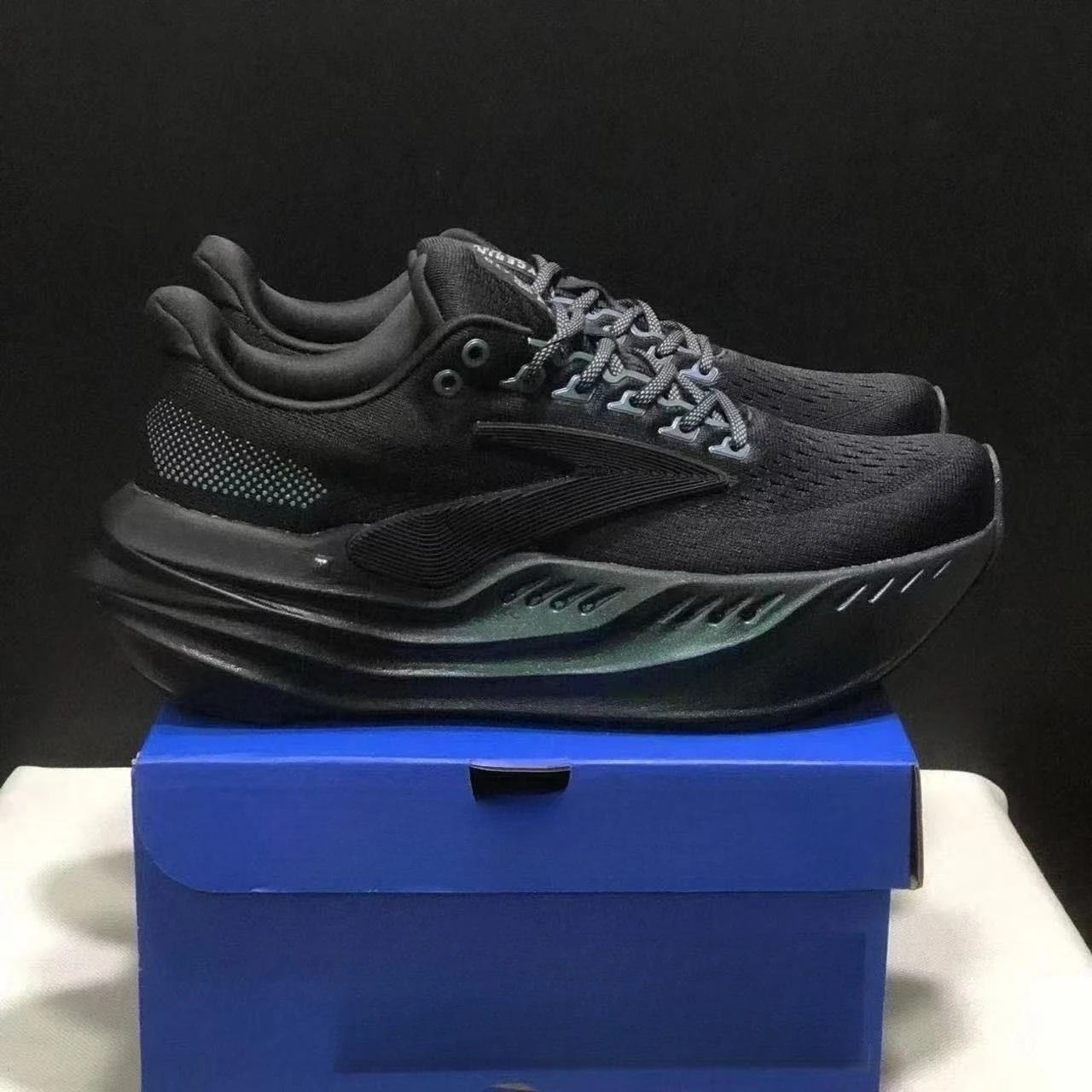
- Ten colourways, EU 36 to 45, unisex. A broad enough range that you are choosing on fit rather than settling for what is left.
- Honest about what it isn’t. Read the fit and injury notes below before you buy. They will save you a return.
How to Use
Fit is the entire decision, and it is worth being methodical about. Measure your foot in centimetres at the end of the day, when it is at its largest, and match it to the size chart rather than trusting the number you usually wear — unisex trainers in this sizing system commonly run small, and we would suggest ordering half a size up. Leave roughly a thumb’s width between your longest toe and the front of the shoe; your toes need to be able to splay on landing. Lace firmly but not tight enough to feel pressure across the top of the foot. Then transition into them gradually: run a couple of shorter, easier sessions before you take a new pair on a long run, because your foot and calf will be loading slightly differently in a new shoe than in the one they have adapted to. Honesty — the important part: running shoes do not prevent injury. Despite decades of marketing about cushioning, motion control and pronation, there is no good evidence that any shoe feature meaningfully reduces running injury rates. What does predict injury is training load — how fast you ramp up mileage and intensity. Buy a shoe because it fits, feels good and grips; do not buy it as insurance. Safety: non-slip refers to typical dry surfaces. These are not ice, wet-rock or technical-trail shoes.
Specifications
| Product type | Running and walking shoes (pair) |
|---|---|
| Gender | Unisex |
| Sizes | EU 36-45 |
| Upper | Breathable mesh / knit |
| Closure | Lace-up |
| Outsole | Patterned non-slip sole |
| Cushioning | Cushioned midsole |
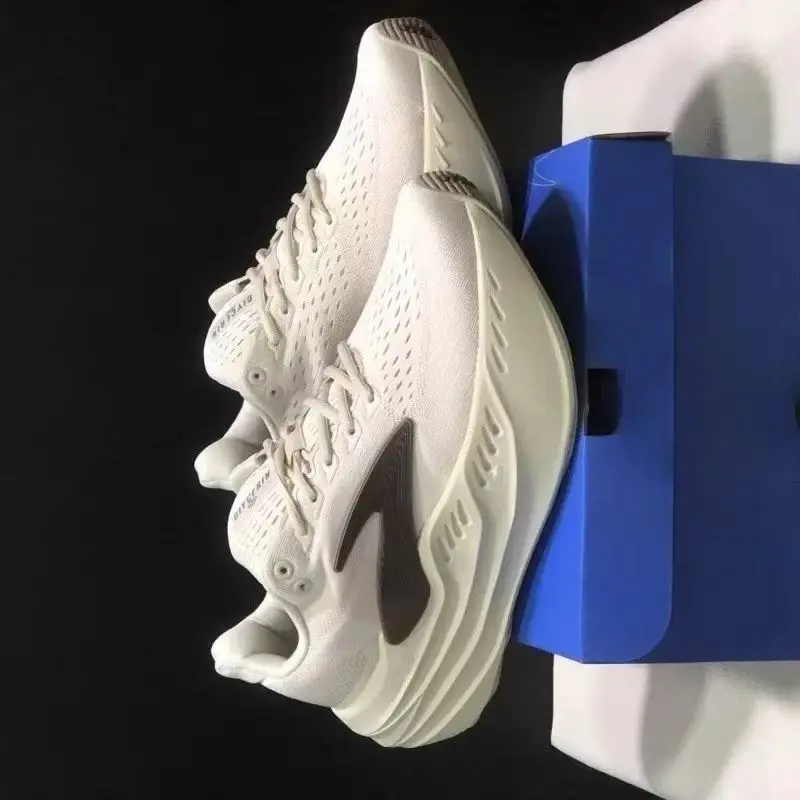
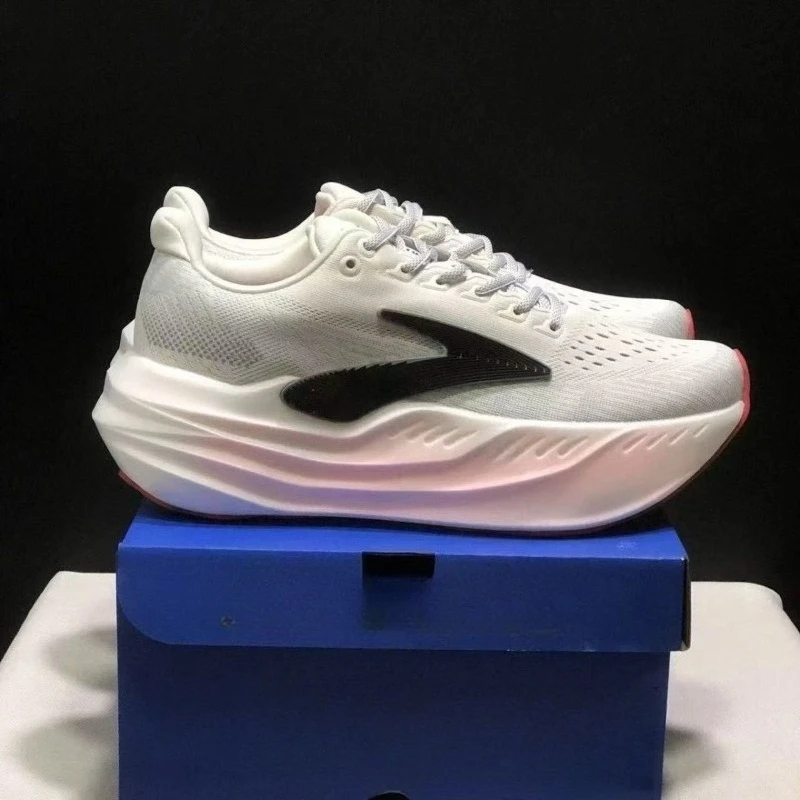
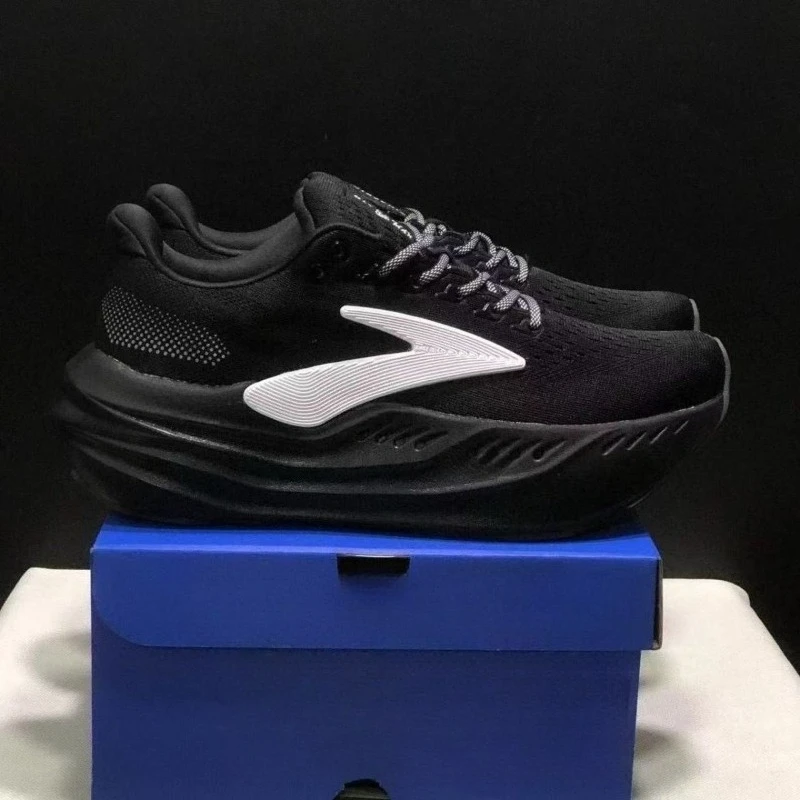
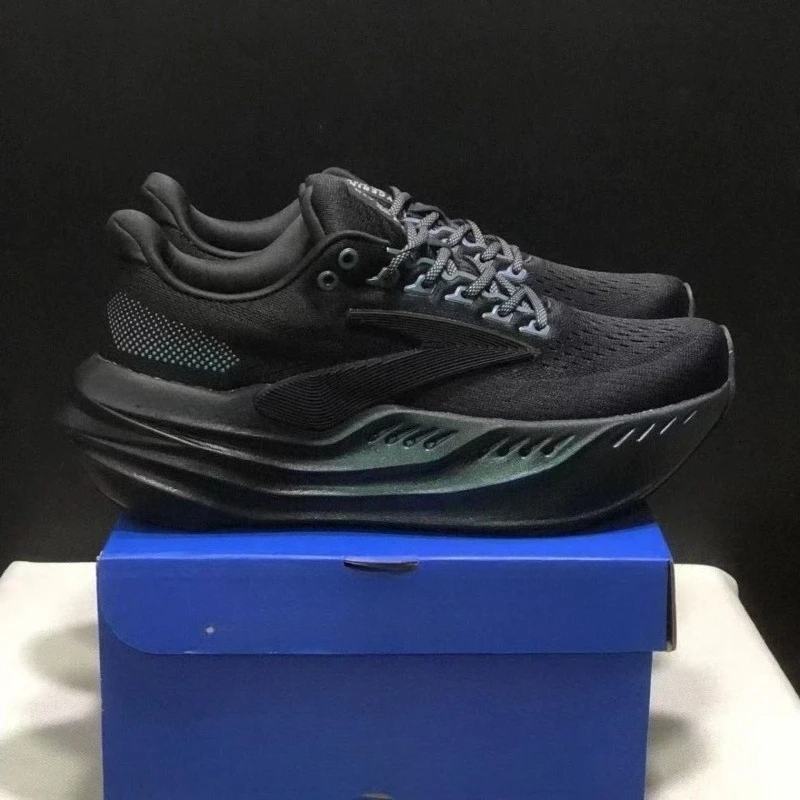
| Colourways | 10 including black, white/pink, black/white, white/blue, off-white, black/green, blue, light blue, brown, white/green |
| Fit note | Tends to run small – consider ordering half a size up |
| Best for | Jogging, walking, gym, casual everyday wear |
Care & Maintenance
Air dry only. Never put running shoes in a washing machine or a tumble dryer — heat and agitation break down the midsole foam and the adhesives holding the sole on, and a shoe that has been through a dryer is a shoe with a shortened life. To clean, remove the insoles and laces, brush off loose dirt, and wipe the upper with mild soapy water and a soft brush. Dry them away from radiators and direct sun, stuffing them loosely with paper to hold their shape. Rotating between two pairs, if you have them, lets the foam recover between runs and extends the life of both.
What’s in the Box
1 x pair of running shoes. Colour and size as per the variation selected.
Reviews
There are no reviews yet.